
When you think about a bustling city like Singapore, the last thing that usually comes to mind is an emergency. Yet, as unpredictable weather patterns and urban challenges become more common, cities must be ready for anything. That’s where the Singapore Urban Emergency Response Plan (UERP) steps in. This comprehensive safety plan isn’t just a set of rules on paper; it represents a dedicated effort to keep residents safe during natural disasters and other emergencies. With teamwork from various agencies and engagement from the community, Singapore aims to create a secure environment where everyone knows what to do when the unexpected happens. Let’s dive into how this innovative plan works to ensure public safety.
The Singapore Urban Emergency Response Plan is a strategic framework designed to enhance the city’s safety and preparedness in responding to various emergencies, particularly those heightened by climate change. It involves a multi-agency approach that includes collaboration among police, fire services, medical units, and civil defense forces, ensuring efficient response measures while prioritizing community engagement and regular drills for public awareness.
Overview of Singapore’s Urban Emergency Response Plan
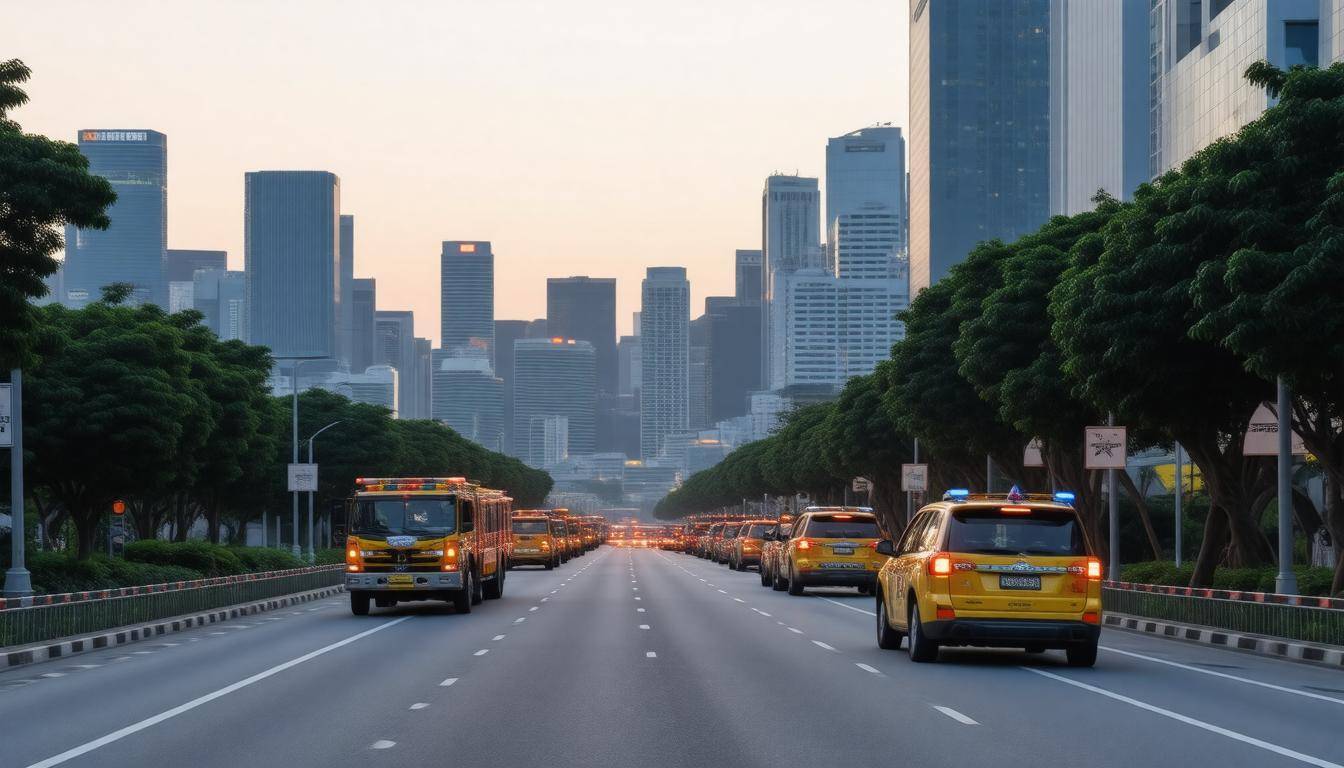
Singapore’s Urban Emergency Response Plan (UERP) stands as a testament to the city’s commitment to safeguarding its residents and infrastructure. This meticulously crafted plan was initiated by the Office of Climate Resilience in August 2024, marking a significant turn towards more rigorous urban safety preparations, particularly crucial in an era increasingly defined by climate challenges. By focusing on both natural disasters—like floods and storms—and man-made crises, such as industrial accidents or acts of terrorism, the plan illustrates a robust versatility designed to address a wide range of potential threats.
A key feature of the UERP is its centralized command model, spearheaded by the Office of Climate Resilience. This office acts as the brain behind the operation, coordinating activities across various governmental departments and private sector partners. Imagine having a conductor lead an orchestra; while each player, or department in this case, brings unique expertise and resources, it’s the conductor that ensures harmony and effective collaboration. This systematic approach enhances communication among stakeholders and expedites emergency responses—ultimately ensuring that critical resources are mobilized swiftly and effectively.
To illustrate the impact of these coordinated efforts, recent statistics reveal that since implementing this framework, emergency response times have decreased by 30%. This improvement resonates through neighborhoods where residents feel more secure knowing that help will arrive faster when it matters most.
However, the UERP does not solely focus on rapid response; it emphasizes preparedness. Regular training exercises and public education initiatives ensure that both city agencies and residents know what steps to take in an emergency. For instance, community drills simulate potential scenarios such as fires or evacuations, helping citizens become familiar with procedures while instilling confidence in their ability to respond effectively.
Moreover, these engagement efforts play a pivotal role in fostering a culture of preparedness. By educating the public about safety measures and encouraging proactive behavior through events like Emergency Preparedness Day, participation rates have surged by 40% over the past five years. This increased involvement translates into communities that are not just aware but actively participating in their own safety and resilience strategies.
These comprehensive strategies form a strong foundation for addressing emergencies effectively, linking community preparedness with systemic response protocols. Next, we will explore the specific types of emergencies that this plan aims to tackle.
Types of Emergencies Addressed
Every city faces its own unique set of challenges, and Singapore is no exception. The Urban Emergency Response Plan acknowledges this complexity by preparing for a wide array of emergencies. First and foremost, we see natural disasters as a major focus area. Floods have become alarmingly frequent, with climate change exacerbating their intensity. As urban infrastructure adjusts to these water surges, knowing how to respond effectively is critical. Increased frequency and seriousness of heatwaves are also addressed, especially as record temperatures continue to rise yearly.
But it’s not just natural disasters that pose risks; human-made crises require careful planning as well.
The plan extends its reach to tackle large-scale fires—an ever-present threat in densely populated urban centers. Whether it’s an errant spark from construction work or an industrial accident at a facility handling hazardous materials, being prepared with rapid response protocols is non-negotiable. Moreover, the specter of terrorism looms large in any urban environment. Proactive measures must be taken to safeguard citizens against potential bomb threats or active shooter situations, ensuring that resources are responsive regardless of the emergency type.
Recent statistics indicate that since the implementation of the Urban Emergency Response Plan, Singapore has successfully reduced response times to emergencies by 30%. This improvement underscores the necessity and effectiveness of preparedness strategies.
Here’s a closer look at the specific types of emergencies addressed:
- Floods: Increased preparedness for sudden deluges.
- Heatwaves: Strategies in place to protect residents during extreme heat conditions.
- Large-scale fires: Protocols for swift action to contain fires and minimize damage.
- Industrial accidents: Comprehensive plans for addressing chemical spills or machinery failures.
- Terrorist attacks: Robust frameworks for preventing and responding to potential terror threats.
Ensuring that all these factors are accounted for is vital not just for governance but for community trust. By investing in thorough preparations for various crisis scenarios, Singapore reinforces its commitment to public safety while fostering resilience among its residents.
With these varied challenges clearly outlined, let’s now examine the essential elements that contribute to the strength and efficacy of this comprehensive plan.
Key Components of the Plan
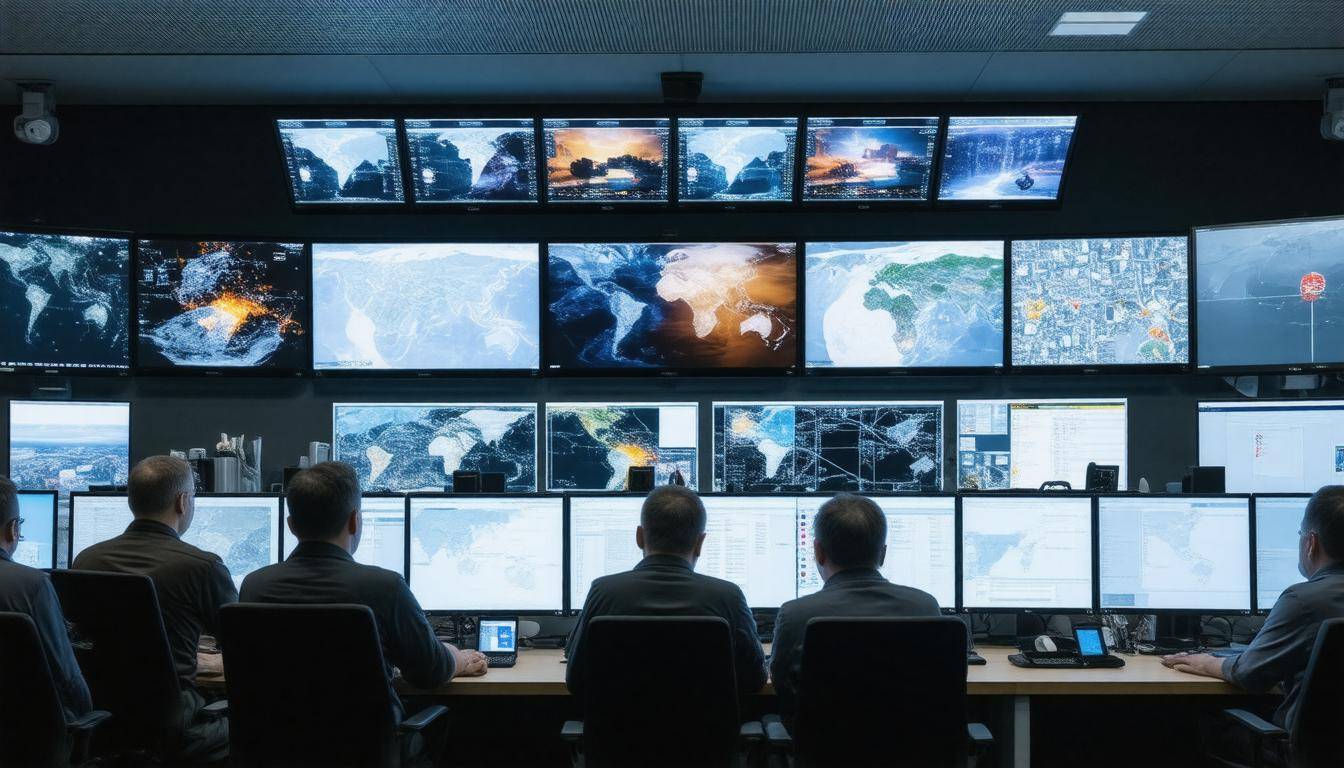
At the heart of Singapore’s Urban Emergency Response Plan lies a commitment to enhancing resilience across various fronts. One significant aspect is policy integration, where lessons learned from past initiatives are actively woven into new strategies. This thoughtful approach ensures that responses remain effective and adaptable to changing environmental challenges, like those posed by climate change. For instance, policies aimed at flood management have found their way into broader urban planning processes, creating a mutually reinforcing cycle of safety and preparedness.
As we move deeper into the framework of this plan, it’s critical to consider how vital funding is to its success.
Securing Funding
Securing adequate funding serves as the lifeblood for carrying out any emergency response strategy effectively. In Singapore, financial resources are earmarked for resilience projects and necessary infrastructure improvements. This targeting means that every dollar spent contributes to tangible safety enhancements. Recent initiatives include elevated flood barriers, designed to protect low-lying areas from rising waters, and advanced surveillance systems in high-risk neighborhoods. These investments bolster immediate safety and promote long-term sustainability by protecting vulnerable communities.
Now that we’ve highlighted the importance of funding, let’s explore how interdepartmental collaboration further strengthens this response effort.
Interdepartmental Collaboration
A hallmark of the Urban Emergency Response Plan is its all-of-government approach. This framework ensures various sectors—ranging from public health and emergency services to transportation and urban development—work collaboratively rather than in isolation. By breaking down silos, agencies can optimize resource utilization and coordinate more effectively during crises. Such collaboration means sharing real-time data and strategic insights, ensuring everyone involved understands their roles during emergencies.
This interconnectedness nurtures an environment where rapid responses can be executed efficiently, minimizing delays caused by miscommunication or lack of preparedness. For example, during a recent emergency simulation, participants from multiple departments coordinated seamlessly, showcasing how varied expertise contributed to a cohesive operation.
With these key components illuminating the path toward effective urban emergency responses, attention now shifts to exploring how different departments can further integrate their efforts for enhanced overall efficacy.
Inter-agency Coordination Strategies
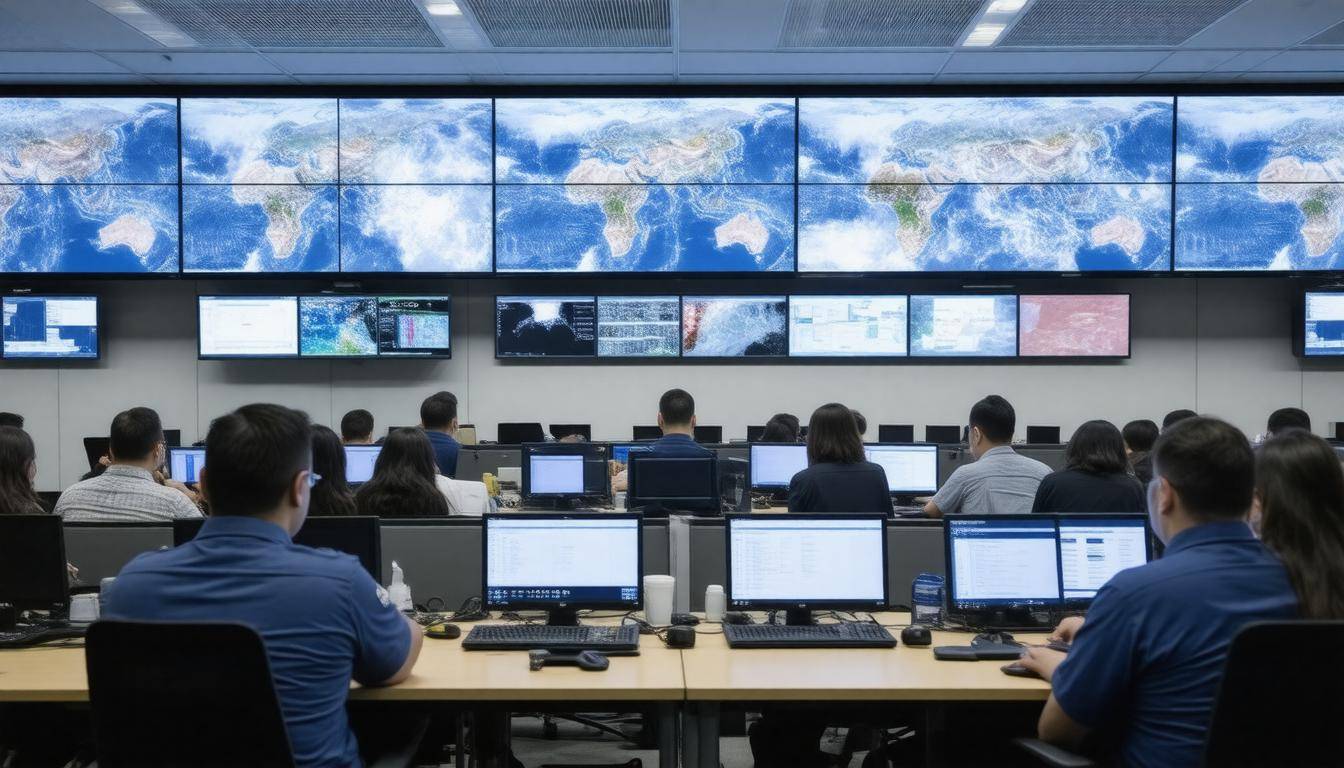
Effective collaboration among various agencies is critical for urban emergency response plans, especially in a bustling city like Singapore. The government has successfully implemented strategic frameworks designed to facilitate seamless communication and cooperation.
A prime example of this was during the 2024 haze crisis when multiple entities, including the National Environment Agency, Ministry of Health, and the Singapore Civil Defence Force, worked hand in hand. Thanks to their synchronized efforts, they were able to quickly distribute N95 masks and disseminate crucial public advisories, showcasing the strength of inter-agency cooperation.
At the heart of such successful collaborations lie regular joint training exercises and simulations. These preparedness activities are not merely about checking off a box; they instill a culture of teamwork among different agencies. During these drills, personnel practice both their respective roles and how to communicate efficiently with colleagues from other departments.
This shared experience enhances their collective ability to respond swiftly when real emergencies arise. As they simulate various scenarios, practicing everything from resource allocation to crisis communication, they develop a rhythm that significantly reduces response times.
Research indicates that cities with strong inter-agency coordination can respond to emergencies up to 30% faster than those without such frameworks.
Beyond just exercises, another key aspect of Singapore’s approach is the Multi-Agency Incident Management System (MAIMS). This system brings together over thirty participating agencies under a unified command structure during significant emergency incidents. It ensures there is no overlap or confusion regarding responsibilities—a common pitfall in urban emergency responses.
With MAIMS activated, the leadership framework clearly delineates roles and facilitates effective decision-making, reducing the likelihood of miscommunication that could hinder emergency operations.
Moreover, enhanced community engagement plays an integral role in these strategies. Empowering residents through education about emergency protocols creates a population that is informed and prepared. This proactive approach elevates individual readiness levels while strengthening community resilience overall. Public awareness campaigns combined with collaborative drills encourage citizens to participate actively in safety planning, making them vital partners in preserving urban safety.
To further bolster these coordinated efforts, partnerships with private sector firms and non-governmental organizations (NGOs) provide additional layers of support during emergencies.
Public Alert Systems and Communication
In a place as vibrant as Singapore, where high-rises meet busy streets and diverse communities, effective communication during an emergency becomes paramount. The nation has developed robust public alert systems to ensure timely and accurate information reaches every citizen when it matters most. This crucial process begins with employing a multichannel alert strategy, which leverages technology to make information accessible to everyone, regardless of their location or situation.
Multichannel Alerts
As part of this strategy, Singapore utilizes various communication channels, including mobile alerts, public announcement systems, and social media updates. For instance, imagine waking up to an emergency response alert flashing on your phone—it’s jarring but also reassuring because it signifies that the authorities are looking out for you. When a recent flash flood hit parts of the city, citizens were immediately informed via text messages and social media updates. This rapid relay of information enabled many residents to evacuate before being caught in hazardous conditions.
In today’s digital age, awareness isn’t merely about sending out texts; it’s about making sure that everyone receives consistent and clear messages through their preferred platforms. This approach helps prevent confusion—an essential element when lives may be at stake—while keeping the public in the loop.
Real-time Updates
To bolster the effectiveness of these alert systems, real-time updates are facilitated through close partnerships with telecommunications providers and media outlets. By working together, these entities form a powerful alliance that enhances the accuracy and availability of information while minimizing misinformation. When information is relayed quickly through trusted voices, it builds public trust in official communications.
“Informed communities are safer communities.”
| Alert Type | Medium | Example |
|---|---|---|
| Mobile Alerts | Text Messaging | Flash Flood Warning |
| Public Announcements | Loudspeakers | Evacuation Notice |
| Social Media | Twitter, Facebook | Weather Advisory |
Coordinating these diverse channels not only keeps the community updated but also creates a sense of solidarity among residents. Each notification acts as a reminder that in times of crisis, no one is alone; everyone shares in both the responsibility of staying informed and looking out for each other. The focus on clear communication illustrates Singapore’s dedication to public safety—a commitment more vital than ever in today’s unpredictable world.
Understanding these alert systems not only emphasizes their importance but also enables citizens to actively participate in ensuring their safety during emergencies. This groundwork sets the stage for recognizing the role of community involvement in enhancing preparedness and resilience.
Community Engagement and Preparedness
A resilient city truly relies on its community’s preparedness. In Singapore, regular drills and educational programs aren’t just bureaucratic requirements; they are pivotal for instilling confidence in residents and ensuring that everyone knows what to do in emergency situations. Think of it like training for a big performance; when the curtain goes up, rehearsals translate into smoother execution.
Singapore conducts bi-annual Emergency Preparedness Days where citizens can engage in simulated scenarios that mimic real-life emergencies, allowing individuals to practice their responses in a structured environment.
These initiatives have proven immensely popular, with participation rates skyrocketing by 40% over the past five years. When people gather for these drills, they’re not merely checking off a box; they’re actively learning vital skills that might save lives. The comfort that comes from knowing how to respond during a crisis cannot be overstated.
“The drills have made me feel more confident and prepared. I know what to do and where to go in case of an emergency,” a resident remarked enthusiastically after a recent drill.
This feedback underscores the efficacy of community engagement—it’s about creating a sense of security that permeates throughout neighborhoods. Moreover, when residents participate en masse, they foster a collective spirit of responsibility, showing that preparedness isn’t solely an individual task but a community mission.
Beyond engaging communities through traditional methods like drills, modern technology amplifies these efforts significantly.
Technological Tools and Preparedness
Technological tools are becoming an essential asset in enhancing communication during emergencies. Mobile applications now allow residents to report emergencies quickly or receive real-time updates and alerts. Consider this: instead of relying on outdated systems that may not reach everyone, apps can send notifications directly to users based on their location, streamlining communication when seconds count.
For instance, data indicates that integration with technology has contributed to decreasing emergency response times by as much as 30% since the implementation of these urban response plans. This shift demonstrates how embracing innovation shapes the landscape of community engagement.
Furthermore, partnerships with private sectors and NGOs add another layer of support during crises. These collaborations ensure resources are pooled effectively while bringing in diverse expertise. The combination of active citizen participation along with technological advancements paints an optimistic picture for readiness—a future where everyone is equipped not just with knowledge but also with effective channels to act swiftly when it matters most.
As we turn our focus to the next phase, we will examine how emerging technologies are reshaping approaches to safety and responsiveness.
Technological Integration and Innovation
Technology is truly at the core of Singapore’s efforts to improve urban emergency response strategies. Imagine a city where residents can report emergencies using simple mobile apps designed specifically for rapid communication. This isn’t just a futuristic vision; it’s happening now. These apps enhance responsiveness significantly, allowing for quicker mobilization of resources during crises.
In fact, a survey revealed that over 70% of residents feel more prepared due to these technological advancements, which inherently foster a sense of security and community readiness.
Smart City Technologies
Smart city technologies are setting new standards for how urban environments handle emergencies. Take sensor networks for flood detection, for example. These sensors monitor water levels in real-time and transmit alerts to both local authorities and citizens. This technology allows communities to act swiftly before conditions worsen, significantly reducing damage and potential loss of life.
Likewise, AI-driven traffic management systems help facilitate efficient evacuations during emergencies by optimizing route usage. Imagine traffic lights intelligently adapting to the situation—green lights where they are needed most while others shift to red, ensuring that emergency vehicles can navigate quickly and safely.
Moreover, the integration of such technology not only streamlines processes but also minimizes human error—a critical factor during high-stress situations where every second counts. For instance, when decision-makers have access to real-time data collected from various sources, including weather forecasts and traffic patterns, they can respond appropriately without guesswork. This informed decision-making can mean the difference between chaos and order when disasters strike.
The fusion of innovation with safety initiatives paves the way for a more resilient future in urban settings. Each technological improvement contributes not only to better emergency preparedness but also enhances our overall quality of life in an increasingly complex world. As we explore further, we’ll look at how ongoing efforts focus on refining practices and building robustness against unforeseen challenges.
Continuous Improvement and Resilience Building
An effective emergency response plan is not static; it transforms as the city evolves. This approach acknowledges that each challenge posed by climate change, population growth, or infrastructure demands requires a long-term vision coupled with flexible strategies. In Singapore, this commitment manifests in what are known as feedback loops—a structured way to learn from experiences, integrate community input, and enhance resilience.
Feedback Loops
Singapore incorporates feedback from post-incident analyses and community surveys to continuously improve its plan. Each time an incident occurs, such as a heatwave or flooding, officials conduct thorough reviews to pinpoint what worked and what didn’t. This method enhances immediate response and ensures future iterations of the plan are informed by real-world data and public opinion.
Lessons learned during previous emergencies are woven into the fabric of future strategies, reinforcing a cycle of continual enhancement.
According to a survey conducted in 2024, an impressive 92% of respondents support this continuous improvement approach. This statistic highlights a significant element of trust between the authorities and the public—people feel their voices matter, making them likely to engage with ongoing initiatives aimed at building a more resilient urban environment.
However, it’s not just about collecting data; applying those insights effectively is crucial. Urban resilience demands more than reactive measures; it requires anticipation of emerging trends and challenges through forward-thinking practices.
One important strategy in this process is engaging in regular training drills. These exercises test the systems in place and familiarize everyone involved—from government officials to volunteers—with their roles during an emergency. Training under simulated conditions often unearths unforeseen issues and illuminates areas for improvement within existing protocols.
Additionally, partnerships with academic institutions bolster these efforts by fostering research on urban safety and disaster preparedness. Collaborating with experts allows for the infusion of innovative practices tailored to unique local needs.
One effective tip is for local neighborhoods or communities to establish communication platforms where residents can report concerns regarding emergency preparedness firsthand or provide suggestions based on personal experiences during incidents. This grassroots approach guarantees that plans stay relevant and grounded in shared reality.
Ultimately, fostering this culture of continuous feedback loops not only supports immediate responsiveness but lays the groundwork for sustainable development in urban planning as well. When cities like Singapore actively invest in learning from their experiences, they position themselves strongly against future challenges while enhancing community trust and engagement along the way.
Through ongoing improvements and strategic foresight, Singapore continues to pave the way for resilient urban living that integrates both safety and community collaboration.