
Urban Heat Islands (UHIs) are more than just a scientific term; they represent a daily struggle for many communities around the world. If you’ve ever stepped out of your air-conditioned home into the sweltering heat of a city, you’ve felt the difference. Urban areas often trap heat, making them warmer than nearby rural zones. For millions who live in these hotter environments, extreme heat can be life-threatening. This rising concern highlights the urgent need for emergency plans and strategies to help residents stay safe when temperatures soar. In this guide, we’ll explore how cities can prepare for these emergencies and take meaningful steps to mitigate the effects of urban heat islands on vulnerable populations.
An effective Urban Heat Island Emergency Plan should include strategies for identifying vulnerable populations, establishing cooling centers during extreme heat events, and ensuring the availability of resources such as water and medical assistance. Additionally, it should outline community engagement initiatives to raise awareness about UHI risks and promote collaboration with local organizations to enhance response efforts.
Urban Heat Islands: Causes and Risks
Understanding how UHIs develop is crucial for addressing their implications. Essentially, these areas emerge due to several factors associated with urbanization. For starters, human activities—think heavy machinery, asphalt roads, and buildings—generate and trap heat. Materials like concrete and asphalt absorb substantial amounts of sunlight and release that heat slowly over time. In fact, in many cities, surface temperatures can be as much as 5°F to 10°F warmer than the surrounding rural areas during peak daytime hours, leading to significant temperature disparities.
It’s staggering to consider that approximately 80% of the U.S. population lives in urban environments, making them especially susceptible to the UHI phenomenon and compounding the risk of heat-related illnesses.
With that context, let’s explore two critical aspects affected by UHIs: health risks and environmental impact.
Health Risks
The impact of extreme heat on public health isn’t just theoretical; it’s tangible and severe. As summer temperatures climb higher, so do the statistics for heat-related illnesses. The CDC estimates that extreme heat causes around 700 deaths annually in the United States. Vulnerable groups—including the elderly, infants, and those with pre-existing health issues—bear the brunt of these rising dangers.
For instance, during a brutal heatwave in the Pacific Northwest in 2021, over 100 confirmed deaths were reported directly related to excessive heat exposure. This statistic underscores the need for effective emergency planning that addresses the specific needs of at-risk populations.
Not only do UHIs lead to increased mortality rates, but they also contribute to various severe health complications such as heat exhaustion and heatstroke. These conditions stress medical facilities, particularly during peak summer months when hospitalizations often spike.
However, it’s not just our health at stake; urban heat islands have profound environmental consequences that we cannot afford to ignore.
Environmental Impact
The environmental repercussions of UHIs extend beyond individual discomfort—they have systemic effects on air quality and energy consumption. Higher temperatures worsen air pollution levels, particularly increasing ground-level ozone concentrations.
The increase in pollutants can lead to respiratory issues among residents, straining public health systems further by triggering asthma attacks and other breathing problems.
Moreover, as more people turn up their air conditioning units in response to these elevated temperatures, power grids face immense strain. The risk of blackouts escalates significantly during intense heat waves when demand skyrockets—a situation that may be compounded by aging infrastructure in many cities.
A striking example comes from California during a particularly hot summer when energy usage surged while temperatures rose dramatically, leading to rolling blackouts affecting thousands of households. This cascading series of effects from rising heat reflects an urgent call to action for city planners and policymakers alike.
Given the extensive implications of urban heat islands on daily life and infrastructure, attention must be directed toward more effective strategies for managing extreme temperature events.
Crafting an Effective Heat Emergency Plan
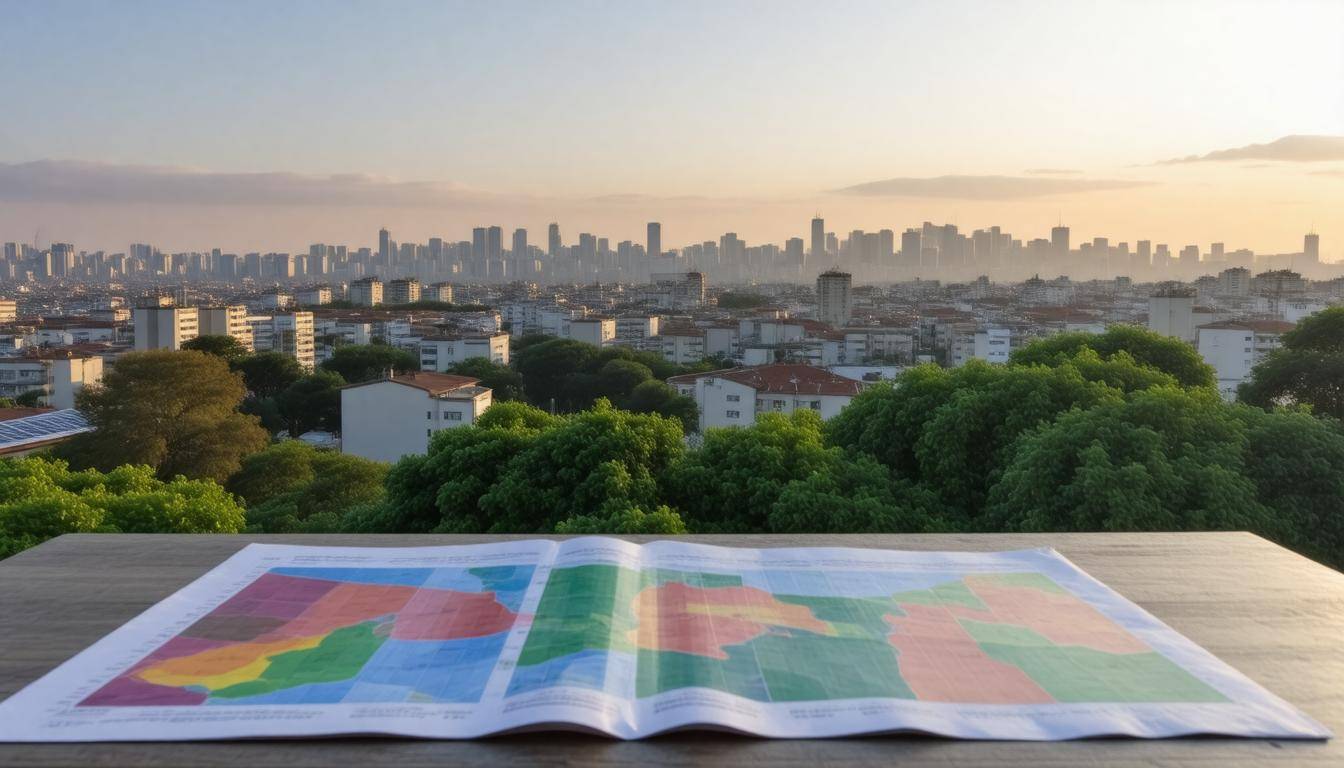
Developing an effective heat emergency plan involves multiple layers of organization and action, ensuring that cities respond well as temperatures soar. The first step is Risk Assessment. Officials must identify vulnerable populations such as the elderly, outdoor workers, and residents lacking air conditioning. Using Geographic Information Systems (GIS) mapping tools, planners can pinpoint areas within a city that are particularly susceptible to extreme heat—often these are concrete-heavy neighborhoods with limited vegetation where heat tends to get trapped. By understanding which groups are most at risk and where they live, urban planners can tailor their response strategies effectively.
Once these critical areas have been identified, the next logical step is to raise awareness.
Public Awareness is vital for any emergency plan to be successful. Community leaders and officials should implement educational campaigns using various platforms—social media, local news outlets, and neighborhood organizations—to inform residents about the dangers posed by extreme heat and preventive measures they can take. Simple messages about staying hydrated and recognizing symptoms of heat-related illnesses can empower citizens to protect themselves and others. Engaging graphics, videos, or flyers distributed in high-traffic areas can be effective methods in getting the information out there.
Following awareness initiatives, establishing physical resources becomes essential.
This leads us to the importance of establishing Cooling Centers. These centers play a crucial role in community resilience under extreme weather conditions. Locations like community centers, libraries, and schools should be designated as cooling spots during heatwaves. New York City opens schools and public buildings to serve as cooling centers during sweltering summers; this offers residents a refuge from the scorching heat. These centers often provide additional amenities: fans, water stations, and free health check-ups can significantly impact public health outcomes.
But merely opening cooling centers isn’t enough; effective coordination among emergency services is also essential.
It’s imperative to ensure that Emergency Services Coordination is in place before crises occur. Rescue teams like ambulances and hospitals need to prepare for a surge in heat-related emergencies that may arise during extremely hot days. Local non-governmental organizations (NGOs) can work hand-in-hand with these services to bolster support for more severe incidents. As part of this coordinated effort, training exercises that simulate emergency responses to heat events can better prepare all involved parties for real situations.
Beyond these steps, continual evaluation of the plan will contribute toward its effectiveness over time. Plans should incorporate feedback mechanisms allowing communities to learn from past climate events, eventually enhancing future responses.
With all these elements combined—from assessing risks and spreading awareness to having dedicated cooling centers—the approach taken toward combating heat issues emphasizes the importance of community planning and resilience. Next, we further explore innovative initiatives aimed at creating sustainable urban environments.
Cool Cities Initiative Explained
The Cool Cities Initiative is more than just a catchy name; it’s an ambitious approach to tackle the three-dimensional problem of urban heat islands through sustainable practices and community involvement. By focusing on cooperative governance and innovative solutions, this initiative strives not only to lower city temperatures but also to improve the overall livability of urban environments.
Increasing Green Spaces
One of the cornerstones of this initiative is the emphasis on increasing green spaces throughout cities. Urban forests, parks, and green walls play a crucial role in mitigating rising temperatures. They act as natural air conditioners by providing shade and enabling processes like evaporative cooling. When water evaporates from plants’ surfaces, it absorbs heat from the surrounding air, thus lowering the ambient temperature. The impact can be substantial: studies indicate that well-planned urban greenery can reduce local temperatures by as much as 5°F.
Take Los Angeles, where the “Million Trees LA” initiative was introduced with the ambitious goal of planting one million trees across the city. Not only did this program aim to enhance aesthetics and ecological health, but it also served to significantly reduce surface and air temperatures in densely populated neighborhoods. Imagine strolling through a park filled with flourishing trees on a sweltering day; not only are you rejuvenated physically, but emotionally too—green spaces invigorate communities by bringing people together and offering much-needed recreational areas.
Cool Roofing Systems
Another vital component of the Cool Cities Initiative is the adoption of cool roofing systems. These innovative materials reflect more sunlight and absorb significantly less heat compared to traditional roofing materials. As buildings account for a substantial portion of urban heat retention, changing our roofs can lead to drastic reductions in energy usage and consequently lower utility costs.
A prime example is Tokyo, which has mandated green roofing for all new government buildings. This measure not only lowers building temperatures but also creates usable green space that can be utilized for leisure or gardening purposes. Indeed, when structures incorporate living roofs, they offer benefits that extend beyond mere temperature reduction—they also help manage stormwater runoff and support biodiversity within urban settings.
Clearly, these strategies present viable pathways toward creating cooler cities and enhancing air quality while also bolstering community well-being. To further build upon these concepts, it’s important to examine additional methods that harness nature’s power for sustainable development.
Green Infrastructure Solutions
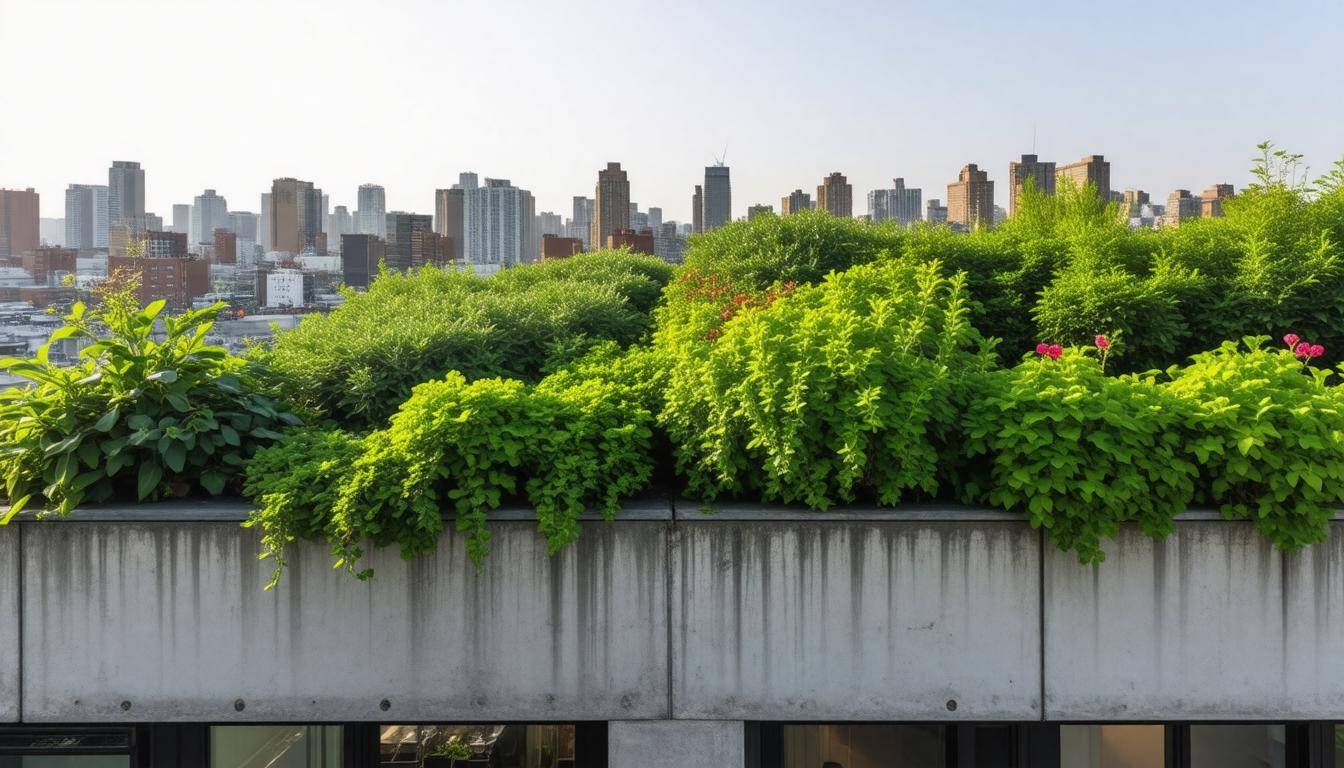
Green infrastructure refers to a system that utilizes natural processes and elements to address urban challenges effectively. Specifically, it plays a significant role in combating the Urban Heat Island (UHI) effect by enhancing environmental quality while simultaneously reducing heat buildup in dense urban areas. One of the most compelling aspects of green infrastructure is its ability to cool cities naturally rather than relying solely on artificial methods.
Urban Forests and Green Roofs
One of the most impactful ways to reduce UHI effects is through urban forests and green roofs. Planting trees not only beautifies our environment but also serves as a crucial tool for cooling. A single mature tree can provide cooling equivalent to ten air conditioners running for hours on end. The shade they offer reduces surface temperatures significantly.
In fact, studies have shown that green roofs can lower ambient temperatures by up to 6.5°F, thereby alleviating some of the extreme heat we often endure in urban settings. Moreover, they create a habitat for wildlife, improve air quality, and help manage stormwater runoff effectively.
According to research from the Environmental Protection Agency, urban areas with more vegetation can be up to 5°F cooler during peak summer months than those with less greenery. This demonstrates a strong correlation between green infrastructure and reduced temperature highs.
Permeable Pavements
Another crucial aspect of green infrastructure lies in permeable pavements. These innovative surfaces allow rainwater to filter through, reducing the amount of heat absorbed by typical asphalt or concrete. Not only do they mitigate water runoff issues, but permeable pavements significantly aid in thermal mitigation as well. By allowing rainwater to seep back into the ground, they help maintain cooler surface temperatures while replenishing groundwater supplies.
Cities like Chicago have adopted permeable paving in various pilot projects as part of their UHI mitigation strategy. Here, engineers and city planners measure the effectiveness of these pavements in different environments, gathering data that highlight their benefits beyond mere aesthetics — including how they reduce localized flooding during heavy rains while keeping urban temperatures down.
Utilizing these green infrastructure solutions not only builds resilience against climate change effects but also fosters healthier living spaces in our cities. As we explore further, strategies promoting community engagement and safety will play a critical role in enhancing urban resilience.
Community Safety Measures
Ensuring safety during extreme heat events, particularly those exacerbated by the Urban Heat Island (UHI) phenomenon, involves proactive efforts. A crucial element is educating the public about the risks associated with heat exposure. Well-designed public health campaigns can create awareness around strategies to combat oppressive summer temperatures. For instance, educating residents on the importance of hydration and the need to stay indoors during peak hours can significantly reduce heat-related illnesses.
Additionally, recognizing the early signs of heat exhaustion or heat stroke—such as dizziness, excessive sweating, and rapid pulse—can empower individuals to act quickly for their own well-being and that of others.
Public health campaigns should not only target prevention but also focus on awareness initiatives that help people identify heat-related symptoms. This dual approach can make a real difference. With effective messaging delivered through social media, local TV spots, or flyers at community centers, we can equip our communities to respond to heat waves more effectively.
Yet education alone isn’t sufficient; we must also foster connections within neighborhoods.
Neighborhood Outreach
Initiatives like “Check on Your Neighbor” programs emerge as vital lifelines during scorching summer days. Volunteers engaging in these outreach efforts have proven effective at identifying vulnerable populations who may be at risk during heat waves. Take Philadelphia, for example. During extreme heat events, volunteers check in on the elderly or those with limited mobility, distributing essential resources like water and electrolyte drinks or simply ensuring they are alright.
Implementing similar programs in other urban areas could potentially save countless lives by ensuring that no one is left behind.
These outreach programs not only provide essential assistance but also help build a stronger sense of community, offering companionship that can counter feelings of isolation and vulnerability.
As we look at successful models in different locations, it’s clear that fostering community involvement is key to achieving long-term resilience against extreme heat conditions.
Moreover, forming partnerships with local organizations and nonprofits can amplify these outreach efforts. Collaboration enables resources to be pooled together for greater impact; think food banks providing meals along with hydration stations in vulnerable neighborhoods during excessive heat warnings. By empowering local organizations to take action through coordinated plans, we enhance overall community preparedness and response capabilities.
This approach of launching engaging public health campaigns alongside grassroots neighborhood initiatives significantly enhances safety in the face of climate challenges posed by urbanization.
Understanding these foundational elements sets the stage for exploring further how governance plays a critical role in shaping effective climate responses.
Role of Government Policies
Effective government policies serve as the backbone of any successful urban heat island mitigation strategy. They are essential in initiating change by laying down the structural framework needed for effective adaptation and response to extreme heat events. One particularly influential area is zoning regulations. Cities like Portland have taken proactive measures by instituting zoning laws that mandate a specific percentage of green space in new developments. This initiative not only enhances the overall aesthetics of urban landscapes but also facilitates a cooler environment by integrating nature into concrete jungles. When more green zones are strategically placed throughout an urban area, we see profound benefits including increased biodiversity and improved public health.
For instance, Portland’s regulations have led to a notable 20% increase in urban canopy coverage, impacting residents’ quality of life positively. Trees not only provide shade but also help filter harmful pollutants, allowing communities to breathe cleaner air.
While zoning regulations set the groundwork for sustainable development, financial incentives can further accelerate this transition.
Financial incentives play a crucial role in encouraging both individuals and businesses to embrace eco-friendly practices. By offering measures such as tax breaks or subsidies, local governments can spur widespread adoption of technologies that contribute to reducing heat absorption in urban areas. For instance, providing financial support for homeowners who opt to install green roofs or energy-efficient appliances serves multiple purposes: it lessens the overall heat produced by buildings while lowering energy costs for families.
One powerful example comes from New York City, where initiatives incentivizing building owners to adopt green technologies resulted in over $300 million in energy savings annually. Moreover, the ripple effect of such incentives can be significant; when people see their neighbors taking action, it often encourages others to do likewise, creating a community-wide impact.
Beyond these strategies, it’s equally important for governments to engage in thoughtful community planning.
Smart growth principles should be considered during community planning meetings because they involve collaboration between various stakeholders—residents, environmental groups, and policymakers—to create sustainable communities. Implementing retrofitting initiatives that encourage transitioning grey infrastructure—like asphalt roads—to cool pavement alternatives can significantly reflect solar radiation rather than absorbing heat.
Such efforts highlight the cooperative spirit necessary for driving meaningful change across entire neighborhoods, fostering a sense of pride among residents as they witness positive alterations in their surroundings.
These combined approaches pave the way for innovative strategies that can bolster our cities against the rising challenges posed by climate change. The focus now shifts toward exploring effective modifications in structures aimed at enhancing their resilience against heat exposure.
Building Adaptations for Heat Reduction
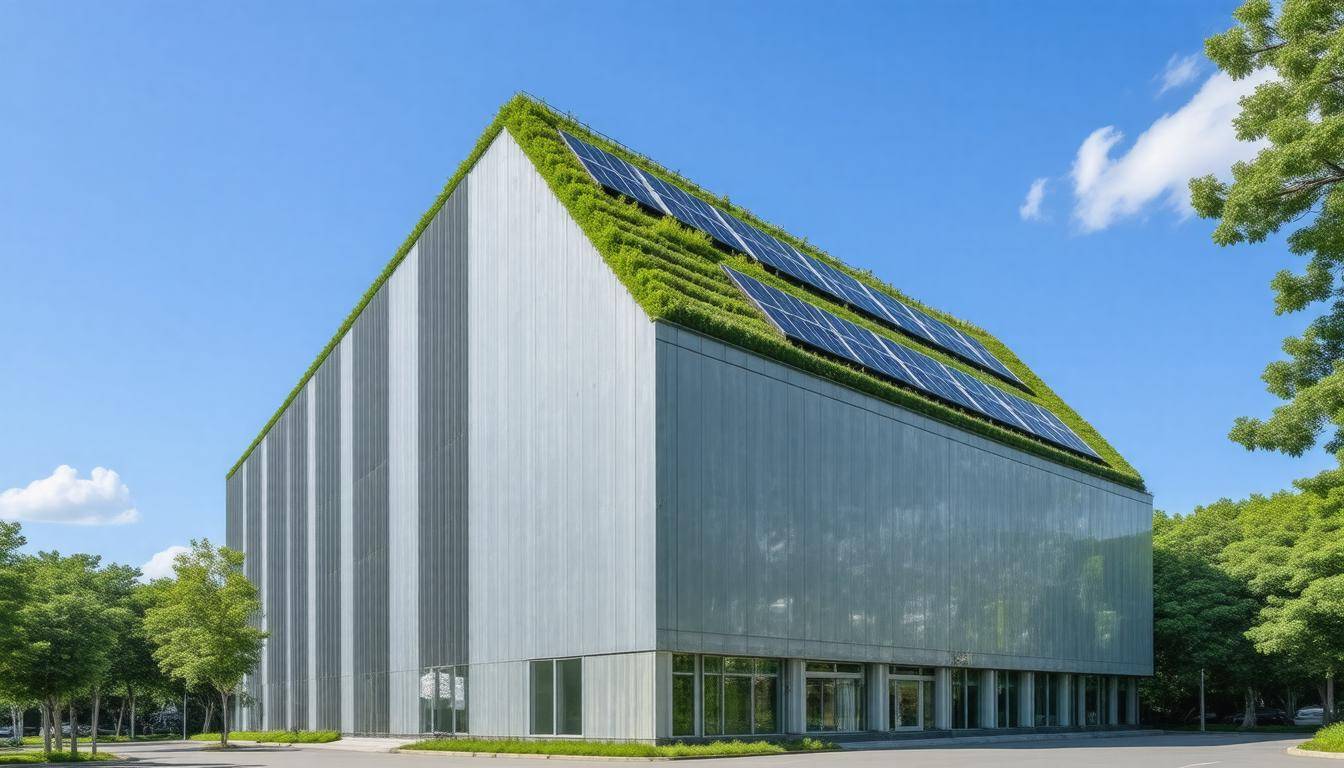
Buildings play a pivotal role in addressing the urban heat island effect, and they can be designed or modified to minimize heat absorption and maximize comfort. One of the most effective strategies involves utilizing cool building materials. These materials include paints and surfaces that possess high reflective indices, which means they effectively reflect rather than absorb sunlight.
Buildings dressed in cool paints can see significant temperature differences; for example, in Dubai, the use of such reflective materials has reduced indoor temperatures by as much as 5°F. Imagine the comfort of stepping into an office or home that maintains a cooler atmosphere simply because of the materials used on its exterior.
Beyond just surface coatings, enhancing ventilation systems is another critical approach. Advanced HVAC systems, particularly those integrating geothermal cooling technology, are emerging as a game-changer in building design. By transferring heat from inside a building to the cooler ground below, these systems can significantly lower indoor temperatures while also reducing reliance on traditional energy sources.
This isn’t merely anecdotal; studies have demonstrated that these cutting-edge systems can reduce energy consumption by up to 40%. Just think about the impact this could have not only on public health but also in reducing overall energy costs and carbon emissions.
The synergy between material choices and sophisticated ventilation systems creates a comprehensive “heat-resilient” architecture that can sustain comfortable environments even during sweltering summers.
Additional Considerations
Furthermore, other considerations for creating heat-reducing buildings include:
-
Green Roofs: These gardens not only insulate buildings but also absorb rainwater and provide green spaces that help offset urban heat.
-
Strategic Landscaping: Planting shade trees around buildings can lower surrounding air temperatures and block heat absorbed by hard surfaces.
-
Window Treatments: Utilizing double-glazed windows with low-emissivity coatings ensures less heat enters while maintaining light transmission indoors.
Each small adaptation contributes to a larger strategy aimed at combating extreme heat, paving the way for innovative solutions tailored to our changing climate. As we navigate these urban challenges, exploring proactive approaches will further enhance our ability to cope with rising temperatures.
Environmental Strategies to Combat Heat Islands
Various environmental strategies can be deployed not only to make our cities more bearable during heat waves but also to enhance the overall quality of urban life. One effective approach is promoting renewable energy sources, which have a dual effect of providing cleaner energy while reducing localized heating from fossil fuel power plants. By leveraging solar panels, wind turbines, and geothermal energy, cities can significantly diminish their heat footprint.
Promoting Renewable Energy
Utilizing renewable energy sources like solar and wind can drastically reduce the heat generated by conventional electric grids. When we install solar panels on rooftops, for instance, they block direct sunlight from hitting the roof surface, thus lowering the temperature of both the panel and the entire building.
Here’s a comparative look at how different energy sources add to cooling effects:
| Renewable Energy Source | Cooling Impact |
|---|---|
| Solar Panels | Reduces rooftop heating by blocking direct sunlight |
| Wind Turbines | Doesn’t contribute to urban heat, unlike traditional power plants |
| Geothermal Energy | Provides cooling through earth’s natural temperature regulation |
Shifting to these cleaner alternatives doesn’t just cool down a city; it alters how residents interact with their environment. Picture a neighborhood where solar-rich roofs reflect sunlight instead of absorbing it—where people gather in cooler spaces beneath shaded wind turbines. Transitioning to renewable energy fosters a sustainable approach that directly combats temperature increases associated with urban development.
Water Bodies Integration
Another effective strategy is incorporating water bodies within urban landscapes—think of ponds, artificial lakes, or expanded green spaces that include water elements. Water naturally cools the surrounding air through evaporation, creating microclimates that are more comfortable while also serving as hubs for biodiversity. Envision community parks with small lakes where families gather under willows and birds chirp from nearby trees; this beautifies neighborhoods and provides essential habitats for wildlife.
The presence of water bodies can drop local temperatures significantly, helping mitigate heat island effects while inviting nature back into cities.
Urban Planning for Wind Flow
Effective urban planning that prioritizes natural wind flow further aids in heat reduction. Designing streets and buildings to promote airflow helps dissipate residual heat trapped by tall structures. City planners can create pathways that facilitate pleasant breezes through open spaces or well-thought-out alignments of buildings.
For example, cities like Singapore have embraced this method with remarkable impacts on overall temperatures and livability. In areas where natural wind corridors are preserved or enhanced, residents find their surroundings subjectively cooler and more enjoyable—a marked difference from conventional city layouts that tend to stifle airflow.
Each of these strategies highlights a key insight: urban environments need not be characterized solely by their hard surfaces and concrete jungles. By integrating thoughtful environmental strategies, cities can transform into cooler, more inviting spaces for everyone.
Incorporating these ideas ensures that we actively combat urban heat islands while enhancing our city’s livability for generations to come.