
In urban areas, transportation isn’t just a convenience; it can become a lifesaver in emergencies. Imagine finding yourself in a situation where roads are blocked and public transport is disrupted—it can feel overwhelming. But what if you had a grip on alternative routes and methods to get you where you need to go safely? This guide aims to empower you with practical tips and resources for navigating urban environments during crises. Whether it’s knowing when to walk, bike, or utilize ride-share services, being prepared can make all the difference when every moment counts. So let’s dive into strategies that will help you stay mobile and calm during the unexpected challenges urban life can throw your way.
The Urban Transportation Alternatives: Emergency Guide provides essential strategies and practical solutions for navigating urban areas during emergencies, focusing on non-motorized routes such as walking and cycling. It also outlines resources available for effective planning and communication to ensure safety and accessibility during unexpected disruptions in public transport services.
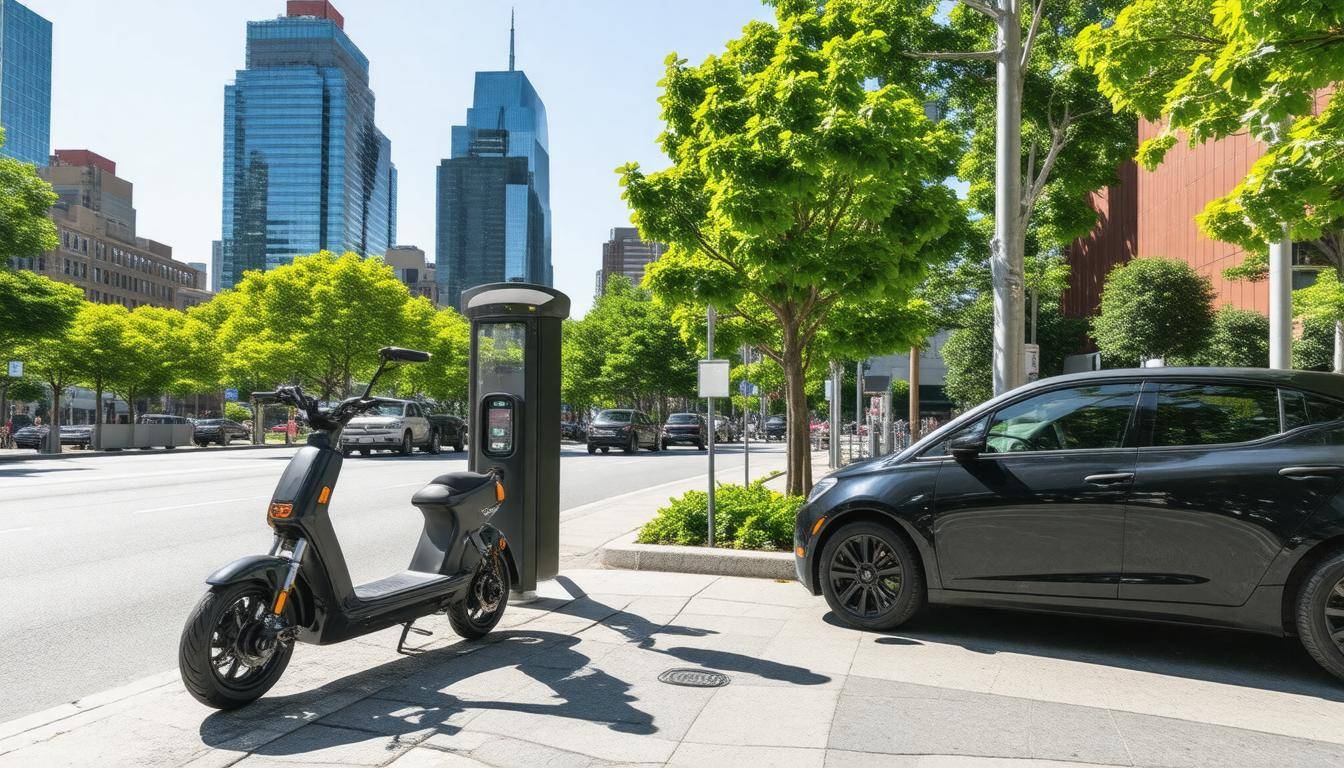
Navigating Urban Transportation in Emergencies
As emergencies unfold, urban areas can quickly become chaotic. It’s essential to keep a level head and assess the best course of action for transportation. A valuable first step is understanding how different modes of transport can help you navigate safely through your environment during a crisis. This could mean knowing which streets have been cleared for emergency vehicles or what public transit options are still available. For instance, during natural disasters or major power outages, public transport systems often ramp up efforts to assist citizens.
Step-by-Step Guide for Navigating Cities in Emergencies
Step I – Stay Updated with Reliable Information
In times of urgency, having access to reliable information is paramount. Tune into local news stations, radio broadcasts, or follow city government social media channels that often provide real-time updates on transportation options and potential road closures. Insider tip: Apps like Waze or Google Maps aren’t just useful for basic navigation; they also show live traffic conditions and reroute you based on current obstacles.
Keeping your phone charged and handy ensures you won’t miss important alerts.
Step II – Evaluate Your Options
Now that you’ve gathered your intel, it’s time to evaluate all available transportation options. Public transit can serve as a lifeline during emergencies. Many urban centers have emergency protocols in place—such as extended service hours or rerouted buses—recognizing that 80% of their systems are designed to assist during crises. Consider using rideshare services like Uber or Lyft, which typically see a spike in demand during emergencies. However, be prepared for slightly longer wait times as you may not be alone in searching for a ride.
Alternatively, don’t underestimate the power of your own two feet; walking distances can often be reasonable in urban settings. The average person can walk a mile in about 20 minutes, making this a viable option if roads are congested.
Step III – Stay Calm and Plan
Maintaining composure while developing your plans can greatly influence your efficiency in reacting to an emergency scenario. Remaining calm allows you to think clearly and prioritize safety over panic. As you formulate a flexible plan, consider factors like the distance to your destination, the availability of services along the way (like food or water), and your personal capability levels. Will biking be more efficient than waiting? Can you carpool with others who might also benefit from shared costs?
Having backup routes mapped out ahead of time can save precious minutes when every second counts.
Keeping these steps in mind empowers you to utilize urban transportation effectively during emergencies. By staying informed and evaluating your options carefully while maintaining calmness under pressure, you enhance your chances of navigating safely through complex city environments when it matters most.
With these strategies laid out for navigating unpredictable situations, it’s important to examine how specific networks within cities continuously evolve to enhance emergency response systems.
City-Specific Emergency Networks
Many urban areas have developed emergency transportation networks crafted specifically for crises. These systems are lifelines designed to facilitate rapid evacuations and ensure crucial supplies reach those in need. Their effectiveness is tied to the ability to adapt quickly to changing circumstances, making them invaluable during disasters.
Examples of City-Specific Networks
For instance, Los Angeles operates an emergency transit system known as “RAPID,” activated during significant traffic disruptions. This system expedites transport while easing congestion when mobility is critical. In Tokyo, the Earthquake Early Warning System ensures public transit can reroute promptly, minimizing delays during disasters. The importance of such systems cannot be overstated; according to FEMA, 85% of U.S. cities implement some degree of an emergency transport network that includes specialized bus routes and pedestrian pathways.
Each city’s approach to creating these networks reflects its unique challenges and resources, while also sharing commonalities that benefit all communities.
Common Features of City-Specific Emergency Networks
These networks often share several important features that enhance their efficiency during emergencies. One key aspect is the existence of dedicated bus lanes, allowing emergency vehicles and transit buses to bypass regular traffic, ensuring quicker response times. Similarly, traffic-free zones provide pedestrians and cyclists with safe passage when roads may be blocked, enabling navigation away from danger easily.
Additionally, real-time updates delivered through various apps and websites keep citizens informed about changing conditions and available routes, empowering them to make educated decisions based on the latest information. Collaboration with ride-share companies for emergency gaps has also become increasingly common. By integrating private transportation services into public emergency plans, cities can better facilitate evacuations or provide rides to shelters for individuals without access to personal vehicles.
Understanding how these systems function empowers you during an emergency, guiding you toward safer choices as situations evolve. Knowledge of your city’s specific emergency network can offer reassurance amid chaos as you navigate through crises.
Public Transit Options in a Crisis
Public transit systems can impressively rise to the challenge during emergencies by providing an essential means of transportation when personal vehicles aren’t feasible or safe.
During severe weather events or other crises, these services have proven invaluable, as they adjust and respond to the needs of the community. The flexibility of public transportation allows it to adapt routes and schedules to provide service to areas hit hard by disasters, ensuring that people can still reach essential services or evacuate if necessary.
Advantages and Disadvantages
-
Advantage: Public transit is often the most cost-effective option during times of crisis. Riders benefit from low or no fares, like COTA’s no-fare policy during a Level 2 snow emergency, which encourages people to utilize public transport and helps facilitate smoother traffic conditions.
-
Advantage: These systems usually maintain frequent service during peak hours. This reliability means people can count on them as a viable option even in challenging circumstances, reducing uncertainty and stress.
-
Disadvantage: One notable drawback is that public transit operates on fixed routes. When emergencies disrupt these routes—like floods or road closures—transportation options can become limited. This rigidity poses a challenge for those trying to navigate rapidly changing situations.
Real-life experiences illustrate this flexibility well. Recall the tales from a transit worker in San Francisco who witnessed buses being rerouted effectively during severe storms to provide access to neighborhoods that were otherwise cut off when the subway system became flooded. Such adjustments underscore how public transit systems can be dynamic, responding creatively to ensure people stay connected regardless of the circumstances.
Beyond just their operational advantages, utilizing public transit plays a vital role in supporting community resilience during emergencies. Choosing to leave one’s car behind for public transport not only aids personal mobility but also strengthens collective responsibility and awareness within the community.
Using Ride-Share Services Effectively
During an emergency, ride-share services like Uber and Lyft become lifelines for those in need of safe transportation. While these platforms are incredibly helpful, understanding how to use them effectively can make all the difference. First, awareness of surge pricing is crucial; when demand spikes, so do fares. However, in an emergency situation, your safety must always take precedence over cost concerns. Remember that you’re not just looking to save money; you’re seeking reliable transportation to safety.
A great way to manage costs while still prioritizing safety is by utilizing the fare-splitting feature available on both rideshare apps. This not only reduces your individual cost but also fosters camaraderie with fellow commuters who find themselves in the same predicament. Imagine sharing a ride with others who are equally concerned about getting home or reaching shelter together, forging connections even in a time of crisis.
Staying charged is essential—having a power bank handy for your smartphone can make life easier when booking rides. Emergencies often lead to a frantic search for a charging outlet, so investing in a portable charger means you can book your ride without worrying about battery drain.
Interestingly, studies reveal that ride-share usage surges by as much as 70% during urban emergencies. This significant rise shows just how vital these services can be when traditional transport options are unavailable. People flock to their smartphones to request rides, ensuring they remain safe and mobile when time is of the essence.
Just ask Emily from Chicago, who recounted her experience during a city-wide blackout: “Uber helped me reach my destination safely when no taxis were available.” Her story highlights both the convenience and necessity these platforms provide under dire circumstances.
Being prepared and knowing how to leverage these services effectively allows for greater confidence during emergencies. As we shift our focus, let’s consider other practical methods for staying mobile when the unexpected strikes.
Walking and Biking During Emergencies
In today’s fast-paced world, emergencies can arise without warning. When this happens, relying on your own two feet or a trusty bicycle can often be the most effective solution. Having a pair of comfortable walking shoes handy is essential; think of them as your emergency gear for navigating through the urban landscape. Imagine needing to walk two miles to reach safety—having shoes that won’t pinch your toes or create blisters will make all the difference. Just as vital is a charged phone, which can help you stay connected, find maps, or call for assistance if needed.
Similarly, when it comes to biking, preparation is key.
Before heading out, check that your bike is in good working order. Worn tires or malfunctioning brakes could slow you down or even lead to an accident in a crucial moment. Consider carrying a repair kit with essentials like tire levers and a pump so that if something goes wrong, you can fix it on the go. A few tools tucked into a small bag can cover many unexpected scenarios and dramatically improve your chances of a smooth journey.
Walking and biking allow you to bypass traffic congestion—a vital advantage when roads are crammed with vehicles. However, both require physical endurance; you wouldn’t want to get halfway to your destination only to realize you’re too tired to continue. By planning your route ahead of time, you’ll have peace of mind knowing where to find rest stops along the way. Locate parks or quieter streets where you can pause if needed; resting not only allows you to recharge but helps keep your mind sharp during stressful situations.
Beyond mere transportation, walking and biking carry significant health benefits too. When navigating through urban chaos, you’re merging fitness with functionality. According to studies, walking can reduce stress levels by 30%, which could be invaluable when facing an emergency situation. Moreover, biking allows you to cover distances three to four times faster than walking—making it a more efficient option should every second count.
Remember that in urban areas, nearly 40% of trips are shorter than two miles—a manageable distance whether on foot or by bike.
Acknowledging these aspects highlights the importance of being prepared for any situation where traditional modes of transport may fail us. Next, we’ll explore another innovative solution that makes urban mobility easier and more accessible in times of need.
Utilizing Bike Share Systems
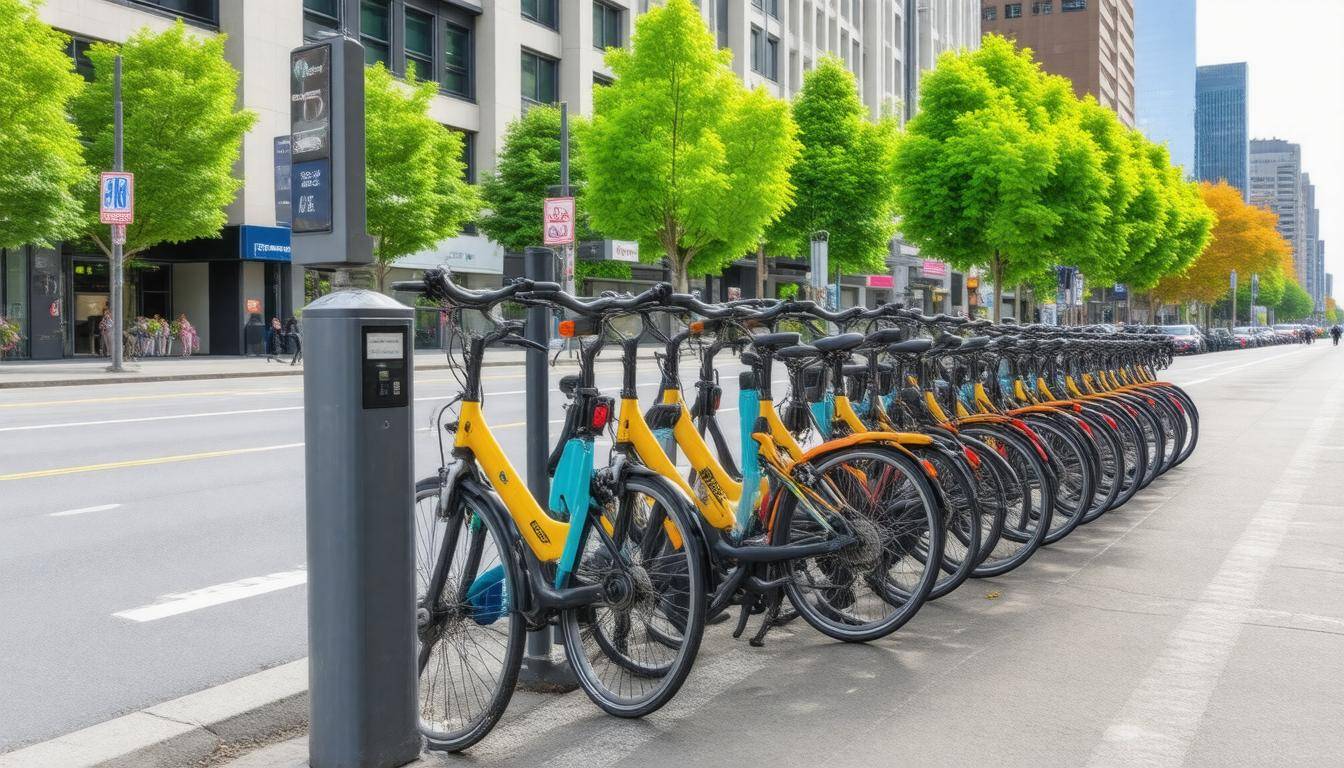
Bike-share systems, such as Capital Bikeshare in Washington, D.C., and Alexandria, are designed to provide an efficient and environmentally friendly way to navigate urban landscapes. These systems have come a long way since their early days, boasting over 600 stations across Northern Virginia and D.C. With the ability to pick up a bike at one location and return it to another, they offer flexibility that can be especially valuable during emergencies when traditional transportation may be hindered.
Understanding how to utilize bike-share systems effectively can significantly enhance your mobility during critical times.
First off, downloading the relevant app is paramount; this will give you access to real-time information about bike availability and station locations. For instance, if you’re in Alexandria, knowing how many bikes are at the nearest station can save you time and frustration. Familiarize yourself with the map right away; it’s essential for planning your route efficiently.
When preparing to use these bikes, think ahead—plan your route and consider potential barriers along the way. This is crucial not just for convenience but also for safety. If roads are flooded or blocked, having alternative routes plotted out can keep you on track. Furthermore, always ensure you understand the rules regarding returning bikes. Many systems have designated drop-off points, and failing to return the bike properly could lead to unexpected charges.
A successful bike-sharing experience also hinges on understanding the pricing structure.
Capital Bikeshare offers membership options that cater to different needs. An annual membership grants unlimited rides for subscribers, while their “Bikeshare for All” program ensures that those who qualify for government benefits can access unlimited classic bike rides with the first 60 minutes free. This affordability makes bike-sharing a practical choice during emergencies, enabling more residents to take part without financial concern.
The growth of these bike-share systems reflects changes in urban transportation needs. Since its inception in 2012 with just eight stations, Capital Bikeshare has expanded to accommodate increasing numbers of users—growing from 31 stations in 2016 to 62 today—with nine planned additions aimed at enhancing connectivity within communities.
The ongoing commitment to modernize existing infrastructure plays a crucial role in maintaining not just functionality but also safety. Upcoming projects funded by federal allocations focus on replacing old stations and enhancing operational capabilities—ensuring that when you need them most, these systems are ready to serve.
Recognizing these factors prepares you well as you move forward into understanding how to effectively chart out your journeys across urban terrains.
Planning and Mapping Routes
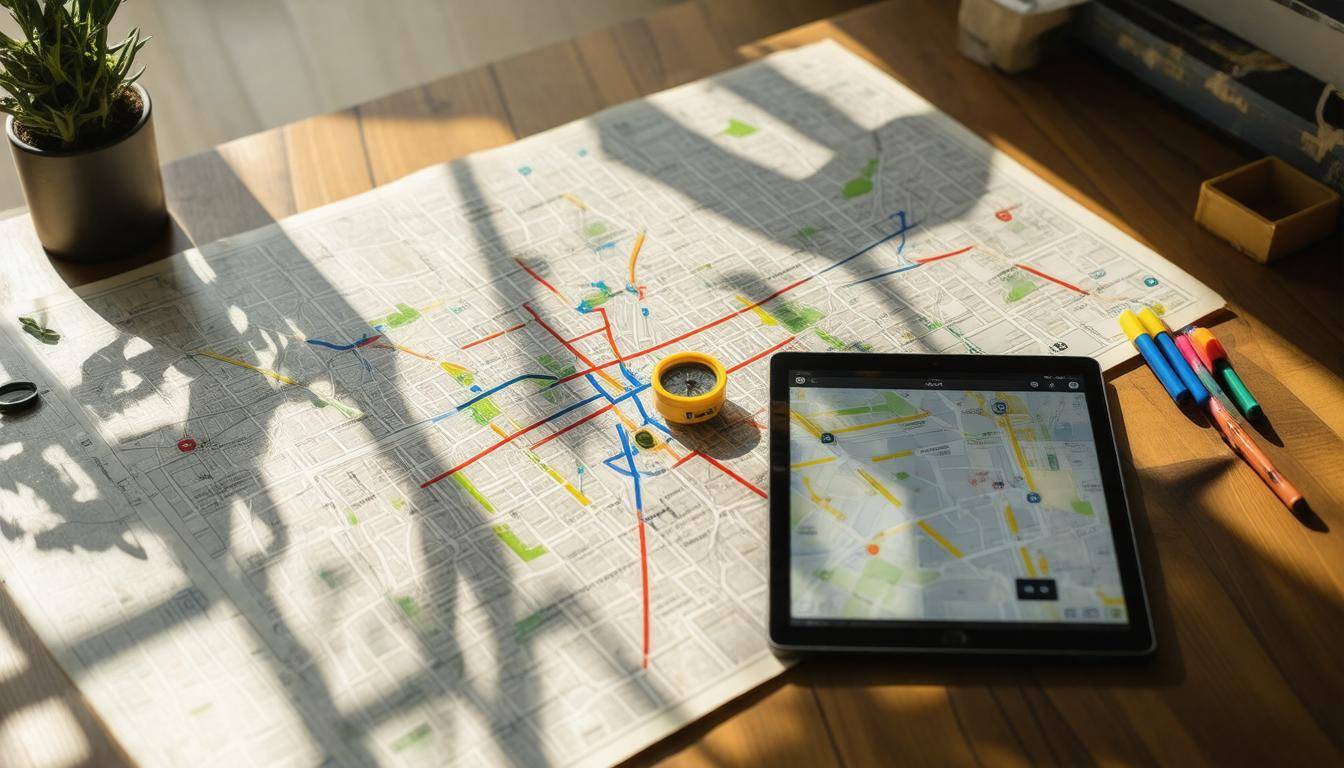
Utilizing digital tools such as Google Maps or Apple Maps can transform your transportation experience. These platforms offer real-time navigation updates and suggest the most efficient route based on current traffic conditions. However, one must not overlook the classic—always keep a physical map handy as a backup. Technology can fail us sometimes, whether from low battery situations or loss of signal. Thus, having that old-school method enables you to navigate smoothly without relying solely on gadgets.
When pre-planning your journey, it’s essential to consider various factors such as possible road closures or transit interruptions. Imagine being en route to an important meeting when suddenly, road construction redirects you away from your intended path. By preparing alternate routes in advance, you can alleviate frustrations that arise from unexpected detours. What I do is check for local news or traffic reports before heading out—a habit that has saved me many headaches.
Marking safe houses or essential locations like police stations, hospitals, or even gas stations can significantly enhance your sense of security along your route. Even if you’re familiar with your surroundings, it’s prudent to identify these places ahead of time so you know where to stop if needed. Creating a mental note—or better yet, a physical list—of these spots can provide peace of mind.
Planning multiple routes doesn’t merely mitigate stress; it also promotes flexibility in your travel. You may decide to take a leisurely pace instead of racing against time during rush hour simply because you have options at your disposal. Perhaps today you’ll feel adventurous by taking scenic backroads instead of the busy highways. More importantly, if something doesn’t go as planned—like a sudden downpour—you can adapt swiftly without feeling disoriented or anxious.
The art of route planning goes beyond creating a direct path from point A to B; it accounts for personal safety while enhancing your overall travel experience. Thoughtful preparation enables us to traverse our bustling urban landscapes with greater ease and satisfaction—making each journey more enjoyable.
As we navigate through urban environments where every second counts, understanding where to secure parking during emergencies becomes equally important in optimizing our travel efficiency and safety.
Emergency Parking Locations
Finding safe parking spots during emergencies can be daunting, especially when large gatherings like a Super Bowl parade draw immense crowds. Early planning is essential to secure a spot and to know where to go if an emergency arises. Understanding and utilizing designated emergency parking zones can provide clarity when the situation gets chaotic.
How to Secure Emergency Parking
One of the first steps in securing emergency parking is to familiarize yourself with local guidelines for designated emergency zones. These areas are specifically outlined to facilitate traffic flow and public safety during high-attendance events. Each city tends to have its own protocols, so it’s crucial to check ahead of time. For instance, Philadelphia has established locations that accommodate pedestrians and vehicles while ensuring access for emergency services.
Tools like apps such as SpotHero or ParkWhiz can be invaluable allies in your search for available parking. These applications allow you to sift through options quickly, providing real-time updates on what lots are open and how much they cost. Using these platforms not only saves you time but can also prevent frustration as you navigate busy streets. If possible, book your space ahead of time—many apps allow you to reserve your spot in advance, relieving some of the day-of stress.
In cities renowned for large events, such as San Francisco with its 120 designated emergency parking zones, being aware of these alternatives can significantly reduce anxiety on the day of the event. Knowing where these zones are—and their proximity to your venue—can help save time and enhance your overall experience.
| City | Emergency Parking Zones | Contact Info |
|---|---|---|
| New York City | 75 | 311 |
| Los Angeles | 90 | LA City Services |
| San Francisco | 120 | SF Gov Services |
| Chicago | 60 | City of Chicago |
So, before heading out to any major event, gather this information and keep it handy for quick reference; it could save you time and calm any pre-event jitters.
By staying informed and utilizing available resources effectively, you can navigate urban transportation challenges with ease and confidence.