
Bushfires are a harsh reality for many who call South Australia home, especially in Adelaide, where the landscape can switch from picturesque to perilous in no time. As fires can start unexpectedly and spread rapidly, having a solid bushfire defense plan is not just smart—it’s essential for survival. But don’t worry; you’re not alone in this challenge. The Adelaide Bushfire Defense Plan lays out proactive strategies that aim to protect people and property. From assessing fire risks to creating clear evacuation paths, this guide will walk you through what you need to know to stay safe and prepared when the flames are close. So let’s get started on building your defense against these seasonal threats!
The Adelaide Bushfire Defense Plan includes comprehensive strategies for bushfire risk assessment, community preparedness initiatives, evacuation procedures, and resource allocation for emergency services. It aims to minimize risks posed by bushfires through proactive measures and detailed response protocols designed to protect residents and property in affected areas.
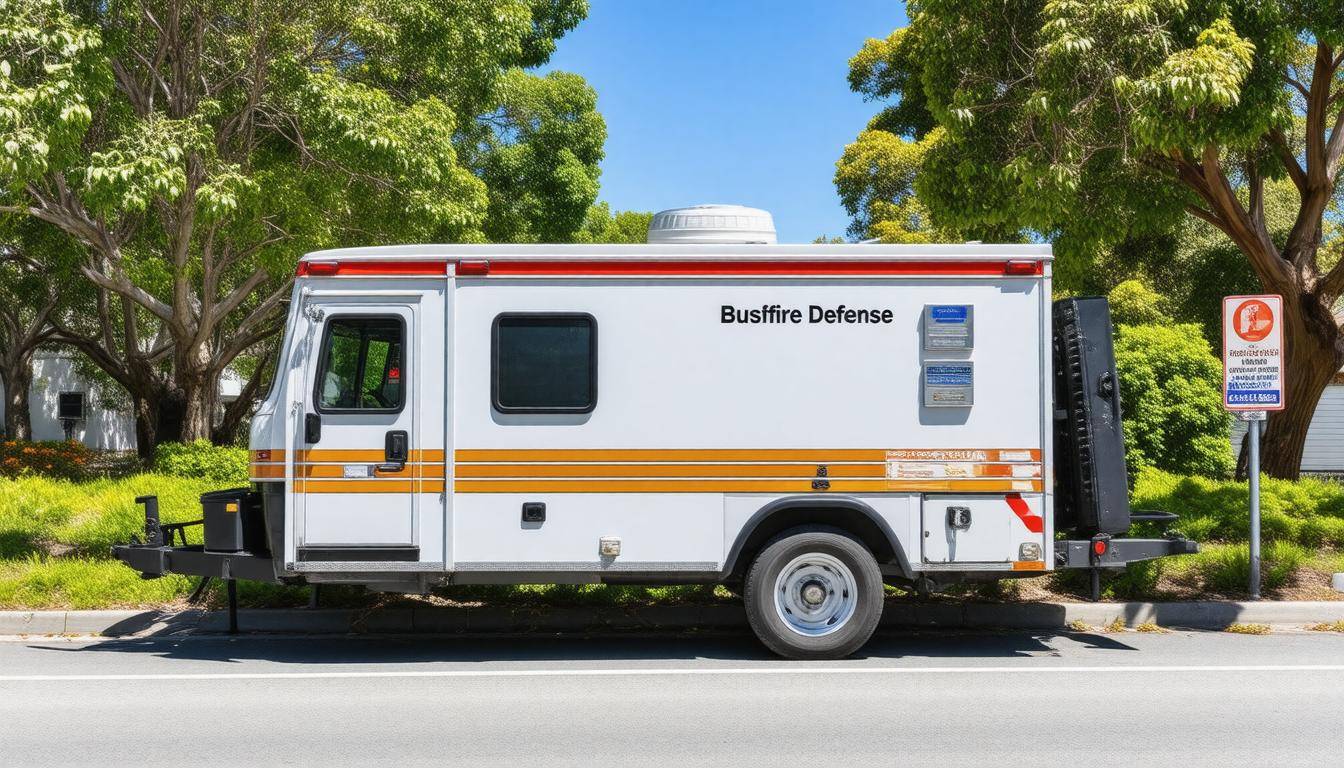
Overview of Bushfire Defence Strategy
In South Australia, bushfire season poses significant risks, making a comprehensive defense strategy more than just an afterthought; it’s a necessity. Each component of this strategy serves as a link in a chain that, when properly forged, can significantly reduce vulnerabilities. The core elements begin with assessing fire risks for properties, where homeowners take stock of their surroundings to understand potential threats. This involves identifying factors like proximity to bushland, prevailing winds, and historical fire behavior in the area. By understanding these risks, residents can tailor their strategies to better suit their specific situations.
However, understanding risk alone doesn’t provide a complete solution; preparation is equally vital.
Preparation means formulating clear emergency action plans that detail what steps to take in the event of an approaching fire. This could include establishing communication lines with family members—ensuring everyone knows to check-in via text—or creating specific evacuation routes should conditions suddenly change. Practicing these plans not only builds confidence among family members but also helps avoid chaos during an emergency, allowing for quicker and more decisive action when it matters most.
Preparation leads seamlessly into execution, which involves ensuring property defensibility through proactive measures such as vegetation management and utilizing fire-resistant building materials.
Property defensibility is crucial; it minimizes the chances of embers igniting structures around the home. Vegetation management entails regularly clearing out any excess foliage close to your residence and ensuring that trees are trimmed back from roofs or powerlines. Similarly, opting for fire-resistant building materials when upgrading your home—like using metal roofs or brick siding—adds another layer of protection against spot fires caused by embers carried by wind.
By effectively melding these elements—assessment, preparation, and defensibility—homeowners give themselves the best fighting chance against bushfires.
As we continue exploring these strategies, we will focus on identifying the areas most susceptible to fires and how residents can navigate the challenges posed by those environments.
Identifying At-Risk Areas
Adelaide and its surrounding regions possess specific pockets vulnerable to bushfires due to their geographical features. The combination of proximity to bushland, hilly terrains, and dense foliage creates an environment where fires can spread rapidly. For instance, areas adjacent to natural reserves or parks are particularly susceptible. It’s essential to visualize these risk zones—think of the vibrant green hills hosting dense shrubs that make lovely landscapes but also harbor the risk of igniting.
According to the South Australian Country Fire Service (CFS), high-risk zones include the Adelaide Hills, Fleurieu Peninsula, and Kangaroo Island. These regions not only boast beautiful vistas but also present a heightened vulnerability due to their unique geography and climatic conditions. Specific factors underlie these risks; they are rooted in environmental realities.
Factors that amplify risks in these areas include:
-
Dense vegetation: Heavily forested regions provide ample fuel for a fire, meaning even a small spark can escalate into a significant blaze.
-
Steep slopes: Fires tend to move faster uphill, and hilly regions create pathways for flames to advance quickly.
-
Dry weather conditions: The South Australian summer can be harsh, with prolonged dry spells leading to higher chances of ignition, making regular monitoring essential.
A crucial takeaway from a CFS report reveals that properties located within 100 meters of bushland are 50% more likely to be impacted by bushfires. This statistic starkly underscores the necessity for local residents and property owners to assess their surroundings critically. It’s one thing to enjoy a picturesque landscape; it’s another to prepare for its potential hazards.
Understanding these vulnerable areas is just the beginning; knowing specific emergency actions is equally vital for ensuring safety during crisis situations. This knowledge empowers residents with the steps needed to safeguard themselves and their properties effectively.
Emergency Procedures for Residents
Having a well-defined set of emergency procedures is crucial when facing the threat of bushfires. This plan is not just about reacting to an emergency; it’s about taking proactive measures that could save lives and property. By laying out clear, actionable steps, you’re better prepared not only mentally but physically as well.
Emergency Action Steps
The first step in your emergency procedure should involve staying informed. This means being diligent about how you receive updates regarding potential fire conditions. Regularly tune into local radio stations, follow social media feeds from reliable sources, and check for updates from the Bureau of Meteorology. Notably, in Adelaide, vital emergency alerts can be found on channels like ABC Radio Adelaide and FIVEaa. These platforms will provide real-time updates on fires, including locations, intensity, and changes in wind direction. Ignorance during these critical times can put you at serious risk.
Having quick access to information puts you one step ahead of danger.
It might sound like overkill to keep checking updates throughout the day, but trust me; it’s better than being surprised by an unexpected fire that’s suddenly nearby!
Next, assembling an Emergency Kit is essential. Think of this not just as a collection of random items but as your lifeline when disaster strikes. Your kit should contain enough water for several days (at least 4 liters per person per day), non-perishable foods such as canned goods or energy bars, medical supplies including any prescriptions you might need, and most importantly, important documents like insurance policies or identification. It’s wise to also include a battery-powered radio to stay updated if the power goes out.
Maintenance and Preparation
Beyond maintaining personal preparedness within your household comes the responsibility of protecting your property which further mitigates risks associated with bushfires.
Begin by ensuring defensible space around your home; this requires clearing away flammable materials such as dry leaves, branches, and other combustibles that could ignite your home during a fire. Consider keeping your landscape well-watered and green as much as possible leading up to fire season. In addition, think about installing metal screens over windows and vents to stop embers from entering your house.
Another excellent consideration is the creation of firebreaks—cleared strips of land that can prevent the spread of flames toward your property. If you’re in a bushfire-prone area, gathering with your neighbors to clear shared spaces can amplify your protective efforts.
Choosing a point where everyone gathers in case of an emergency can save precious minutes when seconds matter most. All these steps collectively serve to bolster not just individual readiness but community strength against bushfire threats.
By embedding these practices into your routine now, you’ll ensure that when the alarms sound or alerts come through, every family member knows precisely what to do—reducing panic and confusion during chaotic moments.
Taking these steps serves to not only safeguard individual homes but also strengthen entire communities against environmental threats. Now let’s look at specific strategies that can help keep both properties and vegetation safe during bushfire season.
Protecting Property and Vegetation

Vegetation management is not just about aesthetics; it plays a crucial role in reducing fire risks. Creating a defendable space around your home is paramount, and this involves proactive steps to clear any flammable materials within 30 meters of your property. Think of this area as a buffer zone where you can actively minimize the risk of embers igniting nearby structures or vegetation.
In practice, this means you should regularly trim back any overhanging branches and shrubs that might come into contact with your home. Not only does this reduce potential fuel for a fire, but it also enhances visibility around your property, making it easier to spot any threatening changes in the landscape. Keeping lawns trimmed short can further decrease the likelihood of fire spread, as longer grass can act as kindling.
Property Defense Measures
Beyond just cleaning up the surrounding area, ongoing maintenance of your home is essential. One critical step is ensuring that gutters are cleaned out frequently—these are notorious for collecting leaves and debris that can catch fire under extreme conditions. Fire-resistant materials in construction and additions can significantly impact safety. Consider using brick or stone for external walls, which are less likely to ignite in the event of a fire.
| Measure | Action |
|---|---|
| Vegetation Management | Prune trees, remove dead branches |
| House Maintenance | Use fire-resistant materials, regularly clean gutters |
| Backup Supplies | Ensure adequate water supply with hoses |
Taking these individual actions creates a safer living environment while setting the stage for understanding how community collaboration and government initiatives play vital roles in enhancing bushfire preparedness.
Community and Government Roles
Collaboration between residents and local authorities plays a pivotal role in enhancing bushfire preparedness in South Australia. When communities come together, creating strong ties through shared knowledge and resources, they bolster their resilience against fire threats, leading to faster responses and typically less damage.
Take, for instance, the important work done by Community Fire Units (CFUs). These programs encourage locals to volunteer for fire prevention and response efforts. Volunteers receive training not just in firefighting techniques but also in how to maintain situational awareness during potential fire outbreaks.
A great example of this initiative can be seen with the success of CFUs during the 2023 bushfire season. Many communities that participated actively saw a remarkable 30% reduction in damages compared to those that had less engagement. This showcases the power of local involvement; when neighbors understand their land well and prepare collectively, they become an invaluable asset when facing emergencies.
However, sustaining these essential community programs takes more than just volunteer spirit; it requires ongoing investment from the government. The South Australian Government can significantly bolster community preparations by providing funding for CFUs, supporting the creation of strategic firebreaks, and organizing regular fire drills for residents. Regular drills simulate real-life scenarios and ensure that everyone knows their roles should disaster strike. This proactive approach doesn’t just prepare individuals; it fortifies entire neighborhoods.
As we consider effective management strategies during these critical times, solid coordination between community efforts and governmental support is crucial. The dynamic between local volunteers and authorities can greatly enhance readiness and responsiveness to bushfire threats ahead.
Resource Allocation and Coordination
Efficient allocation of firefighting resources minimizes destruction, and it should be a top priority. Every dollar spent on fire prevention can mean the difference between saving a home or watching it turn to ash. Allocating more funds for essential firefighting resources—like fire trucks, aerial water bombers, and highly trained personnel—is imperative. These resources form the backbone of our defense against bushfires; without them, our communities would be left vulnerable.
Just picture this: if funding for these vital resources increased by 20%, response times could improve significantly, which would be a game-changer for many families living in high-risk areas. The quicker firefighters can reach a blaze, the more chance there is to control it before it spreads. It’s a straightforward equation: faster response equals fewer homes lost. This concept emphasizes not only immediate action but also strategic foresight in resource planning.
Coordination between state and federal agencies plays an equally important role in ensuring a swift mobilization of resources during bushfire events. When agencies work seamlessly together, they create a network of support that is both robust and agile. Imagine a well-rehearsed team responding to an emergency call—they’re efficient, informed, and ready to tackle challenges head-on. This synergy helps mitigate chaos during crucial moments when decisions must be made quickly.
The importance of clear communication cannot be overstated. It’s vital for agencies to have shared protocols and open lines of dialogue so that when disaster strikes, everyone knows their role and responsibilities. A unified front ensures that firefighting efforts are maximized and prevents overlaps or gaps in response efforts.
To further enhance our preparedness, investing time in regular drills and exercises can provide agencies with experience that translates into effective action during real emergencies. This emphasis on preparation forms a solid foundation as we consider the next critical aspects of safety management in times of crisis.
Evacuation and Safety Protocols
In areas vulnerable to bushfires, effective evacuation plans are absolutely essential. This is not just about having a plan; it’s about ensuring every community member knows what to do, where to go, and how to stay safe amidst chaos. Timing is everything, so it’s important to label multiple routes out of your neighborhood and choose meeting points known by all family members, such as local parks or community centers.
Regular practice is vital. Just as school children undergo fire drills, families need to simulate evacuation scenarios at home. These are not mere rehearsals; they’re lifelines in times of crisis. When everyone knows their role and route, panic diminishes significantly.
Research backs this up: communities that engage in regular evacuation drills can reduce their overall evacuation time by up to 40%. Imagine that! The difference between safety and danger often hinges on how well-practiced a community is in executing these protocols. Knowing what to do instinctively can save lives when every minute counts.
Furthermore, during an evacuation drill, you might discover weaknesses in your plan—perhaps a particular exit is blocked or unrecognized by others. Addressing these issues ensures you’ll be ready long before any emergency strikes. It’s also critical to educate children on these processes because they may panic and become confused if they aren’t familiar with the steps.
Always incorporate communication strategies into your evacuation plan.
Creating a network for updates—whether via text groups or social media channels—can keep everyone informed of developing situations. In an emergency, being able to quickly share information such as traffic conditions or changing weather patterns can be invaluable.
By combining well-rehearsed evacuation strategies with open lines of communication, communities strengthen their defense against bushfires and foster an environment where individuals feel supported and prepared.
As we further explore preparedness measures, understanding geographic vulnerabilities provides crucial context for enhancing community safety.
Mapping High-Risk Zones
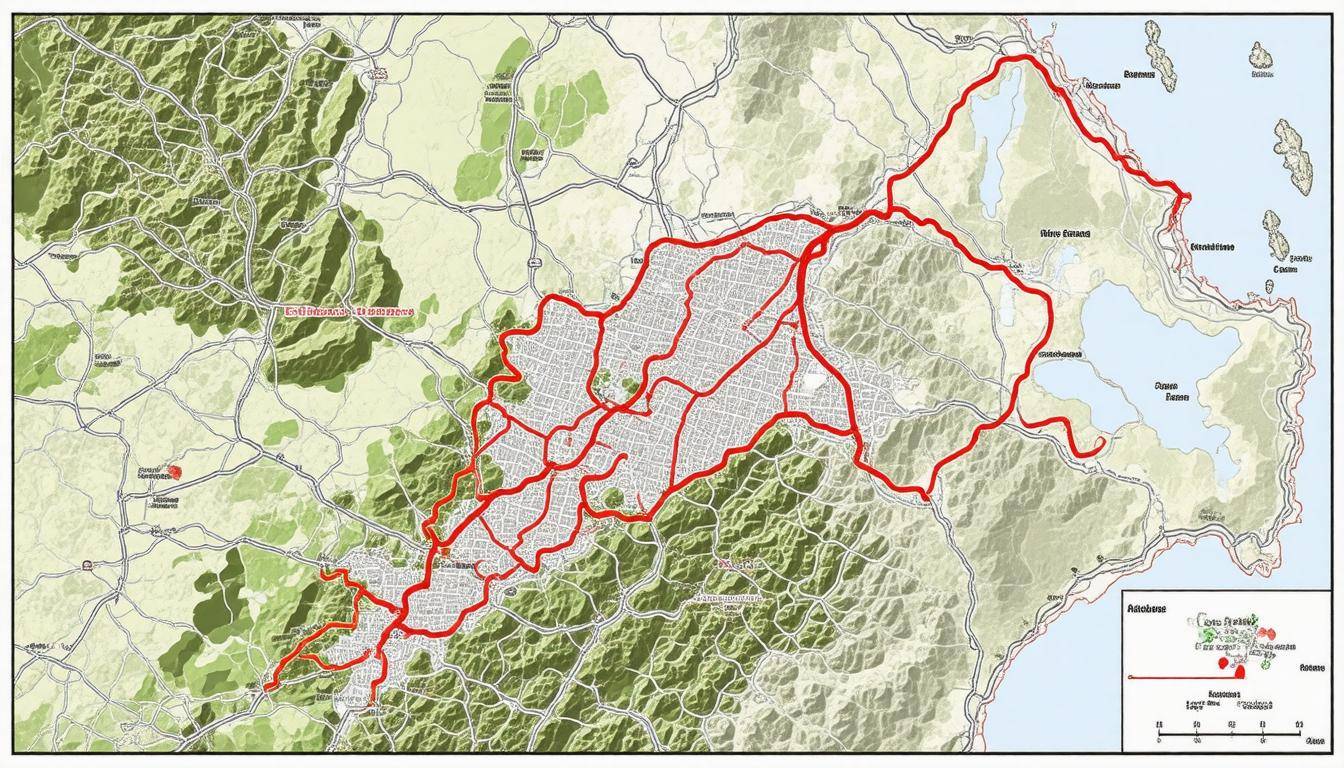
Identifying high-risk zones isn’t just about marking spots on a map; it’s about crafting a vivid picture of your community’s vulnerabilities in the face of bushfires. Visual tools, like Geographic Information Systems (GIS), play a critical role in this process. They allow communities to analyze data relevant to fire threats, giving you a clearer understanding of where potential dangers may lie.
Imagine having an intricate map that not only indicates which areas are most susceptible to fires but also highlights escape routes and points of safety. This visual aid can be a game changer when minutes count.
To create detailed maps, start by utilizing GIS technology effectively. There are many free resources available, including community workshops that approach this subject. Well-executed maps include data on previous fire incidents, terrain types, and even vegetation patterns—each aiding in understanding fire behavior.
It’s also wise to participate in local initiatives where community members gather data from past bushfire experiences to improve predictive models for future events.
The Country Fire Service (CFS) provides invaluable resources with interactive maps detailing fire danger ratings across different regions in South Australia. These ratings change daily based on weather conditions—understanding how they fluctuate prepares residents well ahead of time.
By checking these maps regularly and discussing them with your family, you’ll become more familiar with your surroundings and know which areas warrant caution during heightened risk periods.
Reflecting on personal experiences underscores the importance of mapping. One resident recounted how GIS maps aided their family in safely navigating through the chaos of the 2024 fires that swept through the Adelaide Hills. By having predetermined evacuation routes identified on their map, they avoided what could have been an overwhelming situation. That story serves as a reminder of how robust planning—and using technology wisely—can save lives.
With all these tools and strategies, forming a robust bushfire defense plan becomes more manageable and effective. By identifying high-risk zones through thoughtful mapping, you equip yourself with actionable information that enhances your family’s preparedness and boosts community resilience against bushfires.
Incorporating technology and actively engaging with community resources enables a proactive approach to bushfire readiness, ensuring safety for individuals and families alike.
How often is the Bushfire Defense Plan reviewed and updated for effectiveness?
The Bushfire Defense Plan for South Australia is typically reviewed and updated annually to ensure its effectiveness and relevance, particularly in light of changing environmental conditions and community safety needs. This regular review process allows for the incorporation of lessons learned from previous bushfire seasons, enhancing preparedness strategies. Statistics indicate that areas with updated bushfire plans have shown a significant reduction in property damage and improved response times during emergencies, underscoring the plan’s importance.
What specific strategies are included in the Adelaide Bushfire Defense Plan to protect residential areas?
The Adelaide Bushfire Defense Plan includes specific strategies such as creating buffer zones through vegetation management, installing firebreaks around residential areas, and promoting community education on emergency preparedness. Additionally, the plan emphasizes the importance of maintaining defensible spaces around homes by clearing flammable materials within a designated zone. According to recent statistics, properties within well-prepared buffers have shown a reduction in fire damage by up to 38%, highlighting the effectiveness of these strategies in enhancing residential safety during bushfire events.
How does the community play a role in the implementation of the Bushfire Defense Plan?
The community plays a crucial role in the implementation of the Bushfire Defense Plan by actively participating in preparedness activities, enhancing local knowledge and resilience. Community engagement fosters awareness and encourages individuals to create personal bushfire survival plans, which is vital as studies show that neighborhoods with strong social ties are 50% more likely to respond effectively during emergencies. Furthermore, local volunteer fire services rely on community involvement for training and support, demonstrating that collective effort significantly bolsters overall safety and preparedness in the face of bushfire threats.
Are there any recent incidents that have influenced changes in the Adelaide Bushfire Defense Plan?
Yes, recent incidents like the devastating 2020-2021 bushfire season have prompted crucial updates to the Adelaide Bushfire Defense Plan. Following severe fires that affected large areas and resulted in significant property losses, authorities emphasized enhanced community engagement and preparedness measures. In fact, during this season, South Australia saw an increase of over 40% in bushfire-related emergencies compared to previous years, leading to a stronger focus on early warning systems and improved evacuation strategies in the updated plan.
What resources are available for residents to prepare for bushfire season according to the plan?
Residents can access a range of resources to prepare for bushfire season as outlined in the “Bushfire Defense Plan for South Australia,” including local council guides, online toolkits, and community workshops. The plan recommends that 85% of households create a Bushfire Survival Plan, which is a critical step in increasing safety awareness and ensuring that residents are equipped with knowledge on evacuation routes and emergency contacts. Additionally, the South Australian Country Fire Service (CFS) provides regular updates, safety tips, and checklists tailored specifically for high-risk areas, helping to ensure that communities are well-prepared ahead of bushfire threats.