
As the flames flicker in the distance, the reality of living in a bushfire-prone area becomes starkly apparent. Each year, residents face the looming threat of wildfires, wondering how to protect their homes and families. The good news is that preparation and knowledge can make all the difference in staying safe. That’s where the Canberra ACT Bushfire Protection Plan Guide comes into play. It’s designed to equip everyone with practical strategies that empower them to create safer living spaces and work together as a community to combat this ongoing challenge. By understanding key safety measures and implementing effective practices, we can build resilience against fire threats and ensure our neighborhoods remain secure for years to come.
The Canberra, ACT Bushfire Protection Plan Guide outlines essential strategies and guidelines for residents to protect their properties from bushfires, including recommended land management practices, firebreak creation, and emergency response planning. This guide also emphasizes community awareness and preparedness, ensuring that individuals and families are equipped with the knowledge to mitigate bushfire risks effectively.
Overview of the Protection Plan
The Canberra Bushfire Protection Plan is a vital document that lays out a strategic framework for protecting the community from bushfire threats. Just like a well-constructed safety net, the plan encompasses various tactics and methodologies tailored to reduce risk and enhance community resilience. At its heart lies a commitment to safeguarding lives, property, and natural environments through comprehensive measures designed with input from local communities and experts alike.
One of the most compelling aspects of this plan resides in its keen focus on measurable outcomes. Among its key objectives is the ambitious target of reducing bushfire risks by 25% over five years, as highlighted by data from the ACT Bushfire Council. But how does one translate such lofty goals into practical actions? The answer is found in several targeted strategies aimed at addressing potential vulnerabilities across the region.
Key Objectives
The goals of the plan include a wide array of components that collectively bolster its effectiveness. These encompass not just proactive firefighting efforts but also preventive measures designed to ensure every resident feels empowered to take charge of their safety. The approach can be visualized as a multi-layered defense where each layer holds a specific purpose:
-
Enhancing early warning systems: The importance of timely information cannot be overstated. Upgraded alert mechanisms ensure that families are informed about imminent threats with enough time to act decisively.
-
Strengthening community preparedness: Community workshops equip residents with skills and knowledge needed to create defensible spaces around their homes and respond effectively in emergencies.
-
Ensuring rapid response and recovery: Quick action plans allow emergency services to respond efficiently when disasters strike. This means fewer losses and faster recoveries, critical in preserving both lives and properties.
-
Collaboration between government, emergency services, and local communities: Partnership is crucial; by fostering strong relationships among these groups, resources can be pooled effectively to tackle issues head-on. This creates a unified front in bushfire management.
Understanding these objectives lays the groundwork for recognizing the importance of active participation within the community, which is invaluable for achieving sustainable safety measures. Let’s now turn our attention to initiatives designed to educate and empower the public.
Community Education Initiatives
Informed communities are better equipped to respond effectively to bushfire threats. These education initiatives foster a culture of preparedness and resilience among residents. The ACT Rural Fire Service recognizes this, organizing workshops in schools, community centers, and local events aimed at disseminating vital fire safety information.
During these sessions, participants explore critical topics such as understanding fire behavior, identifying risk factors specific to their surroundings, and learning practical skills like creating defensible spaces around their homes. By participating in these workshops, community members not only gain knowledge but also have a chance to ask questions specific to their situations. Imagine attending a workshop where you leave with actionable items that could potentially save your home and family during a crisis—it’s empowering.
Sarah, a resident of Canberra, shared her experience after attending one such workshop: “After learning about how quickly fires can spread and what steps we could take, we revised our family’s fire plan. Now we know what to do if there’s a bushfire warning, which made us feel so much more secure.”
Engaging in these initiatives creates a communal approach toward fire safety—an essential step toward ensuring everyone is prepared.
The educational efforts led by the ACT Rural Fire Service extend beyond just theoretical knowledge; they encourage hands-on practice. Attendees might participate in simulations or drills that mimic evacuation scenarios, solidifying the knowledge they’ve gained. This immersive approach makes the educational content relatable and memorable.
Moreover, these initiatives promote the importance of early planning, urging families to develop and rehearse their evacuation plans ahead of time. Not just clever tips floating around—these strategies save lives. Families learn to identify multiple exit routes from their homes and discuss meeting points if separated during an emergency.
Yet education alone isn’t enough; proactive vegetation management plays a crucial role in complementing these insights from community workshops.
Regular discussions on fire-safe landscaping techniques are integral to the curriculum presented at these workshops. This includes educating homeowners about maintaining appropriate distances between plants and structures or recommending fire-resistant plant species that are less likely to contribute to fire intensity.
By fostering an educated community that understands both the risks and how to mitigate them through proactive measures, we pave the way for safer neighborhoods amidst the looming threat of bushfires.
To further enhance bushfire protection efforts, it is vital to consider strategic approaches for managing local vegetation effectively.
Vegetation Management Strategies

Effective vegetation management isn’t just a precaution; it’s a lifeline that minimizes fuel for bushfires. This approach is essential for preserving not only property but entire communities. One of the key methods in this strategy is the creation of firebreaks and buffer zones. These are cleared strips of land where vegetation has been intentionally removed to slow down or even halt the spread of flames during a wildfire.
Firebreaks and Buffer Zones
Firebreaks serve as frontlines in the fight against wildfires. By eliminating nearly all combustible materials from certain areas, firebreaks provide a protective barrier between vast stretches of bushland and residential zones with homes and infrastructure. In Canberra, local authorities have identified critical high-risk areas—those more prone to fires due to climatic conditions or proximity to dense vegetation—and have strategically designed firebreaks around them.
This collaborative effort between local governments and private landowners is crucial. Property owners are often enlisted to maintain these firebreaks, ensuring they remain effective during fire season when conditions can change rapidly. Regular inspections help keep these barriers intact, making sure they function optimally when it matters most.
A key insight is maintaining open lines of communication between neighbors about cleanup efforts, as tackling vegetation management cohesively can amplify safety measures across entire communities.
Beyond firebreaks and buffer zones, knowing which specific plant species contribute most to fire intensity in a given area is important. Some native bushes may burn faster than others and could pose significant risks in high winds or dry conditions. Community education initiatives often inform residents about managing their landscaping by choosing fire-resistant plants or modifying existing shrubbery to reduce overall fire hazard. This kind of informed choice applies not only at an individual level but also benefits the community at large by reducing the potential for fire escalation.
As we consider how individual choices impact broader community safety, it becomes vital to recognize areas that may need extra attention and resource allocation. With this understanding, we can now explore those spots requiring focused action for enhanced resilience.
Identifying Vulnerable Areas
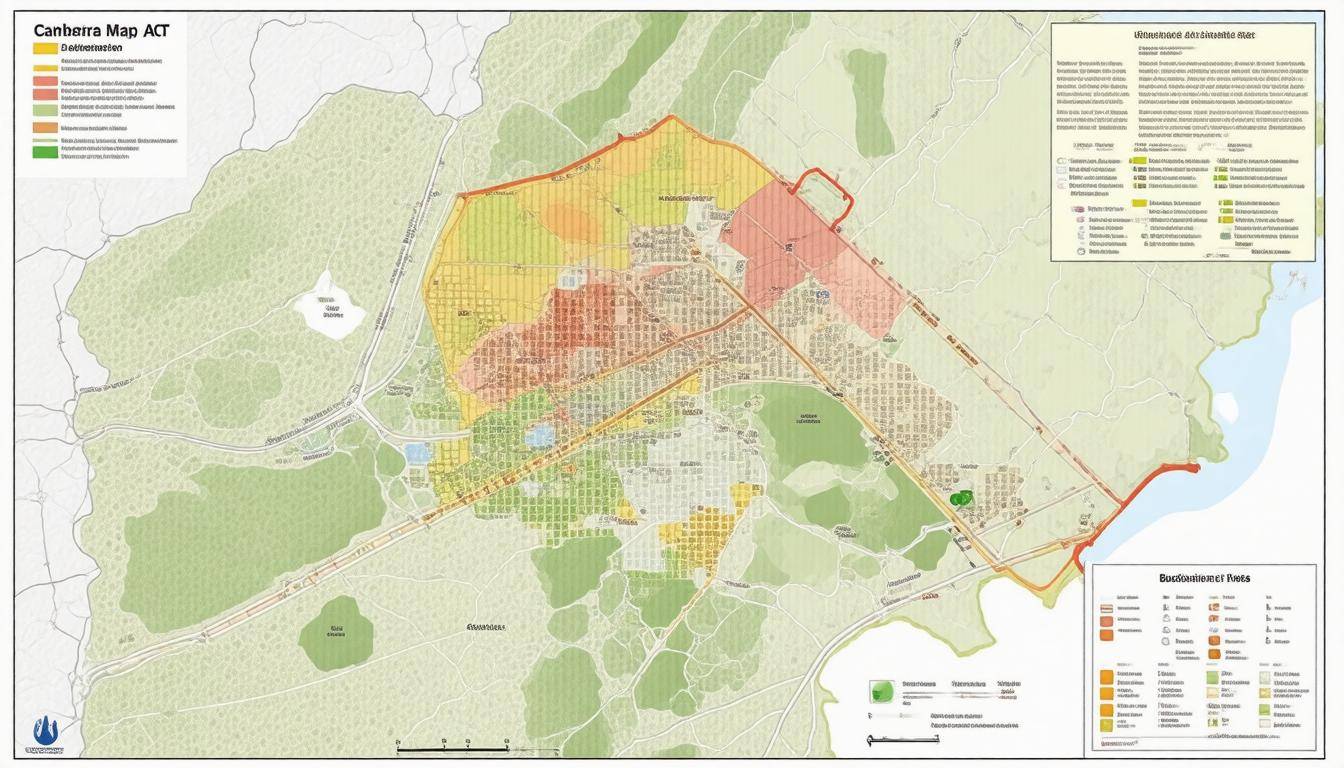
The first step in enhancing bushfire protection is identifying the regions within Canberra that are at the highest risk. Tools like satellite data and historical fire records play an essential role in this process. This data-driven approach reveals patterns of past fire incidents and helps predict where future fires might occur. For instance, the ACT Emergency Services Agency (ESA) meticulously assesses the local landscape, pinpointing areas where vegetation and environmental conditions create potential hazard zones.
By mapping out high-risk bushfire zones, authorities can concentrate their resources more effectively, ensuring that the areas most likely to experience fires receive prioritized attention.
One such area is Tuggeranong, designated as having a high-risk level due to its proximity to dense bushland. The amount of fuel available in this region can easily contribute to fire spread during hot and windy conditions. Meanwhile, Gungahlin presents a medium risk; however, its rapid urban expansion poses unique challenges. Homes and businesses here may inadvertently create new ignition sources or obstruct crucial firebreaks if not properly managed. Woden Valley stands out as another high-risk area with steep terrain and dry conditions—factors that significantly influence fire behavior during a blaze.
Table of Risk Levels and Challenges
| Area | Risk Level | Specific Challenges |
|---|---|---|
| Tuggeranong | High | Dense bushland proximity |
| Gungahlin | Medium | Rapid urban expansion |
| Woden Valley | High | Steep terrain, dry conditions |
These insights allow community leaders and emergency planners to devise strategies tailored to each area’s specific challenges. In Tuggeranong, creating accessible fire breaks may help firefighters combat potential flames before they reach urban centers. In contrast, residents in Gungahlin can be educated about responsible landscaping choices that reduce flammability around houses. Planning regular community education programs about maintenance of defensible spaces will empower residents to protect their property while aiding overall bushfire management efforts.
The identification process does not end once these areas are mapped. Continuous monitoring is vital; changes in weather patterns or shifts in land use can elevate risk levels over time. Periodic reviews of vulnerability assessments ensure that our response strategies stay current and effective. Understanding the baseline allows decision-makers to reallocate resources based on real-time data and emerging threats.
Recognizing these vulnerable areas serves as a proactive measure, preparing communities for potential disasters while fostering a culture of preparedness among residents.
Moving forward, it’s essential to focus on practical actions that can be implemented to mitigate risks effectively.
Implementing Vegetation Control Measures
Emphasizing vegetation control is paramount in establishing a robust defense against potential bushfires. These proactive strategies protect your residence and enhance the overall health of the surrounding ecosystem. One foundational aspect of these measures is controlled burns. This technique involves intentionally setting manageable fires under specific conditions, enabling the reduction of combustible material—like dry leaves and dead underbrush—that serves as fuel for wildfires.
Controlled Burns
Controlled burns are more than just a fire hazard management tool; they have proven effective over time. When executed by trained professionals, these controlled environments can dramatically diminish excess vegetation that could otherwise contribute to a wildfire’s intensity. Imagine a well-tended garden; it requires regular pruning and thinning not merely for aesthetics but for vitality. Similarly, controlled burns rejuvenate landscapes while minimizing risks associated with uncontrolled wildfires.
According to the ACT Bushfire Operations Plan, last year’s efforts accomplished significant milestones: over 1,000 hectares were treated using controlled burns, successfully reducing bushfire fuel loads by 30%. This statistic highlights the profound impact that correctly managed vegetation can have on community safety during bushfire seasons.
It’s crucial to follow up controlled burns with ongoing maintenance strategies that reinforce their benefits and further safeguard properties.
Ongoing Maintenance Strategies
After implementing controlled burns, focusing on ongoing maintenance of vegetation becomes essential. Regularly scheduled inspections allow homeowners to identify and address potentially hazardous areas around their property. Consider this: Raking up fallen leaves or clearing out dense shrubbery can significantly decrease the risk of fire spreading should an outbreak occur nearby.
Additionally, embracing native landscaping minimizes fire risk while promoting biodiversity. Native plants typically require less water and are less likely to become highly flammable during dry periods compared to exotic species. By selecting flora that thrives within the local climate, you can create a landscape that is both beautiful and functional in the context of fire prevention.
Creating defensible spaces around your home—from trimming trees to maintain at least a ten-foot clearance from roofs and walls to ensuring that shrubs are spaced appropriately—provides a buffer zone that can drastically reduce fire risk. Each element plays its role in constructing a fortified perimeter against the unpredictable nature of wildfires.
Community Engagement
Engaging neighbors in these efforts transforms individual actions into a collective defense mechanism against bushfire threats. An organized community approach facilitates shared knowledge on vegetation control techniques and encourages communal compliance with best practices for bushfire preparedness. Teamwork amplifies success—a community working together toward common goals enhances resilience and leads to substantial improvements in overall safety measures.
With each measure we implement and each conversation we engage in around vegetation control, we prepare ourselves effectively for the challenges posed by bushfire threats ahead.
Home and Property Safety
The first step in ensuring your protection is to assess and fortify the exterior of your home. Using fire-resistant materials for your roof and siding can make a significant difference. Many homeowners often overlook this aspect; however, investing in non-combustible materials like brick or plaster can drastically reduce the chances of embers igniting your home. A well-sealed roof not only helps keep debris out but also minimizes the greenhouse effect that can amplify the fire’s intensity.
Regularly clearing gutters of leaves and debris, pruning trees, and ensuring wood piles are stored at least 10 meters from your home are effective measures advised by the ACT Rural Fire Service. One of the most common oversights is ignoring fences—especially if they’re made from wood. A wooden fence might look charming, but it can also serve as a conduit for fire to travel straight to your home. Instead, consider using metal or masonry fencing which provides a firewall that can protect your property.
Additionally, ensuring that any flammable equipment such as gas tanks or propane heaters are located far away from the dwelling significantly reduces risk.
Windows are another critical area of focus. Installing metal fly screens on all windows and doors can effectively prevent embers from entering your home, while opting for double-glazed glass further enhances protection against external heat. The importance of having ventilation systems in place cannot be overstated; overheating rooms can lead to severe damage during extreme conditions, thus utilizing adjustable vents allows fresh air in while keeping potential flames out.
It’s essential to adopt comprehensive strategies that not only safeguard your living space but also enhance overall resilience. Next, we will explore vital factors regarding the selection of construction materials and design elements that contribute significantly to enhancing safety in bushfire-prone areas.
Building Materials and Design Tips
Construction choices critically impact a home’s bushfire resilience, and understanding which materials to use can make all the difference in safeguarding your property. As you embark on building or renovating a home in bushfire-prone areas, it’s vital to leverage the right materials.
Using materials like metal roofing, along with non-combustible external walls such as brick or fiber-cement, is highly recommended. These materials can significantly reduce the risk of ignition, creating a barrier against flames and embers.
Bushfire-Resistant Materials
Metal roofs are particularly effective; a study by CSIRO showed that homes fitted with metal roofing were 83% less likely to ignite during bushfires compared to those using traditional wooden shingles. This impressive statistic reflects the undeniable benefit of investing in resilient materials from the outset.
Consider materials like concrete, stone, or certain types of glass that have been shown to withstand heat far more effectively than their wood counterparts. Not only do these materials offer protection, but they often add aesthetic value as well, blending seamlessly into beautiful bushland settings.
Beyond just choosing the right materials, design plays an equally vital role in bushfire protection. Creating defensible space around your home is critical; this involves landscaping practices that minimize vegetation within close range of your structure. Effectively managing the surrounding environment not only provides safety from encroaching fires but also helps maintain the integrity of your building materials.
Alongside thoughtful material selection and strategic landscaping, it’s key to address other elements of design that contribute to safety and efficiency.
For instance, ensuring proper ventilation is essential but should also be done cautiously. Using tempered glass for windows adds another layer of protection without sacrificing light or visibility. Additionally, consider incorporating ember-proof vents, which prevent embers from entering while still allowing for airflow. Furthermore, utilizing longer eaves or awnings can help shield windows and doors from direct flames or flying embers.
Taking a holistic approach by combining sustainable construction features with intelligent design will enhance your home’s resilience against bushfires while ensuring its longevity—safeguarding both your family and investment for years to come.
With a firm foundation established through these essential measures, we can now shift our focus to practical strategies to enhance readiness for unexpected events.
Emergency Preparedness Tips
Being prepared for a bushfire isn’t just about having the right materials; it’s about creating a comprehensive plan that you and your loved ones can follow in a time of crisis.
Start by devising a Bushfire Survival Plan that details everything from evacuation routes to essential items you’ll need should you leave your home quickly. This plan serves as a roadmap, ensuring that everyone knows where to go and what to do when every second counts.
An effective survival plan includes specific evacuation routes that are familiar to you and your family. Make sure these routes lead to safe areas beyond typical bushfire zones. Discuss these paths during family meetings, reinforcing the importance of following them without hesitation if danger approaches.
As part of your preparedness, assembling a “Go Bag” is an essential step. This bag should be packed with all the necessities to sustain you for several days away from home. When selecting items for your Go Bag, consider the basics: include water (about one liter per person per day), non-perishable food items such as energy bars or canned goods, and a first aid kit stocked with items like adhesive bandages, antiseptic wipes, and any personal medications you might need.
It’s also wise to store important documents—such as identification, insurance papers, and emergency contacts—either physically in the bag or digitally uploaded onto a secure cloud service.
Remember that preparation is not static but dynamic; regularly review and update what’s in your Go Bag. Ensure that food isn’t expired and that essential supplies align with seasonal changes or individual needs.
Finally, it’s crucial to remain informed about local emergency services. Keep contact information readily accessible—not just in your Go Bag but perhaps also pinned on your refrigerator or saved in your phone. This list should include numbers for local fire services, emergency services hotlines, and community alerts related to bushfires.
Having this information at hand can save precious time during an evacuation.
Notably, there’s evidence supporting effective preparedness; in the 2020 fire season, communities that executed early evacuations and implemented robust preparedness measures witnessed a staggering reduction of casualties—by nearly 60%—in Canberra’s suburbs alone. This statistic underscores how critical it is to take action well before flames are visible on the horizon.
So as fires can wreak havoc unexpectedly, staying proactive could mean the difference between safety and tragedy for you and your loved ones.
In summary, thorough preparation and timely action can significantly enhance safety during bushfire threats. By following these essential measures, you’re taking vital steps towards protecting yourself and your community.
What are the key components of the Canberra Bushfire Protection Plan?
The key components of the Canberra Bushfire Protection Plan include risk assessment, land use planning, community education, and emergency response coordination. These elements work together to enhance safety, mitigate risks, and promote preparedness among residents. For instance, following the devastating bushfires of 2003, which destroyed over 500 homes, the plan focuses on creating defensible spaces around properties and improving infrastructure to increase resilience against future fires. Engaging the community through education initiatives also plays a crucial role in ensuring that individuals understand their responsibilities during fire events.
What steps should homeowners take to create their own defensible space against bushfires?
Homeowners should create a defensible space of at least 30 meters around their property by removing flammable vegetation, maintaining a well-manicured lawn, and establishing gravel or stone pathways that can help slow down fire spread. Additionally, clearing leaves and debris from gutters and eavestroughs is essential, as these are common ignition points. According to the Australian Government’s “Planning for Bushfire Protection,” implementing these safety measures can reduce the risk of fire damage by up to 80%.
What resources are available for residents to educate themselves further on bushfire safety and preparedness in Canberra?
Residents in Canberra can access a variety of resources to educate themselves on bushfire safety and preparedness, including the ACT Emergency Services Agency website, which offers comprehensive guides and checklists tailored for local conditions. Additionally, the “Prepare, Stay and Defend or Leave Early” policy emphasizes individual responsibility in bushfire emergencies. According to recent statistics, about 90% of bushfire incidents are manageable with proper preparation, highlighting the importance of community education and readiness in mitigating risks during bushfire season.
How do residents qualify for specific measures outlined in the Bushfire Protection Plan?
Residents qualify for specific measures outlined in the Bushfire Protection Plan based on their property’s location, proximity to bushland, and adherence to certain building codes and land management practices. For instance, properties situated within designated bushfire-prone areas must comply with strict regulations, including the construction of fire-resistant structures and maintenance of defensible space. Statistics show that homes following these guidelines have a significantly lower risk of damage during bushfires, highlighting the importance of community engagement in implementing effective safety measures.
How frequently is the Bushfire Protection Plan updated, and how can residents stay informed about changes?
The Bushfire Protection Plan is typically updated every five years, although more frequent updates may occur in response to significant environmental changes or incidents. Residents can stay informed about changes through local government websites, community newsletters, and designated fire safety workshops that are often hosted by emergency services. Engaging with these resources ensures residents remain aware of the latest safety measures and recommendations tailored to their areas, especially in a region like Canberra where bushfire risk can vary year to year.