
When it comes to facing a bushfire, preparation is key. It’s not just about having the right mindset; it’s about being equipped with the proper tools and knowledge to protect yourself and your home. Living in Melbourne or any bushfire-prone area means you need to be proactive and ready for action at a moment’s notice. I’ve learned through experience that the right items in your Bushfire Defense Kit can make all the difference when emergencies arise. From fire extinguishers to first aid supplies, knowing what to include can enhance your safety and peace of mind during this unpredictable season. Here’s a guide on what essentials every Melbourne resident should consider adding to their kit.
A Melbourne Bushfire Defense Kit should include items such as a first aid kit, protective clothing (long sleeves, gloves, and sturdy shoes), emergency food and water supplies, a flashlight with extra batteries, a portable phone charger, and important documents in a waterproof container. Additionally, having a fire extinguisher and an emergency plan tailored to your household is crucial for effective bushfire preparedness.
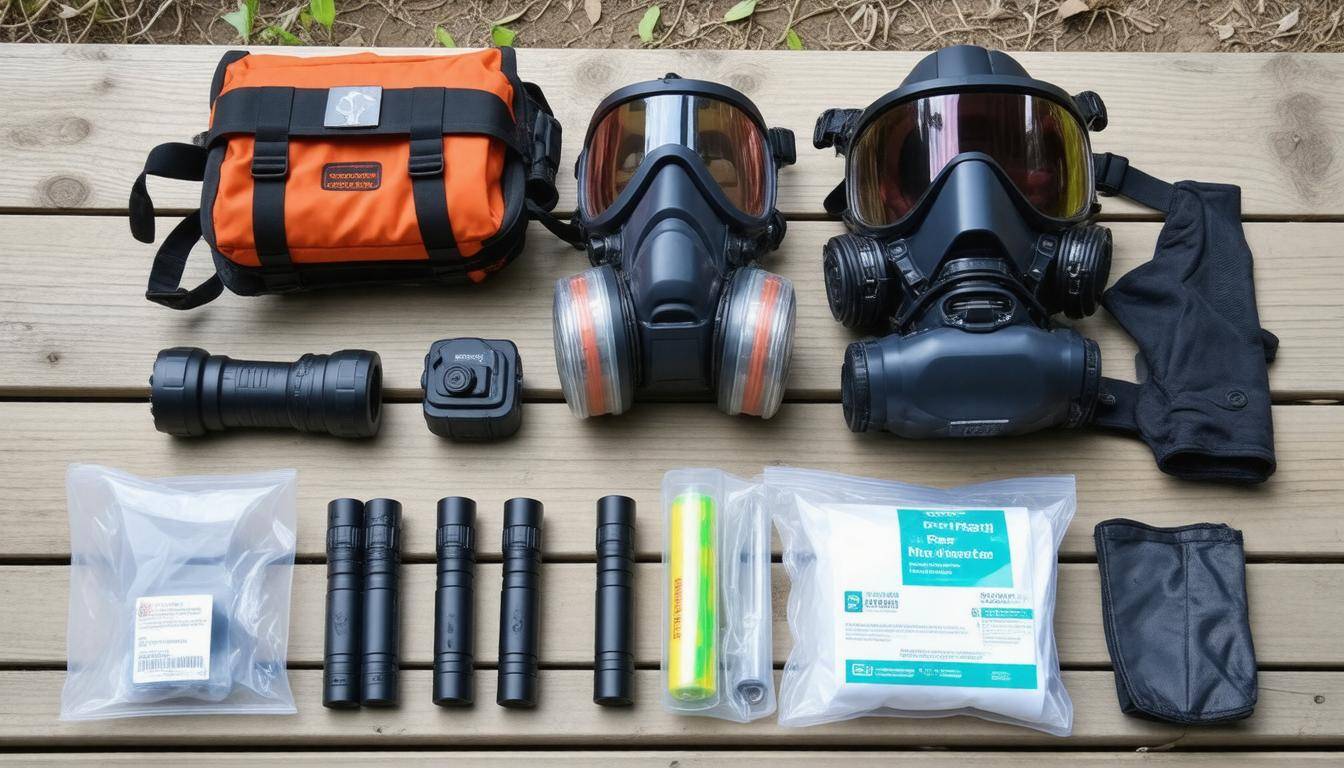
Melbourne Bushfire Defense Kit: Essential Items
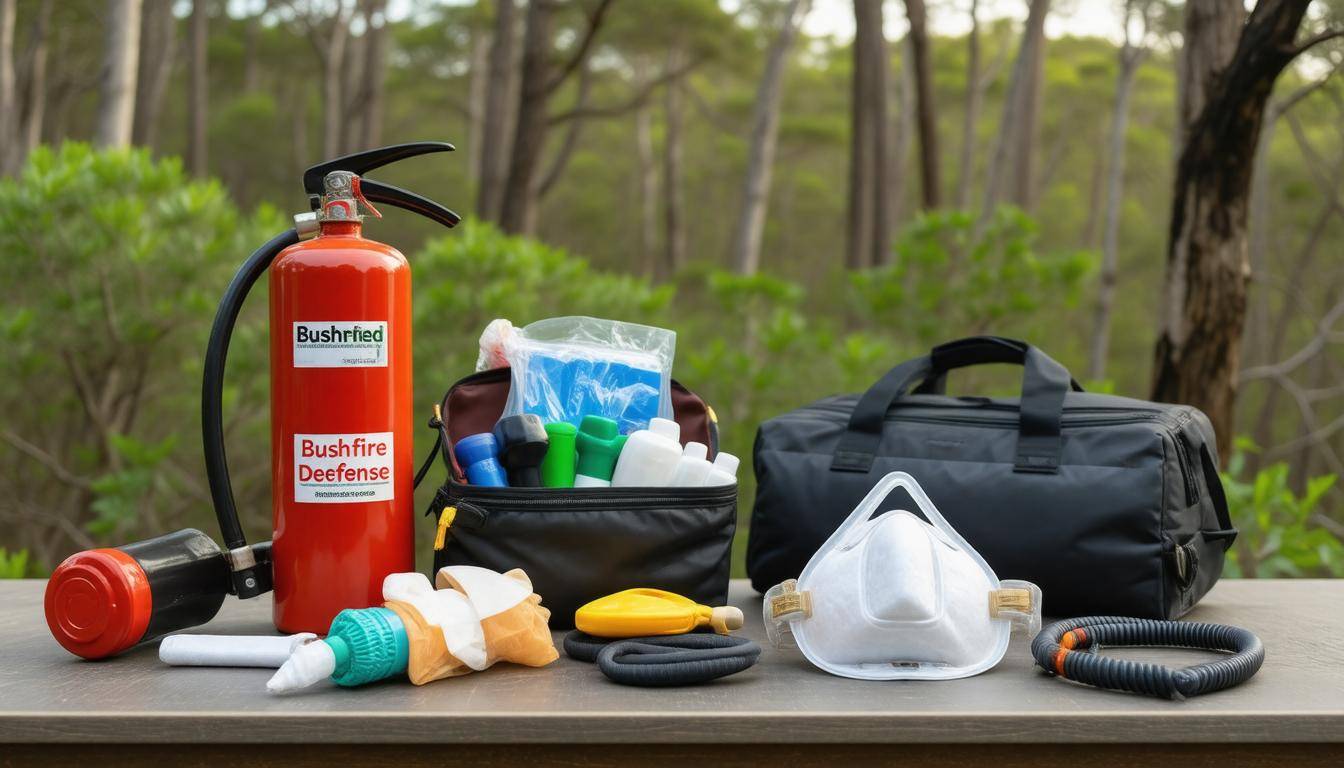
First and foremost, your kit should be equipped with fire extinguishers and fire blankets. Consider these your first line of defense when flames threaten to breach your sanctuary. Portable fire extinguishers rated for Class A (regular combustibles like wood and fabric), Class B (flammable liquids), and Class C (gases) fires are paramount. Having the right type can mean the difference between effectively controlling a small fire and facing a full-blown emergency. Fire blankets, easily deployable in frantic situations, can smother flames on clothing or small fires on surfaces, providing immediate assistance when time is crucial.
After securing fire-fighting equipment, think about safeguarding your health.
Respiratory protection is non-negotiable in bushfire scenarios. Incorporating N95 masks or P2 masks into your kit enables you to breathe easier when engulfed by smoke and ash. According to the Australian Institute for Disaster Resilience, smoke inhalation leads to significant respiratory issues during bushfires. Inhaling toxic particles can overwhelm even the healthiest individuals; therefore, proper masks can substantially reduce health risks, ensuring you can navigate through smoke-filled environments without compromising your well-being.
Besides fire safety and respiratory protection, it’s essential to safeguard against potential injuries.
Equip your kit with a first aid kit stocked with items like gauze bandages, antiseptic wipes, burn ointment, and other basic medical supplies. A well-stocked first aid kit ensures that you’re prepared to address injuries that may occur while fleeing or managing initial fire threats. Being able to treat minor wounds quickly makes a significant difference amidst chaos. Consider adding trauma supplies as well for more serious injuries that may arise from an emergency situation.
Alongside healthcare provisions, don’t forget tools to help improve visibility during low-light conditions.
This includes headlamps or flashlights with extra batteries. Power outages are common during emergencies, and having a dependable light source helps to navigate safely through darkened areas. Furthermore, glow sticks can serve as handy alternatives that pack easily into your kit; they provide illumination without the need for batteries or complicated mechanisms—perfect for emergency situations where efficiency matters.
Finally, don’t overlook essential communication tools.
Having a battery-operated radio or an emergency whistle can mean life-saving advantages during bushfires. The radio keeps you informed about weather updates and fire alerts while allowing you to stay tuned into local emergency services. An emergency whistle can help signal for assistance if you’re separated from others, enabling potential rescuers to locate you more easily in smoky or chaotic environments.
With these items readily available in your defense kit, you’ll enhance your preparedness significantly as you face unexpected challenges during bushfire season.
Emergency Safety Kit Components
An emergency safety kit can be a lifesaver during challenging times, and having the right components is key. This kit should provide you with not just the essentials for navigation and sustenance but also the tools necessary to ensure personal safety in case of an evacuation. The last thing you want is to find yourself scrambling for necessities under pressure.
Vital Documents
To start, it’s important to include waterproof copies of vital documents that you may need for identification and access to crucial services. You should have:
- Identification documents (passports, driver’s licenses).
- Insurance policies.
- Medical records.
- Contact information for family and emergency services.
Keeping these documents organized means you won’t waste precious time searching for them amidst chaos. For instance, I’ve learned from experience that storing these in a sealed bag or container ensures they stay protected from water and fire damage—an often overlooked factor.
But documentation is only one part of the puzzle; let’s discuss another critical aspect: health safety.
First Aid Kit
Your first aid kit must be comprehensive, filled with various items that cater specifically to injuries that can occur during emergencies. This typically includes bandages, antiseptic wipes, burn cream, pain relievers, and a CPR face shield. Each item can prove invaluable when every second counts.
I once attended a training session by the Red Cross where they stressed the importance of burn treatment during bushfires. They emphasized that burns often occur in chaotic situations, making immediate care vital. Having a well-stocked first aid kit can mean the difference between temporary discomfort and long-term injury during such critical times.
Therefore, take some time to evaluate your first aid supplies regularly to ensure nothing has expired or is missing; it’s an act of self-care that ultimately protects you and your loved ones when it matters most.
With health safety established as a priority, we now shift our attention to items that enhance overall comfort and improve survival chances during evacuation scenarios.
Preparing Your Home for Bushfires
Beyond personal safety kits, preparing your home is not just an option; it’s a necessity. Taking the right steps can significantly reduce damage to your property if a bushfire does occur. The first step many homeowners often overlook is clearing vegetation around their homes.
1. Clearing Vegetation
Removing flammable materials like dry leaves and debris from gutters may seem minor, but it can be a game changer during bushfire season. Most people don’t realize that a buildup of dry leaves serves as perfect kindling during a fire. Additionally, pruning tree branches that hang near your house is crucial; those overhanging limbs might catch embers which can ignite on contact.
Creating and maintaining a 30-meter vegetation-free zone around your home not only looks tidy—it studies show it can actually reduce fire impact by up to 80%. This zone acts as a buffer, slowing down the fire’s spread and protecting your property.
This step alone helps considerably, but we shouldn’t stop there; enhancing your home’s materials also plays an essential role in its defense.
2. Installing Fire-Resistant Materials
When it comes to building or renovating your home in bushfire-prone areas, using fire-resistant materials for walls and roofs is something worth considering. Imagine standing on your porch and knowing your home is equipped with walls made of cement-based siding or roofing made of metal; these materials provide added protection against flying embers. Such measures are more than just precautionary—they are investments towards the safety and longevity of your property during a bushfire threat.
A well-constructed home using fire-resistant materials can withstand intense heat and prevent the internal structure from catching fire.
Check local building codes for requirements on fire-resistance ratings—ensuring your home’s external components meet these can vastly improve its resilience against potential fires. You might even consider various insulation techniques: replacing ordinary fiberglass insulation with non-combustible options gives extra peace of mind during bushfire season.
Taking these initial precautions sets the groundwork for an effective safety plan, and further consideration of specialized equipment will enhance your ability to face any emergency.
Survival Gear and Equipment Recommendations
In the chaotic environment of a bushfire, specific survival gear can make an incredible difference. You want items that are versatile and reliable, ensuring you’re prepared for any situation. This means choosing equipment that serves multiple purposes without sacrificing quality or effectiveness.
Portable Power Stations
One essential piece of equipment is a portable power station. Often overlooked, battery-operated power stations like the Goal Zero Yeti series are invaluable. They provide electricity when mains power is unavailable—something you’ll definitely appreciate in an emergency. Whether it’s charging your phone for communication, running small appliances, or powering lights at night, these little units pack a punch in terms of capacity and durability.
It’s worth taking the time to assess how much power you might need. Always consider selecting a model with multiple output options so you can keep several devices charged simultaneously.
Communication Devices
Equally crucial is having dependable communication devices. In times of crisis, staying informed and connected can be the difference between chaos and order. Hand-crank radios are a must-have; they’ve been vital in relaying emergency updates without reliance on batteries or mains power that may fail. A sturdy two-way radio system is also invaluable for keeping family members in touch if evacuation becomes necessary or if mobile networks go down.
Additionally, it’s wise to invest in personal locator beacons (PLBs) or satellite phones if you’re in particularly remote areas where cell service isn’t guaranteed. These devices ensure that you can call for help even when traditional forms of communication are compromised.
As we gather the right tools and equipment for emergencies, it’s important to think about how to implement effective safety strategies to stay secure during a bushfire event.
Essential Precautions and Safety Checklist
Safety is paramount when facing the threat of bushfires, and having a well-thought-out checklist can make all the difference. This checklist isn’t just a set of tasks; it’s a lifeline, ensuring that your household is prepared and knows exactly what to do when danger arises. Regularly going over this checklist fosters a sense of readiness among household members and emphasizes the importance of being proactive rather than reactive.
Start by making sure every member of your household can easily access emergency contact numbers. It’s simple but incredibly effective—everyone should know how to reach one another during an emergency. Hang a visible list near the phone or save it in everyone’s mobile devices. The goal is not only to facilitate communication but also to reassure family members that they can rely on each other during times of crisis.
Learning how to properly use fire extinguishers may seem basic, yet many people don’t take it seriously until it’s too late. Make time for everyone in the home to understand where your extinguishers are located and how they work. A practical demonstration is often more beneficial than any instruction manual. Encourage family members to familiarize themselves with the different types of extinguishers available; knowing which one to use in specific situations can be lifesaving.
Another crucial aspect is regularly checking and replacing firefighting equipment, including fire alarms and extinguishers. These tools need regular maintenance, which goes beyond simply having them on hand. For instance, fire alarms should be tested monthly; their batteries must be replaced at least once a year. Setting a reminder on your calendar may help develop this important habit, allowing you to consistently stay protected against potential threats.
Establish an updating schedule for your safety checklist that works best for you—the guideline is every six months. Use this time to revise not just the items on the list, but also assess the situations that could potentially affect your safety. For example, if weather patterns have changed significantly over the years, it might warrant an update in how you approach safety during bushfire season.
Finally, add an emotional element by encouraging open discussions regarding fears and concerns about bushfires among household members. Sharing these insights creates a united front when it comes to preparation and ensures everyone feels heard and engaged in safety practices.
As we explore ways to enhance safety further, it’s essential to consider how to plan effectively for emergencies and ensure that every family member knows their role in critical situations.
Developing an Effective Escape Plan
Creating a coherent escape plan tailored to your family’s needs is mandatory. It can make the difference between chaos and a smooth evacuation when every second counts. Start by designating multiple exit routes from each room of your home. Consider the possibility that certain paths could become blocked or unsafe during a bushfire, so it’s essential to have alternatives ready. Using familiar landmarks as guides can help everyone navigate to safety, especially in a moment of distress.
Think about the layout of your home: Is there a back door leading to a side yard? Or perhaps a window that can easily be accessed? All these pathways need to be accessible and clearly defined.
Next, establish a safe meeting point outside your home where all family members can reconvene if separated. This location should be far enough away from your property that you can safely wait there without fear of the fire closing in on you. Trust me; having this plan alleviates much of the stress during emergencies because everyone knows precisely where to go once they exit the house. It should be somewhere visible, like the mailbox at the end of your street or a neighbor’s driveway.
Make sure everyone in your household is aware of this plan. Regularly discussing it and displaying notes throughout your home can reinforce its importance.
The other highly important aspect is practicing your escape plan. Run practice drills regularly to ensure everyone knows the routine, feels comfortable with their roles, and understands which exits to take. Conducting these exercises during different times of day and while distractions are present—like playing music or simulating limited visibility—can not only ensure readiness but also allow family members to get accustomed to executing the plan under stress.
Some families might find it useful to designate specific roles for each member, especially if you have children or pets to consider. For instance, one adult might be responsible for gathering kids while another ensures pets are secured for transport. The division of responsibilities fosters teamwork and ensures no one is left behind.
Developing an effective escape strategy goes beyond mere planning; it involves continuous engagement and adaptability in response to changing circumstances. As we look further into preparation techniques, it’s vital to explore other aspects that enhance overall safety from bushfires.
Tips for Bushfire Readiness

One of the most significant steps you can take towards bushfire readiness is keeping your devices charged and ready to go. During an emergency, your smartphone isn’t just a communication tool; it’s your lifeline for information. Keeping your smartphone charged ensures that you are prepared to receive alerts or updates from local authorities. As a backup, consider investing in a high-quality portable charger. These tiny powerhouses pack enough energy to keep your device running, providing peace of mind when you need it most.
In bushfire-prone areas, staying informed can literally be the difference between safety and danger.
Regularly monitoring local fire services’ social media posts is another incredibly effective strategy. Fire departments often post real-time updates about fire conditions, evacuation orders, and safety tips. By following these accounts, you position yourself to receive timely advice and announcements. Make a habit of checking these platforms daily during the high-risk seasons.
Additionally, there are numerous apps at your disposal designed specifically for bushfire situations.
Downloading Bushfire Safety Apps should be part of every family’s preparedness plan. These applications serve as more than just alerts; they offer comprehensive resources and guidance on evacuations, safe zones, and even first aid responses in case of smoke inhalation or other emergencies. Investing time to explore various bushfire-related apps will yield dividends when faced with such unpredictability.
Quick Tips:
- Keep your smartphone charged and always have a backup battery.
- Regularly monitor local fire services’ social media for real-time updates.
- Download Bushfire Safety Apps: These provide timely alerts and valuable safety information.
The aim is not just immediate survival but ensuring you’re equipped with the knowledge and tools to make sound decisions in moments of crisis. With this mindset, you prioritize safety at every step of the way.
As we look closer at preparing effectively for emergencies, it’s important to focus on the right equipment that can help ensure your preparedness is foolproof.
Must-Have Tools for Bushfire Safety
Fire Hooks and Rakes are at the forefront of effective bushfire defense. These tools allow you to create firebreaks by clearing away flammable vegetation, directly reducing the fire’s fuel source. Imagine standing in your yard, swinging a fire rake with intention as you clear away dried leaves and twigs—each handful making your home a little safer. Regularly sharpening these tools ensures they perform efficiently when every moment counts.
Another indispensable tool is your Water Pump. A portable water pump can be a lifesaver when controlling embers or cooling down hot spots around your home. It’s important to draw water from your pool or tank effectively; thus, keeping the pump in good working condition is crucial. Regularly check your hoses for cracks or punctures to ensure they work when you need them most.
| Tool | Purpose | Maintenance Tips |
|---|---|---|
| Fire Hooks | Creating firebreaks | Sharpen periodically |
| Water Pumps | Drawing water to douse embers | Regularly check hoses for leaks |
| Personal Beacons | Alerting rescue teams | Replace batteries annually |
Additionally, personal safety gear should not be neglected among these must-have tools. Personal Beacons serve as silent alarms, helping to alert rescue teams or loved ones to your location should you find yourself in distress. Ensuring they have fresh batteries and are operable can significantly enhance your chances of getting help quickly during a bushfire event.
With the right tools at hand and knowledge of their usage, you’re taking significant strides in protecting yourself and your property against bushfires, ultimately contributing to a safer community.
In preparation for the unpredictable nature of bushfire season, having essential items ready can safeguard both lives and properties. Being proactive is the key to creating a resilient defense against these natural threats.
How often should residents review and update their bushfire defense kits?
Residents should review and update their bushfire defense kits at least once a year, or more frequently if there are significant changes in their living situation or local fire risk. This ensures that all items are functional, up-to-date, and tailored to current needs. Statistics show that homes prepared for bushfires have a 40% higher survival rate during incidents, emphasizing the critical importance of regular maintenance and readiness in the face of unpredictable natural disasters.
What additional protective measures should be taken alongside having a bushfire defense kit?
In addition to having a bushfire defense kit, it is crucial to create a comprehensive bushfire preparedness plan that includes establishing an evacuation route, conducting regular property maintenance (such as clearing debris and maintaining gutters), and participating in community fire safety programs. Statistics show that nearly 50% of homes lost in bushfires could have been saved with better preparation and maintenance; thus, proactive measures can significantly enhance safety and reduce risk during bushfire season.
What items are considered absolute essentials for a bushfire defense kit in Melbourne?
Essential items for a bushfire defense kit in Melbourne include a sturdy hose (ideally 30 meters long), protective clothing (like gloves and masks), a portable radio, emergency supplies such as water and non-perishable food, a fire extinguisher, and a first aid kit. According to the CFA (Country Fire Authority), having these items ready can significantly enhance safety and preparedness, especially considering that over 50% of homes in bushfire-prone areas lack adequate defense measures. Preparing in advance can mean the difference between safety and disaster during peak bushfire seasons.
How can residents determine the best way to organize their bushfire defense kit?
Residents can determine the best way to organize their bushfire defense kit by assessing their individual needs based on family size, property layout, and local fire risk assessments. It’s essential to prioritize items such as first aid supplies, protective clothing, water reserves, and important documents in easily accessible containers. According to the CFA, having a well-organized kit significantly increases readiness during emergencies, with 75% of those who prepared an effective kit reporting greater confidence in facing bushfire threats. Regularly reviewing and updating the kit ensures that it remains relevant and functional.
Are there any location-specific recommendations for creating a bushfire defense kit in Victoria?
Yes, for those in Victoria, it’s crucial to include location-specific items in your bushfire defense kit. Given that Victoria is prone to severe bushfires, especially during the summer months, your kit should contain items like a high-quality face mask capable of filtering smoke particles, reflective emergency blankets, and a shovel for clearing debris. Additionally, statistics show that areas like east Gippsland and the Grampians experience higher fire risks due to factors such as vegetation density and climate conditions, making it essential to tailor your kit to local risks and ensure you have adequate water storage and communication devices ready.