
Blizzards can be more than just a picturesque winter wonderland; they can quickly turn into serious threats to your safety and comfort. As snow piles up and strong winds howl outside, it’s crucial to have a solid plan in place to protect your home and loved ones. Preparing well before the storm hits can mean the difference between feeling cozy indoors or facing a stressful situation where you feel unprepared. I’ve gathered essential insights and practical steps that will help ensure you’re ready when those winter storms arrive, so you can enjoy the beauty of the season without worry. Let’s dive into how you can make your home a haven during blizzard conditions.
Your home preparation plan for a blizzard should include essential steps such as winterizing your pipes, ensuring your heating system is functioning properly, stocking up on non-perishable food and water supplies, and checking that you have sufficient batteries, flashlights, and blankets available. Additionally, it’s critical to create an emergency kit and formulate a family emergency plan to ensure everyone knows what to do during the storm.
Assessing Your Storm Vulnerability
The first step in safeguarding your home from harsh winter storms is to understand the risks specific to your area. It’s surprising how many people overlook this vital part of preparation, often caught off-guard by severe weather that they could have anticipated. Begin by engaging with local weather patterns, studying historical data on blizzard occurrences in your region, and recognizing the frequency of these storms. For instance, states like North Dakota, Minnesota, and Colorado experience considerably more snowstorms than their southern counterparts.
Step-by-Step Vulnerability Assessment
Once you’ve grasped the general storm patterns in your location, it’s time for a detailed evaluation of your environment. Start with local weather data; collect information on blizzard frequencies and severities from the past ten years. This will give you insight into how often your community faces winter storms and which months are particularly dangerous. Perhaps there’s an alarming spike in blizzards every January, suggesting you should begin preparations earlier in the season.
After familiarizing yourself with local weather trends, turn your attention to community resources that can provide assistance during inclement weather. Reach out to your local government or emergency management office for specific plans addressing winter storm risks. Often, municipalities have designated shelters or strategies for managing community emergencies during blizzards, making their insights invaluable for residents looking to improve safety measures.
Another key aspect of assessing vulnerability is understanding neighborhood factors that can affect storm conditions around you. For example, if you live near open fields or large bodies of water, you’re likely prone to stronger winds and increased snow drifts. Take a walk around your neighborhood observing how structures are positioned; homes angled against prevailing winds typically fare better than those exposed directly to them.
Remember: Your home’s placement isn’t just about convenience; it plays a significant role in determining how well you withstand nature’s fury.
By gaining insight into potential vulnerabilities, you can make informed decisions that enhance your safety and preparedness when winter weather strikes. Let’s now transition into the necessary items that will keep you safe and ready during these stormy periods.
Essential Blizzard Supplies
An effective blizzard preparedness plan always includes a well-stocked supply kit, which should last at least 72 hours. The importance of having enough essentials cannot be overstated; the Red Cross suggests keeping a three-day supply of vital items per person in your household. This means you’ll want to consider everything from food and water to communication tools and first-aid supplies.
Key Items for Your Supply Kit
-
Non-perishable Food: Stocking up on canned goods like vegetables and soups is wise, as they can provide necessary nutrients without needing refrigeration. Dried fruits and energy bars also serve as great snack options that require no preparation.
-
Water: Plan for a minimum of one gallon of water per person per day. When multiplied over several days, this equates to quite a bit of liquid, particularly if you’re preparing for multiple family members or pets. Don’t forget to fill containers like bathtubs in case of a power outage.
-
Battery-operated Radio: A reliable battery-operated radio keeps you updated on weather conditions and emergency information. A NOAA Weather Radio is an excellent option that provides alerts specific to severe weather events.
-
Flashlights: Ensure your household has multiple flashlights with extra batteries stashed away. In winter storms, power outages are common, so accessible light sources are critical for both safety and convenience.
-
Warm Clothing and Blankets: Layers are key in extreme cold—having thermal blankets on hand can make all the difference. Keep some gloves, hats, and scarves easily accessible so everyone can bundle up once the storm hits.
-
First Aid Kit and Medications: Include any personal prescription medications in your supply kit as they may be hard to access during bad weather. A well-stocked first aid kit ensures you’re covered for minor injuries.
-
Sanitation Items: Don’t overlook sanitation needs; hand sanitizer, wipes, and garbage bags will keep things tidy when you’re indoors for extended periods.
“Having these supplies ready gave my family peace of mind when we were snowed in for three days last winter,” recalls Susan, a resident of Minneapolis. Her words underscore the comfort that preparation can bring during unpredictable storms.
With these essential supplies at the forefront, it’s time to move on to ensuring your home has the right protection against extreme temperatures and conditions.
Preparing Your Home for Extreme Cold
Winterizing your home is all about creating a cozy sanctuary amidst the harshness of winter. The first essential step is insulating your home effectively. This involves sealing those sneaky cracks and gaps around windows, doors, and foundations that can let in icy drafts. You might think they’re insignificant, but even minor openings can swiftly drain heat. Utilizing weather-stripping or caulk can make a noticeable difference.
Insulating pipes with foam pipe insulation is equally crucial. A burst pipe is not something any homeowner wants to deal with, so taking these proactive steps will save you both stress and money in the long run.
Imagine being in the middle of January, temperatures dropping below freezing, while inside your home, the heat stays comfortably high. This can happen if you ensure your attic is well-insulated. Foam boards or batt insulation are excellent options here, as they hold heat effectively without breaking the bank.
Now, while you’re scheduling those insulation improvements, it’s a perfect time to give your HVAC system a check-up. This means calling in a professional to perform an inspection on your heating unit, ensuring that it’s operating efficiently when the temperatures drop significantly. Regular maintenance like filter replacements can enhance airflow and may lead to lower energy bills throughout the season. Also, don’t forget to test smoke and carbon monoxide detectors—having them work flawlessly can provide unmatched peace of mind during stormy months when heating systems are working overtime.
While fortifying your home’s structure is vital, we must also focus on creating protocols to ensure safety if unforeseen circumstances arise.
An emergency plan should encompass various scenarios—power outages are common during blizzards or severe weather events. Prepare by filling jugs with water; this ensures you have enough for drinking and sanitation should power be lost. Also consider storing extra blankets and warm clothing in accessible locations throughout your home for quick access. Establishing communication protocols with family members in advance helps everyone stay informed about what to do when conditions worsen outside.
By tackling these preparations step by step, you’ll find yourself feeling more comfortable and secure as winter settles in, allowing you to enjoy the season knowing you’ve done everything possible to protect yourself and your loved ones from nature’s cold embrace.
Creating an Emergency Plan
One of the most critical steps you can take to ensure your family’s safety during a blizzard is to devise a comprehensive emergency plan. This plan should outline the necessary steps for various scenarios, ensuring that everyone knows their role and how to respond appropriately.
Importance of Communication
Effective communication is at the heart of any robust emergency plan. To start, identify a central meeting location where all family members can go if separated. This might be a neighbor’s house or another safe spot close by. The goal is to have a predetermined place that everyone understands and remembers—even in the chaos of a storm.
A well-thought-out communication strategy can make all the difference during an emergency; it helps reduce confusion and ensures that everyone is accounted for.
Essential Components of Your Plan
-
Emergency Contacts: Compile a list of important phone numbers, including those for family members, trusted neighbors, and local emergency services. Share this list digitally and have printed copies stored around your home. It’s easy to forget phone numbers during stressful moments.
-
Family Roles: Assign specific roles based on each member’s strengths or age. For example, one person could manage supplies, like non-perishable food and water, while another keeps track of weather updates through battery-operated radios.
-
Safe Spots: Designate safe areas within your home where your family can gather during severe weather. Ideally, these should be located away from windows where winds may whip violently against the glass.
Plan Drills
Once your plan is in place, it’s vital to conduct regular family drills. Just as firefighters practice their responses, so too should families test their preparedness measures. These drills ensure that every family member knows not only what to do but also where to go during a blizzard scenario.
Consider Linda from Fargo who shared her experience: “Our well-drilled emergency plan made all the difference last year when a sudden blizzard hit,” she recalls. Her proactive approach allowed her family to navigate the storm safely.
With your home emergency plans set, let’s shift our focus to how you can prepare your vehicle for extreme winter conditions, keeping you safe on the roads when temperatures drop.
Vehicle Preparedness for Blizzards
A well-prepared vehicle can indeed be a lifesaver in emergencies during blizzards. Think of it as your personal safety capsule on wheels, ready to navigate through the treacherous conditions that snow and ice can bring.
First and foremost, keeping your gas tank at least half full is essential. When you’re caught in the middle of a storm with fluctuating temperatures, a full tank helps prevent fuel line freeze-up and ensures you have enough gas for potential heating needs or to wait out the storm in your car.
As you prepare, don’t forget about tire preparation. Winter tires are specially designed for such harsh conditions, providing improved traction compared to all-season tires. If you live in an area that experiences severe winters frequently, investing in a set of winter tires is worth every penny. Additionally, carrying chains can help immensely when encountering deep snow or icy patches, ensuring you maintain grip on the road.
Next on the list is assembling an emergency kit that should be stockpiled within your vehicle. This kit should ideally contain blankets, gloves, snacks, water (at least a gallon per person), a flashlight with extra batteries, and a first aid kit. Preparing for the worst may seem overwhelming at first, but having these basics assembled not only provides peace of mind; it quite possibly could save your life if you’re stranded.
While some may overlook simple items like a shovel and ice scraper, they are invaluable when caught in snow. An ice scraper allows you to clear off windows effectively, while a shovel is crucial for digging yourself out if you find your car stuck in snow drifts—something I learned firsthand after getting my car trapped last winter!
It’s not just about having supplies in your vehicle; regular maintenance checks can’t be neglected either. Keeping your tires properly inflated can make all the difference as well—the recommended tire pressure for most vehicles falls between 30-35 PSI, which greatly enhances traction. Moreover, ensure that your battery is healthy, especially since cold weather can drastically reduce its performance.
By taking these measures—keeping fuel levels up, ensuring adequate traction with snow tires or chains, and equipping your emergency kit—you empower yourself against the unpredictable nature of winter storms.
Next, we shift our focus to important actions to take while the storm rages outside, ensuring you remain safe and secure until conditions improve.
Staying Safe During the Storm
When a blizzard engulfs your area, your first instinct should be to stay indoors. The raging winds can create dangerous conditions, including zero visibility and frigid temperatures that can quickly lead to frostbite or hypothermia.
To ensure everyone’s safety, it’s crucial to create a warm, secure environment inside. Start by closing off unused rooms; this simple step will help conserve heat significantly. As you prepare for the storm, you might remember the experience of others who faced challenging situations. For instance, “We used extra blankets to block drafts from our old windows, and it made a big difference,” recalls Megan from Denver, painting a practical picture of how to keep warmth contained.
In fact, consider stuffing towels or rags in cracks beneath doors—this can make a noticeable impact by keeping precious warmth from escaping.
Another aspect of indoor safety includes maintaining adequate supplies of food and water. Stock up with non-perishable items that don’t require cooking, in case your power goes out. Remember to fill bathtubs and containers with water before the storm hits; this serves not only as drinking water but also for flushing toilets if power outages occur.
Outdoor Safety Tips
If you find yourself outside during the storm, your priority shifts entirely. Seek shelter immediately and look for any nearby structures such as buildings or well-equipped vehicles to protect yourself from the elements.
As you’re planning where to go, keep an eye on critical warning signs of frostbite: loss of feeling in extremities or pale skin are major indicators that time is of the essence.
Should you get trapped in your vehicle—a common scenario during severe weather—don’t panic. It’s vital to remain inside the car and keep your seatbelt fastened. This may seem counterintuitive at first, but staying put keeps you sheltered and prevents disorientation in blowing snow.
Run your engine sporadically while ensuring the exhaust pipe is free from snow buildup to avoid carbon monoxide poisoning. Just a few minutes every hour should suffice to provide warm air without waste.
While these tips cover immediate safety measures during the storm, you’ll need additional strategies in place as you navigate through days without electrical power.
Managing Without Power
When the lights go out during a blizzard, fear not; your preparation will play a crucial role in surviving those dark hours. One of the first things to consider is alternative heat sources. If you’re lucky enough to have a wood-burning stove or fireplace, now’s the time to put it to use. Not only will a roaring fire keep your living space warm, but it also creates a cozy atmosphere that can ease the stress of being without power. However, ensure proper ventilation to avoid an accumulation of harmful gases indoors.
If you don’t have a wood-burning stove, consider purchasing a propane heater for emergencies. These are effective for heating small spaces and can operate using propane tanks, which are handy in the event of an outage.
Next up is lighting; when night falls and darkness envelops your home, it’s essential to have reliable sources of light. Battery-powered lanterns are a fantastic investment because they provide warmth and visibility without the fire risk associated with candles. Another clever option is solar-powered chargers; not only do they keep your devices charged, but they serve as great backups when traditional sockets aren’t available.
Here are some additional lighting options:
- LED Flashlights: Compact and can last up to 50 hours on a set of batteries.
- Candles: While less safe, they can still serve as a supplement in an absolute pinch—just place them safely away from flammable materials. But be cautious!
Staying nourished during an outage is another critical matter. Be sure to use stored water not just for drinking but also for basic sanitation purposes. If you’re thinking of cooking, you might want to utilize camping stoves or gas grills — just ensure they are used outdoors or in well-ventilated areas to prevent carbon monoxide build-up inside your home.
Claire from Boston recalls her experience during one particularly harsh blizzard: “Our battery-operated radio was a lifesaver. It kept us informed about the storm’s progress and emergency services.” This highlights another important aspect of staying safe — keeping informed. A battery-operated radio can be invaluable, providing updates on weather conditions and any emergency services available to those cut off by the storm.
As the winds wane and snow drifts settle, the next step involves addressing potential damage left in the wake of such storms. Your readiness for this phase can shape both safety and recovery efforts.
Post-Storm Damage Inspection and Repairs
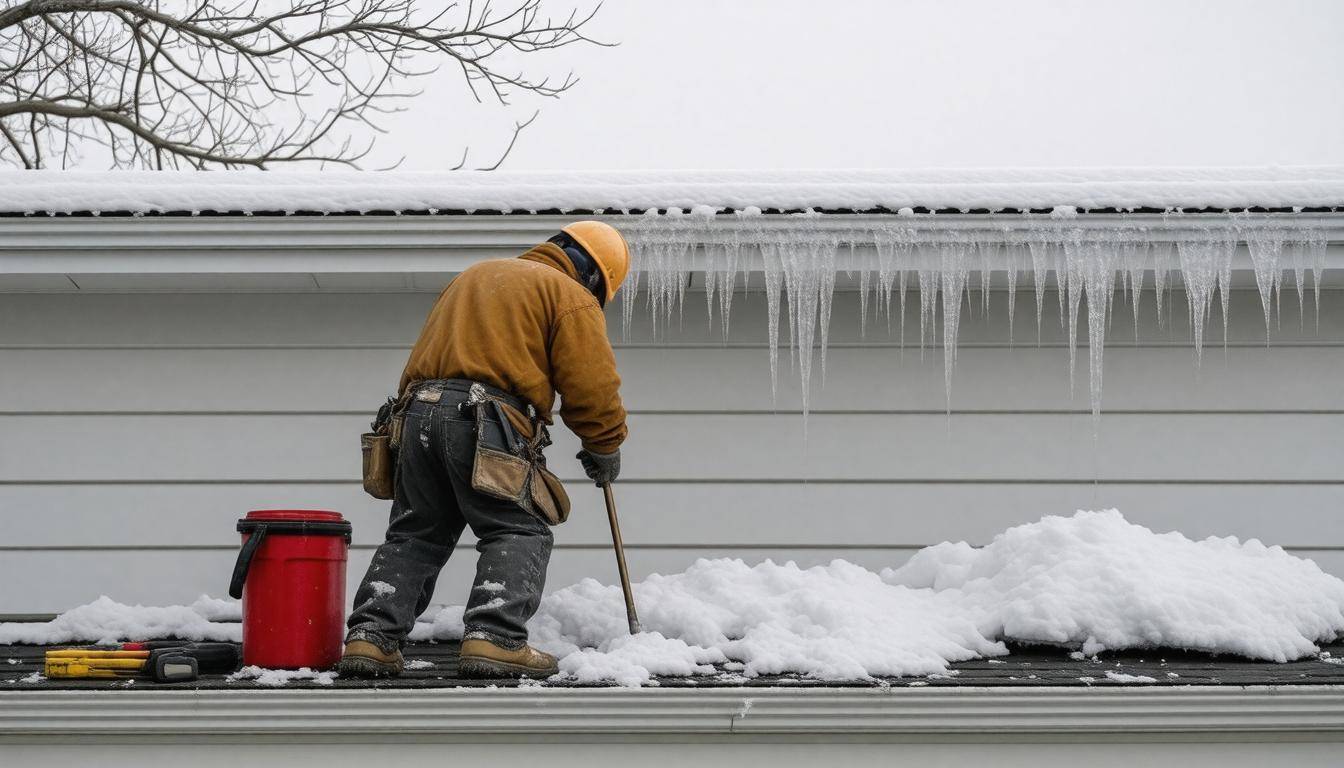
After a blizzard, it’s essential to conduct a thorough inspection of your property. This process safeguards your investment and helps prevent long-term issues that could arise from unchecked damage. Many homeowners underestimate the hidden implications of a winter storm, thinking their homes are intact when they might actually be teetering on the edge of significant structural problems.
Exterior Inspection
Start outside. Your roof is often the first line of defense against the elements. The weight of accumulated snow can cause roofs to sag or even collapse in extreme cases. Consequently, inspect it carefully for any missing shingles or visible damage. If you notice sagging areas, it may be wise to call in a professional immediately; neglecting this could lead to costly repairs down the road.
Additionally, gutters are crucial as they channel melting snow away from your home. Make sure they’re cleared to avoid water pooling around your foundation, which can lead to mold and mildew growth over time.
Windows and doors also require attention after a storm. Inspect them thoroughly for cracks in the frames or broken seals; these can compromise insulation and let cold air seep inside, raising your heating bills significantly. Just as John from Buffalo noted, timely repairs can save you from facing larger issues later on; he discovered roof damage early on and avoided extensive repairs by addressing it right away.
Interior Inspection
Moving indoors requires just as much diligence. Check spaces that are often overlooked, such as attics and basements where moisture can easily gather without notice.
It’s vital to look for signs of leaks or unusual moisture levels that might reveal vulnerabilities caused by ice dams formed during heavy snowfall. These small but significant indicators can alert you to potential damage before it becomes severe, like structural weakening.
Don’t overlook your plumbing system either. Frozen or burst pipes are common casualties during freezing temperatures, and discovering one can be a nightmare if left unattended. It’s best practice to check under sinks and behind appliances where pipes typically run.
Walls and ceilings should not escape scrutiny during inspections either. Look carefully for water stains or cracks that could indicate underlying structural issues exacerbated by ice or falling debris. Such problems need immediate assessment to keep your household safe and secure against future storms.
Conducting these inspections promptly protects not just your home but also enhances its longevity in the face of future winter storms. Taking these steps will ensure your home remains a secure haven where you can weather whatever nature throws next.
As winter storms continue to impact many regions, being prepared by following these critical inspection steps can help preserve the integrity of your home for years to come.