
When you hit the road, there’s often a nagging thought in the back of your mind: what if something goes wrong? Whether it’s a flat tire, a sudden breakdown, or any unforeseen mishap, having the right supplies on hand can keep you safe and calm in stressful situations. That’s why every driver should take the time to create a Budget Emergency Vehicle Kit. This kit doesn’t have to be expensive—just well-thought-out and packed with essentials. Let’s explore some must-have items that turn those “what ifs” into “I’m ready for anything.”
A Budget Emergency Vehicle Kit should include essential supplies like a fire extinguisher, basic first aid kit, a compact tool kit, a tire patch/plug kit, and safety gear such as a reflective vest. Additionally, personal items like warm blankets and clean clothing, along with tools for minor repairs and maintenance, will ensure you are prepared for unexpected roadside emergencies.
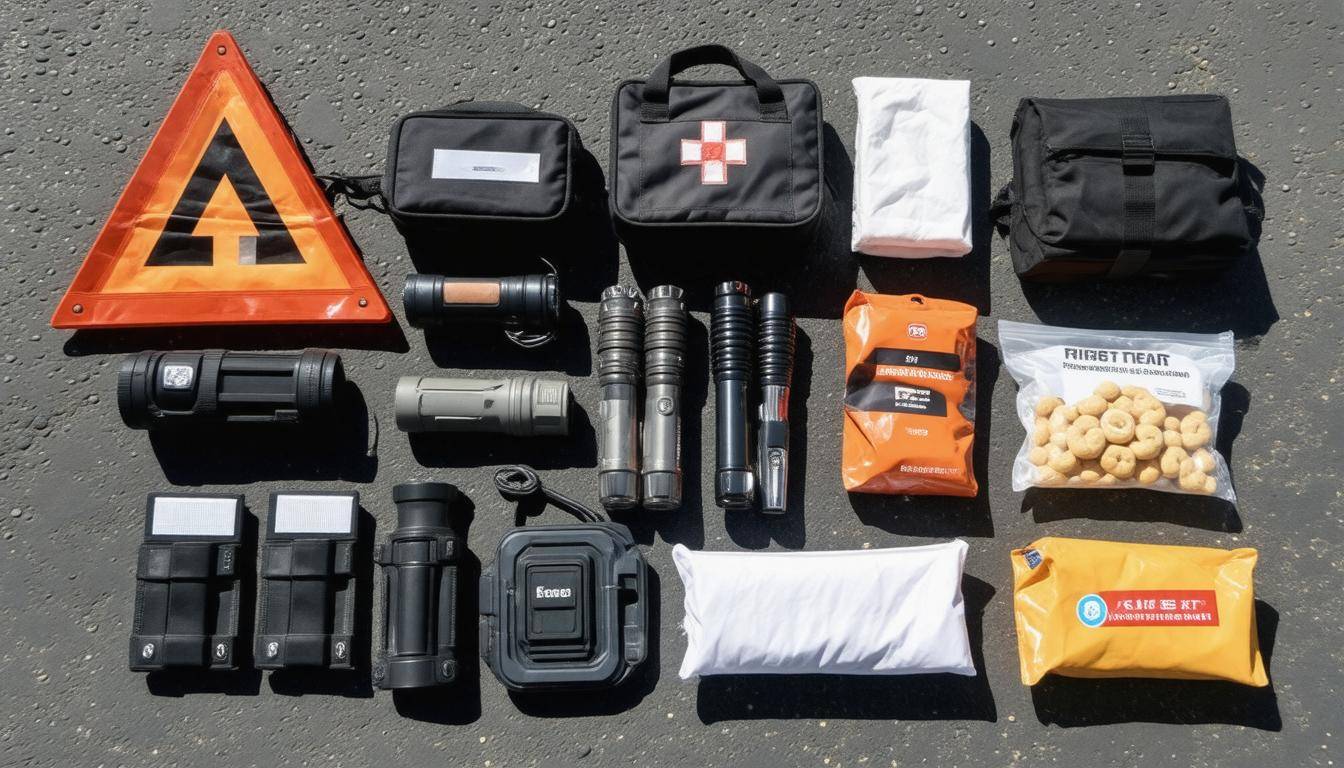
Our Complete Budget Emergency Vehicle Kit List
A well-prepared emergency vehicle kit can make a world of difference when you’re caught in an unexpected situation. It’s about being equipped and confident in your ability to manage roadside mishaps, whether they involve flat tires, minor injuries, or even just waiting out an unforeseen delay.
Essential Items
-
First Aid Kit: This is non-negotiable. A good first aid kit should include items like bandages, antiseptic wipes, gauze, adhesive tape, scissors, and pain relievers, all available for a reasonable cost between $20 to $50. Basic first-aid supplies allow you to tend to minor injuries while waiting for medical assistance.
-
Multi-Functional Flashlight: Opt for an LED flashlight which can range from $10 to $25. These energy-efficient lights often come with extra features like strobe settings for emergencies and may even include crank power options—just think of it as a tool that provides light when you need it most without depending on batteries. It’s highly beneficial during nighttime breakdowns or when checking underneath the hood.
-
Warm Weather Blanket: Lightweight and compact blankets are invaluable during roadside emergencies for warmth or comfort. Priced around $10 to $30, these don’t take up much space but could prevent chilling if you find yourself stuck in cold conditions.
-
Tire Repair Kit: Minor tire issues can escalate into bigger headaches if left unaddressed. A tire repair kit costing anywhere from $10 to $25 typically includes sealants and patches for quick fixes without needing a full tire change. This small investment can save you time and potential towing fees.
-
Tool Kit: Having a compact tool kit can be incredibly handy for DIY repairs or checks on your vehicle’s performance. A well-stocked option with around 130 pieces will set you back approximately $39 and will include screwdrivers, pliers, wrenches—everything you may need for general maintenance.
As you gather these essentials, keep in mind the importance of regular checks on your vehicle itself. Ensure that your spare tire is properly inflated and your old tools are still serviceable. While stocking your kit is vital, arranging items neatly will help ensure everything is easily accessible whenever needed.
Remember: “Two is one and one is none.” This saying emphasizes the value of having spares for critical items such as jumper cables or socket sets since breakdowns rarely happen conveniently.
With these must-haves solidified in your vehicle kit, consider how safety gear and personal items enhance your preparedness for any roadside situation.
Essential Items for Any Situation
The first item every budget emergency vehicle kit should include is a reliable fire extinguisher. It’s a small investment, typically around $20, but it can be invaluable in the event of a fire. Look for one rated for flammable liquids and electrical fires; this ensures it will tackle a range of potential threats. Not only could it save your vehicle from flames, but having an extinguisher on hand might also help someone else in distress. Each moment counts in emergencies.
Another wise addition is a multi-functional blanket. This doesn’t just keep you warm during chilly nights or unexpected breakdowns; think about its versatility! A bright-colored blanket can signal for help if you’re stranded, and it can easily convert into a makeshift shelter from rain or wind. In warmer weather, it offers a comfy spot for a picnic while waiting for roadside assistance.
These versatile items are foundational, but adding some handy tools to the mix can significantly enhance your preparedness.
Every vehicle should also have a compact tool kit. Think of it as your DIY insurance policy! A good kit with around 130 pieces can cover general repairs and maintenance tasks that pop up unexpectedly. Whether it’s tightening screws or fixing minor issues, having the right tools at your disposal can mean the difference between getting back on the road quickly or waiting for professional help. Addressing small concerns before they escalate saves time and money over the long haul.
If you’re worried about tire issues, consider including a tire patch kit along with a small 12V pump. This combination allows you to patch up minor leaks without needing to swap out the tire completely. It’s quick, efficient, and could potentially save you from dealing with a flat in an inconvenient location.
Let’s not forget about safety and comfort during those unexpected roadside events.
Including safety gear is equally crucial. A reflective warning triangle enhances visibility when you’re parked on the shoulder, alerting other drivers to your presence and reducing the risk of accidents. Pair this with a safety vest—its bright colors make sure you’re seen even in low-light conditions.
Lastly, don’t overlook personal items—keeping clean underwear and extra blankets can make enduring delays much more comfortable. You never know how long you’ll be waiting for help or how cold it might get after dark. Those personal touches can alleviate stress when things go awry.
As we move forward, recognizing additional tools that enhance convenience and reliability is key to further optimizing your emergency preparedness.
Compact and Reliable Accessories
In an emergency, having dependable tools at your disposal can make a world of difference. This is where compact and multi-functional accessories shine. Their small size doesn’t diminish their capabilities; instead, they are designed to pack a punch while fitting snugly into the limited space available in your vehicle. Imagine being on the side of the road with a flat tire—your compact tool kit can mean the difference between getting back on the road quickly or waiting for help.
Compact Tool Kit
Investing in a small tool kit is one of the best decisions you can make as a driver. Look for kits that include pliers, wrenches, and screwdrivers, which cover many minor repairs without taking up much room. Having this essential toolbox can be likened to your car’s safety net; you may not think about it often, but when the situation arises, you’re relieved it’s there.
A well-stocked tool kit acts like a Swiss Army knife—it contains everything you didn’t know you needed until that moment of crisis.
You might also consider including a few specialty tools such as wire cutters or electrical tape, particularly if you regularly engage in long-distance travel or off-road adventures. Many compact tool kits even come equipped with specific auto troubleshooting tools, making them even more versatile.
Portable Air Compressor
Another vital accessory is a portable air compressor—specifically, a 12V model that can connect directly to your vehicle’s power supply. This tool offers peace of mind knowing it’s ready to rescue you from flat tires. A model like the EPAuto 12V DC Portable Air Compressor costs less than $30 and includes various nozzles for inflating everything from car tires to sports balls.
Think of a portable air compressor as your emergency pit crew; you may not need them every day, but when you’re stuck on the side of the road and in need of immediate assistance, they’ll be right there to lift your spirits (and your tire pressure).
As vital as these tools are, they should live alongside other reliable accessories that ensure you’re prepared for any surprise life throws your way. Tucking away a multi-functional flashlight in your glove box can be incredibly beneficial—especially when night falls or if you’re ever caught in less-than-ideal visibility conditions.
These compact accessories are game-changers for roadside emergencies and significantly enhance your overall driving experience by ensuring you’re always ready for action. Now let’s explore yet another crucial item that can provide invaluable assistance when darkness descends.
Multi-Functional Flashlight
A multi-functional flashlight isn’t just a device to light your way in the dark; it can be a lifesaver in unexpected roadside emergencies. Imagine yourself stranded on a deserted stretch of road with a flat tire or engine trouble when night falls. The right flashlight provides illumination and functionality that goes beyond mere lighting. These flashlights often come equipped with extra features such as built-in tools, emergency signals, or rechargeable batteries to keep you prepared for various situations.
One crucial feature to look out for is hands-free options. These can include models with straps that allow you to hang the flashlight around your neck or hooks that permit it to dangle from your car’s interior. Many flashlights also come equipped with magnetic bases, allowing you to attach them securely under your vehicle or another metal surface while working on repairs. This functionality is particularly useful when you need both hands for tasks like changing a tire or conducting an inspection, eliminating the frustration of balancing your light source awkwardly between your teeth or juggling multiple items at once.
As noted in various surveys, “nearly 60% of drivers report feeling unprepared for roadside emergencies.” Having a reliable multifunction flashlight directly addresses this concern by increasing confidence during unexpected scenarios.
Furthermore, consider choosing a rechargeable flashlight, which can save both time and resources in an emergency. Getting locked out of your vehicle in the dark can be stressful enough without worrying about finding fresh AA batteries. Models like the Fenix PD36R Pro shine impressively bright at 2,800 lumens and offer up to 42 hours of runtime per charge — features handy during extended trips or prolonged power outages.
Always check for flashing modes too, as they can double as emergency signals alerting others to your location. A simple SOS function can make all the difference if you’re in dire circumstances and need immediate assistance.
After deciding on the best flashlight suitable for various scenarios, we shift our focus to other essential components that ensure safety and comfort in your vehicle’s emergency kit during changing weather conditions.
Warm Weather Blanket
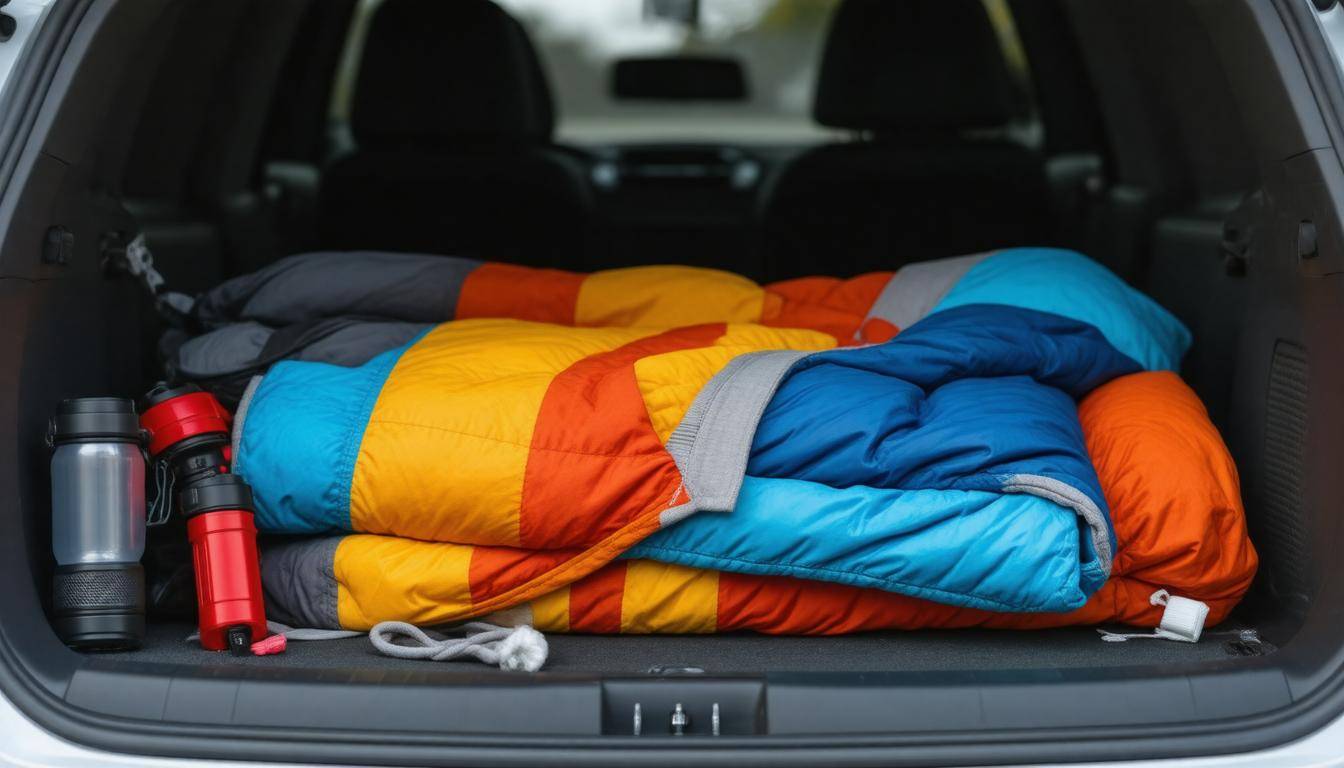
A warm weather blanket, while often associated with chilly nights or camping trips, serves many purposes, especially during road emergencies. These blankets are made from various materials like polyester, fleece, or mylar, each boasting unique properties. For example, mylar blankets can retain a staggering 90% of body heat, making them crucial for unexpected cold snaps, while fleece blankets offer moderate insulation for milder temperatures above 50°F. With the right blanket stored in your vehicle, you ensure that comfort and safety go hand in hand when you’re on the road.
What’s more interesting is how these blankets can serve dual roles beyond just keeping you warm.
Use Case Scenarios
Think of your warm weather blanket as an unsung hero in times of need. If you find yourself stranded by the side of the road due to car trouble or unforeseen circumstances, this blanket can transform into an impromptu shelter when combined with simple supplies like bungee cords. Imagine wrapping it around your vehicle to block the wind or the sun’s harsh rays while you wait for help; it’s like creating your personal sanctuary out of what might feel like chaos.
One stylish yet practical tip: look for compact, lightweight options designed specifically for outdoor use. Many of these can be found at budget-friendly prices — often under $15 — which means protecting yourself from the elements doesn’t have to break the bank.
Keeping a few extra items with your blanket can extend its usefulness. Whether it’s using it as a sunshade during a summer breakdown or draping it over your shoulders for warmth while signaling for help, versatility is key.
When considering size, most warm weather blankets are approximately 50 x 60 inches, ensuring they provide adequate coverage for adults without being cumbersome to store. Weighing between 1 to 2 pounds, they are easy to tuck away in a corner of your trunk.
Additionally, durability matters; while mylar blankets are typically for single-use or temporary scenarios, fleece blankets can be washed and reused multiple times. Just imagine pulling out a fresh, clean fleece before settling in—comfort mixed with practicality makes a significant difference.
As you think about enhancing your vehicle kit with this essential item, keep in mind that being prepared involves multiple aspects of vehicle maintenance and emergency readiness.
Tire Repair Solutions
When it comes to keeping your car running smoothly, having solid tire repair solutions in your emergency vehicle kit is crucial. Flat tires are surprisingly common, often caused by nails or other debris on the road. Therefore, having the right tools and materials can transform a potentially stressful situation into a manageable one. So where do you start?
Patch Kits vs. Full Tire Changes
One key consideration is choosing between patch kits and full tire change kits. A full tire change kit—which includes a spare tire, jack, and lug wrench—provides a complete solution but can take up valuable trunk space and be cumbersome to handle. On the flip side, a tire patch or plug kit offers a compact alternative that can often get you back on the road faster. This option is especially useful for minor issues such as punctures.
A well-chosen patch kit can serve as an excellent temporary fix until you reach a professional repair shop.
When selecting a tire patch kit, ensure it contains all necessary components: plugs, tools for insertion, and detailed instructions. For instance, the Slime 1034-A T-Handle Tire Plug Kit is highly recommended for its affordability—usually under $10—and well-thought-out design, making repairs easier even for beginners.
Investing in high-quality patch kits not only saves time during emergencies but also offers peace of mind when driving long distances.
In addition to patch kits, consider investing in a tire inflator that can quickly provide the necessary air pressure to re-inflate your tires after repairing them. This device can be invaluable if you find yourself with a flat tire far from the nearest service station.
Staying Proactive
Understanding these solutions leads us to one more vital aspect: regular maintenance.
Consistent tire maintenance drastically reduces the likelihood of experiencing flat tires in the first place. Regularly inspect your tires for wear and tear; checking your tread depth and ensuring proper inflation levels can prevent mishaps down the line. Keeping informed about your tires’ health through tools like a Tire Pressure Monitoring System (TPMS) is beneficial for monitoring pressure levels efficiently.
Remember, preventive steps—like keeping your tires properly inflated—can go hand-in-hand with reactive measures like carrying repair solutions.
Being prepared with robust and reliable tire repair solutions signifies good planning. This level of readiness will enhance both your safety and confidence on the road while highlighting the importance of additional safety measures as we explore next.
First Aid Supplies
A compact first aid kit is an indispensable component of any emergency vehicle kit. It empowers you to address minor injuries that may occur while you’re on the road, offering immediate assistance until professional help arrives. Imagine being stuck on the side of the road with a small cut or scrape – having the right supplies on hand can make all the difference, turning an inconvenient situation into something manageable.
When assembling your first aid kit, consider including essential medical supplies like band-aids, antiseptics, adhesive tapes for securing dressings, and tweezers for removing splinters or debris. Each of these items plays a vital role in providing initial care; for instance, band-aids can protect cuts from dirt and further injury while antiseptics prevent infections. The idea is to create a mini medical station that’s easily accessible when accidents happen.
Having the right supplies can boost confidence and ensure that you’re prepared for unexpected situations.
While some people rely on pre-packaged kits, many users recommend customizing their own based on personal needs and preferences. For example, if you frequently hike or travel in remote areas, consider adding items like gauze pads, an elastic bandage for sprains, or even a small emergency blanket. This allows you to create a kit tailored specifically to your lifestyle and potential risks.
You might also want to think about including a small manual or reference guide for first aid procedures. After all, you’ll want to know what to do if someone gets stung by a bee or has an allergic reaction – because let’s be honest, panic isn’t a great help in emergencies!
Some individuals argue that purchasing a premade first aid kit—like the Adventure Medical Kits 1.0, which costs about $20—is sufficient since they cover most basic medical needs while being small enough for a glove compartment. However, these commercial kits may not always feature supplies suited to everyone’s unique needs.
Taking the time to carefully select each component ensures your kit remains relevant and effective. You’ll feel empowered knowing exactly what you have and how to use it properly. This self-sufficiency could ultimately save lives in roadside incidents where timely action is critical.
As you refine your emergency preparations, understanding how to organize these supplies efficiently will enhance your overall readiness for any situation that arises on the road.
Effective Storage Tips
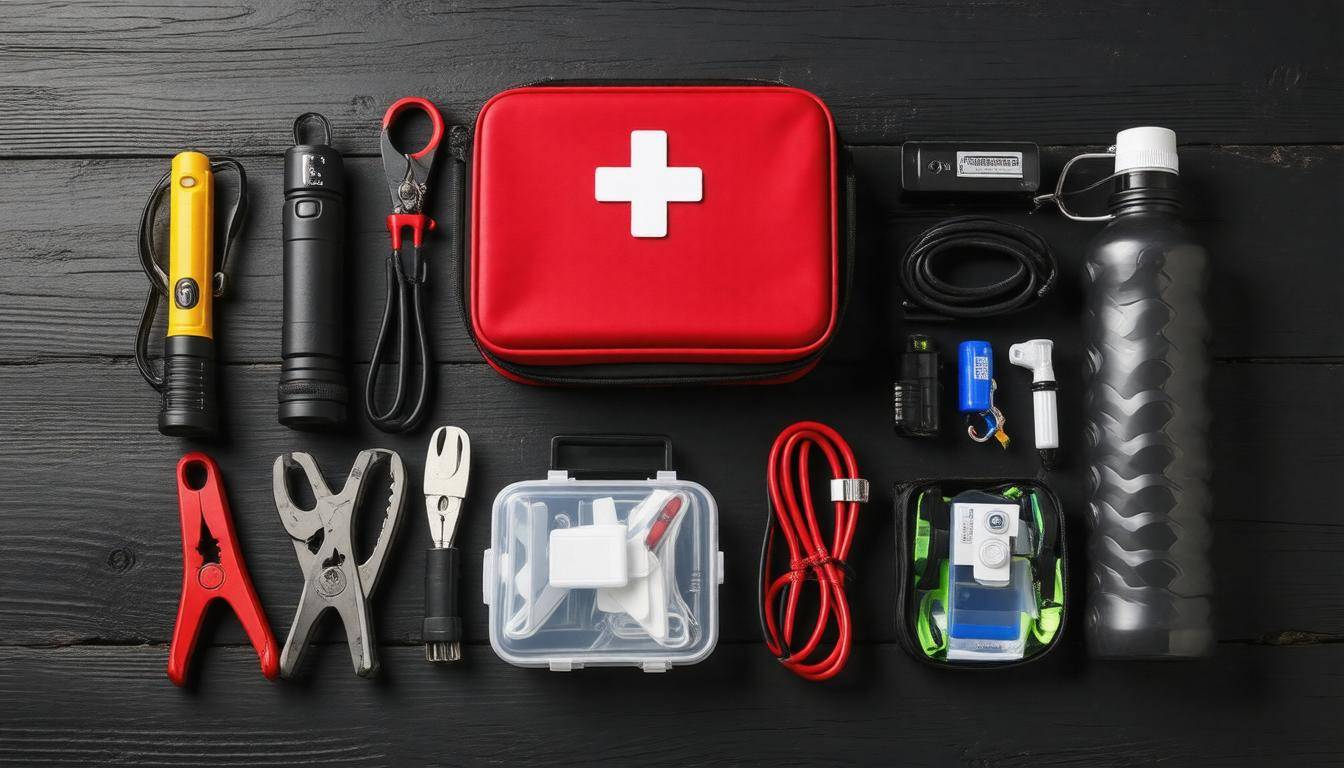
Keeping your emergency vehicle kit organized is essential for swift action when every second counts. Consider investing in under-seat storage or trunk organizers, which optimize your vehicle’s capacity and prevent items from rolling around haphazardly. Imagine digging through a cluttered trunk for a flashlight or tire repair kit while the rain pours down—definitely not an ideal scenario.
Clear plastic bags or pouches are helpful for grouping similar items together, making it easy to locate everything quickly. For instance, keep all your first aid supplies in one pouch and your tool kit in another. This simple system allows you to grab what you need without searching the entire kit.
As you organize, ensure that you regularly check and replenish your supplies, keeping them ready and reliable when needed. Checking expiration dates on items like first aid supplies or food helps maintain your kit’s functionality.
| Storage Solution | Price Range | Benefits |
|---|---|---|
| Under-seat Storage Box | $15-$30 | Utilizes unused space |
| Trunk Organizer | $20-$40 | Segmented sections for better organization |
| Clear Plastic Pouches | $5-$10 | Keeps items visible and accessible |
By being intentional about how you store each item, you enhance the utility of your emergency kit and ensure peace of mind when hitting the road. No matter your level of preparation, if you can’t access your gear easily during an emergency, it can delay assistance and exacerbate challenging situations.
Ultimately, organizing your kit effectively lays the groundwork for a smooth response when emergencies strike, allowing you to focus on solving problems rather than digging through chaos.
In conclusion, maintaining an organized emergency vehicle kit is not just practical; it’s a crucial step in ensuring safety and readiness while driving. Investing time in thoughtful storage solutions will prepare you for whatever roadside challenges you may face.