
Wildfires can turn landscapes into chaos in the blink of an eye, and for residents of San Diego, understanding how to prepare and respond is more vital than ever. With the area’s hot summers and dry conditions, wildfires are not just a possibility; they are a reality that everyone must face. The threat is real, and it’s essential to have a plan in place—whether that means knowing your evacuation routes or assembling an emergency kit. This guide aims to equip you with practical tips and tools to ensure your safety and the safety of your loved ones. From understanding local wildfire risks to connecting with community resources, being informed can make all the difference when seconds count. Let’s dive into how you can be ready when disaster strikes.
The San Diego Wildfire Evacuation Plan outlines essential steps residents need to take in case of wildfires, including understanding evacuation routes, emergency notifications, and preparing a Go Bag with necessary supplies. It is critical for residents to stay informed through local officials and community resources such as the San Diego Fire-Rescue Department’s guidance on creating defensible spaces around homes and participating in emergency preparedness initiatives.
San Diego’s Wildfire Risk Overview
San Diego’s unique Mediterranean climate directly influences its susceptibility to wildfires, with scorching summers creating the perfect conditions for fires to ignite and spread. The dry air, combined with beautiful but flammable landscapes like chaparral and coastal sage scrub, makes this area a hotspot for wildfires. Those picturesque hillsides that provide stunning views also serve as conduits for flames, making this region particularly vulnerable.
To put things into perspective, CAL FIRE reported nearly 2,000 wildfires in San Diego County in 2022 alone, resulting in the destruction of over 60,000 acres of land. This alarming statistic underlines the reality that wildfires pose a constant threat to residents. It’s not just about seeing smoke on the horizon; it’s about knowing how to act swiftly to protect yourself and your loved ones from an impending disaster.
Beyond the climate, local topography plays a significant role in wildfire dynamics. The canyons and steep hillsides facilitate swift fire spread, allowing flames to leap from one area to another with shocking speed. When coupled with regional wind patterns—most notably the Santa Ana winds, which can reach incredible speeds of up to 70 miles per hour—the situation becomes precarious. These strong winds often push flames towards populated areas, significantly complicating efforts to control or extinguish fires.
“Living here means always being aware of the wildfire season,” shares Rebecca Miller, a long-time resident of San Diego. “Preparedness isn’t just a recommendation—it’s a necessity.” Her words resonate deeply, highlighting the need for every resident to take proactive steps in safeguarding their homes and families.
With an understanding of these risks firmly established, it is essential for residents to gain knowledge about their emergency strategies and routes when faced with such threats. Next, we explore the critical paths that are designated for evacuations during these emergencies.
Designated Evacuation Routes
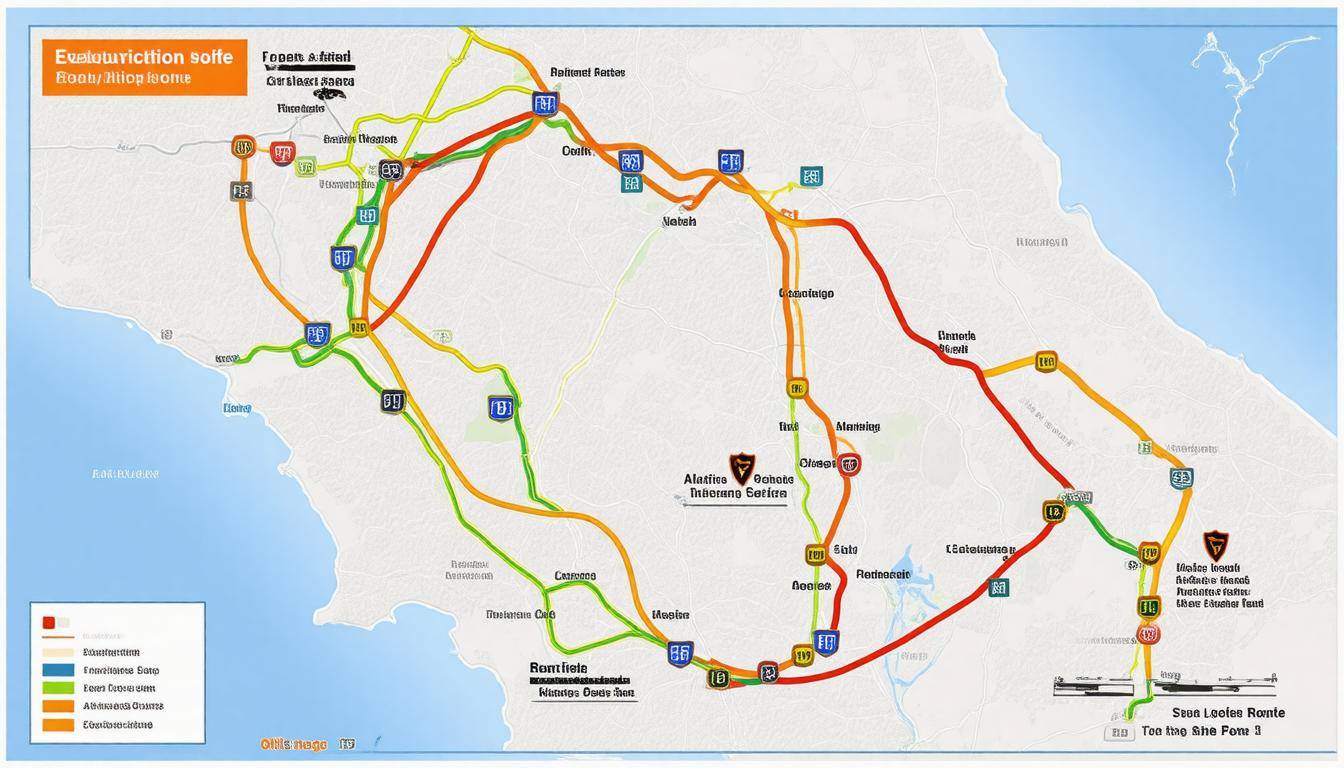
In the event of a wildfire, being aware of designated evacuation routes is crucial for the safety of residents. San Diego has strategically mapped out these routes to ensure that they are efficient and accessible during emergencies. Think of these highways, interstates, and local roads as lifelines. They represent the quickest pathways toward safety when time is of the essence.
Important Routes
-
Interstate 5 (I-5): This is a pivotal route that runs along the coast, making it readily available for residents in coastal communities to move north or south quickly.
-
Interstate 15 (I-15): As a primary inland travel corridor, I-15 facilitates movement away from high-risk areas while providing access to neighboring regions.
-
State Route 163 (SR-163): This route serves as an important connector between downtown San Diego and the northern parts of the county, acting as a key artery for urban residents.
-
State Route 67 (SR-67): This east-west route cuts through more rural sections, offering an alternative to residents in those areas who may not have immediate access to major highways.
-
Local Roads: These smaller thoroughfares can often be overlooked but hold significant value when the main highways are congested. Residents should familiarize themselves with these back roads in advance.
It’s important to not only know these routes but also practice escaping through them periodically, just like a fire drill. Having alternate options ensures you don’t get caught in gridlock if one route becomes impassable.
While knowing these routes is key, it’s equally vital for individuals and families to have comprehensive preparedness plans that address various aspects of safety and readiness.
Wildfire Preparedness Checklist
A well-prepared checklist can streamline your evacuation process, making it far less stressful when every moment counts. When wildfires are a threat, knowing exactly what to do and having the right supplies ready can save valuable time. Start by focusing on pre-event actions, which should be taken long before smoke fills the air. Imagine standing outside your home, surveying your surroundings, and knowing you’ve already created a defensible space. This proactive approach not only enhances your home’s safety but reassures your family that you are prepared for emergencies.
Pre-Event Actions:
-
Create Defensible Space: Clear vegetation and flammable materials from around your home. This includes trimming shrubs, removing dead branches, and keeping lawns watered.
-
Install Fire-Resistant Materials: Opt for fire-resistant roofing and siding; these materials significantly reduce risks during wildfires.
-
Register for Alerts: Signing up for city and county emergency notifications keeps you informed about fire risks and necessary actions in real-time. Having instant access to information can mean the difference between a rushed decision and a well-planned response.
Taking these precautions sets a solid foundation for safety. However, when an evacuation notice is issued, certain actions ensure your departure is swift and safe.
Immediate Evacuation Steps:
As soon as you receive an alert to evacuate, it’s crucial to stick to a planned routine that ensures nothing is overlooked. You may find yourself racing against time, so having these immediate steps at the forefront of your mind can help maintain clarity amidst chaos.
-
Pack Emergency Kits: Each family member should have their own emergency kit ready—this includes basic necessities such as food, water, medications, and personal items. Don’t forget to tailor kits based on individual needs.
-
Secure Pets: Don’t leave your furry friends behind! Prepare carriers and a supply kit for pets, including food and water. Your pets’ safety should match yours.
-
Back-up Documents: Make digital copies of essential documents like identification and insurance policies; this reduces panic should anything get lost during evacuation.
-
Review Routes: Keep physical maps handy in case your phone’s battery dies or GPS fails during your escape. Knowing alternative routes can ease anxiety as you drive away from danger.
Once evacuation protocols are in place, it’s crucial to have an emergency kit packed with essentials. This next aspect will ensure you’ve covered every necessary item for the journey ahead.
Emergency Kit Essentials

Your emergency kit should be your lifeline during a crisis, designed to help you survive for at least 72 hours when access to essential services might be disrupted. It’s not uncommon to feel overwhelmed when gathering supplies, but remember that thorough preparation can significantly enhance your chances of staying safe. According to FEMA, having a well-stocked emergency kit can improve survival odds by up to 75%, making each choice you make crucial.
Key Items:
-
Water: A vital resource, aim for one gallon per person per day. This ensures you have enough for drinking and sanitation. It’s smart to pack water purification tablets or filters as a backup.
-
Food: Non-perishable food items are best. Think along the lines of energy bars, canned goods, and dehydrated meals. The goal is to choose foods that are easy to prepare with minimal effort or no cooking at all.
-
Medications: Don’t forget your prescriptions! Include both prescription medications and any over-the-counter ones you might need like pain relievers or allergy meds. A small, designated pouch can keep these organized.
-
First Aid Kit: Having a comprehensive and well-stocked first aid kit is non-negotiable. Check expiration dates regularly and ensure it includes items like antiseptics, bandages, gauze pads, and even scissors.
-
Tools: Essential tools such as a multi-tool and a reliable flashlight with extra batteries or solar-powered options will come in handy. You never know when you’ll need a screwdriver or knife!
-
Documents: Keep important documents in a waterproof container so they don’t get damaged. This includes copies of identification, medical records, insurance information, and emergency contacts.
-
Clothing: Pack enough clothing for several days including undergarments and sturdy shoes. Consider the weather conditions typical for your area; layering is key for quick changes in temperature.
Once your kit is ready, staying informed through official notifications about potential evacuations and safety alerts becomes paramount.
Official Notifications and Alerts
In the face of impending wildfires, it becomes crucial to remain connected and informed. Having access to reliable notifications can significantly enhance your ability to respond promptly to evolving situations. Imagine this: the winds begin to shift, and suddenly there’s a warning issued for your area. Thanks to swift alerts, you’re equipped with the latest information, allowing you to make quick decisions regarding evacuation.
Information Sources:
| Source | Type of Alert | How to Access |
|---|---|---|
| AlertSanDiego | Evacuation notices | Phone, text, email |
| CalFire | Fire status updates | Website, app |
| Nixle | Community updates | Text message, app notifications |
| Emergency Alert System | Broad emergency alerts | Radio, TV broadcasts |
The effectiveness of any evacuation plan hinges on your ability to stay informed.
Registering for multiple alert systems is not just a recommendation; it is essential. Each system operates on different platforms—some send alerts via text or email while others utilize smartphone apps or traditional media. By diversifying your sources of information, you increase your chances of receiving timely updates from multiple angles, ensuring that you don’t miss critical announcements. After all, in an emergency situation, every minute counts.
Alongside these notifications, knowing where designated shelters are located can transform anxiety into proactive planning.
Regularly check the websites of these sources for updates. Create a simple spreadsheet or note on your phone summarizing essential contacts and procedures for accessing alerts. Keeping this information at hand may save precious time when the need arises. Staying informed makes you more than just a passive observer; it empowers you to take charge of your safety and wellbeing during wildfire events.
Locating Designated Shelters
Designated shelters serve as critical lifelines during wildfire evacuations, providing a safe refuge for families, pets, and belongings. Imagine the comfort of knowing that a local school or community center nearby is ready to welcome you with open arms in times of distress. By familiarizing yourself with their locations ahead of time, you can streamline your evacuation process, reducing panic and confusion in an already stressful situation.
Finding Shelters
To pinpoint these essential resources quickly, there are several effective tools you can utilize. First and foremost is the Red Cross Mobile App. This handy app not only lists available shelters but also provides real-time updates on their statuses—so wherever you are when disaster strikes, you’ll know your closest options.
Another valuable resource is the San Diego County Website, which features an interactive map displaying updated shelter locations alongside important information regarding capacity and availability.
Furthermore, don’t underestimate the power of traditional media; local news outlets—both radio and television—remain steadfast allies during emergencies. They often provide timely updates about shelter status and additional instructions on evacuation protocols. It could be advantageous to familiarize yourself with these channels ahead of time—having them preset on your devices can save precious minutes later.
In an emergency, every moment counts. Knowing how to access shelter information can sharply reduce anxiety and improve response times.
While major shelters like schools or community centers are commonly used during wildfires, other unexpected facilities may also emerge as options based on evolving conditions. For this reason, keeping an eye on official announcements is crucial. Additionally, having a reliable network of friends or family can help as they may have insights about lesser-known but equally safe locations.
Creating a Shelter Map
One useful tip I recommend is creating a personal shelter map. This could be as simple as a handwritten list or an app on your phone that pinpoints each designated shelter in relation to your home. Include key information such as addresses, contact numbers, and even expected opening times if available. As wildfires tend to create chaos and confusion, having this repository of information at your fingertips can provide peace of mind when seconds matter.
Remember: A well-thought-out plan can make all the difference between safety and stress during an emergency.
By proactively locating these shelters before an evacuation order occurs, you’re equipping yourself with essential knowledge that not only enhances safety but also builds community resilience. Keeping track of updates through reliable channels ensures that you remain informed throughout the wildfire season—a critical step towards safeguarding both yourself and those you care about.
Having established where to find safe havens during evacuations, it’s vital to understand what steps to take after reaching safety, ensuring that you’re prepared for the next stage of recovery.
Post-Evacuation Safety Tips
When you return home after a wildfire, it’s essential to approach the situation with caution. First and foremost, assessing air quality should be your priority. The remnants of smoke and ash can linger even when it appears safe outside. Using local resources, such as the Air Quality Index (AQI), helps you determine if conditions are safe for you and your family. Remember, clean air is crucial for your breathing; sensitive groups, including children and the elderly, are especially vulnerable.
Once you’re certain that the air quality is manageable, it’s time to turn your attention to the structural integrity of your home.
Carefully inspecting your property for visible damage is next. Before stepping inside, look for any signs of destruction, such as charred surfaces or crumbling walls. It’s wise to photograph any damage; documentation will support future insurance claims. If anything seems concerning—even if just a cracked wall—consider waiting for professionals who specialize in fire-damaged structures to assess safety before you enter.
Firefighters often emphasize that the visible exterior can hide deeper issues, so erring on the side of caution is always beneficial.
While maintaining safety is key, it’s also crucial to avoid hazardous areas. Downed power lines, smoldering hotspots or landslides from fire-affected soil can pose serious threats. Maintain a safe distance from these areas as they can unexpectedly cause injury or create further risk. Armed with knowledge about potential dangers, you can navigate your environment with greater awareness.
As you settle back in, consulting professionals becomes vital to ensuring everything in your home functions smoothly post-evacuation.
Before reconnecting vital systems like gas or electricity, contacting qualified professionals is advisable. For example, a licensed technician can check gas lines and electrical systems to ensure that there are no leaks or hazardous situations. Restoring water services without professional assistance can also result in damages to plumbing systems; thus seeking expertise promotes overall safety.
Having covered these crucial steps, remember that community resources are invaluable during this challenging time.
After a wildfire evacuation, staying informed about local support services can facilitate recovery significantly. Organizations such as fire relief charities and volunteer groups offer assistance navigating immediate needs—be it temporary housing or food supplies. Networking with neighbors may also provide insights into shared resources and emotional support opportunities; after all, you’re not alone in the aftermath of a disaster.
As we shift our focus towards organizations ready to lend a helping hand, you’ll discover the breadth of community assets available for recovery and support.
Community Resources and Support
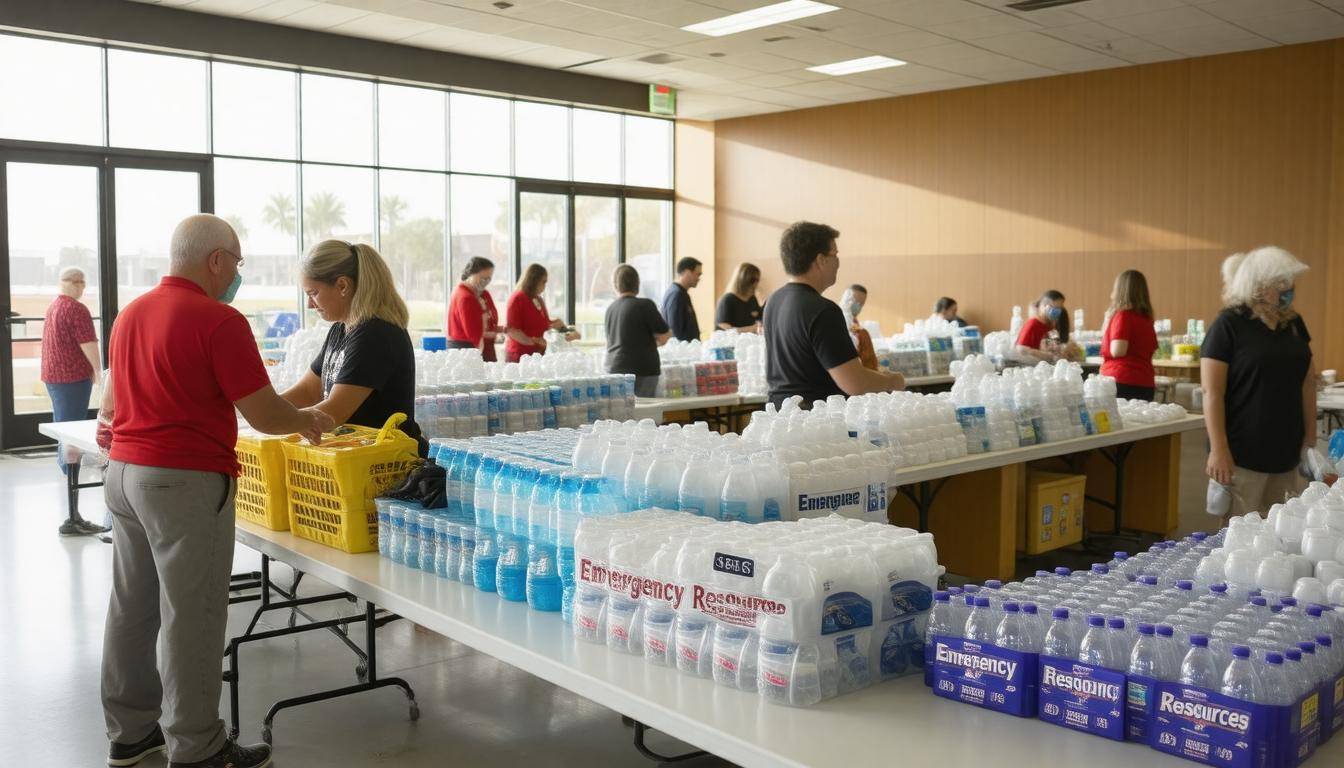
Relying on community resources often transforms what could be an overwhelming experience into a more manageable one. In times of crisis, these local organizations are not just lifelines; they are the very fabric of resilience that strengthens neighborhoods against wildfires. Being aware of these resources enables individuals and families to act swiftly and confidently when faced with a potential disaster.
Available Support
| Resource | Description |
|---|---|
| Fire Safe Council | This organization shapes community wildfire protection plans, focusing on educating homeowners about fire-resistant landscaping and defensible spaces. |
| Community Emergency Response Teams (CERT) | CERT provides training sessions that equip residents with emergency response skills, empowering them to assist neighbors during crises. |
| Local Non-Profits | Organizations like the American Red Cross offer immediate assistance such as food, shelter, and psychological support during emergencies. |
By actively engaging with these groups, you set yourself up for faster recovery while paving the way for future readiness against wildfires. Many nonprofits hold workshops or information sessions sharing insights on fire preparedness and recovery planning. Participation fosters community solidarity, which can be invaluable in tough times.
Additionally, many cities enhance their emergency response capabilities by investing in technological advancements like AI-driven early detection systems, which help identify fire threats before they escalate. These innovations showcase California’s commitment to leveraging cutting-edge technology in firefighting efforts; however, community involvement remains central to effective wildfire management.
Coming together as a community not only strengthens individual capacities but builds a safety net for everyone involved, making each person better equipped to handle wildfires that threaten our cherished neighborhoods.
Understanding and utilizing available community resources ensures you are well-prepared for any wildfire challenges that may arise. Together, we can create safer environments for ourselves and our communities.