
As winter embraces Bavaria, it’s not just about enjoying the picturesque snow-covered landscapes; it also means facing the fierce storms that can disrupt daily life. Preparing for these winter challenges shouldn’t feel like a daunting task, but rather a chance to transform your home and routine into a cozy haven against the cold. I’ve spent countless winters navigating through heavy snowfall and chilling temperatures, learning firsthand how crucial it is to stay informed and ready. Armed with simple yet effective strategies, anyone can ensure their safety and comfort when winter’s wrath arrives. So, let’s dive into some essential tips that will help you weather the storm!
Your Bavaria Winter Storm Survival Guide should include recommendations for essential supplies like food, water, blankets, and a first-aid kit, as well as tips for staying warm during power outages. Furthermore, it is crucial to have adequate clothing prepared, such as waterproof jackets and thermal layers, along with advice on emergency communication plans and safe travel practices during severe winter weather.
Preparing Your Home for Bavaria’s Winter
The cold winds and heavy snowfalls can really put your home to the test, which is why it’s essential to properly prepare before the first flurries fall. One of the most critical steps in this preparation process is to inspect and seal any gaps around windows and doors. Not only do you want to keep the warm air inside, but you also want to ensure that icy drafts aren’t sneaking in, making your living space uncomfortable. A simple yet effective technique is to use weatherstripping or caulk to fill in cracks where cold air might enter. This creates a thermal barrier that can significantly reduce heating costs as well as improve overall comfort levels within your home.
Once you’ve tackled the windows and doors, it’s crucial to think about another often-overlooked area: your gutters and downspouts.
Ice dams can be a common issue during Bavarian winters, resulting from melting snow that re-freezes when it reaches cooler areas of your roof. If not addressed, these ice formations can potentially cause significant damage to your home. To prevent this situation, take the time to clear out your gutters and downspouts of any leaves, twigs, or other debris. By ensuring proper water drainage, you not only protect your roof but also lower the risk of water damage inside your walls when thawing occurs.
Additionally, while preparing your home for winter, it’s wise to consider stocking up on essentials.
It’s comforting to know that you have enough supplies at hand should inclement weather trap you indoors for an extended period. Aim to have a supply of non-perishable food items, plenty of bottled water, and essential medications sufficient for at least a week. This simple practice can provide peace of mind knowing you’re prepared for potential power outages or difficult travel conditions during winter storms.
As we explore further into preparation, insulation becomes a significant factor.
Homes are designed with specific R-values that signify how well they retain heat; ideally, your home should have an R-value of 30 or higher for optimal heat retention during extreme colds. Ensuring that both walls and attics are well-insulated will help maintain warmth and comfort throughout the chilly months. If you’re unsure about your insulation efficiency, you may want to consult a professional who can assess your home’s needs and suggest improvements.
In addition to insulation, regular checks on heating systems are vital too; a well-maintained furnace can cut down heating costs by as much as 30%.
And don’t forget about those gadgets that help keep us safe during unpredictable storms.
Having functioning smoke and carbon monoxide detectors is essential all year round but especially crucial in winter months when homes are sealed tight from the cold. Test these alarms regularly; shockingly, about 50% of homes fail to have these devices working adequately, putting loved ones at risk during winter storms or heating malfunctions.
By following these preparation tips and mechanisms, you’ll have transformed your living space into a cozy sanctuary ready to withstand whatever Bavarian winter throws at it.
With a focus on safeguarding our homes from winter threats now established, let’s turn our attention to how we can enhance energy efficiency within our living spaces as temperatures plummet.
Insulation and Heating Tips
Proper insulation can make a substantial difference in keeping your home warm during a winter storm. It’s not just about comfort; effective insulation can save you both energy and money, mitigating the need for excessive heating. When I first moved to Bavaria, I learned the hard way about how crucial this preparation is. On particularly cold nights, I could feel the chill creeping through my walls, prompting me to reevaluate my insulation strategies.
Insulation Strategies
One of the first things you can do is insulate pipes. Exposed pipes are vulnerable to freezing, so wrapping them with foam pipe insulation is a simple yet effective measure. This prevents water from freezing and helps save on energy costs due to less heat loss. If you live in an older home, pay special attention to external walls where heat escapes easily.
For instance, a well-insulated wall can help maintain an indoor temperature of 68°F (20°C) even when it’s as cold as 0°F (-18°C) outside. That’s quite the difference when you’re trying to stay cozy!
Additionally, don’t overlook your attic and basement—these areas are notorious for heat loss yet often fly under the radar during winter preparations. Make it a habit to check the insulation here annually; repairing or adding insulation in these spaces can dramatically enhance your home’s overall warmth.
Efficient Heating
Moreover, let’s talk about heating itself. Investing in space heaters can be a game-changer. A high-quality space heater rated for safe indoor use provides immediate warmth and allows you to target specific rooms without heating your entire home.
Navigating cold spots becomes easier with these small appliances!
While they offer convenience, safety precautions are essential; always follow user guidelines and keep them away from flammable materials.
Furthermore, if you have a wood-burning fireplace, ensure it’s in good working condition before winter strikes. Taking time now for regular maintenance can prevent headaches later when it counts most. Store dry firewood nearby—it’s critically important that your wood burns well because wet wood creates more smoke and is inefficient for heating.
With efficient heating methods and proper insulation techniques at hand, you’ll find yourself ready not just for mild winter fluctuations but also for those heavy snowstorms that Bavaria throws our way.
Having laid the groundwork for a warm and safe environment, the next step involves gathering all necessary supplies to bolster your preparedness during adverse weather conditions.
Assembling Your Winter Storm Survival Kit
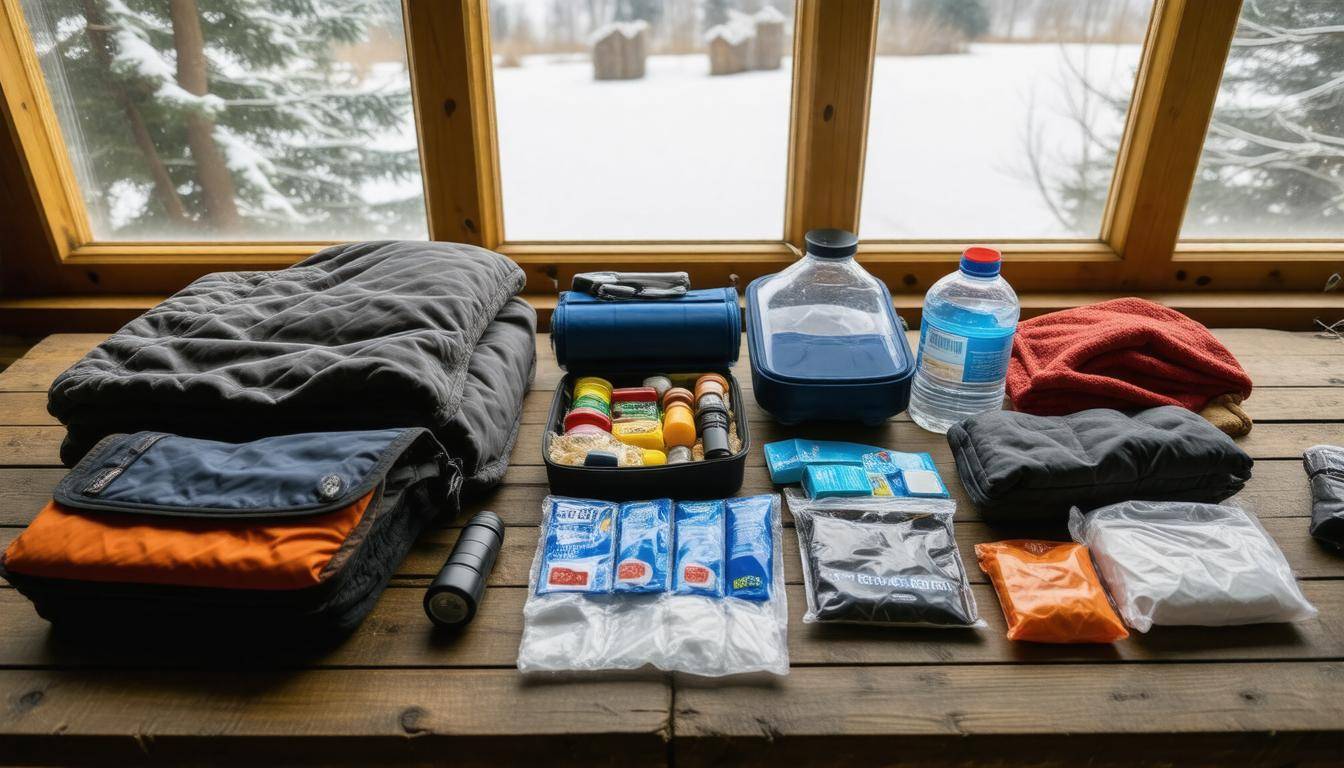
When winter storms roll in, having a robust survival kit can make all the difference. The aim is to create a kit that addresses your unique needs while ensuring you’re prepared for any scenario that might arise during severe weather. Think of it as your personal insurance policy against the unexpected. A well-thought-out kit means you will not only stay warm but also have essentials at hand to minimize the discomforts that often accompany extreme weather.
Essential Items to Include
-
First Aid Kit: Start with the most critical item. Your first aid kit should contain basic medical supplies such as bandages, antiseptic wipes, pain relievers, and prescription medications. These items can be lifesavers if anyone sustains an injury while navigating through storm conditions or dealing with emergencies at home.
-
Batteries and Flashlights: Power outages are common during storms. Stock up on high-quality flashlights and plenty of fresh batteries. Don’t forget to check their functionality before the storm hits; nothing is more frustrating than reaching for a flashlight only to find it’s out of juice.
-
Portable Battery Charger: In today’s world, staying connected is essential. A portable battery charger will keep your mobile phone charged, allowing you to communicate with family or emergency services when you need it most.
-
Multi-tool: Having a multi-tool at your disposal can help with various tasks—from making minor repairs around the house to opening cans of food. It’s like having a small toolbox in your pocket, ready for whatever situation arises from stormy weather.
As important as it is to prepare for human residents, take some time to think about any other members of your household.
Special Considerations
Including special items for pets or infants might seem obvious, but they are often overlooked in preparation efforts. Make sure you pack pet food along with necessary medications for your furry friends; their needs are just as important as yours. Remember that pets can become stressed during storms too—they rely on us to ensure their comfort and safety.
If you have infants or small children, don’t forget the baby supplies. Items like diapers, formula, and baby food are vital to have on hand, particularly when the roads may be unsafe or impassable for days on end. While both categories require extra space in your survival kit, it’s important that these needs do not get neglected in favor of adult preparations.
Taking these considerations into account might feel like extra work now, but I assure you it will save you considerable anxiety later when the winter storm arrives and we realize how crucial these supplies truly are.
Having essential supplies stowed away in your vehicle can also be beneficial when icy conditions take hold outside.
Protecting Your Vehicle in Icy Conditions
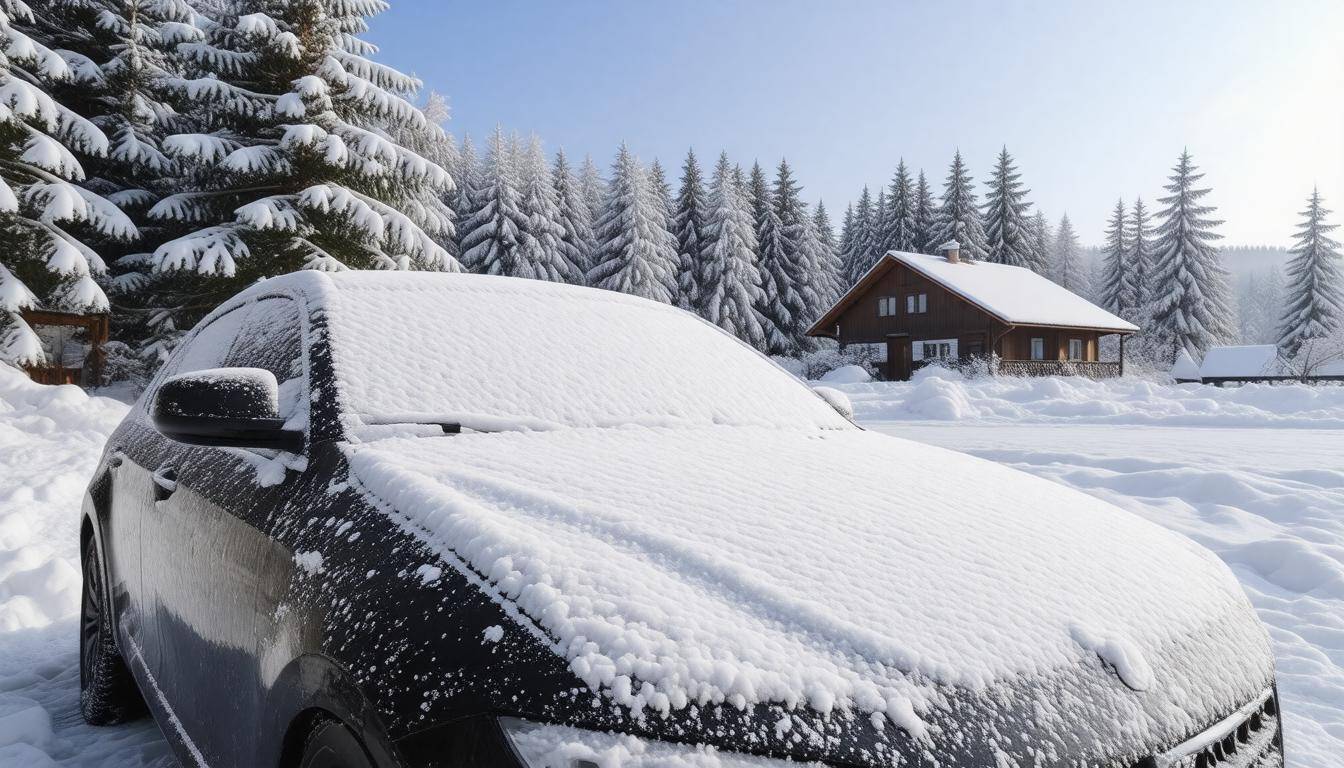
When winter storms hit Bavaria, your car can be a warrior against the elements, but it requires proper care. One of the most crucial steps is to equip your vehicle with winter tires that provide better grip on icy surfaces. Winter tires have special tread patterns designed to handle slippery roads more effectively than all-season options. It’s essential to ensure these tires are installed and properly inflated; cold temperatures can cause tire pressure to drop. Remember to check your tire pressure regularly during the winter months—aim for at least once a week.
Additionally, consider using winter-specific windshield wipers. These blades handle snow and ice better than standard wipers, ensuring clear visibility during snowy commutes. Invest in good quality washer fluid formulated for low temperatures to prevent freezing and keep your windshield clean of salt and grime.
Another vital aspect to consider is the battery health of your vehicle. Cold weather can significantly reduce battery capacity—by up to 50%! Therefore, making sure your battery is fully charged and in good condition isn’t just ideal; it’s imperative for ensuring your vehicle starts smoothly even on frigid mornings.
Keeping your fuel tank at least half full becomes not just a wise suggestion but a preventive measure against frozen fuel lines. A full tank also ensures you’ll have enough gas should you find yourself stranded during a winter storm. Maintaining some emergency supplies is crucial: blankets, a shovel, an ice scraper, and non-perishable snacks like granola bars can make all the difference if you encounter unexpected issues while on the road.
Maintaining Visibility and Control
It’s also important to attend to visibility features on your vehicle—front and rear lights should be functioning well to cut through snowy conditions. Keeping them clean helps you see better and allows others to see you clearly, which is invaluable during winter storms.
For long drives or trips to areas known for harsher winter weather, it might be worth having a small emergency kit containing items such as jumper cables, flares, and a flashlight—all of which can be lifesavers in case of an emergency.
And let’s not forget about parking! Keep your car away from trees or overhanging branches that could fall under heavy snowfall. You don’t want an unexpected snow-covered branch ruining your day or damaging your car!
These practical steps ensure that you’re ready to tackle any adverse conditions while out on the road. With this knowledge in hand, we now turn our attention to how best to suit yourself for the cold climate ahead.
Essential Clothing and Gear for Extreme Cold
Dressing properly is key to surviving and staying comfortable in Bavaria’s freezing winter conditions. The art of layering effectively is crucial for maintaining warmth while allowing mobility during outdoor activities. Each layer serves a unique purpose and together, they create a formidable defense against the bitter cold.
Layering Strategy
When dressing for winter, think of your clothing in three primary layers: base, middle, and outer.
The base layer is your first line of defense. Choosing moisture-wicking thermal underwear made from materials such as polyester or merino wool will keep sweat away from your skin, which is crucial in preventing chills. Even a small amount of moisture can chill you quickly in frigid temperatures, so ensure that the fabric fits snugly and keeps you dry.
Moving up, the middle layer should be all about insulation. Fleece vests or down jackets are excellent options because they trap heat efficiently without adding unnecessary bulk. This layer should allow some breathability—especially if you’re engaged in physical activities like skiing or hiking—so opt for fabrics that can manage temperature fluctuations.
Finally, the outer layer completes the trio by safeguarding against external elements. Waterproof and windproof jackets are essential for navigating snow, rain, and especially chilling winds. Look for jackets with sealed seams, adjustable hoods, and high collars that can shield your neck.
While having a correct layering system is fundamental to staying warm, pairing it with the right accessories makes all the difference.
Additional Gear
Footwear is often overlooked until the frost bites at your toes. Insulated, waterproof boots with good traction are an absolute must; after all, slippery ice patches await at every step outdoors. Pair these with thermal socks—consider those made from merino wool—which provide additional warmth without adding bulk.
Accessories play an equally significant role in maintaining your body heat. A warm hat should cover not just your head but also your ears since a substantial amount of body heat escapes through them. Scarves can serve double duty—they not only keep your neck warm but can also be pulled up over your face as needed to shield against biting winds.
Moreover, gloves are key; a good pair with touchscreen capabilities means you won’t have to expose bare skin to the cold when checking messages or navigating on your smartphone.
Staying vigilant about what you wear sets the stage for enjoying winter whether you’re skiing through snowy landscapes or commuting to work amidst heavy snowfall.
Ensuring personal safety outdoors is just as critical during a winter storm; being adequately equipped helps reduce risks associated with extreme cold while engaging in outdoor activities.
Outdoor Safety Tips During a Winter Storm
While the beauty of freshly fallen snow can be enticing, venturing outdoors during a winter storm without adequate preparation can put you at risk. The first safety measure starts with awareness. Keeping informed about current weather conditions is critical; using reliable sources like local news broadcasts or weather apps will help you stay one step ahead and understand potential dangers.
Make it a habit to check for warnings or advisories so you know what to expect before heading out. For instance, even if the sky’s clear when you leave, conditions can deteriorate rapidly, making it imperative to remain alert.
Furthermore, while it may feel rewarding to shovel snow or engage in other physically demanding tasks outside, it’s essential to remember that such activities can exacerbate health risks, particularly for older adults or individuals with pre-existing health conditions. The weight of snow can be surprisingly heavy, and overexertion could lead to serious consequences. Taking frequent breaks and listening to your body are crucial elements to avoid strain.
However, being aware of the risks isn’t enough; understanding cold-related illnesses and their signs can be lifesaving.
Cold-Related Illnesses
Hypothermia and frostbite are two serious conditions that demand attention during extremely low temperatures. Being vigilant about the warning signs can make all the difference; watch for shivering, numbness in extremities, slow speech, and disorientation as indicators of hypothermia. Similarly, frostbite is recognized by specific symptoms—look for areas of skin that appear white or grayish-yellow and feel unusually firm or waxy. These physical cues are not just minor inconveniences; they signal urgent medical needs.
If you suspect someone is suffering from these conditions, immediate action is required. Get them into a warm environment as quickly as possible, removing any wet clothing and covering them with warm blankets if available. Always seek medical intervention under these circumstances—it’s better to err on the side of caution when life is at stake.
Preparing for possible emergencies while out in the cold isn’t just smart; it’s essential for survival in harsh weather.
Emergency Preparedness
Ensure you carry emergency items that could prove valuable should the unexpected occur. A small first-aid kit containing essential supplies like bandages, antiseptic wipes, and emergency blankets should accompany you whenever you’re outdoors during storms. Having a whistle handy is a smart way to signal for help if you become lost; remarkably effective at cutting through the cold winds, it can make a world of difference when others might not hear your voice.
Additionally, consider carrying non-perishable energy foods such as high-calorie granola bars or trail mix alongside ample water stored in insulated containers—hydration remains important even in freezing temperatures where water can easily freeze solid! Planning how to stay energized and hydrated will help maintain stamina during strenuous outdoor activities.
As I remind everyone: “Prior preparation prevents poor performance.” Taking a few extra steps in planning ensures that when Mother Nature throws her worst at us, we’ll be safely equipped to handle whatever comes our way.
These measures create a solid foundation for handling adverse conditions effectively. Now let’s explore how to maintain resilience as winter continues its icy grip on Bavaria.
Strategies for Long-Term Winter Survival
Surviving a prolonged winter in Bavaria goes beyond merely enduring the cold; it requires foresight and a comprehensive plan addressing several vital aspects of your survival needs.
Foremost among these strategies is securing essential supplies, which begins with what you eat. Food storage should be a priority. Aim to stockpile long-lasting, non-perishable items such as canned goods, dried beans, rice, and pasta—all staples you can rely on when fresh foods are scarce. Don’t forget that having a manual can opener can save you from relying solely on electricity when the power goes out.
Did you know that many people overlook water needs during storms? Water is just as critical as food. You should have at least one gallon of water per person per day for a minimum of two weeks. It’s an easy guideline to remember but crucial for maintaining hydration during any emergency situation.
Beyond supplies, sustainable heating solutions become necessary as temperatures plummet.
Having a plan for sustainable heating becomes vital during an extended winter spell, especially in places like Bavaria where the cold can bite hard. A wood stove can be invaluable if you own one; just ensure you have a reliable supply of firewood stored away. The wood should be kept dry and accessible because hauling wet logs into your living space won’t do much good when you’re desperate for warmth. Furthermore, consider alternative power sources like backup generators or solar power solutions. While most people think they’ll never need such devices, they help maintain essential electricity during outages.
Emphasizing comfort amidst survival preparations is equally important for your mental well-being.
Create a living environment that is not just functional but also uplifting. Your shelter should allow natural light to filter in; this small aspect enhances your morale and makes your space feel less like a survival bunker and more like home. Have enough room within your shelter to stand or sit comfortably too—a little personal space goes a long way when facing adverse conditions.
Regularly revisit and adjust your plans; supplies may dwindle over time and ensuring they are always adequate will keep you ready for whatever comes your way.
By taking proactive steps and creating efficient, livable solutions, you’ll not only survive but thrive through the harsh Bavarian winters.
Your preparedness will not only safeguard against winter hazards but also empower resilience amid challenges. Focus on these strategies to create a safe and comfortable environment during the winter storm season.