
If you think home emergencies only happen to other people, it’s time to reconsider. Natural disasters, break-ins, and even everyday accidents can throw a wrench into our lives when we least expect it. That’s why taking steps to reinforce your home’s safety isn’t just smart; it’s essential. By implementing cost-effective improvements today, you can create a safe haven for you and your loved ones, reducing stress when the unexpected strikes. In this guide, we’ll explore practical ways to assess risks, prioritize necessary upgrades, and adopt ongoing strategies that will help keep your home secure without draining your wallet. So let’s dig in and fortify your fortress against anything life throws your way!
The Budget Home Emergency Reinforcement: Complete Guide provides practical, cost-effective measures that homeowners can implement to enhance their home’s safety and resilience, such as conducting vulnerability assessments, installing crucial safety devices like smoke alarms, and creating an emergency plan. This guide also includes tips on affordable reinforcement products and ongoing maintenance strategies to ensure your home remains secure during potential emergencies.
Identifying Threats and Planning
Understanding your home’s unique vulnerabilities is the first step in fortifying it against emergencies. Effective planning begins with an honest assessment that lays the groundwork for future safety measures. Your local environment plays a significant role in determining what types of threats might pose a risk. By taking the time to evaluate everything from natural disasters to structural weaknesses, you give yourself the best chance of protecting your home.
Step I – Assess Local Risks
Start by assessing local risks that are specific to your area. Are you located in a flood zone, perhaps alongside a river that tends to overflow? Maybe you’re near a forest that poses wildfire risks during dry seasons?
Consider utilizing online resources—many local government websites offer detailed maps showing areas vulnerable to natural disasters, including floods, earthquakes, hurricanes, and more.
Knowing local statistics can reveal shocking truths; for example, as documented by FEMA, around 14 million homes in the U.S. may face flooding risks. This makes understanding geographical vulnerabilities essential for effective budgeting and planning. Awareness allows you to prioritize preventive measures where they matter most.
Step II – Inspect Your Home
After identifying broader risks, how do you gauge the specific vulnerabilities within your walls? The answer lies in a thorough inspection of your home. Set aside some time for a room-by-room walkthrough; this hands-on approach often reveals issues that aren’t immediately obvious. Check for loose fixtures, outdated wiring, or damage from previous wear and tear that could become exacerbated during an emergency.
This part of the process is like performing a health check on your property — it’s essential for ensuring that everything is running smoothly before any disasters occur.
Look closely at secondary exits, like windows and doors, as well as escape routes. Ensure that not only are they accessible but also functional under stress. Having viable escape paths can be life-saving during emergencies.
Step III – Prioritize Vulnerabilities
With a comprehensive list of vulnerabilities in hand, it’s time to prioritize them based on urgency and potential impact. Create an actionable plan by ranking these risks from most critical to least critical. For instance, securing the foundation of your home would take precedence over any aesthetic repairs or enhancements.
In doing this, also cross-reference your priorities with your budget to find feasible projects you can undertake initially. It’s valuable to lay down the groundwork through budget-friendly solutions such as securing windows and installing smoke detectors since homes without security systems are statistically three times more likely to experience break-ins.
Once you’ve identified and prioritized threats, you’re ready to explore cost-effective improvements that can significantly strengthen your home’s defenses against emergencies.
Budget-Friendly Reinforcement Projects
Enhancing the safety and durability of your home doesn’t have to break the bank. For many homeowners, implementing budget-friendly reinforcement projects is about being resourceful and proactive. One of the most impactful things you can do is to install smoke detectors throughout your home. Priced at around $20 each, these devices are a small investment that can provide immense protection. Fire can spread rapidly, and early detection is crucial for safe evacuation. Keeping a few extra batteries on hand ensures that these life-saving devices remain operational.
Another vital area to focus on is the security of your entry points. Installing metal kick plates and deadbolt locks for roughly $50 per door creates a significant barrier against intruders. A robust security system not only protects your belongings but also provides peace of mind, allowing you to feel safe within the walls of your home. A minor upgrade can become a foundational improvement that enhances overall safety.
Additionally, addressing gaps and cracks in your home is essential for maintaining structural integrity and protecting against elements outside.
Simple solutions like sealing gaps and cracks using weather stripping and caulking materials—ranging from $5 to $20—can make a world of difference. These materials prevent moisture intrusion during storms while also hindering pests looking for shelter in your cozy abode. This saves you money by reducing energy leaks from drafts, while preserving the longevity of both your structure and inner comfort.
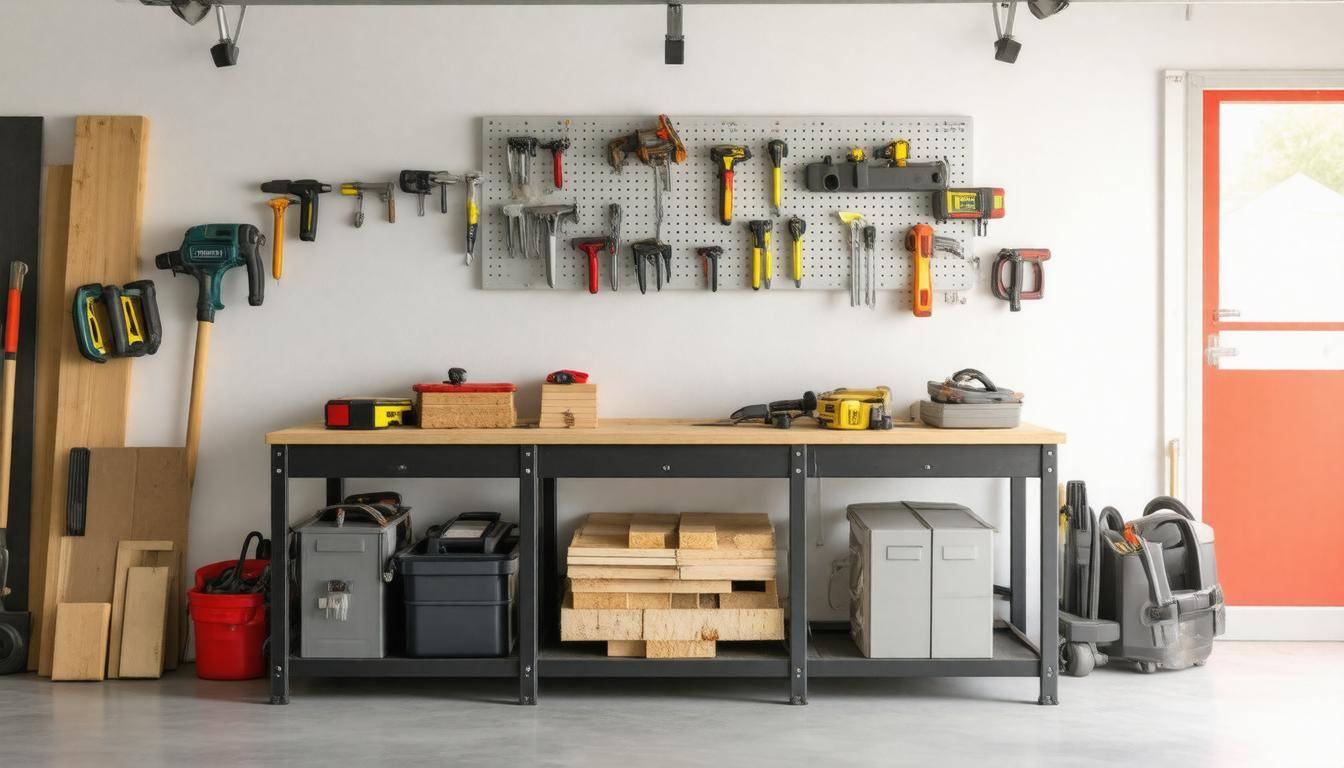
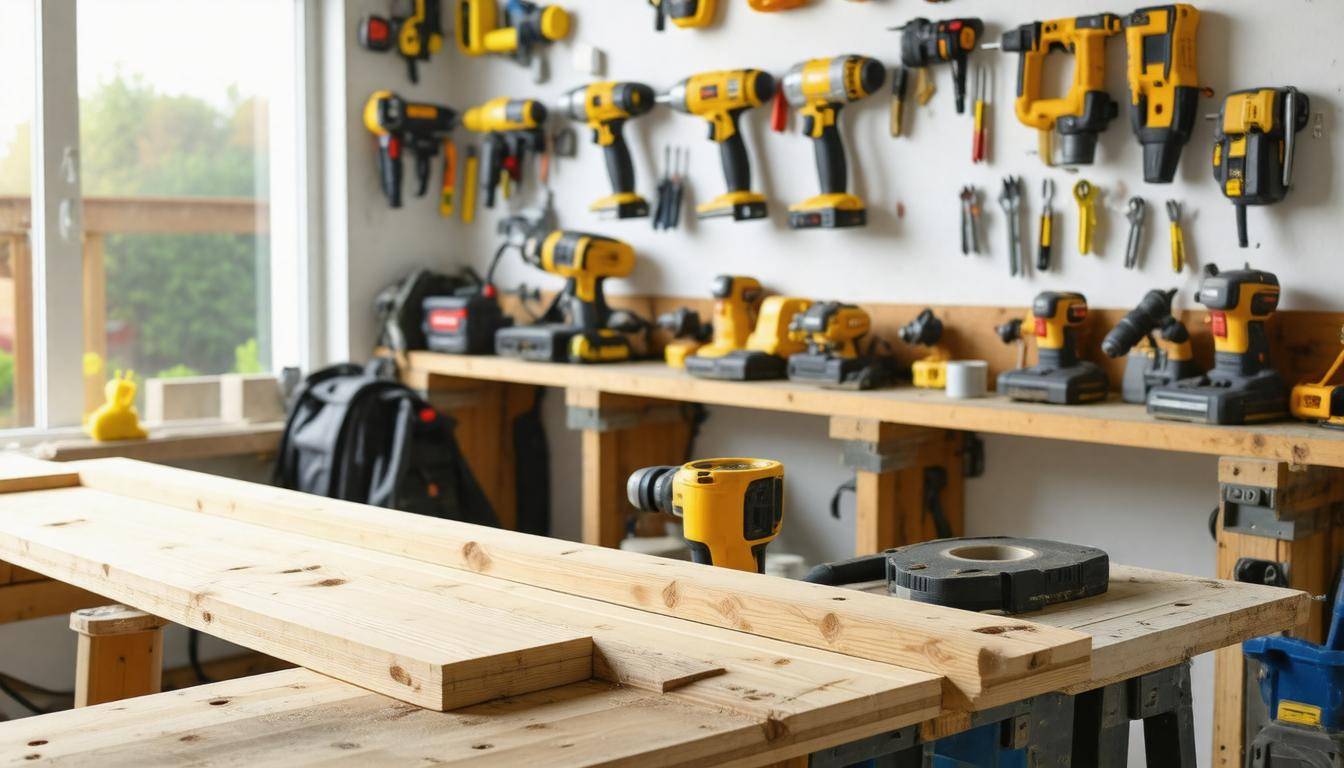
Don’t underestimate the power of DIY home improvements. Homeowners with handy skills can save substantial amounts by undertaking simple projects themselves. Starting with basic designs allows for cost-effective construction because it minimizes waste and complexity. Choosing locally sourced materials such as lumber from Home Depot or community mills can cut down on expenses significantly while supporting local businesses.
Investing time into learning about DIY practices not only empowers you to reinforce your home but also fosters a deeper connection with it. It’s not just about safety; it’s about cultivating pride in ownership as you improve your space step by step.
With ample resources available, including books like The Very Efficient Carpenter by Larry Haun and countless online instructional videos, enhancing your home’s resilience has never been more accessible. Remember, investing time now saves money later; regular reinforcement activities can prevent costly repairs while ensuring your family’s safety amidst unpredictable emergencies.
As we explore practical steps to elevate safety without straining your budget, it’s equally important to consider critical items that bolster protection effectively.
Safety Essentials on a Budget
Every household should have the necessary safety essentials readily accessible. When budgeting for your safety improvements, consider investing in items that serve multiple functions while offering long-term peace of mind. A basic fire extinguisher, for instance, is an invaluable tool costing around $30. Having one nearby can make all the difference in preventing a small flame from becoming a raging inferno, providing you with vital seconds to react when timing is crucial.
“Spending $50 on a safety kit saved us when a small kitchen fire erupted. That fire extinguisher was a game changer!” – Marie from Portland
Alongside fire extinguishers, first aid kits should be stocked and easily accessible; these typically come in well-organized bags with bandages, antiseptics, and over-the-counter medications, often available for under $40. It’s not just about having these supplies; it’s about knowing how and when to use them effectively. For example, if someone suffers a burn while cooking or experiences a cut during home repairs, having those supplies ready makes all the difference. It empowers you to act confidently and quickly in emergencies.
Moreover, investing in basic home security measures can further bolster your peace of mind. Many affordable home security systems alert homeowners when doors or windows are left open or breached. These systems often come at competitive prices and can prevent intrusions rather seamlessly.
Equally important is preparing your space for whatever Mother Nature might throw at it; this means thinking beyond indoor safety gear.
Consider emergency preparedness tools beyond the basics. Items like an emergency escape ladder can make a critical difference if you live in multi-story homes where swift evacuations may be necessitated during emergencies like fires. The X-It 2-Story Emergency Escape Ladder stands out after thorough research as an excellent investment for home safety.
Because let’s be honest—nobody dreams of being stuck on the second floor trying to figure out how to escape through the window! The last thing you want is to feel trapped when every second counts.
Numerous fire-safety experts note that interconnected alarm systems significantly boost your chances of safe evacuation during home fires. Alarms communicating with each other allow every unit to sound when one detects smoke or fire. This synchronization could mean the difference between getting out safely and facing dire consequences.
Integrating these vital safety essentials into your budget elevates your home’s preparedness and creates an environment where you and your loved ones feel secure no matter the circumstances. As you allocate funds for those essential purchases—the extinguishers, first aid kits, ladders—consider how these investments pay dividends by safeguarding your family’s health and security throughout the year.
With these foundational safety supplies secured, it’s equally vital to explore how to protect your home from unpredictable weather situations that can arise at any time.
DIY Weather Preparation Tips
Simple, do-it-yourself weatherproofing can create a buffer against the unpredictable forces of nature. Just imagine this—your cozy home is your fortress, and every little step you take to protect it makes a stronger defense. For instance, adding caulking around windows and doors is like putting on a snug winter coat; it keeps out cold drafts and prevents heat loss. It doesn’t take much effort, but the effect is profound.
Step-by-Step Guide
Let’s break down some effective steps you can implement without breaking the bank. Firstly, one of the most impactful things you can do is insulate your windows. Adding plastic window film not only helps trap heat but also enhances energy efficiency by nearly 50%. It’s as simple as measuring your window panes, cutting the film to size, and applying it with a hair dryer to smooth out wrinkles. This solution typically costs around $10 per roll—which is minimal compared to the savings you’ll reap on heating bills.
Once your windows are well insulated, the next crucial step involves ensuring proper drainage around your home.
A common problem many homeowners face during stormy weather is water overflow from clogged gutters. Keeping your gutters clean is vital for preventing damage to both your roof and foundation. Investing in gutter guards, which cost about $1 per foot, can simplify ongoing maintenance by keeping leaves and debris at bay. Making this small investment will save you time and stress every rainy season.
Additional Weatherproofing Projects
Moving inside the home, another critical area often overlooked are those chilly drafts slipping through electrical outlets or gaps around plumbing fixtures. A great way to address this is by using foam outlet insulators or even a little bit of silicone sealant around these openings to minimize airflow effectively.
Think of it this way: if you can spare a few bucks for insulators which actively prevent heat loss, you’re saving more money long-term.
Additionally, completing these simple tasks connects directly to an important part of being prepared for severe weather: creating a comprehensive plan.
Documenting emergency procedures and maintaining records of essential documents will better equip you for unexpected events like floods or storms. Consider keeping these documents sealed in watertight containers so they’re readily available when necessary. Preparing ahead ensures that when severe weather strikes—during Severe Weather Preparedness Week or any other time—you have everything ready at hand for yourself and your family.
By focusing on these DIY preparation methods—window insulation, gutter cleaning, sealing drafts—you’ll not only fortify your house against harsh elements but also create an environment that’s warm and welcoming year-round.
As we move forward, it’s essential to consider how to further enhance protection around critical points of entry in our homes as part of a comprehensive safety strategy.
Effective Door and Window Protection
Doors and windows are indeed the most vulnerable points in a home, often serving as primary entryways for potential intruders. But fear not, protecting these openings doesn’t have to break the bank. It can be both practical and affordable if you use the right methods and materials.
Door Reinforcements
One of the most effective ways to enhance your door security is by installing a steel security screen on front doors. For as little as $100, this solution not only provides ventilation during warmer months but also acts as an added barrier against intrusion. Imagine feeling the breeze through your door while knowing that an extra layer of defense is in place. These screens are designed to withstand impact; thus, they make it much harder for someone to force their way inside.
Beyond just the security screen, consider upgrading your door locks as well. Deadbolts are more powerful than standard locks because they extend deep into the door frame, making it significantly tougher for anyone trying to break in. Ensure your doors are made of solid wood or metal; hollow-core doors might be easier targets.
Window Safety
Next up is window safety. Installing shatterproof film on your windows can provide a robust level of protection and costs about $50 per window. This film adheres seamlessly to glass and keeps pieces intact even when shattering occurs—think of it as an invisible shield that deters potential intruders while allowing light to come through.
Interestingly, statistics show that homes with shatterproof windows can reduce break-in attempts by up to 60%. This effectiveness comes from the psychological barrier it creates; if burglars see that windows are fortified, they often move on to easier targets.
To further bolster your window security, consider adding window locks or bars. Though they may not suit every home’s aesthetic, these additions provide peace of mind—especially on first-floor windows that are more accessible.
As we enhance our home’s defenses through these upgrades, let’s explore additional steps you can take to maintain these security features effectively and ensure your home remains a safe haven throughout any unexpected circumstances.
Step-by-Step Instructions
When it comes to securing your home affordably, every small enhancement counts. Detailed instructions are crucial as they guide you through each project, ensuring the final result is both stylish and practical. Each step is designed to be straightforward, allowing you to implement home safety improvements with confidence and competence.
Step I – Installing a Deadbolt
One of the first lines of defense is installing deadbolts on your doors. It’s an effective way to deter intruders and easier than you might think. Start by using a drill to create holes based on the template that comes with the deadbolt kit. This template provides precise measurements so that everything lines up perfectly.
Once your holes are ready, insert the bolt and lock cylinder, ensuring they’re flush against the door edge. Secure both sides using the provided screws; it’s usually best to use screws that are at least 3 inches long for added strength and resistance against forced entry.
Recommendation: Opt for Grade 1 deadbolts for maximum security—they’re tested against break-in techniques and generally offer the highest degree of protection available in residential locks.
Step II – Affixing Window Film
Next, let’s talk about window security. Applying window film is a cost-effective enhancement that not only improves privacy but also reinforces fragile glass against breakage. Start by thoroughly cleaning the window; dirt or grease can hinder adhesion later on.
Measure the film against your window and cut it to size, ensuring a snug fit. After preparing your film, remove any backing and apply the adhesive side directly onto the glass. As you press it down, use a squeegee or even a credit card to smooth out any air bubbles—this ensures complete adhesion and looks far more polished.
If you’re feeling extra cautious, consider pairing the window film with locking pins; this will offer additional protection as they secure the window frame from being forced open.
Recommendation: Using a combination of window film and locks gives you an enhanced layer of security, particularly because it creates friction when a potential intruder attempts to access your home through a window.
With these projects completed, you’re already well on your way to making your home more secure. As we look forward, it’s essential to consider not just these immediate improvements but also proactive measures for ongoing safety and resilience in the long term.
Long-Term Strategies
Implementing sustainable safety measures will help fortify your home against emergencies now and in the future. A crucial component to achieving this is insuring your home adequately. Ensuring your coverage reflects the types of natural disasters common in your area, such as floods or wildfires, should be a priority. This might feel like a minor annual investment, but when disaster strikes, it can be lifesaving. Imagine going through the hassle of recovering from a catastrophe; the last thing you want to deal with is inadequate insurance when you need it most.
Periodic safety drills are another key element in your long-term strategy for home safety. These drills are not just for schools or workplaces; involving all household members ensures everyone knows their role during an emergency. Think about it—what would happen if a fire broke out in your home? Conducting annual drills can prepare each family member for such moments. For instance, in earthquake-prone areas, practicing the “drop, cover, and hold on” procedure can make a substantial difference by instilling immediate reactions during actual events.
Regular evaluations of these installed safety measures will help ensure they remain effective over time. Your plan might change based on new developments or technology that could enhance your preparedness.
Additionally, technology plays an increasingly critical role in sustaining safety at home. By utilizing remote monitoring tools, families can keep track of various risks—from smoke detectors alerting you via smartphone notifications to security cameras providing surveillance around the clock. Embracing these digital solutions not only enhances security but also brings peace of mind.
Finally, don’t forget the importance of engaging with local resources to get updates on community safety initiatives. Partnering with local emergency services keeps you informed about potential threats in your area and may also expose you to educational programs focused on enhancing safety at home.
Integrating sustainable strategies into your home’s long-term safety plan protects your physical space and fosters a sense of community and responsibility among family members while equipping them with the skills needed to handle emergencies effectively.
As we explore further, examining how to assess these important protective measures will deepen our understanding of safety enhancements tailored to individual needs.
Evaluating Safety Measures

Continuous evaluation—like tuning a fine instrument—is essential for keeping your safety strategies effective. It’s not just enough to install a few devices and forget about them; they require consistent checks and updates to ensure they function optimally when you need them most. Think of it this way: you wouldn’t drive a car without regular maintenance, so why would you allow your home’s safety systems to languish? Taking a proactive approach helps maintain peace of mind while preventing potential dangers.
A simple yet effective habit is to periodically check all installed devices—smoke detectors, security cameras, and door/window protectors. Each time I confirm that my smoke detectors are in working order, I feel a sense of reassurance washing over me. Statistics indicate that regularly tested smoke detectors can halve the risk of fire-related fatalities by 50%. That figure alone should motivate every homeowner to take these evaluations seriously.
Self-Evaluation Checklist
Implementing a self-evaluation checklist can guide you through necessary assessments:
-
Inspect door locks and window security films every six months, ensuring they provide adequate protection.
-
Test smoke and carbon monoxide detectors monthly—this small step is vital for guaranteeing your home is safe.
-
Review the effectiveness of weatherproofing every year, especially before storm seasons hit. This ensures that your home remains resilient against potential leaks or damage.
Remember that ongoing vigilance guarantees budget-friendly reinforcements continue to protect your home effectively. Developing these habits isn’t merely about following guidelines; it’s about cultivating an environment where safety becomes second nature. Each check you perform contributes to a safer home environment, allowing you to enjoy peace of mind amid life’s uncertainties.
In summary, regularly evaluating and reinforcing your home safety measures not only protects your living space but also fosters a lifestyle where safety and preparedness thrive. With these practices in place, you can confidently navigate life’s unpredictabilities.