
Coastal storms can be unpredictable and intimidating, especially for those living in Bergen County. When the winds whip up and dark clouds roll in, the best way to ensure your safety is to be prepared. Having a solid plan and an emergency kit ready can make a big difference when the storm hits. I’ve seen firsthand how proper preparation not only helps families stay safe but can also ease anxiety during those panic-inducing moments. In this guide, I’ll walk you through practical steps to ready yourself and your home for whatever nature has in store. From assembling supplies to knowing evacuation routes, let’s make sure you’re equipped to face a storm head-on, so you can focus on keeping your loved ones safe.
The Bergen Coastal Storm Preparation Guide outlines essential steps such as creating an emergency kit, securing your property, establishing a communication plan with family and friends, and staying informed about weather updates. It is crucial to familiarize yourself with local evacuation routes and resources available through local government agencies to ensure safety during a storm event.

Essential Preparations Prior to a Bergen Storm
Check and Update Emergency Contacts
Ensuring that your list of emergency contacts is not just updated but also easily accessible can make all the difference when disaster strikes. This means including numbers for local authorities, emergency services, and nearby family or friends who may lend a helping hand. While it is crucial to store these numbers electronically in your mobile phone, going the extra mile to print a physical copy is highly advisable. This way, you have immediate access even if your phone runs out of battery or malfunctions during the storm.
Backup Important Documents
Preparing your important documents is an often-overlooked aspect of storm readiness. Keeping electronic copies of vital documents such as insurance policies, personal identification, and medical records is imperative.
Store these on a secure cloud service to ensure they remain accessible in case of sudden evacuation or property damage. However, many residents I’ve talked with have faced significant setbacks because their USB drives or external hard disks succumbed to high humidity conditions typical during storms. Therefore, while digital backups are essential, consider housing physical copies in waterproof containers as added protection. You might want to store these near your home’s entrance or in a designated family space where everyone can easily locate them.
After solidifying your communications and documentation, it’s time to address how you’ll handle food and supplies for adequate preparation against any storm that may impact the Bergen area.
Assembling a Comprehensive Storm Kit
A comprehensive storm kit is not just about surviving the basics; it’s about how you manage the situation when the storm strikes. While essential supplies like food, water, and first aid kits are vital, there are several other tools and comforts to consider that can enhance your experience during this stressful time. Beyond the staples already mentioned, think about what will truly help you weather those moments of uncertainty.
Investing in specialized tools can significantly ease the anxiety that comes with storm preparations.
One primary tool to include is a manual can opener. It may seem trivial at first glance, but when your pantry is stocked with canned goods as part of your non-perishable supply, being able to open them without electricity becomes crucial. Imagine losing power and finding yourself staring at cans, unable to access your food; that worry evaporates with this simple addition.
Beyond opening cans, think about keeping your devices powered up when you need them most.
A solar power bank is another excellent addition to your storm kit. These handy gadgets allow you to charge your phones or other small electronics using sunlight, ensuring you stay connected if the power goes out for an extended period. It can be comforting to have access to news updates or communicate with friends and family during a crisis. Residents of Bergen who experienced unexpected outages frequently shared how empowering it felt to have immediate access to information despite challenging circumstances.
Comfort Items for Morale
While practicality is essential, don’t overlook comfort items that can make stressful situations more bearable. Pack a few favorite books, playing cards, or board games.
These activities can lift spirits when staying indoors becomes monotonous due to adverse weather conditions.
Consider also adding extra blankets or warm clothing—these small comforts provide physical warmth and emotional support by creating a cozy atmosphere amid chaos. When Hurricane Sandy hit in 2012, individuals shared experiences about feeling secluded and helpless yet found solace in sharing stories and games with loved ones while they waited for the storm to pass.
Finally, think about including a battery-powered radio for accessing critical updates when smartphones lose power or signal strength in heavy storms.
Assembling a comprehensive storm kit extends far beyond mere survival—a well-rounded approach can enhance your comfort and well-being during turbulent times in Bergen. With the right preparation and thoughtful curation of supplies, you’re equipped not only to endure storms but to maintain some semblance of normalcy throughout the ordeal.
Transitioning from preparedness to protection is key; knowing how to secure your space can further fortify your safety against unexpected weather events.
Safeguarding Your Home Against Coastal Storms

Protecting your home in Bergen from the wrath of coastal storms requires a combination of physical reinforcements and ongoing maintenance. First and foremost, consider the windows and doors; if you’ve ever seen a storm-churned debris field, you know that shattered glass is not just messy but dangerous.
Reinforce Windows and Doors
Installing storm shutters or using plywood to cover all windows is a smart first line of defense. You’d be surprised at how much impact force even loose debris can generate, possibly breaching flimsy barriers. Additionally, reinforcing garage doors with horizontal bracing kits prevents them from buckling during high winds. This isn’t just an aesthetic choice; it’s essential safety practice that mitigates the risk of broken glass and flying debris harming you or your family.
Having experienced storm damage firsthand, I can attest to the effectiveness of these measures; my reinforced windows remained intact while neighbors had to deal with costly repairs.
Roof and Gutters Inspection
Next, let’s talk about your roof and gutters. A well-maintained roof isn’t just about keeping your home dry; it’s essential for keeping water from seeping into your home during heavy rainfall. Before hurricane season starts, it’s wise to ensure that your roof is securely fastened and free of debris like leaves or branches. Clogged gutters can lead to overflow, causing water to pool around the foundation of your home—a problem you definitely want to avoid.
Regular inspections twice a year—once in the spring and once in late summer—can help you address minor issues like loose shingles or gutter clogs before they escalate into larger problems during a storm. Think of these inspections as routine check-ups for your house; catching a small leak now could save you thousands down the road.
Implementing these protective steps offers not only a sense of security but also peace of mind as coastal storms approach. Ensuring that every point of entry in your home is adequately protected allows you to feel safer when the winds begin to howl outside.
As we turn our focus to more specific aspects of storm readiness, it’s vital to understand how to shield your property from overwhelming elements and potential hazards that accompany severe weather conditions.
Protecting Against Flooding and Downed Trees
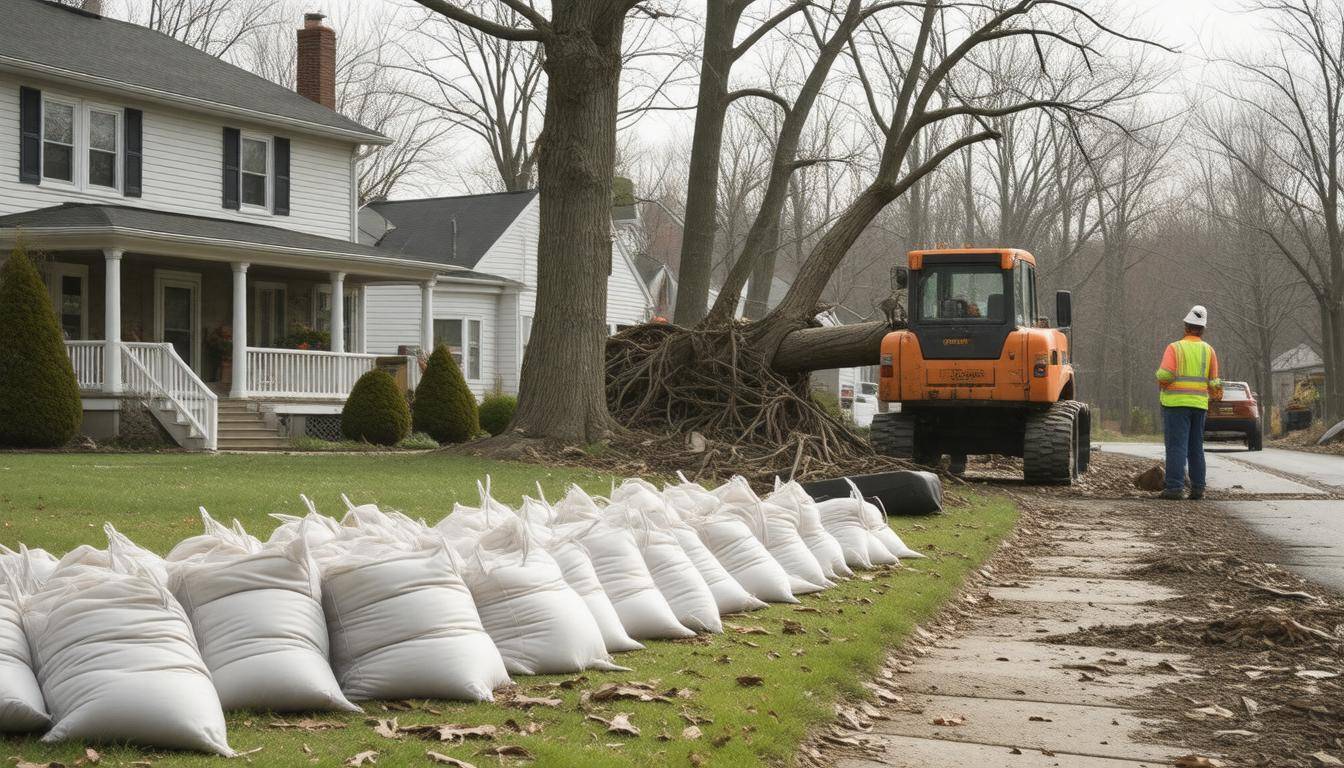
Flooding and fallen trees can wreak havoc on properties during coastal storms, emphasizing the need for proactive measures. Elevating your appliances and electronics is an excellent first step. Placing major appliances such as washers, dryers, and refrigerators on concrete blocks or sturdy platforms not only reduces the risk of water damage but also preserves their functionality when the storm passes. This strategy ensures that the recovery process becomes less burdensome—and nobody enjoys cleaning up after a flood.
Remember that even minor water intrusion can lead to significant repair costs in the long run; hence, maintaining electrical fixtures at a height above potential flood levels is equally crucial. Moreover, consider backup options like portable generators to help keep essential systems running smoothly should the power go out.
The next priority is tree maintenance. Regularly trimming branches and addressing any trees that lean precariously toward your home is vital. Though trees can appear steadfast for years, storms reveal their weaknesses. To preemptively avoid disaster, consider hiring a professional arborist with the expertise to assess tree health accurately and recommend necessary removals if threats arise. Such foresight is valuable because statistics from the National Oceanic and Atmospheric Administration (NOAA) reveal that a staggering 60% of storm-related home damages stem from fallen trees. Therefore, investing in tree maintenance directly safeguards your property.
Taking these precautions helps protect your home from incidentals while providing peace of mind during storm season. With proper preparations in place, you’ll be making informed choices surrounding safety protocols when facing significant weather events ahead.
Detailed Evacuation and Emergency Plans
Evacuation plans play a crucial role in streamlining efforts during emergencies, significantly reducing confusion when time is of the essence. Knowing how to act swiftly when faced with potential storm threats can be the difference between safety and chaos for your family.
Map Out Evacuation Routes
One primary component of an effective evacuation plan is to identify multiple evacuation routes from your home. This means not only becoming familiar with the most common roads but also exploring alternative paths that are less traveled. By doing this, you can avoid congestion that often plagues main thoroughfares during emergencies.
For instance, use Bergen’s official evacuation maps available online; these resources offer insights into current road conditions while considering storm forecasts. You might find options that aren’t just quicker but also safer as they escape potential flooding or debris on heavily trafficked roads.
Additionally, practice driving these routes before a storm hits. Familiarity with the roads during daylight will give you confidence when the need arises to leave quickly, especially at night when visibility may be lower.
Family Communication Protocol
Establishing a family communication protocol is another key aspect of your evacuation plan. This should include everyone in your household—from children to elderly relatives—detailing where to meet and how to communicate if members become separated during an evacuation. A failed communication strategy can lead to panic and disarray, making it harder for everyone to stay safe.
Many families have successfully used group messaging apps during prior storms to stay informed and coordinated. Consider creating a family group chat where you can share frequent updates and plans. Encourage everyone in the household to check these messages periodically, even during non-crisis times, so that they become accustomed to using the technology.
Furthermore, decide on a physical meeting point—perhaps a neighbor’s house or a known landmark—where everyone can gather if phone lines go down or service becomes unreliable. Regularly update this plan at least once a year, ensuring it remains relevant as circumstances change within your family or community.
With thorough evacuation routes mapped out and clear communication protocols established, you’re creating a solid foundation for navigating any emergency situation effectively. This groundwork leads us naturally into understanding what local resources are available for shelter and assistance when storms strike.
Determining Local Shelters and Assistance
It’s essential to be proactive in identifying the nearest emergency shelters before a storm hits. This means taking time to research and familiarize yourself with available resources. Bergen’s local government website is a great starting point; it offers an updated list of shelters that will be open based on storm severity alerts. These places can provide food, necessities, and a safe space if needed. Getting acquainted with their locations not only saves you time when the weather takes a turn but also helps you plan your route in advance.
Additionally, it could be beneficial to download applications like the Red Cross Shelter Finder, which allows you to access real-time information about shelter capacity, availability, and directions right on your smartphone. Imagine being in the thick of a storm, unsure where to go, only to realize that you have this app loaded with critical information right at your fingertips! The ease of access to current data helps take some of the stress out of an already chaotic situation.
But finding shelters is just one piece of the puzzle; understanding the assistance programs available can significantly impact your storm recovery efforts.
After a storm passes, various assistance programs come into play to help residents recover. Programs like FEMA provide crucial financial aid designed to assist with immediate needs such as housing repairs or medical expenses. However, navigating these programs can sometimes feel overwhelming due to the application processes involved. To make things easier, it’s advisable to familiarize yourself with the required documents and procedures beforehand. This preparation can expedite the process of receiving help when you need it most.
Be sure to keep copies of any important documents, such as insurance policies and identification charts handy in case they’re needed for filing claims or applying for assistance. The sooner you prepare these items, the quicker you can respond after a storm makes its mark.
With a clear understanding of local shelters and assistance resources, it’s equally vital to know how to respond effectively when severe weather strikes and services are disrupted.
Responding to Weather Warnings and Power Outages
Heed Weather Alerts
Staying alert to weather warnings is crucial for your safety. By subscribing to multiple weather alert systems, such as NOAA Weather Radio and local government notifications, you can ensure that you receive real-time updates about any developing storms or emergencies. Many people overlook this necessity, but timely information can be the difference between a safe retreat and an unforeseen hazard. For example, being notified of an impending evacuation order allows you to act swiftly without panic.
In addition to these subscriptions, consider utilizing emergency text alerts on your cell phones; they offer another layer of communication. Though they may not always prioritize life-threatening alerts, they still provide valuable information that can be integral in assessing your situation. Ensure the volume is up and notifications are enabled, so nothing slips by unnoticed.
Power Outage Preparedness
As coastal storms often lead to power outages, having a well-thought-out plan is essential for every household. It’s wise to invest in a backup generator; this not only grants peace of mind but ensures that you have power when it’s most needed. However, preparation doesn’t end there. Ensuring your generator is fueled and tested regularly is equally important—don’t wait for the storm to fill it up!
Always position your generator outside in a well-ventilated area to avoid dangerous carbon monoxide poisoning. Installing carbon monoxide detectors within your home adds an extra layer of safety, ensuring you’re alerted if levels become dangerous.
Having sufficient supplies ready at home is also vital for coping with prolonged outages. Stock up on non-perishable foods, bottled water, flashlights with extra batteries, and a first-aid kit. This preparedness removes stress and enables self-sufficiency when external conditions become unpredictable.
Understanding these vital steps regarding weather alerts and power outages sets the stage for how you can further secure your home against potential hazards with the right resources and protections in place.
Leveraging Insurance and Local Resources
Understanding your insurance policies is vital when preparing for storms. It’s not just about having a policy; it’s about knowing what it covers. Reviewing your home insurance policy reveals whether you’re safeguarded against the specific threats posed by coastal storms. Many homeowners are surprised to learn that standard insurance may not cover flood damage or wind damage associated with storm surges. If you live in an area prone to flooding, investing in additional flood insurance is essential.
In fact, studies suggest that homeowners who have flood insurance recover 2.5 times faster than those who do not. This remarkable statistic from FEMA underscores the importance of being prepared rather than scrambling for coverage after the storm hits.
While securing adequate insurance coverage offers peace of mind, utilizing local programs can maximize your ability to bounce back after a disaster.
Utilize Local Programs
Bergen County has various community service organizations dedicated to helping residents recover after storms. These programs often offer invaluable resources—like cleanup services and crisis counseling—that can ease the emotional burden so many face after such events. For instance, the Bergen Volunteer Center has been on the frontlines after past storms, leading initiatives that assist residents in cleaning up and rebuilding their homes. Such efforts provide practical help and foster a sense of camaraderie within the community—a reminder that you’re not alone in navigating recovery.
Take time before storm season begins to familiarize yourself with these local resources and services. Connect with organizations through social media or their websites to stay informed about their offerings and any upcoming workshops on emergency preparedness. Building relationships with these entities beforehand can significantly impact times of need.
Ultimately, effective preparation hinges on understanding both your personal insurance coverage and the wealth of available local support—two components that are essential for a robust recovery plan.
In times of uncertainty, being well-prepared with proper insurance and active community support will empower you when facing coastal storms. Staying informed and connected ensures you are not left behind during challenging times.
What essential supplies should I have on hand before a storm hits?
Before a storm hits, ensure you have essential supplies such as bottled water (at least one gallon per person per day for three days), non-perishable food, a flashlight with extra batteries, a first aid kit, and necessary medications. According to FEMA, preparing these items in advance can reduce the risk of injury or illness by up to 50% during emergencies. Additionally, having tools for communication and evacuation plans can further enhance safety and preparedness. Stay informed and ready!
How can I assess the vulnerability of my home to flooding and wind damage from coastal storms?
To assess your home’s vulnerability to flooding and wind damage from coastal storms, start by evaluating its elevation relative to local flood zones and historical flood data, as homes in low-lying areas are at a higher risk; according to FEMA, properties within a 100-year flood zone have a 26% chance of being flooded over a 30-year mortgage. Additionally, examine the structural integrity of your home, especially windows, doors, and roof, and consider using tools like wind speed maps to identify potential wind-related risks. Consulting local building codes and floodplain management can also provide insights into necessary reinforcements or modifications.
What are some best practices for securing outdoor items and property to minimize storm damage?
To minimize storm damage, ensure outdoor items like furniture, grills, and decorations are secured or stored indoors. Use straps or anchors for larger items such as sheds or trampolines to prevent them from becoming projectiles. Statistics show that securing outdoor items can reduce damage costs by up to 80%, as loose objects are often responsible for causing additional hazards during storms. Regularly check your property for weak spots and reinforce them ahead of storm season to enhance resilience.
Are there specific local resources or shelters available for residents during a coastal storm emergency?
Yes, Bergen County offers several local resources and shelters specifically designed for residents during a coastal storm emergency. The county’s Office of Emergency Management maintains an updated list of designated shelters, which are typically located in schools and community centers that can accommodate large groups. According to a recent survey, approximately 75% of residents are aware of these emergency resources, highlighting their importance in ensuring public safety during severe weather events. It’s crucial for residents to familiarize themselves with the locations and accessibility of these shelters before a storm hits.
What steps should I take to create an emergency plan for my household in the event of a coastal storm?
To create an effective emergency plan for your household in the event of a coastal storm, start by assessing your risks based on your location, and then establish a communication strategy with family members. Prepare an emergency kit containing essentials like water, non-perishable food, medications, flashlights, and first-aid supplies; according to FEMA, a recommended minimum is at least three days’ worth of supplies. Designate a safe meeting place outside your home and ensure everyone knows evacuation routes. Regularly review and practice this plan with your family to improve readiness, as studies show that households that prepare are 50% more likely to respond effectively during disasters.