
In Brisbane, the threat of storm surges can often feel like an unpredictable visitor—sometimes you’re caught unaware, and other times, you know they’re coming. With a history of powerful storms sweeping through our city, it’s essential to be prepared for when Mother Nature decides to unleash her fury. From understanding the risks to assembling a proper storm surge kit, we’re diving into everything you need to stay safe and secure during these intense weather events. Whether you’re a long-time local or new to the area, having a solid plan in place can make all the difference when the skies turn dark. Let’s explore how you can be ready!
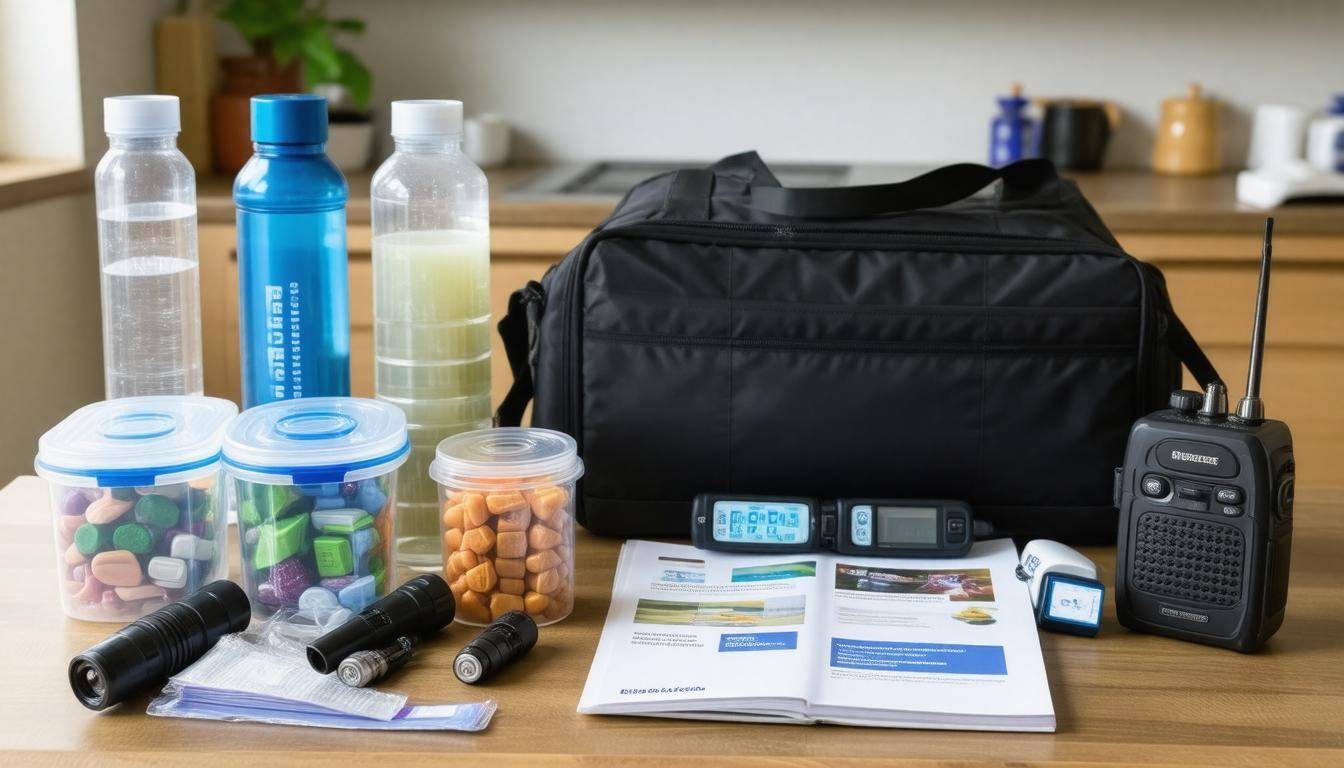
Your Storm Surge Kit for Brisbane, Queensland should include essential items such as non-perishable food and water for at least three days, a first-aid kit, medications, flashlights with extra batteries, a portable phone charger, important documents in a waterproof bag, and personal hygiene items. It is also wise to include clothing and sturdy footwear, as well as any necessary supplies for pets if applicable.
Storm Surge Risks in Brisbane
Storm surges present a serious concern for Brisbane residents due to the city’s unique geography and climatic conditions. When intense storms, particularly cyclones, sweep through, the resultant winds and low pressure can lead to dramatic rises in sea levels. Imagine an invisible hand pushing the ocean onto the shore; that surge of water can flood streets, homes, and businesses—causing devastation long after the sky clears up.
Historical Data
According to data compiled by the Bureau of Meteorology, Brisbane has faced over 10 significant storm surge incidents within the last 50 years. One that stands out is during the aftermath of Cyclone Yasi in 2011, when swelling waters wreaked havoc on vulnerable coastal suburbs. Streets were transformed into rivers, leaving families stranded and property damaged beyond repair. Even minor storms have caused concerns; in 2021, for instance, Cyclone Kimi brought about unexpected surges that tested our emergency response systems. These examples collectively highlight how even normal weather patterns can turn threatening.
It’s vital for residents to understand these historical precedents because they inform current risk assessments. The geographic positioning of Brisbane means that the potential exists for future storm surges to be equally or more severe than in the past. Being aware of this historical context helps residents ascertain their level of risk based on location; suburban regions closer to the coast face heightened vulnerability compared to those inland.
Proactive measures should be taken, as understanding your personal risk profile can greatly influence how you choose to prepare or respond during such emergencies. Local authorities often provide community updates and resources which can guide you in making informed choices about your safety—and that includes where you keep your essential items like medications, important documents, and communication devices.
This understanding lays a crucial foundation as we shift our focus toward creating a robust and well-equipped safety plan for impending storms.
Assembling the Ultimate Safety Kit
The foundation of your safety kit begins with selecting a durable, waterproof container. This choice is significant because it ensures your supplies remain dry, especially during severe weather. Opt for something lightweight yet sturdy; a plastic storage bin with a locking lid can do wonders for maintaining the integrity of your items. Imagine the relief of knowing that your food and water supply is safe from the elements while you focus on keeping your family secure.
Step-by-Step Guide
Once you’ve chosen your container, it’s time to fill it with essential items that will keep you and your family safe. Packing three days’ worth of resources for each person in your household may sound excessive, but when it comes to emergency situations, every drop counts. Your first item should always be water. Aim to pack at least four liters per person per day; this equals approximately twelve liters for each individual over three days. Remember, if you have pets, they need water too!
Non-perishable food is next on the list. Consider what could sustain you through several days without access to fresh supplies. Ready-to-eat meals like canned beans or pasta are excellent choices because they require minimal preparation—if any at all! Energy bars and dried fruits not only provide nourishment but are easy to consume on the go during a potential evacuation.
Detailed preparation is crucial. A first aid kit is indispensable in any emergency and should contain bandages, antiseptics, tweezers, pain relievers, and any necessary prescription medications. An injury occurring during an evacuation needs immediate attention; having these supplies readily available could be life-saving.
Lighting becomes particularly important when storms strike since power outages are highly likely. An LED flashlight is preferable due to its energy efficiency and longevity compared to traditional bulbs. Don’t forget batteries! It’s easy to overlook them when packing, but having reliable light sources can make all the difference in navigating darkness and uncertainty.
Finally, include a multi-tool in your kit. These compact devices can become invaluable whether you need to cut rope, open cans, or perform minor repairs on the fly. Think of your multi-tool as your handy companion—small enough to fit in your hand but capable of tackling various tasks.
This section outlines crucial components for effective emergency preparedness, paving the way for a closer look at additional safety essentials you shouldn’t overlook.
Must-Have Safety Items
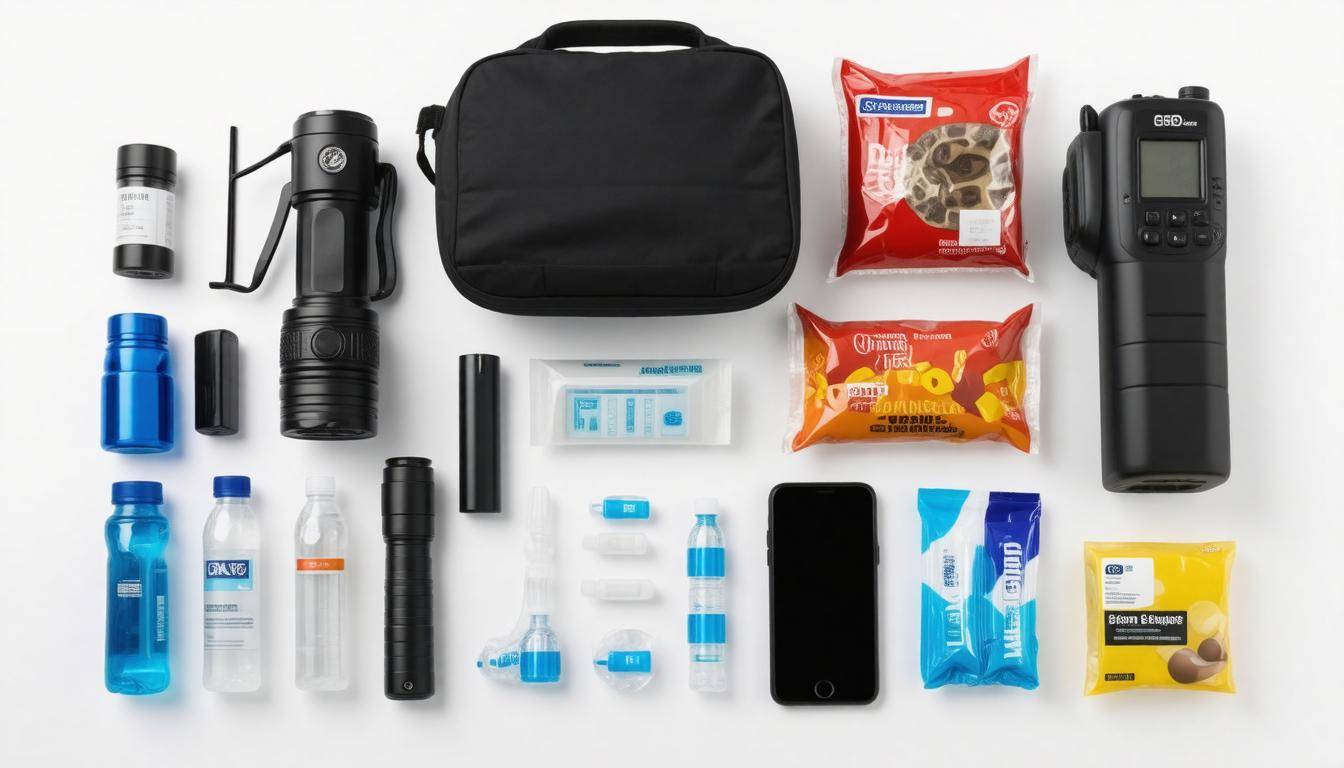
Beyond just essentials, certain items can really make a difference when the storm hits. One of those is a battery-powered or hand-crank radio. In an emergency situation, staying updated on weather conditions and evacuation orders is crucial. Often during storms, power lines may go down, leaving you without access to television or internet. A reliable radio ensures that you won’t miss vital information, keeping you one step ahead of the situation.
Another critical item is portable chargers. It’s easy to underestimate how essential our electronic devices have become. They allow us not only to stay connected but also to access emergency services if needed. Having sufficient portable chargers stored in your kit will ensure that you can keep devices powered even if the electricity goes out for an extended period.
It’s important to keep your environment secure as well. Consider having plastic sheeting and duct tape handy; these versatile tools are invaluable during emergencies. If severe weather causes damage, they can help you create makeshift shelters or ensure windows remain protected from flying debris. This simple preparation can save not just property but potentially lives.
Don’t forget about important documents, either. We often think about physical safety but protecting your personal information is crucial too. Gather copies of identification, insurance papers, and any important bank records, and seal them in a waterproof bag. In the chaos of an emergency, having these documents accessible can simplify processes like filing claims or seeking assistance.
Focusing on these must-have safety items early on sets the stage for a more comprehensive approach to managing emergencies effectively as we prepare our living spaces against unforeseen challenges.
Preparing Your Home for Emergencies
Home preparation is about more than just having supplies; it’s about ensuring your entire living space can withstand the forces of nature when storms hit. By implementing structural adjustments and safety measures, you not only protect your property from damage but also create a safer environment for everyone inside. Think of these actions as creating a fortress against the elements, which provides peace of mind when storms approach.
Structural Safety Measures
A critical first step in protecting your home is the installation of storm shutters. These durable shields help to prevent flying debris from shattering your windows and letting water in. If installing storm shutters isn’t feasible, another effective alternative is reinforcing your windows using 5/8-inch marine plywood. This cost-effective option provides reliable protection against high winds and impacts.
Beyond securing windows, consider raising electrical appliances and utilities off the floor if they are located in low-lying areas prone to flooding. For instance, placing your washing machine and other essential devices atop sturdy shelves can save them from water damage when levels rise unexpectedly. Every inch counts, so small elevations can make a big difference in protecting your valuable belongings.
It’s also wise to invest in sandbags or other temporary barriers that can direct water away from your foundations during heavy rains. Filling sandbags with sand or soil and stacking them around vulnerable entry points creates an effective temporary water barrier.
Having these physical measures in place sets a strong foundation for safety, but don’t forget about planning for action.
Once your home feels secure and fortified, shift focus toward creating a comprehensive family emergency plan. Open lines of communication among family members regarding what to do in an emergency can greatly improve response time and preparedness. When everyone knows their role and understands the escape routes or safe spots within the house, it creates unity and reduces panic during disasters. Be proactive—clarifying these plans well before any storm will ensure that during an actual event, everyone is calm and responsive rather than confused or afraid.
As you refine these safety protocols, remember that the key to effective preparedness lies in thorough planning, making each step crucial for navigating unpredictable situations ahead.
Creating a Family Emergency Plan
When it comes to storm surge preparedness, a comprehensive family emergency plan is invaluable. This plan details the steps everyone in your household should take when a storm approaches and helps foster a sense of unity and readiness among family members. Start by drafting a document together that describes each person’s role and responsibilities during an emergency; this way, everyone knows exactly what to do under pressure.
Step-by-Step Planning
Begin by designating a meeting point both in and outside your home. This is crucial if family members get separated—perhaps one is at school or work when a storm hits. Select safe locations that are easy to identify, like a familiar park, neighbor’s house, or the local community center. Assign someone as the point person who will lead the group during the evacuation process.
In addition to establishing physical meeting points, you’ll need to create a list of important people to contact, such as family members living elsewhere, close friends, and essential service contacts. Make sure this list is stored in multiple places: on the fridge with magnets, within your emergency kit, and digitally on everyone’s phones. Ensuring each member can easily find that information can save precious time when decisions must be made rapidly.
Communication Plan
Communication is key in any emergency situation. Ensure every family member knows how to contact one another using both landlines and cell phones. Remember that during certain emergencies, mobile networks may become congested or fail; therefore, having alternative communication methods, such as walkie-talkies or messaging apps that function on Wi-Fi, can provide essential backup.
Additionally, account for charging devices during power outages. Consider investing in portable power banks or multi-device chargers that can keep everyone’s phones operational for ongoing communication and coordination.
After detailing how you’ll stay connected, it’s vital that you practice your evacuation route regularly. Familiarize yourselves with multiple paths to safety since some routes may become blocked or hazardous due to fallen debris or flooding. Drilling through these routes reinforces their familiarity while also helping ease anxiety in high-stress situations.
A well-structured plan sets the foundation for safety; now let’s turn our attention to the resources available in your community that can enhance your preparations for upcoming storms.
Local Resources for Storm Preparation
Brisbane has a treasure trove of local resources tailored to help residents effectively prepare for potential storm surges. The Brisbane City Council offers an extensive online platform packed with information on emergency procedures, storm preparedness tips, and live updates on current weather conditions specifically affecting the area. It’s advisable to immerse yourself in this resource; regular visits can arm you with vital knowledge on what to expect when storms are approaching.
Enroll in the council’s disaster management updates. Signing up for real-time alerts ensures that you will receive timely notifications regarding any significant meteorological changes or emergencies that may arise. Staying informed is not just about your readiness; it’s about knowing the right steps to take when the storm is imminent.
Community Programs
In addition to government resources, local community programs play a pivotal role in storm preparedness. Community centers across Brisbane often organize workshops on storm preparedness, providing hands-on training sessions that cover everything from basic safety measures to understanding evacuation routes. These workshops foster a sense of vigilance and readiness within communities, allowing neighbors to share tips and techniques on how they prepare their homes. Participating in these sessions not only equips you with crucial skills but also helps build a stronger neighborhood network, ensuring everyone is ready should a crisis occur.
As we explore more effective strategies for staying safe during storms, understanding precise guidelines suited for Queensland residents will enhance your approach to emergency planning.
Tips for Queensland Residents
Living in Queensland, you quickly learn that storms can be unpredictable. This makes it crucial to stay on top of maintenance tasks to ensure your property is as secure as possible. One important practice is to regularly inspect your roof and gutters for potential blockages or damage, as these areas can significantly impact drainage when heavy rain occurs. If you’re not comfortable climbing up there yourself, consider hiring a professional, especially before the storm season picks up.
Another vital aspect is maintaining clear pathways around your home. In strong winds, loose objects can become dangerous projectiles. It’s not just about tree branches; think about patio furniture, garden tools, or even potted plants. Secure anything that might be swept away with ease, or better yet, bring them indoors during storm warnings. Doing so could prevent costly damages and keep your neighbors safe as well.
Long-term Planning
Emergency preparedness doesn’t end at securing your property; it extends to personal safety as well. Taking a basic first aid and emergency response course can be invaluable. Not only will this equip you with skills to handle injuries in a crisis, but it also boosts your confidence in any emergency situation. Knowing how to respond effectively can make all the difference for you and those you care about.
Preparation is an ongoing process. Keeping a seasonal readiness checklist can help ensure that no detail is overlooked.
As storms can vary from year to year, update this checklist regularly based on what worked and what didn’t in previous seasons. Include checking your emergency kit supplies—like batteries, food, water, and important documents—to ensure everything is complete and functional.
By taking proactive steps now, you’re laying the groundwork for facing future uncertainties with confidence.
Seasonal Readiness Checklist
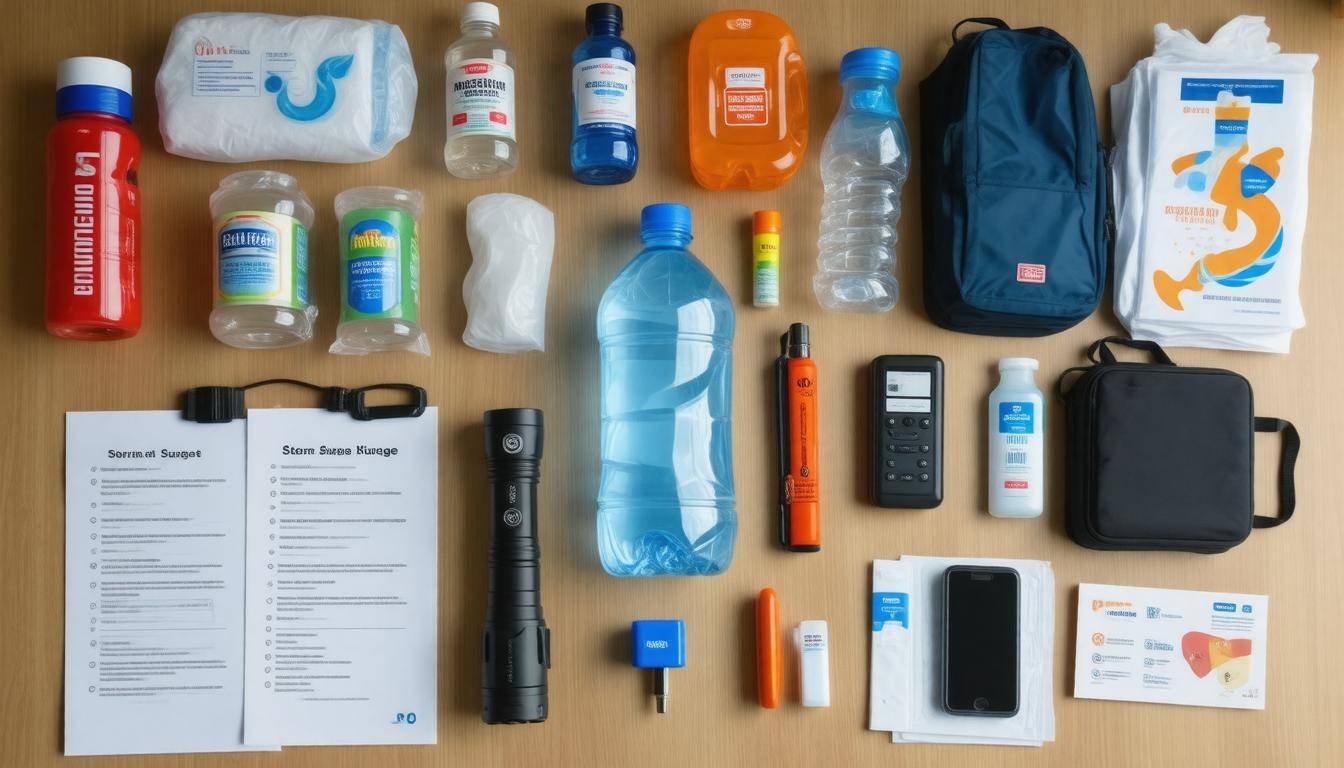
Keeping your home and family prepared for storm surges in Brisbane requires a methodical approach. By maintaining a seasonal checklist, you can ensure that you address crucial tasks in a timely manner. These tasks enhance safety and empower you to respond effectively when inclement weather strikes.
Consider it like an annual health check-up for your home—making small adjustments now can save you from greater headaches later.
The Importance of Each Season
During summer, it’s essential to focus on inspecting your home’s structural integrity. This involves looking for vulnerabilities such as cracks in walls or leaks around windows. With the increased threat of storms, ensuring that your house is sound can significantly reduce the risk of wind and rain wreaking havoc inside. A small issue can escalate quickly if left unattended.
As we transition into autumn, updating your emergency contact list becomes paramount. This should include family members, local emergency services, neighbors, and utility companies that may need to be contacted during an emergency. A well-rounded list will allow you to reach out quickly if the situation demands help.
Later in the year, prioritize restocking your storm safety kit during autumn. Check on essentials: food, water, batteries, flashlights, and first aid supplies. Each item plays a vital role in ensuring self-sufficiency when storms hit and power goes out. Whenever possible, rotate perishable items every few months to keep your stock fresh.
Once spring arrives, focus on exterior maintenance by trimming trees and shrubs near your home. Overgrown branches pose serious risks during strong winds; they can break off and damage property or even injure someone.
Regularly updating and following this seasonal readiness checklist fosters a proactive mindset regarding storm preparedness. These measures improve the safety of your living environment and promote peace of mind knowing you’re ready to face whatever Mother Nature throws your way.
| Task | Summer | Autumn | Winter | Spring |
|---|---|---|---|---|
| Inspect home for structural integrity | ✓ | |||
| Update emergency contact list | ✓ | |||
| Restock storm safety kit | ✓ | |||
| Trim trees and shrubs | ✓ |
Utilizing this checklist ensures all bases are covered throughout the year, allowing you to adapt and act promptly when necessary.
To ensure your family’s safety through seasonal preparations is invaluable; remember that being ready is not just about having supplies but also about being informed and proactive. With consistent effort throughout the year, you can truly make a difference in facing storm surges head-on.
How often should I check or update my storm surge kit?
You should check and update your storm surge kit at least twice a year, ideally before the wet season starts and after it ends. Regular checks ensure that all supplies remain in good condition, food items have not expired, and essential equipment is functional. According to the Queensland Government, maintaining an updated kit can significantly increase your readiness for emergencies, with studies showing that preparedness can reduce stress levels by up to 50% during natural disasters.
What essential items should be included in a storm surge kit for residents in Brisbane?
A storm surge kit for Brisbane residents should include essentials such as drinking water (at least 3 days’ worth), non-perishable food, a flashlight, first-aid supplies, batteries, a multi-tool, important documents, and any necessary medications. Given that Brisbane experiences severe weather events that can lead to flooding—like the 2011 floods which displaced thousands—having these items readily available is crucial for ensuring safety and survival during emergencies.
Are there specific considerations for families with children or pets when preparing a storm surge kit?
Yes, when preparing a storm surge kit for families with children or pets, it’s essential to include specific items such as medications, food, water, and comfort items like toys or blankets. According to the Australian Bureau of Meteorology, children are particularly vulnerable during emergencies due to their dependence on caregivers, and pets can add additional stress during evacuations. Ensuring that these essentials are packed makes the experience less chaotic and supports the physical and emotional well-being of all family members during a storm event.
How can I prepare my home to minimize damage from storm surges in addition to having a storm surge kit?
To minimize damage from storm surges, elevate your home if possible, ensuring the foundation is above expected flood levels, as studies show that homes elevated even a foot can significantly reduce water damage. Install storm shutters to protect windows and secure outdoor items to prevent them from becoming projectiles. According to FEMA, homes not adequately prepared for flooding can suffer damages exceeding $100,000, while proactive measures could save homeowners substantial repair costs.
What resources or organizations provide guidance on creating an effective storm surge kit in Queensland?
In Queensland, resources such as the Queensland Government’s Disaster Management website and the Australian Red Cross offer valuable guidance on creating an effective storm surge kit. These organizations provide checklists outlining essential items like food, water, medications, and important documents. Additionally, local councils often host community workshops to enhance preparedness. According to the Bureau of Meteorology, areas in Queensland are at significant risk during storm season, reinforcing the importance of having a well-prepared kit ready before severe weather strikes.