
Cape Verde is a beautiful archipelago, but beneath its stunning natural beauty lies a serious challenge: the looming threat of droughts and storms. With over half of the time spent in drought conditions, many communities face food insecurity and water shortages, which can feel overwhelming. Yet, instead of simply waiting for help, Cape Verde has rolled up its sleeves and created a comprehensive Drought and Storm Preparedness Plan. This proactive approach not only addresses immediate risks but also empowers local residents by equipping them with the knowledge and resources needed to tackle these climate challenges head-on. By working together across various sectors, from agriculture to community development, Cape Verde sets a powerful example for resilience in the face of adversity.
Cape Verde’s Drought and Storm Preparedness Plan includes implementing rainwater harvesting systems to increase water availability during dry spells and creating comprehensive storm preparedness protocols that involve monthly emergency drills and community training. These initiatives aim to enhance resilience against climate-related challenges while ensuring food security and effective response during emergencies.
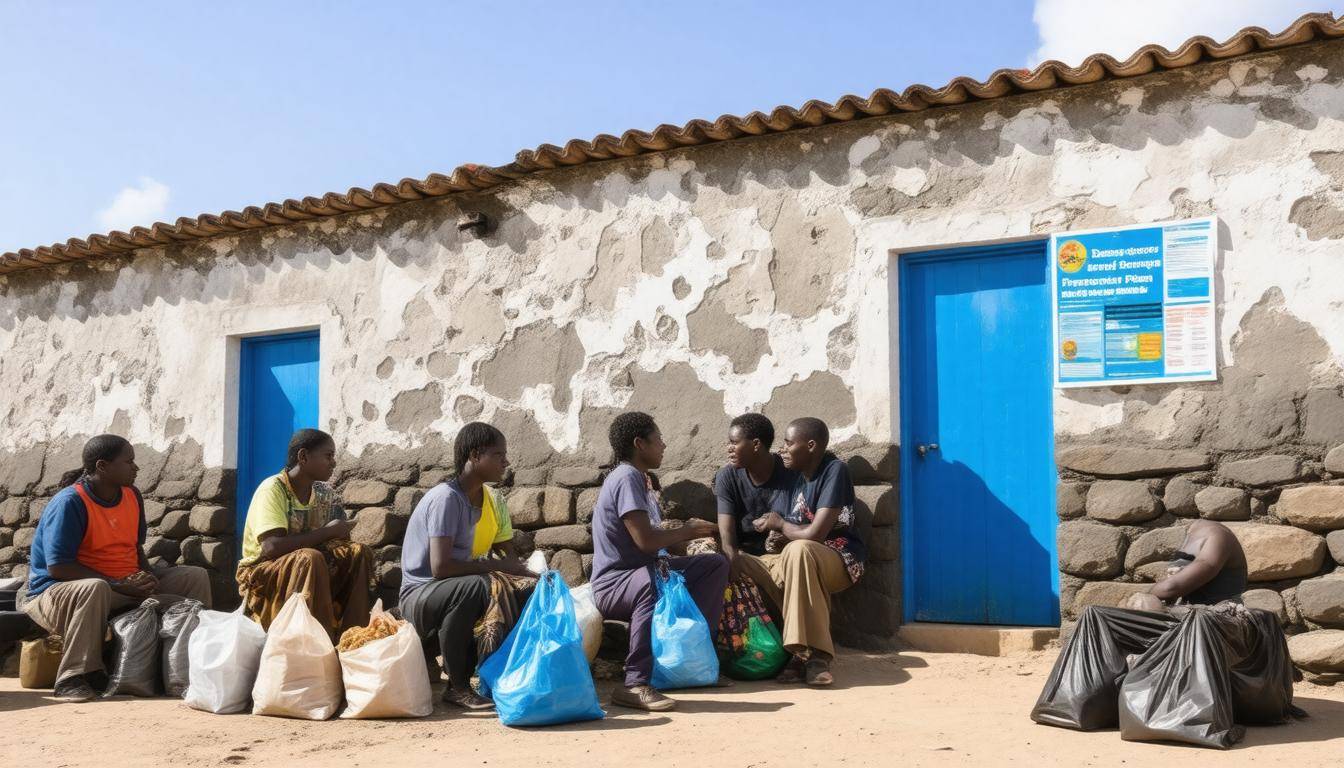
Overview of Cape Verde’s Drought & Storm Preparedness Plan
One of the key principles of this plan is its integration with various sectors such as agriculture, water management, and community development, which ensures that efforts are cohesive rather than piecemeal. This holistic perspective recognizes that drought and storm impacts are interlinked and must be approached from multiple angles to create sustainable solutions. Effective water management strategies mitigate the immediate effects of drought and enhance agricultural resilience, ultimately securing food supplies for local communities.
As a result, the preparedness plan also includes innovative projects like the National Adaptation Program of Action (NAPA), established in 2007, which laid out critical actions to counter climate change challenges such as droughts and storms.
With approximately $1.5 million allocated in 2020 for the implementation of the Integrated Water Resources Management (IWRM) strategy, the government emphasizes enhancing water security across regions. These investments aim to construct much-needed infrastructure—like building 15 new water reservoirs by 2025—and implement rainwater harvesting systems that can provide an additional supply of water during dry spells. Such proactive measures are essential as Cape Verde experiences drought conditions more than 50% of the time.
However, the plan doesn’t stop at infrastructure; it also prioritizes community engagement as a vital element of disaster readiness.
Local communities are enlisted actively in planning processes to identify unique vulnerabilities specific to their regions. The strategy encourages public awareness campaigns that have successfully educated over 50,000 residents on storm preparedness and drought resilience strategies by 2022. By fostering knowledge and empowering individuals with information about emergency preparedness kits and disaster plans, residents feel more equipped to handle extreme weather events when they occur.
Another critical aspect involves regular assessments and retrospective analysis following natural disasters.
The “Post Disaster Needs Assessment from Volcano Eruption” initiative aimed at evaluating past events to inform future action plans for mitigating risks associated with volcanic activity and other disasters. By understanding how communities were affected in prior incidents, Cape Verde can better prepare for future disasters. This methodical approach provides insights into improving forecast systems, evacuation routes, and emergency services—thus reinforcing overall community resilience against potential threats from nature.
The multifaceted approach not only strengthens existing frameworks but also paves the way for deeper understanding regarding the implications of ever-evolving environmental patterns.
Climate Risks: Drought and Storm Patterns
Cape Verde, with its beautiful islands nestled in the central Atlantic Ocean, faces a unique set of challenges regarding climate change. Its geographical location makes it particularly susceptible to both droughts and storms. The reality is stark: droughts occur more than 50% of the time, posing a persistent threat to agriculture and water supply. These dry periods not only reduce crop yields but also increase the risk of food insecurity for the population, a concern that looms large given that over 60% of the inhabitants rely on agriculture for their livelihood.
Drought Frequency
The statistics alone highlight an alarming situation. When we say droughts strike Cape Verde over half the time, it indicates a pattern of severe water scarcity that can disrupt entire farming cycles. Imagine being a farmer on one of these islands, planting seeds with the hope that they will grow into a bountiful crop, only to be met with parched soil that won’t yield anything. This ongoing challenge necessitates comprehensive drought preparedness strategies. With careful planning—such as implementing efficient irrigation practices and promoting drought-resistant crops—farmers can better prepare for these lean seasons.
Alongside frequent droughts are the tempestuous storms that sweep through Cape Verde’s landscape, threatening lives and livelihoods.
Storm Incidence and Intensity
The intensity of storms in this region cannot be understated. Cape Verde braces itself for hurricanes and tropical storms that can reach up to Category 5 strength, flaunting winds exceeding 215 mph. Historical observations tell tales of destruction caused by these fierce gales; records indicate that storms have unleashed winds over 200 mph within the larger Atlantic context. This high wind speed drastically escalates risks—causing property damage, displacing communities, and endangering lives.
Knowing these potential impacts reinforces the urgency behind disaster preparedness plans tailored specifically for storm events.
Recognizing how frequently these climatic threats occur can help the government and local communities prepare adequately. Strengthening infrastructure and improving early warning systems are pivotal steps toward mitigating such risks. By fortifying buildings against wind damage and incorporating robust flood management systems, residents can significantly improve their resilience against what nature might throw at them next.
Given these substantial climate risks, targeted strategies must be implemented to reduce vulnerability across communities most affected by these environmental challenges.
Vulnerable Regions and Communities
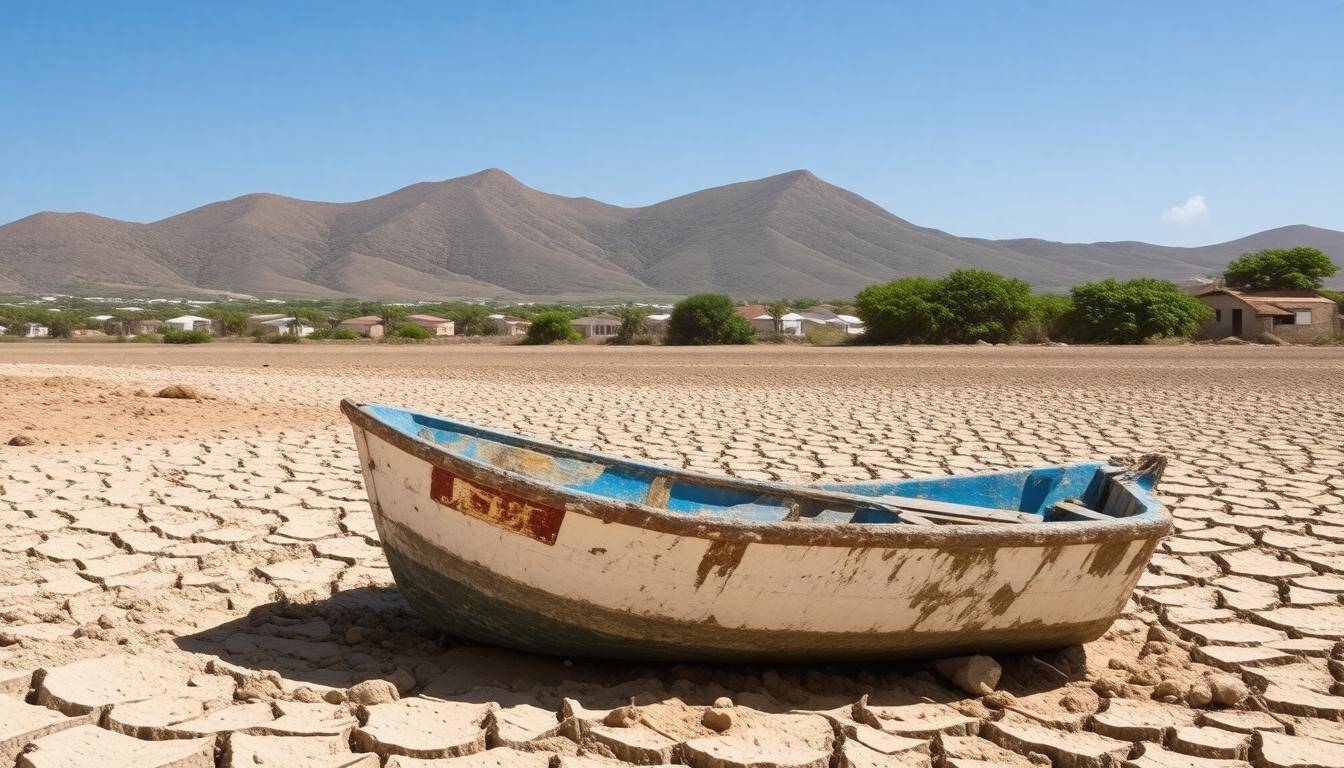
Some areas within Cape Verde are more susceptible to climate risks due to their geographic and socioeconomic characteristics. When we zoom in on the islands, we see notable differences in how communities experience these challenges. Identifying these regions and the communities within them is critical for tailored interventions to effectively address their unique needs.
Geographic Vulnerability
Take the islands of Santo Antão and Fogo, for instance. With mountainous terrains that rise sharply, these regions face an increased risk of landslides during heavy storms. That’s not all—these same geographical features complicate water collection and distribution during times of drought. As rain falls, it often rushes down the slopes without providing the opportunity for adequate absorption or storage, essentially washing away precious resources before they can be utilized by local farmers who rely heavily on consistent water supplies.
This is where community action becomes crucial. Local residents need to be involved in creating sustainable practices to manage water resources better. Implementing small-scale projects like terracing can help slow down runoff and increase water retention. Imagine a community coming together to build these walls of earth, learning how to work with the land rather than against it. By focusing on collective efforts, they create a more resilient system that can withstand both flooding and drought.
Socioeconomic Vulnerability
On another front, we must not overlook the socioeconomic aspects of vulnerability in Cape Verde. A staggering 30% of the population lives below the poverty line. This statistic reveals just how precarious life can be for many families facing climate-related disasters. The financial strain makes recovery arduous after such events, leaving communities trapped in a cycle of hardship that is difficult to escape.
This reality calls for integrating community-centric risk management projects designed specifically for those most affected by climate change. Programs focusing on education about sustainable farming practices or proper emergency preparedness could change lives drastically. For instance, imagine workshops organizing small groups where locals share knowledge about storing food during dry spells or forming networks to support one another during severe weather events. Such initiatives foster resilience through collective empowerment.
Understanding the specific vulnerabilities related to geography and socioeconomic conditions sets the stage for effective intervention strategies tailored to each community’s unique experiences. Through awareness and targeted action, resilience in the face of climate challenges can grow stronger within these regions.
As we explore deeper into this subject, let’s now turn our focus toward actionable strategies that enhance resilience against droughts and other climatic adversities.
Key Strategies for Drought Preparedness
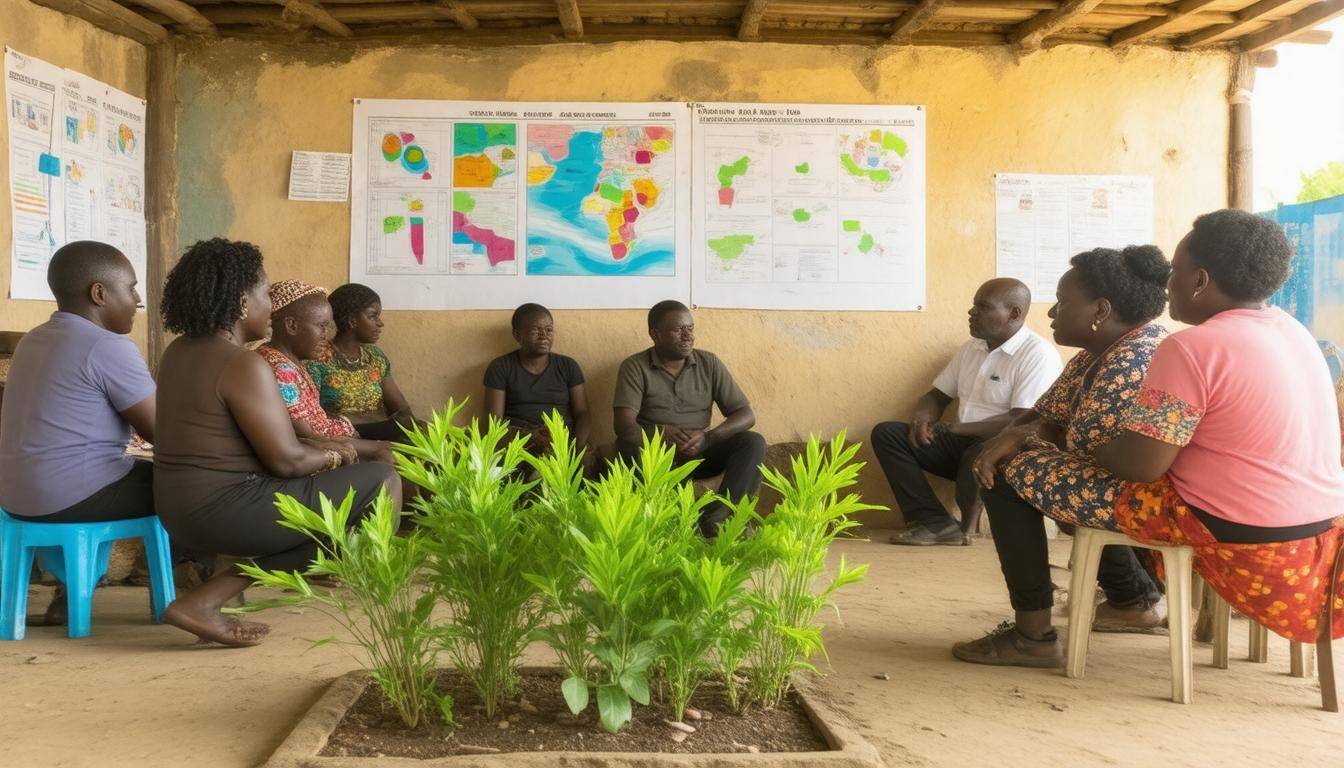
One of the standout strategies is the implementation of rainwater harvesting systems. These innovative systems significantly increase water availability during dry spells and can be easily set up. Imagine a series of tanks or cisterns connected to rooftops, quietly collecting precious rainwater when storms do grace the islands. This stored water not only provides drinking water but also serves agricultural needs during those arid months. Communities can come together to educate each other about these systems, ensuring that everyone knows how to maintain them properly and make the most of every drop.
Agricultural Resilience
Beyond harvesting rainwater, embracing agricultural resilience is crucial. The introduction of drought-resistant crop varieties allows farmers to cultivate food even when conditions are less than ideal. Picture a farmer in Cape Verde confidently planting seeds that are designed to withstand dry periods while still offering nutritious yields.
Coupled with this approach, drip irrigation systems emerge as game-changers. These efficient systems deliver precise amounts of water directly to plants, minimizing waste and maximizing usage. Imagine the difference this could make: crops flourishing in areas that once struggled against persistent drought.
Financial Measures
To support these agricultural advancements, financial measures must also be in place. The Regional Risk Financing Framework stands out as an example of proactive planning aimed at promoting agriculture and food security while addressing financial risks associated with droughts. This framework plays a critical role by providing immediate funds needed for drought mitigation measures when every moment counts. It empowers communities and farmers, facilitating rapid responses to mitigate potential losses.
Each layer of preparation interlocks seamlessly with others, forming a robust network of strategies designed to ensure that communities are ready to face any climatic challenge ahead. As we shift our focus, the next section will elaborate on specific preparations for storm scenarios.
Storm Preparedness Strategies
One of the primary strategies for ensuring safety during storms is making smart investments in our infrastructure. Weak or outdated structures can lead to catastrophic results when severe weather strikes. For instance, strengthening seawalls can serve as a protective barrier against storm surges, preventing flooding in vulnerable coastal areas. Enhanced drainage systems are not merely improvements; they are necessities that help manage excess rainwater and reduce the chances of urban flooding. Implementing these changes protects property and saves lives.
You may even say that investing in infrastructure is like providing your home with a sturdy umbrella—it keeps you dry when the storm hits!
An equally important aspect of storm preparedness involves bolstering emergency response services. Picture this: a family stranded on the roof of their house, waiting for help. By ensuring that emergency responders have access to essential resources such as boats, helicopters for aerial rescues, and well-stocked first aid kits, we equip them to act swiftly and effectively during crises. It’s not just about having these resources on paper; regular checks and maintenance ensure they work when needed most.
Now, imagine those emergency responders efficiently executing their rescue efforts amid chaos. This effectiveness often stems from thorough training, which leads us to another key strategy—routine drills and community training exercises. These practices cultivate readiness among residents, preparing them for emergencies before they arise. Think about it: if you know what to grab in an emergency, where to go, and how to communicate effectively with others, your chances of weathering the storm successfully skyrocket.
According to recent studies, communities that engage in monthly emergency drills report a marked improvement in overall preparedness and reaction times during disasters.
As we build these resilient infrastructures and enhance our response capabilities, let’s also nurture our communities through continuous education and training. By having residents participate in training sessions designed around real-life scenarios, we breed confidence—making everyone just a little bit stronger when facing the forces of nature.
With a firm foundation established through these strategies, it becomes crucial to explore how we can further strengthen systems and frameworks that can withstand upcoming challenges.
Building Infrastructure Resilience
Resilient infrastructure forms the backbone of any effective disaster preparedness plan. In Cape Verde, this means creating structures and systems that can endure the stresses imposed by climate extremes such as droughts and storms. By investing in robust infrastructure, communities can minimize damage, speed up recovery, and ultimately safeguard lives.
School Infrastructure
One prominent initiative, known as “Integrating Disaster Risk and Climate Change Considerations,” focuses on upgrading school buildings to withstand extreme weather events. During my visits to these schools, I’ve seen firsthand how reinforced walls and storm-resistant roofs create safe havens for students even during the fiercest storms. This investment not only protects the lives of children but also ensures that education remains uninterrupted—an aspect that is crucial for community resilience.
Water Management Systems
Another key area lies in setting up advanced water management systems. For example, the introduction of desalination plants greatly enhances water accessibility, particularly during prolonged droughts when fresh water becomes scarce. These facilities use solar energy—a sustainable source—to convert seawater into drinkable water, increasing local supply by approximately 15% during dry spells. This approach exemplifies how innovative solutions can address immediate needs while promoting long-term sustainability.
Seismic Considerations
Furthermore, infrastructure cannot overlook seismic considerations. Given Cape Verde’s geological makeup and susceptibility to landslides or earthquakes, incorporating seismic-resistant materials in construction is paramount. During a recent project assessment, engineers emphasized how this integration could significantly prevent infrastructure collapse during seismic events. Adopting such measures not only protects physical structures but also bolsters community confidence in their safety.
While infrastructure forms a hard barrier against disasters, the next phase involves nurturing community involvement to build robust response capabilities that echo resilience in every corner of society.
Community Response and Capacity Building
The role of local communities in disaster preparedness cannot be overstated. Their active participation leads to stronger, more resilient societies capable of confronting the challenges posed by droughts and storms. One significant approach is Community-Based Risk Management, where programs rolled out in neighboring countries like Mozambique and Uganda serve as inspiring examples. These programs have focused on involving locals directly, teaching them to assess risks and implement practical solutions tailored to their unique contexts.
For instance, in Mozambique, communities implemented early warning systems that rely on local knowledge and observations. This initiative not only helps identify potential threats but also fosters a sense of ownership among community members. In doing so, individuals become agents of change rather than waiting for external support.
Such insights highlight how targeted efforts can yield remarkable results in increasing local capacity to respond effectively.
Public Awareness Campaigns
A vital component of enhancing community resilience is launching public awareness campaigns. These initiatives should focus on educating residents about the significance of emergency preparedness kits and disaster plans. Local workshops can illuminate what families might need to stockpile before an impending storm or drought. They could include simple items like non-perishable food, water, flashlights, and first aid supplies—essentials that can make all the difference during challenging times.
Furthermore, sharing information through social media platforms can help reach wider audiences quickly. Engaging formats—like short videos or infographics—can convey critical safety messages effectively. It’s about making this knowledge accessible, engaging, and memorable for everyone in the community.
Participatory Planning
Ultimately, success hinges on participatory planning. Engaging local communities to identify their vulnerabilities ensures that strategies hit close to home. When residents have a voice in discussions about disaster management, they are more likely to embrace and actively participate in proposed strategies. Workshops featuring local experts can facilitate these discussions by creating tailored response plans through brainstorming sessions that address specific concerns identified within the community.
An excellent method for achieving this is organizing scenario-based exercises where community members simulate disaster responses with guidance from experts. This hands-on approach builds confidence and strengthens connections among neighbors who come together in crisis preparation.
Considering how interconnected these strategies are with community engagement, education, and planning sets the stage for improved resilience practices moving forward. As Cape Verde strives to refine its disaster risk management strategies further, it will be crucial to keep building on these efforts for effective preparedness.
Monitoring and Evaluation of Preparedness Plans
Continuously monitoring and evaluating the preparedness plans is crucial to ensuring they remain effective over time. Without a structured approach to oversight, even the best-laid strategies can fall short when faced with actual disaster scenarios. So how do we make sure that these plans are working as intended? One essential aspect is establishing Key Performance Indicators (KPIs) to measure success.
Key Performance Indicators (KPIs)
When creating KPIs, consider metrics such as response times during emergencies, the effectiveness of public awareness campaigns, and the resilience of your infrastructure. For instance, if a public health campaign about water conservation during droughts results in measurable changes in community behavior—such as increased water savings—it signals that your strategy is effective. Conversely, if response times lag behind expectations during an emergency, it may reveal areas in need of urgent improvement.
Furthermore, these KPIs shouldn’t be static; they should evolve with emerging challenges and successes. Regularly reviewing them allows for data-driven decisions that enhance readiness and adaptability.
Adaptive Management
Keeping your preparedness plans adaptable is just as vital. This concept revolves around smarts—what I like to call “smart flexibility.” For example, if new climate data surfaces indicating a likely increase in storm frequency or intensity, having plans in place that allow swift modifications ensures you’re ready to tackle these changes head-on. The ability to pivot quickly based on new information or unforeseen events helps maintain the integrity of your emergency strategies while reinforcing public trust.
Remember that adaptability also applies to personnel; training local responders to think critically and adjust their actions as situations unfold fosters a culture of readiness.
Collaborative Efforts
Lastly, don’t underestimate the power of collaboration. Engaging with entities like GFDRR (Global Facility for Disaster Reduction and Recovery) provides not only additional expertise but also invaluable resources for evaluation and improvement. By sharing insights and learning from different experiences, you can measure success more thoroughly and implement best practices that have worked in other regions facing similar threats.
“No one can whistle a symphony; it takes a whole orchestra to play it.” – H.E. Luchezar Kiriakov
This quote underscores the importance of teamwork in disaster preparedness. By collaborating across various sectors—government, NGOs, healthcare systems—you create a robust safety net for your community.
Incorporating these structured approaches into Cape Verde’s preparedness plans not only enhances efficiency but also instills confidence among citizens that they are well-equipped to handle nature’s unpredictability.
Investing in comprehensive monitoring, flexible management, and collaborative efforts will significantly bolster Cape Verde’s resilience against droughts and storms. Such measures will ultimately lead to better outcomes for communities vulnerable to climate change.