
Chennai, a city known for its beautiful beaches and vibrant culture, faces the looming threat of cyclones as monsoon season approaches. With potential devastation on the horizon, preparing for such natural phenomena is not just wise—it’s essential. Many residents may feel overwhelmed by the idea of gathering supplies or securing their homes, but taking proactive steps can make all the difference in ensuring safety when a cyclone strikes. In this article, we present a comprehensive checklist to guide you through effective cyclone preparation, from stocking up on emergency kits to safeguarding your property, so you can feel ready and resilient against any storm mother nature may throw your way. Let’s dive into how you can strengthen your preparedness and protect your loved ones during cyclone season.
The Chennai Cyclone Preparation Checklist should include essential items such as securing windows and doors, stocking up on emergency supplies like food, water, and medical kits, confirming communication plans with family and friends, and identifying safe shelters. Additionally, it is crucial to stay updated with local weather reports and adhere to official guidelines provided by authorities.
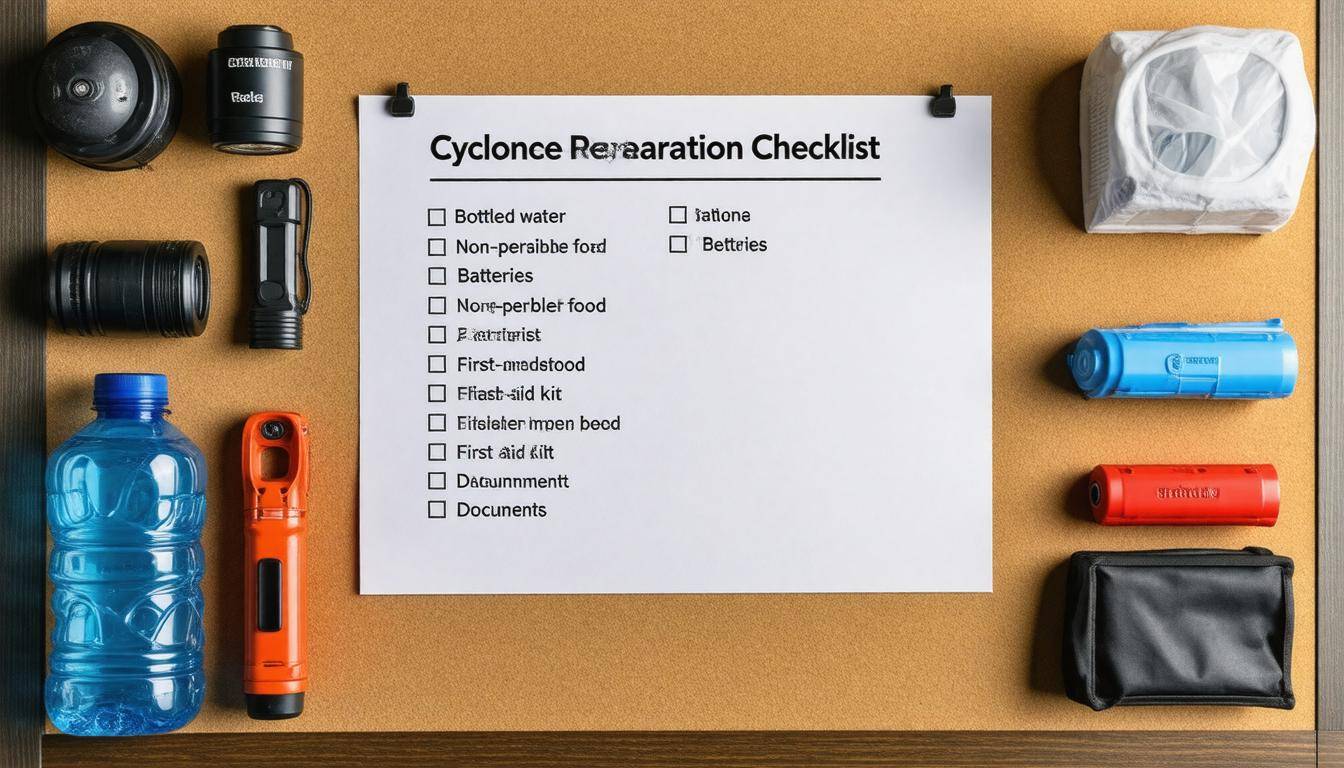
Essential Items for Your Cyclone Kit
Preparing your cyclone kit involves gathering key items that will not only keep you safe but also enhance your comfort when facing a storm. The essentials serve as a lifeline, ensuring that you have what you need readily available during these unpredictable situations. When assembling your kit, it’s important to think ahead and prepare for various scenarios, so let’s break down some critical components.
Basic Essentials
-
Non-perishable food items: These are your go-to sustenance during a cyclone. Think of canned goods, dry fruits, and foods that maintain their quality without refrigeration. Canned soups, beans, or energy bars can provide the calories you need without perishing quickly.
-
Bottled water: Water is fundamental; aim for at least one gallon per person per day for a minimum of three days. Keeping hydrated is often overlooked in the chaos.
-
First aid kit: This should include necessary supplies like bandages, antiseptics, and any prescription medications required by you or your loved ones. It acts as a safety net for unexpected injuries.
-
Battery-operated or hand-crank radio: Staying informed on the status of the cyclone and emergency instructions is crucial. A backup source of power is essential in case of outages.
-
Extra batteries: Ensure you stockpile batteries for radios, flashlights, and other essential devices to keep them operational throughout any outage.
-
Personal hygiene items: Wet wipes, sanitary napkins, and soap will help you maintain personal cleanliness during stressful times—something we often forget amid urgent needs.
-
Multi-purpose tool or Swiss army knife: These handy tools can serve various purposes—from opening cans to making quick repairs—making them invaluable during emergencies.
-
Blankets and warm clothing: As temperatures can drop after a cyclone hits, having extra blankets and layered clothing will ensure you remain warm and sheltered.
Additional Items
To further bolster your preparedness, consider including a few additional items in your cyclone kit. A portable phone charger can be invaluable when communication is necessary yet power is limited. Local maps can guide you through unfamiliar areas if evacuation becomes necessary or help identify potential hazards around your neighborhood.
Moreover, if you have babies or pets, make sure to add their supplies as well; this includes formula, baby food, or pet food to address their needs during emergencies. A whistle can also be practical—it provides a means to signal for help should you find yourself in a challenging situation.
Lastly, ensure all these items are stored in a waterproof container that remains easily accessible so that you can grab it at a moment’s notice when conditions worsen. Having everything organized will minimize chaos during high-stress moments.
Now that you have the essentials to weather the storm securely, it’s time to look at how best to shield your living space from any cyclone-related threats.
Safeguarding Your Home and Property
Safety starts from the ground up, so performing a thorough inspection of your property is essential before a cyclone strikes. Checking for structural integrity should be your first priority because the strength of your home will directly impact how well it withstands fierce winds and heavy rains. For instance, your roof plays an important role; take a close look at it to ensure everything is fastened well—this means more than just looking at shingles. Gently pressing on different areas can reveal loose parts that may need repair. When left unchecked, even a small issue like a single missing shingle can escalate into a bigger problem during severe weather.
Storms demand cautious preparation, as they can strike unexpectedly, leaving you little time to react.
Following your roof check, it’s crucial to turn your attention to windows and doors. Installing storm shutters can save you trouble later, offering robust protection against flying debris. Alternatively, if shutters aren’t feasible, using heavy-duty plywood will do the trick—just ensure it’s thick enough to hold its ground against high winds. Covering these openings effectively helps prevent water infiltration and interior damage.
Now consider your landscape. Trees might offer shade and beauty to your yard, but they can also pose threats during storms. Trimming trees effectively reduces risks by removing dead branches or those hovering over your house that could become projectiles in strong winds. Moreover, regularly maintaining your trees not only minimizes hazards but also promotes healthier growth overall.
Additionally, gutters and downspouts deserve a little love prior to cyclone season as well. Clogged gutters can cause water accumulation around your foundation leading to potential flooding inside the home. Clear these channels of leaves and debris to allow free-flowing runoff away from your property.
It often takes a little extra time to prepare your surroundings not only now but consistently throughout the year—it’s worth remembering that regular upkeep is critical.
Lastly, outdoor objects can easily become dangerous during a cyclone when they’re unanchored. Ensure that any outdoor furniture, decorations, or tools are securely anchored or moved indoors; this simple action could prevent them from becoming dangerous projectiles that could cause unwanted damage, either to your home or that of neighboring properties.
By taking these proactive steps to secure your home and property, you’re laying a strong foundation for safety during unpredictable weather conditions. As we think about enhancing our preparedness further, it’s vital to consider how we protect our most critical documents as part of our emergency planning strategy.
Protecting Important Documents
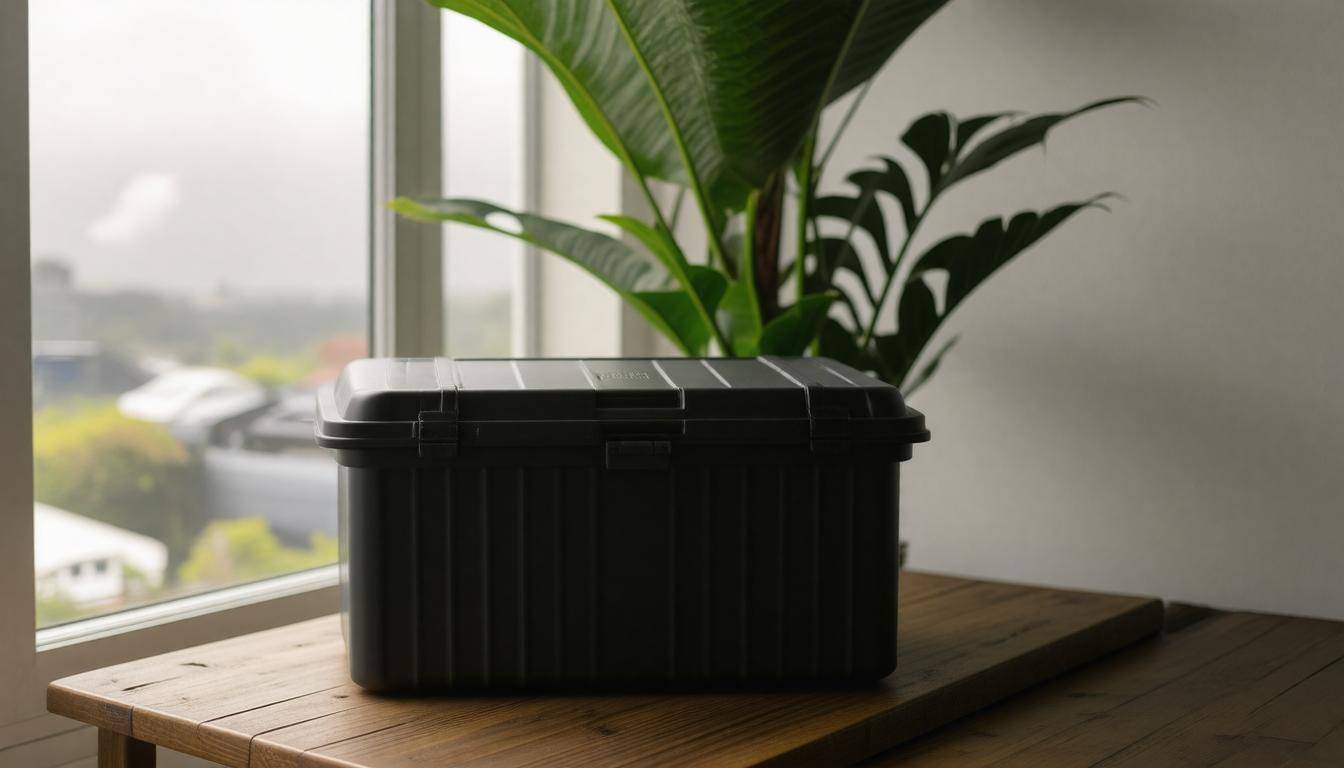
When facing the unpredictable nature of cyclones, safeguarding your most important documents becomes crucial. These papers are not just pieces of paper; they are records that could significantly ease the recovery process after the storm has passed. Imagine losing everything—your identification, financial records, or property ownership documents—all because they weren’t protected adequately from water damage or fire. That’s why using waterproof and fireproof containers for storage is a vital step in your readiness plan.
Let’s explore the types of documents that need special attention. These include identification documents like passports and Aadhar cards, which can prove your identity and facilitate travel or shelter needs post-disaster. Consider property ownership papers such as house deeds and vehicle titles; having these handy could expedite insurance claims or help you regain access to your home sooner. Financial records like bank statements and investment documents serve to secure your financial health, while medical records—prescriptions and health insurance information—are essential if medical assistance is required.
A well-organized box containing all these items means less panic when you need them most.
Tips for Storing Your Documents Safely
Keeping documents in waterproof bags inside locked containers is a great way to ensure that they remain safe from both floods and fires. It’s wise to keep the container in a location that’s easy to access but not overly exposed to potential hazards, such as near windows or outdoors.
Now let’s take a look at a helpful reference table that summarizes essential documents and their types:
| Document Type | Examples |
|---|---|
| Identification | Passports, Aadhar cards, driver’s licenses |
| Property Ownership | House deeds, vehicle titles |
| Financial Records | Bank statements, investment documents |
| Medical Records | Prescriptions, health insurance info |
| Emergency Contacts | Family, friends, local emergency services |
With essential documents safely stored, it’s time to shift focus towards ensuring that every family member knows their role during emergencies.
Creating a Family Emergency Plan
A well-thought-out emergency plan can be the difference between chaos and calm when a cyclone approaches. Each family member should know exactly what steps to take, ensuring that everyone feels prepared rather than panicked. Start by designating a safe room; this is often an interior room without windows—like a basement or a windowless closet. Not only does it shield from flying debris, but it also helps maintain communication amongst family members during the storm. Imagine being able to huddle together in that safe space, knowing that you’ve made the right choices ahead of time.
Next, planning escape routes is crucial. Familiarize all family members with multiple paths to evacuate your home quickly. Discuss potential obstacles that may arise during a cyclone, such as fallen trees or flooding. By mapping out these routes ahead of time and practicing them if possible, you turn panic into preparedness. Picture this: You hear the ominous sound of wind howling outside; instead of feeling lost, your family swiftly makes its way to safety because you’ve practiced.
Planning also includes determining a central meeting point outside your home where everyone can regroup if separated. This could be a local park or an easily recognizable landmark like a grocery store. It’s vital to communicate this meeting place clearly with all family members and practice getting there. A shared location gives peace of mind amid the chaos caused by natural disasters.
In addition, keeping contact information accessible is essential for maintaining connections during emergencies. Compile a list of important phone numbers—including local emergency services, family and friends living nearby, and insurance providers—and ensure each family member knows how to access it quickly. Distributing printed copies or saving them on mobile devices can make it easier for everyone to stay informed.
“Our family emergency plan really helped when Cyclone Vardah hit last year; everyone knew exactly what to do!” says Anand from Chennai, reflecting on how preparation kept his family calm in a daunting situation.
With these strategies laid out, the next step is to explore ways to establish effective communication channels that can further enhance your family’s safety during emergencies.
Establishing Communication Channels
Staying connected is not just about having devices; it’s about ensuring those devices are reliable and accessible in times of crisis. First and foremost, your mobile phones are your lifelines. It’s essential to fully charge these devices ahead of time and keep several backup power sources handy. Imagine waking up to strong winds and rain, where outside commotion muffles any sounds inside your home; when the need arises, being able to grab that power bank for quick recharge can make all the difference.
But let’s not forget other forms of communication that may prove essential when the storm hits.
Consider keeping a corded landline phone readily available. This type of phone often remains operational even when the power goes out, creating a reliable backup system. Moreover, if you’re in an area prone to storms, investing in a set of walkie-talkies can be wise. They are excellent for short-distance communication and don’t rely on cellular networks, which may become unreliable under extreme conditions.
As technology progresses, utilizing social media apps like WhatsApp or Facebook Messenger can facilitate rapid updates among family members during emergencies. With everyone potentially facing connectivity issues, having a designated group chat for emergency situations allows you to exchange information quickly and efficiently without overwhelming your personal message inboxes.
Remember: Consistent practice using these communication channels enhances their effectiveness during an actual emergency.
It’s one thing to have communication methods set up, but it’s equally important to practice using them regularly.
Regularly discuss and practice communication plans with family so everyone is familiar with how to reach one another. You might even want to schedule “communication drills” before storm season begins — just a quick check-in reminding everyone whom to contact where. This not only solidifies your plan but builds confidence in each family member’s ability to react calmly under pressure.
After all, relying solely on mobile technology isn’t always prudent; you might recall that infamous cyclone where many couldn’t access calls or text messages due to heavy network congestion. A good practice might be assigning specific friends or relatives as emergency contacts who live outside your immediate vicinity. If local communication fails, reporting in through those contacts could provide peace of mind when things get chaotic.
With these strategies in place for effective communication, preparing for safe evacuation becomes the next critical focus during cyclone season.
Evacuation Planning Tips
Knowing when and how to evacuate can save lives, but it’s really the details of the evacuation process that make all the difference. First things first, it’s essential to familiarize yourself with local evacuation routes. Many areas provide detailed maps through local government websites or apps, which can help you navigate quickly during an emergency. The last thing you want is to be lost or caught in a traffic jam when time is of the essence.
With routes in mind, let’s discuss packing efficiently for an evacuation.
Packing a “go-bag” can make your evacuation smoother and less stressful. Think of this bag as your lifeline during emergencies—what items would you absolutely need? Start by including basic essentials like non-perishable food and enough water for at least three days. You’ll also want necessary medicines, including prescriptions, as well as copies of important documents like ID cards, insurance papers, and emergency contacts neatly tucked away in a waterproof bag. Having cash on hand is crucial; during natural disasters, ATMs may not work.
Ensure that your “go-bag” maintains a manageable weight; if it’s too heavy, you might struggle to carry it while juggling other responsibilities.
Don’t forget one important consideration—where will you go?
Before an evacuation becomes necessary, it’s wise to scout out local shelters beforehand. Some areas will provide official shelters while others may suggest temporary stay options like schools or community centers. It’s crucial to check if these shelters allow pets because leaving them behind can add unnecessary stress during difficult times. If pet-friendly shelters are unavailable, make contingency plans for boarding facilities or friends who can take them in temporarily.
All this preparation brings peace of mind so that when the call comes to evacuate, you’re ready to act swiftly.
Finally, take the time now to practice your evacuation plan with your family or housemates. Run through the steps of grabbing your go-bag, getting in the car, and following your designated route. Rehearsing this plan not only highlights areas that may need improvement but also builds confidence in executing your strategy under pressure.
Arming yourself with knowledge and practice lays a firm foundation for navigating the crisis ahead. As we consider the unfolding situation, staying vigilant and informed becomes paramount.
Staying Informed During the Storm
Timely and accurate information is crucial during a cyclone. It can literally make the difference between safety and disaster. To achieve this, rely on multiple sources of information, as each offers unique insights that together create a comprehensive picture of the situation.
Start by downloading reliable weather apps like The Weather Channel or AccuWeather. These apps provide up-to-the-minute updates and radar maps that track the cyclone’s progress. This visual information helps assess how close the storm is and how severe it may become as it approaches your area. Additionally, enable notifications to receive alerts directly to your device—timeliness can save lives when every minute counts.
Next, engage with your local news channels through radio or TV. Broadcasting stations have protocols for emergencies and often provide localized reports that might not reach broader platforms. Local weather reporters deliver relevant details specific to your neighborhood, helping you understand what actions need to be taken immediately.
Picture this: while your app buzzes with notifications about approaching wind speeds, the local anchor could add commentary and insight that makes you feel more connected—who knew disaster reporting could come with a touch of humor?
Additionally, consider signing up for government alerts, such as those offered by the Indian Meteorological Department (IMD). By doing this, you not only get notifications of immediate threats but also broader safety instructions and shelter information if necessary. These alerts aim to inform residents on potential evacuation orders or road closures that may impact your ability to respond effectively during emergency conditions.
Finally, always consolidate the information you receive. Keep a battery-powered radio handy for updates if power goes out. This will ensure you maintain access to vital information even if your apps or TV lose connectivity.
As we shift our focus, it’s essential to prepare for what comes after the storm has passed to ensure continued safety and recovery.
Post-Cyclone Safety Guidelines
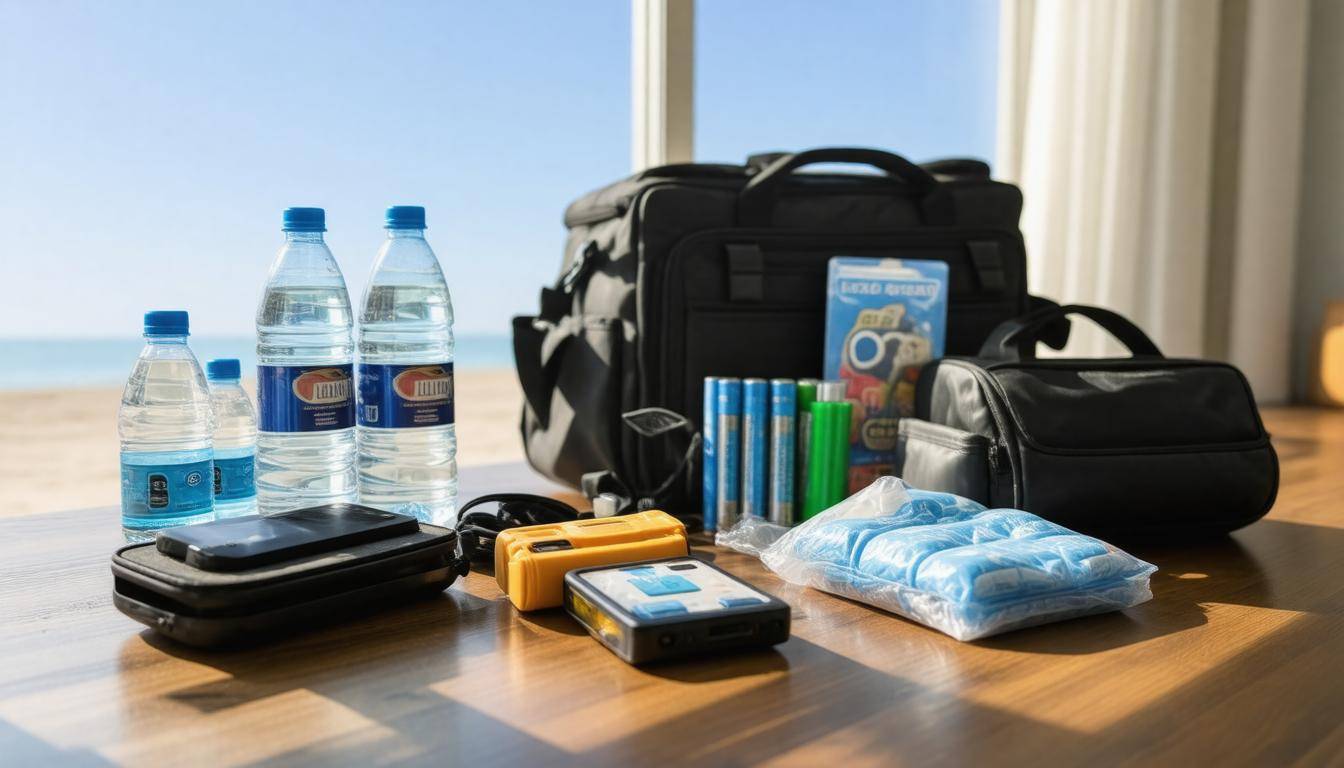
Post-cyclone safety is crucial, encompassing both immediate actions you should take and long-term measures to ensure your well-being. Right after a cyclone, assessing your environment is the first step; this involves checking for hazards that could affect your safety. It’s essential to carefully inspect your surroundings before re-entering your home.
Start by looking for gas leaks, which can be detected by odor—if you smell gas, do not enter until it’s been cleared by professionals. Look for signs of electrical hazards—broken wires or sparks are sure red flags. Your home may also have structural damages; listen for creaking sounds and observe any cracks in walls carefully.
Water Safety Guidelines
Once you are sure about safety, it is important to attend to water safety as well.
-
Boil Water: After a cyclone, drinking water might become contaminated due to flooding. Boiling water makes it safe again. Ensure you bring water to a rolling boil for at least five minutes before consumption.
-
Use Caution with Debris: Even after the storm has passed, debris like fallen branches or unstable structures can still pose risks. Approach these areas slowly and carefully, wearing sturdy shoes and gloves if necessary.
After addressing these immediate steps, it’s vital to look ahead at long-term measures for recovery.
Reporting damages quickly to your insurance company can keep the recovery process on track. Be honest about what occurred, document everything with photographs if possible, and keep copies of any communications with the insurance adjusters. When it comes time to make necessary repairs, remember to hire licensed contractors. Going with unlicensed workers might save money initially but often leads to scams or subpar work that complicates further repairs down the line.
Additionally, connecting with local authorities can prove beneficial when it comes to navigating recovery applications or finding available resources within the community. By assisting with recovery efforts collaboratively with neighbors, you foster community resilience—a key component in bouncing back stronger after adverse events like cyclones.
In mental terms, taking ownership during recovery fosters a sense of normalcy amid chaos; thus promoting emotional wellness along with physical safety creates an immediate support network as everyone bands together to nurse their surroundings back to health.
Ultimately, knowing how to act after a cyclone can significantly impact safety and recovery, transforming challenges into opportunities for stronger communities.
How often should people review and update their cyclone preparedness plans?
People should review and update their cyclone preparedness plans at least twice a year, ideally before the onset of the cyclone season, which generally occurs from May to November in Chennai. Regular reviews ensure that the plan remains relevant to changing circumstances, such as new family members or shifts in local infrastructure. According to disaster management experts, communities that consistently prepare for natural disasters can reduce their risk of fatalities by up to 20%.
What are the recommended evacuation routes for Chennai residents during a cyclone warning?
During a cyclone warning, Chennai residents are advised to use the designated evacuation routes established by local authorities, including major roads such as the East Coast Road (ECR) and Anna Salai, which lead to safer areas away from coastal regions. It is crucial for residents to follow the guidance provided by the Chennai Corporation and stay informed through official channels. Historically, timely evacuations can significantly reduce fatalities and injuries during severe cyclones, emphasizing the importance of adhering to these routes for safety.
Are there specific community resources or support systems available in Chennai for cyclone preparedness?
Yes, Chennai has specific community resources and support systems for cyclone preparedness, including local government initiatives such as the Greater Chennai Corporation’s disaster management plan, which includes regular training for volunteers and awareness campaigns. Organizations like the Indian Red Cross also provide resources and support during emergencies, offering first aid training and shelter information. Notably, over 80% of residents in major affected areas have participated in mock drills organized by these agencies, showcasing a strong community response towards cyclone readiness and resilience.
How can residents assess their home’s readiness against cyclone threats using this checklist?
Residents can assess their home’s readiness against cyclone threats by systematically following the checklist, which includes evaluating the structural integrity of roofs, windows, and doors, ensuring that drainage systems are clear, and stocking up on emergency supplies like food, water, and first aid kits. According to recent data, homes that have reinforced structures can reduce wind damage by up to 60%. Additionally, creating an evacuation plan and staying informed about local weather updates are crucial steps in enhancing safety during a cyclone.
What essential items should be included in a cyclone preparation kit for families in Chennai?
Essential items for a cyclone preparation kit in Chennai should include non-perishable food, bottled water (at least one gallon per person per day for three days), a first-aid kit, flashlights with extra batteries, important documents in a waterproof bag, and a multi-tool or Swiss Army knife. According to the National Disaster Management Authority, families should also have a battery-powered radio for updates and a whistle to signal for help. Since cyclones can cause significant disruptions, being prepared can greatly increase safety and comfort during emergencies.