
When it comes to living along the beautiful Croatian coast, it’s easy to get caught up in the stunning views and relaxing atmosphere. But with the beauty of nature also comes the responsibility of being prepared for unexpected challenges like storms and wildfires. These powerful forces can strike at any time, leaving people feeling vulnerable and uncertain. That’s why having a reliable safety plan, along with the right equipment, is essential for both residents and visitors alike. In this guide, we’ll explore the Croatia Coastal Storm & Wildfire Defense Kit, an invaluable resource designed to help you and your loved ones stay safe amid nature’s unpredictability. Whether you’re a seasoned local or a curious traveler, understanding how to protect yourself during these emergencies can make all the difference.
The Croatia Coastal Storm & Wildfire Defense Kit typically includes essential items such as portable fire extinguishers, emergency blankets, waterproof tarps, first aid supplies, and personal protective equipment like masks and gloves. This kit is designed to provide individuals and families with the necessary tools to prepare for and respond to environmental emergencies effectively.
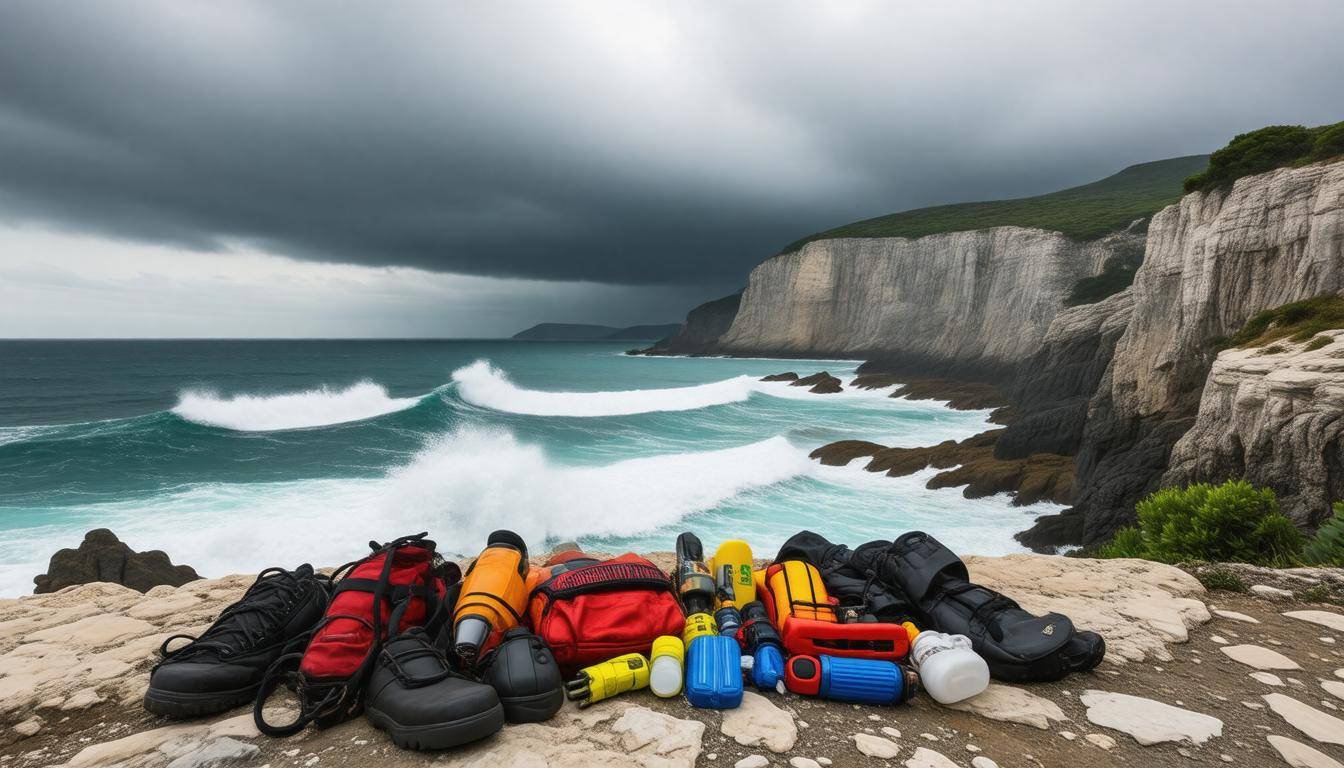
Overview of the Croatia Coastal Storm & Wildfire Defense Initiative
At its core, this initiative is driven by a commitment to safeguard both lives and livelihoods against the devastating impacts of storms and wildfires. By recognizing that preparation is key, the initiative focuses not just on immediate response but also on long-term resilience. It encompasses robust training programs for locals, ensuring they have the skills necessary to face emergencies head-on. For example, community workshops teach participants how to assess risks, create emergency plans, and understand warning signals.
The initiative builds upon a multifaceted approach involving local governments, non-profits, and disaster management experts who collaborate to forge effective strategies tailored specifically for the diverse communities along the coast. This collaborative effort means that resources are shared more efficiently and strategies become rooted in local knowledge—making responses more effective.
One of the hallmark aspects of this initiative is its emphasis on community involvement, ensuring that residents aren’t merely passive bystanders during a crisis but active participants in their safety.
To facilitate this, various platforms are being utilized. Social media campaigns provide up-to-date information about weather patterns and fire risks, while mobile applications deliver alerts directly to users’ smartphones. Moreover, teams are dispatched regularly to conduct drills that simulate emergency situations, enabling communities to practice their responses in real time.
With such a strong foundation in education and preparedness established through this initiative, an examination of specific strategic goals reveals how these efforts shape storm and wildfire defense across Croatia.
Strategic Goals of the Initiative
One of the primary goals includes educating residents about disaster preparedness. This education doesn’t simply involve telling people what to do; it empowers them with actionable steps they can take to ensure their safety and that of their families. Enhanced emergency response infrastructure forms another goal. This includes improving communication lines between emergency personnel and citizens so everyone knows where to turn for help when trouble arises.
Furthermore, developing resilient community networks plays a pivotal role. These networks not only offer emotional support during crises but also improve coordination during emergencies. For instance, neighborhoods can form response teams that engage with local authorities, ensuring that everyone’s equipped with updated safety protocols as well as critical supplies.
By focusing on these critical elements of education and network formation, we can better understand the vital components necessary for effective storm and wildfire defense strategies in affected regions.
Core Components of the Defense Kit
The Croatia Coastal Storm & Wildfire Defense Kit is your lifeline when nature takes a turn for the worse. Each component serves a specific purpose, making them indispensable during high-stress situations.
For instance, a Weather Radio is essential; it keeps you connected to vital weather alerts, especially during storms when conventional power and communication methods might fail. Opting for a battery-powered or hand-crank model guarantees that you can stay informed, regardless of circumstances.
Next on the list is the N95 Masks. They play a pivotal role in protecting your health during wildfires by filtering out harmful smoke particles from the air. The importance of such protection cannot be overstated—breathing in smoke can have immediate and long-term health effects.
An equally important item is the First Aid Kit. It’s not just a collection of bandages; it’s a mini-emergency center in your hands. Be sure this kit includes antiseptics for cleaning wounds and appropriate medications for common ailments or injuries you might encounter during your emergency respite. Having these supplies allows you to treat minor injuries quickly, preventing them from overshadowing bigger concerns.
A Multi-tool rounds out this versatile kit by providing various functions all in one device. In an emergency, you might need to make repairs or even improvise solutions on-site, and having a multi-tool can aid tremendously in those scenarios, potentially keeping you safe and comfortable till help arrives.
Finally, don’t underestimate the necessity of an Emergency Blanket. These lightweight, reflective blankets capture body heat—a crucial feature if you’re stranded outdoors battling exposure to cold conditions. They don’t take up much space, yet their value lies in being able to provide warmth when other options might not be available.
Each component of the Defense Kit is carefully chosen with robust scenarios in mind, ensuring you have support every step of the way during coastal storms or wildfires.
As we consider how best to utilize these components when faced with urgent situations, it’s also important to compile additional critical supplies that can aid in an emergency scenario.
Essential Emergency Supplies
When preparing for potential emergencies, think about what will ensure your survival and comfort should you face evacuation or prolonged isolation. Beyond the basic non-perishable food and water supply, consider including a first aid kit that is stocked and easily accessible. A well-rounded first aid kit should contain adhesive bandages, antiseptic wipes, gauze pads, a digital thermometer, scissors, and any prescription medications you or your family members might require.
While a first aid kit is crucial, having gear that provides protection from the elements and high-risk situations is equally important.
Think about protective gear such as N95 masks to protect against smoke inhalation from wildfires or dust from strong winds during storms. These masks are specifically designed to filter out small particles that could harm your lungs. Additionally, a sturdy pair of gloves can protect your hands when handling debris or setting up shelters. If possible, also include reflective vests or bright clothing; in an emergency situation within a disruptive environment, you want rescuers to easily see you.
Furthermore, communication tools can be lifesavers during crises where conventional methods may fail.
Have a battery-powered or hand-crank radio on hand to stay updated on weather alerts and instructions from local authorities. Additionally, keep extra batteries stored nearby for all battery-operated devices in your kit. Consider adding a power bank to charge your phones; this way you can maintain contact with family and first responders if necessary.
Finally, don’t underestimate the importance of personal documents and identification in your emergency supplies.
Having copies of critical documents—such as insurance papers, medical records, and identification cards—is vital should you need to evacuate your home quickly. Place these documents in a resealable plastic bag to keep them dry during inclement weather. You never know what information might be needed in an emergency scenario.
With these essential supplies gathered, understanding the appropriate protective measures becomes paramount in safeguarding yourself against unexpected dangers. Let’s explore further how to enhance your safety through specialized gear and secure locations.
Protective Gear and Safe Shelters
The right protective gear is vital, but just as crucial is knowing where to seek refuge during a storm or wildfire. Having appropriate shelters can provide a haven from the chaos that natural disasters bring. Choosing the right shelter and protective equipment is an empowering step.
For starters, portable emergency kits and designated safe rooms can make a world of difference if a disaster strikes. A well-thought-out emergency plan helps everyone in the household know where to go, reducing panic in uncertain situations. If you have access to sturdy structures like basements or specially designed storm shelters, ensure they’re stocked with necessary supplies, including food, water, and first-aid kits.
In regions prone to wildfires, it’s advisable to designate a safe zone away from your property where everyone can gather to stay out of harm’s way.
As for protective gear, fire-resistant clothing should fit snugly while providing ample coverage. Avoid loose clothing that might catch fire more easily and opt for materials like Nomex or Kevlar specifically designed for extreme conditions. Wearing sturdy work gloves ensures protection for your hands when handling debris or other materials during cleanup.
Additionally, preparation extends beyond personal equipment; whether you’re facing a storm or wildfire, training on how to use tools like fire extinguishers or understanding basic first-aid techniques will empower you even further.
Finally, don’t forget about your pets—during evacuations or sheltering-in-place moments, having pet carriers ready protects your furry friends and simplifies relocation efforts. Safety is about protecting your whole family and ensuring each member is equipped with knowledge and resources.
As we continue this discussion on safety protocols, consider how these preparedness measures can contribute to the overall well-being of your community.
Enhancing Community Safety
Enhancing community safety revolves around building strong connections and promoting a culture of readiness among residents. When everyone in the community is well-informed and coordinated, the likelihood of chaos during catastrophic events like storms and wildfires decreases significantly. This proactive approach nurtures a community sense and equips individuals with the knowledge to act confidently when faced with danger.
Community Drills and Training
Regular community evacuation drills and first aid training sessions can significantly reduce panic and improve response times. Imagine this: one sunny Saturday, neighbors gather for an organized fire drill in their local park. Laughter mingles with serious discussions about evacuation routes and safe zones, creating a sense of unity while preparing for potential dangers.
According to a recent survey, communities with regular drills had a 30% faster evacuation time compared to those without such practices. This statistic highlights not just efficiency but the peace of mind that comes from knowing where to go and what to do in an emergency. Engaging workshops on first aid offer a vital skill set that fosters self-sufficiency rather than dependence on outside help.
In addition, knowledge can become our greatest ally in emergencies. Giving each resident the tools they need—whether that’s understanding how to use a fire extinguisher or performing CPR—empowers everyone involved.
However, enhancing community safety isn’t solely about drills; effective communication also plays a critical role in ensuring that people know what to do when disaster strikes. Fostering ongoing dialogues will pave the way for implementing robust safety strategies tailored to unique community challenges.
Planning Evacuation and Mitigation
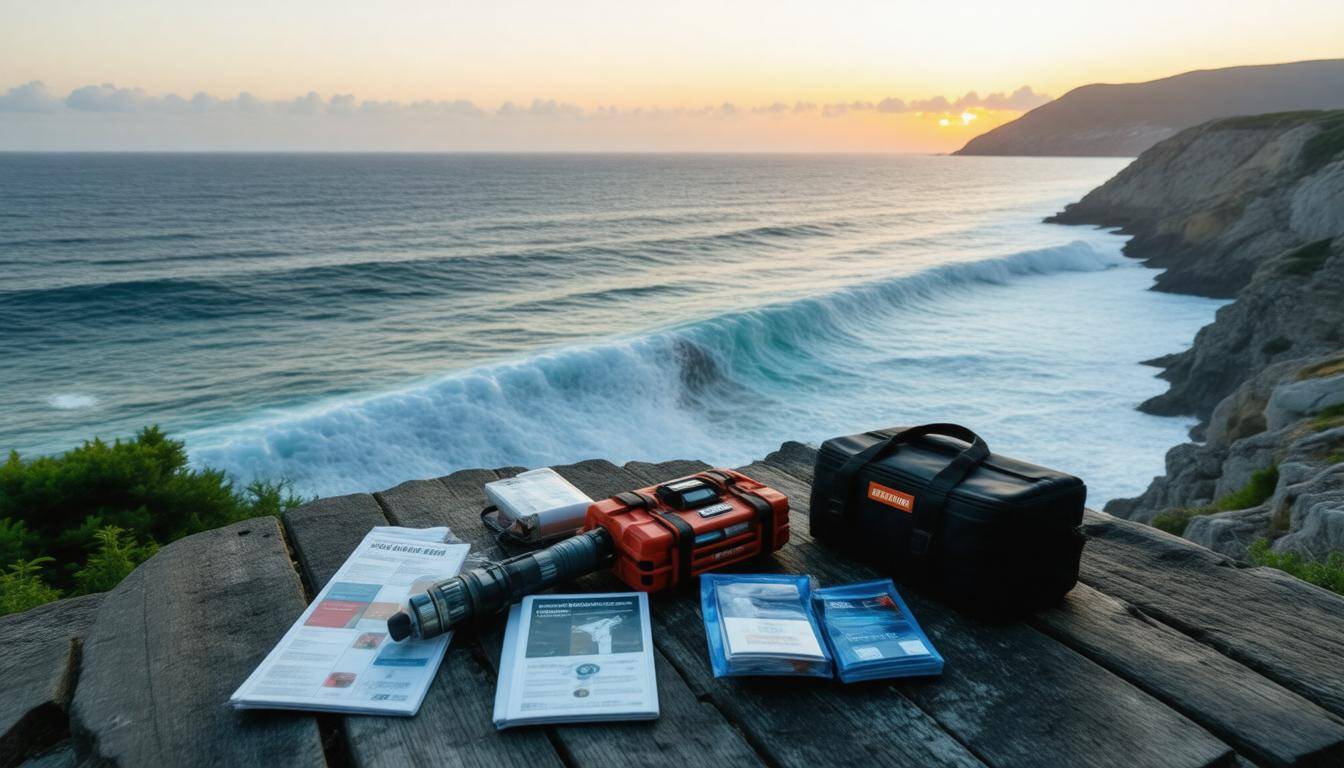
A well-devised evacuation plan can be a lifeline during a coastal storm or wildfire. First and foremost, it’s critical to identify multiple evacuation routes, as conditions can change rapidly. Think not just about the main roads but also consider alternative paths that are less likely to be congested. Keeping current maps handy is vital, especially since GPS systems may falter in emergencies. Familiarizing yourself with these routes ahead of time allows for quicker decision-making during a crisis.
As you improve your routes, don’t forget that communication plays a pivotal role in any successful evacuation plan.
A family communication plan cannot be overstated; it serves as your lifeline in chaos. Ensure that every member knows where to go if separated and how to contact one another. This could include establishing a designated meeting spot outside of the immediate danger zone or using messaging apps that work well even when cell service may be shaky. You might consider even assigning an out-of-state friend or relative as an emergency contact point—this centralizes information, should local communications become compromised.
While knowing how to evacuate is crucial, having essential items ready can save everyone from additional stress and upheaval.
This brings us to the importance of a Go-Bag—an easily accessible backpack filled with essentials. It should contain anything your family would need to sustain themselves for several days, including bottled water, non-perishable food items, and necessary medications. Don’t stop there; remember to include important documents like insurance papers, identification, and any other paperwork that might be difficult or impossible to replace quickly in a hurry. Customize each bag according to individual needs—children may require comfort items or favorite snacks, while pets will need food and supplies.
Keep in mind that having these preparations in place well before an emergency hits not only saves time but significantly reduces anxiety for everyone involved.
Finally, regular practice makes all the difference when it comes time to put your plans into action.
Schedule periodic evacuation drills with your family. This allows everyone to familiarize themselves with the process and identify any potential issues with the plan. Practicing your routes and reviewing what’s in the Go-Bag ensures everyone knows exactly what they need to do under pressure. Through repeated simulations of real scenarios, you build confidence in both efficient evacuations and coordination as a family unit.
With these strategies firmly in place, families can be better prepared to face unexpected situations while navigating the unique challenges posed by natural disasters along Croatia’s coastlines. As we move forward, it’s essential to evaluate how these plans actually perform during crises and what improvements can be made.
Measuring Effectiveness and Impact
In any emergency preparedness strategy, measuring effectiveness is crucial to determine how well your initiatives are performing against established goals. This isn’t simply about counting numbers; it’s about understanding the impact of those numbers on people’s lives. When a coastal storm or wildfire strikes, the difference between effective measures and ineffective ones can mean the safety of your community.
To begin with, assessing the Response Time of emergency services is fundamental. This metric reflects operational efficiency and correlates directly to minimizing damage and ensuring public safety. For example, if reports indicate a prolonged response time during past events, innovations like pre-staging resources or enhancing communication protocols may be necessary. A well-trained team that arrives on time can make all the difference, offering immediate assistance and helping to mitigate panic.
Next, we consider how crucial it is to measure Evacuation Success.
The percentage of the population evacuated provides insight into the effectiveness of outreach and communication strategies prior to an emergency. If 80% of your community evacuated when a mandatory order was issued, it signals that your messaging was clear and impactful. Conversely, a lower percentage could prompt you to rethink your tactics: perhaps utilizing new channels like social media or organizing community drills would be beneficial. Engaging with residents ahead of time builds a trusting relationship that facilitates smoother evacuations when danger looms.
It’s equally important to listen to Community Feedback once the crisis subsides. Gathering resident satisfaction scores through community polls gauges their feelings toward evacuation protocols and can reveal areas for improvement—such as accessibility for those with disabilities or better shelter options during disasters. When evacuees feel safe and taken care of during emergencies, it fosters a stronger sense of community resilience that extends beyond just responses during crises.
By employing these metrics effectively, it’s easier to develop actionable insights that promote ongoing improvement.
| Metric | Description | Data Source |
|---|---|---|
| Response Time | Time taken by emergency services | Emergency Reports |
| Evacuation Success | Percentage of population evacuated | Survey Data |
| Community Feedback | Resident satisfaction scores | Community Polls |
With these vital metrics in place, communities can significantly enhance their preparedness efforts. Understanding the dynamics of effective response will pave the way as we explore additional resources available for crisis management.
Available Crisis Response Resources
Numerous resources exist specifically to assist in crisis situations, and knowing how to access and utilize them can make all the difference. For example, the Croatian Red Cross plays a central role in disaster management, offering valuable training programs for individuals and local communities. These programs cover essential skills like first aid and emergency response techniques that are vital during catastrophic events. By participating in these initiatives, individuals can become more confident and capable of assisting themselves and others during emergencies.
While participating in training is beneficial, having immediate access to information is equally crucial. Hence, using emergency apps that provide real-time updates on weather conditions or evacuations is highly recommended. A 2023 report revealed that 75% of residents who had the emergency app on their devices responded faster to evacuation alerts compared to those who didn’t. Speed is critical; being able to receive instant notifications can quite literally be a lifesaver.
Imagine a scenario where a wildfire is approaching your area; you receive a notification on your phone prompting you to evacuate your home. This rapid response could significantly minimize risk, ensuring you and your family remain safe while maximizing your chances of retrieving important belongings.
Beyond mobile applications and local organizations, there are additional resources worth considering as part of your crisis plan.
Community support systems also play a crucial role in crisis defense strategies. Local governments often establish emergency shelters that serve as temporary refuge during severe weather events. These shelters provide basic necessities such as food, water, and medical attention, helping to ease the burden of those affected by coastal storms or wildfires. Furthermore, keep an eye out for community workshops or informational meetings organized by local authorities or fire departments. Attending these allows you to stay informed about potential threats and learn practical safety measures specific to your region’s risks.
Preparing Your Own Resource Kit
In addition to utilizing available resources, consider preparing a personal crisis response kit. This should include essential items like non-perishable food, potable water, medical supplies, essential documents, and any other items critical for personal survival in an emergency situation.
Remember that preparedness isn’t just about having items on hand; it’s about understanding when and how to use them effectively during an emergency. Familiarizing yourself with these significant resources and preparing accordingly ensures you are ready when faced with coastal storms or wildfires, ultimately contributing to safer communities altogether.
In times of crisis, knowledge and preparedness can save lives. Equip yourself with the right tools and information for a proactive approach to emergency situations.