
Coastal storms can be unpredictable and sometimes scary, especially for those living in places like Dunedin on New Zealand’s South Island. When the winds pick up and the rain starts coming down, having a well-thought-out storm kit becomes essential for keeping you and your loved ones safe. But what exactly should go into that kit? And how do you prepare for something that can change from a simple drizzle to a fierce storm in no time? In this guide, we’ll help you round up everything you need to assemble a robust Dunedin Coastal Storm Kit, so you can feel ready when the weather takes a turn. Let’s make sure you have the right tools at your fingertips when it matters most!
The Dunedin Coastal Storm Kit should include essential items such as non-perishable food, clean water, a flashlight with extra batteries, a first aid kit, necessary medications, and personal hygiene supplies. Additionally, it’s important to have a battery-powered radio for weather updates and important contact information readily available in case of emergency evacuations.
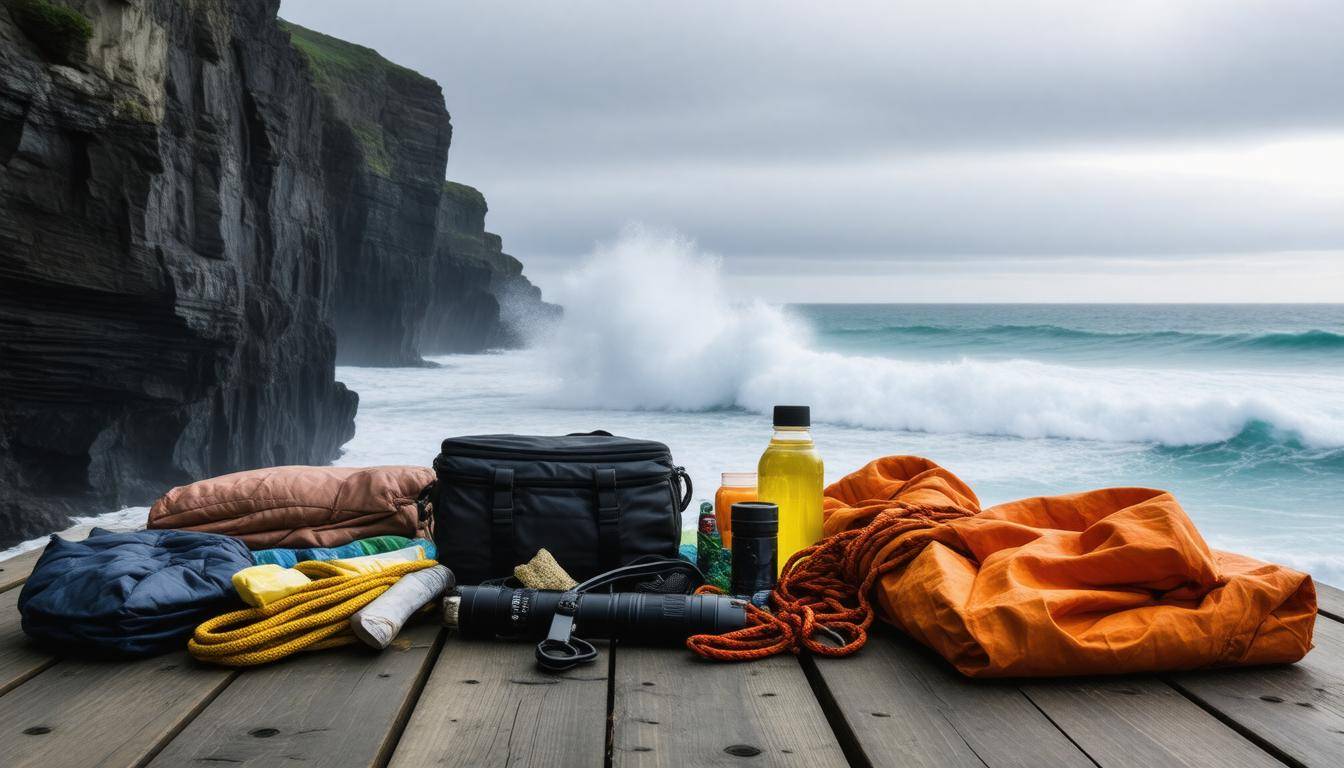
Top Items for Your Dunedin Storm Kit
A robust storm kit isn’t just about having a few items on hand; it’s about being prepared to face the unpredictable nature of a coastal storm. The right gear can mean the difference between safety and chaos when severe weather strikes.
Must-Have Items
Below are crucial items for a Dunedin coastal storm kit:
-
Waterproof Clothing – Essential for staying dry in heavy rain, this shouldn’t just be any raincoat. Opt for high-quality options that feature sealed seams and breathable materials, such as those from reputable brands like Patagonia or The North Face. A good raincoat keeps you dry and comfortable, which is vital if you’re outside dealing with adverse weather.
-
Battery-powered Radio – This item becomes incredibly important when the power goes out. It keeps you informed about weather updates, emergency alerts, and evacuation details. Choose a model that features multiple power sources—battery, solar, and hand-crank—to ensure it remains operational even during prolonged outages.
-
High-Intensity Flashlight – When the lights go out, bright and reliable light is crucial for safety and navigation. Select a flashlight that uses LED technology, known for its longevity and brightness. Some models even have adjustable beams, allowing you to focus the light where it’s needed most.
-
Multi-tool – Emergencies often require versatility, so a sturdy multi-tool can help tackle various tasks—from securing loose objects in your yard to opening containers for food storage. Look for one that includes pliers, screwdrivers, knives, and can openers—a true jack-of-all-trades in your storm kit.
-
Waterproof Matches – These handy tools are essential for starting fires when conditions are wet but also serve as a metaphorical lifeline when cooking options might be limited. Ensure they come in a waterproof container to keep them dry during transport.
Investing in high-quality, reliable products for your storm kit can dramatically enhance your preparedness. You want gear that won’t fail you at a critical moment; thus, prioritize durability and reliability over cost-cutting.
With these items assembled in your storm kit, you’ve laid the groundwork for enhanced preparedness during emergencies. Let’s explore additional supplies that can further bolster your safety and security in challenging situations.
Safety and Survival Supplies
A well-equipped storm kit goes beyond just having the basics; it’s essential to include specific items catered to the unique challenges faced by Dunedin residents during coastal storms. One of the first things to consider is emergency shelter. Compact, waterproof emergency tents are paramount. They can provide a much-needed refuge if you must evacuate your home quickly. For instance, tents from trusted brands like MSR or Vango are designed to withstand harsh weather conditions and offer a reliable shield against rain and wind.
Moving forward, setting up your emergency shelter is only the start; proper gear can enhance your safety significantly.
Let’s talk about personal safety gear next. It’s vital to think like a scout—always be prepared! High-visibility gear, such as neon vests, not only keeps you seen but ensures that rescue teams can locate you faster in case you need help. Pairing this with a whistle allows for effective signaling without straining your voice over the sound of wind and rain—a tiny tool that makes a big impact.
Imagine being caught in a storm, debris flying all around, and you have a whistle at hand—that simple tool could be your lifeline.
Additionally, don’t overlook the necessity of safety gloves and a durable helmet. These items might seem basic, but they provide critical protection against potential injuries caused by falling branches or other dangerous debris during a storm. Durable gloves also permit you to handle rough materials when securing your environment.
With these essentials in mind, it’s important to shift our focus towards crucial items that tend to health and well-being during emergencies.
First Aid Essentials
Proper first aid supplies can be life-saving during a coastal storm. It’s important to prepare for a range of possible injuries. Storms can bring unpredictable conditions—sharp debris, slips and falls, or even burns from makeshift cooking solutions. Having the right supplies readily available not only equips you to handle minor injuries but can also make the difference between a manageable situation and a dire one.
List of Essentials
Below is a list of crucial first aid items that form the backbone of your storm preparedness:
-
Bandages of various sizes: A mix of small, medium, and large bandages is essential for covering cuts and abrasions.
-
Antiseptic wipes: Vital for disinfecting wounds and preventing infection, particularly in unsanitary conditions.
-
Adhesive tape: Essential for securing dressings in place; nothing should get dislodged during movement.
-
Pain relievers like ibuprofen: Over-the-counter options can ease headaches or body aches caused by stress or injury.
-
Tweezers for splinters or glass removal: This simple tool allows you to remove foreign objects efficiently, preventing infections.
-
Burn ointments: If you’re using candles or alternate heating methods during power outages, these soothe and protect burns from accidents.
Investing in a comprehensive first aid kit from reputable suppliers like St John or Red Cross ensures you have high-quality emergency supplies at your fingertips. These organizations are known for their expertise in crisis preparedness and offer kits tailored to various needs.
“Preparedness isn’t just about having supplies; it’s about knowing how to use them.”
With these essentials gathered in your kit, we now shift our focus to another vital element of storm preparation—effectively managing your food and water reserves.
Food and Water Storage
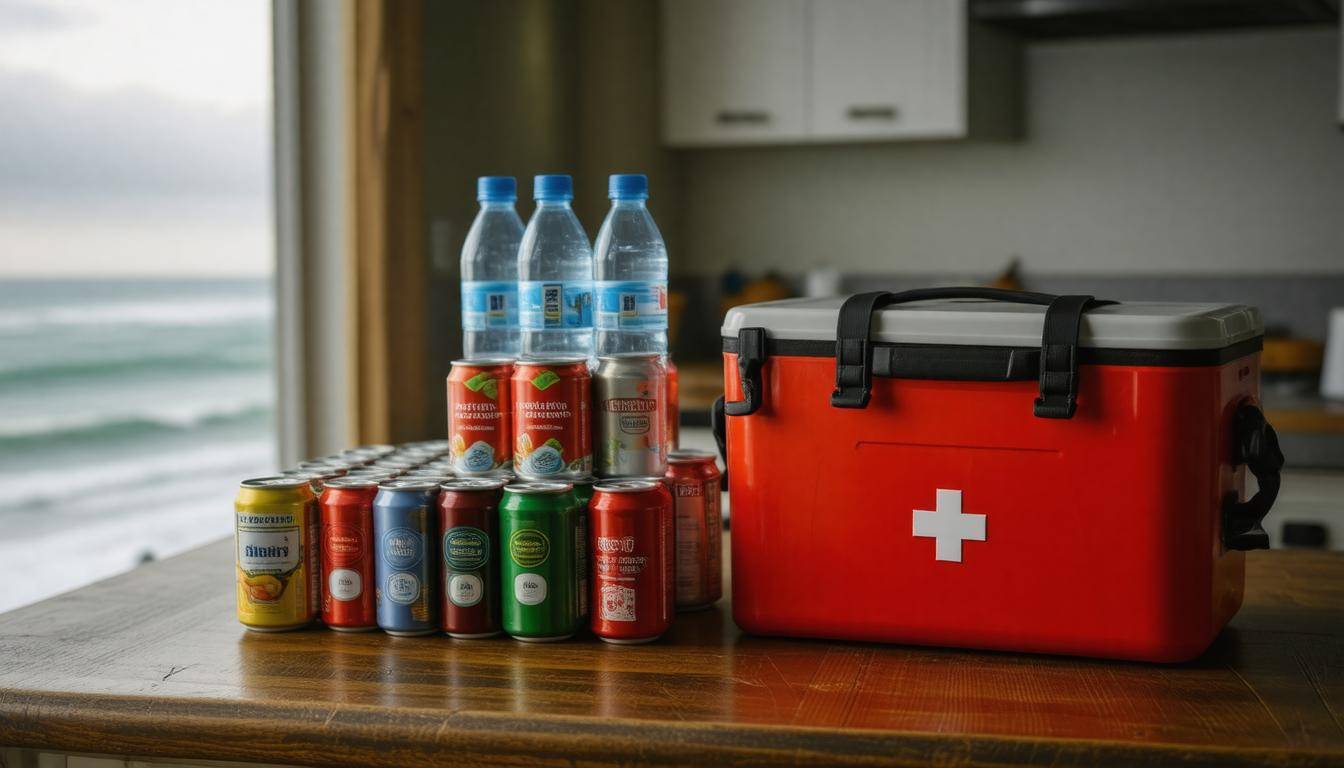
Ensuring you have enough food and water is more than just ticking off a checklist; it’s about safeguarding your family’s health during an emergency. Having an adequate supply of non-perishable food can make those stressful days much easier. Imagine having a comforting bowl of soup made from the canned goods you set aside, or munching on protein bars when help seems far away. Focus on high-energy items that provide sustenance without added worry about spoilage.
Non-Perishable Food
Choose foods that pack a nutritional punch while maintaining a long shelf life. Canned beans, dried fruits, nuts, and protein bars are excellent choices since they offer vital nutrients and energy. Regularly check expiration dates—there’s nothing worse than cracking open a can only to find it’s past its prime. Rotate your stock so that older items get used first, ensuring nothing goes to waste.
As important as food is for your storm kit, an adequate supply of clean water cannot be overlooked.
Water Storage
Aim to store at least 3 liters of water per person per day, planning for a minimum of three days, though a week’s supply is ideal. This means if your household consists of four people, you should have a minimum of 36 liters stored away during storm season! Utilizing BPA-free, large-capacity containers like those from Scepter or Reliance not only keeps your water safe from harmful chemicals but also avoids leaks or contamination. Keeping track of your supply will help maintain hydration and well-being throughout any emergency situation.
However, while storing water is crucial, knowing how to ensure its safety is just as important.
Water Purification
Equip your kit with portable water filtration systems such as the LifeStraw or Sawyer Mini. These handy devices can turn local water sources into drinkable supplies when bottled water runs low. In a storm scenario where resources might dwindle, having the ability to purify water opens up options for sourcing fresh drinking water safely.
The peace of mind that comes from being prepared cannot be overstated—it allows you to weather any storm that comes your way knowing you’re equipped to handle whatever may lie ahead.
With these foundational elements in place for your safety, the next step involves making sure your immediate environment is ready for the potential changes that storms bring.
Preparing Your Home for a Storm
Protecting your home can minimize damage and ensure safety during a storm. One of the first things to consider is home reinforcement. Installing storm shutters or using precut plywood for windows can effectively shield glass from flying debris. It’s essential to ensure all windows are well protected, as even a small crack can let wind and water in, causing extensive damage. Similarly, doors—especially garage doors—must be reinforced. Heavy-duty bolts can make them more resilient against strong winds, providing layers of protection that give you peace of mind.
Moreover, don’t neglect your roof during these preparations. If you have loose shingles or tiles, secure them; if they are damaged beyond repair, replace them before the storm hits. This simple act can prevent leaks during heavy rains and save you from costly repairs later. Additionally, it’s wise to clear gutters and downspouts to ensure water flows freely away from your home.
Now that structural considerations are taken care of, the focus shifts to electrical safety.
Electrical safety is paramount in storm preparation. Unplugging all electrical appliances is crucial to prevent electrical fires caused by power surges when the storm hits. You might want to consider turning off the main power switch altogether if the storm is severe enough. It’s a straightforward measure that safeguards both your devices and your home’s wiring system.
Taking these precautions helps ensure that you’re not dealing with unexpected fires or hazards on top of storm-related damages.
After safeguarding your structure and electrical systems, check that all emergency contact information is readily accessible for everyone in your household. Store vital documents like insurance papers safely and ensure everyone knows how to reach you or emergency services if needed.
As the storm approaches, ensuring you’re equipped with adequate tools will keep you informed and connected with those who can help.
Technology and Communication Tools
Having the right technology on hand can be a game-changer in emergency situations. Imagine being stranded in a storm without updates or even the ability to reach out for help. That’s where your gadgets come into play! They keep you connected and provide essential information that can guide your decision-making during critical moments.
Must-Have Gadgets
To ensure you’re fully prepared, consider these must-have items:
-
Fully charged power banks: These will keep all your devices alive when the power goes out.
-
Hand-crank or solar-powered radio: When there’s no electricity, these gadgets will allow you to get updates about the storm, ensuring you’re informed and ready.
-
Satellite phone: In regions where cellular service may falter, a satellite phone ensures you stay connected.
-
Emergency beacon like the ACR ResQLink: This device can alert search and rescue teams to your location—a crucial asset if you find yourself in a tricky situation.
One particularly useful piece of technology is the Garmin InReach Mini. This compact gadget not only provides reliable satellite communication but also includes SOS alerts that could potentially save lives in remote areas. Its user-friendly interface means anyone in your household can use it effectively, enhancing your family’s safety during unpredictable events.
Finding the right gadgets is only one part of the puzzle; how you pack and store them can greatly impact their effectiveness during a crisis.
With these essentials secured, it’s important to think about how to best utilize them when the time comes. Let’s shift our focus to effective strategies for storing and organizing your gear.
Packing and Storage Tips
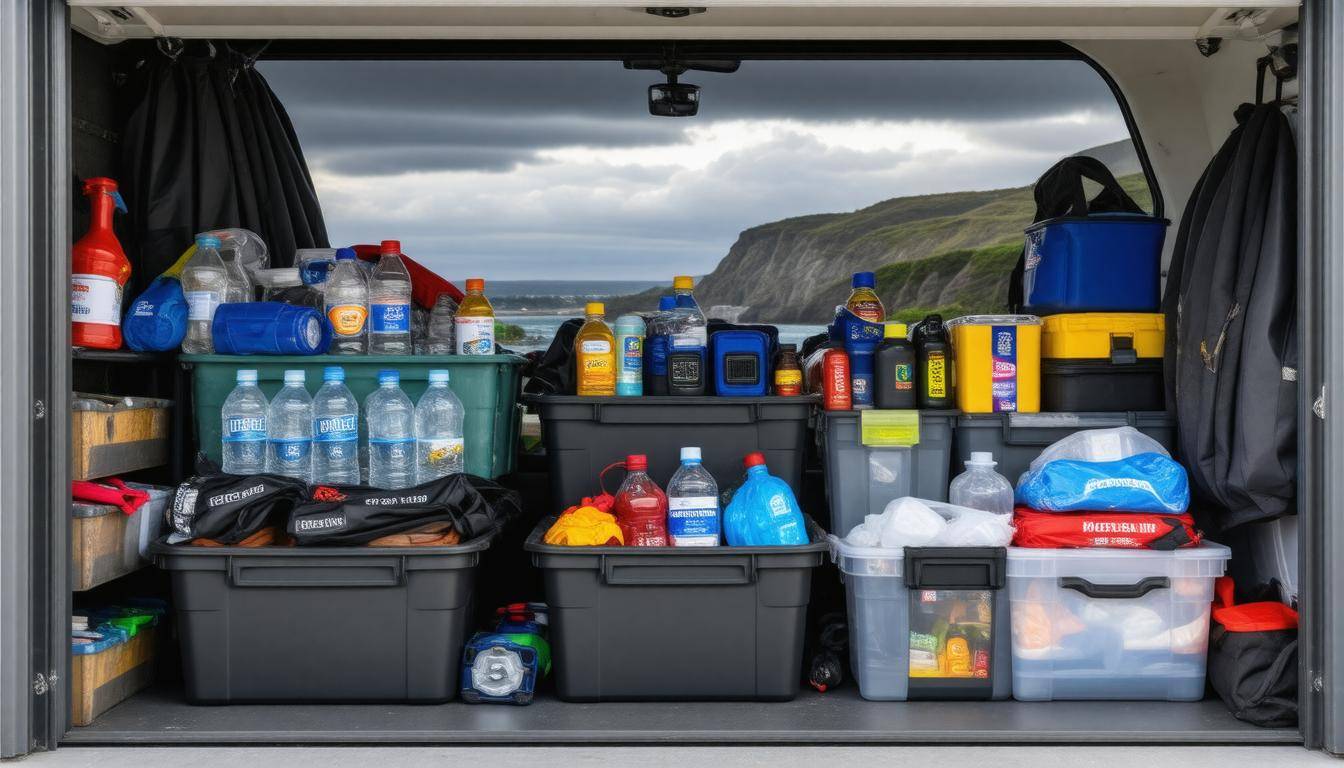
When preparing for a coastal storm, efficient packing is essential. You want to ensure anything you may need during an emergency is easy to access yet protected from water and damage. Thus, choosing the right containers becomes your first step in crafting an effective storm kit. Waterproof containers or heavy-duty plastic bins should be your go-to. Not only do these keep moisture out, but they also shield your supplies from physical impact.
Picture this: everything you might need—water, food, tools—nestled safely in a sturdy bin by your front door, ready for action at a moment’s notice.
Consequently, the organization of supplies within these containers is equally important to enhance accessibility.
Tips for Efficient Packing
As you pack each container, consider grouping similar items together. For instance, keep all your first aid supplies in one compact bin labeled “Medical.” This way, if someone gets a cut or scrape during a chaotic moment, you can swiftly reach for that specific container without fumbling through mismatched supplies. It’s about more than convenience; it’s about ensuring quick resolutions in stressful situations where every second counts.
Furthermore, utilize label stickers prominently on each bin to indicate its contents clearly. Even simple color-coded labels can add clarity and speed during an emergency grab-and-go situation. And don’t forget to reinforce any loose lids with duct tape—a simple fix might prevent caps from popping open while in transport.
After securing your supplies, an inventory checklist becomes invaluable for tracking what you have and ensuring none of it has expired.
Inventory Checklist
Below is an example layout of how to maintain an organized table of your inventory. This will help remind you not just of the items you have but also their quantities and expiration dates:
| Item | Quantity | Expiration Date |
|---|---|---|
| Canned Beans | 12 cans | 01/2025 |
| Water (3 liters) | 45 liters | N/A |
| First Aid Kit | 1 | 12/2023 |
| Flashlight | 2 | N/A |
Create this checklist on a sheet that you can easily update as you use up supplies or replace them after a storm passes. Regularly revisiting this list ensures that you know exactly what you’re working with, allowing for timely replenishment of essential items while eliminating unnecessary duplication.
Now that we’ve solidified our packing and storage strategy, let’s explore some frequent concerns regarding storm readiness.
Common Questions on Storm Preparation
It’s natural to have questions when it comes to preparing for a coastal storm, especially given the unpredictable weather patterns we’ve been experiencing lately in Dunedin. Knowing how to effectively prepare can help alleviate anxiety about potential disasters.
FAQ
How often should I check my storm kit?
It’s advisable to check and refresh your kit every six months. This ensures that perishable items are replaced and that you understand what you’re equipped with. Pay special attention to expiration dates on food and first aid supplies; expired items can render your emergency efforts ineffective when you need them most.
What if I have pets?
Don’t forget about your furry companions! Include pet food, water, and necessary supplies like portable food and water bowls along with any medications they may require. It’s a good idea to include a leash or carrier for safe transport if you need to leave quickly.
Think of your pet as part of the family unit—preparing their needs can be as crucial as having everything ready for yourself.
As these preparations become habitual, you’ll find that you’re not only ready for storms but also fostering a sense of community resilience among friends and neighbors. By sharing these guidelines with others, Dunedin residents can cultivate a supportive network where everyone feels better equipped to handle the uncertainties that come with coastal storms.
Preparation leads to peace of mind, allowing you to focus on what truly matters—keeping yourself and loved ones safe during a crisis.
How often should residents review and update their coastal storm kits?
Residents should review and update their coastal storm kits at least twice a year, ideally before the onset of major weather seasons in spring and autumn. Regular reviews ensure that supplies remain fresh and functional; for instance, perishable items like food and medications should be replaced as needed. Additionally, considering that New Zealand experiences around 20 significant weather events annually, maintaining an up-to-date kit can significantly enhance preparedness and response during emergencies.
What specific items are recommended for inclusion in a coastal storm kit for Dunedin residents?
A comprehensive coastal storm kit for Dunedin residents should include essential items such as non-perishable food, water (at least 3 liters per person per day), a flashlight, extra batteries, a first aid kit, whistle, multi-tool or knife, personal documentation in waterproof bags, and sturdy shoes. Given that Dunedin is prone to severe weather events with an average of 7 major storms observed annually over recent years, being well-prepared can significantly enhance safety and survival during emergencies. It’s vital to anticipate potential power outages and communication disruptions; therefore, including a portable charger for devices could be invaluable.
Are there any local resources or organizations that provide assistance in preparing for coastal storms in Dunedin?
Yes, residents of Dunedin can turn to local organizations such as the Dunedin City Council and Civil Defence for assistance in preparing for coastal storms. They offer resources, including emergency planning guides and workshops that focus on preparation and resilience. As of 2023, around 45% of households in coastal areas have reported having some form of emergency kit, reflecting a growing awareness of storm preparedness among residents.
How does the climate and geography of Dunedin influence the types of items needed in a storm kit?
The climate and geography of Dunedin, characterized by its coastal location and variable weather patterns, necessitate specific items in a storm kit to effectively address potential flooding, strong winds, and cold temperatures. With an average annual rainfall of 1,200 mm and frequent storms due to its proximity to the ocean, residents should include waterproof gear, portable heaters, and ample food supplies that are non-perishable. Additionally, given Dunedin’s rugged coastline and surging tides during storms, it’s crucial to also have items like flotation devices and emergency communication tools to ensure safety during adverse weather conditions.
What emergency procedures should be followed in case of a storm warning in the Dunedin area?
In the event of a storm warning in the Dunedin area, residents should first secure their homes by checking for loose items outdoors, reinforcing windows and doors, and stocking up on essential supplies such as food, water, medications, and batteries. It’s also crucial to stay informed through local news channels or weather apps for real-time updates. According to recent statistics, storms can cause power outages affecting over 20% of the region, making it vital to have backup lighting and communication equipment ready. Evacuation plans should be discussed with family members beforehand to ensure everyone’s safety if an evacuation becomes necessary.