
In emergencies, knowing how to make the most of what you have can make all the difference. Think about it: whether you’re caught in a natural disaster or facing unexpected challenges, your ability to ration resources effectively could literally be the key to survival. It’s not just about stockpiling supplies; it’s about understanding how to prioritize, manage, and stretch those supplies as far as they can go. In this guide, we’ll walk through practical strategies for resource rationing that everyone can use—because when the going gets tough, having a plan in place can help keep you and your loved ones safe and supported. Let’s dive in!
In a survival guide on basic resource rationing methods, you will learn essential strategies for managing limited supplies effectively, including prioritizing resources, creating emergency rations, and efficient storage solutions. These methods can help maximize your available supplies and enhance your chances of survival during emergencies.

Assessing Your Situation
The journey begins by carefully examining both your surroundings and the events unfolding around you. What you’re really doing in this step is gathering all the pieces to better understand the puzzle that lies ahead.
Take a moment to consider your immediate environment; is it stable? Assess the potential threats lurking nearby—be they natural disasters like floods or man-made dangers such as civil unrest. Each scenario demands its own tailored response, and understanding what you’re up against will make all the difference when it comes time to ration those limited resources effectively.
Measuring Duration
The next thing to think about is how long this emergency might last. A mere storm may require short-term preparations, while a societal breakdown or prolonged disruption calls for a sustained battle of wits and resources.
If information indicates a temporary setback, perhaps food rationing can be light—you might keep just enough to tide you over until life returns to normal. However, if forecasts suggest an extended crisis, you’ll need to strategize extensively and secure supplies that extend beyond just a few days.
Once you’ve firmly grasped what challenges await, it’s essential to assess your personal situation.
Assessing Risk
Now, let’s identify specific risks emanating from your environment. Take note of common threats in your area like floods, earthquakes, or even potential social upheaval.
Keeping tabs on news alerts and government advisories can provide invaluable insights, but it’s equally important not to rely solely on these channels. Trust your instincts and observe what’s around you—personal vigilance could mean the difference between safety and disaster at times when external information fails or is delayed.
Environment and Shelter
As you conduct your assessment, evaluate the physical condition of where you are taking refuge. Ask yourself: Are you in a secure location? Is it possible to move to a safer area if conditions worsen?
Your answers to these questions will significantly impact how long you can remain sheltered in place and influence how strategically you allocate resources. If it appears that staying put is viable but not optimal due to potential hazards down the road, planning for an exit strategy becomes paramount. In situations exacerbated by time constraints or dwindling supplies, every decision must be carefully measured against your most pressing needs.
With an understanding of your situation firmly established, it’s time to focus on evaluating what you have available in terms of resources.
Inventory of Available Resources
An accurate inventory of your resources is essential for effective rationing. Imagine you are faced with an emergency scenario; without knowing what supplies you have, you’re essentially navigating in the dark. The first step is to consider not just food and water but also tools, medical supplies, and other essentials that could make all the difference in a tight spot. By cataloging everything systematically, you’ll be building a solid foundation for your survival strategy.
Step I: Categorize Items
To begin, divide your resources into clear categories. Think of it as sorting items into boxes; this will help you pinpoint deficiencies and plan for restocks more efficiently. Common categories include:
- Perishables: Fresh produce that might spoil quickly.
- Non-perishables: Canned goods and dry foods that can last for months.
- Medical supplies: Bandages and antiseptics.
- Tools: Flashlights and multi-tools.
- Personal items: Hygiene products.
By keeping your inventory organized, you can utilize digital spreadsheets or apps designed for tracking supplies. This not only streamlines the process but also allows for easy updates as you consume or acquire new items.
Step II: Quantity and Condition
Once you’ve categorized your items, the next task is to assess both the quantity and condition of each resource. For instance, ask yourself: How many liters of drinking water do you have on hand? Are those canned goods nearing their expiration date? Keep a detailed record; if you’ve got ten cans of soup but five are past their best-by dates, those five need to be consumed soon or tossed out. This knowledge empowers you to prioritize the usage of supplies effectively.
Understanding both quantity and quality is crucial—a reservoir filled with stale crackers won’t keep you sustained when hunger strikes. Therefore, adding notes about conditions—such as labeling opened packages or noting any signs of damage—will enhance your ability to make informed decisions when it’s crunch time.
Having established a solid understanding of your resources, the next steps will involve strategic usage focused on the most critical elements of survival during emergencies.
Water and Food Management
Managing water and food in a survival situation means knowing how to gather supplies and use them efficiently. Each person needs around 2 liters each day for drinking, which is non-negotiable, especially in extreme situations when dehydration can quickly take hold. Beyond drinking, you’ll need to consider cooking and hygiene too, which can double your water requirements. Learning about conservation techniques becomes essential to stretch the supply as long as possible.
Step I: Water Conservation Techniques
To increase your clean water availability without risking scarcity, implement a rainwater collection system. By setting up barrels underneath roof eaves, you can capture rainwater relatively easily—just ensure that it’s filtered before consumption.
Another effective approach includes using portable water filters or boiling collected water to kill harmful pathogens. Don’t overlook greywater; this is the used water from washing dishes or showering, which can often be recycled for irrigation or other non-drinking purposes.
According to many survival experts, “Water rationing may save lives.” It’s vital not just to keep track of what you have but also constantly monitor your consumption rate.
Once you’ve established efficient water practices, it’s time to look at food.
Step II: Food Rationing Methods
Food management requires nuance because it centers on both availability and nutritional value. In your pantry or emergency box, focus on nutrient-dense and non-perishable items such as beans, rice, dried fruit, and canned vegetables. These items pack a nutritional punch while boasting longer shelf lives—typically around 2 to 5 years depending on storage conditions.
Implementing a first-in, first-out (FIFO) system can dramatically reduce waste by ensuring older supplies are consumed before newer deliveries. Just think of it as rotating your stock: place new items behind older ones so that you are naturally led to use them sooner. Additionally, consider any special dietary needs within your group! Whether someone is gluten-free or has allergies to nuts, planning meals with these considerations will help you make smarter decisions in an emergency scenario.
Elaborate meal planning can help you visualize your rations better. For instance, if you’re allocating 1/4 cup of grains (like rice or pasta) along with 1/4 cup of protein (such as beans or canned meat) per meal per person, that helps stretch your resources while maintaining nutritional balance. Managing both food and water effectively requires awareness of inventory and smart techniques that prevent waste while keeping everyone healthy during tough times.
With a solid understanding of how to manage your resources effectively in emergencies, the next step involves applying those strategies in real-life scenarios where every decision counts.
Implementing Rationing Techniques
The first step in successful rationing is conducting a caloric needs assessment. Understanding the specific caloric requirements for each member of your group can help you formulate a more tailored plan. Generally, adults need approximately 2,000 to 2,500 calories per day under normal circumstances, but in survival settings where energy conservation is key, those needs can often be reduced.
Providing around 1,500 calories daily can stretch your supplies significantly without sacrificing too much energy.
By knowing who has higher energy demands—like children or individuals with physically taxing tasks—you can distribute rations more effectively. Customizing this part of your strategy ensures that vulnerable members receive adequate nutrition while allowing you to save resources for when they are critically needed.
Following the caloric assessment, establishing a ration distribution schedule is essential to ensure that everyone adheres to the established plans. Clarity is paramount when creating this schedule. Visual aids like charts or logs can enhance understanding among group members, minimizing confusion when it comes time to distribute food or water. Daily or weekly schedules should include not only the amount of food each individual receives but also contingency plans for unexpected events.
Keep in mind that situations can change unpredictably; for example, if an individual becomes injured and requires additional calories for recovery, having a flexible plan will allow you to adjust the rations without causing panic or conflict within the group. A clear communication strategy about the ration distribution schedule encourages accountability and fosters a cooperative environment.
Beyond just setting up these routines, it’s vital to track resources closely as they are consumed. A simple log detailing what has been used and what remains allows you to visualize the depletion rate of your supplies. This method isn’t just proactive—it instills confidence within your group knowing that you’re aware of how long you have left before needing to find or ration resources again.
Feeling secure in your ration management may lessen anxiety during challenging times and help maintain morale within the group as everyone participates actively in sustaining their community’s well-being.
Remember that effective rationing is an ongoing process—it’s about more than simply counting calories or distributing food. Cultivating a mindset of careful consumption and mutual support is essential. Encourage discussions about rationing strategies among group members so that everyone feels involved and invested in maintaining supply integrity through shared responsibilities.
As you establish your methods for managing limited resources, it’s crucial to think ahead about long-term sustainability and planning for future scenarios that may arise. Let’s explore ways to further develop a comprehensive approach to resource utilization.
Developing a Resource Plan
A comprehensive resource plan does more than just organize supplies; it connects the dots from preparation to action. The heart of any successful resource plan lies in foresight, which sets a clear course of action for any situation you face. This planning ensures that when crisis strikes, you won’t be scrambling for answers—you’ll have a roadmap to follow.
Long-term vs Short-term Plans
First, let’s break down the difference between short-term and long-term plans. Short-term plans focus on immediate survival strategies, typically spanning from a few days to two weeks. These are your stopgap measures—think food and water supplies, first aid kits, and temporary shelters. In contrast, long-term plans envision extended scenarios lasting several months. When considering long-term plans, you look at sustainable living practices such as growing your own food or harnessing alternative energy sources.
It’s important to draft both types of plans. Your short-term plan should cover initial survival steps like prioritizing essential resources and establishing communication within your group. On the other hand, your long-term plan should address self-sustainability strategies that not only deal with prolonged deprivation but also help you thrive under challenging conditions. If the situation extends beyond your expectations, this foresight can mean the difference between merely surviving and actually living.
Take growing food as an example. If a crisis drags out longer than anticipated, knowing how to cultivate vegetables and forage for edible plants becomes invaluable. Start by researching what can grow in your climate and soil conditions; even small container gardens can yield fresh produce if water resources are managed wisely. Remember, every little seed planted now could bear fruit later—not just literally, but in terms of overall well-being.
In addition to focusing on sustenance, develop a resource inventory that includes essential supplies like water, food, and medical kits along with their quantities available at your disposal. This list will provide clarity on availability versus needs—essential for effective rationing. Alongside this, outline daily consumption rates to gauge how long your resources will last under various scenarios.
“Preparation is not just about having enough; it’s about knowing exactly what you have.”
Regularly review this resource plan based on changing circumstances or new information that might affect your strategy. Incorporating an emergency contact list and designated meeting points can further bolster your plan, ensuring everyone is aligned when tough times hit.
By aligning both short-term survival techniques with long-term sustainability goals within your resource plan, you’re paving the way for enhanced resilience in uncertain times. The next step involves honing specific abilities that can help optimize these rationing strategies effectively.
Skills for Efficient Rationing
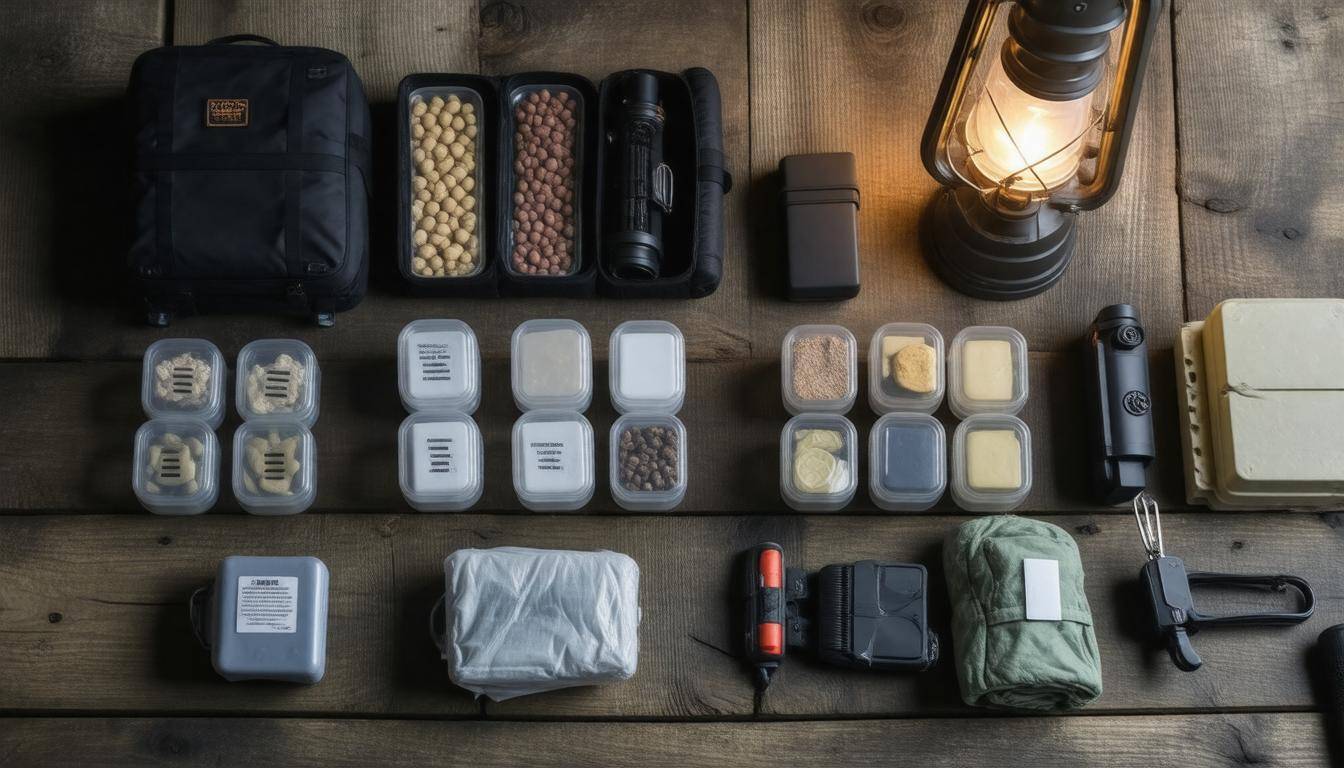
Effective resource rationing hinges on a unique set of skills—skills that can mean the difference between managing through an emergency and struggling to survive.
To begin with, understanding food preservation techniques is essential. Methods such as canning and drying allow you to store food for longer periods without compromising its quality. Imagine the satisfaction of biting into a juicy fruit in winter, knowing it was picked and preserved at the height of summer. Canning not only reduces waste but extends your resources significantly.
As we consider food, it’s equally important to be mindful of another critical necessity: water.
Knowledge of water purification methods is vital, especially when clean water sources may become scarce. Techniques such as boiling water, using water purification tablets, or constructing makeshift filters using cloth or charcoal can help ensure that you have safe drinking water available. It’s crucial to remember that even if water appears clean, bacteria and pathogens might still be present, which could lead to illness if consumed unfiltered.
While securing food and water is paramount, don’t overlook the human body’s needs during emergencies.
Developing basic first aid knowledge is another important skill that combines practical care with resource management. When supplies are limited, knowing how to properly utilize bandages or create splints from available materials can be lifesaving. For instance, knowing how to treat a wound with minimal resources ensures your medical supplies last longer and remain effective in caring for any issues that arise.
Along with health management, creating a safe atmosphere is also crucial.
Familiarity with shelter-building techniques allows you to create secure living conditions that protect you from the elements while conserving heat and energy. A sturdy shelter can dramatically reduce reliance on additional resources by keeping you warm and dry. Consider learning how to use local materials effectively; fallen branches and leaves can provide insulation in cold conditions without needing extensive supplies.
Finally, connecting with your environment opens up further avenues of resource maximization.
Having knowledge about local edible plants and animals not only enhances your survival toolkit but also adds variety to your diet when commercial options run low. Recognizing plants that are safe to eat or spotting small game can unpack a wealth of nutrition right outside your door. This self-sufficiency fosters resilience; rather than having all your eggs in one basket, you’re equipped to adapt based on what’s available in nature.
The skills for efficient rationing encompass much more than preserving food and purifying water; they represent a comprehensive approach toward self-sufficiency in times of scarcity. Developing these abilities sets the stage for understanding how to manage essential supplies during challenging situations.
Managing Medical Supplies
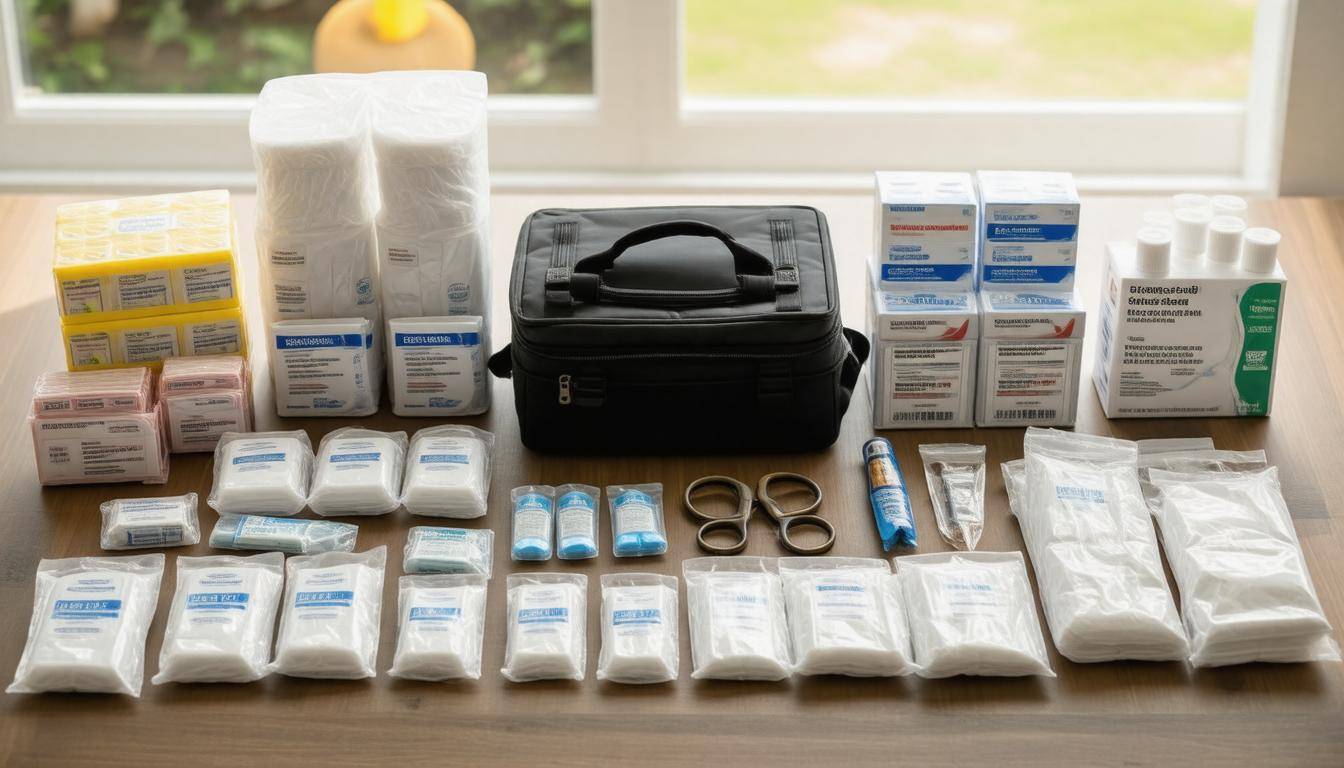
Medical supplies can be among the most critical and rapidly depleted resources in a survival situation. This is where careful management comes into play. It’s about more than just having a first aid kit; it’s about ensuring that you have the right items readily available and knowing how to use them effectively when disaster strikes.
Step I: Prioritize Essentials
When preparing for emergencies, begin by prioritizing essential medical supplies. Focus on items like antiseptics, bandages, pain relievers, and any prescription medications that may be needed on a daily basis. Take stock of these essentials and aim for a substantial supply, especially if you or someone in your care relies on consistent medication. A smart approach involves accumulating these vital resources and categorizing them based on their usage frequency and urgency in various scenarios. For instance, if you’re managing a chronic condition, ensure those medications are front and center in your storage area while keeping backups in easily accessible locations.
Having the right supplies on hand can mean the difference between managing an injury effectively or letting it escalate into something far worse.
Now that we’ve established a solid foundation of essential items, it’s crucial to think about their longevity and usability.
Step II: Rotating and Extending Supplies
Regularly rotating your medical supplies is key to keeping them effective. Aim to replace items before they expire, utilizing a simple FIFO (First In, First Out) system: place newer supplies behind older ones to ensure the older ones get used first. Moreover, develop a keen understanding of alternative uses for various medical items. For instance, did you know that honey has been used as a wound dressing due to its antibacterial properties? Such knowledge allows you to extend the life of your supplies creatively.
Additionally, learning how to create makeshift solutions can become essential when traditional supplies run low. Whether it means using clean cloths as bandages during an emergency or even creating homemade saline solutions to rinse wounds when you’ve exhausted your stash of antiseptic wipes—these improvisational skills are invaluable.
Tip: Documenting these alternatives and solutions can help everyone involved stay informed and organized during high-stress situations, ultimately aiding in efficient resource management.
While securing adequate supplies is vital, cultivating resilience and mental fortitude will empower you to navigate through tough times with greater efficacy.
Preserving Morale and Mental Health
Understanding the vital role that morale plays in survival situations cannot be overstated. When facing challenges, whether from natural disasters or other crises, a positive outlook can enhance resilience among individuals and groups. Keeping spirits high allows people to cope better with stress, make sound decisions, and collaborate more effectively, ensuring everyone’s survival despite limited resources.
Moreover, organizing daily routines can be a powerful tool in creating stability amidst uncertainty.
Establishing a semblance of normalcy through structured routines helps individuals feel more in control while managing their environment. This means designating specific times for chores like gathering food, maintaining shelter, and even cleaning up.
But it’s equally important not to forget about downtime; intentionally carving out moments for relaxation allows everyone to recharge their emotional batteries. Planning family game nights or sharing stories fosters connection. Encouraging open communication is essential too—it prevents misunderstandings and conflicts that can arise in high-pressure situations.
Step I: Activities for Mental Well-being
- Reading books provides both escape and education.
- Engaging in board games encourages teamwork and adds fun to otherwise dreary days.
- Physical exercise—like yoga or stretching—not only improves mood through endorphin release but also maintains physical well-being.
- Creative tasks such as drawing or storytelling spark imagination and divert attention from stressors.
Now that we’ve touched on activities, let’s discuss how to handle the inevitable stress and anxiety that come with pressure-filled conditions.
Step II: Handling Stress and Anxiety
Developing coping strategies is critical to preserving mental health. Mindfulness practices—such as meditation—can facilitate relaxation while grounding participants in the present moment. Furthermore, simple breathing exercises help counteract panic; just taking a few deep breaths can provide clarity when faced with difficult choices. These techniques support individuals in staying composed and focused—qualities that significantly aid decision-making during critical times.
Ultimately, implementing a holistic approach not only encompasses managing physical supplies but also prioritizes mental health practices that strengthen group dynamics during emergencies. By fostering a supportive environment filled with healthy routines and encouraging positivity, communities can navigate challenges effectively.
What tools or technologies can aid in tracking and managing rations effectively?
Tools such as ration tracking apps, digital spreadsheets, and inventory management software can significantly aid in the effective tracking and managing of rations during emergencies. For instance, a study found that using mobile apps for inventory management improved efficiency by 25%, allowing users to quickly assess available resources and make informed decisions about ration distribution. Additionally, smart containers with built-in sensors can monitor stock levels in real-time, helping individuals maintain optimal supplies without waste.
How should water be rationed in an emergency to ensure hydration while minimizing waste?
In an emergency, water should be rationed by limiting intake to about half a liter (17 ounces) per person per day, as studies indicate that this minimal amount can sustain basic hydration under survival conditions. To minimize waste, individuals should sip rather than gulp, avoiding exaggerated physical activity during peak heat hours to reduce perspiration. Additionally, collecting rainwater or prioritizing usage for vital needs such as cooking and rehydrating food can help extend water supplies, ultimately ensuring proper hydration without compromising resources.
What are the most effective strategies for rationing food during a survival situation?
The most effective strategies for rationing food during a survival situation include calculating daily caloric needs, prioritizing high-energy foods, and dividing supplies into manageable portions. A common recommendation is to aim for 1,500 to 2,000 calories per day, depending on the individual’s activity level. For example, focusing on nutrient-dense options like nuts, dried fruits, and grains can provide essential vitamins and energy while extending your food supply. Additionally, using a fixed meal schedule helps to avoid mindless snacking and ensures even distribution of resources over time.
What psychological factors should be considered when implementing resource rationing techniques?
When implementing resource rationing techniques, it is crucial to consider psychological factors such as fear, uncertainty, and group dynamics. Individuals may experience anxiety about scarcity, leading to panic or hoarding behavior, which can exacerbate the situation. Moreover, social cohesion plays a vital role; studies show that communities with strong trust networks are more effective at managing shared resources sustainably. For instance, a survey found that 70% of respondents in tight-knit communities were willing to accept rationing if they believed in fair distribution, highlighting the importance of transparency and communication in mitigating psychological stress during emergencies.
Can you provide examples of successful resource rationing from historical survival situations?
Successful resource rationing can be observed in several historical survival situations, one notable example being the 1972 Andes plane crash survivors. They were forced to ration their limited food supply, ultimately resorting to cannibalism of deceased passengers to stay alive, which allowed them to endure for 72 days until rescue, where only 16 out of 45 survived. This tragic decision highlights the critical importance of effective resource management during emergencies, showcasing that desperate measures can sometimes lead to survival when traditional resources are scarce.