
Boating can be an incredible adventure, offering a unique way to explore nature and relax with friends and family. However, just like any outdoor activity, it comes with its own set of risks. Imagine being out on the water under a beautiful blue sky when suddenly the engine fails or a storm rolls in. That’s why having a solid emergency preparation plan is essential. This guide will help you gather the essential supplies and knowledge needed to keep your crew safe and confident, because a little bit of prep can go a long way in ensuring your time on the water is both fun and safe. Let’s dive into what you need to know!
Your Boat Emergency Preparation guide should include essential supplies such as life jackets for all passengers, a first aid kit, flares or emergency signal devices, an emergency whistle, and a marine VHF radio for communication. Additionally, it’s crucial to prepare a float plan before heading out and regularly check safety equipment to ensure everything is in working order.
Must-Have Boating Safety Equipment
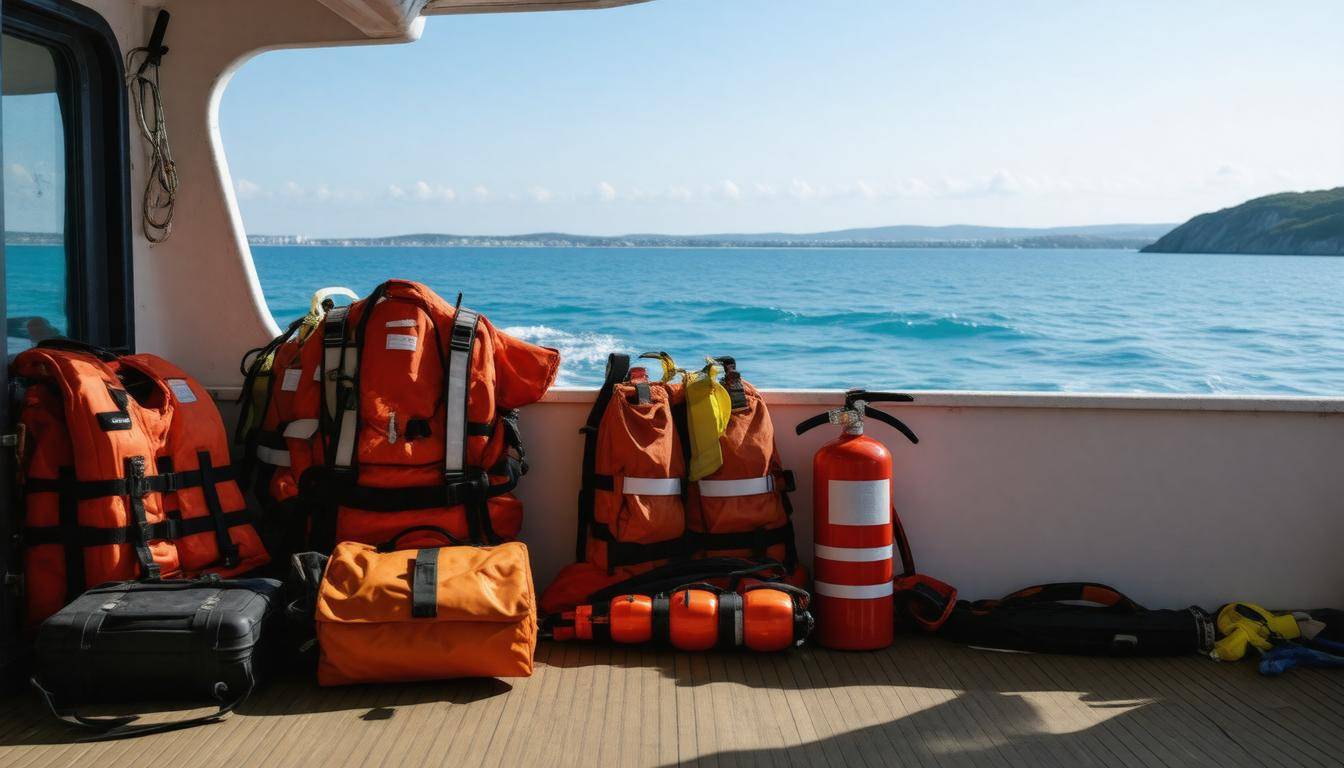
A well-equipped boat is safer and more enjoyable, especially when considering the unpredictability of aquatic environments. To start with, Personal Flotation Devices (PFDs) are non-negotiable; each passenger should have an appropriately sized life jacket onboard. It’s not just good advice—it’s a lifesaver. In fact, 86% of drowning victims in boating accidents were not wearing life jackets, according to statistics from the U.S. Coast Guard.
Next up is the fire extinguisher. Think of it like the small insurance policy you never want to use but will be grateful for in an emergency. Given that 70% of boat fires occur in the engine compartment, having a marine-rated fire extinguisher easily accessible can prevent a small mishap from turning into a full-blown disaster. Regular checks and maintenance can make all the difference in ensuring its functionality.
Secondary Necessities
The first aid kit cannot be overlooked; it should be tailored to account for typical maritime injuries. Ensure yours includes seasickness tablets, burn treatment ointments, and waterproof bandages. This specialized kit prepares you for those unexpected scrapes or environmental factors unique to boating, such as sunburn or even jellyfish stings. Research indicates that about 40% of boaters experienced some form of medical emergency while on the water, underscoring the importance of having adequate supplies on hand.
Beyond these essentials, flares or signaling devices are absolutely necessary for alerting nearby vessels in case of distress. The U.S. Coast Guard recommends carrying at least three flares as part of your safety kit. This ensures you’re equipped to signal for help effectively should the need arise.
While having physical safety equipment is critical, communication tools can often be just as important during emergencies.
Make sure to include a marine VHF radio in your safety arsenal. This device allows you to communicate with both the coast guard and nearby boats during emergencies, which could ultimately be lifesaving. According to U.S. Coast Guard guidelines, 90% of successful distress calls are made via VHF radio.
Additionally, don’t overlook the value of an emergency whistle—this compact tool is surprisingly powerful and can be heard over long distances, making it invaluable if someone goes overboard or if there’s an onboard issue requiring immediate attention.
Lasting Tips
Finally, always prepare a float plan before heading out on your adventure. This simple checklist should detail your expected return time and designated routes, allowing authorities to track your movements if you fail to return on schedule. Having this proactive strategy enhances not only your safety but also that of your crew and management personnel who may need to act quickly if something goes wrong.
With these foundational elements firmly in place, we can now shift our focus to assembling the necessary components for maintaining optimal safety standards while enjoying your time on the water.
Assembling Your Boat Emergency Kit
Putting together a comprehensive emergency kit is more than just ticking items off a checklist; it’s about creating a safety net that gives you peace of mind while boating. To start this process, selecting the right waterproof container is crucial. You’ll want something durable that can withstand the harsh marine environment. Ideally, it should be capable of floating, so even if it goes overboard, your essential supplies won’t sink to the depths below.
Once you’ve got your container sorted, it’s time to think about what goes inside it. Essential medical supplies form the backbone of your kit—these include antiseptics and adhesive bandages, which can help manage minor injuries before they escalate. Don’t forget the gauze, scissors, tweezers, and any personal medications since unexpected injuries can happen during a fun day on the water.
Step-by-Step Breakdown
- Select a Waterproof Container: Ensure your kit is in a container that can float and is waterproof to protect its contents from moisture.
- Essential Medical Supplies: Pack items like antiseptics, gauze, adhesive tape, scissors, tweezers, pain relievers, and any personal medications that might be needed.
- Survival Gear: Include a flashlight with extra batteries—this could be invaluable in low-light conditions—a whistle for drawing attention; a multi-tool for versatility; and thermal blankets for warmth in case of emergencies.
- Navigation Tools: Stash maps of the local water area as well as a compass; having a handheld GPS device can simplify navigation should you find yourself disoriented.
- Signaling Devices: Don’t overlook flares, mirrors, or an air horn in your kit to alert others and signal for help—these tools are critical for ensuring rescuers can locate you quickly.
- Food and Water: Pack non-perishable food items like energy bars and enough bottled water to sustain all passengers for at least 48 hours.
Now that we’ve covered the essentials you’ll need when assembling your boat emergency kit, consider how you’ll access these supplies. Each item needs to be stored securely but remain readily accessible whenever you head out on your boat. Having everything organized will prevent unnecessary fumbling during an emergency situation.
With your emergency kit in place, it’s time to focus on developing a robust strategy that outlines precisely how you’ll handle potential crises while enjoying your time on the water.
Crafting a Solid Emergency Plan
An effective emergency plan begins by identifying potential risks that may arise while you’re out on the water. These can range from sudden storms and mechanical failures to medical emergencies or even man-overboard situations. By knowing your local hazards, including weather patterns or any specific challenges posed by the waters you’ll be navigating, you can tailor your plan accordingly to mitigate these risks.
Plan Components
One of the first things to consider in your emergency plan is designating specific roles for each member of your crew. Everyone should have clearly defined responsibilities, such as lookout duties, communication tasks, and first aid response. This ensures that when a crisis unfolds, there’s no confusion about who does what; think of it as setting up a safety net where everyone knows their part.
Equally critical is the creation of a comprehensive float plan. This document should include not only your intended route and estimated time of return but also emergency contact information for each crew member, along with documentation about your boat. By sharing this float plan with a trusted person on shore, you create a lifeline, enabling someone to act quickly if things go awry.
Practicing mock scenarios can be transformative for your crew’s confidence and collective response efficiency. For instance, conduct regular drills for situations like man-overboard or handling onboard fires. This practice fosters an environment where calm coordination becomes second nature during real emergencies—after all, in moments of panic, having ingrained responses can be lifesaving.
Understanding your plan isn’t enough; effective communication and proper training are critical for its execution. You might have the best plan in the world, but if crew members are unclear about whom to alert or how to respond in an emergency situation, all that preparation could fall short at a crucial moment. Therefore, ensure that lines of communication are crystal clear before embarking on your journey.
Communication and Training Procedures
Effective communication can be the linchpin in a crisis but it’s often overlooked by many new boaters. Equipping your boat with a marine VHF radio isn’t merely an option; it’s essential to ensure you can reach the Coast Guard or nearby vessels when help is needed. However, simply having the equipment isn’t enough. Every crew member should know not only how to operate these devices but also how to use them effectively in emergencies. This means practicing not just the technical usage, but also understanding the types of situations where you might need to communicate urgency.
Training Essentials
Each crew member must be well-versed in using the radio, recognizing emergency signals like SOS and Mayday, and trained in basic first aid techniques. Consider participating in a certified boating safety course that includes hands-on training sessions. These courses often simulate real-world scenarios where communication could mean the difference between safety and disaster. Having this foundational knowledge creates confidence among crew members, allowing them to react appropriately under pressure.
As Josh, a seasoned sailor puts it, “The emergency training I received made it possible for me to stay calm when my engine failed during a storm.” His experience highlights not just the value of knowledge, but the power of preparation in potentially life-threatening situations.
Beyond communication tools and skills, maintaining all safety gear is just as vital for preparedness.
Regular checks of your marine VHF radio and other emergency equipment before each trip ensure they are functional and accessible, thereby reinforcing your family’s safety. This accountable approach cultivates a culture of vigilance aboard your vessel. In addition to checking your signal equipment, pay attention to your emergency contact list – always keep it updated with local coast guard numbers and nearby marinas; make sure every crew member has access to it. The more prepared you are, the better equipped you will be to handle unforeseen situations while enjoying your time on the water.
Essential Equipment Checks
Verification of emergency equipment should cover the following:
- Ensure all communication devices are operational.
- Confirm that signaling devices such as flares are unexpired and within reach.
- Maintain an easily accessible first aid kit tailored to potential boating incidents.
With these foundational aspects in place, focusing on consistent maintenance practices can further bolster your readiness for any unexpected events during your adventures on the water.
Regular Maintenance of Safety Gear
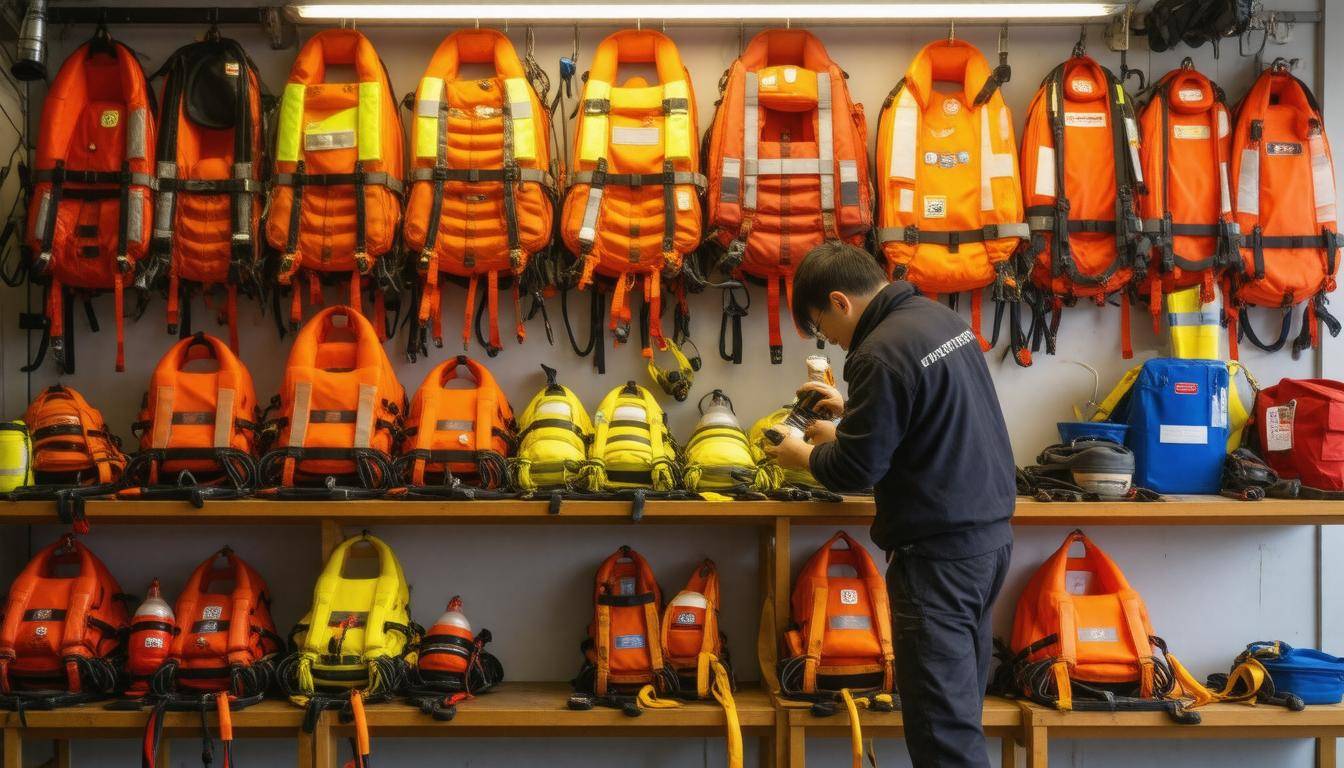
Safety gear is your lifeline while out on the water, which is why it requires regular inspection and maintenance to ensure it performs exactly when it’s needed. Each boating trip is an adventure, but maintaining your gear guarantees that you’re prepared for the unexpected. The first step is creating a solid checklist for maintenance. This checklist can not only serve as a reminder but also instills confidence that your gear will be reliable.
Checklist for Maintenance
Start with life jackets. Inspect them thoroughly for any signs of wear and tear, including frayed straps or loss of buoyancy. It’s important to check the functionality of all fastening mechanisms—straps should hold tight without slipping when you pull them. A life jacket that’s past its prime can be worse than no life jacket at all, so consider replacing any that are over five years old or show significant signs of damage.
Next on the list is the fire extinguisher, another critical piece of safety equipment.
Fire extinguishers need their pressure gauges checked monthly; if they’re showing low pressure, it’s time to recharge or replace them. Remember, fire extinguishers have a shelf life too—typically around twelve years—so if yours has been used or is approaching that age, it might not function effectively when called upon.
Medical supplies are just as important to maintain. Review your first aid kit every six months. Make sure medications haven’t expired; replace anything that shows wear or has reached its expiry date. Ensure that your first aid kit remains waterproof and easily accessible.
Not to overlook communication devices, your emergency signaling devices—such as flares and whistles—should also be part of your inspections. Regularly test the signaling devices, ensuring they work correctly and that any batteries are fresh; many signal flares can expire rather quickly under the right conditions.
By staying dedicated to this monthly ritual of checking your safety gear, you improve your chance of success in dire situations.
Conducting these checks consistently not only prolongs the life of your equipment but builds a habit of responsibility as a boat owner. Well-maintained gear significantly enhances the effectiveness of your distress signals. When every second counts, you want every piece working seamlessly to ensure you and your passengers remain safe on the water.
As we shift our focus from preparation to action, understanding how to communicate effectively during emergencies becomes paramount.
Effective Distress Signaling Methods
When you’re out on the water, the last thing you want is to be in a situation where you need help and your communications fail. Distress signaling methods are crucial for alerting others to your urgent situation, and knowing how to use them effectively could be vital in ensuring your safety and getting timely help.
Signaling Devices
Emergency flares are at the forefront of safety equipment because of their visibility and effectiveness. When fired, they can illuminate the night sky, making it nearly impossible for nearby boats or aircraft to overlook your emergency. However, these flares require basic training for correct deployment; misfires or improper handling can render them useless. Having a few practicing techniques tucked in your memory can make all the difference when time is of the essence.
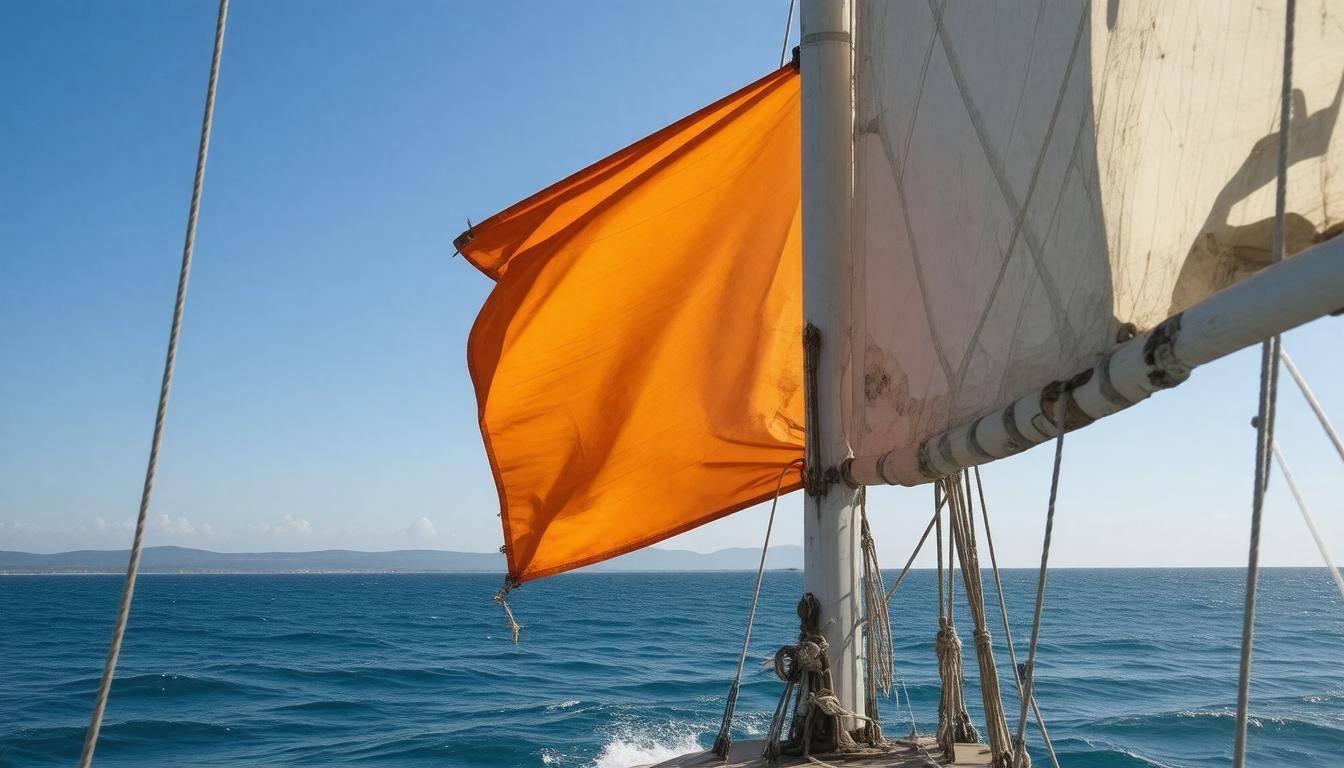
A distress flag is another option for daytime signaling. This bright-colored flag is universally recognized as a mayday alert, and its simplicity makes it incredibly easy to use. Just raising it high can signal nearby vessels that you need assistance. Keep one handy onboard, preferably within reach so that you won’t waste precious seconds trying to locate it during an emergency.
Advanced Methods
For those seeking peace of mind while sailing, investing in an EPIRB—Emergency Position Indicating Radio Beacon—is highly recommended. These devices automatically transmit your location to rescue services once activated, providing pinpoint accuracy that can drastically reduce response times during a crisis. No more shouting desperately into the wind; with just one push of a button, you alert rescuers who can home in on your exact coordinates. It’s incredible to note that according to NOAA, EPIRBs have played a role in rescuing over 9,500 individuals in the last decade. That’s thousands of lives saved simply because someone took the initiative to invest in this technology.
If you’re looking for something more portable and user-friendly, consider a PLB—Personal Locator Beacon. Unlike EPIRBs, which stay fixed on the boat, PLBs can be carried anywhere on your person. You can activate them manually if needed, putting your safety control right at your fingertips. These devices offer immense reliability for solo adventurers or those venturing far offshore.
While having successful signaling methods is crucial in emergencies out at sea, staying informed about rules and guidelines can further enhance your preparedness and response effectiveness.
Navigating Marine Safety Regulations
Regulations are the backbone of safe boating practices; they exist to protect both life and property on the water. While it might feel cumbersome to keep up with these rules, think of them as guidelines that provide a framework for safe navigation, emergency preparedness, and general responsibility on the water. It’s not just about avoiding fines; it’s about ensuring your own safety and the safety of those around you.
Key Regulations
Start with the most fundamental regulations like mandatory equipment requirements. In many places, carrying life jackets, flares, and fire extinguishers isn’t just a suggestion—it’s a law. Life jackets must be properly fitted and accessible for every person aboard. Similarly, the presence of flares ensures that if things go awry, you have a means to signal for help. Fire extinguishers, tailored according to the size of your vessel, are vital as well—especially for commercial boats which often face stricter scrutiny. Each country has its own set of rules about these essentials, so check local laws before setting sail.
Beyond equipment, registering your boat and obtaining necessary licenses are mandatory steps that cannot be ignored. It’s easy to brush off paperwork in favor of more thrilling aspects of boating, but compliance is key for a reason that goes beyond legal responsibilities: maritime authorities need to know who is on the water. Think about it this way: registering your boat creates a context for safety measures; in an emergency, it helps authorities find you quickly if needed. Familiarizing yourself with these obligations can make all the difference in critical situations.
Staying informed about changes in regulations is vital too; new updates may introduce crucial improvements to your maritime experience.
Fortunately, many resources are available for mariners eager to stay current with marine safety regulations. Websites like the United States Coast Guard offer comprehensive information regarding local mandates across different states and territories—this includes recent updates such as the new VHF Marine Radio regulations which require radios to display four-digit channel numbers. Keeping up with these changes can directly enhance your ability to respond during emergencies by ensuring your equipment is not only effective but compliant with current standards.
Moreover, regularly engaging with newsletters or online forums dedicated to boating can enrich your understanding of best practices among fellow boaters. Local boating clubs often host workshops focused on emergency preparedness and regulatory compliance where experienced mariners share insights from firsthand experiences. These communal platforms foster learning and equip you with actionable knowledge that could one day save lives.
Awareness serves as both direction and security as you embark on memorable journeys at sea; exploring various resources will further enhance your readiness for any situation that arises while you’re out on the water.
Online Resources for Boaters
The internet has a treasure trove of resources aimed at providing boaters with essential safety information. Understanding and utilizing these tools enhances your experience on the water and ensures you’re well-prepared for unforeseen circumstances. Whether you’re a seasoned sailor or a novice just starting out, these online platforms offer valuable insights and support tailored to your needs.
Consider the U.S. Coast Guard’s website, which serves as an authoritative source for safety tips and updates on regulations. Staying informed about changing maritime laws is essential for compliance while navigating. For comprehensive guides or checklists, BoatUS offers a wealth of resources. From preparation checklists to maintenance tips for your vessel, this site covers all bases to keep you equipped and ready for adventures.
Exploring More Resources
If sailing is more your style, you’ll find relevant information at Sailing World, which includes engaging articles, forums, and product reviews specifically tailored for sailors. Engaging in forums provides the opportunity to share experiences with fellow boaters, ensuring that you learn from others’ successes and challenges.
Likewise, understanding weather conditions is vital when planning any outing on the water, making the NOAA Marine Forecasts another invaluable resource. This site provides reliable weather information crucial for your safety—including live updates on marine conditions, which are indispensable during your trips.
Additionally, do not overlook the importance of formal training in boating safety. The American Red Cross website features courses designed for various levels of experience that teach safe boating practices and offer certification—enhancing your credibility as a boater.
Utilizing these resources equips you with the knowledge and tools needed for safe boating adventures. While being prepared might seem like extra work now, when you’re out on the water facing unexpected situations, you’ll be grateful you took the time to get informed.
So next time you cast off, think about how these online platforms can help you gain confidence and competence in addressing emergencies—because nothing beats being prepared.
How often should I conduct safety drills with my crew on the boat?
You should conduct safety drills with your crew on the boat at least quarterly, and ideally monthly when preparing for extended voyages. Regular drills keep crew skills sharp and help ensure that everyone knows their roles in an emergency. Statistics show that boats with regularly practiced emergency procedures have a significantly higher response rate in crisis situations, potentially reducing accident severity and increasing survival chances by up to 50%.
What are the best practices for signaling for help in case of an emergency at sea?
In case of an emergency at sea, the best practices for signaling for help include using flares, mirrors, and distress signals like SOS with a whistle or by flashlight. According to the U.S. Coast Guard, properly used flares can be seen up to 30 miles away under optimal conditions, greatly increasing your chances of being spotted by nearby vessels or aircraft. Additionally, carrying a functioning VHF radio allows you to call for help directly, significantly speeding up rescue operations. Always ensure your signaling devices are accessible and operational before heading out to sea.
What steps should be taken immediately if someone falls overboard?
If someone falls overboard, the first step is to immediately shout “man overboard!” to alert the crew, while keeping the individual in sight. Quickly throw a buoy or flotation device near them and have someone else point at the person to assist with visual tracking. Turn the boat around, maintaining a safe distance, and approach cautiously to avoid creating waves that could hinder retrieval. According to the U.S. Coast Guard, swift action can significantly increase survival rates; recovery efforts should ideally begin within the first 10 minutes after falling overboard.
How can I create an effective emergency plan for my boating trips?
To create an effective emergency plan for your boating trips, start by assessing potential risks specific to your boating environment, such as weather conditions and water traffic. Compile a comprehensive checklist of essential supplies, including life jackets, flares, a first aid kit, and a reliable communication device. Designate a clear chain of command among crew members and conduct regular drills to ensure everyone knows their roles in different scenarios. Research shows that nearly 70% of boating accidents are preventable with proper preparation and safety measures; thus, an effective plan can significantly increase everyone’s safety on the water.
What essential safety equipment should every boat be equipped with for emergencies?
Every boat should be equipped with essential safety equipment including life jackets, a first aid kit, flares, fire extinguishers, a whistle, and an emergency signaling device. According to the U.S. Coast Guard, over 80% of drowning victims were not wearing life jackets, highlighting their critical importance. Additionally, having a well-stocked first aid kit can be vital in addressing injuries quickly, while flares and signal devices ensure visibility and help in rescue situations. This preparation can significantly increase the chances of survival in emergencies on the water.