
In a world where power outages can strike unexpectedly, being prepared is no longer just an option; it’s essential for the survival of any business. The right emergency power strategy not only keeps your operations running smoothly but also protects your bottom line. Imagine losing critical data or customer trust simply because you were unprepared for a blackout. This guide dives into everything you need to know about generators, renewable energy options, and effective preparedness measures that can secure your business from unforeseen disruptions. Whether you’re a small retail shop or a large manufacturing plant, understanding your emergency power options can make all the difference in maintaining resilience through challenging times. Let’s explore how to keep the lights on when it matters most!
The “Business Emergency Power Options: Complete Guide” covers critical aspects such as planning considerations for engaging the community, various generator options suitable for different business sizes, essential guidelines for financial management during disasters, and strategies for fostering public-private partnerships. Additionally, it emphasizes the importance of preparedness in the face of cyber incidents and outlines best practices for resource distribution management in emergency situations.
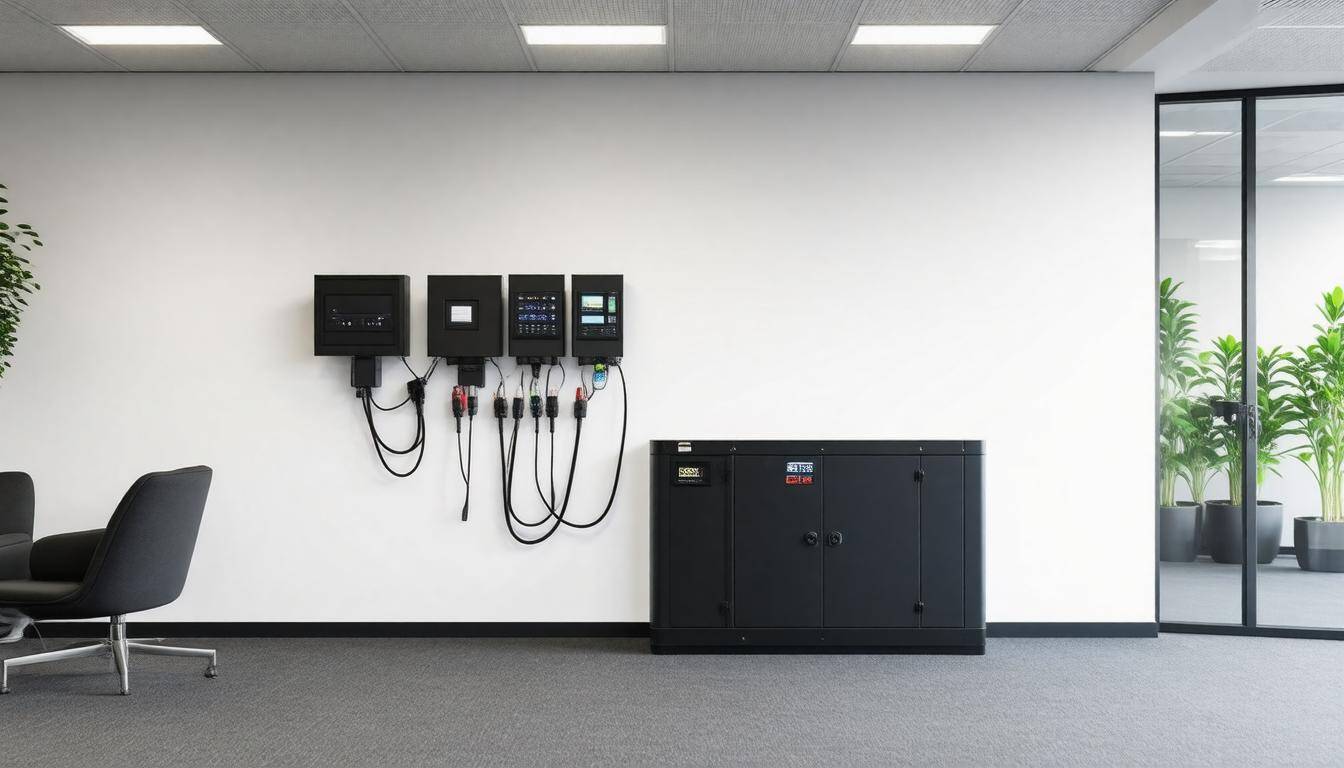
Reliable Emergency Power Sources for Business
When it comes to emergency power solutions, there are several reliable options tailored to meet the diverse needs of businesses. One popular choice is grid-connected backup systems. These systems link directly to the power grid and can switch over almost instantly when they detect an outage. This rapid transition is crucial for operations that require uninterrupted power flow, like data centers or hospitals, where downtime can have serious consequences—think lost data or jeopardized patient care.
For businesses heavily reliant on consistent computing services, an uninterruptible power supply (UPS) is indispensable. A UPS provides battery backup during outages, allowing for a seamless transition while preventing critical data loss. This means that even if the main power supply fails, the UPS kicks in immediately to keep the systems running, giving staff time to save their work and safely shut down equipment if necessary.
As important as grid-connected systems are, standalone generators provide another layer of reliability. Unlike those connected to the grid, standalone generators activate only when they sense a power interruption. They typically kick in within seconds, ensuring that essential services remain online when needed most. According to a 2024 survey by the Electrical Safety Foundation International, 70% of businesses using standalone generators reported minimal downtime during outages. This statistic underscores the importance of preparedness, as having a generator can be the difference between a minor inconvenience and a major financial setback.
Each type of generator presents unique advantages suited for specific scenarios and operational demands. By understanding these details, you can make informed decisions regarding your emergency power strategy and ensure your business remains resilient in challenging times. Next, we will evaluate the various types of generators available in deeper detail.
Generators: Diesel, Natural Gas, and Portable Options
Different generators serve varied needs, and their appropriate use significantly depends on your business’s specific power requirements. Among the primary options available are diesel, natural gas, and portable generators—each with its own strengths and weaknesses. By understanding these variations, you can better assess how to keep your operations running smoothly during power outages.
Diesel Generators
Diesel generators are known for their durability and high output capabilities, which makes them a favored choice for many larger businesses. These machines typically have a lifespan of 20,000 to 30,000 hours of operation, giving them a considerable edge over other fuel types in terms of longevity.
However, they come with trade-offs. Diesel generators tend to be noisy, often reaching noise levels between 70 to 100 decibels. This can be disruptive in work environments where a quiet atmosphere is appreciated. Moreover, regular maintenance is crucial; you should schedule servicing every 250 hours or at least once a year to ensure optimal performance.
It’s also worth noting that diesel fuel has a shelf life, meaning it can degrade over time if not stored properly.
Natural Gas Generators
But what about natural gas generators? Well, these options stand out due to their cleaner burning qualities and lower emissions compared to diesel counterparts. Noise levels are generally quieter, falling between 60 to 80 decibels, which can be beneficial in settings requiring minimal distraction.
However, there’s a catch—these generators rely on a continuous supply of natural gas. Therefore, they may not be ideal in areas prone to supply interruptions from natural gas companies or disruptions caused by disasters. If you’re operating in urban regions where an uninterrupted natural gas supply is common and reliable, these generators could be a smart choice for your emergency power needs.
Portable Generators
Turning our attention now to portable generators, these units are particularly popular among small businesses and temporary setups looking for flexible power solutions. With advantages like affordability, ease of transportability, and versatility in usage scenarios like outdoor events or construction sites, they cater well to businesses needing short-term power support.
Advantages
- Cost-effective—Ideal for businesses on a budget.
- Easy to transport—Can be moved as needed for different locations.
- Versatile usage—Applicable for various demands outside normal business operations.
Disadvantages
- Limited output—Typically not sufficient for powering complex operations.
- Need for manual refueling—Requires labor and time as opposed to automatic models.
- Less reliability during extended outages—Not designed for prolonged use without refueling.
As we consider various backup options, there’s an exciting shift toward greener alternatives that might complement traditional generator types in meeting your power needs while promoting sustainability initiatives.
Renewable Energy: Solar and Battery Systems
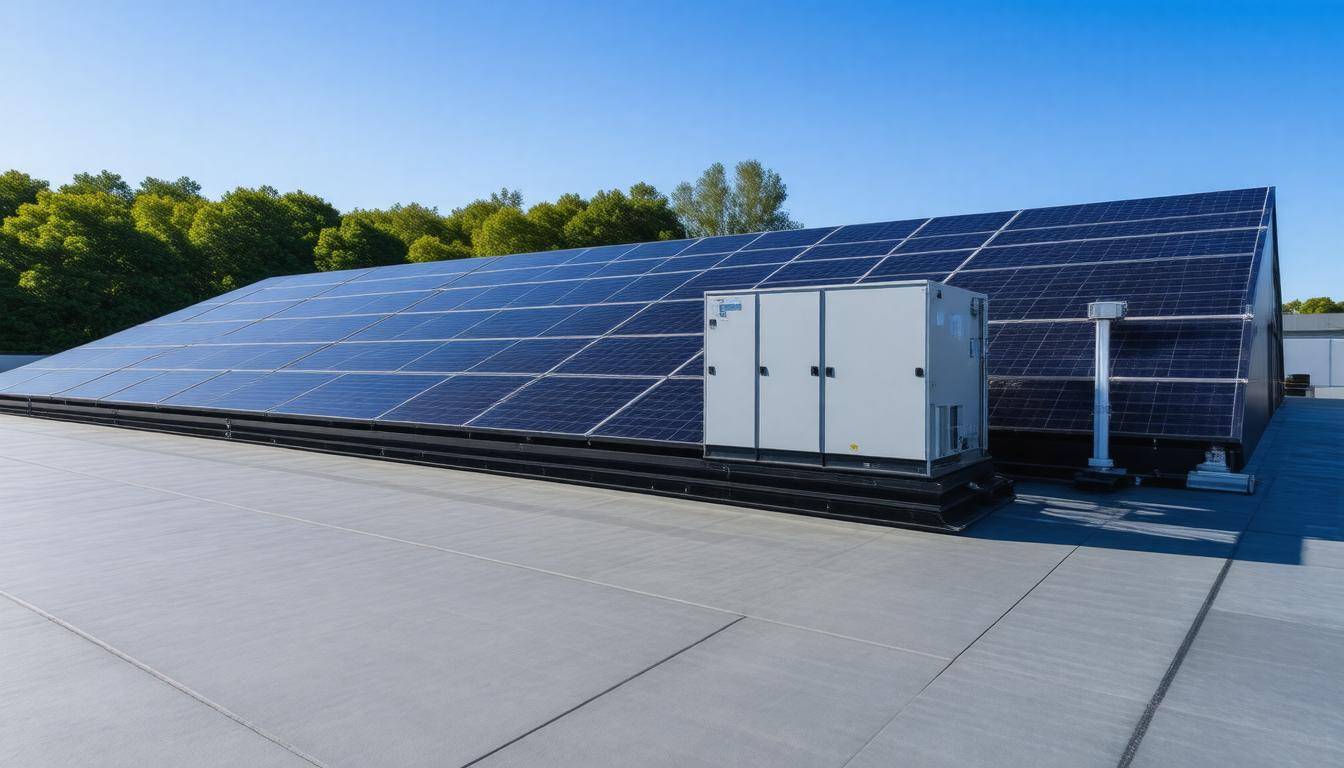
Investing in renewable energy not only ensures power continuity but also significantly reduces carbon footprints. For example, consider a bustling café that decides to install solar panels to save on energy costs while supporting environmental sustainability. By harnessing sunshine, they can generate enough electricity to power their kitchen equipment during peak hours, thereby lowering their reliance on external power sources.
Solar-Powered Solutions
Imagine a manufacturing business in sunny California that avoided production loss during an outage due to well-installed solar panels. They strategically invested in a solar system that creates a reliable supply of energy. When combined with battery storage, these systems offer an almost indefinite power supply—as long as there’s sunlight shining overhead.
What’s more, these systems can absorb excess sunlight when demand is low, effectively storing energy for future use. As power bills decrease because of these solar investments, businesses become more resilient to rising electricity costs while making strides toward a reduced carbon footprint.
Battery Backup Systems
It’s essential to recognize that while solar panels generate electricity, having battery backup systems is equally crucial. These systems store energy from the grid or directly from solar panels, allowing businesses to tap into immediate and seamless power during outages. The advantage of utilizing lithium-ion batteries lies in their high efficiency and longevity compared to traditional batteries.
To give a clearer picture of why lithium-ion batteries are preferred, here’s a comparative table that showcases the two types:
| Aspect | Lithium-ion (Li-ion) | Lead Acid |
|---|---|---|
| Efficiency | High | Moderate |
| Charge Cycles | 2000-3000 | 500-1000 |
| Weight/Size | Lightweight/Compact | Heavy/Large |
| Cost | Higher | Lower |
With lithium-ion batteries, you are investing in a solution that lasts longer and takes up less space—major considerations for businesses needing reliable indoor options without sacrificing too much floor space.
When considering the best backup power solution, it is vital for businesses to evaluate various factors beyond initial investment. This includes long-term savings on energy bills, maintenance requirements, and overall environmental impact. Exploring these criteria will help sharpen your focus on effective solutions available today.
Key Factors in Choosing Backup Power
One of the first aspects to consider when choosing a backup power system is your business size and power demand.
For instance, a small retail store with limited electronic needs may find that a portable generator sufficiently meets its requirements. These generators offer flexibility and can be easily stored when not in use.
However, if your business operates at a larger scale—say, a manufacturing plant that keeps multiple machines running—then you’ll need a high-output permanent system. This could entail investing in standby generators that can handle the load all at once, seamlessly switching on during power outages to keep operations running smoothly.
As we dive deeper into making this important decision, budget considerations inevitably come into play as well.
Your budget and long-term costs will also significantly impact your choice of backup power solutions.
While renewable energy systems like solar panels might require a substantial initial investment—sometimes higher than traditional fuel-based generators—the operating costs are usually much lower over time. For example, solar panels generate electricity without ongoing fuel expenses, dramatically reducing monthly operational costs compared to diesel or natural gas generators that require fuel replenishment and regular maintenance.
If your fixed budget doesn’t allow room for these upfront investments, it might be tempting to lean towards diesel or natural gas options due to their initial affordability. However, this could result in higher long-term expenditure due to fluctuating fuel prices and maintenance needs.
After determining your budgetary constraints, it’s essential to evaluate how reliability and maintenance requirements factor into your decision.
Reliability can vary significantly between systems. Diesel generators, while generally dependable, often come with a caveat: they require frequent upkeep—this involves regular oil changes and other maintenance tasks, which can become costly over time.
On the other hand, they tend to fare better against harsh weather conditions compared to solar energy systems that might struggle with cloudy days or environmental limitations. Meanwhile, battery systems represent another great option for modern businesses but necessitate specific controlled environments to maximize their lifespan; otherwise, performance can significantly drop.
By keeping these factors in mind, you can position yourself to choose the most suitable backup power solution for your business’s unique requirements and challenges ahead. Transitioning now will provide insight into the next critical steps regarding installation and operational efficiency.
Installation and System Switch Operations
When it comes to installing emergency power systems, the foundation of safety and reliability begins with a professional installation. Engaging a certified electrician is not just a recommendation; it’s essential to ensure that your system meets all safety codes and standards. A study by the National Electrical Contractors Association reveals that 50% of emergency power system failures are due to incorrect installations. This statistic underscores the importance of expert guidance. A professional will guarantee proper connections and evaluate your building’s unique requirements to install the most effective system tailored to your needs.
Moreover, understanding how your system operates can significantly enhance functionality and prevent costly downtime during an outage.
Automatic Transfer Switches (ATS)
One of the most critical components of any emergency power setup is the Automatic Transfer Switch (ATS). This device continually monitors the electricity supplied from the grid, automatically detecting interruptions in service. Within seconds, it switches from main power to your backup generator, maintaining a seamless flow of electricity. For businesses that rely heavily on continuous power—such as data centers or hospitals—this quick transition is crucial. Not only does it prevent productivity loss, but it safeguards valuable data that could be compromised during power disruptions.
In contrast, however, businesses may find manual systems suitable for their operational requirements.
Manual Systems
While cheaper upfront, manual transfer switches require human interaction to initiate the switch to backup power. This dependency introduces potential delays that can be detrimental during emergencies. If employees are not readily available or trained in this procedure, critical time could be lost—time that could make all the difference when every second counts. Therefore, manual systems may be best suited for businesses where immediate restoration of power isn’t as vital or in situations where personnel can quickly respond.
As we look ahead, it’s clear that ongoing advancements in technology continue to improve both reliability and usability of these emergency systems.
Regular Maintenance and Testing Procedures
Installing these systems is only part of the equation; ongoing maintenance and testing procedures are equally crucial. Regular checks ensure that all components function correctly under load conditions and continue to meet safety standards. Schedule routine inspections every six months to assess generator performance and inspect transfer switch operation; this proactive approach helps catch potential issues before they escalate into costly repairs or system failures.
Remember: Keeping detailed logs of maintenance activities—including oil changes, parts replacements, and any repairs—is an excellent practice that can help you anticipate future needs and maintain an efficient emergency power operation.
With this solid foundation laid out regarding installation and operations, it’s vital to remain informed about new developments in technology that might further enhance these emergency power solutions.
Latest Technology Enhancements
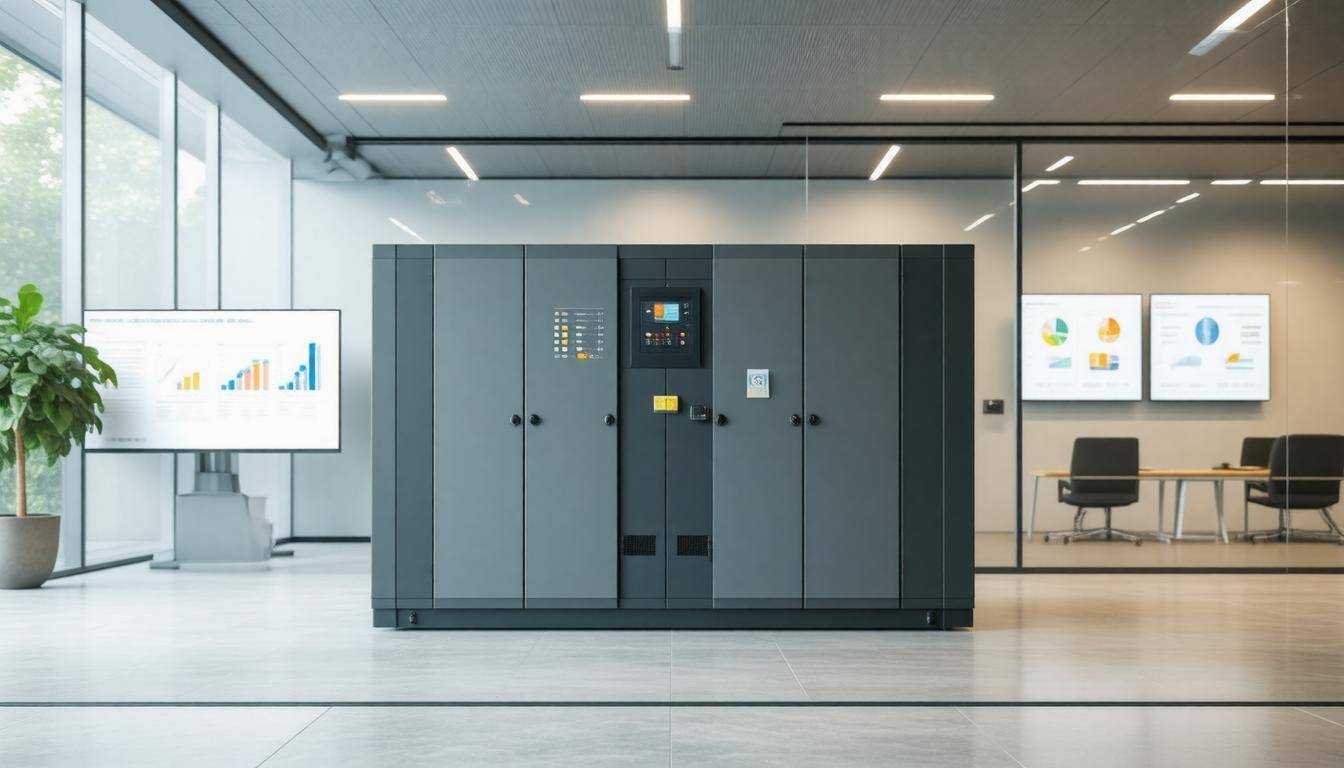
Rapid advancements in technology have revolutionized the effectiveness and reliability of backup power systems. From smart grids to artificial intelligence, the integration of these modern technologies addresses long-standing challenges in maintaining continuous power during outages while also improving efficiency.
Smart Grids and IoT Integration
At the forefront are smart grids equipped with Internet of Things (IoT) technology. These systems can communicate effectively among various components, collecting data and sharing real-time diagnostics that keep operations running smoothly. Imagine a backup system that sends alerts when it’s time for maintenance or detects an issue before it escalates—it significantly enhances reliability and minimizes downtime. This ensures that any issues are identified promptly and streamlines troubleshooting. Having machines that communicate with each other sounds futuristic but is becoming standard practice. By implementing smart grid technologies, businesses can gain insights into their energy consumption patterns and respond appropriately.
In a world where every moment counts, this proactive approach could save both resources and money in the long run.
AI-Powered Predictive Maintenance
Even more intriguing is the rise of AI-powered predictive maintenance, which utilizes advanced algorithms to forecast potential component failures before they occur. Picture a scenario where your backup power generator signals through an app that a battery might fail within two weeks; you can promptly replace it. This foresight reduces unexpected downtime significantly while alleviating expensive emergency repair costs. By shifting maintenance from reactive to predictive, companies ensure their systems are always prepared, enabling continuity without surprises.
Hybrid Systems
Additionally, hybrid systems are emerging as game-changers in energy management. By combining traditional generators with renewable energy sources such as solar and wind, businesses create a resilient energy setup. For instance, a hybrid system could harness solar power during the day and seamlessly switch over to diesel generators at night or during inclement weather conditions. This transition guarantees uninterrupted operations while maximizing efficiency and reducing reliance on fossil fuels. It’s like having the best of both worlds: reliability combined with sustainability.
Even with advanced technologies enhancing capabilities, remaining prepared for unexpected energy interruptions is crucial for businesses striving to maintain resilience amid an increasingly unpredictable landscape.
Power Outage Preparedness for Businesses
The first step in protecting your business from the potential fallout of a power outage is developing a solid contingency plan. This isn’t just about having a generator on hand; it’s about preparing your entire organization to respond appropriately when the lights go out. The reality is that 70% of businesses experience at least one power outage each year, and without a clear strategy in place, this disruption could lead to disastrous consequences. That’s why establishing reliable procedures and protocols before an emergency strikes is essential.
Regular Drills and Training
One effective approach to preparing for power outages is conducting regular drills and training for your staff. Imagine the difference it makes when everyone knows precisely what to do during an outage. It not only reinforces safety but also boosts confidence among your team.
Consider a scenario where a retail chain holds quarterly drills simulating outages; employees quickly switch to backup systems, maintain customer communication, and assess any potential damage, all because they were prepared. This practice ensures that when the real thing happens, panic doesn’t set in, allowing for a swift recovery.
Having well-trained staff is only part of the equation. It’s equally important to have a meticulously crafted emergency power plan.
Emergency Power Plans
Creating a comprehensive emergency power plan requires thorough consideration of your business needs. This plan should outline steps taken before, during, and after an outage, including instructions for operating your backup systems seamlessly. For instance, who turns on the generator? How do you inform customers about service interruptions? These questions should be directly answered within your plan to encourage clarity. Furthermore, include maintenance schedules for generators to ensure they’re always ready should the need arise.
Communication Protocols
Clear communication channels are vital during emergencies. Employees must know how to inform each other and customers about outages and service disruptions. To keep everything organized, establish protocols outlined in the following table:
| Step | Description |
|---|---|
| Immediate Response | Switch to backup power and notify staff |
| Communication | Use designated channels to inform customers |
| Evaluation | Assess the situation and potential damages |
| Restoration | Coordinate with utility for power restoration |
Each step serves as a guideline that can minimize chaos during unexpected outages and enhance business resilience. The goal here is not just survival but maintaining customer trust and operational integrity despite setbacks.
As we look deeper into preparedness strategies, realizing that comprehensive knowledge of emergency power options empowers businesses allows them to make informed decisions leading to effective solutions that mitigate power outage risks effectively.
In conclusion, implementing robust power outage preparedness measures creates a stronger foundation for business continuity while enhancing overall resilience in the face of unexpected challenges. Stay vigilant and proactive in safeguarding your operations against power interruptions.