
In an era where climate change shapes our daily realities, being unprepared for weather emergencies can leave us vulnerable. This isn’t just about having extra flashlights or canned food; it’s about actively adapting our emergency kits to fit local climate conditions. Whether you’re in a flood-prone area where rainwater can rise unexpectedly, or living in a place that faces extreme heat, modifying your emergency supplies is crucial. These thoughtful adjustments can ensure you and your loved ones are ready for whatever Mother Nature throws your way—because as countless experiences have shown, it’s better to be prepared than to scramble at the last minute. Let’s break down why this customization matters and how it can make a significant difference when disaster strikes.
Climate-specific emergency kit modifications involve customizing your emergency supplies to address the unique risks posed by local weather patterns, such as including waterproof bags in flood-prone areas or heat-reflective blankets in hot climates. These modifications are essential for ensuring that individuals are adequately prepared to handle emergencies relevant to their geographic location, ultimately improving safety and response during disasters.
Reasons to Modify Your Emergency Kit for Climate
Tailoring your emergency kit to your local climate is not merely a thoughtful addition; it’s a vital precaution. Different environments present distinct challenges during emergencies, and your survival may hinge on being equipped with the right tools. For example, consider a hurricane-prone area where storm surges and high winds can devastate homes. This requires special equipment, such as waterproof bags, first-aid supplies geared towards common injuries from fallen debris, and provisions that can sustain occupants through power outages lasting days.
Similarly, think about regions plagued by flooding. Residents need robust portable water filters to access clean drinking water after heavy rains or floods wash away infrastructure. High-energy, non-perishable foods become paramount when traditional resources are compromised. The painful reality is that approximately 30% of households in these flood-prone areas lack an emergency kit specifically tailored to their conditions. A few thoughtful additions can amount to significant differences in preserving health and safety.
When it comes to wildfires, which frequently occur in drought-stricken regions, considerations shift again. Here, fire-resistant materials in emergency kits can save lives and property if evacuations happen suddenly. Having crucial supplies like adhesive bandages and antiseptics becomes essential due to possible injuries from flames or collapsed structures.
With statistics from the National Oceanic and Atmospheric Administration (NOAA) emphasizing the urgency—there were 22 billion-dollar weather disasters reported in just one year—it’s clear how dramatically weather variations influence risks across different locales.
Besides environmental considerations, another critical reason for modifying your kit involves addressing personal needs and available resources within your community.
Customizing an emergency kit isn’t just about adapting to regional threats; it’s also about considering your unique situation. Personal medical needs should be a top priority as well. If your family includes someone with specific health requirements—like allergies or chronic conditions—these must inform what goes into your emergency supplies. Packing extra medication, essential medical devices, or even copies of important medical documents should be standard practice.
Moreover, it’s worth noting that urbanization and climate change are shaping our understanding of vulnerability to natural disasters day by day. As more families come to realize their local risks, community preparedness strategies are emerging using local resources creatively. Workshops offered by organizations like FEMA and The American Red Cross provide valuable training for crafting these customized kits based on real climate threats faced by individual neighborhoods.
Effective preparedness hinges on being aware of localized risks and taking them seriously. Regularly refining your emergency kit using insights from past experiences will empower you to face future challenges with confidence.
As we move forward, remember: the goal isn’t just survival; it’s ensuring peace of mind knowing that when disaster strikes, you have thoughtfully prepared for it.
In this evolving landscape of preparedness, understanding what’s required for colder climates becomes increasingly crucial as we explore how to gear up effectively for those chilly challenges ahead.
Essential Cold Climate Gear
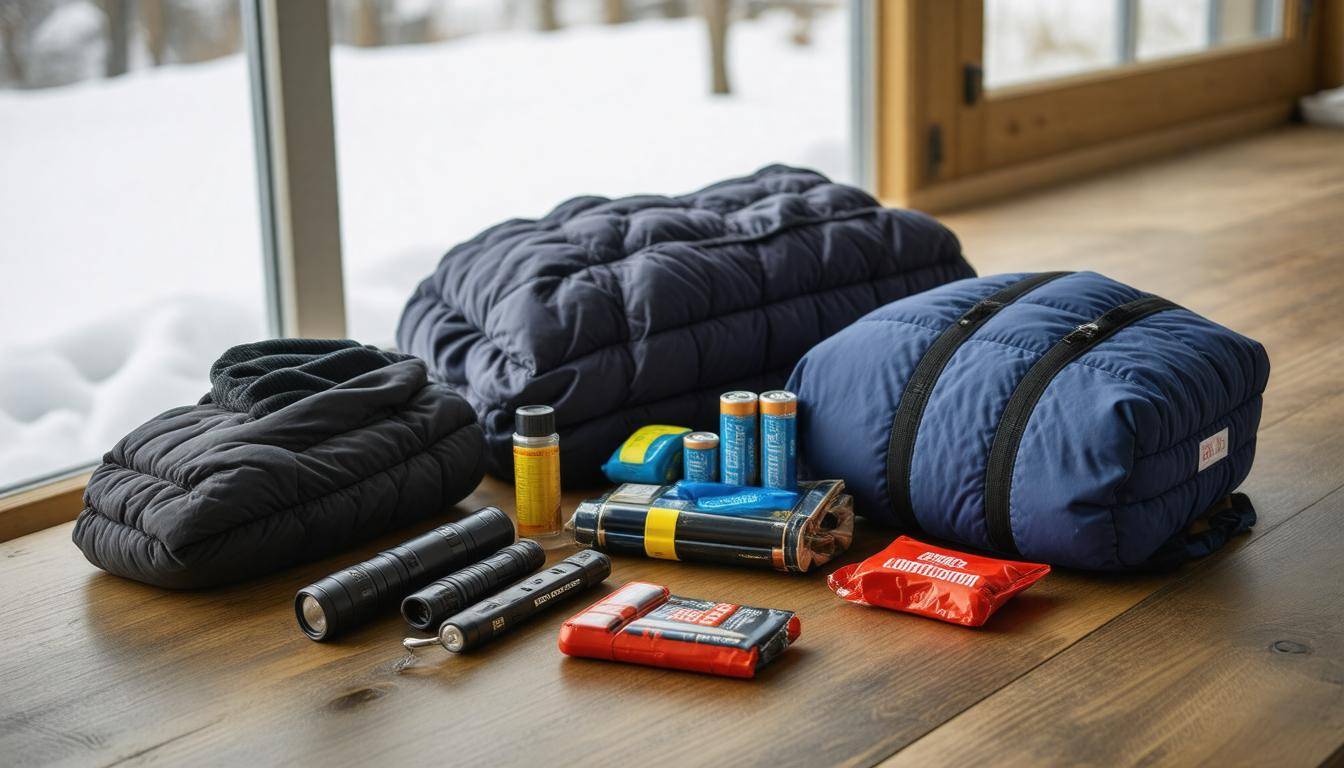
In cold climates, staying warm is not just a luxury; it’s a necessity for survival. Layering clothing is one of the most effective strategies to keep your body heat trapped while allowing flexibility to adapt to changing conditions throughout your day. The beauty of layering lies in the combination of different materials working together to provide maximum insulation without adding unnecessary bulk.
For effective layering, start with a moisture-wicking base layer, ideally crafted from merino wool or synthetic materials that help keep sweat at bay while trapping warmth close to your skin. Next, an insulating middle layer made of fleece or down serves as your primary barrier against the cold. This layer can be adjusted based on activity levels—if you start to feel too warm, simply unzip your outer shell. Finally, don’t skimp on a quality waterproof outer shell. This layer shields you from biting winds and snow, preserving both warmth and dryness.
Just as important is how you manage heat in extreme conditions, especially during unexpected situations where normal heating methods might fail.
Emergency Heating
Reflecting upon my own experiences enduring power outages in the snowy Northeast winters, I wholeheartedly recommend having portable propane heaters ready at hand. These heaters can efficiently warm smaller spaces quickly when traditional heating systems are unavailable.
Additionally, incorporating hand warmers and thermal blankets into your emergency kit can be incredible when the temperature unexpectedly drops. I recall one particularly frigid night when I huddled under several thermal blankets while using hand warmers tucked inside my gloves—this combination effectively maintained my core body heat in the face of bitter cold.
Beyond personal warmth, ensuring that your temporary shelter retains heat is crucial for overall comfort.
Shelter Insulation
To maximize warmth within any temporary shelter, consider introducing thermal reflective blankets inside tents. These blankets reflect heat back toward your body and significantly diminish heat loss. Pairing these with foam floor mats helps insulate you from the icy ground below, which can drain warmth faster than you’d imagine. Simple adjustments such as these drastically improve indoor comfort and protect against rapid drops in temperature during cold nights.
While keeping warm and insulated forms the backbone of winter preparedness gear, access to nutrients and hydration plays an equally vital role in your survival strategy.
Food and Water Needs for Cold Climates
When the temperatures drop, your body requires more energy than usual to stay warm. This increased need isn’t just about comforting calories—it’s about survival. In cold conditions, the recommended daily caloric intake can range dramatically from 3,000 to 4,500 calories depending on activity levels and severity of the climate. To keep up with this demand, high-energy foods are essential.
High-Energy Foods
You should stock up on calorie-dense supplies that will give you lasting energy without taking up too much space. Foods like nuts, dried fruits, jerky, and energy bars make excellent choices. Nuts pack a hefty punch with around 600 calories per 100 grams, while energy bars can provide between 400 and 500 calories each.
These items not only have a long shelf-life but also require no refrigeration—ideal for emergency preparedness. Incorporating a variety of these foods ensures that while your taste buds are satisfied, your body is also getting a mix of vitamins and minerals to fend off fatigue during extreme weather conditions.
Think of it this way: having ample snacks on hand can be the difference between feeling tired and being ready to tackle whatever comes your way.
Hydration
Now let’s consider hydration, which is just as critical as food; think of your body as a car in winter. It still needs its fluids to run effectively, even if it feels less thirsty due to lower temperatures. Insufficient hydration can lead to serious risks like hypothermia! Aim to drink at least three liters of water per day. Carry insulated water bottles that can prevent freezing in extreme temperatures, protecting your drinking water and keeping it accessible.
Snow might seem like an endless supply of water, but consuming only snow is deceptive; it can actually lower your body temperature! Instead, if you’re out in the wild, you can melt snow first and then filter it for consumption using a hand-operated water purifier or tablets if necessary. This method ensures that you’re not only getting enough hydration but also minimizing any contaminants that could leave you feeling worse—especially during cold exposure when every detail matters.
By ensuring you have the right food and hydration strategies in place for cold climates, you’re fortifying yourself against the elements. Let’s shift our focus to how we can effectively combat another challenging climate: extreme heat.
Items for Heat Protection
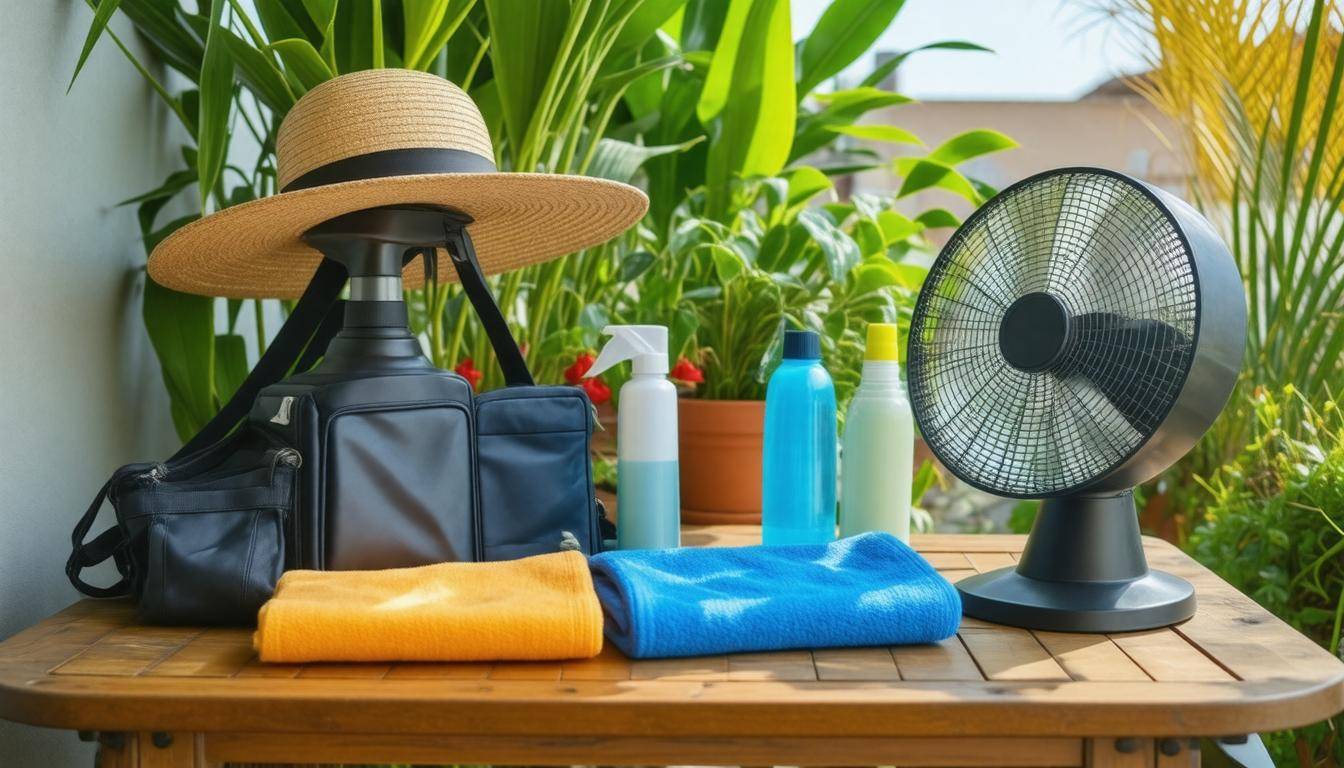
The sweltering heat of summer can be unforgiving, making it essential to equip yourself not only with protective gear but also with effective cooling mechanisms. One of the most important considerations is hydration. Just like a car engine that struggles without coolant, your body cannot function optimally in extreme heat without proper fluid intake. Therefore, carrying an ample supply of water bottles or hydration packs in your emergency kit should be a priority.
Sun Protection
To shield yourself from the harsh rays of the sun, incorporate broad-spectrum sunscreen into your kit—something that makes a world of difference in preventing painful sunburns. A sunscreen with an SPF of 30 or higher is recommended, and applying it generously every two hours can protect your skin effectively. Coupled with this, choose UPF-rated clothing designed specifically for outdoor activities; these clothes block harmful ultraviolet rays while keeping you cool. Hats with wide brims offer additional coverage for your face and neck, while quality sunglasses protect your eyes from glare—which can be especially dangerous if you’re trying to navigate in bright sunlight.
Moreover, having lightweight, breathable fabrics in your kit helps keep your body temperature down significantly. For instance, shirts made from moisture-wicking materials enhance air circulation and draw sweat away from your skin, allowing it to evaporate more easily.
Cooling Mechanisms
Beyond protecting against the sun’s rays, think about how to lower your core body temperature during extreme heat. Battery-operated fans are invaluable since they’re portable and can provide a refreshing breeze on demand. Alternatively, don’t underestimate the power of simple items like cooling towels soaked in water. When placed around your neck or forehead, they cool you off promptly by utilizing evaporative cooling.
Reflective emergency blankets often go unnoticed but play a dual role: During the day, they reflect sunlight while providing shade for makeshift shelters. Fold one up and keep it handy; you may need it when seeking relief from brutal temperatures.
Furthermore, consider freezing water bottles to create makeshift ice packs that will keep your perishable provisions cold while simultaneously providing immediate relief when applied against pulse points—think wrists or neck.
As we focus on these protective measures and cooling techniques, it’s also crucial to explore how altering your intake of fluids and nutrients plays a pivotal role in maintaining health during extreme temperatures.
Fluid and Nutrition Adjustments in Hot Weather
Your body’s nutritional needs shift dramatically in hotter climates, making tailored preparation an essential part of any climate-specific emergency kit. When temperatures rise, hydration becomes a paramount concern. Recommended daily water intake increases in extreme heat, with guidelines suggesting 3.7 liters for men and 2.7 liters for women to maintain optimal hydration levels. This means having sufficient water on hand isn’t just a luxury; it’s a necessity.
The reality is that as we sweat, our bodies lose vital electrolytes—approximately 1,500 mg of sodium, 200 mg of potassium, and 100 mg of magnesium per liter of sweat. Therefore, replenishing these lost salts can significantly enhance your body’s ability to cope with heat. Keeping electrolyte tablets or rehydration solutions in your emergency kit provides a smart solution to effectively counterbalance these losses. These small but impactful items help restore electrolyte levels and prevent symptoms of dehydration, such as fatigue or dizziness.
But fluid intake isn’t just about water; it also involves what you consume alongside it. Incorporating high-water content foods into your diet can further boost hydration levels without excess effort. Fruits like watermelon, cucumbers, or pre-packaged fruit cups are excellent choices that match readiness with nutrition—they keep you hydrated and satiated while providing essential vitamins and minerals. With clever choices like these, you’re not just quenching thirst; you’re bolstering your health too.
It’s also important to consider how you approach meals in hot weather. Instead of reaching for one large meal that taxes your system—leading to discomfort and an increased sense of heat—opt for frequent small meals throughout the day. This lighter eating strategy helps avoid overworking your digestive system, which tends to generate additional body heat during digestion. Instead, enjoy things like nuts, yogurt, or trail mix at regular intervals to fuel your body without the burden.
These adjustments not only help keep you feeling good throughout the day but also maintain energy levels during prolonged exposure to high temperatures.
Shifting focus from managing heat challenges, it’s crucial to explore the essential gear designed to withstand wet conditions ensuring preparedness when unexpected weather strikes.
Waterproof Gear Essentials
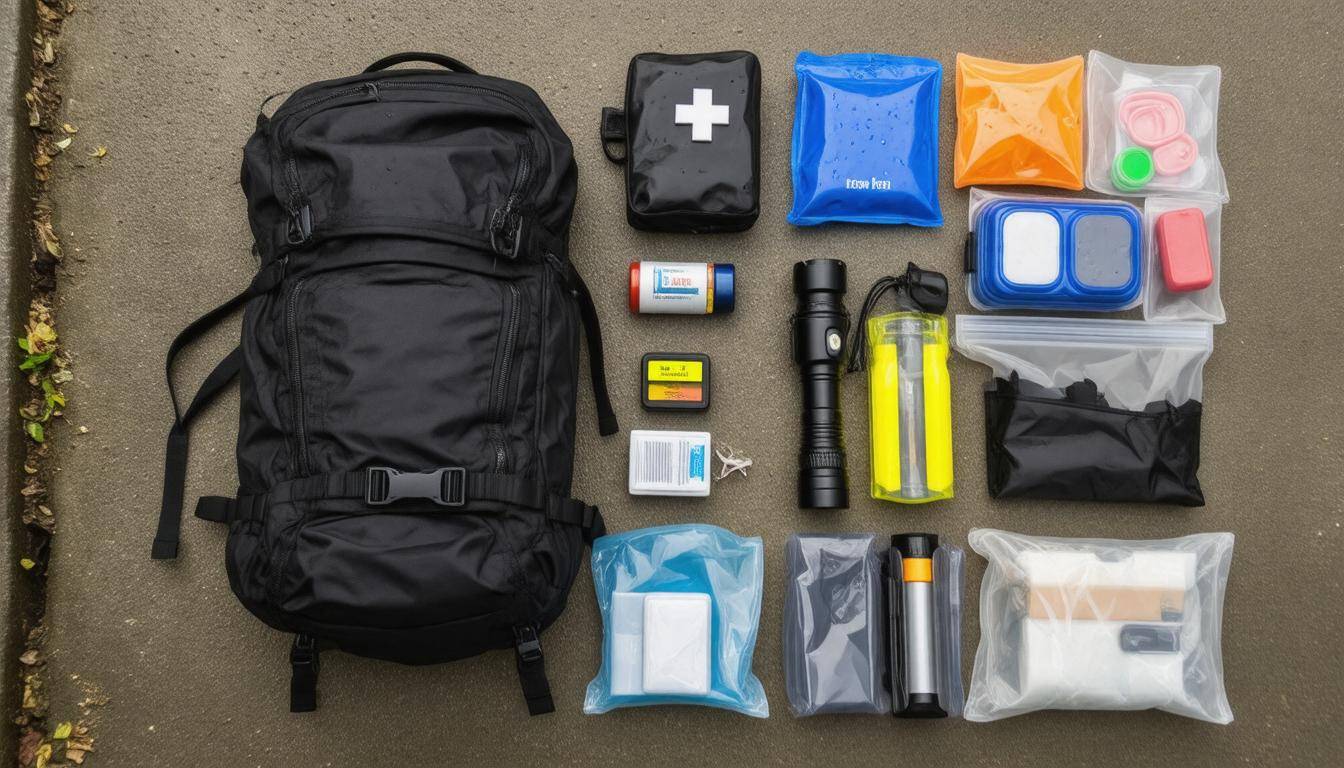
In regions prone to heavy rain or flooding, waterproof gear is not merely an accessory; it’s a vital part of any emergency kit. Imagine being caught in a downpour with your important documents soaked, or worse, your phone ruined. This is where waterproof gear really shines. It acts as a barrier, protecting your supplies and ensuring they remain usable during extreme weather events. Just as you wouldn’t venture into a blizzard without a sturdy coat, you shouldn’t face torrential rains without proper equipment.
Dry Bags and Containers
One of the first items to consider for your emergency kit is dry bags or waterproof containers. These versatile storage solutions are essential for safeguarding critical items such as personal documents, electronics, and even food supplies that could spoil in wet conditions.
The beauty of dry bags lies in their simple yet effective design; they contain a seal that keeps water at bay while remaining lightweight and easy to carry.
Investing in silicone-sealed plastic bins can offer additional security for bulkier items and help keep them dry, providing crucial peace of mind during storms.
As we move from storage solutions to personal protection, let’s take a closer look at protective clothing.
Protective Clothing
Beyond safely storing your essentials, wearing the right clothing is equally imperative when venturing into wet environments. A waterproof jacket is your first line of defense against the elements, but consider enhancing that with waterproof pants and high-quality boots made specifically for wet conditions. Brands like Gore-Tex stand out for their reliability and effectiveness, offering gear that not only repels water but also allows breathability to keep you comfortable.
Additionally, gaiters—those often-overlooked accessories—can provide an extra layer of protection by keeping moisture from invading your pants and reaching your skin. They wrap around your lower legs and snugly fit over shoes, acting as a formidable barrier against splashing water and muddy debris.
In flood-prone areas, this kind of preparedness can become critical; being dry and comfortable can literally determine how effectively you navigate through such situations.
Understanding the importance of waterproof gear lays the groundwork for considering what’s needed next to effectively tackle potential water-related emergencies that may arise.
Emergency Supplies for Flood-Prone Areas
Flooding can happen suddenly, turning calm streets into raging rivers in a matter of hours. This means being prepared with the right emergency supplies becomes essential for safety and survival. Key items that should be part of your preparedness arsenal include water filtration systems, high-energy waterproof foods, and life-saving equipment like inflatable rafts or life jackets.
Water Filtration Systems
Safe drinking water is a necessity during emergencies. Often, floods can compromise local water supplies by introducing contaminants. Thus, having reliable water filtration systems is paramount.
Consider portable filters such as the LifeStraw, which is designed to remove bacteria and protozoa, making it safe to drink from natural sources. For families or larger groups, products like the Sawyer Mini are excellent choices as they offer quicker purification and have a higher capacity for filtering water over time.
Additionally, don’t overlook carrying purification tablets; they’re compact and have a long shelf-life, ensuring you have options even in dire circumstances.
High-Energy, Waterproof Food Stores
Nourishment is just as crucial as hydration when gearing up for an emergency. Non-perishable foods stored in waterproof containers provide essential energy without adding excessive weight.
Freeze-dried meals, for instance, are extremely valuable because they are lightweight but calorie-rich, ideal for maintaining strength during strenuous situations. Place them inside sealable, watertight bags to prevent moisture damage. Also remember to rotate these food supplies regularly to ensure freshness; after all, no one wants to face an emergency with their backup stash being stale!
Inflatable Rafts or Life Jackets
In any flooding scenario, having inflatable rafts or life jackets can mean the difference between safety and disaster.
Picture this: during the severe floods in Germany in 2021, several residents became trapped without ways to traverse rising waters. Those who were prepared with these tools were able to navigate safely and reach higher ground while others struggled against the elements. It’s not just about having them; it’s also about knowing how to use them effectively when the moment counts.
While these essentials form a solid foundation for flood preparedness, understanding the specific gear needed for more severe weather events can significantly enhance your response capability during crises that escalate rapidly.
Specialized Equipment for Storms and Hurricanes
Hurricanes are among nature’s most severe challenges, and facing them demands specialized equipment that goes far beyond your everyday emergency kit. When tropical storm warnings start to circulate, having the right tools can mean the difference between chaos and a sense of control amid uncertainty.
Heavy-Duty Multi-Tools
Imagine being in the midst of a storm only to find yourself faced with minor repairs or needing to cut through fallen debris. That’s where heavy-duty multi-tools like the Leatherman Surge or Gerber Diesel come into play. These versatile tools assist not only with repairs but also with various emergency needs. Whether you’re tightening screws on a loose window frame or tackling other small issues, their robust construction means they can withstand tough situations. Investing in one of these tools is an insurance policy against inconvenience when every moment matters during a storm.
Portable Power Sources
One major concern during hurricanes is the potential for prolonged power outages. Imagine needing your phone to communicate with loved ones, but its battery is dead because you didn’t prepare properly. That’s why having portable power sources is absolutely vital.
Solar chargers and power banks are great options to keep essential electronics running when the grid fails. Additionally, solar-powered generators have gained popularity due to their reliability; they provide clean and renewable energy, which is invaluable during emergencies. It helps give you peace of mind knowing you can power what’s necessary without worrying about fuel.
Emergency Communication Devices
As Sarah M., a Florida resident, shares from her experience during Hurricane Irma: “We relied heavily on NOAA weather radios and walkie-talkies.” These devices became crucial for staying informed and maintaining communication when cell service was compromised. Keeping updated on weather alerts can guide your actions in dire situations—whether you’re waiting out the storm in your home or considering evacuation options. In a world where staying connected saves lives, having reliable communication tools should never be overlooked.
Understanding how each piece of specialized equipment fits into your preparation transforms what may feel like a chaotic event into a manageable situation where you can stay safe and protected.
Incorporating these specialized tools into your emergency preparedness plan will not only enhance your safety but also provide tranquility during tumultuous times. Being ready is your best defense against the unpredictable nature of storms.