
In times of crisis, the safety and well-being of our children should always come first. When disasters strike—be it natural calamities or unforeseen emergencies—families face overwhelming challenges that can leave parents feeling anxious and uncertain about their children’s safety. That’s why having a well-organized childcare system during such times is crucial. It’s not just about watching over kids; it’s about creating a nurturing environment where they can feel secure, even amid chaos. As someone who’s spent countless hours researching and crafting guidelines for effective disaster childcare, I know how vital preparedness can be. Let’s explore essential steps to ensure that our communities are equipped to care for the youngest among us when it matters most.
The Community Childcare During Disasters Setup Guide includes essential steps for creating safe and effective childcare systems amid emergencies, focusing on preparedness planning, volunteer management, and collaboration with local emergency services. Additionally, it provides strategies for addressing the specific needs of families and ensuring continuity of care for children while their caregivers manage disaster response efforts.
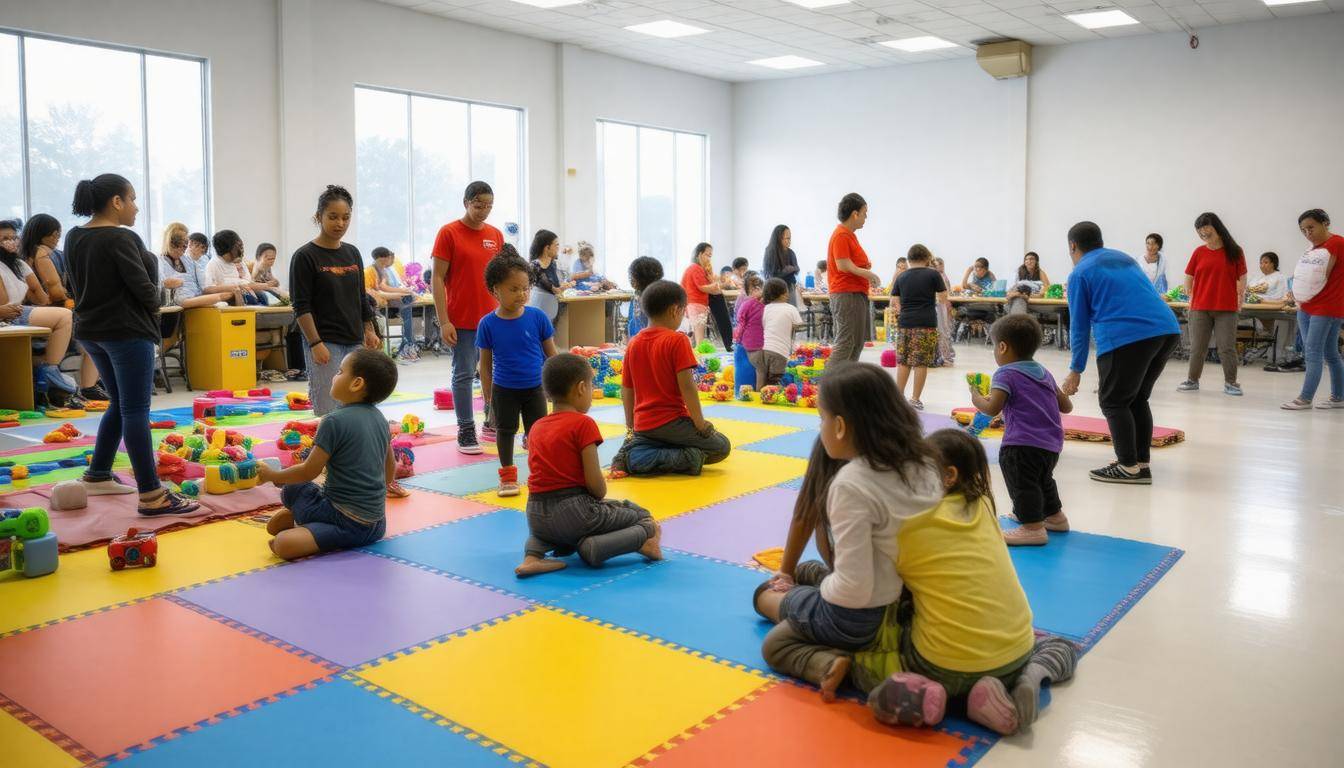
Key Components of Disaster Childcare
When it comes to setting up childcare during disasters, having a well-trained team is essential. This goes beyond just having a few employees who know how to deal with kids; it involves ensuring that every adult present is fully equipped to handle various emergency scenarios. Staff should not only be CPR-certified but also trained in first aid and familiar with your facility’s specific emergency protocols. Each team member ought to be capable of stepping up if unexpected situations arise.
Regular training sessions should simulate real-life scenarios—think evacuations and lockdown drills—to instill confidence and muscle memory in the staff. This kind of preparedness can have a profound impact on children’s sense of security; after all, a calm adult can help ease anxious minds.
“Knowing the staff could handle emergencies gave me peace of mind during a very stressful evacuation.”
But qualifications alone don’t suffice. The relationship between staff and families plays a pivotal role in creating a supportive and seamless childcare environment, especially during trying times.
Open Communication with Families
One key aspect of disaster childcare is establishing open lines of communication with families before, during, and after emergencies. This means keeping parents informed about policies, emergency contacts, and updates related to their children’s safety. Utilize communication systems like emergency text alerts or two-way radios that allow quick sharing of vital information.
Building this rapport fosters trust and ensures that families feel comfortable reaching out for support in challenging situations.
Parents are often at their most vulnerable during crises, so being proactive about communication can go a long way toward alleviating anxiety. Use newsletters or regular meetings to keep parents informed about routine drills and emergency plans, as well as welcoming their feedback on these systems.
Quick Tip: Create an easily accessible list of emergency contact numbers for all families involved—it streamlines communication during chaotic moments.
Safety protocols are yet another cornerstone of effective disaster childcare; they lay the groundwork for swift action when emergencies strike.
Clear Safety Protocols
Establishing clear safety protocols involves outlining standard procedures for everything from evacuation plans to maintaining an updated inventory of essential supplies. These protocols should include detailed evacuation routes prominently displayed throughout the facility and emergency contact lists that everyone can easily access.
Ensure that your supply inventory contains food, water, medical kits, and hygiene products that can sustain children for at least three days—this ensures that you’re equipped to manage any crisis without scrambling for necessities.
Furthermore, make certain that your center adheres to recommended child-to-staff ratios—such as 1:5 for kids under five years old—ensuring adequate supervision while also promoting an environment where children feel cared for. It’s about fostering safety while encouraging play, learning, and comfort.
To effectively cater to children’s needs during emergencies, it’s vital to consider designated spaces that prioritize their safety while allowing caregivers to respond efficiently.
Safe and Designated Locations
Finding the right location is crucial for establishing a reliable emergency childcare service. It’s not just about picking any building; it needs to effectively serve its purpose under stress.
Ideal locations are structurally sound and easily accessible to families in crisis situations. Schools and community centers often emerge as excellent candidates due to their robust construction and established safety protocols, including clearly marked emergency exits.
Assessing Structural Integrity
When choosing a space, assessing the structural integrity of the building should be your first step. Conducting a thorough evaluation with professionals is essential. They will check for fire hazards, potential flooding issues, and overall structural soundness. A building’s age can be a red flag—older buildings may have hidden weaknesses that could pose risks during emergencies.
Remember, in the chaos of a disaster, you want parents to feel assured that their children are safe within strong walls.
Another vital aspect of choosing a location is accessibility. Ensure that it’s easy for families to reach these sites quickly, whether walking or driving. Being near main roads or public transportation can significantly reduce delays when every second counts. Additionally, consider the surrounding environment; areas prone to natural disasters like floods or earthquakes might not be ideal choices.
Once the location is secured, another layer of importance arises: the need for basic facilities in these designated spaces.
An efficient childcare facility must provide access to essential amenities such as restrooms, kitchens, and comfortable spaces for children to play or rest. This consideration cannot be overstated; children cannot thrive if their basic needs aren’t met. Imagine kids being restless or uncomfortable due to lack of access to necessary facilities during an already stressful time—this can lead to further complications for both them and the staff managing larger groups.
Facility Readiness
As you assess a location, consider the readiness of its facilities. Are there enough bathroom stalls to accommodate multiple children simultaneously? Is there a clean kitchen area available for meal preparations? In emergencies, nutritious meals become integral; hence having proper cooking equipment on-site is critical.
You might be surprised how often this detail gets overlooked until it’s too late.
Regular inspections of these locations can help identify any maintenance needs early on, ensuring everything operates seamlessly when it’s needed most.
This careful planning creates an environment where families feel secure, and children can find comfort amid chaos. Moving forward, it’s equally important to focus on developing the skills and knowledge of those responsible for caring for these children in times of crisis.
Training Staff and Volunteers
The importance of training cannot be overstated; it is the backbone of successful childcare during disasters. Imagine a chaotic situation where children are frightened, and caregivers are unprepared. This emphasizes the need for a comprehensive plan that covers everything from disaster response to emotional support. Properly trained personnel can bring calmness in the midst of chaos, ensuring safety for every child in their care.
Comprehensive Training Programs
Implementing rigorous training regimes is essential for all staff members and volunteers involved in community childcare. It’s not just about knowing what to do but also about understanding why each action is necessary. A blend of classroom instruction and practical drills creates a solid foundation that prepares caregivers for various scenarios they may encounter. For instance, they should be versed in first aid techniques, like how to treat a burn or perform CPR, as well as having knowledge about the specific needs that children might have in stressful situations.
The American Red Cross offers excellent resources and certification programs that focus on babysitting and emergency preparedness. Such programs teach essential skills and provide insights into effective communication with children, especially when they’re scared or anxious. Additionally, these courses equip caretakers with strategies to maintain children’s emotional well-being during crises, crucial for keeping them calm and reassured.
Regular refresher courses every six months are vital. They help keep skills sharp and ensure that everyone involved is up-to-date with the best practices, making them more prepared when disaster strikes.
Role-playing and Simulations
Another powerful technique in training is role-playing disaster scenarios. Engaging in simulations allows staff to practice their responses in real-time without the pressure of a live crisis. For example, they might simulate an evacuation scenario where children must be quickly led to safety. This hands-on experience provides invaluable insights into what works, what doesn’t, and helps identify areas needing improvement.
Moreover, role-playing fosters teamwork among staff. It encourages open communication and helps practitioners understand their roles better within a group setting. When everyone knows how to act according to their responsibilities, the overall response becomes more organized and effective.
As you invest time into these training methodologies, consider how mobilizing community engagement in disaster response planning can fortify preparation initiatives across various sectors.
Crafting a Robust Setup Plan
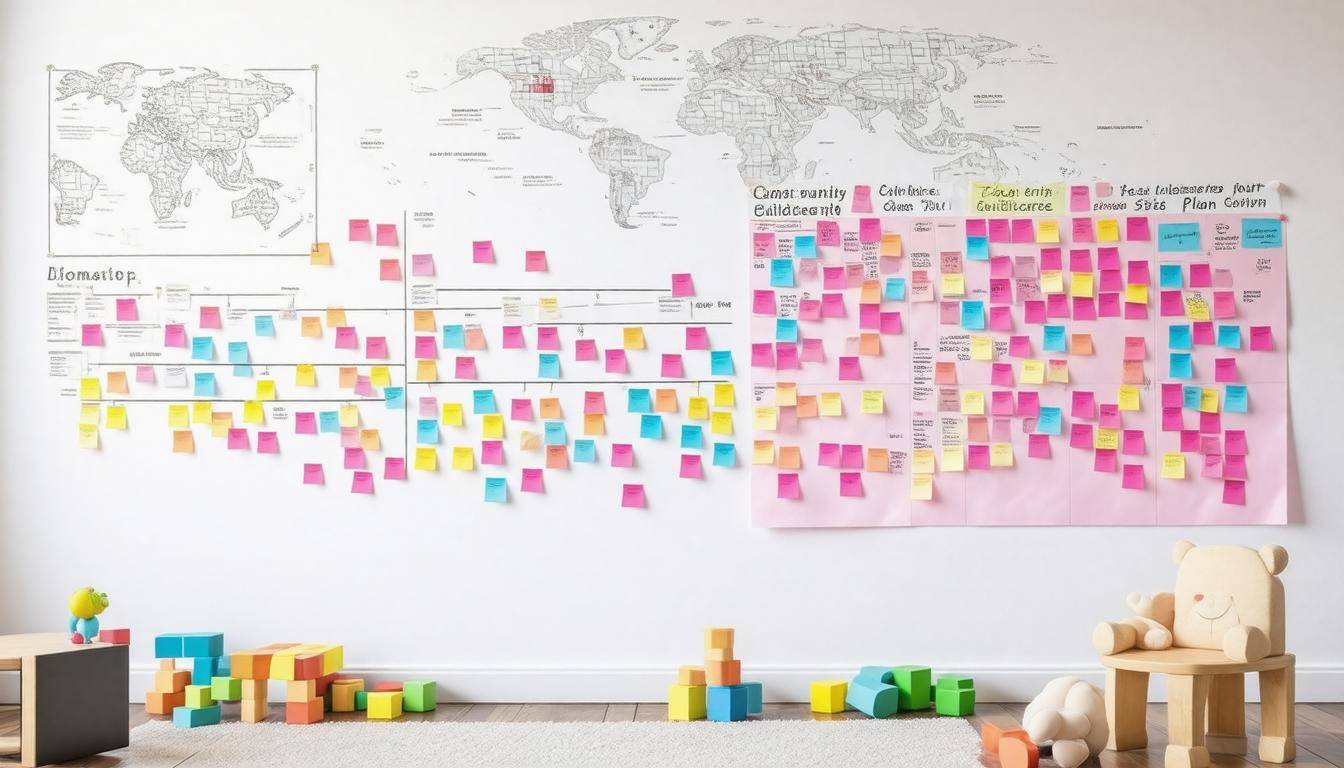
A well-thought-out plan is like a lifebuoy during a storm—it can save lives and bring calm amid chaos. In the context of childcare during emergencies, this plan needs to be comprehensive yet flexible enough to adapt to various situations.
Start by laying out a detailed action plan that includes specific protocols for different emergencies, including natural disasters, unforeseen evacuations, or health-related crises. Preparing for various scenarios and developing contingency measures tailored for each one is crucial.
As you work through this planning process, it’s vital to allocate roles and responsibilities clearly among your staff and volunteers. Each person must know what is expected of them when the unexpected occurs. For example, designating someone as the point of contact for parents can prevent confusion and keep families informed about their children’s safety. This role assignment streamlines processes and encourages accountability.
Next, communication is key; without it, even the best plans can falter.
Step-by-Step Planning
Having solid communication channels established ahead of time ensures that everyone involved— from staff to parents—receives timely updates during an emergency. This could involve setting up a group messaging system or utilizing social media platforms for real-time alerts. The goal is to create a reliable network where essential information flows easily.
Another crucial aspect of your setup plan involves creating evacuation routes. Clearly marked exit points should be identified within your facility, ensuring they are accessible for children of all ages. Conducting practice evacuations helps ensure everyone knows what to do without panic during actual emergencies.
Understanding local resources—such as medical facilities, food suppliers, and community shelters—plays a significant role in reinforcing your plan’s effectiveness. Knowing nearby hospitals or shelters allows you to provide specific directions quickly if an emergency arises.
- Allocate roles and responsibilities
- Establish clear communication channels
- Create evacuation routes
- Identify local resources (medical, food, shelter)
- Review and update the plan regularly
Lastly, don’t underestimate the importance of regularly reviewing and updating your plan.
Regular Reviews
As new challenges arise daily, keeping your plan fresh prevents it from becoming obsolete. Regular reviews allow you to incorporate feedback from staff and learn from drills. Modifications may be needed due to newly introduced regulations or changes in local emergency services; being proactive about these revisions will make a difference when seconds count in real emergencies.
The focus on regular updates ensures that you’re equipped to handle life’s unpredictable moments effectively.
With a strong foundation laid through detailed planning, it’s equally important to explore essential resources and coordination strategies that further enhance readiness.
Essential Resources and Coordination
When disaster strikes, having a well-thought-out plan for essential supplies can be the difference between chaos and calm. Gathering necessities such as food, water, first aid kits, and sanitizing supplies needs to be prioritized to support children and families affected by emergencies. It’s about ensuring that you have not just enough, but the right kind of supplies that are easily accessible.
Collaboration plays an indispensable role in resource management during disasters. Local authorities, non-profit organizations, community partners, and even neighborhood volunteers should work together seamlessly to pool their resources for effectiveness. For example, local grocery stores can become critical partners in making sure food supplies remain steady during emergencies. They may even offer discounts or donate perishable items nearing their expiration dates which would significantly support community childcare centers.
“Coordination is the backbone of resilient childcare systems during emergencies.”
In addition to food and water, first aid essentials cannot be overlooked. Childcare providers need to ensure they have adequate first aid kits stocked with necessary medical supplies such as bandages, antiseptics, and any essential medication for allergies or chronic conditions prevalent among the children. Furthermore, don’t forget about sanitation supplies; disinfectants and hand sanitizers play a vital role in maintaining hygiene amidst fears of contamination.
Example Resource List:
| Resource | Quantity | Provider |
|---|---|---|
| Water | 500 liters | Local Water Board |
| Food | 1000 meals | Local Grocery Store |
| First Aid Kits | 50 kits | Red Cross |
| Sanitation Supplies | 200 bottles | Local Pharmacy |
Including a diverse range of resources not only assures the immediate welfare of children but also strengthens community ties. Regular communication with every partner is essential throughout this process to adapt quickly to any shifts in community needs or resource availability.
As we explore deeper into the crucial steps involved in ensuring safety and preparedness, it’s vital to consider how implementing effective protocols can make all the difference when responding to crises.
Enforcing Preparedness Protocols
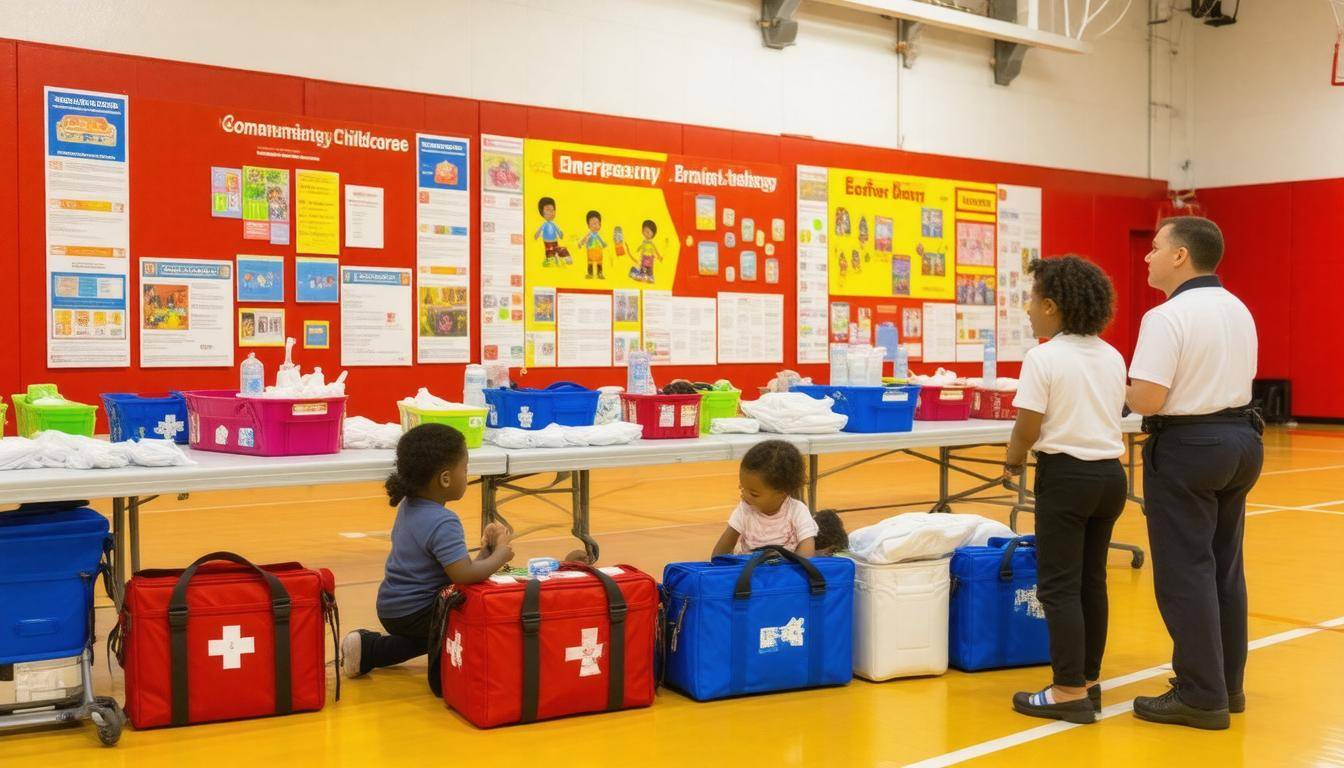
Establishing and enforcing preparedness protocols is crucial for maintaining a safe environment during disasters. It’s not just about having a plan on paper; it’s about ensuring that every member of the childcare community—from staff to children—understands and can execute their roles.
Regular drills are a fundamental pillar in this process. They provide invaluable opportunities for practice, allowing everyone involved to become familiar with emergency procedures. When performed consistently, these drills can be a defining moment in solidifying the knowledge and confidence of both caregivers and children.
As one childcare provider candidly stated, “Drills helped us find gaps in our plan, making real-life execution much smoother.” This emphasizes the ongoing need for learning from drills.
However, simply scheduling drills isn’t enough; continuous improvement is essential.
Ongoing Monitoring and Adjustments
After conducting each drill, it’s imperative to monitor their effectiveness closely. Observing how children and staff respond during these emergency simulations can reveal crucial insights. Feedback should be collected—what worked well in the drill? What did not go as planned? Such observations allow for necessary adjustments to your emergency preparedness protocols.
Emphasize creating an open environment where feedback is welcomed. This could involve anonymous surveys or group debriefings after each drill, providing everyone a chance to express their thoughts without fear. Additionally, keep track of any adjustments based on feedback to maintain a record of how your safety measures evolve over time.
Another critical aspect of ongoing monitoring involves reviewing safety measures regularly—perhaps once every six months or annually—to ensure they still align with best practices and address any changes in environmental risks or facility layout. Are exits easily accessible? Have new areas been designated as unsafe? Keeping abreast of these factors ensures that your preparedness protocols remain relevant.
Effective preparation is dynamic; it demands continuous refinement based on hands-on experiences and evolving standards. With this in mind, let’s now explore actionable strategies for implementing these concepts effectively.
Guidelines for Effective Implementation
To ensure a smooth transition into an effective childcare program during disasters, starting with a pilot program is a wise approach. This initial phase allows you to assess weak points and gather invaluable feedback without fully committing to the larger plan. Think of it as a test run; you want to see how things function in real-time while identifying any bumps along the way. The information gathered during this trial period will be instrumental in adjusting your methods before launching the complete program.
As you progress, involve the community actively. Utilizing surveys or organizing town hall meetings serves as an excellent way to gather significant input. This process not only encourages participation but also fosters a sense of ownership among families. They should feel that their voices are being heard, ensuring the childcare program aligns with their needs and expectations. This link between providers and families creates trust, which is vital in times of crisis.
Once you’ve gathered feedback, it’s time to act on it.
Analyze the data collected through your surveys and meetings; pinpoint common concerns or suggestions. Maybe parents expressed a need for more resources on emergency preparedness, or perhaps there was a call for training sessions surrounding safety protocols. Addressing these points head-on will make your program stronger and instill confidence in families who rely on your services during emergencies.
As modifications are made based on community feedback, communication remains key. Regularly update families on changes and improvements being implemented because transparency promotes trust. Inform them through newsletters, social media, or direct communication about how their feedback has influenced decisions.
Sustaining this momentum involves ongoing communication even after the initiation of the full implementation plan. Scheduled check-ins every few months can help gauge satisfaction levels and identify new areas for improvement. By continuously engaging with your community, you’ll not only create an effective childcare system but also foster a culture of collaboration where families feel like partners in every step of the journey.
With consistent dialogue and adaptive strategies in place, your childcare program is poised not only for disaster preparedness but also for continuous improvement, setting the stage for deeper ties within the community moving forward.
Sustaining Community Engagement
Community engagement is not just essential; it’s the lifeblood that sustains effective childcare programs, especially in times of crisis. When families feel involved, they are more likely to support and participate in initiatives. One way to foster this connection is by hosting regular community events, ensuring that families are fully informed about the objectives and protocols of your childcare program.
These gatherings can be as simple as casual meet-and-greets or as elaborate as workshops where parents can learn about disaster preparedness strategies alongside childcare providers.
Tapping into local media channels—whether that’s community radio stations, newspapers, or social media platforms—allows you to push regular updates directly to families and stakeholders. By sharing progress reports on how your program supports their children’s safety and well-being, you’re not just conveying information; you’re building a narrative that everyone can rally behind.
Social media can especially serve as a dynamic platform for sharing tips on what families can do at home to enhance child safety during wildfires or other emergencies.
Beyond these methods, engaging with local schools and parent-teacher associations opens yet another avenue for strengthening connections within the community.
It’s crucial to build a network of supportive families by reaching out to these established groups. They often have valuable resources, insights, and perspectives that can improve your programming. Moreover, collaborating with educators brings in additional expertise that ensures children receive comprehensive support both at school and in childcare settings.
Benefits of Ongoing Engagement
| Benefit | Description |
|---|---|
| Encourages community buy-in | Families become enthusiastic advocates when their input is valued and concerns addressed, spreading the word about your initiatives. |
| Simplifies resource sharing | A connected community allows for pooling resources, including informational materials, financial assistance options, or facilities for meetings and events. |
| Ensures continuous improvement through feedback | Regularly soliciting feedback leads to actionable insights that can refine your program over time based on family experiences or participation levels. |
| Builds trust between caregivers and the community | Trust is established through transparency and consistent communication, fostering confidence in the care being provided when families feel heard and respected. |
Synthesizing all these efforts into an effective strategy calls for dedication but yields significant advantages for both the childcare program and the families it serves. Through sustained engagement practices, we create a resilient community prepared for any challenge ahead while safeguarding the most vulnerable among us: our children.
In conclusion, prioritizing community engagement during disasters enhances not only the effectiveness of childcare programs but also fortifies relationships essential for navigating challenges together. The journey toward a secure environment for our children starts with active participation from every member of the community.