
When disaster strikes, the strength of a community is put to the test like never before. Think about it: who do we turn to when everything feels upside down? It’s often our neighbors—those familiar faces down the street or across the hall. Community support networks can be pivotal for not just surviving tough times but also thriving together afterward. These networks provide not only resources and assistance but also emotional comfort, helping individuals find their footing again. In fact, experiences from past disasters show that communities with strong support systems bounce back quicker and feel less isolated. Let’s dive into how these connections can be built and strengthened, ensuring everyone stands together when facing challenges ahead.
Communities can effectively set up support networks after a disaster by focusing on key components such as communication, resource identification, volunteer organization, and ongoing training for community members. Engaging local governments and NGOs to facilitate these efforts and promoting initiatives like Neighbor-to-Neighbor programs can enhance resilience and response during recovery phases.
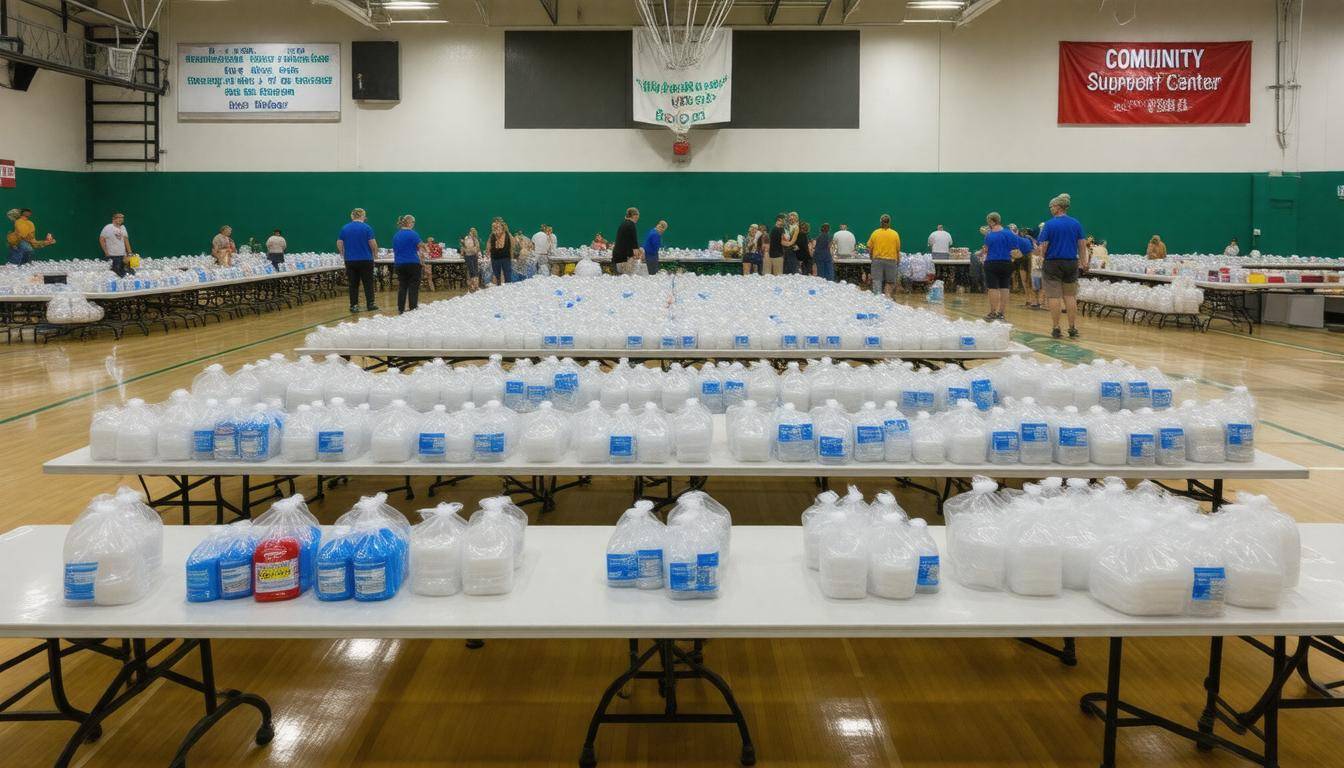
Community Support Networks in Disasters
Community support networks are the backbone of effective disaster recovery. When a disaster strikes, these networks spring into action, facilitating a flow of resources and collective knowledge that can significantly ease the strain on affected individuals. The importance of these support systems cannot be overstated. They mobilize people to work together during crises, providing not only physical resources and shared information but also vital emotional support. This dual function is key; the psychological comfort offered by communal interaction plays a critical role in helping individuals cope with the aftermath of disasters.
A striking statistic reveals that 70% of communities with established support networks reported faster recovery times after disasters. This rapid recovery can be attributed to the communication pathways these networks create before disasters even occur. Successful organizations tend to have strong foundations built on pre-existing relationships among community members, allowing for efficient resource allocation when chaos unfolds. During events like Hurricane Ike, neighborhoods with active community groups were able to restore essential services like electricity and water much more quickly than those without established ties.
It is evident that these community relationships are not just beneficial; they can mean the difference between quick recovery and prolonged distress. Studies indicate that 85% of disaster-affected individuals found community support networks crucial for their emotional and psychological recovery. These findings illustrate the profound impact that social ties can have on people’s well-being during and after traumatic events.
One insight from recent research shows that areas with stronger volunteer organizations experienced up to a 60% increase in resource distribution efficiency during recovery efforts. This underscores how vital volunteers are in building resilience within communities. They bring skills, energy, and an understanding of local needs to disaster response efforts. Whether coordinating shelter set-up or delivering food supplies, these grassroots initiatives make a remarkable difference in overall effectiveness.
If you’re thinking about how to contribute or build such networks, consider that key components include communication, resource identification, volunteer organization, and ongoing training for community members. Local governments, NGOs, and grassroots organizations all play pivotal roles in facilitating these support networks by offering essential training sessions aimed at preparing residents for emergencies.
Interestingly, 90% of local leaders believe that having pre-existing community networks enhances coordination and communication during disaster responses. This collaboration among local organizations allows for ideas and solutions to flow freely, making communities more adaptable and robust when faced with adversity.
Think about successful models like Neighbor-to-Neighbor initiatives or Community Emergency Response Teams (CERT). These programs foster connections among residents and train them in disaster preparedness. Fostering social capital is instrumental; it references not just what people know but who they know—essentially amplifying capacity for cooperation during crises.
As we continue our exploration, let’s examine the practical aspects of setting up effective systems for coordination and collaboration among community members when disasters strike.
Initial Setup and Coordination
Setting up a community support network requires methodical planning and coordination that brings together various local entities. The first step involves identifying key stakeholders. This means reaching out to local government officials, emergency response teams, neighborhood associations, and non-profit organizations. Engaging these stakeholders early on is crucial; everyone needs to be aware of their roles and responsibilities when disaster strikes. Clear role definitions help prevent confusion during critical moments when swift actions and decisions are necessary.
In addition to defining roles, it’s beneficial to create a shared vision among stakeholders about what the community support network aims to achieve. For instance, having regular brainstorming sessions can help clarify objectives and generate enthusiasm for collaboration.
Regular discussions will allow stakeholders to assess their preparedness levels and identify any necessary training or resource allocations long before any disaster occurs.
After establishing your core group, the next pivotal step is to set up robust communication channels.
Establish Communication Channels
Effective communication can mean the difference between chaos and coordinated action in times of crisis. When establishing communication channels, a mix of traditional methods—like phone trees or community bulletin boards—and modern techniques—such as social media groups or text alerts—gives your network more flexibility. These varied approaches ensure that information reaches everyone, regardless of their technology preferences or capabilities.
For example, communities utilizing multiple communication platforms report a 30% reduction in resource duplication, ensuring that valuable aid efforts don’t go wasted. A great illustration of effective multi-channel communication can be found in Japan’s Minamisanriku town, which has perfected this by employing loudspeakers, text alerts, and designated community meetup points for rapid information dissemination during disasters.
It’s essential to routinely test these channels through drills or exercises—this will not only boost confidence in your systems but allows for fine-tuning any gaps based on feedback from participants.
To strengthen these channels further, schedule regular meetings or workshops where everyone involved can share updates and best practices. These sessions reinforce connections among stakeholders and ensure everyone remains informed about changes or developments within the network.
With a solid foundation laid—involving stakeholder identification and communication setup—you’re positioned to strategically mobilize assets in preparation for impending challenges ahead.
Mobilizing Resources Effectively
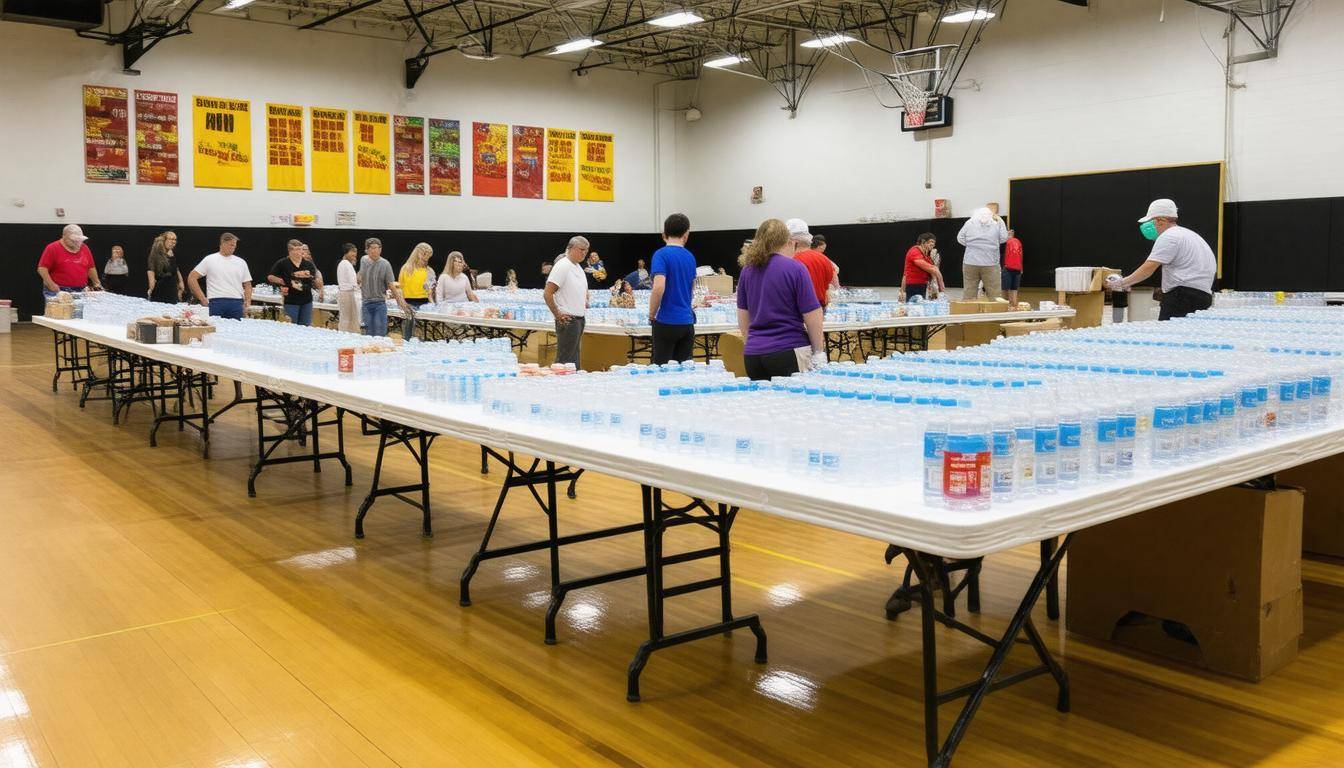
Mobilizing resources efficiently is a cornerstone of successful disaster response and recovery. When a disaster strikes, it creates immediate needs—needs that can only be met if we act quickly and thoughtfully. The vitality of well-organized resource mobilization lies in its ability to ensure that aid reaches those in need swiftly and appropriately. Each second counts; thus, every aspect of the mobilization process must be as efficient as possible.
To initiate an organized effort, we start by taking inventory of local resources. This means identifying what’s available in the community—food supplies, clean water, medical provisions, and shelter options become our primary focus. By understanding what is at hand, we can assess how much aid can realistically be offered.
Once we’ve gathered that information, the next logical step is to create resource maps that visually display this availability. These maps serve a dual purpose: they help us visualize how to distribute resources efficiently and highlight any gaps in supply that require addressing.
Developing partnerships is equally critical. Collaborating with local businesses, non-governmental organizations (NGOs), and other community groups enhances our resource capacity significantly. Think of these partnerships as an extension of your inventory; when entities come together to provide resources and coordinate efforts, the impact multiplies manifold.
For instance, during humanitarian crises, local businesses often step forward with donations or logistics support, proving indispensable in times of need.
Regular communication with these partners can help sustain momentum; maintaining relationships keeps volunteers engaged and encourages continuous contributions of both time and resources. It’s about creating a network—a web of collaboration where each connection strengthens the overall response effort.
The true beauty of effective resource mobilization lies not just in individual efforts but in the collective strength born from community collaboration.
Equally important is to regularly update your resource inventory. As circumstances change rapidly following a disaster, so too will the specifics surrounding what resources are needed most urgently. Keeping this information current allows for quick adaptation to evolving scenarios and ensures seamless transitions between different phases of recovery.
Maintaining volunteer engagement during this entire process cannot be overlooked either. Volunteers are often the lifeblood of community response efforts; their enthusiasm drives initiatives forward. Creating opportunities for involvement—from simple check-ins to complex logistical tasks—ensures that everyone feels a part of the solution. In fostering this sense of ownership within the community, you create not only resilience but long-lasting connections among people eager to assist one another during trying times.
As we continue exploring effective strategies for fostering community strength, it’s essential to consider how to actively motivate individuals looking to contribute their time and skills for collective benefit.
Volunteer Engagement Strategies
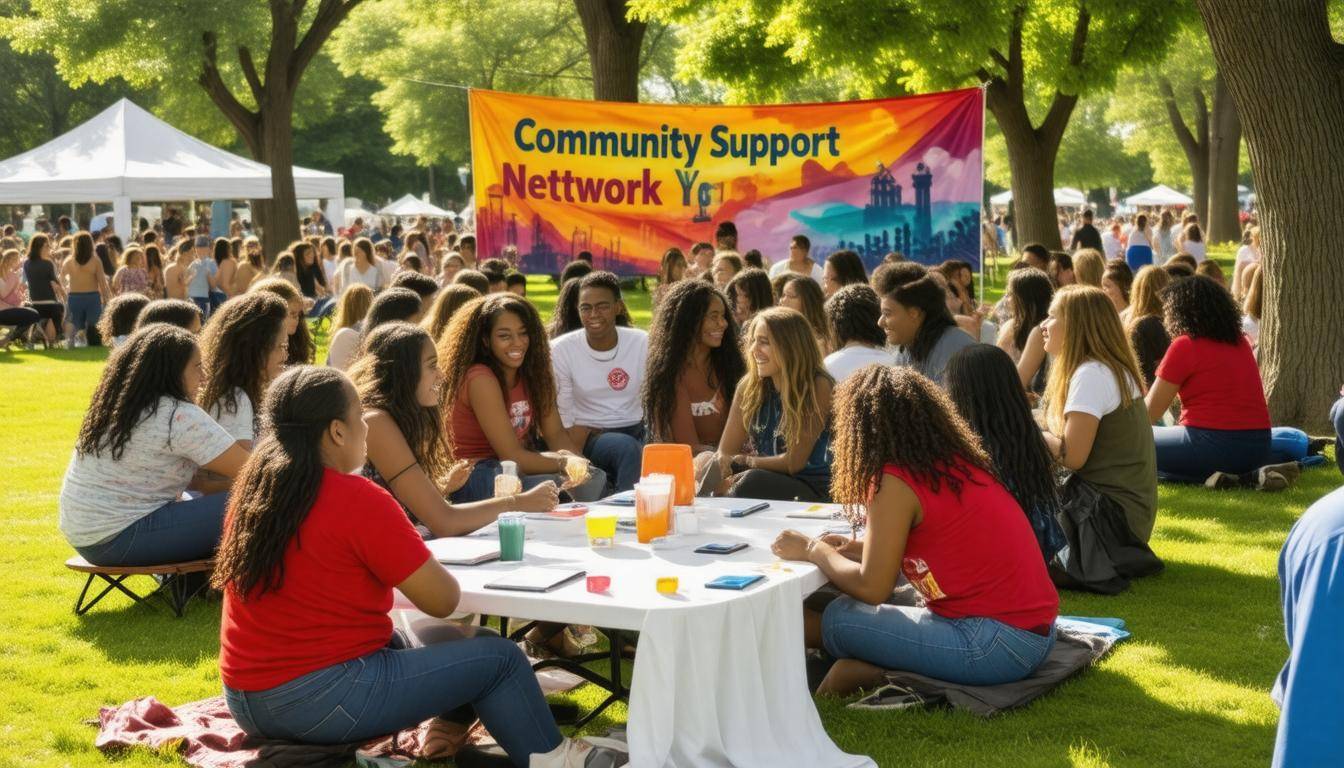
Volunteer engagement isn’t just about rallying people together; it’s about building genuine relationships that foster a sense of belonging and purpose. At the heart of an effective volunteer program lies the principle that individuals need to feel valued for their contributions. This isn’t merely a nice-to-have; it’s essential. When volunteers are acknowledged through regular communication and recognition for their service, they become more invested in the cause.
During the recovery efforts following Hurricane Maria in Puerto Rico, for instance, volunteers were celebrated with ‘thank you’ events and highlighted on social media. This simple act not only boosted morale but ignited a deeper commitment among volunteers, demonstrating how appreciation can transform engagement into enthusiasm.
Forming Volunteer Teams
Creating specialized teams based on specific skill sets can significantly enhance the efficiency of a volunteer network. Such divisions allow participants to contribute where they are most effective—whether that’s in medical aid, logistics, counseling, or another critical area.
For example, during recovery from California wildfires, John shared his experience as part of a specialized logistics team: “Being part of a specialized logistics team made me feel more effective but also deeply connected to the community.” When volunteers work within their strengths, it not only streamlines operations but también cultivates a sense of competence and assurance.
In addition to forming teams based on skills, it’s important to keep everyone aligned with training programs that enhance these capabilities. Training may cover various areas including disaster response best practices, public safety protocols, and even soft skills like interpersonal communication. Developing these skill sets can prepare volunteers for varied challenges while also mitigating chaos in high-stress environments.
As Dr. Paul Barker, an expert in disaster response aptly puts it, “To win in the recovery effort, you must have volunteers who are ready, willing, and felt seen.” This sentiment underscores that engagement must go beyond the mere assignment of tasks and touch upon emotional connectivity as well.
Having an engaged volunteer base is fundamental; other initiatives play a crucial complementary role by weaving tighter connections within the community during times of need. This shift brings new dimensions to how support networks are formed and enhanced.
Mutual Aid Initiatives
Mutual aid initiatives emphasize the importance of reciprocal relationships among community members during difficult times. The idea is simple yet powerful: neighbors helping neighbors. This could manifest in diverse ways, such as sharing meals, lending power generators during outages, or providing temporary lodging when disaster strikes. These actions not only aid in immediate recovery but also foster a stronger sense of connection and belonging within neighborhoods.
To truly grasp the significance of mutual aid, consider its broader implications—it builds social capital. When individuals come together to support one another, they cultivate trust and strengthen community ties. This creates a safety net for all members involved, making it much easier to navigate the challenges that arise during and after an emergency.
In essence, mutual aid doesn’t just accelerate recovery; it also lays the groundwork for resilient communities that are better prepared for future challenges.
Successful Examples
There are illustrative examples around the country echoing this sentiment. For instance, Neighbor-to-Neighbor Programs act like lifelines during crises, connecting families directly and enabling them to offer support when it’s needed most. These programs foster relationships where people can share resources or lend a hand without hesitation.
Another effective model is Timebanking. Imagine your community adopts a system where every hour you spend helping a neighbor earns you credits. You could then ‘spend’ those credits to receive services in return—be it gardening help or assistance with heavy lifting. This arrangement establishes a culture of give-and-take while ensuring that everyone has something to offer.
Implementing mutual aid initiatives creates ongoing dialogue about collaboration and support—not just during disasters but year-round. These systems can be enhanced through regular community gatherings that allow neighbors to establish connections ahead of time, ensuring readiness when disaster strikes.
As we explore further, understanding how these networks contribute to a more resilient framework will shed light on what it means to effectively prepare for uncertainties ahead.
Building Community Resilience
Building resilience prepares communities for future disasters while simultaneously reducing their vulnerability. It’s not just about surviving; it’s about thriving when faced with calamities. Imagine resilience as a form of community immunization, where each neighbor plays a role in fortifying the group’s response to emergencies. The stronger the individual connections, the more fortified the entire community becomes against disasters.
Think of it this way: just like a well-functioning immune system can identify and combat illnesses more effectively, a resilient community has systems and plans in place that help them respond quickly and efficiently to disasters. This kind of preparedness encompasses many aspects, from having emergency kits ready in every household to knowing where local shelters are located.
One effective way to build this resilience is through grassroots initiatives like neighborhood drills and disaster preparedness workshops. Encouraging residents to participate in these regularly scheduled events fosters not only skills but also community spirit. Take inspiration from the Philippines, where barangays—which are local government units—actively conduct disaster preparedness drills. These events unite neighbors under shared goals and responsibilities, ensuring everyone knows their role during emergencies. Such practices can include everything from practicing evacuation routes to learning basic first aid, embedding essential skills into the community’s fabric.
It may sound like fun and games, but imagine your neighborhood fire drill turning into an annual event where neighbors exchange recipes for their favorite emergency meals! You might not just save lives; you could also discover a hidden culinary gem or two along the way.
Yet, fostering community resilience goes beyond just putting plans in place; it requires commitment and ongoing engagement. Dr. Christine North, a notable researcher in this field, emphasizes that resilient communities don’t merely rebound from immediate impacts—they emerge better equipped for future challenges because they learn from each experience. However, even the best resilience strategies require actionable steps that everyone understands and embraces.
Cultivating awareness around safe practices and sharing knowledge within our communities is crucial for reinforcing our collective strength against disaster risks. Together, we can create robust systems that not only prepare us for emergencies but also empower us to act decisively when needed. With this foundation in place, we can shift our focus toward developing practical approaches that make a significant difference in our preparation efforts.
Crafting an Actionable Plan
An actionable plan acts as a roadmap for your community during times of crisis, providing a structured approach to handling various disaster scenarios.
The first step in this process is Risk Assessment. This involves pinpointing the specific hazards that pose a threat to your community. Are you in a flood zone, or do you face the risk of wildfires? Employing historical data and predictive models can guide these assessments, helping you connect past disasters to potential future risks. Understanding these vulnerabilities allows communities to tailor their response plans efficiently and appropriately.
Having assessed the risks, it’s crucial to focus on Goal Setting.
Establishing clear, measurable objectives is essential for both disaster preparedness and recovery. For example, if your goal is to enhance evacuation procedures, determining how many residents should be educated within a certain timeframe allows you to set metrics for success. In this phase, it’s vital that everyone feels involved; input from varied demographic groups can yield insights that might otherwise be overlooked. The more inclusive the goal-setting process, the more robust your community’s response will be.
With clear goals established, the next step is to Implement Training.
Regular training sessions ensure that all community members know their roles and responsibilities in a disaster situation. Simulations and role-playing exercises keep the training both informative and engaging—imagine your neighbors practicing evacuation routes while working through real-life scenarios together! Not only does this reinforce learning, but it also enhances camaraderie among participants. Investing time in training prepares not just individuals but entire neighborhoods to respond efficiently when disaster strikes.
Finally, it’s essential to focus on Evaluation and Adjustment.
Schedule regular reviews of your plan to assess what worked and what didn’t. This requires openness to feedback from those involved in training and day-to-day operations. By building flexibility into your plans, you allow yourself the ability to adapt to changing circumstances or new threats as they arise. As noted by disaster management expert Sarah Collins: “A written plan is only as good as its last review.” This continual cycle of evaluation ensures that your community remains resilient in the face of adversity.
All these steps contribute to an organized framework for resilience that significantly directs efforts in times of crisis.
In preparation for unpredictable events, having an actionable plan ensures that communities are not only ready but also united in response efforts. Investing in comprehensive strategies today can transform challenges into opportunities for growth and cohesion tomorrow.
What challenges do community support networks face in the aftermath of a disaster?
Community support networks often face challenges such as resource scarcity, communication breakdowns, and volunteer fatigue in the aftermath of a disaster. For instance, 60% of volunteers may experience burnout due to overwhelming demands, while approximately 40% of affected individuals feel disconnected from available resources due to poor communication channels. These hurdles hinder effective recovery, making it crucial for networks to establish clear protocols and foster community collaboration early on.
How can communities effectively organize and mobilize volunteers for disaster response?
Communities can effectively organize and mobilize volunteers for disaster response by establishing a robust volunteer management system that includes pre-disaster training, clear communication channels, and designated roles based on individual skills. Engaging local organizations and businesses to support volunteer efforts can also enhance resources and coordination. According to FEMA, effective volunteer mobilization can lead to a 30% increase in response efficiency, enabling quicker and more comprehensive community recovery. By fostering a culture of preparedness and collaboration, communities can ensure that their volunteer base is ready to act promptly when disasters strike.
What role do local government agencies play in supporting community networks during recovery?
Local government agencies play a crucial role in supporting community networks during recovery by providing essential resources, coordinating disaster response efforts, and facilitating communication among various stakeholders. For instance, they can allocate funding for recovery programs, streamline access to aid for affected residents, and establish partnerships with local organizations to ensure comprehensive support. Studies show that communities with strong local government engagement in post-disaster scenarios see recovery times reduced by an average of 30%, highlighting the effectiveness of collaborative efforts in rebuilding resilience.
What types of services should a community support network provide after a disaster?
A community support network should provide a range of essential services after a disaster, including crisis counseling, emergency housing assistance, food distribution, and healthcare access. These services are crucial as studies show that communities with robust support networks can recover 30% faster post-disaster compared to those without. Additionally, mental health services are vital; approximately 40% of disaster survivors experience PTSD symptoms, highlighting the need for accessible psychological support. By offering comprehensive aid, community networks can significantly enhance resilience and recovery efforts.
How can technology be utilized to enhance communication within community support networks during emergencies?
Technology can significantly enhance communication within community support networks during emergencies by utilizing mobile apps, social media platforms, and SMS alerts to disseminate information quickly and efficiently. For instance, a survey by the Pew Research Center indicated that 85% of adults in the U.S. own smartphones, which can be leveraged to send real-time updates about resources, safety information, and volunteer opportunities. Additionally, collaboration tools like GroupMe or WhatsApp facilitate instant communication among support network members, ensuring a coordinated response. Effective use of these technologies not only streamlines communication but also increases community resilience during disasters.