
Container gardening without soil might sound like something out of a sci-fi novel, but it’s a growing trend that’s changing how we think about growing plants, especially in tight spaces. Imagine cultivating a vibrant garden right on your balcony, without the mess of dirt or the worry of pests lurking in the soil. Instead of digging and planting, you can grow fresh herbs and vegetables using innovative methods like hydroponics and aeroponics. These soilless techniques not only promise faster growth rates but also make it easier to manage your plants for busy urban gardeners. So, let’s dive into this complete guide where we explore how you can enjoy thriving greenery without traditional soil!
The Complete Guide to Container Gardening Without Soil explores innovative techniques such as hydroponic and semi-hydroponic methods, highlighting essential practices for maintaining healthy root systems without traditional soil. Additionally, it includes tips on selecting appropriate containers, managing moisture levels, and choosing suitable plant varieties for successful growth in a soilless environment.

Exploring Soilless Container Gardening
At its core, soilless container gardening is about rethinking how we provide nutrients and support to plants, creating innovative solutions for urban dwellers with limited space. It’s a liberating approach that removes the heavy reliance on soil, focusing instead on methods that can enrich plants while minimizing resource usage. Hydroponics, aeroponics, and semi-hydroponics using materials like Lightweight Expanded Clay Aggregate (LECA) create an environment where plant roots thrive just as well, if not better, than in traditional soil setups. The magic lies in understanding how to meet each plant’s unique needs when we’re not depending on soil for stability and nutrition.
A Closer Look at Hydroponics
Hydroponics emerges as a game-changer in the gardening world, where plants grow directly with their roots submerged in a nutrient-rich water solution. This method provides an almost magical efficiency; nutrients flow directly to the roots, resulting in faster growth rates—up to 30% higher yield compared to traditional gardening. By utilizing systems like Deep Water Culture (DWC)—where roots float in oxygenated water—or Nutrient Film Technique (NFT), where a thin film of nutrients flows over the roots, gardeners have seen remarkable transformations in their harvests.
It’s crucial to maintain the right pH levels within your hydroponic system—between 5.5 and 6.5—to ensure optimal nutrient absorption and plant health.
Now, let’s shift gears to look at aeroponics, which excels in resource conservation while pushing the boundaries of plant care.
Aeroponics: The Future of Farming
Aeroponics elevates the concept of soilless gardening by suspending plant roots in the air and misting them with a nutrient-rich solution. Imagine a bustling environment where each root receives ample oxygen while being showered with moisture—this is what aeroponics offers! NASA has explored the potential of aeroponic systems for growing food in space due to their minimal water requirements and stellar oxygen delivery capabilities.
Moreover, one exciting trend emerging from this method is its sustainability; by using up to 90% less water than traditional systems, it calls into question how we approach farming as global demands increase. Those experimenting with aeroponics report not only higher yields but also healthier plants. The visual appeal adds another layer of joy, as you can often see vigorous roots developing while suspended in clear containers.
Embracing aeroponics could truly redefine the approach urban gardeners take toward crops, especially in spaces where traditional gardening isn’t feasible.
In this era of innovation, both hydroponic and aeroponic methods illustrate that cultivating plants without soil can lead to spectacular results. As more gardeners turn towards these soilless approaches, they will witness firsthand how versatility allows virtually any plant type to thrive beautifully—all while conserving precious resources for our ever-changing environmental landscape.
With these innovative techniques gaining traction amongst gardeners worldwide, it’s essential to examine the specific benefits they offer over conventional planting methods.
Advantages Over Traditional Soil
One of the standout benefits of soilless container gardening is the faster growth rates it offers. Research indicates that plants grown hydroponically can mature up to 50% faster than their soil-grown counterparts.
This rapid growth is due to the fact that nutrients are available in a form that plants can easily absorb. For instance, if you love leafy greens like lettuce, you’d be thrilled to know they can reach harvest size in as little as 30 days through hydroponics, compared to 45 days when grown in soil. The difference in timing can mean several harvests per year, allowing you to enjoy fresh produce right from your balcony or kitchen.
Alongside enhanced growth rates, soilless container gardening shines with its incredible space efficiency. Imagine being able to stack pots vertically or arrange them creatively on a small balcony—it’s not only aesthetically pleasing but also maximizes your growing area.
Whether you’re living in a compact apartment, utilizing a greenhouse, or transforming a rooftop into a green oasis, these methods provide endless opportunities for urban gardeners. You can use wall-mounted planters or tiered shelving to create a vibrant vertical garden, giving every home a touch of greenery without requiring extensive square footage.
Beyond aesthetics and rapid growth, another significant advantage is the reduced pest and disease risks inherent in soilless gardening. By eliminating soil as a medium, you minimize the possibility of encountering common soil-borne pests and diseases such as root rot or nematodes.
This creates a cleaner and healthier growing environment, fostering stronger plants with robust root systems. With hydroponic or semi-hydroponic systems in place, you’ll spend less time worrying about unexpected issues and more time nurturing your thriving plants.
All these advantages collectively contribute to an easier and more rewarding gardening experience. Not only do you reap faster results with healthier plants, but you also engage in sustainable practices that utilize limited space effectively while keeping potential threats at bay.
As this innovative approach transforms how we think about gardening, it’s essential to explore the essentials that will further enhance your journey into soilless cultivation.
Selecting Ideal Pots and Planters
The containers you choose can significantly impact the health of your plants in a soilless garden. Think of them as both the home and the foundation for your greenery. Choosing the right material, size, and design goes beyond aesthetics; it’s about providing your plants with an optimal growing environment.
For instance, food-grade plastic, ceramic, or glass are excellent choices because they are safe and do not leach harmful chemicals into the growing medium. Each of these materials offers unique benefits: ceramic retains moisture effectively and can help maintain temperature, while glass allows you to visually monitor root growth and is easy to clean.
Consider also the type of growing method you’ll employ when selecting containers. For hydroponic systems, wide-mouth glass containers are often favored due to their ability to accommodate roots while allowing ample airflow. Not only does this promote healthy root development, but it also helps prevent stagnant water, which can lead to rot—a common enemy for any plant lover. When you witness those vibrant, green roots thriving, it’s immensely rewarding.
However, material choice is just the beginning; drainage and stability must be addressed for successful container gardening.
Drainage and Stability
Ensuring that your pots have proper drainage holes is non-negotiable. Without adequate drainage, excess moisture accumulates at the bottom—which can spell disaster for your plants. Root rot is a common issue that arises from waterlogged conditions. Ideally, each container should have at least one drainage hole; more may be necessary for larger or deeper pots. If you’re working with containers that don’t come with holes, consider drilling them yourself or using a different vessel altogether.
Beyond drainage, stability is equally important as your plants grow taller and heavier, especially if you’re cultivating robust veggies like tomatoes or cucumbers. Choosing wider containers or those made from heavier materials helps prevent tipping over as the plants mature. Moreover, it reduces stress on the roots as they push against the sides of the pot. In my own experience, utilizing heavy-duty plastic pots for large tomatoes has proven effective in keeping them firmly grounded while encouraging upward growth.
While we’ve covered material selection and durability aspects already, it’s essential to consider the size of your containers—after all, it’s crucial to provide enough room for healthy growth.
Size Recommendations
Think about the types of plants you wish to cultivate and match their needs with appropriate pot sizes. Small herbs generally thrive in pots around 6-8 inches in diameter, whereas medium-sized leafy greens flourish better in 10-12 inch pots. For larger plants such as root vegetables or indeterminate tomato varieties, think bigger—at least 14-16 inches across guarantees they have enough room to spread out their roots comfortably. The depth of your container also matters: shallower pots (around 6-8 inches) usually work for herbs, while deeper ones are required for those hefty potatoes or carrots that dig down.
In each step of this process—from material choice to sizing up your containers—successful container gardening without soil centers on creating a nurturing environment tailored specifically for each plant’s needs.
As we transition further into innovative gardening practices, understanding specific methods will serve as a guide for cultivating your plants in creative ways that promote thriving growth.
Hydroponics and Aeroponics Methods
Hydroponics is a method that allows plants to grow without soil by utilizing nutrient-rich water solutions to provide all necessary nourishment. There are different hydroponic systems, each with its advantages, making it essential for aspiring urban gardeners to find a method that best suits their lifestyle and growing conditions.
For instance, in Deep Water Culture (DWC), plants are suspended with their roots submerged in oxygenated nutrient water, ensuring they receive a consistent supply of nutrients that leads to faster growth rates.
One great aspect of DWC is how simple it is to set up, consisting of just a container filled with a nutrient solution and an air pump for oxygenation. This means fewer moving parts than other systems, which can make maintenance easier.
Progressing to the Nutrient Film Technique (NFT), this system operates on a slight slope where a thin stream of nutrient solution flows over the plant roots located in a shallow channel. This constant flow keeps the roots hydrated while also exposing them to air—a critical element for healthy growth. The success of NFT relies heavily on a consistent flow of water; if the pump fails, plants can suffer quickly since they depend on that stream for both nutrients and hydration.
Now let’s explore another popular hydroponic method—one that’s particularly favorable for those with limited space.
The Wick System is another excellent option for small-scale setups, employing simple wicks made from fabric or absorbent materials to draw nutrients from a reservoir to the plant roots. This technique eliminates the need for pumps, making it user-friendly and low-maintenance—perfect for beginners stepping into the world of container gardening without soil. While it may not promote growth as rapidly as some more complex counterparts, it offers an easy introduction into hydroponics.
Aeroponics Techniques
Venturing into aeroponics takes soilless gardening one step further by suspending plant roots in air and misting them with nutrient solutions at regular intervals. This method maximizes exposure to oxygen while ensuring efficient nutrient absorption. However, because aeroponics relies on precise control over timing and solution concentration, aspiring gardeners must be attentive; failure to provide adequate misting can lead to rapid wilting or death.
What’s fascinating about aeroponics is how effective it can be even in compact spaces. Some growers have reported double or triple the yield compared to traditional soil growing methods, demonstrating just how powerful this innovative approach can be.
As you consider which method resonates most with your gardening aspirations, remember that both hydroponics and aeroponics offer unique benefits tailored for various scenarios—from bustling city apartments to home offices.
With these innovative techniques in mind, we now turn our attention toward the vital component that fuels success in these systems: the nutrient solutions essential for plant vitality.
Creating Nutrient Solutions

Nutrient solutions are the lifeblood of hydroponic and aeroponic systems, providing vital elements that plants need to thrive. These solutions allow you to simulate the nutrients found in soil while maximizing growth rates and minimizing space. At the heart of an effective nutrient solution lies a careful balance of essential macronutrients and micronutrients.
Balancing Essential Nutrients
For any plant to flourish, it requires a precise mix of nutrients—a task that may sound daunting but becomes manageable once you understand the basics. Your nutrient solution should include macronutrients like nitrogen, phosphorus, and potassium—the big three elements that facilitate robust growth, root development, and flower production. Alongside these, don’t forget about important micronutrients such as calcium, magnesium, and iron. These smaller components play crucial roles in metabolic functions and overall plant health.
A common approach is to use pre-mixed nutrient solutions available at gardening supply stores, which provide a straightforward option. However, if you’re feeling adventurous or have specific needs, mixing your own solution offers flexibility to cater to unique plants or growth stages.
Homemade Nutrient Solutions
If creating your own nutrient solution piques your interest, there’s a simple recipe that works wonders for leafy greens, popular among urban gardeners. Start with a base of clean water—tap water is typically fine as long as it’s not overly chlorinated. To this, add Epsom salt for magnesium, which helps enhance chlorophyll production and overall vigor.
Additionally, consider incorporating a commercial hydroponic nutrient mix designed specifically for vegetable crops. Following the manufacturer’s guidelines is crucial; every product will indicate the correct ratios to ensure your plants receive an adequate supply of nutrients without over-fertilizing them.
As you craft your mixes, keep a journal to record what works best for your plants; you’ll discover that tweaking the amounts can lead to even better results over time. When experimenting, adjustments should be made gradually—this allows you to observe plant responses without overwhelming them.
By mastering the art of nutrient balancing and creating effective homemade solutions, you’ll be well-prepared to foster healthy plant growth in innovative growing systems. This foundational knowledge naturally leads us to explore another critical aspect—how to maintain optimal conditions for your plants’ success.
Managing pH Levels
Understanding the pH level of your nutrient solution is akin to tuning a musical instrument; when it’s just right, everything falls into harmony. Most plants flourish within a pH range of 5.5 to 6.5. Within this range, plants can efficiently uptake essential nutrients required for their growth. However, when pH levels deviate—whether they creep too high or dip too low—plants may struggle, suffering from nutrient deficiencies that stunt their growth and vitality.
So, how can you maintain this crucial balance effectively?
Importance of pH
Think of your plants as being particular diners at an exclusive restaurant; if you don’t serve their preferred meal, they simply won’t eat. When the pH strays outside the optimal range, it’s like taking away their favorite dish. Nutrients become unavailable, leading to symptoms like yellowing leaves or stunted growth. Thus, maintaining an ideal pH ensures your plants not only thrive but also exhibit lush colors and vigorous growth patterns.
Fortunately, achieving this balance is easier than one might think.
Tools and Adjustments
For effortless monitoring, I wholeheartedly suggest investing in a digital pH meter. These devices are user-friendly and provide precise readings allowing you to make timely adjustments. To fine-tune your nutrient solution’s pH, you’ll want to stock up on pH up and pH down solutions. A few drops can make all the difference—turning an acidic mix alkaline or neutralizing an overly alkaline concoction.
Regularly checking the pH is vital—it’s like checking the oil in your car; neglecting this simple task could lead to significant issues down the line.
Performing routine checks ensures you catch any fluctuations early before they escalate into bigger problems such as nutrient lockout. This proactive approach means you can maintain optimal growth conditions consistently.
In addition to using these tools, practicing good gardening habits can enhance your overall success.
One practical tip is to mix your nutrient solutions well before taking a pH reading; this ensures that you’re measuring an accurate representation of the entire mixture rather than isolated hotspots of acidity or alkalinity. Repeated testing will help you develop a sense of what adjustments are necessary over time, allowing you to adjust proactively instead of reactively.
With dedication and the right tools, managing pH levels becomes a streamlined part of your container garden care—a crucial step toward flourishing plants that brighten any space with their beauty and life.
As we explore further, let’s examine how to effectively set up your growing system for optimal results.
Setting Up Your System
First things first, choosing a location is pivotal. Ideally, you want a bright area where sunlight can pour in, lightly bathing your plants with warmth and illumination. If natural light is limited in your space, don’t fret; artificial grow lights are an excellent alternative. These lights simulate sunlight and provide essential energy for photosynthesis. Think of it as creating a mini-sunshine zone just for your green friends! A well-lit location nurtures healthy growth, making it one of the foundational steps in your container garden.
Choosing a Location
When selecting this spot, observe how light shifts throughout the day. Does the sunlight drench the area in the morning but fade by evening? Or perhaps it’s more consistent during midday? Tracking this can be crucial in understanding how long your plants will bask in their sunlit paradise or under those artificial lights. Aim for at least six hours of light daily, as most plants thrive on that amount.
Once you’ve pinpointed the perfect location, it’s time to focus on assembling the system itself.
Assembling the System
-
Place plants in containers— To start, arrange your seedlings or seeds in their respective containers. Whether you’re using small pots or larger grow bags, make sure they are centered and secure to prevent unwanted tipping.
-
Add the medium— Next, fill around the roots with a chosen growing medium like LECA (Lightweight Expanded Clay Aggregate), vermiculite, or any other suitable substrate. This medium supports roots while allowing proper aeration and drainage. Think of it as giving your plants a cozy bed to settle into, ensuring they have room to breathe and soak up moisture.
-
Install the nutrient delivery system— Now we move onto the technology aspect! Depending on your chosen method (top feed, deep water culture, etc.), fit pumps, misters, or wicks into place as needed. If you’ve opted for misters or pumps, ensure they are positioned correctly to reach every plant uniformly. Imagine this step as constructing a watering network that delivers nutrients efficiently—kind of like building a highway for food to flow through!
-
Fill with nutrient solution— Finally, pour in your carefully prepared nutrient solution and check its pH levels. Adjust if necessary; keeping within the ideal range (typically around 5.5 to 6.5) is essential for nutrient absorption. This step is akin to seasoning a dish—it enhances the overall flavor and effectiveness of what your plants will consume.
Having assembled your system and balanced the pH level accordingly, you’re all set to embark on the exciting journey of planting! With each component seamlessly integrated, prepare to witness how your indoor garden thrives with love and attention.
Tips for Thriving Plants
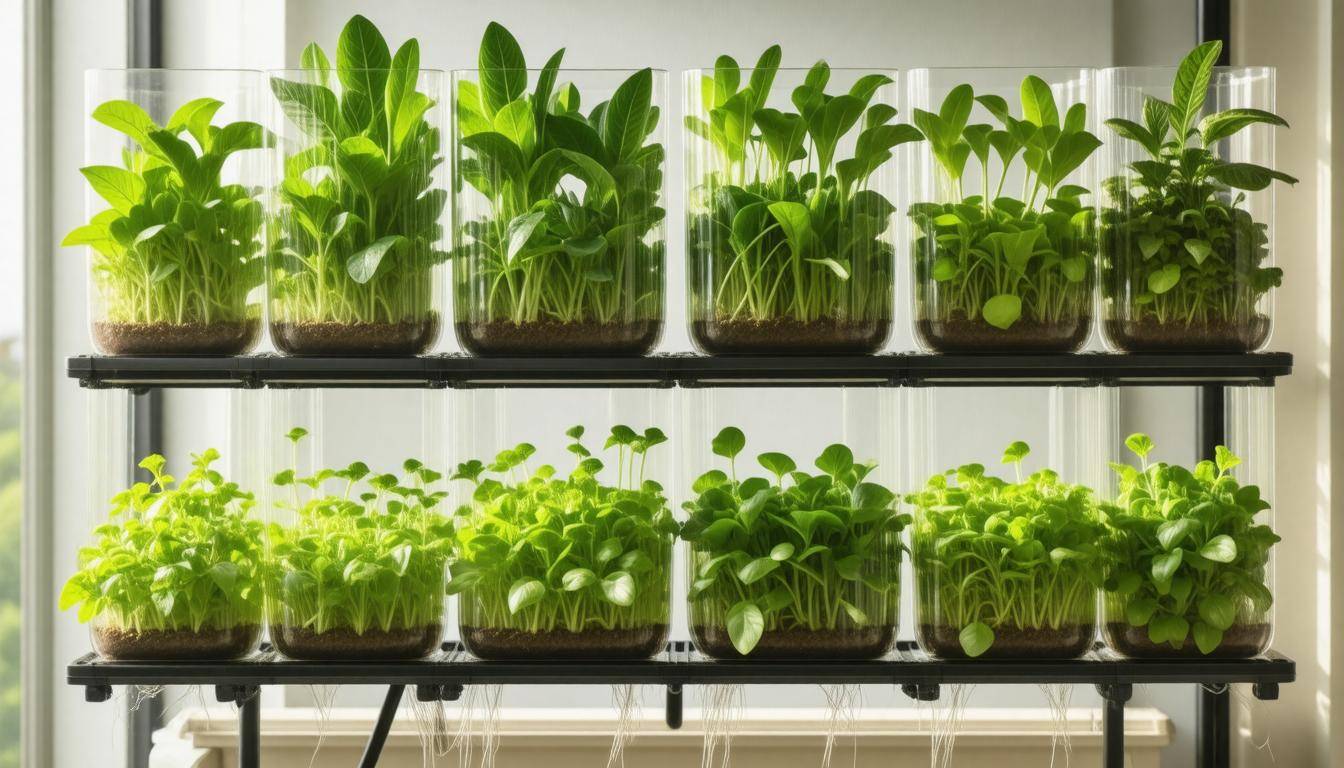
Light plays a pivotal role in plant health, so providing your plants with at least 12 to 16 hours of light each day is crucial. Whether you’re using sunlight through windows or LED grow lights, ensure the light is appropriately positioned to avoid any stress on your plants.
Keeping the temperatures between 65°F and 75°F (about 18°C to 24°C) allows for optimal photosynthesis and prevents temperature-related stress that could hinder their growth.
Routine monitoring is equally vital. Take a few moments each week to observe your plants closely. Signs of nutrient deficiencies, such as yellowing leaves, can indicate that something is off in their diet. Don’t wait too long to adjust the nutrient solution; swift action can often prevent more significant issues down the line.
A healthy hunger for knowledge will serve you well here—consider referring to resources like “You Grow Girl” for deep dives into plant care.
Regular cleaning cannot be overlooked either when aiming for vivacious plant growth. A clean environment is fundamental since algae buildup can impede your plants and disrupt the delivery of nutrients. Make it a habit to inspect your system weekly—remove any algae you spot and thoroughly rinse components as needed, ensuring everything runs smoothly.
| Issue | Symptom | Solution |
|---|---|---|
| Nutrient Deficiency | Yellowing leaves | Adjust nutrient solution |
| pH Imbalance | Scorched leaf tips | Check and correct pH levels |
| Watering Issues | Drooping plants or root rot | Adjust watering frequency and improve drainage |
This table serves as an excellent quick reference guide for common problems you might encounter while gardening without soil. If you notice yellowing leaves, it’s often not just about those distressed greens—it’s an indication that your plants aren’t getting enough nutrients. Likewise, scorched tips might signal pH imbalances which can easily be checked with affordable testing kits available online.
Maintaining proper air circulation around your plants ensures they are breathing easy. If airflow is limited, mold and pests can become a problem, impacting overall health. Remember, it’s not just the roots that need air; so do the leaves! By keeping air exchanges high—ideally one or two per hour—you provide a healthier environment conducive to growth.
These simple yet effective tips set the foundation for establishing a successful container garden without soil, allowing your innovative methods of planting to flourish beautifully. Through careful attention and diligence, you will soon find yourself surrounded by happy, thriving plants—each one telling its own unique story of growth and resilience.
Establishing a thriving plant environment using innovative non-soil methods not only enhances your gardening experience but also contributes to a sustainable growing approach that anyone can adopt.
What equipment is necessary for starting a container garden without soil?
To start a container garden without soil, you’ll need essential equipment such as containers with drainage holes, a suitable growing medium like coconut coir or perlite, a reservoir system for water and nutrients, and possibly a grow light if you’re working indoors. Utilizing these innovative methods can improve plant growth by up to 30% compared to traditional gardening methods, making it an efficient choice for urban dwellers or those with limited space.
How can I troubleshoot common issues faced in soilless container gardening?
To troubleshoot common issues in soilless container gardening, start by regularly checking for nutrient deficiencies, as 40% of gardeners report issues related to improper feeding. Ensure proper drainage to prevent root rot, which can affect up to 30% of container plants. Monitor pH levels, aiming for a range between 5.5 and 6.5, since imbalances can hinder nutrient uptake. Regularly inspect for pests and diseases, as prevention is key; using techniques like neem oil or insecticidal soap can help manage outbreaks before they escalate.
What types of plants are best suited for container gardening without soil?
Plants that thrive in container gardening without soil include lettuce, herbs (like basil and mint), strawberries, and compact varieties of vegetables such as tomatoes and peppers. These plants are well-suited due to their shallow root systems, which adapt easily to hydroponic or aeroponic systems commonly used in soilless gardening. Studies show that hydroponically grown lettuce can yield up to 30% more than traditional soil-grown lettuce, making these methods highly efficient for container gardening.
How do you prepare a nutrient solution for hydroponic container gardening?
To prepare a nutrient solution for hydroponic container gardening, mix water with a specially formulated nutrient concentrate that contains essential macro and micronutrients such as nitrogen, phosphorus, potassium, calcium, magnesium, and trace elements. Typically, the ratio will depend on the specific plants you are growing; for most leafy greens, a solution with an N-P-K ratio of 5-1-3 is effective. Ensure the pH level is between 5.5 and 6.5 for optimal nutrient absorption—as plants can absorb about 90% of nutrients when pH is maintained properly.
What are the different techniques used in soilless gardening?
Soilless gardening techniques include hydroponics, aquaponics, aeroponics, and container gardening with soil substitutes like coconut coir or peat moss. Hydroponics uses nutrient-rich water solutions to nourish plants, while aquaponics combines fish farming with plant cultivation, creating a symbiotic environment. Aeroponics suspends plants in air and misting the roots with nutrients for faster growth. According to studies, hydroponically grown plants can yield up to 30% more than their soil-grown counterparts, demonstrating the efficiency of these innovative methods in sustainable gardening.