
Rebuilding after a disaster can be a daunting task, and the first step often comes down to one critical decision: choosing the right contractor. Many homeowners find themselves overwhelmed by the choices available and unsure of where to start. It’s easy to feel rushed into hiring someone just to get the work done quickly, but this can lead to bigger headaches later. Just like you wouldn’t trust your health to just anyone, your home deserves a professional who understands disaster recovery. A careful vetting process not only helps you find skilled help but ensures your home will be restored with care and precision. Let’s dive into a solid guide for navigating this essential selection process with confidence.
When selecting a contractor after a disaster, it is essential to obtain referrals, communicate your project priorities clearly, and request written estimates that detail costs associated with each aspect of the job. Additionally, be aware of potential challenges such as unreliable quotes and delayed responses, and consider starting with smaller projects to assess the contractor’s trustworthiness before committing to larger renovations.
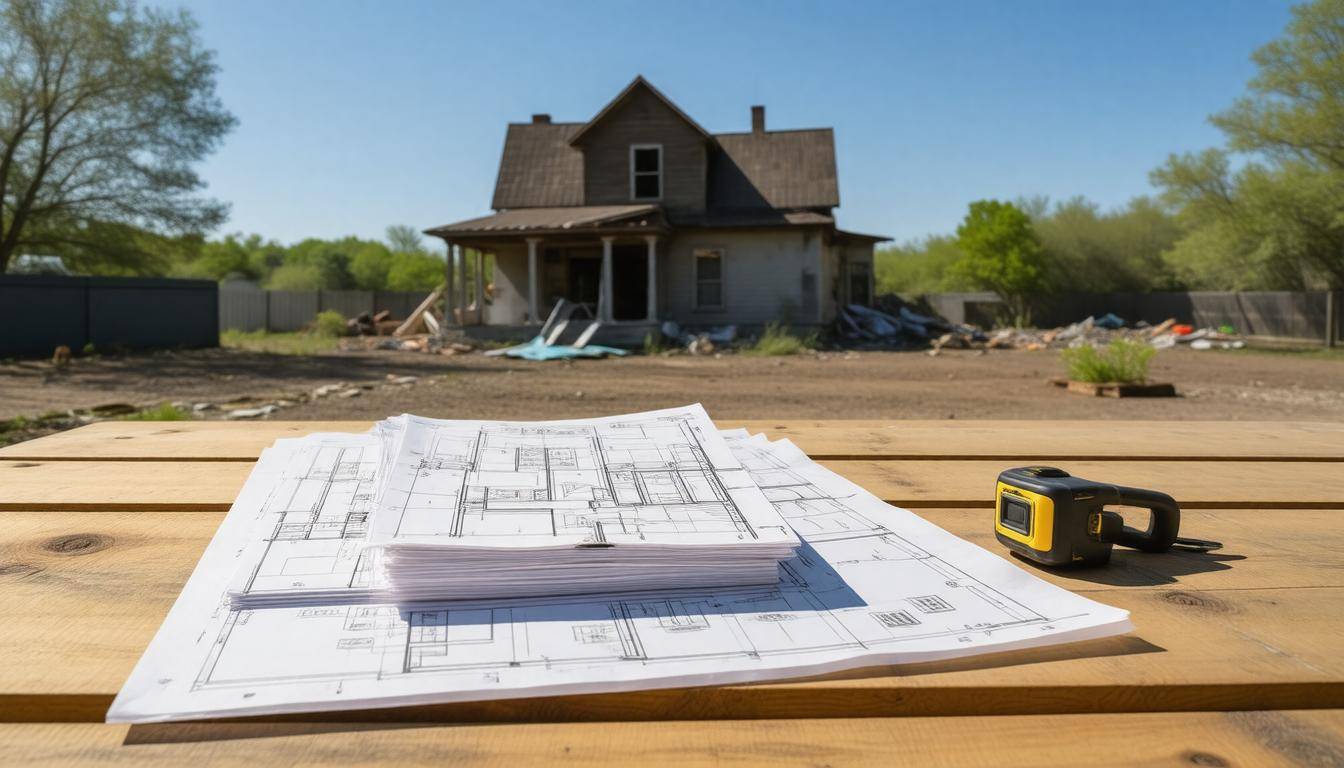
Finding the Right Contractors After Disaster Strikes
The process of vetting contractors begins with identifying exactly what you need. Are you looking for someone to rebuild structural damage, restore electrical or plumbing systems, or simply clean up debris? This clarity not only streamlines your search but also sets the stage for effective communication with potential contractors. Outline your priorities clearly, creating a foundation for every discussion moving forward.
It’s worth mentioning that while local businesses often rebound quickly after a disaster, it’s crucial to ensure they possess the necessary experience in disaster recovery. Many homeowners assume any contractor will do the job, which can lead to complications down the line. If a local contractor hasn’t dealt with fire damage before, they might overlook critical aspects of restoration requiring specialized training. When reviewing contractors’ qualifications, look for certifications related to disaster recovery and testimonials specific to similar projects.
As you start contacting potential candidates, don’t shy away from asking for relevant references and assessing their response times.
One significant aspect of effective communication is how promptly a contractor responds to inquiries. The top-rated contractors typically get back to inquiries within 24 hours, while average contractors may take longer. A delayed response might indicate how they handle projects more broadly—especially important when timely action is vital in disaster recovery scenarios. Consider keeping a record of your interactions as you communicate with potential hires, noting their responsiveness and attentiveness during your discussions.
Next, evaluate the written estimates they provide. These should be detailed and broken down by room and specific project priorities; this helps create an understanding of costs associated with each part of the job. It’s reasonable to expect variations in pricing depending on how soon or late you seek their services after a disaster. For instance, costs might range significantly based on immediate demand in the market following widespread destruction.
While cost is an essential factor, it shouldn’t be the sole determining criterion.
A heavy focus on low-price quotes often leads to unreliable estimates and unsatisfactory project outcomes. Homeowners might feel lured by bargain prices from contractors but remember: craftsmanship ought to carry weight along with cost because ultimately, quality work saves money by preventing future repairs or complications. Choose contractors who possess both experience and a strong reputation—85% of clients report satisfaction with those having at least five years in the industry.
In addition to understanding their qualifications and costs, look closely at their compliance with licensing requirements and insurance coverage—a fundamental step many overlook. Approximately 45 states require contractors to have licenses; verifying this ensures your chosen contractor meets regulatory standards. Reputable contractors generally carry liability insurance. Knowing that you are working with a licensed and insured professional provides peace of mind throughout the otherwise chaotic rebuilding process.
As you navigate this journey toward recovery, maintaining patience and logic can yield long-term benefits.
Starting small allows homeowners to assess trustworthiness before diving into larger renovation projects. Patience is key; high demand causes delays in responses due to workload surges after disasters. Establishing rapport goes a long way; consider building relationships with potential contractors even before choosing one for larger jobs.
By methodically weighing all these factors—experience, communication skills, regulatory compliance and rapport—you’ll be equipped to identify not just any contractor but the right one who can assist in restoring your home effectively after it’s been affected by a disaster.
Having laid out essential strategies for selecting a skilled contractor, let’s turn our focus to understanding the immediate priorities you must address following a calamity.
Assessing Your Immediate Needs
The first step in this journey is to take an honest and thorough look at the damage inflicted upon your property. Not all damages are created equal; some may be glaringly obvious, like a collapsed roof or waterlogged floors, while others may require a closer inspection.
As you walk through your home, it’s essential to have a notepad—or better yet, your smartphone—ready to jot down notes and capture photos of the visible damages. Think of this as making a mini inventory of your home’s condition post-disaster.
In your inspection, be systematic: start from the exterior and work your way in. Check for cracks on walls, missing shingles, broken windows, or any signs of water infiltration. Each point of damage should go onto your list.
If structural issues alarm you—like slanted floors or sudden gaps—note them as high-priority problems. Remember that electrical issues can be particularly tricky and dangerous; if you see frayed wiring or smell burnt odors, these need to be highlighted and addressed immediately.
Step-by-Step Assessment
After you’ve gathered your notes and photos, the next stage involves prioritizing these repairs according to urgency and safety.
Ask yourself critical questions: What needs to be fixed right away so that you can return to a safe living environment? For instance, securing openings—like broken doors and windows—to prevent further water damage from rain or potential intruders should be at the top of your list.
“In moments of disaster recovery, every small step counts toward regaining control.”
Immediate Needs vs. Long-Term Repairs
It’s crucial to distinguish between what constitutes immediate needs versus long-term repairs. Immediate concerns often revolve around safety and habitability; you want to secure the property against further damage by boarding up windows or covering holes in the roof.
Long-term repairs involve restoration and might require hiring specialized contractors who focus on rebuilding or renovating areas affected by the disaster over time.
With an understanding of your immediate needs in place, it’s time to shift focus toward identifying potential contractors who can effectively handle your repair project with the appropriate skills and experience.
Essential Qualifications and Credentials
Qualified contractors will not only have the skills but also the necessary credentials to perform the work. This involves more than just presenting a glowing resume or a few positive reviews; it requires a thorough examination of their standing within the industry and legal requirements.
An initial assurance can come from checking if they are licensed professionals. Each state has set specific licensing requirements, meaning understanding what’s necessary in your area is vital before hiring someone. A licensed contractor demonstrates a commitment to following local regulations and standards, ensuring that the work meets safety codes.
Understanding certifications can help differentiate knowledgeable contractors from those who might be less qualified. Look for certifications from recognized organizations such as the Institute of Inspection, Cleaning, and Restoration Certification (IICRC). This credential often signifies that a professional has undergone rigorous training and adheres to an established standard of practice within restoration services.
- Licensed Professionals: Confirm the contractor holds the proper state licensing.
- Certified Restoration Specialist: Seek out certifications from recognized bodies like IICRC.
- Years in Business: Longevity often indicates reliability and experience.
Now, with these key credentials in mind, you might wonder: How can you verify these credentials?
Verification Process
To ensure you’re making an informed choice, visit state licensing board websites where you can typically confirm a contractor’s license status along with any disciplinary actions taken against them. You’d also want to dig into their overall reputation by looking at online reviews or seeking testimonials from previous clients, providing insight into their past performance.
While verifying credentials, it’s just as essential to check their insurance coverage too. In fact, reputable contractors will carry liability insurance covering potential damages during their work. This protects not only their employees but also you as the homeowner should something go awry during the project.
Always ask to see proof of insurance before agreeing to any contracts—this is non-negotiable territory in protecting your investment and ensuring peace of mind during your project. Remember that 95% of reputable contractors offer this necessary coverage which typically ranges between $1 million to $2 million.
Ensuring that your contractor holds valid insurance isn’t just a precaution; it is a crucial step toward safeguarding your home and investment during renovations. Alongside this diligence in insurance coverage, assessing the legality of your contractor’s operations through licenses is equally crucial.
Checking Insurance and License
Ensuring your contractor has valid insurance and an active license is like setting the foundation for a robust building; it protects you from potential liabilities that could arise later on. When disaster strikes, there can be an overwhelming urge to hire just anyone who promises quick repairs; however, this can lead to long-term headaches if they aren’t properly insured or licensed. The legitimacy of a contractor isn’t merely a formality—it’s a safety net that ensures quality work and protects you from financial pitfalls.
Types of Insurance to Check
One of the most critical aspects here is understanding the types of insurance your contractor should carry. Specifically, you should ensure that they have both general liability insurance and workers’ compensation insurance. General liability insurance serves to protect you against damage that might occur due to the contractor’s work on your property; think broken windows or damaged fixtures. If the unfortunate happens and a worker sustains an injury while working on your premises, workers’ compensation steps in to cover medical expenses and lost wages, which protects you from being held liable for their injuries.
According to surveys, 75% of homeowners reported that verifying a contractor’s insurance and licensing was crucial in their selection process. You don’t want to find out the hard way what happens when these protections are missing.
License Verification
The next piece of the puzzle involves confirming that the contractor is licensed appropriately for the work you’re hiring them to do. Many states require specific licenses for different types of construction, from general contracting to specialized work like electrical installations. For some states, regulations can be surprisingly lax; up to 30% of states do not even require contractors to have a state license, increasing your risk of hiring unqualified individuals! To verify their license, reach out to your state’s licensing board or utilize online verification tools. This can typically be done within minutes and gives you peace of mind knowing that the contractor is not only legitimate but has also met the necessary requirements specific to their trade.
A crucial takeaway: always ensure that the license aligns with the scope of work they’ll be handling.
After confirming essential qualifications such as insurance and licensing, it’s time to further explore their experience and reliability regarding past projects.
Review of Contractor Background
A thorough background review can reveal much about a contractor’s reliability and past performance. It’s akin to reading between the lines—you’re not just looking for skills on paper but exploring whether their previous experiences align with your expectations. By following simple steps to conduct a background check, you can uncover valuable insights that inform your decision-making process.
Steps for a Background Check
Start with online reviews and ratings from credible platforms like the Better Business Bureau (BBB) and Angie’s List. These sites provide aggregated feedback from clients who’ve worked with specific contractors, offering a general sense of their reputation in the community. A high star rating is often indicative of customer satisfaction, while numerous complaints can be red flags that shouldn’t be ignored.
Next, request a list of past clients from the contractor themselves. It’s important to follow through by reaching out to these references directly; don’t hesitate to ask pointed questions about the contractor’s communication style, punctuality, and quality of work. Not only does this give insight into their craftsmanship, but it also reflects how easy they are to collaborate with—something vital for larger home projects.
Remember that building trust takes time, and hearing firsthand accounts from past clients allows you to gauge not just competency but integrity as well.
According to a Consumer Reports survey, 80% of homeowners cited referrals as a highly valuable resource in contractor selection. This statistic underscores the effectiveness of personal recommendations over cold calls or random ads—a fact that shouldn’t be taken lightly when searching for trustworthy help after a disaster.
Gathering recommendations and reviews will further help you in vetting the contractor, providing reassurance that they have successfully completed projects similar to yours. Conducting a thorough examination of a contractor’s background puts you in the driver’s seat, equipping you with information that empowers better decisions and ultimately leads to successful project completion.
As you navigate this process, the next step involves actively collecting insights from acquaintances and checking online feedback to build a robust understanding of potential candidates. Engaging with others’ experiences can offer clarity during your selection journey.
Gathering Recommendations and Reviews
First and foremost, tapping into your personal network is crucial. Word-of-mouth remains one of the most effective tools for selecting a reliable contractor. Take the time to ask friends, family, or neighbors who have faced similar challenges due to disaster recovery. Their firsthand experiences can act like a treasure map, guiding you towards trustworthy professionals. Listen to their stories—not just about the contractors they hired but also about their overall experience from start to finish. Were deadlines met? Was communication clear? Did they feel valued as customers? This immersion into their journeys will give you a clearer picture of which contractors might suit your needs.
Once you’ve gathered some personal recommendations, it’s equally essential to turn your attention online, where a wealth of information lies waiting.
Online Reviews and Forums
Exploring online reviews can offer additional dimensions to your inquiry. Websites like Yelp, Angie’s List, and even Facebook groups dedicated to local communities can serve as powerful resources. When sifting through these reviews, it’s essential to approach them with a discerning eye. Note trends in feedback; consistent praise or criticism can signal reliable patterns in a contractor’s reliability and workmanship. However, be cautious of overly positive reviews that seem scripted or generalized; genuine testimonials often include detailed accounts of work performed.
Remember to probe beyond the surface. Look for specific details in both praise and criticism; the more nuanced the feedback, the more valuable it will be.
As enlightening as customer reviews might be, they also come with their share of pitfalls that you should be wary of.
Red Flags in Reviews
Recognizing red flags in reviews is crucial when evaluating potential contractors. If multiple reviews mention issues such as cost overruns, missed appointments, or frequent communication breakdowns, these may not be isolated incidents but rather systemic problems indicative of an underlying issue within the business structure.
Equip yourself with a list of common complaints early on. For instance, if several reviews reference problems related to cleanup after a project is completed or delays in finishing work—those are indicators worth noting. A contractor’s consistency—or lack thereof—can dramatically affect your project outcome; thus identifying these patterns can save you from unnecessary headaches later on.
With this foundation of recommendations and insights from various sources, you’re positioned to move forward confidently into the next phase—gathering formal estimates that will further shape your decision-making process.
Obtaining and Comparing Estimates

Always obtain at least three detailed estimates from contractors for a comprehensive understanding of both the market rate and the scope of work being offered. This practice provides you with a clearer picture of pricing and allows you to gauge the responsiveness and professionalism of each contractor. A price quote can reveal hidden insights—for example, timely responses may indicate their commitment and workflow management, while vague estimates could signal potential issues down the line.
Detailed Estimate Breakdown
When reviewing these estimates, look for itemized breakdowns detailing labor costs, materials, equipment charges, and any additional expenses associated with your project. Having this clarity prevents unexpected costs from arising later on. An estimate that’s high-level or vague might lead to surprises that can turn a reasonable budget into chaos. For instance, if one contractor’s quote includes high-end materials you didn’t choose, it’s crucial to clarify whether that option is adjustable before signing on.
“Rico’s experience with his contractor taught him the value of detailed estimates; one contractor provided a clear breakdown while another gave a lump sum. The difference? Clarity led to trust.”
Hidden Costs
Before finalizing your selection, don’t shy away from asking about any potential hidden costs. Are you aware of additional charges such as permit fees or overtime labor rates? Even seemingly minor fees can add up significantly when the work is underway. Transparency from contractors regarding any expected price hikes during your project will help set realistic expectations.
| Contractor | Estimated Cost | Time Frame | Warranty Offered |
|---|---|---|---|
| Company A | $10,000 | 4 weeks | 1-year |
| Company B | $11,500 | 3 weeks | 2-years |
| Company C | $9,800 | 5 weeks | 6-months |
As you compile all these estimates into a comparative table like the one above, take note of not just the costs but also factors such as timelines and warranties. Warranty length often reflects confidence in their work; longer warranties usually indicate more security for you as a homeowner.
With a solid grasp of estimates and potential hidden costs, you’re now equipped to navigate the next steps toward selecting a contractor who meets your needs effectively.
Making the Final Selection

Your decision should merge several critical components: price, timeline, contractor reputation, and how well they align with your specific project needs. It’s tempting to go straight for the lowest price, especially when budgets are tight after a disaster, but this could ultimately hinder the quality of workmanship and materials you receive. Prioritizing long-term value over short-term savings will often result in less stress down the road.
Focus on obtaining detailed estimates that break down costs by specific tasks and materials. This allows you to compare apples to apples. Ask contractors about the sources of their materials and whether they provide warranties or guarantees on their work; reputable builders often stand behind their craftsmanship.
Subpar materials may save you money upfront but might lead right back to square one in a few years with costly repairs or replacements.
Narrating her experience, homeowner Sarah Thompson shared, “We chose a mid-range option because it came with a better warranty and the contractor had stellar reviews—we couldn’t be happier with the result.” This highlights an essential takeaway: the relationship between price and long-term satisfaction is crucial.
Reputation plays a crucial role in your decision-making process. Check references thoroughly; past customers can provide insights into the contractor’s reliability and quality of work. Look for online reviews or ask neighbors who may have undergone similar projects. A contractor with positive feedback may carry a slightly higher price tag, but those funds are often well spent when compared to the frustration of hiring someone less established.
Cost isn’t everything; timelines also matter greatly in these circumstances. If your project coincides with a busy season or if there have been recent disasters affecting local construction demand, delays can become significant inconveniences. Ensure contractors communicate realistic timelines while being transparent about potential challenges they foresee ahead of time.
Keeping all these factors in mind will place you in a better position to make an informed decision, paving the way for a smooth recovery journey after experiencing disruption from disasters. Make sure to take your time in weighing each choice carefully.
In summary, a thoughtful selection process combined with thorough vetting can significantly enhance your chances of finding the right contractor to bring your vision to life after challenging times.