
When it comes to emergency planning, many of us might think about stocking up on supplies or knowing the fastest escape routes. But what if you have a disability? The reality is that emergencies can impact everyone differently, sometimes creating unique challenges that aren’t always considered. This guide aims to shine a light on preparing for emergencies in a way that truly includes and supports individuals with disabilities—because being ready isn’t just about having essentials; it’s about making sure everyone’s special needs are taken into account. Through practical strategies and resources tailored specifically for those who face additional hurdles, we’ll explore how thoughtful planning can empower individuals to tackle unexpected situations confidently. Let’s dive in!
The “Disability Emergency Planning: Adaptive Guide” offers tailored strategies and resources aimed at enhancing the preparedness of individuals with disabilities during emergencies. It includes essential information about specific needs, local emergency services, community engagement opportunities, and best practices for creating inclusive emergency plans.
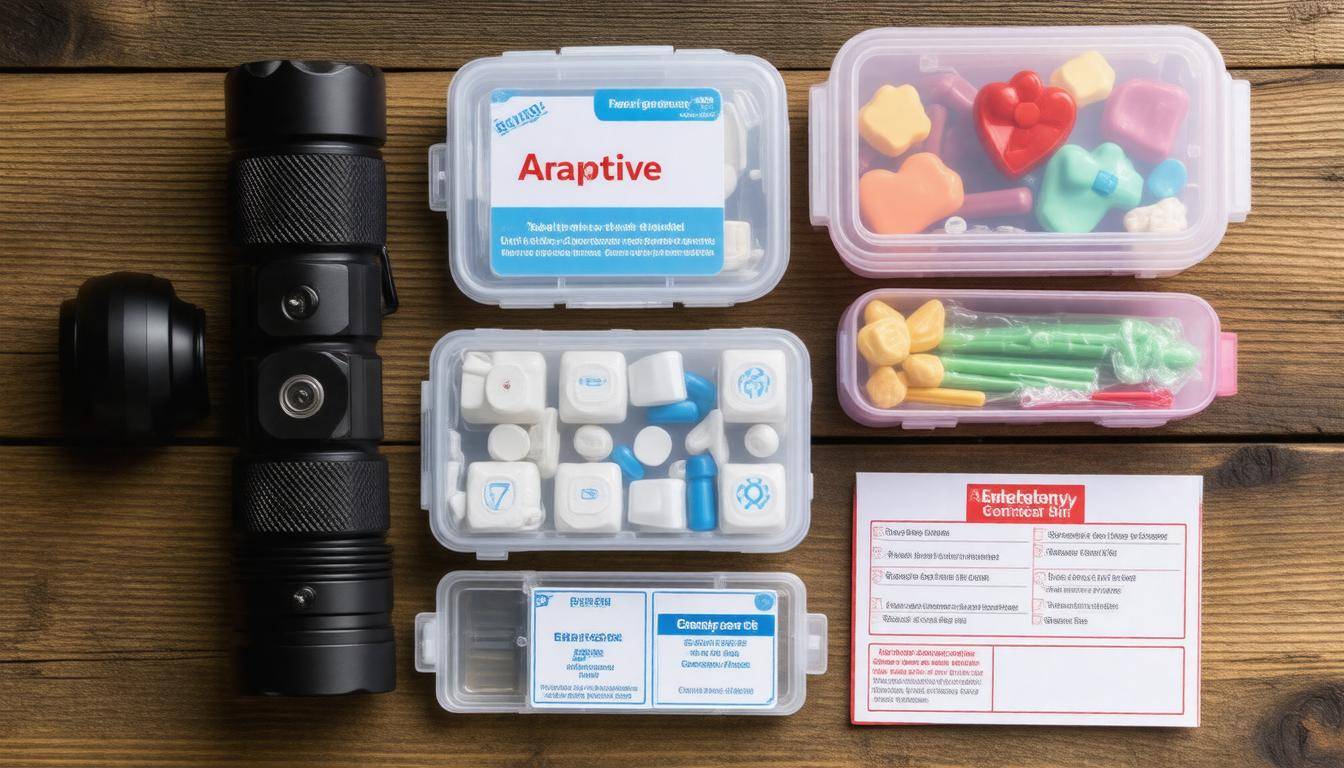
Inclusive Preparedness Basics
At the heart of inclusive preparedness is the recognition that emergencies affect individuals in diverse ways. Preparing for events like natural disasters or public health emergencies isn’t just about having supplies ready; it’s also about planning for how different vulnerabilities—like mobility impairments or medical conditions—can influence individual needs during a crisis. This means thinking through scenarios and making provisions that cater specifically to those who may face more challenges.
Local Hazards Matter
One of the first steps in this process involves gaining a deep awareness of local hazards. Whether it’s flooding, tornadoes, or earthquakes specific to your region, understanding what you might face is fundamental. For instance, if you live in an area prone to flooding, it’s essential to ensure that emergency plans include elevated shelters that are accessible. Not only does this help individuals get through tough times, but it provides a clear framework for families and caregivers on how to respond effectively.
NAVIGATING these realities reminds us that preparedness isn’t a one-size-fits-all approach; it’s essential to tailor strategies based on the community’s specific risks.
Planning for Inclusivity
As we explore these inclusive strategies further, consider how they can enhance safety across the board. While some people debate that increasing inclusivity may complicate planning processes, research indicates that diverse needs addressed early can actually streamline responses. Designating shelters equipped with proper resources—such as accessible bathrooms and medical support—doesn’t just help those with disabilities; it elevates everyone’s safety by ensuring all individuals have the necessary support.
Think of accessibility and inclusivity as twin pillars of effective disaster response. By emphasizing these elements, we create an environment where all community members are prepared and empowered.
Personal Preparedness
Planning starts at home. Having a personal disaster plan is vital, especially one that accounts for individual vulnerabilities. Make sure you keep a clear list of emergency contacts, document any critical medical conditions, and maintain an updated inventory of needed medications. This information should be easily accessible and shared with others who may need to assist during an emergency.
With 26% of U.S. adults living with some form of disability, as reported by the CDC, this kind of preparedness becomes not just helpful but necessary.
Community Engagement
Ultimately, inclusive preparedness thrives on community connections; coordinating efforts with local agencies such as health departments and non-profits can dramatically improve outcomes during emergencies. Regular meetings with representatives from organizations like the Red Cross or FEMA can help keep everyone aligned on best practices and evolving local resources.
Always remember: inclusive preparedness isn’t merely about reacting in times of crisis—it’s about fostering proactive measures and collaborative strategies that empower every member of the community before an emergency strikes. As we turn our focus now to practical steps for enhancing personal resilience…
Creating an Adaptive Plan
Creating an adaptive plan primarily revolves around customizing emergency strategies to fit personal requirements. It’s not just about having a generic brochure on what to do in emergencies; it’s about actively thinking and planning for your specific circumstances.
For instance, someone with mobility issues must have evacuation plans tailored to ensure safe routes accessible by wheelchairs or other assistive devices. This proactive approach can be the difference between safety and a severe crisis during emergencies.
Step I – Risk Assessment
The journey begins with a risk assessment. By evaluating potential local hazards, you can identify specific risks that may pose challenges for individuals with disabilities. This could involve analyzing common threats like severe weather events, earthquakes, or community infrastructure failures.
For example, if living in an area prone to floods, understanding how rising waters would impact your evacuation routes is critical. This awareness forms the groundwork for all subsequent steps in your plan.
As you familiarize yourself with local emergencies, consider creating a list that includes both environmental risks and any barriers faced by people with disabilities in those situations.
Step II – Tailoring Evacuation Plans
With risks clearly identified, the next step involves tailoring evacuation plans. Accessibility is paramount; thus, modify evacuation routes to ensure they accommodate everyone’s needs. This means mapping out clear pathways that include ramps and automatic door openings as well as well-lit areas that are free from obstructions.
Perhaps even practice these routes, allowing the entire household to become familiar with them.
Having multiple escape routes is always wise since it allows flexibility depending on which exits remain viable during an emergency.
Step III – Assembling a Personal Emergency Kit
When assembling your personal emergency kit, it’s vital to include:
- Medications: At least three days’ worth—consider any special storage needs (like refrigeration).
- Medical Devices: Extra batteries for hearing aids or chargers for powered wheelchairs; redundancy here can prevent crucial failures.
- Assistive Equipment: Items like portable ramps, braces, or other mobility aids should be handy.
- Personal Documents: Make copies of identification, insurance papers, and emergency contacts.
Remember that an emergency kit isn’t one-size-fits-all—customize yours based on personal medical needs and lifestyle necessities.
Another important aspect of developing this plan is establishing reliable support systems within your community.
An adaptive plan can also incorporate a buddy system within the community—a designated person who may assist or check in during emergencies ensures no one falls through the cracks amidst chaos. Such systems foster camaraderie while enhancing safety measures; knowing that there’s someone watching out for you helps in reinforcing confidence when unpredictable situations arise.
In exploring these elements of preparedness, we turn our focus to recognizing and emphasizing individual requirements for effective planning.
Prioritizing Personal Needs
The first step in ensuring your safety during an emergency is to identify and prioritize your unique health and functional requirements. This process is not merely about writing down what you need; it’s about creating a comprehensive strategy that includes every facet of your life. Jessica, a disaster preparedness advocate living with multiple sclerosis (MS), underscores the necessity of having personalized checklists and plans. For her, it’s not just an exercise—it’s a lifeline.
At the heart of these personalized plans is the importance of maintaining an up-to-date medication list—a small piece of information that can make a significant difference. In an emergency, having duplicates of essential medical supplies is critical. Imagine needing vital medication and being unable to find it amidst chaos. This foresight is crucial; it provides peace of mind knowing you are equipped for any situation.
Further emphasizing the nuances of personal prioritization, it’s vital to develop communication strategies for power outages or tech failures. Given how many people today depend heavily on mobile phones for access to medical information, having a hard copy backup can be invaluable. If your phone dies or loses service during an emergency, that paper copy can be your bridge to getting help or relaying vital information about your needs to responders.
Statistics reveal a startling reality: according to a FEMA survey, nearly 45% of individuals with disabilities do not have an emergency plan. However, among those who actively engage in meticulous planning, there is a notable decrease in medical issues by 33% after experiencing a disaster. This correlation emphasizes that a proactive approach not only enhances individual safety but may also dramatically improve outcomes during emergencies.
By putting yourself at the center of your emergency planning, you’re fostering resilience not only for yourself but also reinforcing the safety nets around you. This proactive mindset facilitates assistance from everyone involved, including family members and emergency responders, guiding us into a realm where technology plays a crucial role in enhancing preparedness.
Leveraging Assistive Technology
Leveraging assistive technology can transform how individuals with disabilities prepare for and respond to emergencies. These tools are not just gadgets; they become lifelines during critical situations. For instance, applications like Be My Eyes connect visually impaired individuals with volunteers via video calls, providing real-time assistance. However, this app relies on a consistent internet connection, which may not always be available during an emergency.
To ensure everyone is prepared for unexpected events, incorporating offline solutions into your strategy is equally vital. Think about text-to-speech devices or emergency response beacon systems—these tools ensure communication remains accessible, even when online resources fail.
Adaptive Devices for Preparedness
When it comes to adaptive devices that enhance preparedness, several options stand out.
First, Emergency Alert Systems play a crucial role. By connecting these systems to hearing aids, individuals can receive critical alerts without the risk of missing important information due to hearing challenges.
As we assess mobility needs, Portable Ramp Systems become indispensable for people who face mobility challenges during an emergency evacuation. When seconds matter, these ramps provide quick access to exit routes that might otherwise be blocked or inaccessible.
Furthermore, consider Voice-activated Assistants, which allow users non-physical control over essential devices from lighting to alarms. These assistants can significantly reduce barriers during emergencies, ensuring that even those with limited mobility can take prompt action.
- Emergency Alert Systems: Ensures critical alerts are not missed.
- Portable Ramp Systems: Facilitates quick evacuations for individuals facing mobility challenges.
- Voice-activated Assistants: Enables hands-free control of essential devices.
The importance of these technologies is underscored by a 2022 survey conducted by the American Institute for Research, which revealed that 60% of disabled individuals find assistive technology crucial during emergencies. This statistic highlights the pressing need for inclusive designs that account for every individual’s unique circumstances.
Integrating these adaptive devices into your preparedness plan not only enhances safety measures but also ensures that everyone has the necessary tools to respond effectively in critical times. This sets the stage for exploring communication options that cater specifically to diverse accessibility needs.
Accessible Communication Tools

Effective communication is essential in any emergency. For individuals with disabilities, having accessible communication tools can make a world of difference. Think for a moment about a scenario where quick decisions are necessary, such as during a natural disaster or medical emergency. In these situations, being able to convey and receive information rapidly may not only keep someone safe but could also save lives.
One important resource to consider is the availability of sign language interpreters at emergency briefings; this ensures that those who are deaf or hard of hearing are fully informed. It’s not just about hearing the information; it’s about understanding the magnitude of what’s happening around them. Without proper communication, confusion can set in, potentially leading to panic—something we want to avoid.
Moreover, it’s vital to incorporate text-based communication methods. For those with hearing impairments, services like the 711 relay service allow individuals to communicate via text with emergency services. Familiarity with how this service operates beforehand can save precious time when every second counts. If someone knows how to access this tool quickly during an emergency, they will feel more empowered and less anxious.
| Tool | Purpose | Example |
|---|---|---|
| Text-to-Speech Devices | Convert written text to spoken word | Dynavox |
| Emergency Alert Systems | Immediate notification of emergencies | FEMA Alerts |
| Communication Boards | Non-verbal communication | Custom-printed boards |
| Relay Services (7-1-1) | Enable text communication for hearing impaired | Telecommunications Relay |
Using communication boards can also be incredibly effective for individuals who do not speak or are non-verbal. These boards facilitate basic communication through symbols or pictures, allowing people to express their needs even when verbalizing could prove impossible due to stress or other factors.
With each accessible tool enhancing our capacity for proper communication in emergencies, preparation is key. Having these tools ready and knowing how and when to use them will significantly impact safety during critical moments. Developing plans that include knowledge and access to these resources helps fortify individuals against potential crises effectively and meaningfully.
As we shift our focus toward fostering strong networks of support, engaging family and community will play a pivotal role in ensuring preparedness strategies thrive.
Engaging Family and Community Support
In any emergency situation, having a reliable support system is crucial, especially for individuals with disabilities. By actively involving family, friends, neighbors, and local organizations, you can build a robust safety net that offers assistance when it matters most. One effective way to do this is by establishing communication trees, which help information flow quickly among those involved. This means if there’s a warning or an emergency arises, updates can reach everyone quickly, ensuring that no one feels isolated.
Community Training
Organizing training sessions is a fantastic way to empower your community. Focus on basic first aid and emergency response techniques that specifically cater to the needs of individuals with disabilities. For instance, training sessions could cover how to safely evacuate a person with mobility challenges or how to assist someone who may become disoriented in stressful situations. Having well-informed individuals in the community creates peace of mind for everyone involved.
Step I – Identify Key Community Members
Begin by selecting individuals who show strong leadership potential within your neighborhood. Look for people who have experience dealing with emergencies or those willing to learn; they should be aware of specific needs presented by individuals within your community and be trained accordingly. Establishing clear roles helps create a structured response during emergencies.
These trained individuals can form a solid backbone for community response efforts, allowing everyone to work as a cohesive unit.
Step II – Regular Drills
Conduct regular drills and practice scenarios to keep everyone familiar with the emergency plan. The more we practice these routines, the more intuitive they will become when that moment arrives. Emphasize how practiced routines instill muscle memory; it makes responses almost automatic during high-pressure situations.
It’s important to also engage with local organizations and non-profits like the Red Cross, which offer additional resources and training opportunities tailored for diverse communities. Connecting with these groups not only equips your community with essential skills but also promotes a culture of inclusivity and preparedness.
Building a strong support system not only prepares you for crises but also fosters connections within your community that can enhance daily interactions and collaboration. Cultivating networks where everyone looks out for each other guarantees that no one gets left behind during challenging times—and lays the groundwork for effective action during emergencies ahead.
Executing the Plan During an Emergency
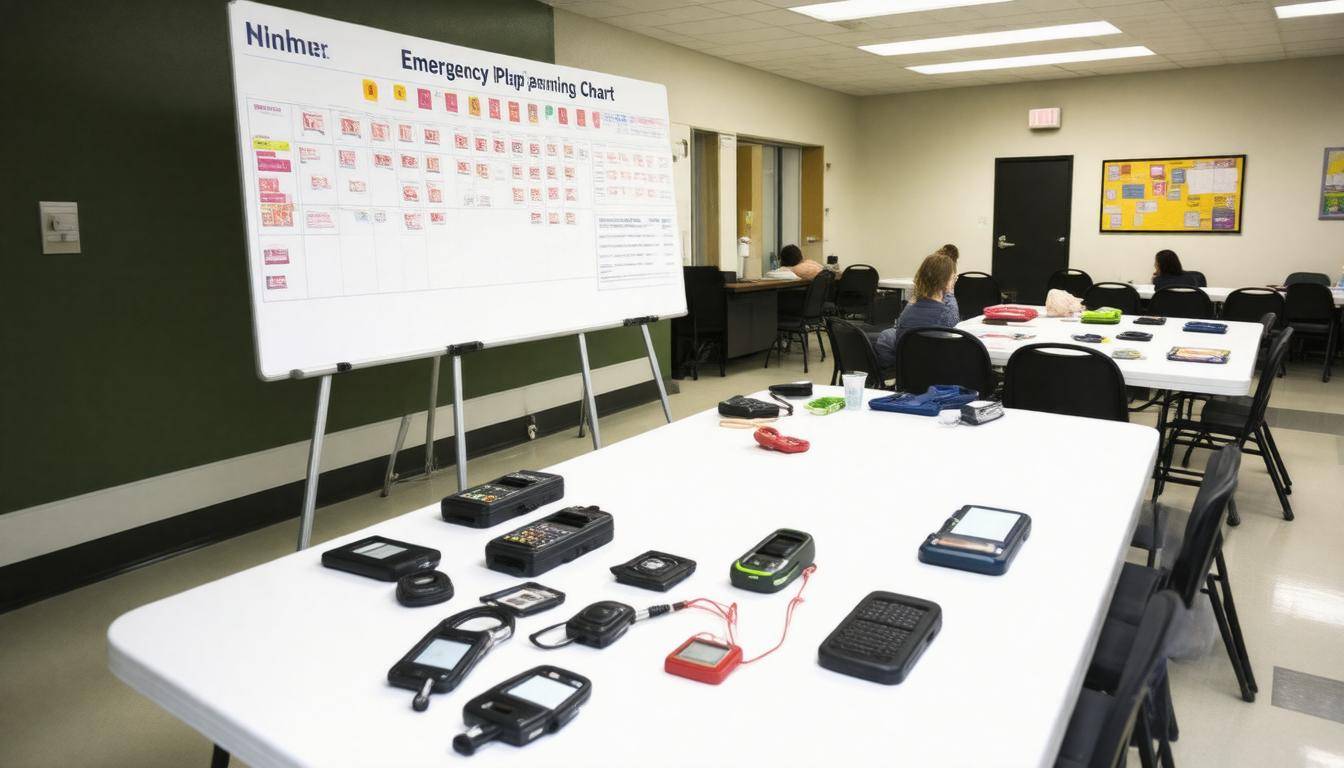
Execution is the ultimate test of preparedness, and it becomes second nature when practiced regularly. It’s like preparing for a big performance—just as an actor rehearses lines until they flow seamlessly, you must drill your emergency procedures so they come instinctively when the moment arrives. The more familiar you are with your plan, the easier it becomes to navigate through chaos.
Essentials During Execution
To make your execution smooth and effective, consider these key points:
Stay informed. Gather information from reliable sources, whether through social media updates, local news alerts, or emergency broadcast systems. Keeping tabs on these various channels ensures that you’re always aware of evolving situations and can respond accordingly.
Activating your communication plan is another critical step. Ensure that every member of your household understands their specific role in the plan prior to an emergency. This clarity helps prevent confusion during stressful times. Whether it’s making sure everyone knows how to reach out via text message or using a particular app designed for emergencies, having these communication methods clearly defined makes coordinating responses much easier.
Now, let’s talk about executing your evacuation. Familiarize yourself and everyone involved with the pre-identified accessible routes. Visualize the path you’ll take—think of obstacles that could block those routes and brainstorm ways to clear them if necessary. Practice this evacuation periodically to get comfortable moving quickly when stress levels rise.
You might even want to designate a safe space to meet up if family members become separated during an event. It’s crucial that this place is fully accessible for all individuals involved in your plan. This detail may seem small, but it can make all the difference when trying to regroup amid disarray.
Practical rehearsals are vital, as they help your group develop a rhythm and coordination that can only come from repeated practice in real-life scenarios.
As you carry out these plans in drills or actual emergencies, remember that adaptability is also part of executing effectively. Each situation will have its own set of challenges; being able to think on your feet while remaining calm can direct you away from pitfalls and toward safety.
By keeping informed, activating communication channels, executing your plan smoothly using practiced routes, and establishing safe meeting places, you enhance not only your own safety but also boost the preparedness capabilities of everyone around you during emergencies.
Continuing from here means focusing on the importance of refining your strategies through ongoing evaluation and training techniques that ensure readiness for whatever challenges may arise.
Regular Review and Practice
Regular reviews of your emergency plan are crucial to ensure that it remains relevant and effective. It’s a bit like getting your car serviced; if you want to avoid breakdowns on the road, regular check-ups are important. In the same way, keeping your emergency plan current helps prevent unnecessary stress during actual emergencies. Each year, check essential details such as medical lists and contact information. Test the assistive technologies you use to ensure they are functioning correctly. Remember, a plan is only as good as its last update.
According to the Red Cross, biannual drills can improve response times by 50%. That statistic speaks volumes about the importance of practicing and staying prepared.
Steps for Regular Review
One essential step in maintaining your emergency plan is to update personal emergency kits regularly. Ensure that medications, batteries, and other time-sensitive supplies haven’t expired. Stale items could become useless at the worst moment, negating your efforts. This simple step can have a huge payoff when seconds count.
Next, review communication plans with involved parties in your network—family members, caregivers, or friends—and make sure everyone knows their specific roles during an emergency. Clear communication can mitigate chaos when every response matters.
Further, practice evacuation routes and procedures regularly. Frequent practice reinforces these movements into muscle memory, which is vital when an emergency strikes and adrenaline runs high. You might even consider recording each drill so you can analyze what worked well and where improvements could be made.
Continuous improvement isn’t just a best practice; it’s a necessity in effective emergency preparedness. Each review should be viewed not just as a chance to evaluate but also to enhance.
By implementing and routinely updating these strategies, individuals with disabilities can not only prepare for emergencies but also build resilience against unforeseen challenges. Everyone deserves peace of mind knowing they are equipped for whatever may come their way.
In summary, the key to enhanced preparedness lies in consistent review and practice, ensuring that you remain ready for any situation that arises.
What specific challenges do individuals with disabilities face during emergencies?
Individuals with disabilities encounter unique challenges during emergencies, including physical accessibility barriers, communication difficulties, and a lack of tailored emergency services. For example, according to the National Organization on Disability, nearly 44% of adults with disabilities reported not having an effective plan in place for emergency situations. Furthermore, in disasters, essential resources such as evacuation routes and safety information often overlook the specific needs of disabled individuals, which can exacerbate their vulnerability and hinder timely response efforts.
What role do caregivers play in preparing for emergencies involving people with disabilities?
Caregivers play a crucial role in emergency preparedness for individuals with disabilities by ensuring that personalized plans are in place to address specific needs, facilitating access to resources, and providing assistance during emergencies. According to a survey by the National Organization on Disability, nearly 70% of caregivers reported feeling unprepared for emergencies, highlighting the need for comprehensive training and communication between caregivers and those they assist. Their involvement can significantly enhance safety, reduce anxiety, and ensure that individuals with disabilities receive timely support when faced with crises.
What resources are available to assist in disability emergency planning?
Various resources are available to assist in disability emergency planning, including local government emergency management offices, non-profit organizations such as the Red Cross, and advocacy groups like the National Council on Independent Living. These organizations often provide tailored guides, checklists, and training focused on specific needs of individuals with disabilities. Additionally, according to the Federal Emergency Management Agency (FEMA), over 20% of the U.S. population has some form of disability, highlighting the importance of inclusive disaster preparedness strategies. Accessing these resources empowers individuals to create effective personal emergency plans that accommodate their unique challenges.
How can I create a personalized emergency plan for someone with a disability?
To create a personalized emergency plan for someone with a disability, start by assessing their specific needs and capabilities, including mobility aids, communication tools, and medical requirements. Involve them in the planning process to ensure their comfort and understanding of the steps required during an emergency. It’s important to have accessible evacuation routes and designated safe places, along with a list of essential supplies tailored to their needs. According to FEMA, people with disabilities are twice as likely to be injured or die in emergencies if not properly prepared, making personalized plans vital for safety.
How can communities improve their emergency services to accommodate individuals with disabilities?
Communities can improve their emergency services by implementing inclusive training programs for first responders that emphasize effective communication and assistance strategies for individuals with disabilities. Additionally, conducting regular accessibility audits of emergency facilities and services can identify areas for improvement. According to the U.S. Census Bureau, nearly 1 in 4 adults in the U.S. have some form of disability, highlighting the importance of ensuring that all emergency services are equipped to accommodate diverse needs. Collaborating with local disability organizations can also foster stronger community ties and ensure that preparedness plans are effectively tailored to everyone’s needs.