
When disaster strikes, the aftermath can leave our communities feeling chaotic and overwhelmed. Tackling the debris left behind is often an essential but daunting task that comes with its own set of challenges. Not only do we have to deal with the loss and destruction surrounding us, but navigating through the detritus can also pose serious safety risks. From hidden sharp objects to potential hazards from chemicals, understanding how to effectively and safely manage debris removal is crucial for everyone involved. This article dives into comprehensive safety guidelines, equips you with the knowledge about common hazards, and shares best practices to help ensure a safer recovery process for all. Let’s dig in!
Safety guidelines for disaster debris removal include wearing personal protective equipment (PPE) such as gloves, goggles, and sturdy footwear, documenting any damage with photographs, and staying off damaged structures to mitigate risks. Additionally, it’s crucial to be aware of potential wildlife hazards in the area and to coordinate with local authorities for compliance with hazardous materials regulations.
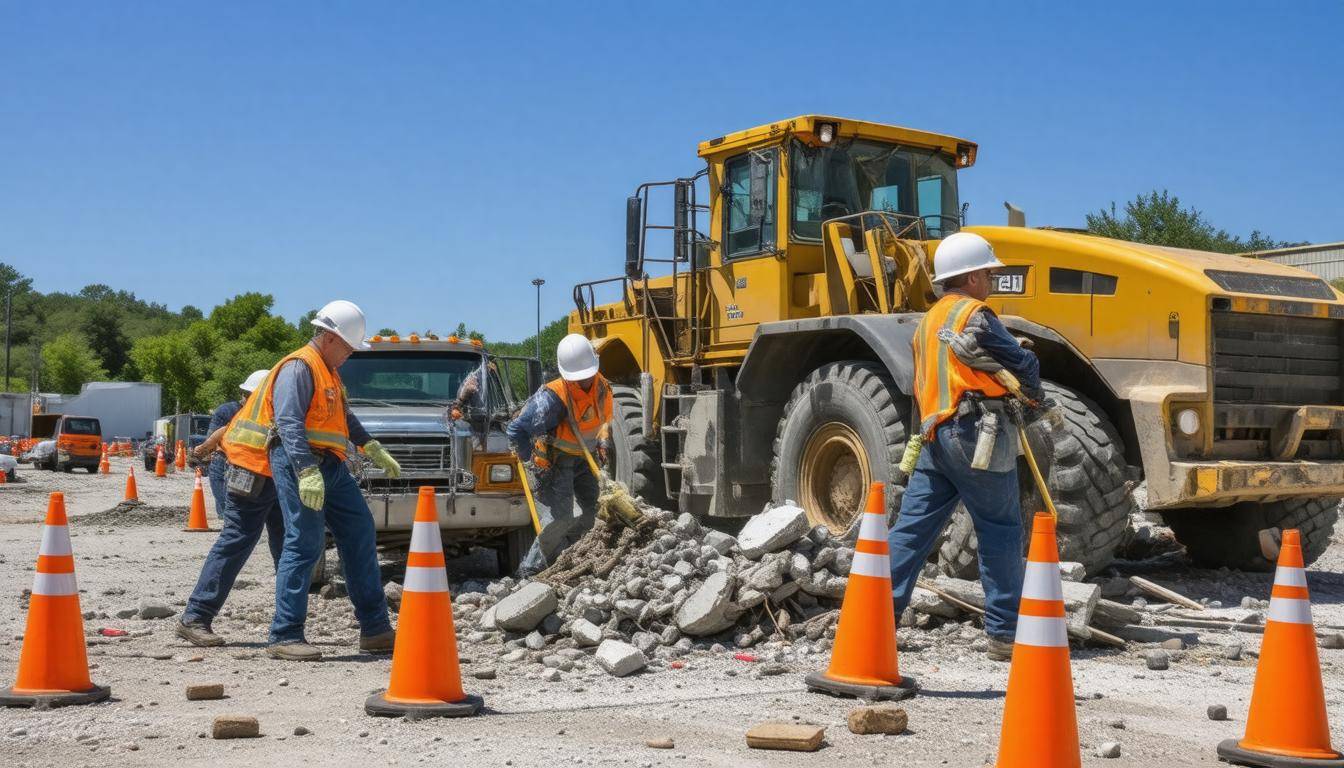
Common Hazards in Disaster Debris
Navigating through debris left behind after a disaster isn’t just an unsightly chore; it can be fraught with hidden dangers lurking beneath the surface. A seemingly harmless pile of rubble could conceal sharp objects like shards of broken glass or jagged metal pieces, both of which are notorious for causing injuries during clean-up activities. Research has shown that approximately 30% of injuries sustained during debris removal stem from such sharp hazards. This is why it’s essential to approach the task with a mindset geared toward safety — awareness is your first line of defense.
In addition to sharp objects, you may encounter electrical hazards, particularly if downed power lines are involved. The risk of electrocution from exposed wires poses a significant danger and amplifies the need for caution. For instance, in areas hit by severe storms, many residents have reported encountering live wires weeks after the storm had passed.
Further complicating matters are chemical hazards, which can come from household products or industrial chemicals released after a disaster. As seen during Hurricane Katrina, recovery efforts had to meticulously assess buildings for asbestos and lead paint—both materials that require careful handling and disposal to avoid health risks.
Here are some additional hazards to be aware of during debris removal:
-
Biological Hazards: Mold and bacteria thrive in damp environments and can pose severe health risks; potentially affecting respiratory conditions.
-
Structural Instability: Buildings that have sustained damage may have weakened structures where walls or ceilings could collapse without warning.
-
Wildlife Encounters: Wildlife such as snakes or rodents may seek refuge within wreckage. Getting too close can result in bites or disease transmission.
One stark illustration of these dangers is found in the aftermath of the 2011 Joplin Tornado. Residents encountered everything from exposed nails to hazardous materials scattered throughout their neighborhoods. Such situations require not only physical readiness but also knowledge of how to manage these specific risks effectively.
Understanding these hazards is the first step toward ensuring a smoother clean-up process. Gaining insight into effective safety protocols will enhance your ability to handle the complexities you might face during debris removal.
Federal and Local Safety Guidelines
To ensure the effective and safe removal of debris following a disaster, federal agencies like OSHA (Occupational Safety and Health Administration) and FEMA (Federal Emergency Management Agency) have established a comprehensive set of guidelines. These aren’t just suggestions; they are essential protocols designed to protect the health and safety of workers and the public during these critical times.
For instance, OSHA mandates that all workers must undergo proper training to equip them with the necessary skills and knowledge for safe operation on-site. This includes familiarizing themselves with potential hazards unique to their specific tasks.
Alarmingly, a survey showed that 75% of workers reported inadequate safety training before engaging in debris removal. This highlights a significant gap in preparation, underscoring the necessity for robust training programs. With the right knowledge, workers can identify risks associated with hazardous materials, unstable debris, and various environmental conditions they might encounter during cleanup efforts.
Alongside OSHA standards, FEMA plays a pivotal role in providing resources that are invaluable for communities recovering from natural disasters.
FEMA Resources
FEMA enhances safety awareness through various tools, including multi-lingual safety graphics that effectively communicate proper procedures for debris removal. This accessibility ensures that everyone in the community can understand their roles and responsibilities during such challenging times.
Commonly referenced resources, such as ready.gov/floods, offer guidance tailored to different disaster scenarios, ensuring that language barriers do not compromise safety information dissemination.
Moreover, FEMA encourages communities to prepare ahead of time by running drills and simulations. A well-prepared community can significantly lessen the impact of a disaster and speed up recovery efforts by making informed decisions under pressure.
While federal guidelines provide a valuable framework, it’s crucial to remember that local regulations may offer additional layers of specificity based on regional hazards.
Local Regulations
Local regulations can vary widely depending on geography, climate, and the types of disasters commonly experienced in the area. For example, some municipalities have established unique waste sorting and disposal protocols to address specific challenges connected to hazardous materials or toxic waste removal. Therefore, always check in with local authorities prior to commencing any debris clean-up effort.
Engaging with local officials will also ensure compliance with any ordinances that may dictate debris removal timelines or additional equipment requirements. These regulations help streamline recovery efforts while safeguarding the environment as well as community members’ health.
Following these federal and local guidelines necessitates not only knowledge but also a commitment to using specific safety equipment designed to minimize risk during debris removal activities.
Essential Safety Equipment
Safety equipment is not merely a precaution but an absolute necessity when it comes to debris removal. The unpredictable nature of this task can expose workers to various potential hazards, including falling objects or harmful substances. Thus, equipping yourself with quality personal protective equipment (PPE) forms the bedrock of a safe cleanup operation.
Core PPE Items
At the heart of effective safety strategies are essential pieces of PPE that ensure you are protected during every phase of debris removal. Hard hats are paramount for shielding your head from unexpected falling debris; they literally could save your life. Following closely behind are safety goggles, which serve as barriers against dust and flying particles, making it easier to see clearly while working. Then there are heavy-duty gloves, designed specifically to allow for a firm grip while handling sharp objects without risking lacerations or cuts to your hands.
Steel-toed boots offer another layer of protection, insulating your feet from heavy weights. Perhaps one of the most critical tools in our arsenal is the respirator. With the potential for inhaling toxic materials or smoke—especially evident during events like wildfires—a well-fitted respirator becomes indispensable as it filters out harmful airborne particles, refreshing and protecting your lungs.
The Reality of Debris Removal
For instance, during the California wildfires, many emergency responders reported relying heavily on their respirators to shield them from smoke and particulate matter in the air. Without such gear, the health risks posed by these disasters could exponentially increase.
Advanced Safety Gear
As debris removal can vary greatly in scope and hazard levels, some situations may call for more advanced safety gear. Depending on the nature of what you’re dealing with, specialized items like hazard suits become necessary when handling extremely dangerous materials like biohazards or chemicals. Similarly, when faced with excessive noise from heavy machinery or chainsaws, donning hearing protection is advisable to prevent long-term hearing damage.
Moreover, if you encounter a chemical spill amid the debris, gloves and suits resistant to those hazardous substances are non-negotiable. Preparing for a range of conditions means considering every possible risk factor so that your team can operate safely and efficiently.
With the proper gear in place, it’s crucial to understand how to navigate the complexities of handling and disposing of debris effectively to maintain safety and health standards.
Safe Handling and Disposal Techniques
The first step in ensuring a smooth cleanup process starts with sorting the debris. This isn’t just about making things look tidy; it’s necessary to organize your materials into categories: recyclable items, hazardous waste, and general refuse. By keeping these groups separate, you simplify the disposal process, which not only makes your job easier but also ensures compliance with environmental regulations.
For instance, throwing batteries or old paints in with regular trash could lead to hazardous chemical spills that could affect both health and the environment.
Picture yourself sorting through rubble after a storm; having a clear plan makes all the difference. As you sift through the debris, make sure you’ve defined your categories beforehand so you can quickly place each item where it belongs—less clutter means less chance of accidents.
After sorting comes the physical labor of lifting and moving those piles safely.
Adopting safe lifting practices is crucial in preventing injuries during this strenuous work. According to guidelines from health experts like the CDC, always bend at your knees and keep your back straight when lifting heavy items. This simple technique allows your legs to do the work instead of straining your back.
They recommend limiting individual lifts to no more than 50 pounds without assistance. In situations where debris may be both bulky and awkward, consider using tools like dollies or carts to help maneuver these loads without risking injury.
Just remember: saving your back today means you can save the world tomorrow!
Once the debris has been sorted and lifted safely, it’s time to focus on proper disposal techniques.
Knowing how to dispose of hazardous materials is vital in reducing future risks. Make sure to utilize designated disposal sites; local authorities often set up specific locations for hazardous waste collection following disasters. When cleaning up from Hurricane Harvey, improper disposal led to chemical spills that complicated recovery efforts significantly.
Partnering with certified waste disposal services helps ensure these materials are handled correctly.
“Efficient disposal not only protects public health but accelerates recovery,” said an EPA representative during community training sessions after major disasters.
Practicing thorough handling and disposal techniques shields both you and the environment from further issues while contributing to effective recovery efforts across affected communities. With safety guidelines established, understanding health risks involved will further bolster your preparedness for any clean-up activity.
Health and Safety Precautions
Health and safety precautions are not just guidelines; they are the backbone of any debris removal operation. Without them, the risks associated with handling hazardous materials increase significantly. Imagine lifting a piece of wood only to find it splintered and sharp; this could easily lead to an injury if protective gear isn’t worn. Hence, implementing strong safety protocols can dramatically reduce the likelihood of injuries in high-risk environments.
Key Precautions
To maintain peak performance while minimizing risks, it’s essential to implement regular breaks within your work routine. These breaks provide a moment to recharge your energy and act as a critical point for assessing the work environment, ensuring that everyone is still safe. Hydration plays a vital role in this process; it’s important to drink plenty of water, although sugary drinks should be avoided as they may lead to crashes in energy levels later on. The more you nourish your body during grueling tasks, the clearer your mind will be, allowing you to make better decisions.
Following these practices can yield impressive results. For instance, after Hurricane Sandy, New York’s debris removal teams adopted structured break times and strict hydration policies that led to significantly lower injury rates. This proves that when workers are equipped with knowledge about their health and wellbeing, they are also more effective in their duties.
Hygiene Measures
As crucial as it is to safeguard against injuries during debris removal, health doesn’t stop there. The hygiene aspect post-operation warrants equal attention. Always wash your hands thoroughly before eating or drinking after a long day of work; debris can carry harmful contaminants that may threaten your health if ingested unknowingly. It’s also advisable to change out of work clothes before stepping into your home. This simple act can prevent cross-contamination and ensure that no hazardous materials track into living spaces where families gather.
These hygiene measures play a pivotal role in safeguarding not only the individual worker but also their families by reducing the chances of exposure to detrimental substances. Neglecting this step may seem minor but can have significant ramifications.
To seamlessly integrate these health and safety precautions into daily operations, organizations must focus on equipping their personnel with comprehensive training. This foundational step ensures that every worker is well-prepared to navigate the challenges inherent in debris removal efforts while prioritizing safety and effectiveness.
Comprehensive Worker Training

Proper training is fundamental to ensure that workers feel confident and prepared for the complexities of debris removal. Having the necessary skills and knowledge not only promotes a safer work environment but also empowers workers, allowing them to respond effectively to the challenges they may face on-site.
Training Programs
It’s crucial that every worker participates in accredited training programs focused on hazard recognition, equipment handling, and emergency response protocols. OSHA-certified courses are particularly beneficial as they meet industry standards for safety and preparedness.
Furthermore, these training sessions aren’t just obligatory; they provide an essential foundation for safe and efficient work. In fact, studies show that organizations emphasizing safety training often experience lower accident rates. Taking a few hours to educate oneself can make all the difference in avoiding potential mishaps later on.
The Brookings Institution supports this claim, stating that well-trained workers have a remarkable 40% lower injury rate during debris removal operations. This statistic highlights that investing time in proper training directly impacts overall safety.
Practical Drills
However, focusing solely on theoretical knowledge falls short without regular practical drills. Engaging in hands-on training is vital because it allows workers to implement what they’ve learned in real-life scenarios.
Imagine being taught how to use a chainsaw or navigate through hazardous debris without ever picking one up—this gap could lead to dangerous situations when faced with actual debris removal tasks.
Sensibly integrating practical drills into the training schedule creates an environment where employees can practice their skills securely and confidently before entering potentially perilous situations. It’s incredibly fulfilling to watch a team transform from novices into skilled handlers of complex situations through dedicated drill sessions.
Moreover, aligning worker safety with environmental considerations enhances the overall quality of disaster recovery efforts and ensures that each operation respects our ecosystem while managing debris responsibly. This sets the stage for examining the role of assessing ecological implications during recovery processes.
Environmental Impact Assessments
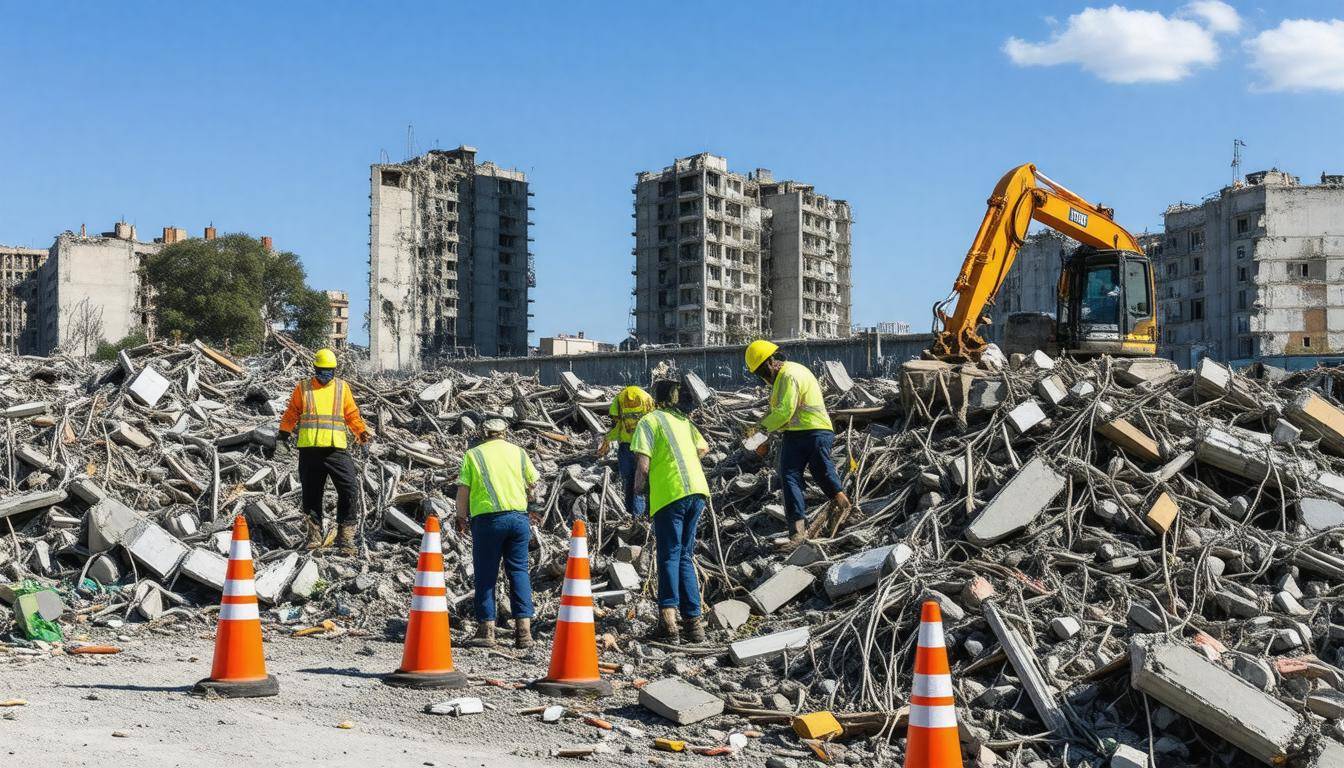
Environmental Impact Assessments (EIAs) serve as a necessary foundation for any debris removal operation. They offer a lens through which we can view the situation, highlighting potential environmental concerns that may arise from debris left in the wake of a disaster, such as wildfires. When a community faces destruction, it’s not just about removing visible remnants; it’s about understanding how those remnants interact with the surrounding environment. An EIA provides clarity on these interactions by identifying hazards to soil quality, water resources, and local wildlife.
Conducting EIAs
The process of conducting an EIA is comprehensive and often begins even before debris removal commences. This proactive approach involves evaluating the debris for potential contaminants that may pose risks to both human and ecological health. For example:
- Soil testing can reveal dangerous levels of heavy metals or chemicals from burnt structures.
- Water source evaluations might uncover pollution threatening aquatic life.
By pinpointing these issues early on, communities can effectively strategize their cleanup efforts.
Moreover, EIAs are data-driven reports capturing findings from field research and scientific methodologies. This means significant resource allocation is put into analyzing various factors that could affect long-term environmental stability. The EPA reports that proactive EIAs can reduce long-term environmental damages by up to 60%. That staggering figure underscores just how critical these assessments are for immediate safety and sustained ecological resilience.
Mitigation Strategies
Following the completion of an EIA, it’s essential to develop and implement mitigation strategies based on the findings. For instance, if the assessment indicates high erosion risk due to ground cover loss from fire damage, implementing erosion control measures—like planting grass or installing silt fences—can help maintain soil integrity. Similarly, if wildlife habitats are threatened by debris removal processes, steps must be taken to minimize harm, such as scheduling certain activities outside of breeding seasons.
Through thoughtful implementation of these strategies, communities can mitigate adverse impacts while promoting recovery efforts that safeguard both nature and residents alike.
Successfully executing these operations requires seamless collaboration with local authorities to ensure compliance with environmental regulations and effective community engagement.
Coordinating with Local Authorities
Cooperation with local authorities is essential for ensuring that debris removal is conducted safely and efficiently. It’s like gearing up for a neighborhood cleanup: each person plays a pivotal role, and without strong communication, the collective effort risks falling apart.
Start by making contact with local waste management services; understanding their specific disposal protocols is crucial. This includes arranging for debris collection that aligns with local schedules and regulations. In densely populated areas, it’s vital to coordinate these efforts to keep roadways clear for emergency services, which can make all the difference in a crisis.
A telling example comes from the aftermath of Hurricane Irma in Florida, where local officials worked hand-in-hand with communities. Their collaboration significantly streamlined the debris removal process, ultimately reducing recovery time. Imagine being able to fix things more quickly simply by talking to your neighbors; that’s essentially what happened on a much larger scale during this recovery effort.
Communication Channels
Establishing clear communication channels with local authorities cannot be overstated. These channels serve as lifelines during recovery operations. Regular updates keep everyone informed about ongoing efforts and challenges that need attention. Creating feedback loops means that issues can be swiftly addressed before they escalate into larger problems, keeping the debris removal on track and efficient.
To stay abreast of changes or updates in safety guidelines, utilize apps or hotlines provided by local governments. Such tools are especially vital after disasters when conditions might change rapidly. Think of them as your immediate connection to valuable information—having access to real-time updates ensures you’re always equipped with the latest news and guidance, thereby enhancing your capacity to contribute meaningfully to the recovery efforts.
Understanding these dynamics of cooperation lays the foundation for effective disaster management, ensuring that communities emerge resiliently from crises while safeguarding human health and environmental integrity during the debris removal process.
In summary, fostering collaboration and maintaining open communication with local authorities are key strategies for successful disaster debris removal. Implement these guidelines to enhance your community’s resilience and readiness in times of crisis.
What types of protective equipment should be worn during disaster debris removal?
During disaster debris removal, it is essential to wear appropriate personal protective equipment (PPE) including hard hats, safety goggles, gloves, and steel-toed boots to protect against falling objects, sharp debris, and hazardous materials. According to the Occupational Safety and Health Administration (OSHA), wearing proper PPE can reduce the risk of workplace injuries by up to 70%, emphasizing its critical role in ensuring worker safety in high-risk environments.
What training or certifications are recommended for individuals involved in debris removal after a disaster?
Individuals involved in debris removal after a disaster are recommended to obtain certifications such as the Federal Emergency Management Agency (FEMA) training in Incident Command Systems (ICS) and Hazardous Waste Operations and Emergency Response (HAZWOPER), which ensure they are properly prepared for safety and compliance. According to FEMA, over 30% of injuries during disaster recovery can be attributed to inadequate training and lack of awareness about hazards, highlighting the critical need for proper certification in this field.
How can volunteers ensure their safety while participating in debris cleanup efforts?
Volunteers can ensure their safety during debris cleanup by wearing appropriate personal protective equipment (PPE) such as gloves, sturdy boots, helmets, and masks to protect against hazardous materials. It’s crucial to stay hydrated and take breaks to avoid fatigue, which can lead to accidents; studies show that fatigue can increase the risk of injuries by up to 70% in physically demanding tasks. Additionally, volunteers should work in pairs or groups for support and communicate effectively about potential dangers in the environment. Always following local guidelines and training can significantly reduce risks during cleanup efforts.
How should hazardous materials found in debris be handled and disposed of safely?
Hazardous materials found in debris should be handled with extreme caution by trained professionals using appropriate personal protective equipment (PPE) and following local regulations for disposal. It is vital to categorize the materials—such as asbestos, chemicals, or batteries—before removal. Statistics indicate that improper handling of hazardous waste can lead to serious environmental contamination and health risks; for instance, the EPA reported that improper disposal of hazardous waste has resulted in approximately 500 million gallons of toxic waste being dumped into landfills annually. Therefore, adhering to safety guidelines is paramount for protecting both human health and the environment.
Are there specific hazards associated with different types of disasters (e.g., hurricanes vs. earthquakes) that affect debris removal?
Yes, specific hazards associated with different types of disasters significantly affect debris removal. For instance, hurricanes typically leave behind flooding and downed power lines, which pose electrocution and drowning risks, while earthquakes can cause unstable structures and landslides, increasing the risk of injury from falling debris. According to FEMA, approximately 50% of disaster-related injuries occur during cleanup activities, highlighting the importance of tailored safety guidelines based on the type of disaster to mitigate these hazards effectively.