
Typhoons can be incredibly powerful and unpredictable storms, making it crucial for residents of Guam to be well-prepared. Whether you’ve lived here your entire life or just moved to the island, understanding how to get ready for a typhoon is essential. In this guide, we’ll walk you through what you need to know about typhoon preparedness, including tips on securing your home, assembling an emergency kit, and finding community support. With some planning and the right resources, everyone can feel more secure when the winds start to howl—because when it comes to safety, it’s always better to be over-prepared than caught off guard!
Your Guam Typhoon Preparedness Guide should include crucial information on understanding the Condition of Readiness (COR) levels, recommended preparations such as securing water storage and emergency supplies, as well as safe sheltering practices during and after a storm. Additionally, it should provide resources for community support and contact information for local disaster preparedness courses available through organizations like the Fleet and Family Support Center.
Preparing Your Family and Home for Typhoons
The first crucial step in preparing for a typhoon is education. It’s essential to inform your family about the nature of typhoons, emphasizing that these storms can bring not just heavy rains, but also dangerously high winds and flooding.
Children should be conditioned to understand basic safety protocols, including memorizing emergency phone numbers and knowing how to communicate them effectively. To reinforce this knowledge, regularly conduct family drills that simulate typhoon conditions, ensuring everyone is aware of their roles and responsibilities during such events. This practice not only builds confidence but also fosters a sense of teamwork among family members.
As education sets the foundation, the next step focuses on securing your home against potential threats.
Securing your home is vital when it comes to typhoon preparedness. Start by reinforcing doors and windows with storm shutters or plywood. This can significantly reduce the risk of breakage caused by flying debris.
When considering storm preparation, don’t overlook the trees surrounding your property; trimming any overhanging branches lessens the chances of them falling onto your home or vehicle during a storm. Additionally, take a stroll around your yard and identify any outdoor furniture or tools that could turn into hazardous projectiles if the winds pick up. Make sure these items are either brought inside or secured properly well before the storm arrives.
With your family’s safety and home security established, having reliable emergency contacts will enhance your preparedness even further.
Assemble an easily accessible list of essential contacts. This list should include local emergency services, close family members, neighbors who may need assistance, and anyone else you trust in times of crisis. It’s useful to keep this information handy so that accessing it during stressful moments becomes second nature.
You might consider placing copies in different locations throughout your home, such as on refrigerators or bulletin boards, ensuring every family member knows where to find it. Taking these precautions creates a safety net that allows for more peaceful handling of the situation when the storm approaches.
Having established a solid plan for family safety, home security, and important connections, let’s now look closely at what items you should gather to ensure you’re fully equipped during challenging weather conditions.
Creating a Typhoon Emergency Kit
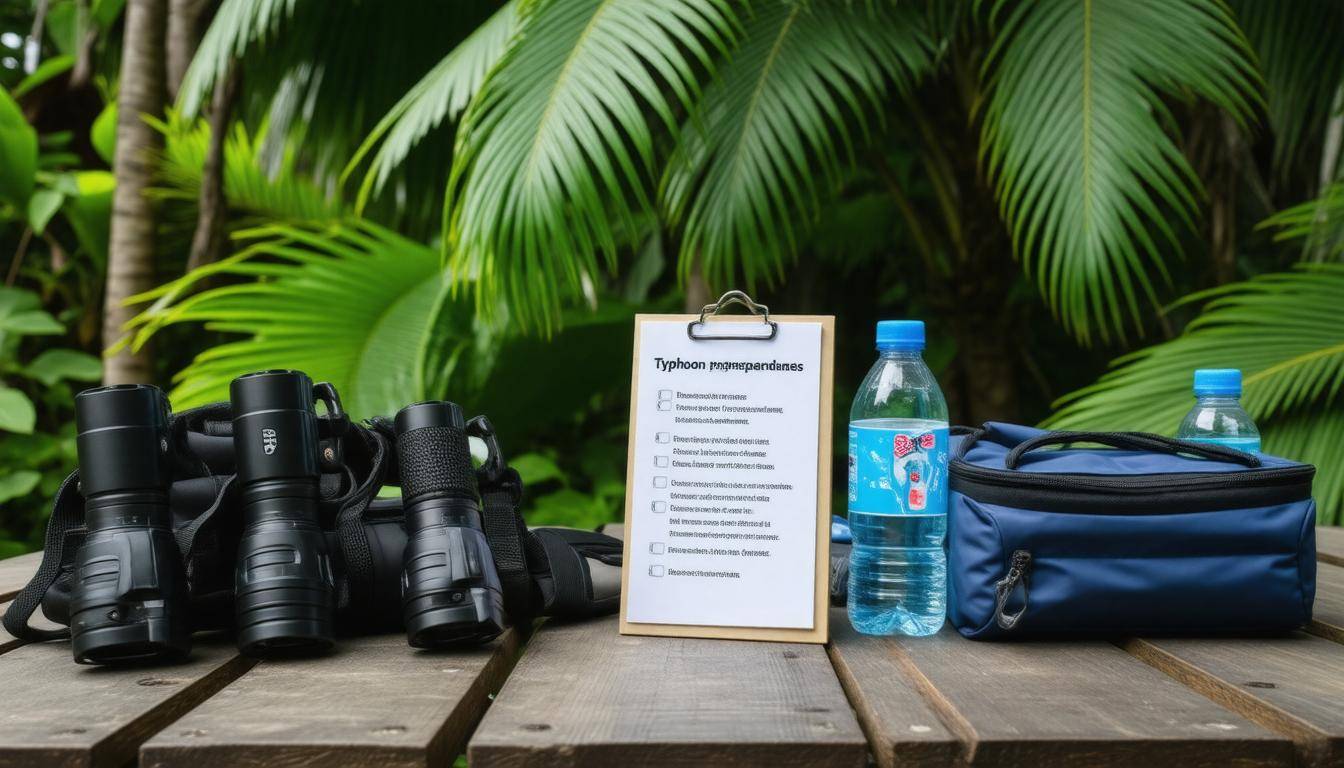
It’s crucial to gather an emergency kit that prepares you for at least 72 hours without outside help. Creating this kit should be a family activity, turning what could be a daunting task into a bonding experience. Start by selecting a durable, waterproof container like a plastic bin or backpack. This will ensure your supplies stay dry, even if your living space becomes compromised.
Key Items to Include
-
Non-perishable food supplies: Opt for easy-to-eat items like canned goods, granola bars, and dried fruits. Closer to typhoon season, consider stocking comfort food like peanut butter that can provide energy without the need for cooking.
-
Bottled water: The recommendation of one gallon per person per day is essential; think about how it relates to sanitation needs as well.
-
Basic first aid kit: This should include bandages, antiseptics, pain relievers, and any necessary prescription medications tailored to each family member’s health needs.
-
Battery-powered or hand-crank radio: A reliable radio is vital; it keeps you connected to weather updates even if electricity goes out.
-
Flashlights and extra batteries: Don’t just grab one flashlight—each family member should have their own to ensure visibility wherever they are.
-
Essential medications and prescriptions: Keep these in a clearly marked zippered bag for quick access during an emergency.
-
Personal hygiene items: Include items such as moist towelettes, garbage bags, and hand sanitizer; maintaining personal hygiene is important even in chaotic situations.
-
Multi-tool and duct tape: These tools come in handy for quick repairs or improvisations during an emergency.
-
Local maps and emergency contact information: If power is lost, GPS won’t work; knowing how to navigate through familiar territories can be a life-saver.
After assembling these essentials, consider special needs of your household.
Special Considerations
Customize your emergency kit further by including specific items based on your family’s unique requirements. For instance, if there’s an infant in the house, stock up on infant formula and diapers. Not forgetting your furry family members is vital—don’t overlook pet supplies like food and medications either. Additionally, if anyone in the home uses medical devices that require power, ensure backup batteries or alternative options are included so their needs can be met without interruption.
Lastly, it’s not enough just to pack these supplies; reviewing and refreshing your kit every six months is essential. Check expiry dates on food and medication while replacing anything that’s seen better days. Staying prepared builds confidence that when nature unleashes her fury, you’re ready to weather the storm with resilience.
After assembling your emergency kit, keeping up-to-date with weather alerts is critical—a well-stocked kit alone won’t keep you safe if you’re not aware of impending threats.
Staying Informed with Weather Alerts
In Guam, remaining alert to weather updates can save lives and minimize damage. The National Weather Service and Guam Homeland Security work tirelessly to monitor conditions, providing real-time alerts about approaching typhoons. This timely information allows residents to make critical decisions before the storm hits.
It’s important to utilize a variety of tools to keep yourself updated. Weather apps are especially handy because they deliver fast notifications right to your smartphone. These apps often provide detailed forecasts, radar images, and safety tips tailored for your area. Moreover, traditional methods like local radio broadcasts remain invaluable during emergencies when power can become unreliable. Tuning in to local stations keeps you connected, even if other communication systems fail.
Don’t forget: staying connected means being prepared!
Signing up for automatic text or email alerts from local government platforms is another excellent way to ensure you stay informed. These alerts will notify you of critical updates regarding evacuations, shelter locations, and safety recommendations. Think of it as having a lifeline during emergencies where every notification can make a difference.
With these resources at your disposal, you’ll be well-equipped not just to respond effectively when storms approach but also to explore strategies for safe evacuation and access to shelters.
Implementing Evacuation Plans and Finding Shelters
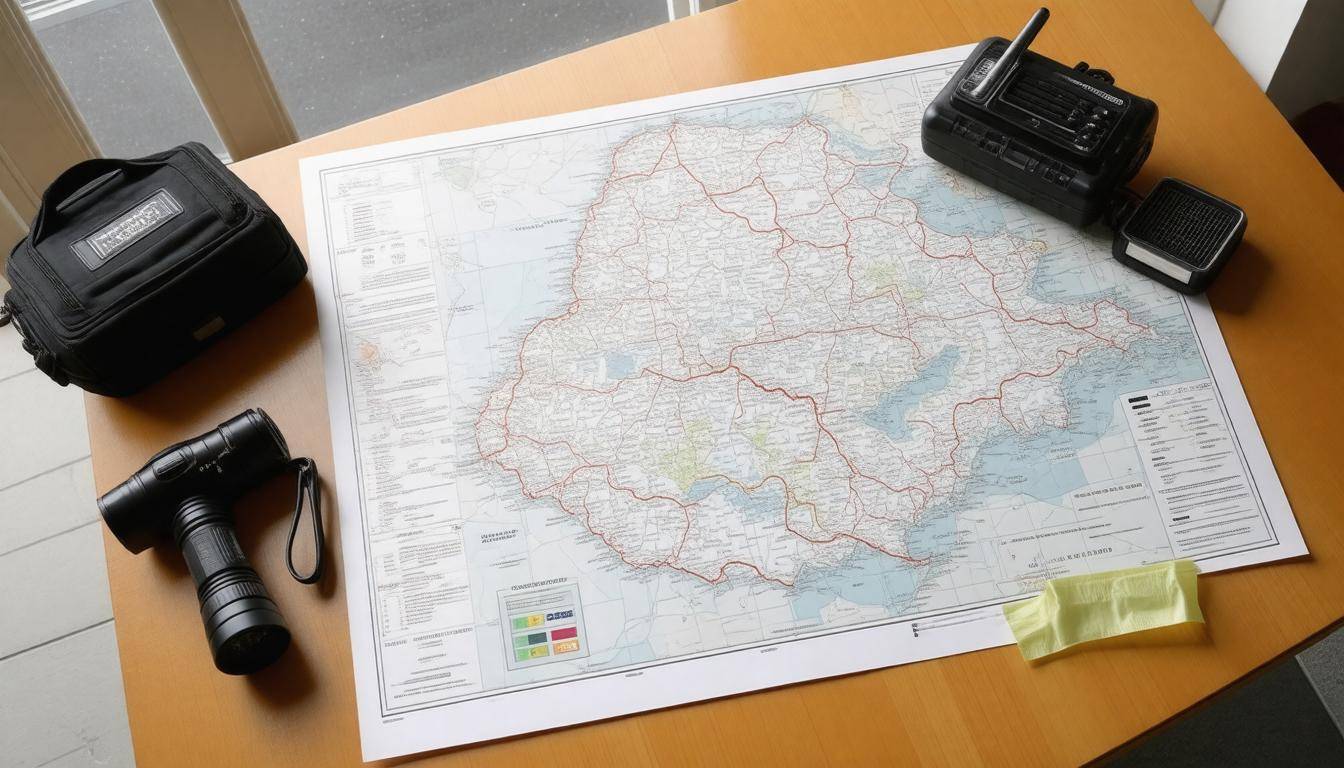
When it comes to preparing for a natural disaster like a typhoon, implementing your evacuation plan effectively is crucial. By taking proactive steps, you can help ensure the safety of yourself and your family. First, it’s important to establish an evacuation route that allows you to reach safety quickly. Identify at least three primary routes from your home to designated shelters; this way, if one road is blocked due to debris or flooding, you’ll have alternatives ready.
Establish an Evacuation Route
After pinpointing these routes, it’s vital to familiarize all family members with them. Make a family outing of it! Practice driving these routes under various conditions—perhaps during rush hour or after heavy rainfall—so everyone feels comfortable navigating them when the time comes.
It might seem trivial, but understanding how long each route takes can also alleviate panic when every second counts.
Remember, reconnaissance leads to confidence. You’ll feel more prepared knowing you’ve traveled these paths before and know what to expect.
Locate Nearby Shelters
Once you have an evacuation route mapped out, the next step is to locate nearby shelters. Turn to resources provided by Guam Homeland Security to identify local emergency shelters available during typhoons.
Each shelter may have different amenities, including food supplies and medical assistance, so take note of what they offer ahead of time. It’s essential to understand the policies surrounding pets; not all shelters will accept animals, which can pose a challenge for pet owners during emergencies. Having a list of pet-friendly shelters or alternative pet care plans in place can significantly reduce stress when evacuating.
As part of your preparation, consider creating a “go bag” for each family member. Include necessary items like medications, identification documents, water, and non-perishable snacks. This ensures you’re ready to leave at a moment’s notice without having to rummage through your home for essentials when urgency strikes.
While successfully planning an efficient evacuation is paramount, it’s equally vital to consider how to safeguard your belongings and assets during your absence.
Protecting Property and Minimizing Risks
Protecting your property can significantly reduce damage during a typhoon, ensuring that your home remains a safe haven. One of the first steps in this preparation is to seal windows and doors tightly. This simple act helps prevent water intrusion, which can lead to extensive interior damage. To fortify this further, apply weather stripping or adhesive foam for a more secure seal.
Pre-typhoon Measures
Another effective method to combat flooding is to utilize sandbags around your home’s foundation. These inexpensive barriers act as a frontline defense, directing water away from critical areas and minimizing the risk of seepage into your living space.
While sandbags are useful, you should also consider having gutters and downspouts clear of debris to facilitate proper drainage during heavy rains.
In addition to physical barriers, don’t overlook the importance of electrical safety in your home. Install surge protectors for your electronics; they safeguard against power surges that often accompany storms. By integrating these protectors, you not only protect your appliances but also extend their lifespan.
Insurance
Reviewing your home insurance policy prior to any storm season is vital. It’s crucial to ensure that it covers typhoon-related damages, including wind and flood damage. Many homeowners assume they have protection without fully understanding the fine print. This proactive approach could save you significant heartache later if disaster strikes.
Don’t forget to take photographs and document your property’s condition before the typhoon hits. These records will prove invaluable when filing insurance claims for losses incurred during the storm.
After securing your belongings, knowing the available community support can make a significant difference in how effectively you recover. Understanding what resources are at your disposal can bolster both safety and peace of mind as you weather the storm ahead.
As we explore the available resources in Guam, we’ll find various ways to access crucial assistance for navigating emergency situations.
Accessing Government and Community Support in Guam
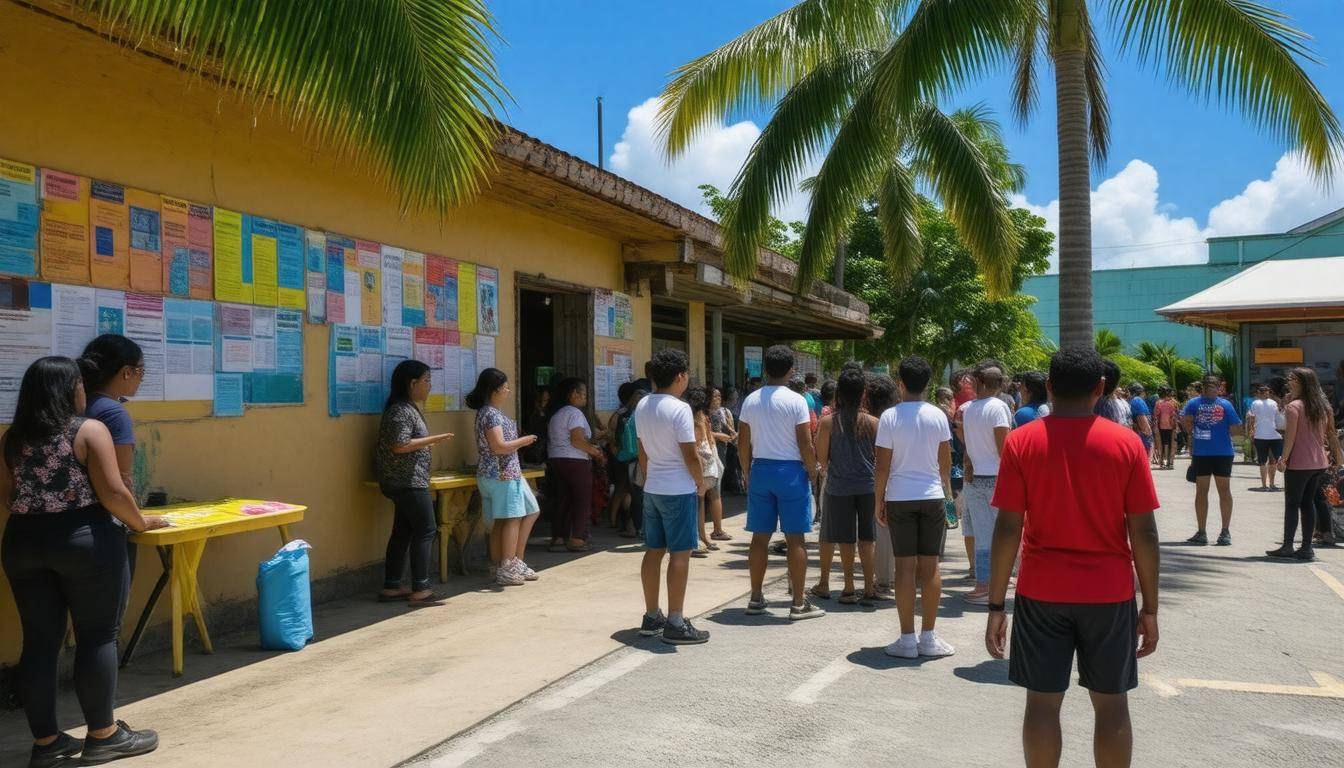
Government and community support are indispensable allies when it comes to preparing for and recovering from a typhoon. The Guam Department of Homeland Security is your first line of defense, regularly updating guidelines and providing resources specifically tailored for typhoon preparedness.
You can easily find brochures packed with crucial information, but don’t stop there—consider attending their workshops. These sessions offer hands-on learning experiences that equip you with essential skills such as assembling emergency kits, understanding evacuation routes, and learning safety protocols during a storm. Taking advantage of these offerings could very well save your life or the life of a loved one.
Moreover, community support networks play a vital role during disruptive times. I highly recommend joining local organizations that rally together to lend assistance when disaster strikes. Faith-based groups, neighborhood associations, or voluntary service organizations often act as hubs of support during typhoons. They provide food, shelter, medical supplies, and distribute vital resources to those in need.
One often overlooked aspect is the power of community connections. When you join forces with your neighbors, you create a web of mutual aid that strengthens everyone involved. Be proactive—reach out and see how you can contribute, whether it’s donating items or simply offering emotional support.
It’s also wise to familiarize yourself with federal assistance programs that can provide relief in the aftermath of a disaster. For instance, after Typhoon Mawar in 2023, FEMA swiftly declared a federal disaster for Guam, allowing individuals affected to access grants for temporary housing or home repairs. Keeping an eye on such announcements can impact recovery efforts for you and your community.
Moreover, don’t forget to monitor ongoing updates from both government bodies and community networks alike. Staying informed about new recovery efforts or available resources after the storm passes will prepare you not only for immediate action but will also aid in long-term recovery efforts.
Essential Supplies and Stockpiling Tips
To truly prepare for a typhoon, it’s imperative to focus on gathering long-term supplies that will sustain your family in the wake of such storms. A solid stockpile isn’t just about quantity; it’s about quality and variety.
Long-term Supplies
-
Non-perishable food with varied nutritional value: Think beyond canned goods; include items like dried fruits, nuts, peanut butter, and energy bars. These not only provide necessary calories but also essential nutrients to keep energy levels up during stressful times.
-
Large jugs of water able to sustain each family member for at least a week: Aim for at least one gallon per person per day, which adds up quickly. Having additional water stored for sanitation purposes is equally important.
-
Backup batteries and chargers for mobile devices: In our digital age, communication can be vital during emergencies. Make sure to stock up on batteries or portable power banks that are easily rechargeable so you can stay updated on emergency information.
-
Extra blankets and clothing for warmth: Temperature fluctuations can occur after severe weather, making warm layers essential. Storing an extra set of clothes can provide comfort and maintain morale among your household.
Beyond gathering these supplies, there are some special tips that can enhance your preparedness even further.
Special Tips
Utilize vacuum-sealed bags to preserve not just food but also clothing from moisture—this little step can make all the difference. Keeping everything airtight ensures freshness and integrity when you finally need to access them.
It’s equally important to store your supplies in a cool, dry place where they won’t be exposed to humidity that often permeates tropical climates like Guam’s. To enhance this strategy, make it a practice to rotate supplies regularly—much like rearranging furniture. This way, you’re consistently cycling through what you have, avoiding spoilage while keeping older items at the forefront of your pantry.
With these essentials secured, forging an effective communication strategy becomes critical to keep everyone informed and connected during challenging times.
Communication and Safety During a Typhoon
Effective communication can be crucial in coordinating emergency responses during a typhoon. A clear flow of information keeps everyone informed and can save lives. Imagine the chaos when strong winds and heavy rain hit — having a reliable way to check on each other or relay important updates can make all the difference, especially in Guam where storms can arrive suddenly.
Communication Tools
In today’s world, relying solely on traditional phone calls might not be your best strategy during a storm. When disaster strikes, cellular networks can become overloaded or fail entirely. Instead, consider using SMS or instant messaging apps; they often work better under these strained conditions due to their ability to send messages without requiring a constant connection.
To further enhance your preparedness, equip your family with walkie-talkies. These radios are excellent backups when conventional means of communication falter, facilitating real-time communication over short distances.
Safety Precautions
Alongside robust communication strategies, understanding safety precautions is essential. First and foremost, always stay indoors during the storm and keep away from windows to avoid injury from flying debris. It’s easy to assume that once the worst has passed, you can venture outside, especially if you notice that eerie calm associated with the eye of the storm.
However, that false sense of security can lead to perilous situations. Many have made the grave mistake of going outside too soon, only to find themselves caught unaware by the cyclone’s return. Always follow local authority instructions closely; they provide critical updates regarding sheltering in place and safe times to exit once the storm has completely passed.
By combining solid communication tools with essential safety precautions, you arm yourself with necessary tactics for survival and efficient coordination.
Community Coordination
Beyond individual preparation, consider reaching out within your community. Well-established neighborhood groups or organizations often develop emergency plans that include designated meeting areas and procedures for sharing vital information like evacuation routes or weather updates.
Actively participate in local workshops focused on disaster response; this enhances your skills and strengthens community bonds. When individuals are prepared together, it fosters a culture of support where everyone looks out for one another.
| Communication Tool | Benefits |
|---|---|
| SMS | Works well in network congestion |
| Instant Messaging | Real-time updates despite outages |
| Walkie-Talkies | Reliable backup for closed locations |
In summary, effective communication paired with proactive safety measures is crucial when facing the fiercest storms Guam has to offer. Your preparedness isn’t just about safeguarding your home—it’s about uniting as a community to weather any storm that comes our way.
Taking these steps will enhance not only your personal safety but also contribute toward a more resilient community ready to face nature’s challenges together.
How can I stay informed about typhoon warnings and updates while living in Guam?
To stay informed about typhoon warnings and updates while living in Guam, you should subscribe to local weather alerts through the National Weather Service (NWS) or utilize mobile apps that provide real-time notifications. Additionally, follow local news stations on social media and check the Guam Department of Homeland Security’s website for official updates. Statistics show that timely warning systems can reduce risks significantly; for instance, a study indicated that communities with proactive communication experienced 30% fewer injuries during severe weather events.
What are the essential items to include in an emergency kit for typhoon preparedness?
Essential items to include in an emergency kit for typhoon preparedness in Guam are non-perishable food, water (at least one gallon per person per day for three days), a flashlight with extra batteries, a first aid kit, a multi-tool or knife, important documents (in waterproof bags), and medications. According to FEMA, preparing an emergency kit can significantly reduce the risk of injury and provide crucial support during a disaster. With frequent typhoons affecting the region, having these supplies readily available can make all the difference in ensuring safety and survival.
What should I do if I’m advised to evacuate due to an incoming typhoon?
If you’re advised to evacuate due to an incoming typhoon, prioritize your safety by following local authorities’ instructions immediately. Gather essential items such as medications, important documents, and a supply of food and water to sustain you for at least 72 hours. According to the National Oceanic and Atmospheric Administration (NOAA), evacuation orders can save lives, especially since over 80% of fatalities during such storms result from flooding and wind-related incidents. Move to designated evacuation centers or stay with friends or family in safer areas, ensuring you have a plan for communication and transportation.
How can I secure my home against high winds and flooding during a typhoon?
To secure your home against high winds and flooding during a typhoon, start by reinforcing windows and doors with storm shutters or plywood, ensuring they can withstand wind speeds of up to 130 mph, which is typical for severe storms. Additionally, elevate electrical systems and utilities above potential flood levels to reduce damage; FEMA reports that homes elevated just one foot above base flood elevation are significantly less likely to incur water-related damage. Lastly, clear gutters and drains to facilitate water flow and reduce flooding risk around your property.
Are there specific steps that families with pets should take to ensure their safety during a typhoon?
Families with pets should take specific steps to ensure their safety during a typhoon, such as creating an emergency kit for their pets that includes food, water, medications, and a leash or carrier. It’s crucial to have a safe space in the home where pets can stay during the storm to reduce stress and prevent escape. According to a survey by the American Society for the Prevention of Cruelty to Animals (ASPCA), around 10 million pets are lost each year, emphasizing the importance of identification tags and microchips. Additionally, having a plan for evacuation that includes pet-friendly accommodations can significantly reduce risks during severe weather events.