
In an unpredictable world where emergencies can strike at any time, having a well-stocked emergency kit is more important than ever. But assembling one doesn’t have to be overwhelming or costly; in fact, you might be surprised to learn that all the essential items you need can often be found at your local dollar store. Imagine creating a safety net for your family—full of helpful supplies like first aid items, food, and tools—all while sticking to a budget. In this article, we’ll guide you through a simple shopping list for your Dollar Store Emergency Kit, showing you how to gather everything you need to feel secure without spending a fortune. Let’s dive in and get started on building your emergency kit today!
A complete shopping list for your Dollar Store Emergency Kit should include essential items such as adhesive bandages, antiseptic wipes, gauze pads, scissors, and tweezers. By sourcing these supplies from dollar stores, you can assemble an effective and affordable emergency kit that ensures you’re prepared for any situation.
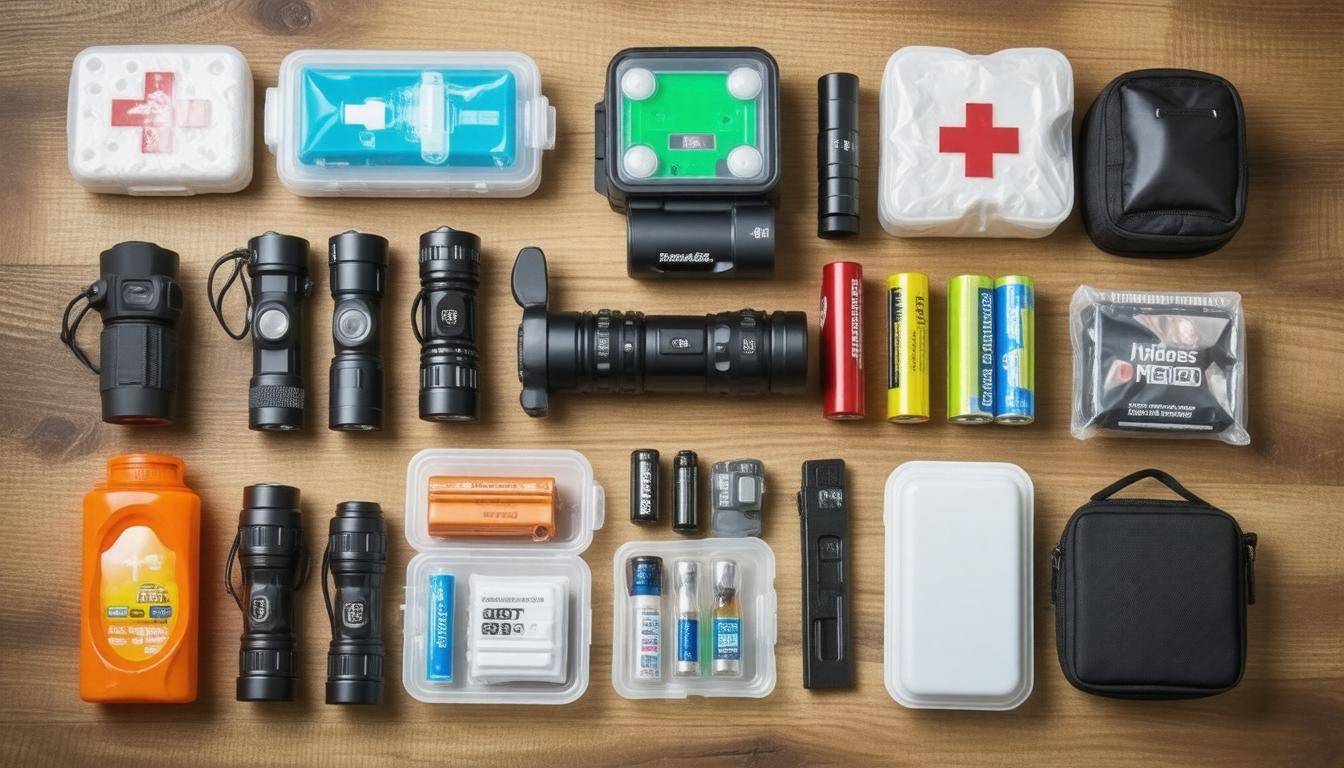
Dollar Store Advantages for Emergency Kits
One of the primary benefits of utilizing dollar stores for your emergency kit is their low-cost options, making it feasible to prepare without incurring hefty expenses. With most items priced around $1.25, it becomes straightforward to accumulate necessary essentials without stretching your wallet. This cost-effectiveness means you can assemble a robust first aid collection with items such as adhesive bandages, antiseptic wipes, and gauze pads while saving up to 70% when compared to pharmacies or larger retailers. It’s astounding how these small savings can add up, particularly if you are building a kit for multiple vehicles or family members.
Beyond price, accessibility also plays a crucial role in why dollar stores have become go-to places for emergency preparedness supplies. These stores are abundant in neighborhoods, making them easily reachable for most people. Imagine being able to quickly grab what you need without having to travel far—especially during times of crisis when larger retailers can be chaotic or sold out of critical items. This accessibility means that you are more likely to find essential goods that might be out of stock elsewhere, which is invaluable when every second counts.
Convenience is yet another key factor aligning perfectly with the need for immediate action during emergencies. When shopping at dollar stores, all your necessities can typically be found under one roof. Think about it: instead of navigating multiple aisles—sometimes across vast store footprints—you can efficiently collect everything from food supplies to first aid equipment in just one short trip. This simplicity not only saves time but reduces the stress of preparing for unforeseen situations.
With the rising frequency of emergencies, having a well-stocked kit shouldn’t feel like an intimidating task, and dollar stores make it approachable and achievable.
Moreover, it’s essential to consider that many of the items stocked in dollar stores may occasionally surpass those found in traditional retail centers regarding value and usability. Items such as batteries, flashlights, and even basic hygiene supplies are typically available at prices that don’t hinder budget constraints while still offering quality use. Many customers report feeling confident about the performance of these products, despite the lower price point.
When considering how to effectively gather these critical supplies, keep in mind that dollar stores provide numerous advantages—from affordability and accessibility to convenience—all designed to enhance your preparedness efforts seamlessly.
Comprehensive Shopping List Essentials
When crafting an emergency kit, it’s not just about throwing in a few items you think might come in handy. Each component has its own importance, contributing to a sense of preparedness that can bring peace of mind.
For instance, adhesive bandages are the first defense against cuts and scrapes; it’s amazing how something so simple can prevent unnecessary infections when playing outdoors or during unexpected situations. Antiseptic wipes also play a crucial role in ensuring that any wound is cleaned before a bandage is applied, further reducing the risk of infection.
As we look at tools like scissors and tweezers, remember they serve vital functions too. A pair of sturdy scissors can be used for anything from cutting bandages to opening food packaging. Tweezers are especially useful for extracting splinters or ticks—an often overlooked necessity when considering outdoor emergencies.
Flashlights are essential items in any emergency kit. They provide a reliable source of light when power outages occur, helping illuminate paths safely or enabling you to find necessary supplies in the dark. Be sure to accompany them with extra batteries; two sets usually do the trick for standard flashlights.
Now moving on to food and water, it’s vital to store more than just snacks. Canned food provides substantial nourishment with a long shelf life, making it perfect for emergencies—think beans, vegetables, or even canned meats. Storing between five to ten cans ensures you won’t run out quickly, but take care to rotate through these supplies regularly to keep things fresh.
Likewise, storing one to three gallons of bottled water becomes crucial during emergencies as well — you may need adequate hydration for yourself and your family over several days without access to safe drinking water.
Practical Application
It’s worthwhile to personalize this list based on your family’s needs. For example, if you have toddlers or pets, consider adding specific items tailored for their safety and comfort—perhaps some baby formula or pet food.
Additionally, while the basics lay a solid foundation for your preparedness plan, let’s look at some items that will further enrich your emergency supplies.
Basic Survival Gear
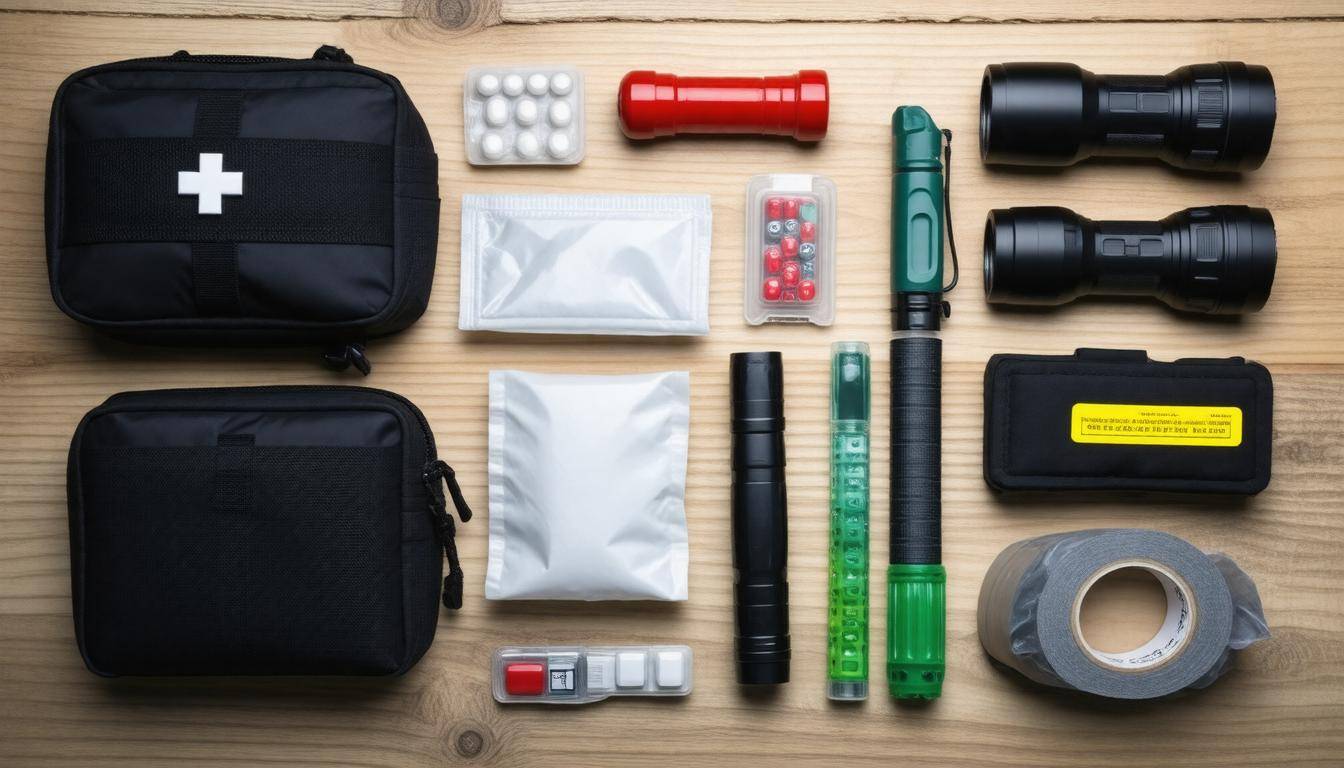
When we think about emergencies, it’s easy to focus on food and water, but having the right tools can be just as crucial. Your safety and comfort during a crisis often hinge on the basic survival gear tucked away in your emergency kit. This gear doesn’t need to be expensive or fancy; it simply needs to be effective and reliable.
Essential Tools
First on your list should be flashlights and batteries. This is more than just convenience; when the power goes out, a good quality flashlight can light up your world—literally! Look for battery-powered options or even consider rechargeable models if you have a way to keep them charged, such as a solar charger. Don’t forget the extra batteries! There’s nothing worse than reaching for your flashlight only to find it dead when you need it most.
Next, a multi-tool can truly become your best friend in an emergency. Think of it as your compact toolbox ready for action when unexpected challenges arise. Whether you’re opening cans for meals, making minor repairs, or even starting a fire, having a versatile tool is invaluable. A Swiss Army knife is a perfect example of a multi-tool that’s small enough to fit in your pocket yet packed with functionality.
Another indispensable item is duct tape. It might seem simple, but this miracle tape has numerous uses ranging from securing items broken in transit to waterproofing makeshift shelters. Its strength coupled with flexibility makes it an ultimate tool—after all, who hasn’t found themselves in a sticky situation where duct tape could save the day?
“In emergencies, creativity often becomes your survival skill. Duct tape is there to ensure you can make it work.”
Also worth considering is keeping a whistle in your survival gear. While it may seem trivial, it can serve vital purposes beyond signaling for help. If you’re separated from friends or loved ones, a whistle requires less energy than yelling and travels further. It’s especially useful in scenarios where multiple people are trying to signal for assistance or rescue while conserving their voice.
You’ll be pleased to know that these essential items are typically available in the hardware section of dollar stores, making it easy to check off multiple essentials in one shopping trip without breaking the bank.
As we gather these critical tools for our emergency preparedness kit, exploring medical supplies will further enhance our readiness for any situation that arises.
First Aid Supplies
First aid supplies form the very backbone of any emergency kit, making them possibly the most crucial components you can include. The great thing about dollar stores is that they typically stock a variety of first aid items, enabling you to assemble a well-rounded kit without breaking the bank. For just around $1 each, you can find what you’ll need for minor injuries and quick fixes. Imagine being able to grab adhesive bandages, antiseptic creams, and gauze pads all in one trip—not only does it save time, but it also ensures you’re prepared for those unexpected mishaps like scrapes or cuts.
One of the most practical items is adhesive bandages. They come in various sizes and are perfect for covering small wounds, allowing them to breathe while protecting against dirt and further irritation. Think of these as your first line of defense; they’re easy to apply and often available in fun designs for kids, which can help ease their anxiety over small injuries.
Along with bandages, don’t forget antiseptic wipes. These handy packets are fantastic for cleaning minor cuts before applying a bandage, helping to reduce the risk of infection. Having several of these on hand means you won’t have to worry about finding a clean cloth in a pinch.
As we prepare our kits, gauze pads are another critical addition. Their primary function is to dress larger wounds, absorbing blood and providing protection as the injury heals. You might think that any cloth could serve this purpose, but gauze allows for better airflow compared to typical rags. Once you’ve secured your gauze pad with medical tape, you’ll want to make sure it’s firmly in place—this helps protect it from coming loose during movement.
Another vital aspect of managing pain during emergencies concerns pain relievers like ibuprofen or acetaminophen. Keeping a small supply can be a lifesaver when someone has a headache or an ache from physical activity. Pain relief is not always considered in emergency preparations, yet it can significantly improve comfort levels.
Alongside these key items, remember that personalization is essential; consider any unique medical needs your family members might have. With your emergency kit growing in essentials, it’s equally important to address other components that contribute to overall preparedness in various situations.
Tools and Utilities
Having the right tools isn’t just about having cool gadgets; it’s about being prepared for a variety of situations that can arise unexpectedly. A well-rounded emergency kit boasts an arsenal of versatile items that serve multiple purposes, maximizing their usefulness without taking up too much space. One highly recommended item is a utility knife. A good utility knife can be a lifesaver in emergencies, not just for cutting things like ropes or fabric but also for tasks like preparing food or even as a last-resort self-defense tool if you find yourself in a tight spot.
Paracord is another indispensable item to consider incorporating into your kit. This multipurpose cord has become a favorite among outdoor enthusiasts, and for good reason. With its strength and durability, paracord can be used for anything from securing your gear during a hike to crafting makeshift shelters when the weather takes a turn. Being able to improvise can make all the difference when you’re in survival mode.
Now let’s talk about an emergency blanket, which might seem simple but is incredibly valuable. These lightweight blankets are designed to retain up to 90% of body heat, making them essential for keeping warm in chilly conditions. Imagine you’re stranded outside and temperatures drop; having an emergency blanket can prevent hypothermia and buy you precious time while you wait for help or try to escape the situation.
Let’s not forget about fire-starting tools.
Whether it’s waterproof matches or reliable lighters, starting a fire is often crucial for warmth, cooking, or signaling for help. Fire can provide light and comfort during uncertain times, so ensuring you have effective fire-starting tools in your kit will afford you that critical advantage when every second counts. It’s worth testing these tools ahead of time to confirm they function properly; nothing is worse than needing them and finding out they’ve been damaged or aren’t working.
- All these tools typically retail at low prices at dollar stores, making them accessible no matter your budget.
- Ensure they’re stored safely within your kit, ideally in easy-to-reach compartments or bags.
However, remember that no helpful tool works effectively on its own; let’s explore how essential supplies contribute significantly to your overall readiness strategy.
Food and Water Storage
Stocking your emergency kit with non-perishable food and safe drinking water is one of the simplest yet most vital preparations you can make. Imagine a scenario where there’s a power outage or a natural disaster that limits your access to fresh supplies; it’s comforting to know you have essentials on hand. Canned goods are excellent options, as they have a long shelf life and require no cooking—simply open and eat! You’ll often find a wide selection of canned vegetables, fruits, meats, and soups at dollar stores. These affordable options can help you fill your pantry while staying within budget.
In fact, for under $10, you could easily pick up five cans consisting of mixed vegetables, chicken, and hearty soup—an ideal trio that provides nutrition without breaking the bank.
Efficient Water Storage
When it comes to water storage, you’re looking at another essential aspect of emergency preparedness. Bottled water is not only widely available at dollar stores but also provides a straightforward way to ensure you have clean drinking water ready for emergencies. The general guideline is to plan for at least one gallon of water per person per day; this accounts for both hydration and hygiene needs. As you start piling those bottles into your designated storage area, remember to check both expiration dates and storage instructions listed on the labels.
According to FEMA recommendations, it’s prudent to keep a minimum three-day supply of water for everyone in your household. If you’re part of a family of four, that means storing at least 12 gallons of water. A simple calculation—and perhaps a little strategic stacking in your limited space—can make this task manageable.
Utilize vertical space when arranging your emergency supplies; high shelves or stacked bins can hold those precious gallons securely while keeping them out of the way until needed. Additionally, consider purchasing items like the Aquatainer Water Storage Container, which holds up to 7 gallons each—durable and stackable solutions make optimizing storage much simpler.
As you gather these essentials, you’re not just preparing for emergencies but also crafting a solid foundation for security in uncertain times ahead.
Assembling Your Kit
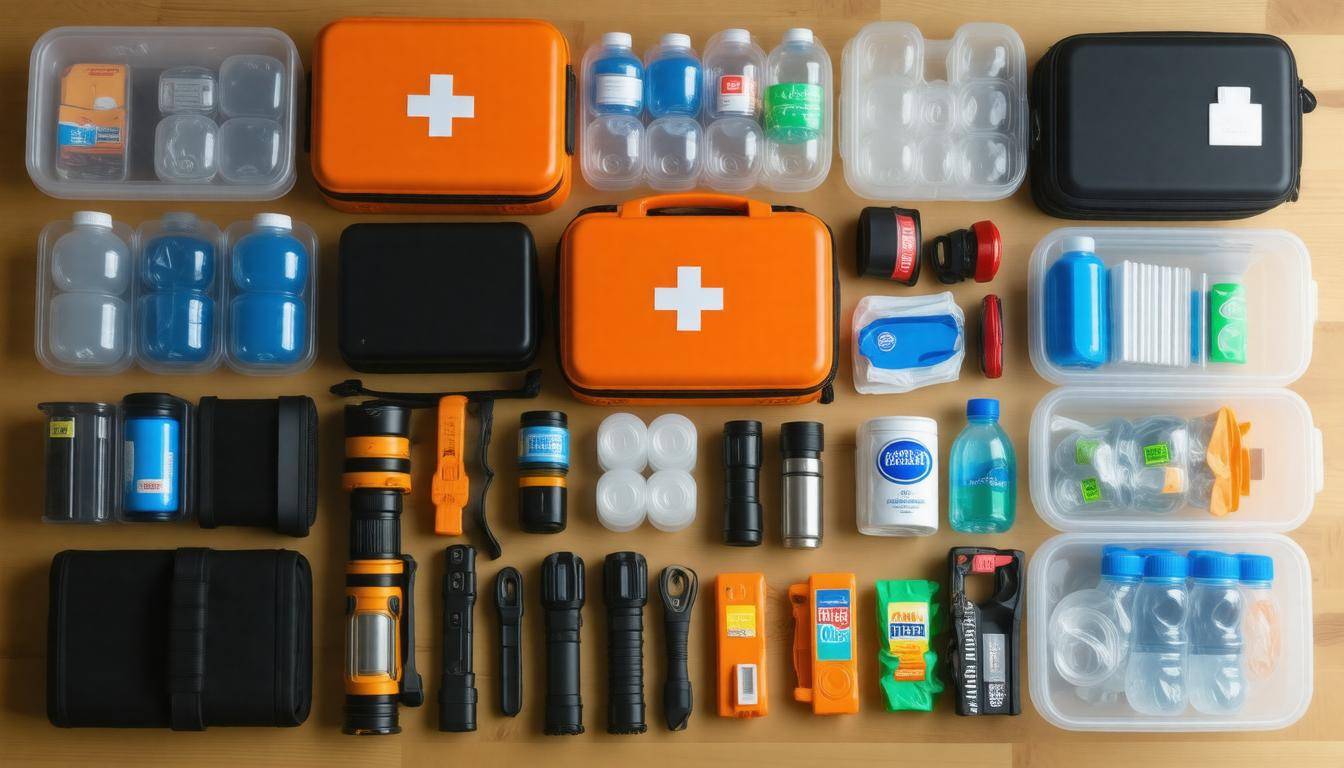
The act of assembling your emergency kit extends beyond simply gathering items; it’s about creating a reliable safety net for yourself and your loved ones. Imagine finding yourself in an unexpected situation—whether it’s a flat tire on a quiet road or a minor injury while camping—having everything organized and ready allows you to respond swiftly.
Step-by-Step Guide
Your first step is to choose a sturdy container. A durable backpack or plastic bin will do perfectly, and many dollar stores offer both options at prices that won’t break the bank. Consider a bag with multiple compartments, which will make organizing your supplies easier. If you’re planning to keep it in the car, ensure it’s compact enough to fit neatly in your trunk.
Next comes the fun part – organizing by category. Grouping similar items together saves time during emergencies and helps you quickly assess what needs replenishing later. For example, put all your first aid supplies—adhesive bandages, antiseptic wipes, and gauze pads—in one section. Keep tools like scissors and tweezers in another area of the kit, while food and water should be stored separately to avoid contamination. Think of this organization as creating little zones within your kit, each serving a distinct purpose.
Once everything has its place, it’s time to label everything. Grab some inexpensive labels from any craft section at a dollar store or create your own using plain paper and tape. Clear labeling significantly cuts down on confusion during an actual emergency. You can write categories like “First Aid” or “Tools” prominently on each section. This little touch speeds up retrieval when every second counts.
Now let’s not forget one crucial aspect: checking expiry dates. It’s vital to regularly inspect the contents of your kit to ensure everything is still good to use. Food items could expire or go stale, water purification tablets may lose efficacy over time, and medical supplies often come with expiration dates too! Setting a reminder every six months can help ease the maintenance burden and ensures that your kit stays ready for action when you need it most.
With your kit efficiently assembled, it truly sets the stage for confidence in facing unforeseen circumstances. The next focus will be on how to ensure that it remains effective as your needs change and evolve.
Maintenance and Readiness
Keeping your emergency kit in top shape is just as important as the effort you put into assembling it. Regular maintenance is crucial for ensuring that all supplies are both up-to-date and ready to use at a moment’s notice. Imagine driving somewhere remote and suddenly needing a bandage or disinfectant; that’s where the importance of a well-maintained kit shines through.
To make this easier, I recommend scheduling quarterly checks on your kit. During these checks, replace expired food items, refresh the water supply, and inspect all tools for functionality. Don’t forget to also test any battery-operated devices like flashlights or portable radios. Having equipment that doesn’t work when you need it can lead to worrying circumstances.
| Maintenance Task | Frequency |
|---|---|
| Check Expiration Dates | Quarterly |
| Replace Batteries | Biannually |
| Inspect Tools & Supplies | Quarterly |
| Refresh Water Supply | Annually |
Beyond these simple tasks, it’s essential to build a habit of inspecting first aid supplies right after their usage. If you use an adhesive bandage or antiseptic wipe during a trip, replace it promptly so that your kit remains complete for future needs. This action ensures that you’re never caught unprepared.
Additionally, keep environmental conditions in mind; store your emergency kit in a cool, dry place to prevent damage caused by moisture or extreme temperatures. Think of it like keeping your favorite old book on a shelf away from sunlight—after years, it will still be pristine when you finally decide to open it up again.
To further cement readiness, do an annual inventory check of your entire kit. This isn’t just about taking stock but also reassessing your family’s needs—perhaps now you have children who require different items than before or maybe you’ve added activities that increase the likelihood of certain emergencies. Adapting your kit ensures that it won’t just sit there gathering dust but remains a functional part of your family’s safety plan.
With consistent checks and proactive maintenance, you’ll ensure that your emergency kit is always ready to step up when needed most, providing peace of mind for whatever life throws your way.
In summary, maintaining your emergency kit is vital for your family’s safety and preparedness. Regular checks and updates keep the supplies relevant and effective, making sure you’re never left unprepared.