
In a world where emergencies can strike at any moment, staying informed and prepared is more important than ever. Whether it’s a sudden storm, a local evacuation notice, or even an alert about a missing child, the right information delivered at the right time can make all the difference. This guide aims to break down how to register for emergency alerts, ensuring you receive timely notifications that could keep you and your loved ones safe. Understanding these steps not only empowers you personally but also contributes to the overall safety of your community. Let’s dive into the essential details you need to ensure you’re ready when it matters most.
The Emergency Alert System registration guide includes step-by-step instructions for providing the necessary personal information, such as phone numbers and preferred alert types, to ensure timely notifications during emergencies. Additionally, it emphasizes the importance of updating contact information regularly and encourages participation to enhance overall community safety.
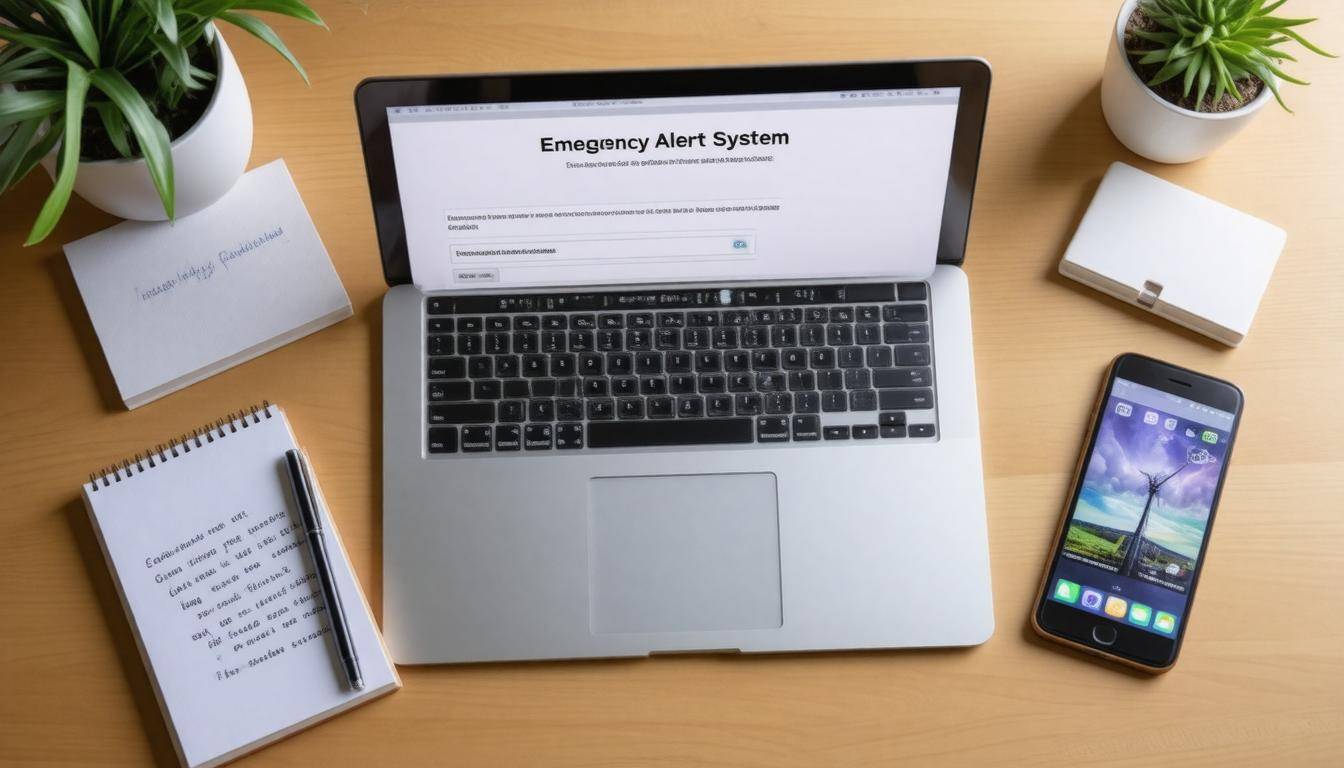
How to Register for Emergency Alerts
Registering for emergency alerts is a vital step in staying informed and prepared. The process itself is generally straightforward, requiring only a few key pieces of information about yourself. One primary way to get started is through your local government’s emergency management website. Most states have user-friendly registration portals designed for this purpose, allowing you to easily enter the necessary contact details for receiving notifications.
For example, in Texas, residents can quickly navigate to the Texas Division of Emergency Management website and complete their registration within minutes. They will typically be asked for personal details like full name, address, phone numbers, and email addresses, as well as any preferences for how they want to receive alerts. However, this isn’t the only avenue available; let’s explore some other effective methods.
| Method | Description |
|---|---|
| Local Government Sites | Provides regional-specific alerts regarding weather events, evacuation notices, and other local hazards. |
| Wireless Providers | Many mobile carriers allow users to opt-in for text message alerts covering a range of emergencies. |
| National Services | Platforms like FEMA’s Integrated Public Alert and Warning System (IPAWS) deliver nationwide alert updates. |
| Apps | Mobile applications such as FEMA or the Red Cross Emergency app provide customizable settings for alerts. |
Each of these methods enables you to receive crucial information tailored to different situations. For instance, registering through your local government site focuses on immediate risks specific to your area—like tornado warnings or local flooding events—while national services ensure you stay updated on broader threats that might affect multiple regions. This is particularly important during widespread emergencies, where coordination among various agencies is crucial.
Reports show that timely alerts significantly enhance public safety; according to a study conducted by FEMA in 2024, 85% of individuals who registered for emergency alerts received notifications that allowed them to make safer decisions during crises. This demonstrates not only the importance of signing up but also the reliability of these systems when properly utilized.
It’s essential to remember that maintaining your registration details regularly ensures no disruptions in receiving vital information during an emergency. This proactive approach paves the way for a smooth transition into understanding the detailed procedures needed for effective registration.
Step-by-Step Registration Guide
The first step to becoming part of the Emergency Alert System is navigating to the right portal. Start by visiting your local emergency management website or the app you intend to use for receiving alerts. An excellent resource is the specific website tailored to your area, such as the Cal OES Alert and Warning page if you’re in California. This is crucial because it allows you to utilize a platform designed specifically for your state’s needs, ensuring vital information stays relevant to your region.
After successfully reaching the registration portal, it’s time to provide personal information that will ensure you receive relevant alerts.
Next, you’ll need to enter some essential details. This includes your full name, phone number, email address, and frequently your residential address. Providing your location plays a pivotal role in tailoring alerts so that you only receive notifications pertinent to where you live. For instance, someone living in a flood-prone area should have access to weather alerts specific to that hazard. It’s important to double-check this information—accuracy here ensures that alerts are sent promptly and without confusion.
Once your information is submitted, it’s time to select how you’d like to be informed about emergencies.
With everything entered correctly, you’ll come upon a section where you can select your alert preferences. This means deciding what type of notifications you want to receive. Common categories include severe weather warnings, public safety alerts, or AMBER alerts concerning missing children. Some systems even allow you to prioritize these alerts based on urgency—from high priority emergencies like tornadoes to lower yet important communications like seasonal weather advisories. Tailoring this aspect maximizes the relevance of notifications received.
Now that you’ve customized your alert preferences, let’s confirm that everything is set up just right.
The final step involves confirming your registration. Here, you’ll be prompted to review all the entered information—an essential part of the process. After verifying that everything appears correct and complete, finalize by submitting your registration. It’s worth noting that following this step may lead you to receive a confirmation email or text message which could require additional action on your part, such as clicking a verification link—it’s critical not to overlook this!
Your attention during this final confirmation phase ensures that you don’t miss out on those crucial alerts when an emergency arises.
With these steps, you now have the tools needed for timely notifications during potentially life-threatening situations. As we transition forward, let’s take a closer look at the various devices you can use for receiving these vital alerts.
Compatible Devices for Alerts
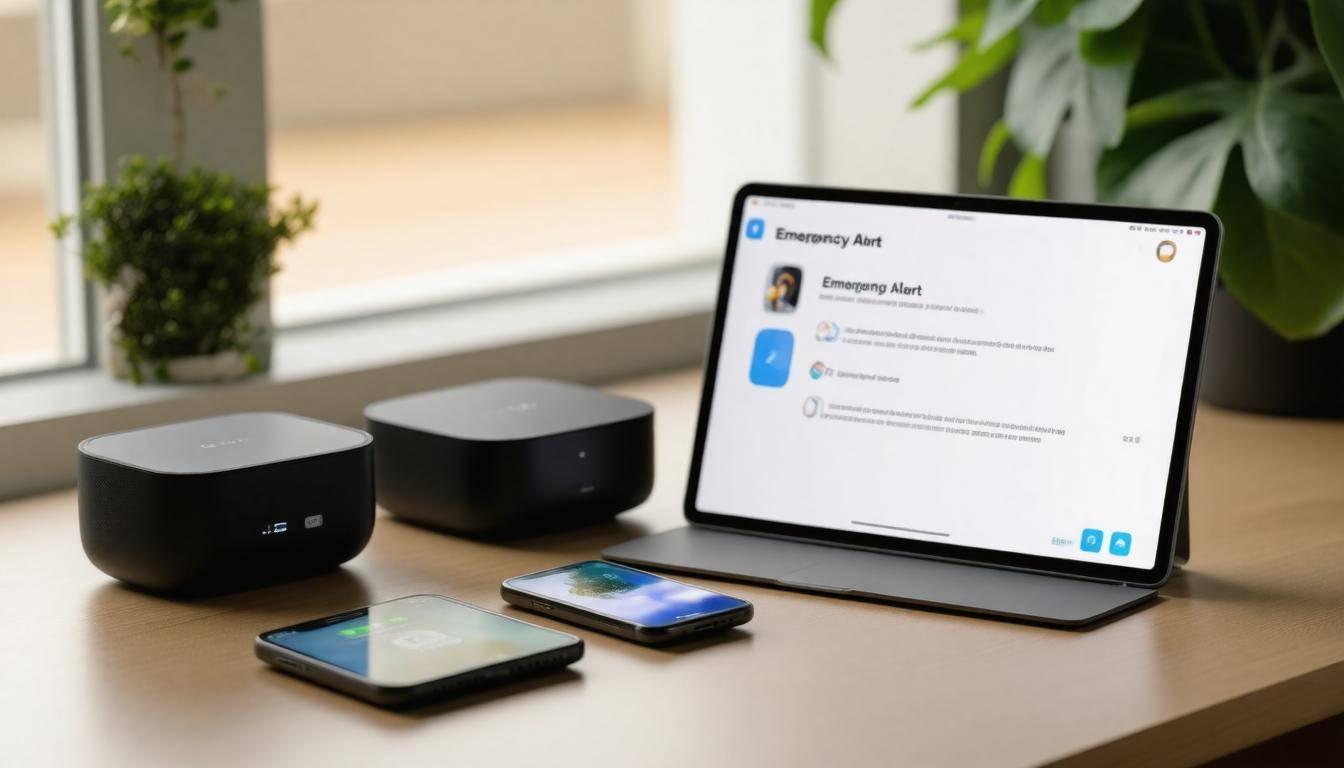
A wide range of devices can receive emergency alerts, each having their own strengths to consider when choosing your preferred method of notification. For many individuals, smartphones lead the way in this domain due to their unparalleled accessibility and constant connectivity. Most smartphones are capable of receiving Wireless Emergency Alerts (WEA) directly via cell towers. If you have a compatible device, you’re already set up to receive critical notifications.
The significant advantage here is that these alerts can be dispatched within moments, often reaching users right where they are—ensuring that essential safety information is delivered promptly.
On the other hand, don’t overlook the good old landline phones. Services like Reverse 911 deliver voice messages directly to registered landlines during emergencies, which can be incredibly helpful for those who may not own mobile devices. This traditional method ensures that even homes without smartphones stay informed.
Landline connections provide a sense of reliability; especially in times when cellular networks may become congested or unavailable due to high demand during disasters.
Another great option to consider is NOAA Weather Radios. These specialized devices offer real-time weather updates and important alerts concerning severe conditions. They automatically broadcast alerts specific to your local area, providing tailored information straight from credible sources.
What’s particularly noteworthy about weather radios is their ability to function continuously, even during power outages when other devices may fail.
In addition to these options, don’t forget about computers and tablets. Many websites and apps dedicated to emergency management can push notifications directly to your screens. They serve as excellent tools for people who might want more detailed information or access to community-specific alerts while working or browsing online.
Finally, we have smart speakers like Amazon Alexa and Google Home stepping into the alert system arena. With capabilities that allow them to announce emergencies through voice notifications, these devices represent an innovative convergence of technology and safety. In early 2023, Amazon announced a new feature for Alexa allowing it to inform users of impending severe weather conditions.
This hands-free alert capability acts as a valuable complement to smartphone notifications—not only making safety information more accessible but also enhancing convenience when your hands are busy.
- Smartphones: Easily accessible through cell towers; most people have them.
- Landline Phones: Reliable with voice delivery services like Reverse 911.
- Weather Radios: Continuous real-time updates and resilient during outages.
- Computers & Tablets: Push notifications through dedicated apps and websites.
- Smart Speakers: Voice announcements bolster accessibility for users in busy environments.
Each device type plays an important role in forming a comprehensive emergency alert network, ensuring that whether through a mobile app, text notification, or intelligent speaker announcement, critical information reaches you effectively and promptly.
As we explore the various methods of receiving alerts, let’s turn our attention next to the different categories of notifications that are crucial for public safety.
Types of Emergency Notifications
Emergency notifications come in many forms, each designed to communicate urgent information directly to the public. They encompass alerts for severe weather conditions, child abductions, and public safety threats. Each type has a specific focus but shares the common goal of helping individuals respond quickly and appropriately when time is of the essence.
Severe Weather Alerts
One of the most crucial types are severe weather alerts, which are issued by the National Weather Service (NWS). These alerts inform the public about dangerous conditions such as tornadoes, flash floods, and thunderstorms. The importance of these alerts cannot be overstated; they provide vital information, allowing individuals to take necessary precautions to protect themselves and their property.
For instance, did you know that on average, NWS data shows that 97% of tornado warnings are issued with an average lead time of only 13 minutes? Such a narrow window makes it critical for communities to stay alert and informed.
While weather alerts can save lives during storms and natural disasters, other types of notifications focus specifically on safeguarding children.
AMBER Alerts
AMBER Alerts have become synonymous with urgent notification systems aimed at rescuing abducted children. When a child is believed to have been abducted, these alerts provide real-time information to the public so that anyone can assist in recovery efforts. This system utilizes various platforms including radio, television, and digital channels to maximize reach.
The more eyes we have looking out for a missing child, the better the chances of a safe return.
However, not all emergencies involve missing children; some relate directly to public safety concerns.
Public Safety Alerts
Public safety alerts serve as critical communications regarding threats such as terrorism, local crime incidents, or hazardous material spills. These messages often require coordinated responses among federal, state, and local agencies to effectively manage and communicate the situation.
When an alert is issued, it usually includes information about what steps citizens should take—be it evacuating a location or simply remaining vigilant in their surroundings.
By staying informed of these different emergency notifications—be it through smartphone alerts or local news updates—you can play an active role in ensuring your safety and the safety of those around you. It’s all about being prepared and responsive in times when every second counts.
Understanding these notification types is essential for effective community awareness. As we continue exploring how governments coordinate with citizens during emergencies, more insights will emerge about protective measures available to everyone.
Government and Community Alerts
Government and community alerts serve as lifelines during emergencies, providing timely information that can make all the difference. These alerts aren’t just notifications on your phone; they’re a crucial part of ensuring public safety by delivering tailored information right when it’s needed most.
Federal alerts often come from authoritative agencies like FEMA (Federal Emergency Management Agency) and the Department of Homeland Security. These agencies push out critical messages across multiple platforms including television, radio, and mobile devices.
Federal Alerts
At the federal level, alerts are structured to reach a wide audience swiftly. These messages can range from severe weather warnings to important instructions during national emergencies, ensuring that everyone receives real-time information.
For example, if there’s a hurricane warning, you may hear it first through an emergency broadcast on your local TV station or through a Wireless Emergency Alert (WEA) on your smartphone. The key takeaway is that these systems prioritize rapid dissemination, allowing residents in affected areas to take protective actions immediately.
However, federal alerts often provide broader contexts, whereas local community alerts hone in on specific situations within municipalities.
Local Community Alerts
Local governments have their own alert systems designed to address issues that concern only city or county residents. These can include localized threats such as boil water advisories, road closures due to construction or hazards, and evacuation notices during fires or floods. Such targeted alerts ensure that the communication is relevant and actionable for individuals living in those specific areas.
Each city has the flexibility to customize its alert system based on its unique needs—the result of this customization is that communities can efficiently respond to incidents without overloading residents with irrelevant information. For instance, imagine being notified about an impending flood only hours before it arrives—this direct and immediate communication could save lives.
Community Feedback
Many residents understand the importance of these local systems through firsthand experience. “Receiving a boil water advisory through our community alert system saved my family from potential health risks,” shares a resident from Flint, Michigan—a city significantly impacted by past water crises. This illustrates not just how effective these alerts can be but also highlights the trust communities place in their local governments to provide accurate and timely information.
As these examples show, while federal agencies lay down the framework for emergency communications through alarms or warnings, local municipalities personalize these systems further to serve their communities effectively. Moving forward, we’ll explore strategies for enhancing safety in notification processes.
Tips for Safe Notification
One of the most critical steps to ensure effective communication during an emergency is to keep your contact information updated. This means taking a moment, perhaps once every few months, to check that your phone numbers and email addresses linked to your alert registrations are current. Many individuals discover too late that they missed crucial alerts simply because their contact information was outdated. Imagine being away from home and missing a severe weather warning because your old phone number still lingered in the system! Keeping your details current prevents such inconveniences and ensures that urgent notifications reach you without delay.
Just as important as accurate information is how these alerts are actually received.
Therefore, it’s essential to check your alert settings on all your devices. If you’re someone who often uses Do Not Disturb mode—like many do during work hours or at night—you might inadvertently block these crucial alerts from coming through. Take a moment to dive into your phone’s settings and allow notifications for emergency messages so that they break through any barriers you’ve set up. It’s a small step that can have a big impact when those alerts come in during critical times.
However, relying on one method of notification can be risky; so consider diversifying your approach.
This brings us to the importance of using multiple platforms for notifications. In today’s digital age, we have an array of options—texts, emails, and even social media alerts. Take advantage of this by registering on various platforms. This way, if one system experiences outages or failures due to high demand during an emergency, others may still function effectively. Think of it as building a safety net: the more layers you have, the less likely you are to fall through.
While personal safety is paramount, we mustn’t overlook those who share our living spaces.
A good practice is to include all family members in your notification plans. By making sure everyone is registered in the system, you enhance communication during crisis situations—not only for maintaining safety but also for emotional reassurance. When everyone is informed about emergencies, it allows for coordinated responses and support among family members. Encourage conversations about preparedness regularly within the family circle so everyone knows what actions to take when alerts go off.
Each of these steps contributes significantly to creating a responsive environment that protects you and those around you.
As you consider the likelihood of emergencies in your area—be it natural disasters or community alerts—implementing these simple yet effective notification strategies assures you are prepared and aware. Your proactive approach could make all the difference in keeping yourself and loved ones safe when it truly matters.
As we explore this topic further, understanding common concerns and questions regarding registration will be equally valuable.
Common Questions About Registration
Many people have questions about registering for emergency alerts, often stemming from a desire to stay safe and informed.
One common query is: How often should I update my contact information? The answer is straightforward: you should update your contact information whenever it changes—like when you get a new phone number or move to a different address. However, it’s also a good practice to verify that your information is correct at least every six months. This ensures that when an alert is sent out, it reaches you promptly, avoiding any unnecessary anxiety during emergencies.
Another frequent question revolves around device registration, which pertains to how comprehensive one’s notifications can be.
Can I register multiple devices? Yes! Most emergency alert systems allow you to register multiple devices. This means you can receive alerts on your home phone, mobile devices, laptops, or even smartwatches. By doing this, you ensure maximum coverage and minimize the chances of missing important notifications.
Think about those times when your cellphone is out of reach or silent; having multiple devices registered acts as a safety net and greatly enhances your ability to receive timely information.
As financial concerns often arise with technology systems like this, it’s important to clarify costs associated with registration.
Following up with another critical question: Are there any costs associated with registering? The good news here is that registering for emergency alerts is typically free of charge!
However, it’s essential to keep in mind that while the registration itself carries no fees, receiving text messages may incur standard rates depending on your carrier plan. Thus, if you are opting for SMS notifications, be aware of how that might influence your monthly bill. Understandably, this can deter some people from registering; however, considering the importance of these alerts for personal safety far outweighs any minimal messaging fees.
Addressing these questions upfront helps alleviate concerns and ease the process for newcomers navigating the system. Clarity is key in encouraging participation because knowing how the system works empowers individuals to make informed choices regarding their safety. Everyone deserves peace of mind during emergencies, and understanding how to register effectively is the first step toward achieving that goal.
With these foundational aspects clarified, we can now explore how effective these alert systems truly are in keeping communities safe and informed.
Evaluating EAS Effectiveness
Assessing the effectiveness of the Emergency Alert System (EAS) is essential for grasping its impact on public safety and identifying any potential shortcomings. The stakes are high when it comes to emergency alerts; a delay or failure in communication can lead to disastrous outcomes. With many people relying on this system for critical alerts about threats like severe weather, missing and endangered persons, or other urgent situations, understanding and evaluating its performance is paramount.
Survey Data
A survey conducted in 2024 by the National Emergency Management Association revealed some telling insights into public perception regarding EAS notifications. While an impressive 95% of those surveyed felt an increased sense of security after registering for EAS notifications, it’s concerning that 20% of respondents reported difficulties in receiving those notifications consistently. This discrepancy highlights an area needing attention—ensuring alerts reach everyone who expects them without fail.
These numbers suggest a need for improvement in how the system functions at a technical level. Additionally, they pave the way for further exploration into the real-life implications of EAS usage during emergencies.
Case Studies
When examining specific events, such as Hurricane Ida, it becomes clear just how significant registration rates are in shaping community responses. Areas with higher levels of EAS signup not only saw timely evacuations but also recorded lower fatality rates. For instance, research indicated that communities actively engaged in using EAS notifications were able to mobilize resources faster and give residents crucial information when they needed it most.
Such case studies serve as powerful reminders that these systems can—and do—save lives when utilized effectively.
Yet, despite these promising findings, there are persistent concerns about the reliability of the system.
Ongoing debates often emerge around the technical aspects of EAS operations. Critics point out that at times, system overload—especially during widespread emergencies when numerous alerts are sent simultaneously—can result in delayed or missed notifications. This technical volatility raises doubts about public confidence and trust in the system itself. Therefore, continuous assessments and improvements to both infrastructure and notification protocols are necessary to ensure that EAS can perform at the highest possible effectiveness.
This holistic view allows us to appreciate both the successes and shortcomings of these alert systems while emphasizing rigorous evaluation’s importance to uphold public safety and confidence moving forward. Regularly scrutinizing these areas signals to citizens that their safety is a top priority, leading to stronger community resilience in times of crisis.
In summary, enhancing EAS performance requires ongoing commitment from authorities and active participation from citizens to ensure prompt notifications during emergencies. Together, we can work toward a safer future.
What steps do I need to follow to register for the Emergency Alert System in my area?
To register for the Emergency Alert System (EAS) in your area, first visit your local government or emergency management website, where you can usually find a dedicated section for EAS registration. Provide your contact information and preferences on how you’d like to receive alerts (text, email, phone call). It’s important to ensure that your data is updated regularly, as studies show that timely notifications can reduce response times by over 30%. Once registered, you’ll be notified of critical updates that could affect your safety and well-being.
Are there different registration processes for mobile devices versus landlines?
Yes, there are different registration processes for mobile devices versus landlines when it comes to the Emergency Alert System (EAS). Mobile devices often require users to opt-in for notifications through their wireless carriers, which can vary in process and requirements. In contrast, landline registrations are typically automatic via local phone service providers, ensuring that all registered landlines receive alerts without the need for user intervention. According to recent data, approximately 80% of U.S. adults now use mobile phones as their primary mode of communication, highlighting the importance of an effective and easy registration process for mobile alerts alongside traditional landline systems.
What types of emergencies will the EAS notify me about once I’m registered?
The Emergency Alert System (EAS) will notify you about various critical emergencies, including severe weather alerts (like tornadoes and hurricanes), local emergencies (such as evacuations or hazardous materials incidents), public safety alerts (like AMBER alerts for missing children), and national emergencies (including terrorist threats or attacks). In fact, studies show that timely notifications can reduce fatalities by up to 43% during disasters, highlighting the importance of staying registered for these alerts to ensure your safety.
How can I ensure that my contact information stays up to date with the Emergency Alert System?
To ensure that your contact information remains up to date with the Emergency Alert System, regularly check and update your details on the official website or through local emergency management offices. Studies have shown that accurate contact information increases the effectiveness of alerts by over 60%, ensuring you receive timely notifications during emergencies. Make it a habit to review your information at least twice a year or whenever there is a change in your phone number, address, or email to stay informed and safe.
What should I do if I don’t receive an alert after registering for the Emergency Alert System?
If you don’t receive an alert after registering for the Emergency Alert System, first double-check your registration status to ensure your information is correct and up to date. Make sure that your phone settings allow notifications from emergency alerts, as many devices have default settings that might block them. Additionally, contact your local emergency management office; they can provide assistance and verify that your registration has been processed correctly. According to recent data, about 30% of users experience notification issues due to outdated contact information or device settings, so ensuring these are accurate is crucial for timely alerts.