
Creating an emergency contact card might seem like a small task, but it’s one of the most important steps you can take to ensure your safety and peace of mind. Imagine being in a situation where you can’t speak for yourself—whether that’s due to an accident or sudden health issue. An emergency contact card acts like a trusty sidekick, ready to spring into action with key information about your medical history, allergies, and whom to reach out to when time really matters. Surprisingly, many people overlook this simple yet powerful tool, which can literally be a lifeline in critical moments. Let’s explore how you can craft a thoughtful emergency contact card that not only provides essential details but also reflects your personal needs.
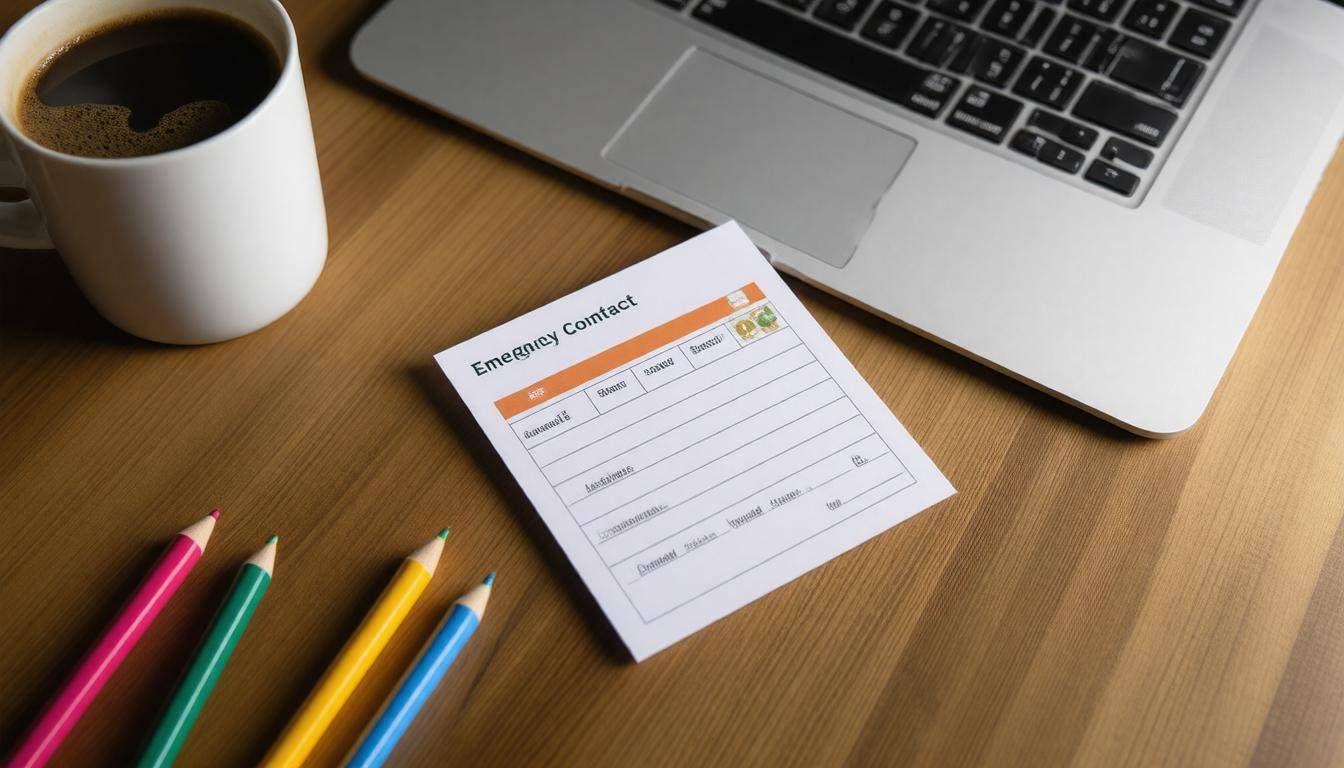
To create an emergency contact card, start by using a simple template that includes essential information such as the individual’s name, medical history, allergies, medications, and emergency contacts. You can easily find free templates online and customize them to suit your needs, ensuring that the information is clear and concise for quick access in emergencies.
Why You Need an Emergency Contact Card
Emergencies can strike when we least expect them, and that’s precisely why being prepared with an emergency contact card can be invaluable. Picture this: You’re in a car accident and might be unconscious, unable to communicate. This is where that little card tucked away in your wallet becomes a lifeline for emergency responders. It not only helps them notify your family but also provides critical medical information that could save your life, such as allergies or pre-existing conditions.
The urgency of having this kind of information at the ready becomes even clearer when you consider some eye-opening statistics. Approximately 70% of Americans do not have an emergency contact card readily available, yet 40% have faced a medical emergency requiring immediate contact information. Think about it—when seconds matter, having clear information can expedite treatment and streamline the response from first responders.
“80% of first responders recommend having an emergency contact card for quick access to vital information.”
An emergency contact card isn’t just about names and numbers; it’s a multifaceted tool that encompasses important medical data as well. Your card can serve as a succinct checklist for paramedics, presenting facts like medication details or incidences of chronic conditions. Imagine a first responder reading about someone with diabetes who needs insulin immediately; having this key information can drastically alter treatment plans during those critical first moments after an incident.
Beyond just medical info, effective communication plays a key role in any emergency scenario.
When emergencies happen, local phone lines can easily get overwhelmed, making it difficult for families to connect with one another. This is why designating an out-of-area contact person on your emergency card is so crucial. That person acts as a communication hub that can help families stay informed even when local networks are down. As more people rely heavily on technology, it’s vital to also have the basics covered—like written contact cards that are easily accessible in times of chaos.
Everyone in the household should carry their own emergency contact cards and preferably store a digital version on their phones as well. You might even consider creating fun cards with your whole family’s details. This not only makes it easier to remember everyone’s procedures but also adds an element of preparedness that everyone can take pride in.
By understanding the importance of having an Emergency Contact Card, we aren’t just preventing potential overwhelm during crisis situations; we’re fostering a culture of preparedness within our families. Investing time into creating and maintaining these cards can provide peace of mind—an invaluable resource amid hard times.
Now that we’ve established the significance of these cards, let’s turn our focus toward what specific information should be included for maximum effectiveness.
Essential Contact Information
Your emergency contact card should encapsulate critical information that can assist first responders or loved ones during a crisis. At its core, it must maintain clarity while offering all necessary details efficiently. The primary components of your emergency contact card are pivotal for ensuring you’ve covered all bases in case of emergencies.
Primary Components
-
Primary Contact: This is your go-to person, ideally someone who is familiar with your medical history and can provide support immediately. Include their full name, relationship, and mobile number.
-
Secondary Contact: Another crucial individual who can step in when needed, especially if the primary contact isn’t available. Again, add their name, relationship, and phone number.
-
Local Contact: Designating someone nearby is wise—this person should be able to assist quickly if there’s an emergency closer to home.
-
Out-of-Area Contact: In case local phone lines are overwhelmed following a disaster (think natural calamities), having a reliable out-of-town contact ensures there’s always a line open for communication.
While these essential contacts lay the groundwork for effective emergency protocol, it’s important to recognize that personal situations vary widely.
These basic components offer a solid foundation but can be further tailored based on specific family situations or individual needs. For example, integrating information about children or pets can enhance preparedness significantly. If you have older adults at home or members with special needs, consider including contacts for caregivers or healthcare personnel who know their respective conditions.
Useful Tips
Keeping your emergency contact list fresh is paramount. Not only should you ensure that all phone numbers are up-to-date; it’s also practical to periodically test each number by reaching out to confirm their willingness to remain part of your emergency plan.
Remember, having the correct contacts is only half the battle; knowing they are actually reachable during a time of crisis makes a significant difference.
Additionally, consider saving this information in multiple places such as on your smartphone, printed and taped inside your wallet, or even a visible location in your home. These steps provide layers of accessibility that can save precious time when seconds count.
As we shift focus from essential contacts to dive deeper into health specifics that will further enhance your emergency preparedness…
Health and Medical Details
Including pertinent health information on your emergency contact card can truly make a difference when seconds matter. This information serves as a vital lifeline, guiding emergency responders efficiently through necessary actions when the situation is critical. Imagine a loved one who suffers from allergies or a chronic condition; with a well-prepared emergency card, first responders can quickly access this crucial information and direct their care appropriately rather than waste precious time searching for details.
Critical Health Data
The following components are integral to include:
-
Allergies: It’s crucial to specify any life-threatening allergies, such as those to penicillin or nuts, which could trigger severe anaphylactic reactions. Time is of the essence; if a paramedic is unaware of these allergies, they could inadvertently administer medications that may endanger the individual’s life.
-
Medications: Providing a detailed list of all current medications along with dosages enhances the ability of healthcare providers to deliver informed treatment plans without causing adverse interactions. For example, if you take insulin for diabetes, noting this on your card highlights essential management steps during emergencies.
-
Medical Conditions: Chronic conditions like diabetes, asthma, or epilepsy should be noted clearly, as they require specific interventions or medications in crisis events. If a person experiences seizures, knowing their condition beforehand allows responders to act swiftly without hesitating.
-
Blood Type: Including it if known can be invaluable during transfusion scenarios, ensuring that the right match is provided in emergencies when every second counts.
-
Family Doctor: Including your primary care physician’s name and contact information acts as a bridge between emergency responders and ongoing care.
Having these details laid out systematically ensures that medical professionals understand an individual’s needs promptly, avoiding potentially dangerous missteps in treatment.
Picture the scenario where an individual suffers from anaphylaxis due to unforeseen exposure to allergens during an outing. If their emergency contact card clearly indicates such allergies alongside necessary interventions—like the use of an EpiPen—the response team will spring into action with precision instead of guesswork.
This pivotal role underscores the necessity of creating an effective document that enhances safety and efficiency during emergencies. As we explore further, options will be examined that allow for personalization and adaptability in document creation.
Customizable Template Options
Digital tools have revolutionized the way we design documents, including emergency contact cards. Customizable templates allow you to create a card that is not only functional but also uniquely representative of you or your family. Platforms like Canva and Microsoft Office offer user-friendly interfaces, giving you the ability to personalize your cards in various ways. Imagine selecting colors that match your personality or adding a personal touch with a photo—these simple adjustments help ensure that your emergency contact card stands out while remaining easy to read.
One of the most appealing features of these digital platforms is the vast array of pre-made templates available. Instead of starting from scratch, you can select a layout that resonates with your style and fill in your information. These structured designs save time and reduce stress associated with creating the perfect card. For example, if you’re not confident in your design skills, picking a pre-made template lets you skip straight to customizing the details—the important medical info, emergency contacts, and any specific instructions.
Think about your environment: You’ll want those who might need this card—caregivers or first responders—to be able to quickly and easily navigate the information when it matters most.
Furthermore, many templates are flexible regarding format; they can be printed for physical copies or saved digitally for instant access. This hybrid approach ensures that whether you’re at home or on the go, your vital information is always within reach. You may even find templates with space for barcodes linking to more comprehensive data online—how convenient is that?
As you embark on creating your customized emergency contact card, keep in mind that simplicity is often key. Clear fonts, concise language, and unobtrusive design elements will serve you better than overcrowded visuals or fancy formatting tricks. The ultimate goal is to convey crucial information swiftly during emergencies; thus, each choice in design should enhance clarity rather than detract from it.
By leveraging customizable templates effectively, you can create an emergency contact card that serves as both an essential resource and a personal reflection of yourself. With this understanding of template options, we can now explore what specific personal details should be included to ensure your card is as effective as possible.
Important Personal Details
When creating your emergency contact card, incorporating essential personal details not only aids in confirming your identity but also provides crucial background that can be invaluable during a crisis. These specifics serve as verification tools, helping first responders understand who you are while giving them access to critical information they may need if they need to reach family or handle medical issues.
Key Personal Information
Let’s explore the vital components of your emergency contact card.
-
Full Name: Your legal name should align with other identification documents to remove any ambiguity. Emergency personnel often cross-check names when coordinating care or reaching out to your emergency contacts. Including middle initials can further help clarify identity.
-
Date of Birth: This detail is pivotal. Not only does it establish your age— which can affect treatment decisions—but it also helps verify you against system databases used by medical personnel. Always format this clearly in MM/DD/YYYY to avoid confusion.
-
Address: A complete home address is necessary, especially if responders need to contact relatives or reach your residence for follow-up care or information sharing about your situation. Clearly list every part of your address, including street name, city, state, and ZIP code.
-
Phone Number and Email Address: Include primary contact numbers, preferably mobile ones for instant communication. Adding an email can be helpful for non-emergency updates, ensuring there are multiple ways to stay connected with loved ones.
For example, Maria’s inclusion of her children’s school information on the card guaranteed that if something were to happen to her, the school could quickly be informed and arrangements made for their care while she was unable to attend to them herself.
It may seem mundane to compile these basic details on a small card, but their significance becomes apparent during emergencies when every second counts. Ensuring all information is accurate and readily available will not only speed up response times but ensure that those who love you are informed and secure.
You might think keeping an emergency contact card is overkill—until you’re in a situation where a simple jot down of your child’s school can make all the difference!
Investing effort into detailing these personal specifics comes with the priceless reward: peace of mind knowing you’re prepared for the unexpected.
Having established the essential information for your emergency contact card, we can now focus on how best to keep it organized and accessible when you need it most.
Storage and Accessibility Tips
An emergency contact card serves no purpose if it’s hard to locate during a crisis. Given the chance of panic when emergencies arise, keeping it in plain sight is essential. The most effective storage solutions combine accessibility with visibility, allowing not only you but also first responders to swiftly find the necessary information.
Consider placing your card in areas where it will be noticed, such as inside your wallet or purse—this method guarantees that you’ll likely have it on hand whenever you’re out and about.
However, there are other strategic locations to enhance accessibility further.
Sticking the card onto the refrigerator might sound simplistic, but this is a practical solution: your fridge is a central hub frequently visited by family members and caregivers alike. Think about positioning it at eye level so it’s easily visible.
Additionally, digitizing your emergency contact information can significantly improve accessibility through technology. Most smartphones feature an emergency contact section that can display even when the device is locked—a vital feature, especially when time is limited. In fact, 85% of smartphone users maintain emergency contacts on their devices, making this a common and efficient practice. Combining digital access with physical copies ensures coverage from several angles.
Beyond simply storing information, consider exploring mobile apps like Medical ID or ICE (In Case of Emergency). These apps offer robust storage capabilities; when activated, they allow first responders to access vital medical information swiftly without needing the phone’s passcode. This ensures that critical details regarding allergies or medications are always at their fingertips.
While it’s true that 70% of individuals favor digital storage for their emergency contact information due to convenience, it’s prudent to remember that 90% of emergency services recommend having a physical copy accessible just in case electronic devices fail amidst crises. Physical cards serve as a tangible backup—a fallback plan in a world where technology may let us down.
Effective labeling of your storage strategies can save precious moments when every second counts. By integrating both physical and digital access methods into your emergency plan, you create an environment where safety and preparedness thrive seamlessly together.
As we think about how to establish effective storage solutions for our emergency card details, it’s also essential to remain vigilant about regularly updating this vital information to match our changing circumstances.
Maintaining an Up-to-Date Card
An outdated emergency contact card can create chaos during a crisis, making it vital to regularly update the information contained within. This isn’t just about keeping phone numbers accurate; it’s about ensuring that in emergencies, first responders have the correct information at their fingertips. After all, nothing is more important than having your medical history, allergies, and current medications clearly documented.
Routine Updates
As you maintain your emergency card, aim to review the contact and medical information every six months. But don’t stop there; remember to update your card after any significant life event. Perhaps you’ve received a new medical diagnosis, changed medications, or even welcomed a new family member into your circle. Each of these changes may necessitate an update to ensure your card remains relevant and effective.
To make this process smoother, I suggest creating a checklist that includes essential components. Here are some pivotal aspects you should cover:
-
Verify Contact Numbers: Ensure all the phone numbers for family members, doctors, and other emergency contacts are still current. It’s amazing how easily numbers change.
-
Confirm Medication Lists: Jot down any newly prescribed medications and dosages. This information can save precious time as paramedics will know exactly what treatments you’re currently receiving.
-
Ensure Emergency Contacts Are Still Relevant: Life happens; friends move away or change their names with marriage. Make sure that the individuals listed as emergency contacts are still able or willing to assist in an urgent situation.
Investing a few minutes in updating your emergency contact card can make a huge difference when every second counts.
Having accurate and readily available information not only bolsters your personal safety but also offers peace of mind for you and your loved ones. Preparing now helps ensure that when help is needed, everything is in place. Next, let’s explore convenient options for actually obtaining these cards and making them work for you.
Downloadable and Printable Templates
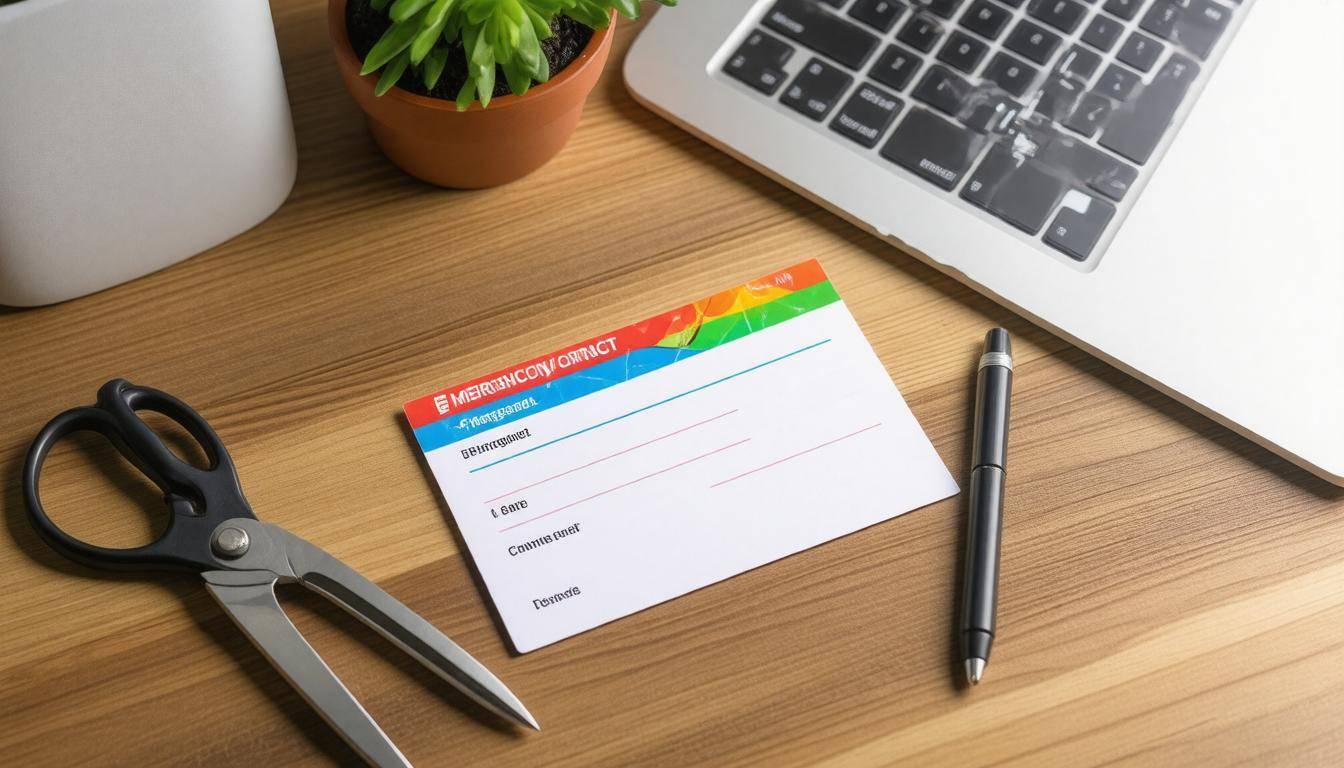
Utilizing downloadable and printable templates can significantly streamline the process of creating an emergency contact card. Not only do these resources simplify design work, but they also ensure that all essential information is presented clearly and professionally. Websites such as the Red Cross offer templates specifically designed for various scenarios—whether you need one for a family with young children, plan for pet safety, or include medical details for a family member with special needs.
Sources for Templates
To explore your options further, consider visiting platforms like Canva or Microsoft Office as well. Canva features a vast selection of customizable templates, which you can modify in terms of colors, fonts, and layout to ensure it reflects your family’s personality along with practical needs. Microsoft Office provides versatile Word documents that are simple to edit yet yield polished results. These sources ensure you can choose a template that fits your requirements while resonating with your personal taste.
Once you’ve found the perfect template, the next step is to customize it effectively.
Steps to Use Templates
To create your card seamlessly, follow these straightforward steps:
-
Select a template that best fits your specific needs by considering what vital information should be included—the names of family members, emergency contacts, medical conditions, or important notes about evacuation plans.
-
Fill out all essential contact and medical details accurately. Remember: inaccurate contact information may create more harm than good during emergencies!
-
After entering all relevant data, take a moment to review and verify every entry meticulously before printing. This critical step prevents potential errors that could hinder communication when you need it most. It’s helpful to have another person check it over too—they might catch something you missed.
-
Finally, print multiple copies of your completed card and store them in accessible places such as wallets, backpacks, or on the fridge door for quick reference.
| Source | URL | Format (PDF/Word/Editable) |
|---|---|---|
| Red Cross | redcross.org/emergency-contact-card | |
| Canva | canva.com/templates/emergency-card | Editable |
| Microsoft Office | office.com/emergency-contact-template | Word |
By following these steps and utilizing reliable templates from diverse sources, you’ll not only craft an emergency contact card that suits your unique situation but also foster preparedness within your household—no small feat!
In doing so, you’re taking an essential step in ensuring safety and effective communication in times of crisis. Preparedness is key to navigating emergencies confidently.