
Storing fuel safely is a topic that often gets overlooked until it’s too late. Imagine finding yourself unprepared during an emergency, only to discover that the way you stored your gasoline or diesel caused more harm than good. Whether you’re stocking up for a storm or just trying to keep your lawnmower fueled, knowing the right guidelines can make all the difference between safety and danger. In this article, we’ll explore essential emergency fuel storage guidelines that every homeowner should follow, helping you avoid hazardous situations while keeping your supplies ready when you need them most. Let’s dive into the safe practices that will ensure your fuel is not only accessible but also managed in a secure way.
The safety guidelines for emergency fuel storage include using approved containers that meet safety standards, storing fuel in well-ventilated areas away from sources of ignition, and conducting regular inspections to check for leaks or spills. It is also crucial to comply with local regulations regarding maximum storage quantities and specific requirements for hazardous materials to prevent accidents and ensure safety.
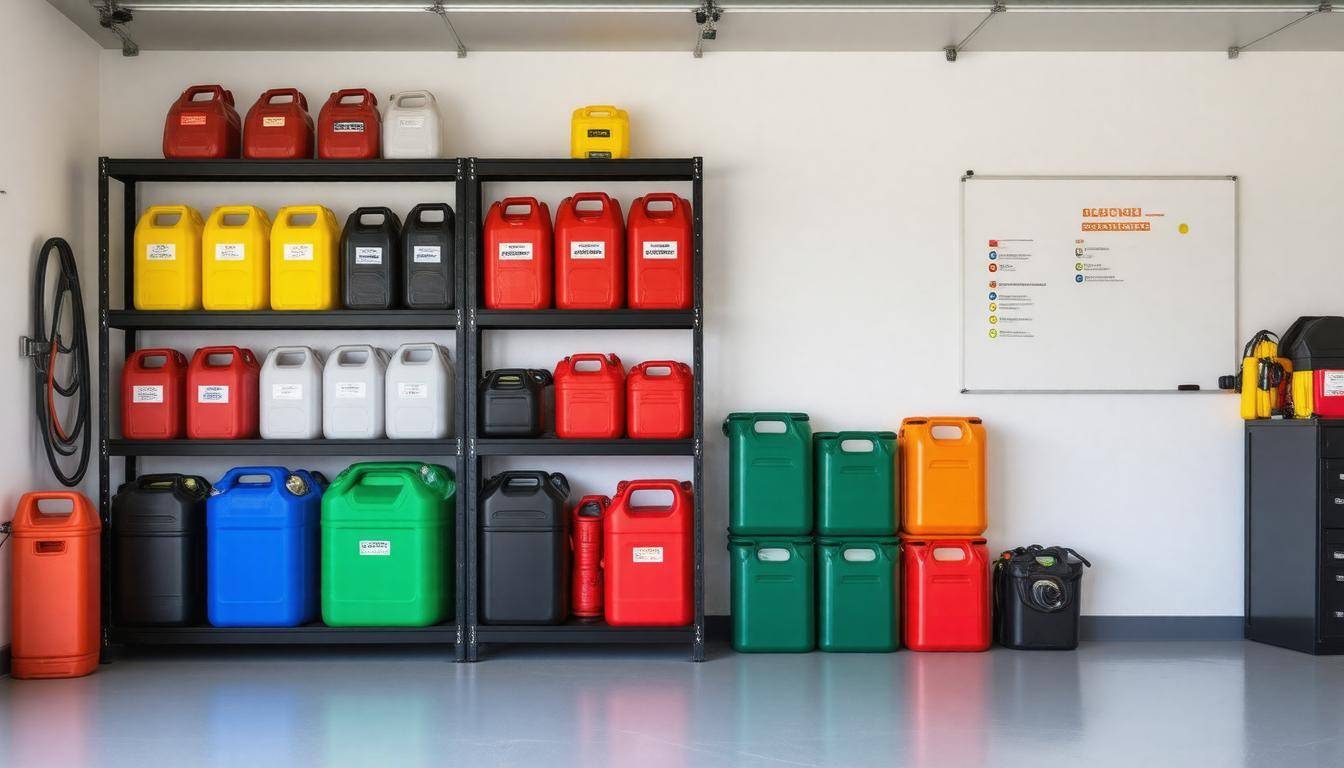
Choosing Approved Storage Containers
Selecting the appropriate storage containers for fuel is not just a matter of convenience; it’s a fundamental aspect of safety. Approved containers are specifically designed to keep fuel stable and reduce potential hazards. They include essential features like flame arresters, pressure-relief caps, and are often color-coded for easy identification of the type of fuel being stored. Using containers that lack these attributes can lead to serious consequences, including leaks and fires.
Types of Approved Containers
| Type of Container | Suitable for | Key Features |
|---|---|---|
| Approved Plastic Containers | Gasoline, Diesel | Lightweight, durable, resistant to corrosion |
| Steel Drums | Larger fuel quantities | Pressure-relief caps, robust, fire-resistant |
| Safety Cans | Small quantities | Flame arresters, spill-proof designs |
Each type of container serves its purpose well, depending on the quantity of fuel you need to store. For instance, if you’re storing small amounts of gasoline or diesel, approved plastic containers are lightweight and won’t corrode over time. On the other hand, if you need to keep larger quantities secure, steel drums are robust and equipped with pressure-relief mechanisms to handle internal build-up safely.
By using unapproved containers, like old milk jugs or buckets from the hardware store, you run a significant risk. These makeshift solutions may not withstand temperature fluctuations or pressure changes and could result in catastrophic failures. Statistics indicate that in 2021 alone, improper fuel storage led to over 200 residential fires across the United States due to failure in utilizing certified containers.
It’s vital to conduct regular checks for wear or damage on any container you choose. Aging materials can compromise the integrity and safety of your stored fuel. Additionally, always make sure you store these containers in well-ventilated areas away from heat sources or open flames; this practice reduces risks significantly.
With an understanding of approved storage solutions firmly in place, we can now turn our focus to the types of fuel suitable for storage and the best practices for selecting appropriate containers.
Types of Fuel and the Right Containers
Each type of fuel comes with its own set of requirements when it comes to storing it safely. Understanding these needs ensures that you’re following regulations and mitigating potential hazards associated with improper storage.
Petrol
For petrol, it’s essential to use approved containers specifically designed to hold this flammable liquid. Most guidelines recommend using red plastic or metal cans, capped at a maximum capacity of five gallons. This size is particularly important because it helps prevent leaks and makes the container easier to handle.
Approved containers are engineered to withstand the pressure from petrol’s expansion while also providing necessary ventilation. The design actively minimizes risks such as ignition from heat generated by the fuel itself, which can spiral into catastrophic consequences. Petrol is a staple fuel for vehicles and outdoor equipment, but its volatile nature means we must take these precautions seriously.
Diesel
Conversely, diesel fuel can be stored in yellow containers, either plastic or steel. Yellow not only represents diesel visually but also significantly reduces the chance of confusion between it and petrol, which is crucial for safety.
Diesel is less volatile than petrol, making it inherently safer to handle; however, if contaminated with petrol—for instance, through improper filling—there can be detrimental effects on engine performance or even damaging breakdowns. It’s astonishing how easily accidents can happen simply due to neglecting clear labeling.
Kerosene
When it comes to kerosene, you’ll want blue containers marked clearly for easy identification. This precaution is essential because kerosene serves various roles, such as powering lamps or heaters—misusing or incorrectly storing it could lead to mechanical malfunctions that pose risks not just from fires but also from inefficient burning.
The reliability of appliances that use kerosene hinges on maintaining its integrity; sticking with correct storage practices minimizes the risk of creating hazardous situations.
However, understanding these types of fuels and their appropriate containers is merely one part of the equation—the next critical consideration involves where you decide to keep them, as environmental factors heavily influence fuel stability and safety.
Finding the Best Location for Storage
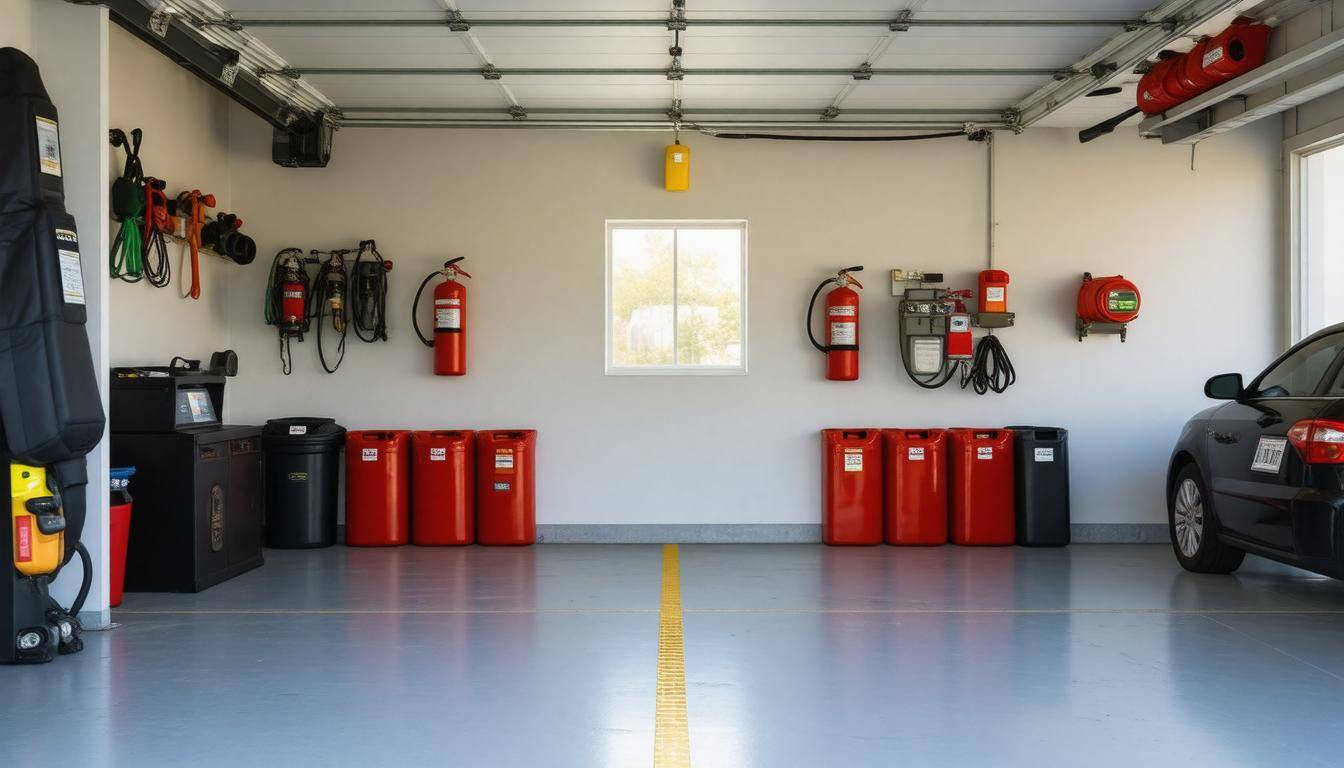
Selecting the right location for fuel storage is critical in preventing accidents and ensuring safety. A pivotal guideline is to store fuel in a cool, well-ventilated area. Ideally, this means placing your containers in a detached garage or a specialized shed that is not connected to your home. By doing so, you minimize the potential risk associated with inhaling harmful fumes or facing off against a fire hazard in areas where people are frequently present.
The current trends indicate that improper storage can lead to tragically avoidable situations. For instance, imagine you’ve just filled up your gas cans, thinking you’ve been dutifully prepared for an emergency. But if those cans are tucked away in an attic, surrounded by cardboard boxes and other flammable materials, things could take a disastrous turn. Heat rises, and confined spaces trap warmth, potentially creating volatile conditions. This is why it is vital to steer clear of basements and attics entirely.
According to statistics from the National Fire Protection Association, roughly 60% of home fires caused by accidental fuel ignition originate in poorly ventilated, confined spaces.
Keeping that in mind directs us toward the importance of choosing optimal surroundings:
Safe Storage Areas
Look for locations that meet certain criteria—a flat surface that’s stable, away from heavy foot traffic but also easily accessible for refueling purposes. Ventilation is key; you should aim for a spot with at least one square foot of ventilation per 1,000 gallons of stored fuel. This will help prevent the buildup of flammable vapors.
Additionally, consider environmental factors when choosing your storage site. Avoid areas near trees or structures where potential flooding may occur during heavy rainfall. Flooding can damage your fuel supply and complicate recovery efforts should spills occur.
Perhaps it seems overly cautious, but you wouldn’t want a surprise gasoline waterfall pulsing through your yard during stormy weather now would you? Choosing wisely today could save a lot of headaches—and possibly property tomorrow.
Another prudent measure is to keep everything at least 50 feet away from any building or structure and at least 25 feet away from sources of ignition like electrical equipment or open flames. Following these rules not only helps in compliance with local regulations regarding hazardous materials but sets you up for success by minimizing risks.
As we refine our understanding of safe practices, we begin to explore how these considerations vary significantly based on needs and situations.
Assessing Residential vs. Commercial Needs
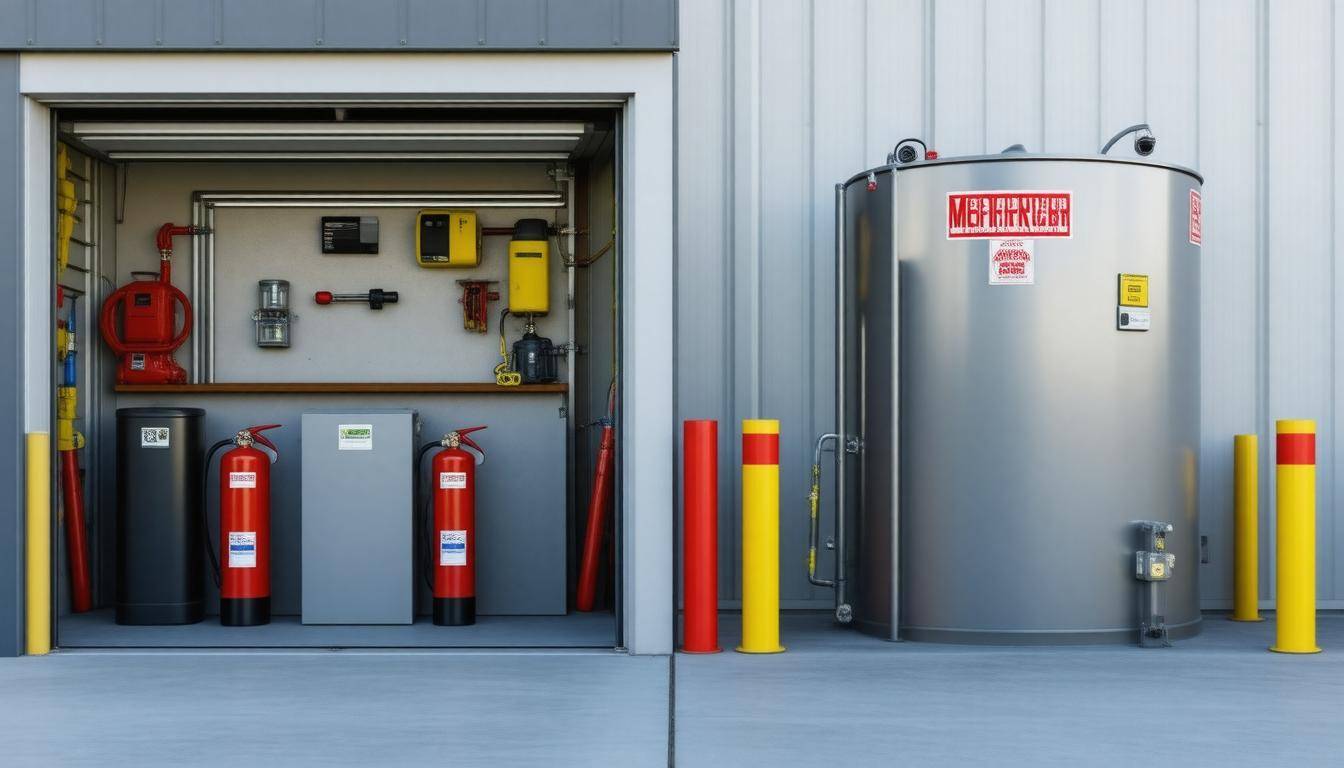
When it comes to fuel storage, the needs of residential households and commercial operations vary significantly.
For homeowners, the amount of fuel stored typically remains modest; however, safety is essential regardless of quantity. Most homes can safely accommodate around 110 gallons of flammable liquids, a figure suggested by the National Fire Protection Association (NFPA). It’s advisable for homeowners to utilize smaller, approved containers designed specifically for fuel storage. This helps maintain safety while fitting conveniently in typical home settings.
Conversely, commercial entities such as construction sites or agricultural operations require much larger storage capacities and must adhere to more stringent regulations. These operations can store up to 1,100 gallons of fuel in above-ground tanks according to Environmental Protection Agency (EPA) guidelines. Therefore, businesses should consider bulk storage options like double-walled tanks or underground tanks that provide added security against leaks and minimize fire hazards while protecting the environment. Such setups often feature secondary containment systems that prevent spills from reaching surrounding areas.
With this contrast in mind, it’s essential to consider relevant local regulations that can dramatically influence both safety and legality in fuel storage practices.
In residential settings, zoning laws may dictate where fuel can be stored—typically requiring it to be at least 50 feet from property boundaries—while commercial facilities may need to install specialized containment features that comply with environmental standards. This discrepancy highlights how navigating this landscape presents unique challenges based on the scale at which you operate.
Homeowners are advised to conduct regular inspections of their storage areas for leaks or signs of degradation, potentially catching issues before they escalate into serious problems. The mere act of checking the integrity of containers can save significant time, money, and even lives when dealing with combustible materials.
Whether you’re a homeowner or a business operator, staying informed about the latest guidelines from fire safety authorities regarding fuel storage is critical. Doing so enhances your own safety and adds another layer of responsibility towards the community and environment around you. Regular training in safe practices can help minimize risks while ensuring compliance with regional laws.
As we explore further, understanding the specifics of regulatory frameworks will provide essential insights necessary for effective fuel storage management.
Regulations and Compliance
Adhering to local, state, and federal regulations isn’t just a good practice; it’s essential for safeguarding your environment, property, and community. When it comes to fuel storage, numerous guidelines exist that you must follow. Each jurisdiction will have different requirements, making it vital to familiarize yourself with these rules before attempting to store fuel.
In some areas, one might discover that the amount of fuel one can store varies significantly: what might be acceptable in an industrial setting could be unsafe or illegal in a residential neighborhood.
Legal Guidelines
To navigate this landscape effectively, always start by checking with local fire departments and environmental agencies. They’ll provide specific limits on fuel storage capacities and inform you about any necessary permits you may need. In many cases, residential zones may have lower maximum storage limits compared to commercial zones.
By understanding these distinctions upfront, you can avoid potential violations that could result in hefty fines or dangerous situations.
For example, many homeowners are surprised to learn that even one extra gallon over their jurisdiction’s limit can lead to penalties, exposing the importance of being proactive rather than reactive.
Compliance Documentation
Keeping precise records regarding your fuel storage practices acts as an insurance policy during inspections and ensures that you remain well-informed about the quantities you are dealing with. Meticulous documentation of fuel types, purchase dates, usage rates, and storage quantities is key.
Having this information at hand not only aids compliance but also supports effective inventory management—allowing you to plan for refueling without running into surprises.
Consider that in 2022, multiple small businesses in Texas faced substantial fines because they unknowingly exceeded their storage limits and lacked the proper documentation to prove their compliance. This incident illustrates how easily non-compliance can sneak up on you if you’re not vigilant.
Compliance extends beyond just meeting capacity limits; it also encompasses ensuring that unauthorized access to your stored fuels is completely restricted. As you address safety measures, it’s crucial to understand how best to prevent such access effectively.
Protecting Against Unauthorized Access
Preventing unauthorized access is a critical facet of emergency fuel storage. As tempting as it may be to consider your fuel storage a secure part of your home environment, the reality is that risks lurk around every corner—from curious children to opportunistic trespassers. The steps you take now can save you from serious complications down the line.
Security Measures
One effective strategy is to use lockable storage units or enclosures for fuel containers. These units not only deter unauthorized individuals but also provide a physical barrier against potential accidents. For instance, imagine a family gathering where children are running about; having fuel stored in an accessible area could lead to dangerous situations. Locking your containers away is a simple yet powerful precaution that keeps everyone safe.
[QUOTE] “A diligent investment in security measures today ensures peace of mind tomorrow.”
In addition, integrating technology can significantly enhance your safety measures. Cameras and motion sensor lights can create an environment where any suspicious activity is quickly addressed. While some might argue that these measures are overkill for home storage, it’s worth noting that the combination of vandalism and accidental misuse can pose serious threats—especially when hazardous materials are involved.
The perceived inconvenience of installing such systems pales in comparison to the potential fallout from an incident. It’s far easier to invest a little time and effort into security now than to deal with the repercussions if something were to go awry later. Therefore, taking precautions doesn’t just build walls; it constructs layers of safety around your storage practices.
Acknowledging the proactive steps you’ve taken, we must also prepare for the possibility that spills and leaks might still occur, necessitating readiness for swift action.
Handling Spills and Leaks
Spills and leaks are not just minor inconveniences; they can create serious hazards that require immediate attention. If a spill occurs, it’s crucial to act quickly.
First and foremost, evacuating the area should be your top priority. This ensures everyone is safe from fumes or potential fires, which could escalate rapidly if left unchecked. Once you’ve ensured it’s safe, you can start taking necessary actions to contain the situation.
Immediate Response Steps
Next, use appropriate absorbents like sand or commercial absorbent pads specifically designed for fuel spills. These materials help contain the spill and mitigate the risk of it spreading further.
Remember, always keep a spill kit handy in your storage areas — it’s an essential precaution that can make a huge difference in managing incidents effectively. Ensure that you ventilate the space, especially if you’re dealing with volatile fuels. Opening windows and doors allows fresh air to circulate, reducing the concentration of harmful fumes, which is vital for protecting both your health and safety.
Timely response to spills can reduce fire risks by up to 80%, according to the Environmental Protection Agency. This emphasizes the critical importance of having a plan in place for minor accidents before they escalate into more serious issues.
Once you’ve contained the spill using absorbents, you cannot overlook the resources involved in disposing of these materials properly. They must be disposed of according to local regulations tailored for hazardous waste disposal. Using common trash bins isn’t enough; incorrect disposal can lead to environmental contamination or fines from local authorities.
After addressing spills swiftly, it’s equally important to focus on strategies that promote long-term safety and efficiency in your fuel storage methods.
Long-Term Safety and Maintenance Tips
Implementing long-term safety measures is essential for creating a secure environment where emergency fuel can be stored properly. One of the first steps in this journey involves routine inspections.
Regularly checking your fuel storage containers is vital; keep an eye out for signs of wear, corrosion, or any potential leaks. Imagine you have a storage can that’s been sitting there for months, unnoticed in the corner of your garage. If it’s showing signs of rust or degradation, it could pose a significant risk. Many fire safety organizations recommend conducting these inspections on a quarterly basis as a best practice—not just because it’s smart but because it saves lives.
Moving beyond simple checks, it’s also crucial to implement annual safety audits.
By conducting an annual review of your fuel storage practices, you ensure that all safety protocols remain current and effective. This isn’t merely a bureaucratic exercise; it fundamentally influences how safely you handle fuels in your storage setup.
A business in California, for example, instituted thorough audits alongside routine checks and witnessed an impressive 40% reduction in hazardous incidents over the course of one year. This highlights the tangible benefits of proper planning and vigilance—it’s not just about survival but about thriving safely.
Additionally, establishing clear communication channels among people who manage fuel storage can greatly enhance safety protocols. Sharing insights and experiences creates an atmosphere where everyone feels responsible for maintaining safety standards.
This sense of community is invaluable, especially when it comes to keeping everyone informed about new guidelines or changes in regulations. Make sure each person involved understands the local rules regarding fuel storage limits and requirements for hazardous materials—a little knowledge can go a long way in preventing accidents.
Finally, maintaining an organized space around your storage areas plays a crucial role as well.
By keeping flammable materials away and ensuring easy access to fuel containers, you create an environment where risk factors are minimized. Remember: cleanliness is never just about aesthetics; for fuel storage, it’s about eliminating hazards that could lead to catastrophic outcomes. A clear area around fuel storage means there’s less chance of accidental ignition from stray debris or mishandling equipment.
Long-term safety measures are pivotal in sustaining a secure environment for emergency fuel storage. By routinely inspecting containers, conducting annual audits, fostering open communication about safety practices, and maintaining a tidy workspace, you can significantly reduce risks associated with storing flammable substances. Following these guidelines means you’re taking proactive steps toward safeguarding your surroundings and ensuring peace of mind for yourself and those around you.
In case of a spill or accident during emergency fuel storage, what immediate steps should be taken?
In case of a spill or accident during emergency fuel storage, immediately evacuate the area and assess the situation from a safe distance. Use absorbent materials to contain and clean up small spills while ensuring proper disposal according to local regulations. It’s essential to report the incident to local authorities and follow emergency response protocols. According to the Environmental Protection Agency (EPA), nearly 70% of hazardous material spills occur during transfer operations, highlighting the importance of preparedness and rapid response in minimizing risks to health and the environment.
What are the environmental impacts of improper fuel storage, and how can they be mitigated?
Improper fuel storage can lead to soil and water contamination due to spills, leaks, or evaporation, significantly harming ecosystems and public health. For instance, the U.S. Environmental Protection Agency reports that leaking underground storage tanks release millions of gallons of fuel into the environment each year, necessitating costly clean-up efforts. To mitigate these impacts, it is crucial to implement secondary containment systems, regularly inspect storage facilities for leaks, and properly train personnel in safe handling practices to minimize potential incidents and promote environmental stewardship.
What types of fuel can be safely stored for emergencies, and what are their specific storage requirements?
In emergency situations, commonly stored fuels include gasoline, diesel, propane, and kerosene. Gasoline should be stored in a proper container with a tight seal, away from heat sources, and used within six months to prevent degradation. Diesel can be stored longer (up to a year) but also requires containers designed for its use. Propane must be kept in approved cylinders and placed in well-ventilated areas to prevent gas buildup. Kerosene storage calls for clean, dry environments to avoid contamination. Statistics indicate that improper storage leads to over 20% of fuel-related incidents, emphasizing the importance of adhering to safety guidelines.
Are there any specific materials or techniques that enhance the safety of homemade fuel storage solutions?
Using materials such as high-density polyethylene (HDPE) for containers is essential, as it offers excellent chemical resistance and durability, reducing the risk of leaks. Techniques like ensuring proper ventilation and utilizing flame arresters can greatly enhance safety by preventing explosive vapors from accumulating. According to the National Fire Protection Association (NFPA), proper storage practices can reduce the risk of fire incidents by up to 70%, highlighting the importance of adhering to safety guidelines in homemade fuel storage solutions.
How often should I check my emergency fuel supplies to ensure they remain safe and usable?
You should check your emergency fuel supplies at least every six months to ensure they remain safe and usable. This frequent monitoring helps prevent issues like fuel degradation or contamination, which can occur over time, particularly with gasoline that can start to break down after about three months. By following this guideline, you increase the chances of having reliable fuel when you need it most, as studies suggest that nearly 40% of individuals who store fuel fail to maintain it properly, leading to potential safety hazards during emergencies.