
As winter approaches, the thought of a sudden power outage or extreme chill can send shivers down your spine—literally. The last thing anyone wants is to be caught unprepared when temperatures drop and the warmth of home feels a million miles away. That’s where having a solid plan and reliable emergency heating tools comes in. Not only do these devices keep you comfortable, but they can be essential for safety during those frigid nights when the heat goes out. In this guide, we’ll walk through the safest options, ensuring you’re equipped to handle whatever winter throws your way while keeping the cozy vibes alive. Whether you’re looking for portable heaters, fireplace tips, or even eco-friendly selections, we’ve got you covered!
The Emergency Heating Tools: Safe Options Guide provides essential insights into choosing safe and effective heating solutions for winter emergencies, emphasizing safety precautions, types of fuels, heat output options, and recommended products. It also highlights important trends in portable heating devices and smart technology integration, ensuring you are well-prepared for cold conditions.
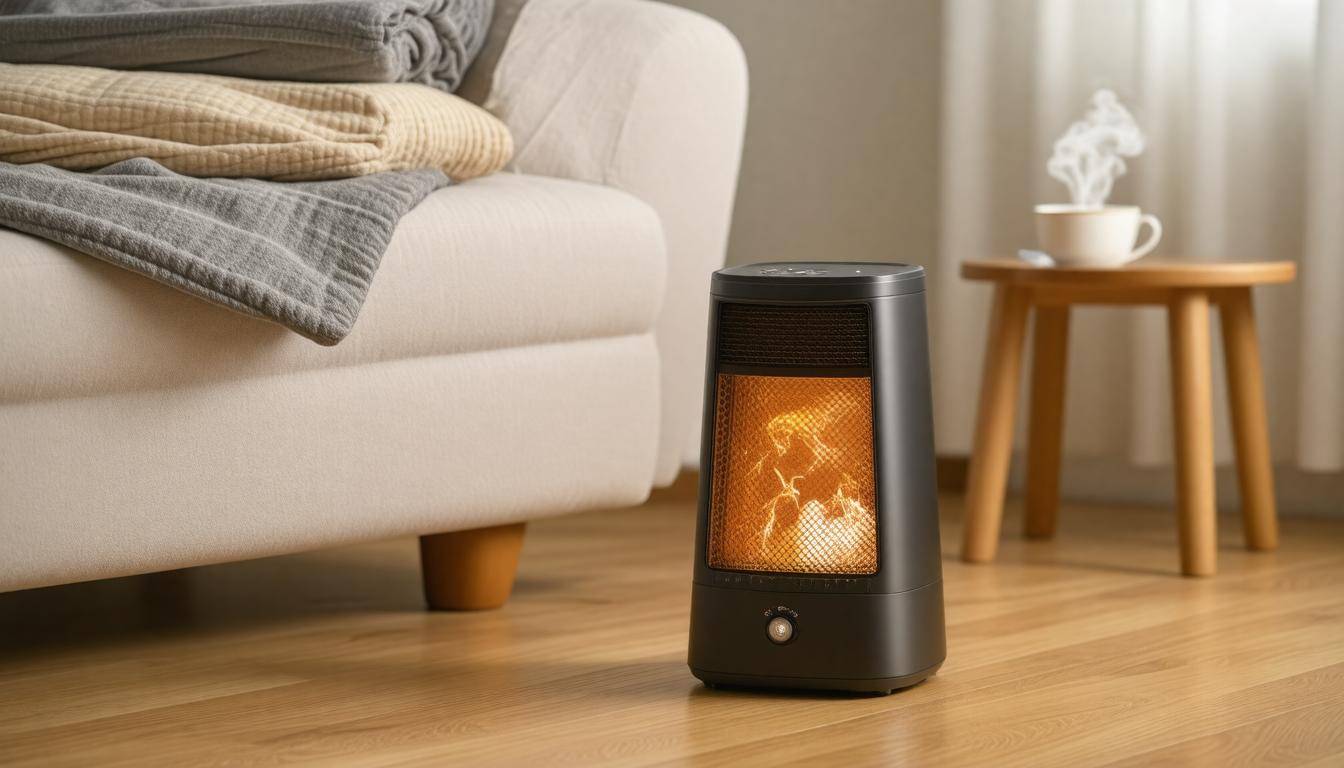
Top Emergency Heating Tools for Home
One of the standout options in emergency heaters is the Mr. Heater F232000 MH9BX Buddy Heater. This little powerhouse is incredibly portable, making it an ideal companion for both indoor and outdoor use. With a BTU rating of 9,000, it efficiently heats spaces up to 225 square feet.
What sets this heater apart is its propane fuel source and automatic shut-off feature, ensuring your safety while it keeps you warm. Imagine coming in from the cold to find your workspace or small room wonderfully toasty—there’s nothing quite like it.
Another noteworthy choice is the Dyna-Glo RMC-8000GIR Digital Garage Heater. Equipped with a digital thermostat, this heater offers 8,000 BTUs of warmth, making it suitable for larger areas such as garages or workshops. The ability to set and control the temperature digitally adds a layer of convenience that traditional heaters may lack.
Both units represent versatile options for anyone looking to stay warm during an outage or unexpected cold spell.
| Product | Fuel Type | BTU Output | Coverage Area | Price |
|---|---|---|---|---|
| Mr. Heater F232000 MH9BX Buddy Heater | Propane | 9,000 | Up to 225 sq ft | $70 |
| Dyna-Glo RMC-8000GIR Digital Garage Heater | Electric | 8,000 | Larger spaces | $100 |
| Honeywell HCE200W Comfort Temp Ceramic Heater | Electric | N/A | Personal space | $35 |
While these heaters are fantastic choices, understanding how to operate them safely is just as important as knowing their capabilities. Safety ensures that they maintain their effectiveness in keeping your space cozy and secure during a winter emergency, paving the way for important considerations regarding proper usage.
Portable Heater Safety Tips
Keeping safe while using portable heaters is paramount to avoid accidents. To start, proper positioning of your heater cannot be overstated. Always set the heater on a flat, stable surface, avoiding any area where it could easily be knocked over. Keep it far from flammable materials like curtains, papers, and furniture—essentially anything that can catch fire. Imagine the relief of knowing you’ve taken a simple step to prevent a devastating accident.
Once you have positioned the heater securely, ventilation becomes the next vital consideration.
When using gas-powered heaters, ensuring adequate ventilation is imperative. These types of heaters can produce carbon monoxide, a colorless and odorless gas that can be deadly if allowed to accumulate in enclosed spaces. Regular checks on air flow can help prevent this potentially hazardous situation. Think about how breathing in fresh air feels rejuvenating; your heater would appreciate some fresh air too!
Now let’s move onto another simple but crucial element: supervision.
Never leave a heater unattended. This rule applies not just when you’re away from home but also while you’re sleeping. Imagine dozing off with the warmth radiating around you but forgetting there’s an active heater nearby—it’s simply not worth the risk. Always make sure to turn off the heater before stepping out or settling down for the night.
After ensuring these basic precautions are met, consider choosing heaters that come with built-in safety mechanisms.
Selecting a heater with an automatic shut-off feature is a wise decision because it acts as an additional security blanket. This feature ensures that the heater will shut off in case it tips over or overheats. It’s like having an extra pair of eyes watching over your space while you focus on relaxation or getting cozy with some hot cocoa.
Finally, maintaining space around the heater is equally essential for optimal operation and safety.
Always keep at least a 3-foot clearance around your heating device. This distance acts as a buffer zone to ensure that nothing accidental comes into contact with the heat source. Picture this buffer as your personal safety perimeter that protects your beloved belongings and keeps fires at bay.
With these essential safety tips firmly in mind, let’s move forward to discuss some highly efficient tools that can provide reliable warmth during emergency situations.
Efficient Gas-Powered Options

Gas-powered heaters are often praised not only for their efficiency but also for their reliability during power outages or extreme winter conditions. The beauty of these tools lies in their ability to generate warmth without needing an electrical outlet, making them a go-to choice for those frigid days when the power may flicker off. One shining example is the Mr. Heater MH18B Big Buddy, capable of pumping out an impressive 18,000 BTUs, enough to warm spaces up to 450 square feet. This heater provides more than just numbers; it’s about creating comfort when the temperature plummets.
Equipped with built-in safety features like a low-oxygen shut-off system, this heater emphasizes the importance of safe operation while providing warmth.
However, while enjoying the warmth these machines offer, it is essential to remain aware of potential risks associated with gas use.
It’s vital to remember that convenience comes with responsibility. While using gas heaters is generally safe, home users must prioritize precautions to mitigate risks associated with gas leaks. Ensuring you have an effective gas detector can significantly enhance your safety profile. These devices can alert you before a problem escalates, allowing you to act swiftly and responsibly, thus keeping your home secure.
Moreover, when considering gas-powered options, fuel type plays an essential role in decision-making. Different fuels have unique advantages: propane tends to be favored for its portability and long shelf life, while natural gas offers ease of access in urban settings. Understanding these nuances helps you choose the best heating solution suited for your specific environment and needs.
As we weigh the pros and cons, it’s important to consider performance metrics such as energy efficiency ratings.
A reliable gas heater should have clearly defined efficiency ratings, often measured in BTUs and energy consumption per hour. These measurements inform potential buyers about how much heat they can expect versus the amount of fuel consumed. Higher BTU outputs typically signify better heating capability but may also lead to increased fuel usage. An ideal scenario is finding a balance where maximum comfort coincides with optimal energy efficiency.
All this reinforces the idea that preparing for winter means selecting heating tools wisely—tools that provide peace of mind while efficiently warming our homes.
With these considerations in mind, let’s shift gears to explore different ways to stay cozy by harnessing traditional heat sources effectively during winter months ahead.
Fireplace Usage Guidelines
A fireplace can create a warm, inviting atmosphere, but without proper usage, it can also pose hazards. Begin by prioritizing the cleanliness of your chimney. Before winter arrives and you light your first fire, make sure to have it inspected and cleaned professionally. Clogged chimneys are infamous for causing smoke buildup in homes and increasing the risk of dangerous house fires due to creosote accumulation. You certainly don’t want to have a beautiful fire crackling only to find smoke billowing back into your living room instead of escaping through the flue.
Once you’ve ensured that your chimney is clean, it’s essential to focus on the kind of wood you use. Always choose dry, seasoned hardwood logs rather than softwoods or untreated lumber. Why? Because hardwoods burn hotter and cleaner, producing less smoke and reducing the likelihood of soot or creosote deposits that can lead to potential spring cleanings that might have been easily avoided. Think about the future, as consistent negligence here can mean dealing with more than just a cozy night!
Tip: It’s wise to keep a supply of seasoned wood stacked in a dry place as this not only prepares you for those cold nights but also keeps it ready without the risk of moisture seeping in.
Another essential component is maintaining a safe distance around your fireplace. Keep flammable materials at least three feet away from the fire; this includes furniture, curtains, blankets—anything that could catch flame easily if embers escape. In addition, consider using a fireplace screen for added protection against any wayward sparks or flying embers that could inadvertently cause a fire hazard.
Before you strike the match, familiarize yourself with how to extinguish the fire properly when you’re done or if an emergency arises. Having a good-quality fire extinguisher rated for Class A fires—those suitable for wood, paper, and cloth—close by is crucial. This simple piece of safety equipment can be an invaluable asset should things take an unexpected turn.
With these guidelines under your belt, you’re better equipped for safely enjoying the warmth and ambiance your fireplace provides while reducing risks associated with its use. Next, we will explore effective options for ensuring consistent warmth throughout those chilly months.
Reliable Backup Heating Sources
When winter sets in, having a reliable backup heating source is like securing a lifeline during a storm. Among the popular alternatives are pellet stoves and kerosene heaters, both of which can serve as effective and efficient heating solutions.
For instance, pellet stoves like the Comfortbilt HP22 use compressed wood or biomass pellets to produce heat. With an impressive output of up to 50,000 BTUs, these stoves not only provide warmth but also utilize renewable resources, making them environmentally friendly options.
On the other hand, kerosene heaters such as the Dura Heat DH2304S offer about 23,000 BTUs and their portability adds a layer of convenience that can’t be overlooked. Picture this: you might move it from room to room or take it outside to warm up your patio on a chilly night.
With these devices firing up your spaces, a common concern arises—what if the electricity goes out? This takes us to another layer of backup heating options: battery-powered devices.
These innovative devices can be lifesavers when access to electricity is limited or non-existent.
Battery-Powered Heating Devices
Enter the world of battery-operated heaters designed specifically for emergency situations. Unlike their fueled counterparts, these heaters rely entirely on battery power, giving you greater flexibility and safety without sacrificing warmth. One notable example includes smaller compact models that may be portable enough to fit in a car or RV, making them perfect for all adventures and emergencies.
The important aspect here is their efficiency during power outages. These battery-powered functionalities usually have user-friendly controls that make operation easy even under stress.
Moreover, they’re designed with safety features meant to prevent overheating and mitigate potential hazards associated with flames and gas leaks found in traditional heating alternatives.
It’s crucial to check the specifications, including how long they can run on standby power and their average heat output. You want something that gives you reasonable warmth throughout the duration of an outage but doesn’t drain batteries quickly.
Always keep extra batteries on hand—it’s a small precaution with a potentially big payoff in frigid conditions!
As you explore different options for reliable heating sources, it’s helpful to shift focus towards portable alternatives that enhance comfort across various settings.
Battery-Powered Heating Devices
Imagine you’re out camping in the midst of winter, surrounded by snow-covered trees and biting winds. You might think that cold temperatures would put a damper on your plans, but with the right battery-powered heating devices, you can transform any chilly outdoor space into a cozy haven. These tools aren’t just for tent camping; they’re becoming increasingly popular among festival-goers who want to enjoy music under the stars even when Mother Nature is throwing a tantrum.
One of the standout products in this growing market is the Mark 3 Portable AC Heater. Priced at $1,300 for air conditioning alone or $1,900 with a single battery, this device packs a wallop with 500W power output. It’s more than just an air conditioner; it effectively doubles the BTU compared to its predecessor, the Mark 2, which struggled with daytime cooling. However, its run time is short—up to two hours on max power—so it’s essential to conserve battery life by using lower settings whenever feasible.
Consider combining multiple charging sources or carrying an additional battery pack if you plan to be out for extended periods.
When choosing a battery-powered heater, it’s important to consider not just energy efficiency but also user sentiment regarding their effectiveness in real-world settings. Many campers appreciate the thought of having such convenience but often question whether these heaters can truly combat the cold effectively within the breathable confines of a tent. The consensus seems to lean towards skepticism; while a product like a heated blanket, such as the Cozee Electric Blanket—which offers up to five hours of warmth on a full charge—is fantastic for close-range heat, the larger spaces of tents may render them less effective.
Additionally, users have noted that enjoying these heating gadgets at campsites comes with potential noise disruptions from many portable units. Testing any device before fully committing during your trips is advisable; you wouldn’t want your warm haven to turn into a noisy nuisance that disrupts both your sleep and that of fellow campers.
Tips for Maximizing Effectiveness
To make the most of your battery-powered heating tools in outdoor scenarios, consider these actionable insights:
- Layer Up: Dress warmly underneath any blankets or heaters by wearing thermal clothing.
- Insulate Your Space: Use ground pads or tarps beneath your sleeping area to minimize heat loss.
- Strategic Placement: Position your heating device so that it directs heat toward your body rather than allowing it to escape into open air.
By taking these proactive steps, you can ensure that your experience with battery-operated heating devices meets expectations during winter adventures. With advancements in technology and design on the horizon, interest in portable heating continues to grow.
As we shift focus now, let’s explore options designed specifically for outdoor environments where adaptability and safety are crucial.
Outdoor Emergency Heating Solutions
When the chill of winter sets in, having reliable outdoor heating solutions not only makes your time outside enjoyable, it can also be crucial for safety.
Imagine you’re gathered with family or friends for a cozy evening—but the cold winds start creeping in. That’s where portable heaters really shine, ensuring that warmth is never far away. For example, propane patio heaters like the Fire Sense Heater offer a powerful solution, delivering an impressive 46,000 BTUs to create a warm atmosphere even amidst frosty temperatures. Portable heaters serve as an essential tool to keep you comfortable while enjoying the great outdoors.
Beyond warmth, consider versatility when selecting a heater. While some patio heaters specialize in providing ambient heat for gatherings, others are designed to meet various needs—especially when camping or during emergencies.
The BioLite CampStove 2+ is a remarkable device that excels in these scenarios. Not only does it generate heat for your cooking needs, but it also lets you charge devices through USB ports. This dual functionality makes it an ideal companion for any outdoor adventure—be it a camping trip in the woods or a power outage at home.
However, using any heating tool raises concerns about the environmental impact.
It’s essential to consider the broader implications of our choices. Propane is generally acknowledged as a cleaner-burning option compared to other fuels, producing fewer emissions. This means that when you opt for propane-based outdoor heaters, you’re making a smarter choice for both your comfort and the environment. With each tank refill, you’re investing not just in warmth but also in a sustainable approach to heating outdoors.
Moreover, ensuring fuel efficiency is another important aspect of outdoor heating solutions. With each refillable propane tank you use—like those one-pound cylinders—you’re not only reducing waste by avoiding disposable options but you’re also saving money in the long run. That’s right! Refilling tanks can significantly lower your overall expenses, which is important during those harsh winter months when heating bills tend to climb higher than usual.
Continuing our exploration will reveal how these tools not only enhance comfort and safety but also play a significant role in our ecosystem’s health.
Environmental Impact of Heating Tools
Every heating method carries its own environmental footprint, making informed choices essential.
When we look at electric heaters, for instance, if they are powered by renewable energy sources like solar or wind, their impact can significantly lessen. However, these electric heaters become ineffective during a power outage, which is often when we need supplemental heat the most. This highlights a fundamental reality: reliance on electricity can leave us vulnerable in emergencies.
Gas-powered heaters often appear to be an attractive alternative since they don’t rely on the electrical grid. However, they come with hidden costs. These units typically emit carbon monoxide—a colorless, odorless gas that can be deadly in enclosed spaces if not properly ventilated. While they provide immediate warmth, the long-term environmental and health effects can’t be ignored. To reduce this risk, choosing models with higher efficiency ratings becomes crucial; better efficiency means more heat produced from less fuel consumed and reduced emissions.
As homes increasingly value energy efficiency, many manufacturers are now designing gas heaters that comply with more stringent regulations. Thus, understanding ratings and features goes a long way in ensuring safety without sacrificing warmth.
While eco-friendly heating alternatives exist—like solar-powered devices—they come with limitations. Currently, these devices may not produce enough heat to be effective for emergency situations, particularly in colder climates where every ounce of warmth counts. Therefore, finding a balance between convenience and ecological impact is key for those who prioritize sustainability.
Integrating multiple solutions might be advisable; for instance, combining a solar charger with an energy-efficient electric heater ensures you’re prepared even when the sun isn’t shining. Having a system where renewable sources supplement traditional heating methods can offer a multi-faceted approach to winter heating challenges.
Ultimately, navigating various emergency heating options prepares you to respond to winter emergencies safely while conscious of environmental harm. Being proactive about how your choices impact both your immediate comfort and the planet’s future enriches your perspective on responsible home management in today’s world.
In summary, understanding the implications of your heating choices enhances your readiness and conscientiousness as we face an increasingly unpredictable climate.
What are the signs that a heating tool may be malfunctioning or unsafe during use?
Signs that a heating tool may be malfunctioning or unsafe during use include unusual noises, strong odors (such as burnt plastic), excessive heat on the exterior casing, and inconsistent temperature output. According to the National Fire Protection Association, heating equipment was involved in an estimated 49,300 reported U.S. fires annually, leading to hundreds of deaths and thousands of injuries. Always ensure proper ventilation, and never leave heating tools unattended to mitigate risks.
How can I assess the safety and effectiveness of different emergency heating options?
To assess the safety and effectiveness of different emergency heating options, research their design specifications, safety certifications, and user reviews. Ensure the heating tool has features like automatic shut-off and is tested for efficiency in confined spaces, as more than 50% of carbon monoxide poisoning incidents occur during winter months from improper heating methods. Additionally, compare BTU (British Thermal Unit) outputs to ensure adequate warmth for your space while keeping in mind ventilation requirements to prevent hazardous fumes. Always prioritize options with established safety standards, such as those approved by Underwriters Laboratories (UL).
Are there environmentally friendly alternatives for emergency heating?
Yes, there are environmentally friendly alternatives for emergency heating, such as solar blankets and bioburning stoves. Solar blankets can capture sunlight during the day and provide warmth at night without relying on fossil fuels, making them a sustainable choice. Additionally, bioburning stoves use biomass materials like wood pellets or agricultural waste, which can be more carbon-neutral compared to traditional heating methods. According to the U.S. Energy Information Administration, using renewable sources like biomass could reduce greenhouse gas emissions by approximately 50% compared to natural gas heating options.
What precautions should be taken when using portable heaters during an emergency?
When using portable heaters during an emergency, it is crucial to take several precautions to ensure safety. Always place the heater on a stable surface, away from flammable materials like curtains and furniture. Keep the area well-ventilated to prevent carbon monoxide buildup—nearly 50,000 people visit emergency rooms each year due to carbon monoxide poisoning connected to heaters. Never leave a portable heater unattended, and consider using one that automatically shuts off if tipped over. Regularly check smoke and carbon monoxide detectors to ensure they are functioning properly for added safety.
What types of emergency heating tools are considered safe for indoor use?
Safe indoor emergency heating tools include electric space heaters, propane heaters with proper ventilation, and wood-burning stoves designed for indoor use. Electric space heaters are particularly popular due to their ease of use and ability to heat specific areas without the need for combustion, reducing the risk of carbon monoxide poisoning. According to the U.S. Consumer Product Safety Commission, using a heater that meets safety standards can significantly lower the risk of fire incidents during winter months, as they account for around 44% of home heating fires. Always ensure any heating tool is used according to the manufacturer’s guidelines for optimal safety.