
In emergencies, staying connected can mean the difference between chaos and calm. Imagine a situation where your phone is powerless, but you still need to relay important information—this is where emergency radio communication comes into play. With the right tools and knowledge, you can maintain contact even when traditional networks fail. Having navigated through various scenarios in my own preparedness journey, I’ve learned that mastering emergency radios isn’t just about having the latest gadget; it’s about understanding how to use them effectively to keep your community safe. This guide aims to equip you with the basic principles and practical advice needed to ensure effective communication when it matters most. Let’s dive into the essentials of emergency radio communication!
Our how-to guide on Emergency Radio Communication Basics outlines essential principles, including the types of radios used, key communication protocols, and strategies for effective coordination during crises. It also offers practical tips on setting up communication systems and ensuring interoperability among different agencies and responders to enhance emergency readiness.
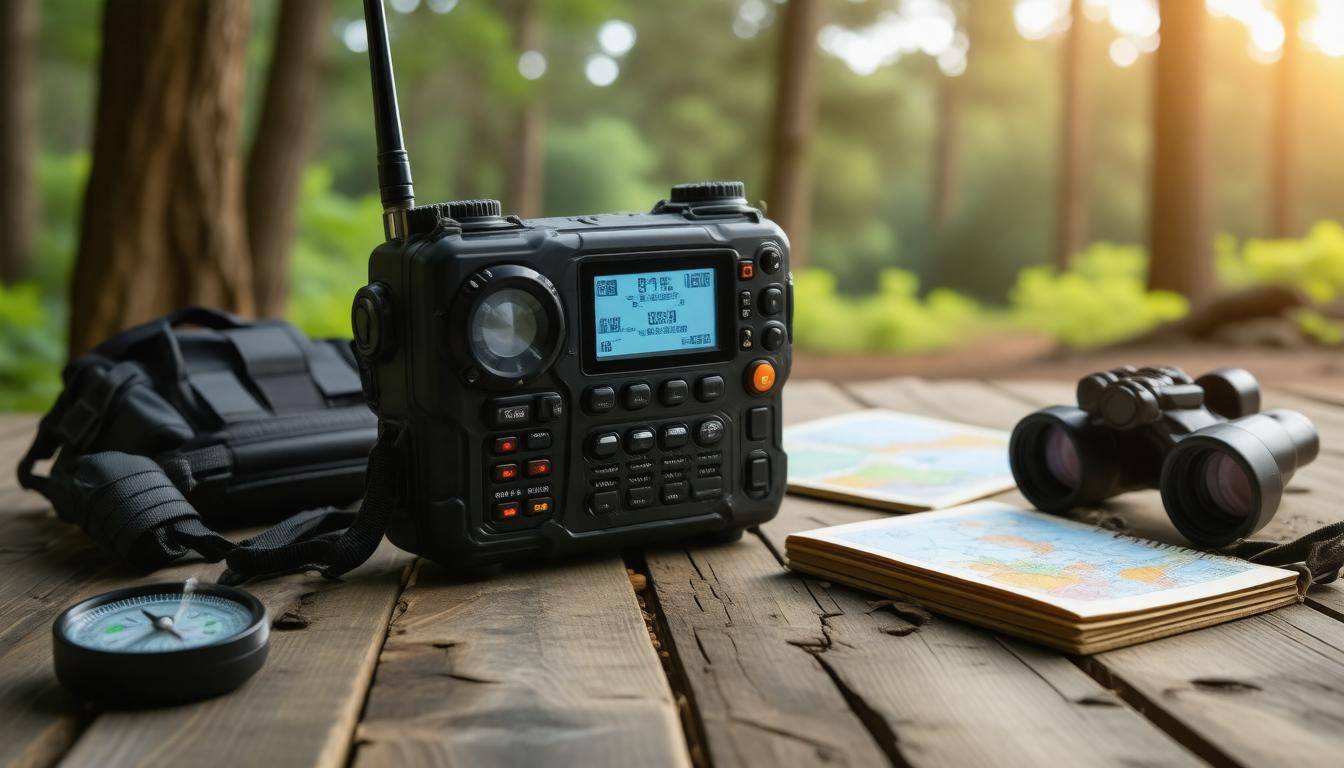
Getting Started with Emergency Radio Communication
To begin your journey into emergency radio communication, you first need to understand a few foundational principles. Think about the last time you felt truly disconnected from the world around you—maybe during a power outage or when your cell phone battery died. In moments like these, the importance of having a reliable line of communication becomes painfully clear. Emergency radios are designed exactly for this situation; they can transmit and receive messages without relying on fragile infrastructure such as cell towers or the internet. This makes them essential in scenarios where every second counts.
Step I – Understanding the Basics
At its core, emergency radio communication hinges on the concept of resilience. Knowing how to transmit messages over various frequencies allows responders to relay crucial information even in adverse conditions. For example, if you’re part of a Community Emergency Response Team (CERT) and face a natural disaster, you could use ham radios to ensure that important updates reach your neighbors while mobile networks remain down. The key here is adaptability; whichever radio system you choose should be capable of functioning independently of traditional systems.
With a solid understanding of why these radios matter, let’s look at how to obtain the licenses necessary for operation.
Step II – Obtaining Licenses
If you desire to operate amateur radios—often referred to as ham radios—you will need to secure the proper licenses. The Federal Communications Commission (FCC) governs these licenses in the U.S., and while obtaining one might sound intimidating, it typically involves passing a relatively simple exam covering basic radio operation and safety practices. Investing some time in studying not only enhances your knowledge but also guarantees that you’re legally compliant when making those critical communications during an emergency.
Once you’ve outfitted yourself with both understanding and licensing, it’s time to explore the various types of radios available for purchase.
Step III – Choosing the Right Equipment
Selecting the best two-way radio is essential for your preparedness plans. Think about your requirements: how far do you need your signals to reach? Depending on whether you opt for Family Radio Service (FRS), General Mobile Radio Service (GMRS), or amateur radios entirely, your choices vary significantly in range and capabilities. FRS radios typically offer a range of about 1-5 miles, while GMRS can reach up to 50 miles under optimal conditions.
Choosing equipment is not just about meeting regulatory requirements; it’s also about ensuring functionality during emergencies.
When selecting equipment, consider investing in a handheld transceiver (HT)—these devices often support multiple bands and can provide better versatility when communicating across different frequencies.
Having equipped yourself with suitable hardware and necessary skills, it’s crucial now to practice using these tools effectively.
Step IV – Practicing Regularly
Just like any skill, using your radio effectively requires practice. Conducting regular drills with family members or members of your emergency response team helps cement procedures and ensures everyone knows how to operate their equipment confidently. A recommended schedule would involve monthly practice sessions where participants can familiarize themselves with protocols and get comfortable using their devices before an actual emergency arises.
Thorough preparation leads to calmness under pressure—a comforting thought when facing unpredictability.
Finally, it’s wise to create a comprehensive communication plan that addresses different scenarios and designates primary channels for emergencies. Keeping relevant contact information close by strengthens community ties and facilitates swift coordination during crises.
Having grasped these essential concepts of communication strategies and equipment choice, let’s explore the devices that can help you stay connected when it matters most.
Types of Emergency Radio Devices
Different situations call for different types of emergency radio devices, each designed to meet specific communication needs. Starting with handheld transceivers, these small, lightweight radios, often referred to as walkie-talkies, are perfect for short-range communication. Their portability means they can be easily carried, making them ideal for community events or local emergencies.
A popular model is the Baofeng UV-5R, celebrated among beginners for its affordability and user-friendly features. This device allows operators to communicate effectively within a range of several miles, depending on terrain and conditions.
Moving beyond handheld options, the next tier of radios includes those typically found in vehicles.
Mobile Radios
Mobile radios are installed in vehicles and provide more power and a greater range than handheld transceivers. They are crucial for ensuring reliable communication during larger-scale emergencies when responders may need to cover vast areas quickly. Brands like Kenwood and Yaesu produce highly regarded models that are often utilized by emergency responders due to their durability and performance.
Many mobile radios also offer additional features such as multiple frequency channels and easy integration with existing communication systems, enhancing their effectiveness in chaotic situations.
Finally, for those who prioritize long-range capabilities and consistent communication, base station radios stand out as an excellent choice.
Base Station Radios
Base station radios represent the pinnacle of stationary communication technology for emergency scenarios. Designed to provide long-range capabilities, these fixed installations are powerful and durable, making them suitable for consistent use in a control center or emergency operations facility.
While they require a bit more setup than their handheld or mobile counterparts, the benefits include robust wattage output and advanced functionalities that ensure communication over extensive distances. An effective base station can serve as a hub for coordinating responses during major disasters, providing critical information across jurisdictions.
Having chosen a suitable radio device type is just the first step; mastering basic operations and communications techniques will further enhance your preparedness in times of crisis.
Basic Operations and Communication Techniques
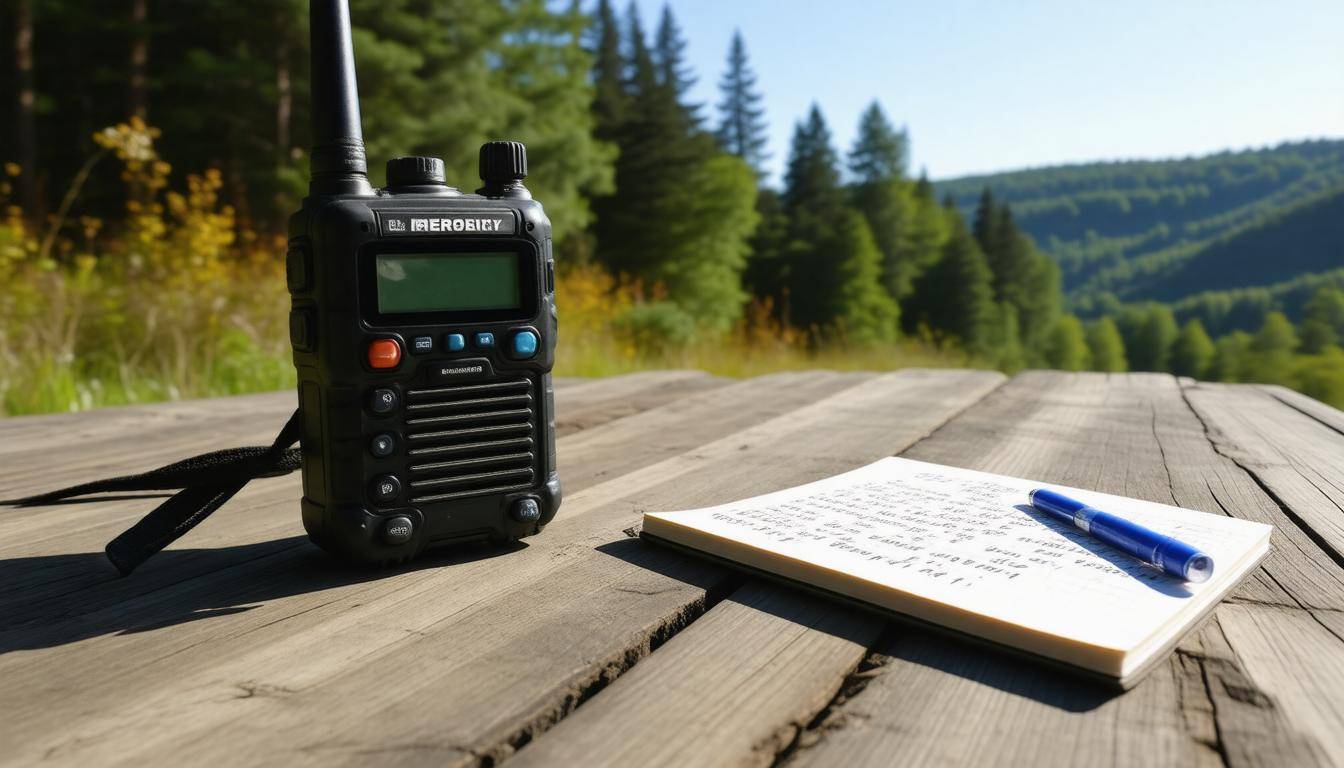
Knowing how to effectively operate your radio not only aids in emergency situations but can also establish life-saving connections.
To begin with, turning on your radio is the first step, but tuning it correctly to the appropriate frequency is where the magic happens. Each region has designated emergency frequencies, so familiarity with local protocols can save time when seconds count. Always keep a list of these frequencies accessible, perhaps on a card near your radio or within easy reach of your emergency kit.
Turning On and Tuning In
Once you’ve powered up your radio, it’s crucial to learn how to fine-tune it to hear incoming communications clearly. Many emergency radios come equipped with dials or buttons that allow you to adjust the frequency meticulously. Take a moment during training sessions to practice finding various frequencies; doing so will build muscle memory and instill confidence in high-pressure scenarios.
“The first time I tuned into the emergency frequency without any assistance was exhilarating,” recalls Karen Lee, an active CERT member, emphasizing the significance of personal experience in mastering radio operation.
Moreover, once you’ve mastered turning on and tuning in your radio, understanding how to communicate effectively becomes paramount. This is where using the phonetic alphabet plays a vital role. During stressful situations, ensuring clarity can mean the difference between success and misunderstanding. Rather than saying “B” which could potentially be confused with “D,” using “Bravo” eliminates ambiguity.
Using the Phonetic Alphabet
The phonetic alphabet is a standardized set of codes used by operators around the world to promote clear communication. Familiarizing yourself with this alphabet—Alpha for A, Bravo for B, Charlie for C, and so forth—can enhance all conversations broadcast over the airwaves. This becomes especially important when relaying vital information like coordinates or identifying locations.
It’s not just about speaking; waiting for moments to listen is equally important. Practice what is known as the “Listen First” rule: Always pause before transmitting to ensure you’re not interrupting others and that the frequency is clear. This also allows you to hear critical information being broadcasted from other operators.
As you become more seasoned in operating your radio, keep these tips in mind:
- Confirm frequency usage before sending messages.
- Speak slowly and clearly to ensure your message is received accurately.
- Use proper call signs consistently for identification.
- Keep your messages brief; avoid unnecessary chatter that may bog down urgent communications.
Finally, don’t overlook the importance of practicing regularly with fellow operators or community groups such as ARES or CERT teams. Building real-world practices into your routine fosters greater proficiency that pays off during emergencies when every second matters.
Mastering these fundamental techniques sets a solid foundation as we explore advanced skills essential for navigating diverse conditions and ensuring effective communication in any situation.
Advanced Skills for Varied Terrain
As you prepare for emergency communication, understanding how to adapt your techniques to different terrains becomes essential. Each environment—whether urban, rural, mountainous, or forested—brings its own set of challenges and opportunities. For instance, when you’re navigating mountainous regions, mastering line-of-sight communication is vital. This principle means that signals are best transmitted when there is a clear path devoid of obstacles. Therefore, if you’re aiming to boost signal strength, moving to higher ground can offer a significant advantage. In my experience, simply ascending a few feet can sometimes make all the difference when it comes to clarity and range.
Line-of-Sight Communication
The essence of line-of-sight communication lies in the unobstructed transmission of radio waves between two points. When camping in mountains or hilly areas, it’s beneficial to seek out clearing spots or ridges that allow direct sightlines to other operators or repeaters. I remember hitting a high peak during a test with my ham radio; from that vantage point, not only did I effectively reach others within miles, but I could also relay messages that were necessary during a training exercise. Always keep in mind that terrain elevation profoundly affects signal clarity and distance.
While line-of-sight is crucial, urban environments present their own unique set of challenges when it comes to effective radio communication.
Signal Reflection
In cities filled with towering buildings and dense infrastructure, the concept of signal reflection comes into play. These structures can cause radio signals to bounce unpredictably, which might disrupt communications. However, savvy operators can actually use these reflections strategically. If you’ve ever tried to contact someone during high-stress situations in an urban setting, you might have noticed that moving slightly alters your reception dramatically—even if just for a moment.
By positioning yourself correctly relative to nearby buildings, you may find ways to redirect signals more effectively toward your intended recipient. Knowing where your signal is weak versus strong can be likened to navigating through a maze; sometimes you’ll have to take detours (or change locations) to reestablish contact.
Beyond understanding these challenges and opportunities posed by terrain and architecture, the equipment used plays an equally critical role in ensuring successful communication across varied landscapes.
Essential Equipment and Accessories
When it comes to emergency radio communication, your equipment can mean the difference between successful transmission and a break in crucial connectivity. One of the most fundamental elements of a solid radio setup is your antenna. High-gain antennas are invaluable because they enhance both transmission and reception range.
Imagine being in a remote area during an emergency; a high-gain antenna helps ensure that you can connect with others who are outside your immediate vicinity, which could be a lifesaver when coordinated efforts are needed.
Another vital component is batteries. In the heat of a crisis, having extra batteries or portable battery packs can keep your radio operational, allowing you to stay informed and communicate effectively. It’s not uncommon for radio users to underestimate their power needs, but a dead battery during times of uncertainty can lead to panic and confusion.
Instead of leaving things to chance, consider investing in quality rechargeable battery systems—this way, you’re always ready for when duty calls.
Microphones and headsets also play an important role in improving audio quality and ensuring comfortable communication, especially during prolonged use. Have you ever experienced static or muffled sounds mid-conversation? It can be frustrating!
Quality accessories can filter out background noise, making it easier to understand vital information while reducing ear fatigue over long periods of use. This is particularly useful in chaotic environments where clear communication is critical.
Additionally, signal boosters are devices designed to increase the range of your radio signal. Think of them as megaphones for your equipment—they amplify your reach, making them particularly useful in isolated locations where connectivity may be otherwise weak or non-existent.
By incorporating a signal booster into your system, you’re fortifying your ability to transmit messages successfully.
Investing in robust communication tools not only prepares you for emergencies but also contributes to building reliable connections with fellow responders. These foundational elements will serve you well as we now consider essential techniques for managing your frequencies effectively.
Tuning and Frequency Management
The success of your emergency radio communications hinges greatly on how well you can tune into the correct frequencies.
For starters, emergency radios typically operate within specific frequency bands, most commonly VHF (Very High Frequency) and UHF (Ultra High Frequency). Understanding the differences between these bands helps you select the best option based on your needs.
VHF frequencies, ranging from 30 MHz to 300 MHz, tend to provide better range over long distances, making them advantageous for rural areas where signals can travel farther. On the other hand, UHF frequencies, ranging from 300 MHz to 3 GHz, excel in urban settings due to their ability to penetrate buildings efficiently. Therefore, knowing which band to utilize is not only about preference but also about optimizing your communication clarity and reach.
With a solid grasp of frequency bands established, let’s dive deeper into effective channel management, which is equally critical during emergencies.
Channel Management
Channel management involves strategically navigating various preset channels available on your radio. In high-stakes situations, the ability to swiftly switch channels can be a matter of life or death. Imagine you’re trying to coordinate with a team amidst chaos when chatter on a common channel becomes overwhelming. Knowing how to hop between pre-programmed channels allows you to avoid interference from unnecessary noise and maintain essential communications with fellow responders.
Key Considerations:
-
Programmable Channels: Some modern radios allow users to program channels ahead of time. This means that instead of fumbling through numerous channels during an emergency, you can rapidly access the frequencies most relevant to your situation.
-
Regular Updates: It’s vital to regularly update these preset frequencies based on changing local emergency services or situations. Remember that adapting your strategy is crucial when dealing with dynamic scenarios.
-
Record Keeping: Maintain a logbook of commonly used frequencies along with their specific purposes. For example, you might want distinct entries for police communications, fire departments, and emergency medical assistance.
Establishing effective frequency management not only streamlines your operations but also significantly reduces stress levels when seconds truly count.
Beyond frequency management lies the opportunity for collaboration with broader networks. Such collaboration can greatly enhance the robustness of your communication solutions during emergencies.
Network Integration Protocols
Integrating your radio systems with existing networks is vital for effective communication, especially in emergency situations. This isn’t just a matter of connecting wires or equipment; it’s about creating a cohesive system where different agencies can work together harmoniously, leveraging each other’s strengths. At the heart of this integration lies the Incident Command System (ICS), which provides a standardized approach to managing and coordinating emergency responses.
Interoperability
One key aspect of network integration protocols is interoperability. This term means that different communication systems can exchange information and work together effectively during emergencies. For instance, utilizing established frameworks like the **National Incident Management System (NIMS)**—which FEMA implements—ensures seamless communication across various agencies. This means if a fire department, police department, and medical responders are all involved in a crisis, they can share vital information without technical glitches hindering their response.
It’s important to remember that having a system in place isn’t merely about technology; it’s about fostering relationships and understanding among different teams who may need to collaborate on short notice.
Getting everyone on the same page demands consistent training to familiarize users with both their equipment and the protocols of various organizations. Regular drills are essential not only for practical proficiency but also for building trust among diverse teams. An incident handled poorly due to miscommunication could lead to disastrous consequences, so investing time into practicing these protocols can pay off substantially during an actual emergency.
A structured network integration plan significantly contributes to resilience within communities. Still, another critical factor demands attention: ensuring a reliable power source for your entire radio communication setup.
Power Solutions for Emergencies
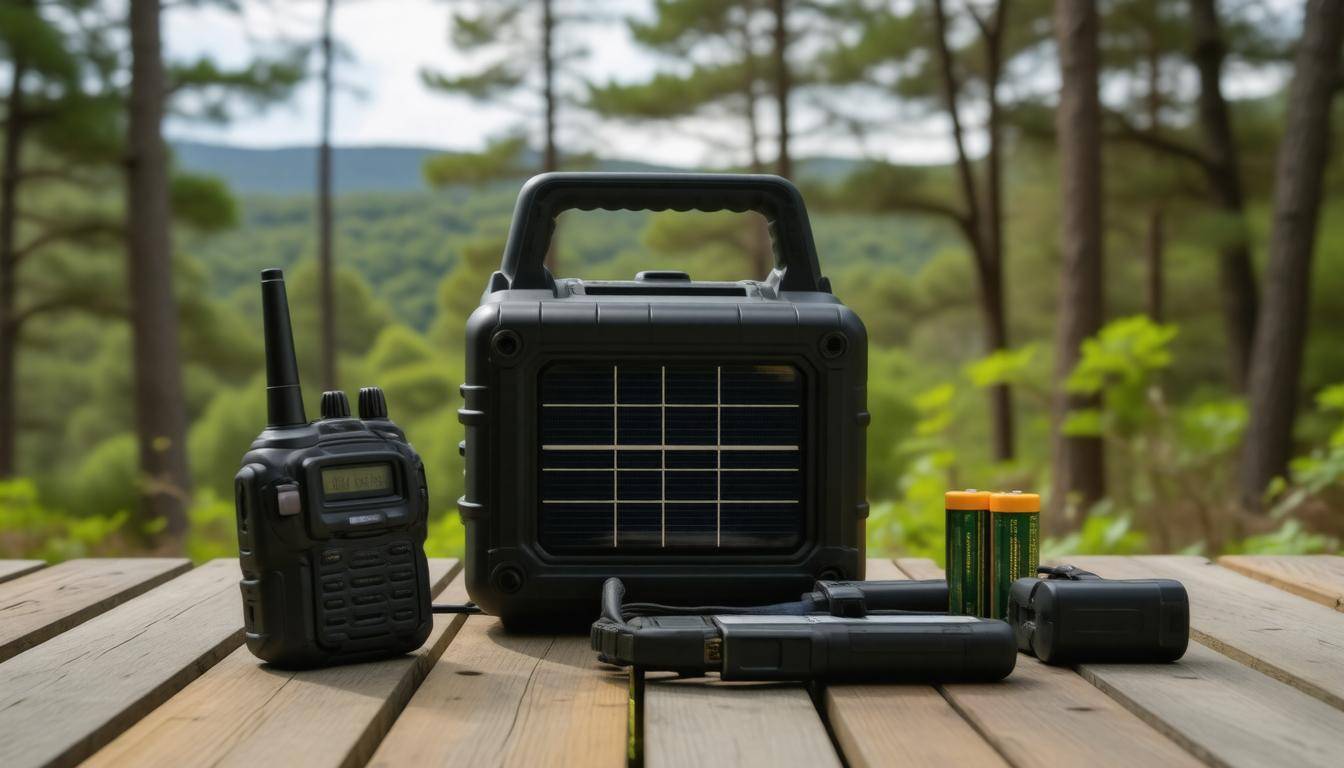
A dependable power source is crucial for ensuring that your communication devices remain functional during unforeseen emergencies. When the lights go out or natural disasters strike, access to information can make all the difference. This is where various power solutions step in to support your preparedness efforts.
Solar Chargers
One of the standout options for keeping your devices charged during prolonged outages is solar chargers. They harness the sun’s energy, which is abundant and free. Many modern models are portable and equipped with built-in battery storage, allowing you to store power for later use.
Imagine having a device that, on a sunny day, collects energy while you enjoy some outdoor time waiting for thunderstorms to pass. It’s a practical solution that blends technology with nature, giving you the freedom to stay connected even when everything seems disconnected.
You might be surprised by how effective these chargers can be. Depending on the model, they can charge anything from smartphones and tablets to two-way radios quickly. Investing in a quality solar charger not only provides peace of mind but also empowers you with the knowledge that you have taken proactive steps toward self-sufficiency in an emergency.
Generators
For those instances where more substantial power is needed—such as running multiple devices or supporting larger appliances—considering generators is essential. Brands like Generac, Honda, and Yamaha produce robust portable generators specifically designed for emergency use.
I remember a storm that knocked out power for days; our neighbor had invested in a reliable generator ahead of time and was able to keep his freezer running, preserving valuable food supplies.
When choosing a generator, consider factors such as wattage needs based on what you plan to power, fuel type (gasoline or propane), and features like electric start or quiet operation—important aspects that can make usage more convenient in stressful situations. Familiarizing yourself with proper maintenance before an emergency arises will ensure it operates efficiently when needed most.
Hand-Crank Radios
Among the simplest yet highly effective tools for maintaining communication are hand-crank radios. These devices don’t rely on traditional power sources, meaning they remain functional even in complete blackouts. A model like the Midland ER310 showcases versatility with hand-cranking capability alongside solar charging options.
I once traveled to a remote area without cell service, and my hand-crank radio provided updates on local weather conditions directly from authorities.
Hand-crank radios allow users to receive important broadcasts without drains or disruptions from dead batteries, giving you confidence that you’re always connected to reliable information sources. Having this kind of device readily available bridges a gap between uncertainty and awareness during crises.
With comprehensive planning and the right tools—solar chargers for sustainability, generators for substantial power needs, and hand-crank radios for reliable communication—you’ll be well-prepared for any emergency that disrupts conventional means of communication.
In summary, being proactive about your power solutions not only enhances your emergency preparedness but can also offer peace of mind when unexpected situations arise. Stay connected, stay informed, and ensure your household’s safety during challenging times.
What common mistakes should be avoided when using radios in an emergency situation?
Some common mistakes to avoid when using radios in an emergency situation include speaking too quickly, failing to listen before transmitting, and ignoring proper radio etiquette, such as identifying yourself. Statistics show that clear communication can improve response times by up to 30%, and ensuring all parties are on the same channel significantly reduces confusion. Additionally, not having a charged battery can lead to missed critical updates during emergencies, so regular maintenance and checks are essential.
What protocols should be followed when communicating on emergency frequencies?
When communicating on emergency frequencies, adhere to the established protocols such as identifying your station clearly, using plain language, keeping messages brief and to the point, and prioritizing emergency traffic. It’s crucial to listen before transmitting and avoid unnecessary chatter to ensure that vital information can be relayed quickly and efficiently. According to the Federal Communications Commission (FCC), effective communication can increase response times in emergencies by up to 30%, highlighting the importance of these protocols in saving lives.
How does one properly set up and use a two-way radio for emergencies?
To properly set up and use a two-way radio for emergencies, first ensure it’s fully charged and programmed to the appropriate emergency channels, typically FRS/GMRS frequencies. Conduct a test transmission with your team to confirm functionality and clarity. In emergencies, speak clearly and concisely, using standardized language where possible—this can significantly reduce misunderstandings. According to FEMA, effective communication during disasters increases response times by 30%, highlighting the importance of preparedness through proper radio setup and usage.
How can individuals practice their emergency radio communication skills ahead of time?
Individuals can practice their emergency radio communication skills ahead of time by engaging in regular drills with family or community members using handheld radios, setting up mock scenarios to simulate emergencies. This not only improves familiarity with equipment but also enhances clarity and efficiency under pressure. According to a FEMA study, groups that conducted regular communication drills were 60% more effective in real emergency situations compared to those who did not practice. Additionally, joining local amateur radio clubs can provide valuable experience and networking opportunities for enhanced preparedness.
What equipment is essential for effective emergency radio communication?
Essential equipment for effective emergency radio communication includes a reliable two-way radio, extra batteries, and a dedicated antenna. Two-way radios provide immediate communication capabilities during emergencies when traditional lines may be down; studies show that 70% of emergency responders utilize some form of radio communication. Additionally, having backup batteries ensures that the device remains operational when needed most, while a dedicated antenna can enhance signal strength and clarity. Investing in quality gear can significantly improve response times and coordination during crises.