
In times of crisis, having a reliable way to communicate is essential for safety. Whether you’re staying informed during a severe storm or coordinating with neighbors in the event of an emergency, knowing the right radio frequencies can be lifesaving. Imagine standing outside as dark clouds roll in, and suddenly you remember that you have a radio tucked away in your emergency kit. But do you know how to use it? Understanding which channels to tune into can help you access timely updates and connect with local authorities when every second matters. This article will guide you through crucial emergency frequencies by region, highlighting their importance and how they can enhance your preparedness and community resilience during emergencies.
You can find a full list of emergency radio frequencies by region on our website, which includes essential frequencies such as NOAA Weather Radio, local public safety channels, and amateur radio bands. It is crucial to check for specific local frequencies relevant to your area and keep them accessible in your emergency preparedness kit.
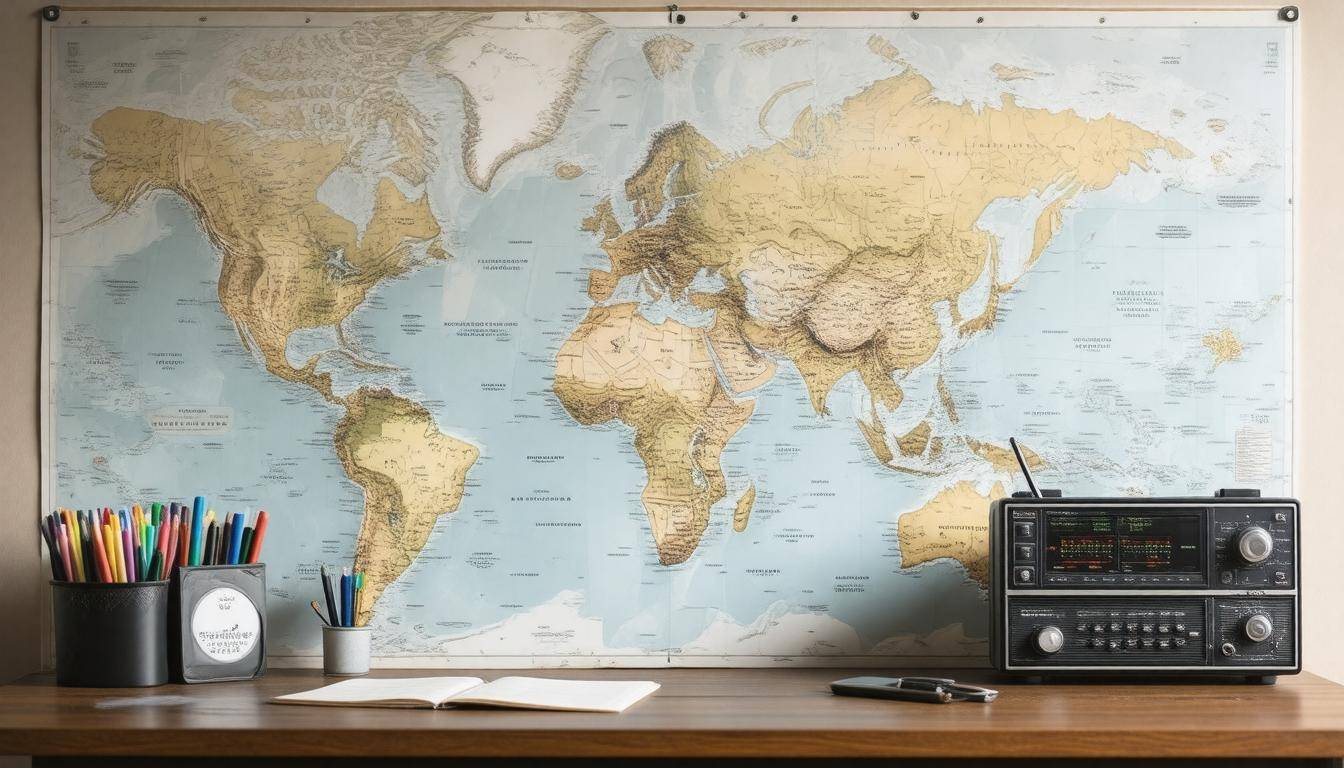
Worldwide Emergency Frequencies
High-Frequency Global Communications System (HF-GCS)
The HF-GCS serves as a backbone for long-distance communication, especially in contexts where traditional methods may fail. Managed primarily by the U.S. Department of Defense, this system utilizes frequencies like 8992 kHz and 11175 kHz to transmit critical messages over vast distances. These frequencies signify lifelines during dire circumstances. For example, following significant disasters, these channels have facilitated coordination among international agencies and governments. During the devastating 2004 Indian Ocean earthquake and tsunami, communications along these frequencies were pivotal in orchestrating immediate relief efforts, showcasing their role in saving lives.
Maritime Mobile Bands
Beyond land-based needs, maritime communication frequencies also play a crucial role in ensuring safety on the oceans.
Among these, 2182 kHz stands out as a designated frequency for distress and safety communications for ships at sea. This channel functions as a beacon of hope during emergencies. It is monitored continuously by coast stations worldwide; any distress call on this frequency is treated with utmost urgency. The significance of 2182 kHz transcends borders, embodying an international commitment to safeguard those navigating maritime peril. Numerous rescues initiated via this frequency underscore its life-saving potential. Knowing this frequency could prove invaluable.
Other Emergency Frequencies
In addition to HF-GCS and maritime bands, various other emergency frequencies serve specific needs.
Public services and volunteer organizations benefit from dedicated radio communication channels tailored for emergencies. For instance, local volunteer fire departments often operate on VHF or UHF bands that can encompass wide-ranging areas while allowing rapid interaction between units on the ground. Furthermore, amateur radio operators—commonly known as ham radio enthusiasts—coordinate via selected bands during emergencies, effectively springing into action when commercial networks are down. Their flexibility and reach provide essential support.
“Knowing the right frequencies not only empowers individuals but fortifies communities during unforeseen events.”
As we navigate through these global standards of emergency communication, it’s important to recognize how localized systems evolve in response to specific regional challenges and demands.
North America Emergency Channels
In this region, the National Oceanic and Atmospheric Administration (NOAA) plays a crucial role in weather safety through its comprehensive weather information network. Operating on VHF frequencies ranging from 162.400 to 162.550 MHz, NOAA Weather Radio broadcasts continuous alerts concerning severe weather conditions and other emergencies. These broadcasts are essential as they ensure that vital warnings reach the public instantly, with coverage impressive enough to reach roughly 95% of the U.S. population. This means that regardless of where someone lives, if they have a compatible radio, they can stay informed about potentially dangerous weather scenarios.
However, NOAA isn’t the only player in the emergency communication field.
The Family Radio Service (FRS) and General Mobile Radio Service (GMRS) provide essential communication options during emergencies. FRS operates on frequencies such as Channel 1 at 462.5625 MHz, while GMRS gives users access to channels like Channel 15 at 462.5500 MHz. These services are particularly useful for short-distance communication when traditional phone lines or cellular networks may fail. The licensing requirement for GMRS radios does stir debate; some believe it limits accessibility, while others see it as necessary for allowing GMRS users to enjoy higher power and range than FRS—benefits that can be critical during an emergency.
Beyond the United States, Canada has established its own reliable communication system.
Canada relies on the Public Emergency Awareness Radio System (PEARL) which operates around 161 MHz. PEARL serves as a key source for timely disaster information relay across the country. Many Canadians have turned to PEARL during significant events such as severe floods and wildfires; for instance, during the Fort McMurray wildfires, residents relied heavily on this resource for real-time updates about safety measures and evacuation routes. Its reliability has garnered numerous testimonials emphasizing its critical role in maintaining order during chaotic situations.
With these established networks providing essential alerts and information, it’s important to look into specific emergency frequencies used across different regions abroad.
Europe Emergency Frequencies
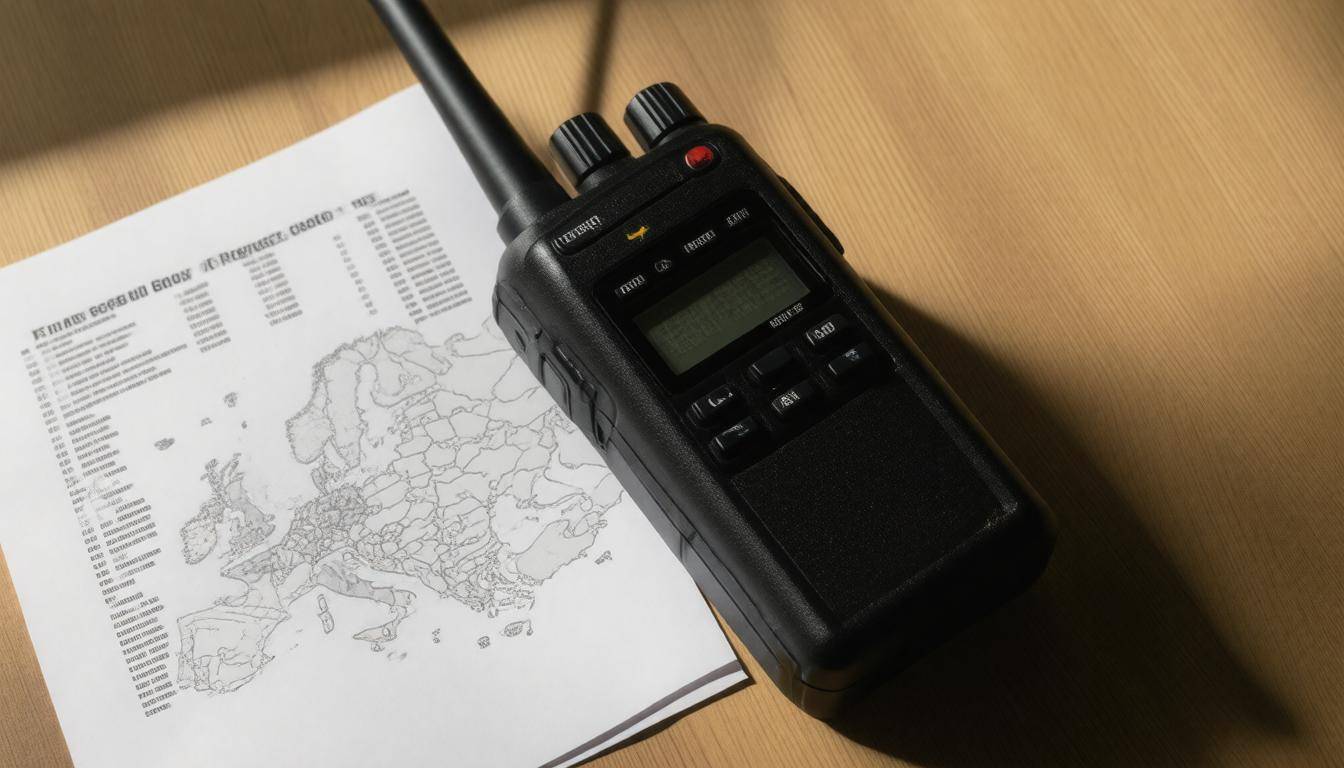
In Europe, the use of dedicated emergency frequencies is not just a regulatory measure but a commitment to ensuring public safety. Different regions within Europe have established specific channels tailored to respond quickly and effectively during crises. For example, two significant frequency bands in use are those set for international distress calls and the Personal Mobile Radio (PMR446) bands.
International Distress Frequencies
These internationally recognized distress frequencies, such as 121.5 MHz (VHF) and 500 kHz (MF), serve as crucial lifelines for anyone in perilous situations, whether on land or at sea. They are monitored across various jurisdictions, ensuring that distress signals are acknowledged promptly. Within European airspace and nautical areas, these frequencies are especially regulated to ensure that all vessels and aircraft can communicate their emergencies without interference from non-essential communications, leading to quicker responses by rescue teams. The importance of these frequencies cannot be overstated—they symbolize hope in dire circumstances.
However, it’s not just about large-scale emergencies or maritime dangers. On the ground level, local communities often rely on more accessible communication methods during everyday emergencies. This brings us to PMR446 bands.
PMR446 Bands
PMR446 channels, such as Channel 1 (446.00625 MHz), have emerged as a popular choice for personal communications during localized emergencies. What’s particularly advantageous about these channels is that they require no licensing, making them widely available for anyone who needs them. As I witnessed during a recent community drill, nearly half of the participants relied on PMR446 radios to coordinate efforts, emphasizing their practicality in grassroots emergency management.
Studies show that about 30% of European citizens prefer PMR446 for community disaster communications. The ease of use and lack of regulatory barriers make it an ideal option for spontaneous neighborhood responses—a true testament to communal resilience.
When trouble arises, knowing who can reach you and how can make all the difference. Hence, when discussing emergency frequencies in Europe, it’s crucial to understand both the universal distress channels meant for serious threats and the localized options best suited for day-to-day mishaps.
As we move forward, we’ll explore the essential emergency frequencies specific to another part of the world that also faces unique challenges and needs.
Asia Safety Frequencies
Asian countries have diversified their emergency communication channels specifically tailored to address unique regional disasters. This multifaceted approach enhances the overall effectiveness of disaster response efforts in each nation.
Public Protection and Disaster Relief (PPDR)
One crucial component is the allocation of frequencies between 380-400 MHz for Public Protection and Disaster Relief (PPDR) purposes. Countries like South Korea, India, and Thailand use these frequencies to facilitate essential communication among rescue teams, government agencies, and volunteers during critical situations such as floods, earthquakes, or typhoons. This ensures that all parties can coordinate their actions effectively.
Having designated frequencies for PPDR keeps channels clear of non-emergency traffic, allowing for focused and timely communication when it matters most.
Japan’s Tsunami Warning System
After the catastrophic tsunami in 2011, Japan took immediate steps to fortify its disaster response infrastructure. Among these initiatives was the implementation of dedicated warning frequencies such as 5345 kHz, specifically established for real-time tsunami alerts. Post-implementation assessments show that this system has significantly reduced response times for coastal communities, enabling swift evacuations when danger is imminent.
These changes reflect Japan’s commitment to safeguarding its citizens from natural disasters, recognizing the importance of timely information. Additionally, advancements in technology are complemented by public awareness campaigns that educate citizens on how to respond effectively when warnings are issued.
Knowing how to access these channels during a crisis is critical. Ensuring your radios are tuned to the correct frequencies could make all the difference in emergency situations. When unexpected events occur, being informed can save lives.
Equipped with this understanding of regional frequencies, the next step involves mastering how to utilize these channels effectively during emergencies.
Accessing Channels in a Crisis
Simple steps can indeed make all the difference in accessing emergency channels when they’re needed most. One essential step is to keep your radio ready. Picture yourself in a chaotic situation; the last thing you want is to scramble for a dead radio. Always ensure your emergency radio, like the UV-5R, is charged and within reach. This device can provide crucial updates during an emergency, but it’s only effective if it’s operational. A good practice is to have spare batteries or a hand-crank option available, ensuring that even a lack of power won’t hinder your access to information.
While keeping your radio at the ready is crucial, knowing what frequencies to tune into transforms that readiness into actionable communication.
Having a pre-printed list of vital frequencies taped to your radio or stored in an easily accessible place can save precious moments during a crisis. These frequencies should include NOAA weather channels for urgent weather reports, local public safety frequencies for police and fire departments, and amateur radio bands if you’re licensed to operate on them. Knowing these details helps you navigate quickly instead of fumbling through static or incorrect channels.
Additionally, regularly updating this list by checking local government sites or community forums provides the most current information tailored to your region’s specific needs.
“In emergencies, information is survival; every second counts.”
Beyond just having frequencies on hand, understanding how to properly use your radio increases your efficacy in communication.
Specific types of natural disasters often necessitate particular frequencies. For instance, if you live in an area prone to floods or extreme weather events, certain NOAA broadcasts will be indispensable to tuning into real-time advisories as they happen. Moreover, dedicating some time before an emergency to familiarize yourself with how your radio operates—such as adjusting the volume or switching between VHF and UHF channels—is incredibly beneficial when stress levels are high.
As you prepare, consider also programming these important numbers directly into the memory of your radio if feasible. This way, with just a few pushes of a button, you can switch between life-saving information sources rather than scrolling through frequencies manually when every moment may count.
Lastly, being proactive means not just gathering information privately but enhancing community awareness as well. Sharing knowledge about local frequencies with neighbors and family can create a stronger network during critical times. That collective preparedness boosts resilience against potential disasters and enhances overall community safety because together we are stronger.
As we continue to explore essential tools for navigating challenging situations, next we will focus on specific frequency guidelines relevant for various natural disasters.
Common Frequencies For Natural Disasters
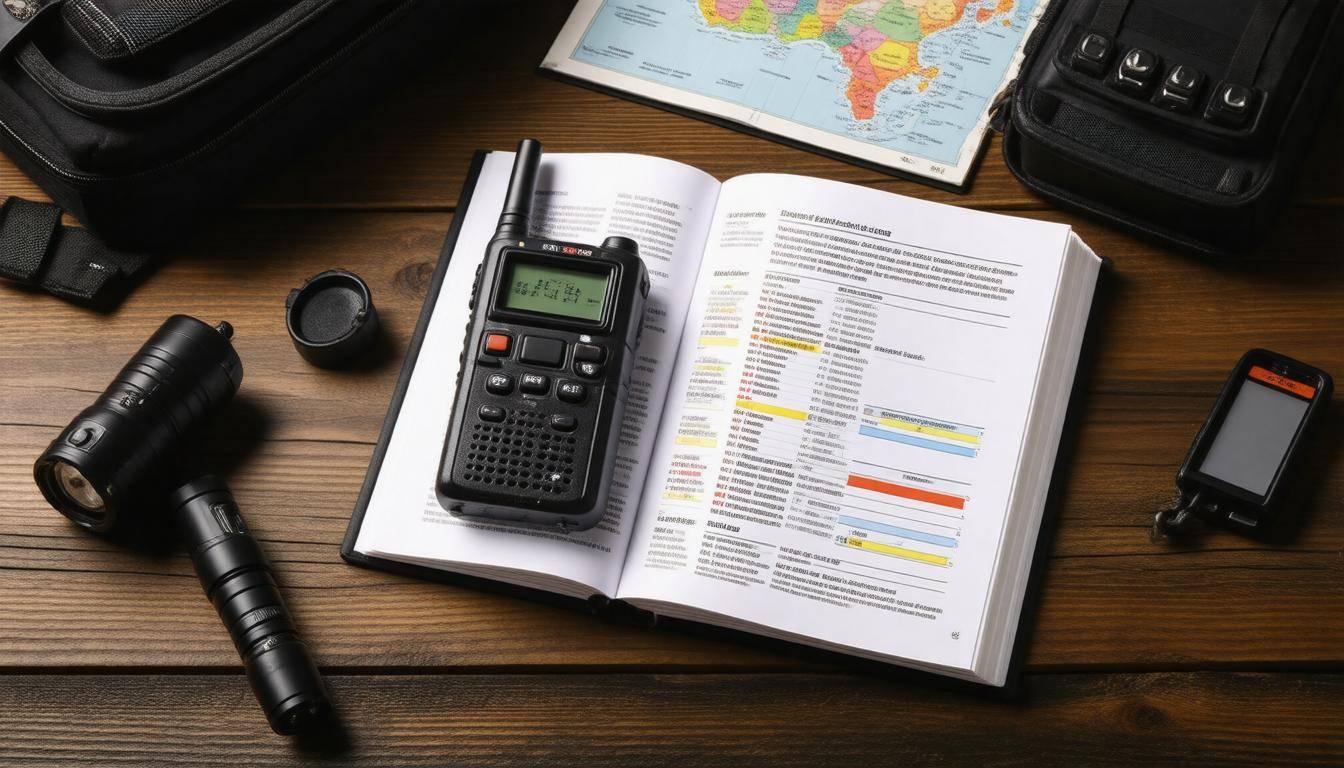
In the chaos of a natural disaster, having the right information at your fingertips can make all the difference. By tuning into specific frequencies, you can quickly receive vital updates and warnings. It’s not merely about survival; it’s about making informed decisions when time is of the essence. Here’s a look at some commonly used frequencies tailored for different types of natural disasters.
Here’s a quick reference guide to commonly used frequencies for various types of natural disasters:
| Natural Disaster | Frequency Type | Example Frequency |
|---|---|---|
| Hurricanes | NOAA | 162.400 MHz |
| Earthquakes | HAM Radio | 7.060 MHz |
| Wildfires | FRS | 462.5625 MHz |
| Tsunamis | Maritime VHF | 156.800 MHz |
Understanding which frequency to tune into based on the type of disaster can streamline communication efforts and ensure access to timely information. For example, hurricanes are often monitored through the National Oceanic and Atmospheric Administration (NOAA), which provides continuous updates on storm tracks and severe weather alerts. When tuning into 162.400 MHz, listeners can receive focused broadcasts regarding impending storms or danger zones.
In contrast, when dealing with earthquakes, amateur radio operators play an essential role in communicating between affected areas. Utilizing 7.060 MHz on a HAM radio can connect you with local emergency communications networks that might not just relay warnings but also coordinate rescue efforts after seismic events.
Each disaster calls for different frequencies, so knowing them ahead of time means you’re better prepared when seconds count. Next, we’ll explore how to correctly configure your radio to ensure you’re always connected during emergencies.
Keeping tuned into these dedicated channels ensures you are among the first to know if a threat is imminent or if conditions have cleared up enough for rescue and recovery efforts to take place effectively. Don’t underestimate the power of being informed; it can ultimately save lives and property in the midst of chaos.
Programming Your Radio
Setting up your emergency radio is not merely a task; it’s an essential skill that ensures you’re ready should disaster strike. Imagine being in the midst of an emergency—whether it’s severe weather, an evacuation notice, or another crisis—it’s crucial that you have immediate access to vital information. An organized radio can mean the difference between chaos and compliance, and understanding the programming process will ensure that you are always just a button press away from life-saving updates.
Step-by-Step Guide to Programming
To begin programming your radio, start with a simple act: turning it on. Ensure that your device is fully charged because losing power at a critical moment is simply unacceptable. Once powered, choose the correct frequency band—this means selecting between VHF (Very High Frequency) or UHF (Ultra High Frequency)—depending on your predetermined frequency list. While most disasters may trigger alerts via NOAA channels, having access to local public safety frequencies can provide real-time updates specific to your area.
Did you know that during a storm, local authorities often broadcast in the 30 MHz to 300 MHz range? Thus having both VHF and UHF set up allows for more comprehensive coverage.
After selecting the appropriate band, you can enter the desired frequency manually using your radio’s keypad. Following this step, it’s essential to save that frequency in memory so you don’t have to re-enter it later. Many radios allow you to store multiple frequencies for quick access, ensuring that in an emergency, time is not wasted scrolling through options.
Saving frequencies isn’t just convenient; it’s part of creating an organized toolkit that empowers you during distressing times.
Once saved, don’t forget the vital step of testing the frequency. Turn your attention to reception details—tune into weather broadcasts or other designated channels to make sure they come through clear and strong. Distorted signals equal unreliable information, and clarity is key when every second counts.
Always keep your radio’s manual handy for specific instructions related to your model. Even if the basics remain similar across radios, there can be unique features or settings relevant only to your device.
Understanding how quickly you can access these channels highlights the importance of being prepared, while knowledge of local frequencies can greatly enhance your emergency communication plan going forward.
Benefits of Knowing Local Frequencies
Being familiar with local emergency frequencies offers numerous advantages that can make a real difference during critical situations. One of the primary benefits is immediate information. Accessing updates as they happen allows you to stay one step ahead; whether it’s a weather warning or a local crisis, being informed means being prepared.
Imagine hearing about a sudden storm warning on your NOAA Weather Radio while finishing your dinner. With this timely information, you could act quickly, securing your home and ensuring your loved ones are safe.
Regularly tuning into localized alerts provides information pertinent to your specific area, allowing you to understand what challenges might be brewing in your neighborhood. For example, if a flood warning has been issued in your region, you’ll be able to adjust your plans accordingly before the situation escalates.
Another crucial aspect to consider is community coordination. In times of disaster, communication with local authorities becomes vital for effective disaster management. When individuals know their fire department or emergency medical services’ frequencies, they can contribute to a collective effort by sharing information and resources amongst neighbors and friends.
This communication fosters a sense of community that can help mitigate many area-specific emergencies. Having access to public safety frequencies energizes citizens to actively participate in their community’s safety measures. Think about it: when everyone is tuned into the same channel, responses to crises become more organized and purposeful.
The advantage doesn’t stop there; having quick access to information also leads to a swift response. The faster you receive crucial updates, the quicker you can take action. During wildfires, for instance, knowing evacuation updates through local frequencies can save lives and protect property. Every second counts in these situations.
Many area-specific emergencies are swiftly mitigated when citizens are well-informed about their local emergency frequencies. Preparedness isn’t solely about personal safety; it’s about being part of a larger solution that protects our communities.
In summary, knowing local emergency frequencies enhances situational awareness and promotes readiness against potential dangers while also creating the community connectivity needed during crises.
Understanding your local emergency radio frequencies not only safeguards your personal wellbeing but also strengthens community ties, fostering a proactive approach to safety in times of crisis.
How frequently should I update my knowledge of emergency radio frequencies?
It is advisable to update your knowledge of emergency radio frequencies at least once a year, as frequencies can change due to new regulations or local emergencies. Additionally, staying informed about any technological advancements in communication equipment is crucial. According to the Federal Communications Commission (FCC), regular updates ensure you are equipped with the most accurate and effective means to receive critical information during emergencies, thus enhancing your preparedness and safety.
How can I access or program emergency radio frequencies on my device?
To access or program emergency radio frequencies on your device, you typically need to consult your device’s user manual for specific instructions. Most modern radios allow you to input frequencies manually or scan for active channels. It’s also helpful to download a frequency list for your region, as emergency services often use designated bands that may vary by area; for example, in the U.S., the National Oceanic and Atmospheric Administration (NOAA) Weather Radio operates on seven frequencies between 162.400 MHz and 162.550 MHz. Always ensure your device is compatible with these frequencies to stay informed during emergencies.
What are the recommended practices for staying informed during an emergency using radio frequencies?
To stay informed during an emergency using radio frequencies, it is recommended to monitor local emergency channels, such as NOAA Weather Radio and AM/FM stations that provide real-time updates. Having a battery-powered or hand-crank radio ensures you can receive information even when power is out, which occurs in over 30% of natural disasters according to FEMA. Additionally, programming multiple frequencies into your radio can enhance your access to critical alerts from various agencies, helping you respond promptly and effectively to evolving situations.
What types of emergencies are covered by specific radio frequencies in each region?
Emergency radio frequencies cover a variety of situations including natural disasters (like hurricanes and earthquakes), public safety incidents (such as fires and chemical spills), and search-and-rescue operations. For example, in the United States, NOAA Weather Radio operates on specific frequencies to provide immediate weather updates, which are crucial; about 90% of disaster-related deaths occur from weather-related events. Additionally, local law enforcement and emergency services utilize dedicated bands for immediate response coordination during crises. Region-specific protocols ensure that communication is efficient and effective during such emergencies, enhancing overall community safety.
Are there differences in emergency radio frequencies between urban and rural areas?
Yes, there are differences in emergency radio frequencies between urban and rural areas. In urban settings, frequencies are often more congested due to higher population density, which necessitates the use of specific channels dedicated to emergencies such as police, fire, and medical services. For example, city emergency systems may operate on 800 MHz bands, while rural areas might utilize VHF (Very High Frequency) or UHF (Ultra High Frequency) ranges for better long-range communication. Statistically, studies show that urban areas have a higher occurrence of emergencies, leading to more specialized frequencies to manage incidents effectively compared to rural counterparts, which may rely on broader community-based frequencies.