
As the weather patterns shift and we brace ourselves for Hong Kong’s notorious typhoon season, preparing for potential disruptions becomes essential. No one wants to be caught off guard when fierce winds and heavy rains knock at our doors. Imagine the sense of unease that creeps in as the storm approaches, leaving you wondering if you have everything you need to stay safe and comfortable. This is why assembling an emergency kit packed with essential supplies can ease your worries and help you weather any storm. Let’s explore what items should make it into your kit to keep you and your loved ones secure during these unpredictable times.
Your Hong Kong Typhoon Season Emergency Kit should include essential items such as non-perishable food, bottled water, a flashlight with extra batteries, a first aid kit, a portable phone charger, and important documents in a waterproof container. Additionally, consider adding personal hygiene items and any necessary medications to ensure you are prepared for emergencies during typhoon season.
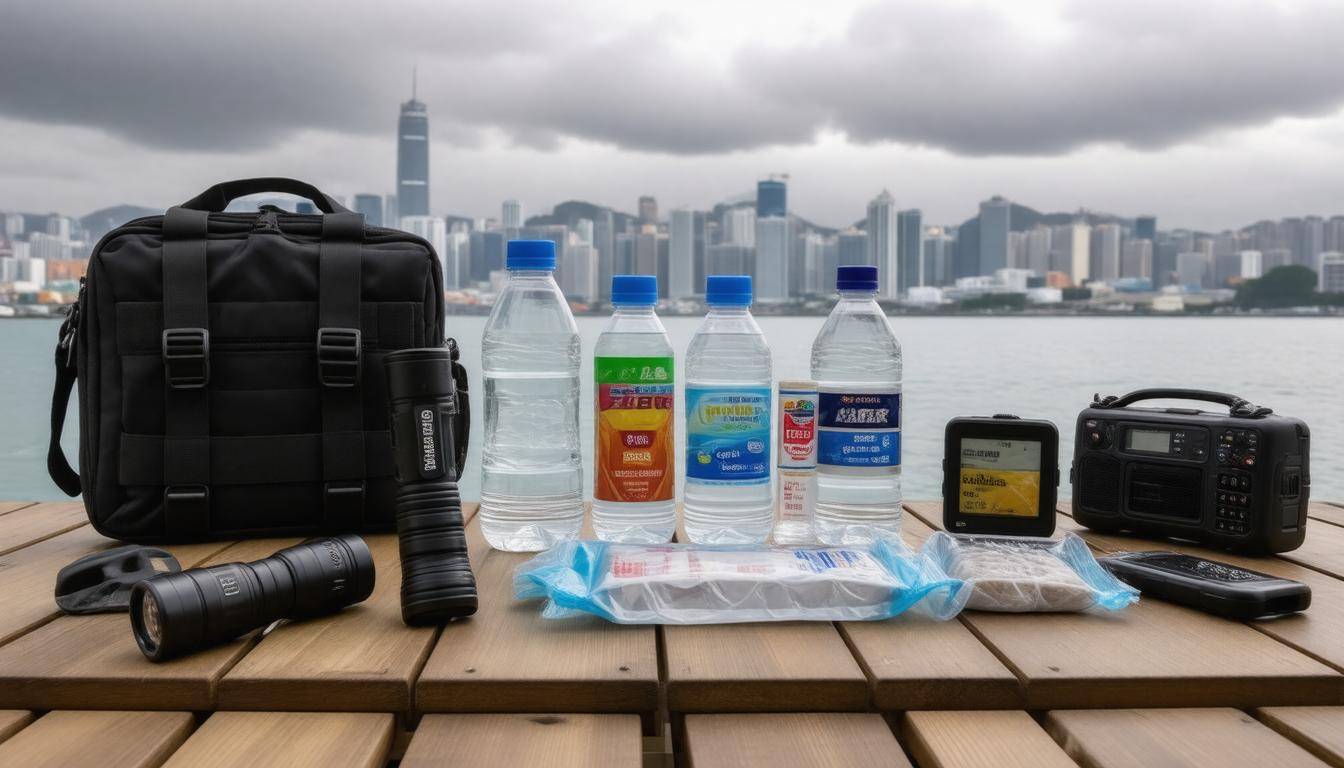
Essential Items for Your Emergency Kit
First and foremost, your First Aid Kit must be comprehensive. This kit should include not just the basics like bandages and antiseptics, but also items that cater to specific needs, such as tweezers for splinters or safety scissors. Don’t forget to include personal medications; a bit of forethought in this area can go a long way toward ensuring everyone’s safety during an emergency.
Next up is water—arguably one of the most critical items in your kit. Aim for at least one gallon per person per day, which translates to three gallons for a 72-hour period. In case of a severe storm, verifying the water purity becomes paramount, so consider investing in purification tablets or filters. Storing water in durable, BPA-free containers will help mitigate leakage or contamination.
While you’re gathering essentials, don’t overlook food options. Non-perishable items like canned goods or energy bars are fantastic choices because they require no refrigeration or cooking. Just remember to focus on nutrient-rich foods to ensure energy levels remain stable throughout the ordeal.
After securing your food and water supplies, you’ll want to stay informed and connected during the storm. That’s where a battery-powered or hand-crank radio comes into play. This device will allow you to receive real-time updates on weather conditions and official alerts even if power lines are down.
Ensuring you have reliable flashlights should also be high on your priority list. Opt for LED flashlights, as they consume less power and have longer battery lives compared to traditional bulbs. Be sure to pack extra batteries; there’s nothing worse than fumbling around in the dark when your flashlight dies!
Your emergency kit should also feature a simple yet indispensable tool: a whistle. Having this on hand can serve as an effective signaling mechanism for rescue teams if you find yourself in need of assistance after the storm.
Lastly, maintaining personal hygiene during emergencies cannot be overstated. Include moist towelettes, garbage bags, and plastic ties in your kit for sanitation purposes. These items will help keep both you and your environment cleaner during extended periods without running water or access to facilities.
Compiling these essential items into an emergency kit tailored for the typhoon season greatly enhances your preparedness and resilience during challenging times. As we transition from gathering supplies, it’s vital to prioritize another core necessity: ensuring adequate hydration and nutrition.
Water and Food Supplies
Ensuring you have adequate water and food supplies is critical during a typhoon. When the storm hits, access to stores can be limited, and basic supplies might run dry within hours. Thus, planning ahead gives you peace of mind and ensures you have what you need to stay healthy and safe.
Recommended Water Supply
The World Health Organization (WHO) recommends at least one gallon of water per person per day. This figure encompasses not only drinking but also minimal hygiene and food preparation needs. For a family of four, this translates to at least 12 gallons for a three-day period. Picture it: in the heat of a tempest, being able to sip clean water without having to worry about where to find your next bottle can transform your experience.
Consider storing water in food-grade containers. These can help maintain quality and avoid contamination.
Further, maintaining at least a week’s worth of water provides an extra safety net should conditions continue longer than anticipated—this way, you’re more prepared for the unexpected as you ride out the storm.
Types of Food to Store
Prioritizing high-calorie, non-perishable items becomes vital when stocking your emergency food supply. Think energy bars loaded with nutrients, canned meats such as tuna or chicken, fruits packed in syrup or juice, vegetables—preferably with pull-top lids—and ready-to-eat meals (MREs). Opting for these types means you won’t be dependent on cooking methods that may not be feasible during severe weather conditions.
Additionally, select items with long shelf lives that don’t require extra water or heating for preparation. Many top-quality canned goods come equipped with pull tabs, making them incredibly convenient when you’re urgently rifling through your supplies as the winds howl outside.
It’s also smart to rotate your supplies periodically—set reminders if necessary—so nothing expiring goes unnoticed.
In addition to keeping safety in mind with your selections, consider dietary needs as well. If your family has specific preferences or allergies, customizing your stockpile prevents unwanted surprises during an already stressful situation. Caring for both nutrition and individual tastes will keep morale high.
With proper preparations for sustenance solidified, you’ll be better equipped to manage whatever challenges arise. Next, we’ll explore how to maximize safety and respond effectively during emergencies.
Safety and First Aid Essentials
Accidents don’t take a break, even when storms rage outside. That’s where the importance of a well-stocked first aid kit comes into play. Imagine going through the stress of a typhoon only to injure yourself while setting up your emergency measures. Having a comprehensive kit can easily turn a small incident into something much more manageable.
Key Components of a First Aid Kit
-
Bandages and Gauze – These should be of various sizes to cover minor cuts and abrasions effectively. Whether you’re dealing with scrapes from tackling a fallen branch or blisters from being on your feet for too long, having these basics will come in handy.
-
Antiseptics and Disinfectants – Items like alcohol swabs and hydrogen peroxide are essential for cleaning wounds to prevent infection. A little vigilance can go a long way in avoiding complications.
-
Medications – Stock your kit with pain relievers such as ibuprofen or acetaminophen for headaches or body aches that may arise. Don’t forget anti-diarrheal medications! Furthermore, keep any prescription medications that family members may require.
-
Emergency Contact Numbers – Having a list of emergency contacts right in your first aid kit is an often overlooked yet critical component. Include local hospitals, healthcare providers, and family members who could assist if you need help reaching out during chaotic moments.
According to Nurse Shelly Wong, “Having easily accessible medical supplies can mean the difference between a minor issue and a serious medical emergency during typhoon season.” This resonated deeply with me as I considered how panic often clouds judgment when time is short.
As you can see, the contents of your first aid kit provide not just physical necessities but also psychological comfort. Being prepared fosters confidence, allowing you to navigate emergency situations with calmness instead of fear.
Once you’ve assembled your first aid kit, consider how essential it is to also focus on reliable solutions for maintaining visibility and power during outages caused by severe weather conditions.
Portable Lighting and Power Sources
During typhoon season, losing power can be disruptive and disorienting. This is why having portable lighting options is crucial for not just surviving those dark hours but also for fostering a sense of safety and comfort. Imagine navigating your home with only the faint glow of a candle—while it might create a cozy atmosphere, it certainly doesn’t offer the safety or reliability that proper portable lighting does.
Types of Portable Lighting
Battery-operated lanterns and flashlights should be your go-to tools. When choosing a flashlight or lantern, prioritize LED models; they consume less energy and last significantly longer than traditional incandescent bulbs. For example, an LED lantern can burn for up to 30 hours on a single set of batteries compared to just a few hours for older models. It’s worth investing in high-quality products that can withstand the demands of emergencies.
Your lighting arsenal wouldn’t be complete without extra batteries. It’s easy to overlook this detail as you scramble to prepare for a storm, yet having spare batteries readily available can save you from frustrating moments in the aftermath of a power outage. Additionally, consider integrating solar-powered lights into your plan. These not only provide illumination during outages but can recharge themselves during the day, giving you peace of mind and reducing reliance on disposable batteries.
Power Sources
Equally important as having light is ensuring your devices stay charged throughout any emergency situation. A portable power bank is a savvy way to keep your mobile devices powered up when you need them most. With today’s heavy reliance on smartphones—not just for communication but also for accessing information—having a charged phone should be at the forefront of your emergency preparations.
According to recent studies conducted by the American Red Cross, approximately 77% of people indicated that keeping their phone charged is their top priority during emergencies. This statistic highlights how critical it is to have reliable power sources on hand.
A good rule of thumb is to select a power bank that can charge your device multiple times over before needing to be recharged itself. Look for ones with multiple USB ports so that everyone in your household can stay connected. Depending on the size, some portable chargers can even power small appliances in case you require something more significant than just charging mobile phones.
Equipping yourself with effective portable lighting and reliable power sources not only enhances your safety but also sets the stage for effective communication during emergencies, ensuring you’re always informed and connected when it matters most.
Communication Devices and Information Access
Staying connected is not just about convenience; during emergencies like a typhoon, it can be a matter of safety. A battery-powered or hand-crank radio is an invaluable asset since it keeps you informed on weather updates when mobile networks might become strained or go down altogether.
Picture yourself huddled in your living room as winds howl outside; the radio becomes your lifeline to the outside world, providing critical updates to guide your next steps.
Consider adding walkie-talkies to your emergency kit as well. They offer effective short-range communication within your community, making it easier to connect with neighbors or family members without relying on cellular service. If the power goes out and you have no access to a mobile network, this simple device can keep you in touch with those around you, allowing for quicker coordination if anyone is in need of assistance.
Devices to Include
| Device | Purpose | Recommended Brands |
|---|---|---|
| Hand-crank radio | Weather updates | Kaito, Eton, RunningSnail |
| Power Bank | Charge mobile devices | Anker, RavPower |
| Walkie-talkies | Short-range communication | Motorola, Midland |
Each of these devices serves a unique purpose but works together seamlessly. The hand-crank radio keeps you updated on the storm’s progression while providing information from local authorities about shelter options or evacuation routes. Meanwhile, a reliable power bank ensures that your mobile devices remain charged for as long as possible.
While some may think their phones alone will suffice for communication, experiencing a loss of cell service can quickly turn this assumption on its head during emergencies.
By incorporating various communication tools into your preparedness plan, you establish a robust network to rely on when it matters most. Next, we shift our focus to the pivotal role of securing important identification and funds in times of crisis.
Important Documents and Cash
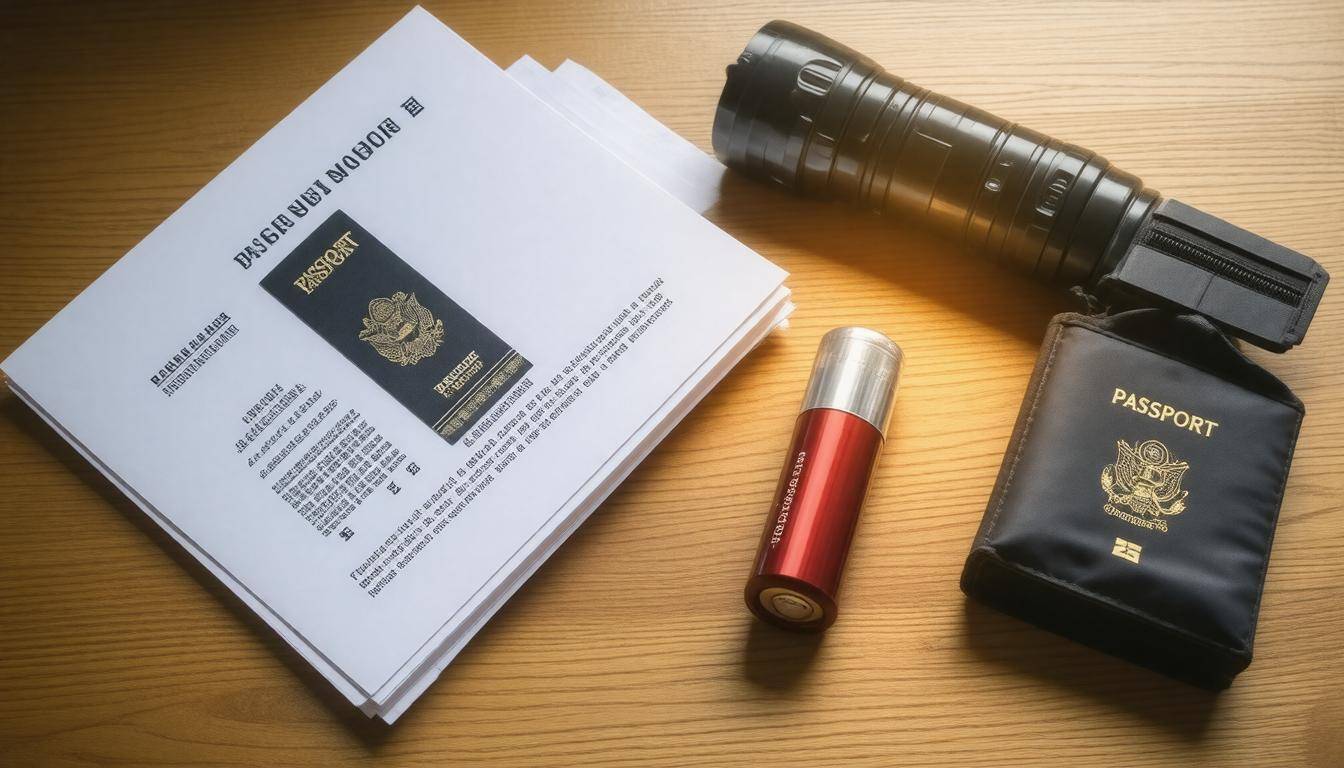
When storms threaten, chaos can descend quickly. Having crucial documents at hand is not just a matter of convenience; it’s an important step in safeguarding your future. Imagine being forced to leave home with only moments to spare—rushing to grab identification, health insurance details, and financial information from drawers could be disastrous. Instead, take proactive measures by organizing these items into a waterproof folder before the storm even approaches.
Start with identifying all the necessary documents that may prove vital in your time of need. This includes copies of identification like passports and driver’s licenses, which not only verify who you are but are often required for travel or emergency services. Don’t overlook health insurance cards as well; access to medical care might depend on providing this information smoothly during emergencies. Consider storing property deeds and any critical bank account information too, which may aid in your recovery efforts after the storm has passed.
An often-overlooked element in this preparation is cash. While digital payments are commonplace, they may become unreliable or unavailable during a disaster. It’s wise to keep between $200-$300 in small bills tucked neatly away in your waterproof folder. The rationale? Local ATMs might not function during severe weather events, leaving you without access to funds when you need them most—whether it’s for buying essentials or paying for shelter.
To ensure everything remains organized and accessible, label each document clearly. Use a sturdy folder that can withstand moisture to protect these papers effectively. Also, make a checklist of what you included in the folder so you can quickly confirm that nothing crucial is missing when it’s time to evacuate.
By ensuring all vital documents and cash are organized and easily accessible, you set yourself up for a more manageable response should disaster strike. As we navigate this preparation, let’s consider another critical aspect that complements your emergency readiness—personal care essentials.
Personal Hygiene and Toiletries

Maintaining hygiene during an emergency helps prevent illness; therefore, it’s of utmost importance. When the winds are howling outside and the rain is pouring down, the last thing you want to worry about is germs or feeling uncomfortable. Packing a robust hygiene kit ensures you have the tools needed to keep clean even when resources are limited.
A basic hygiene kit should include essentials such as toothbrushes, toothpaste, soap, hand sanitizer, feminine hygiene products, and baby wipes. Each item serves a critical purpose; for example, while water may be scarce during a storm, hand sanitizer can provide a quick way to clean hands after handling food or touching surfaces that may harbor germs. Soap is indispensable for effective cleaning wherever possible, especially when using shared or limited water supplies.
Having backups for these items is wise. You never know when a disrupted water supply might leave you in dire need of clean solutions or if you’re stuck at home for extended periods due to flooding or other issues.
Consider keeping multiples of each item in your emergency kit. Additionally, explore alternatives that might better suit your needs in an emergency scenario, such as dry shampoo for times when showering isn’t possible, or larger packs of toilet paper that can save space while ensuring comfort during prolonged periods indoors.
Don’t forget to include basics like razors and shaving cream if you prefer those conveniences during this turbulent time. Every small comfort adds up and helps maintain morale through challenging situations. While it may seem trivial amid a storm’s chaos, maintaining personal care routines can provide much-needed moments of normalcy.
Taking these extra steps gives you peace of mind and equips you with the means to care for yourself effectively—even when nature throws its worst at us.
As we consider what else is vital during an evacuation scenario, let’s turn our attention to the essential items for staying warm and comfortable in challenging conditions.
Clothing and Blankets for Evacuation
Being equipped with appropriate clothing and blankets is not just a matter of comfort but also critical for survival during evacuations. When packing for emergencies, you want to ensure that you can face unpredictable weather conditions like rain or chilly winds. Sturdy, lightweight layers are ideal because they allow for ease of movement while still providing warmth when necessary.
Think about it: being too hot or too cold can distract you from focusing on the safety procedures ahead.
According to the Hong Kong Red Cross, well-chosen clothing can make all the difference between feeling helpless and feeling prepared.
First off, you’ll want to include weather-appropriate items in your emergency kit. Opt for moisture-wicking t-shirts to keep you dry if it gets humid, and lightweight yet warm thermal layers or fleece jackets for when temperatures drop. Don’t forget durable waterproof shoes; your feet serve as your foundation during an evacuation, and keeping them protected is vital.
Now that you’ve thought about clothes, let’s talk about the essentials for warmth during emergencies. Thermal blankets or sleeping bags are particularly effective because they provide necessary insulation against the cold without occupying too much space in your kit. Their compact design makes it easy to stow them away, yet they’re incredibly useful if you find yourself outside in dipping temperatures.
Packing Strategy
The organization of your emergency kit is just as important as what goes inside. A well-thought-out arrangement can save you precious time during an evacuation. Using vacuum bags to compress clothing results in more organized contents that allow you to maximize space while keeping everything accessible. This strategic packing method also helps protect your clothes from moisture damage.
Furthermore, always remember to keep a spare set of clothes and cozy socks in a waterproof bag within your kit. Wet gear can be uncomfortable and even dangerous in an emergency situation where staying dry is essential. Proper planning means no family member should be left unprepared; think through the needs of each individual in your household so everyone has access to the essentials—clothing, blankets, and beyond.
By considering not just what to pack but how best to pack it, you’re taking critical steps toward preparedness. A little planning today could make a world of difference tomorrow.
In any weather-related emergency, having the right clothing and blankets will significantly elevate your chances of staying safe and comfortable. Whether it’s through layering or strategically packing your items, preparedness plays an essential role in effective response and recovery.