
When disaster strikes, the last thing you want is to be unprepared. Picture this: a storm rolls through your town, and suddenly you find yourself without power, cut off from supplies, and scrambling to figure out how to keep your family safe. That’s where a home emergency kit comes into play—an essential resource that can mean the difference between calm and chaos. In creating this guide, I tapped into various experts and real-life accounts to help you build a kit that covers all bases. From food and water to tools and protective gear, let’s dive into what you need to effectively navigate any unpredictable situation, ensuring you and your loved ones are ready for whatever comes your way.
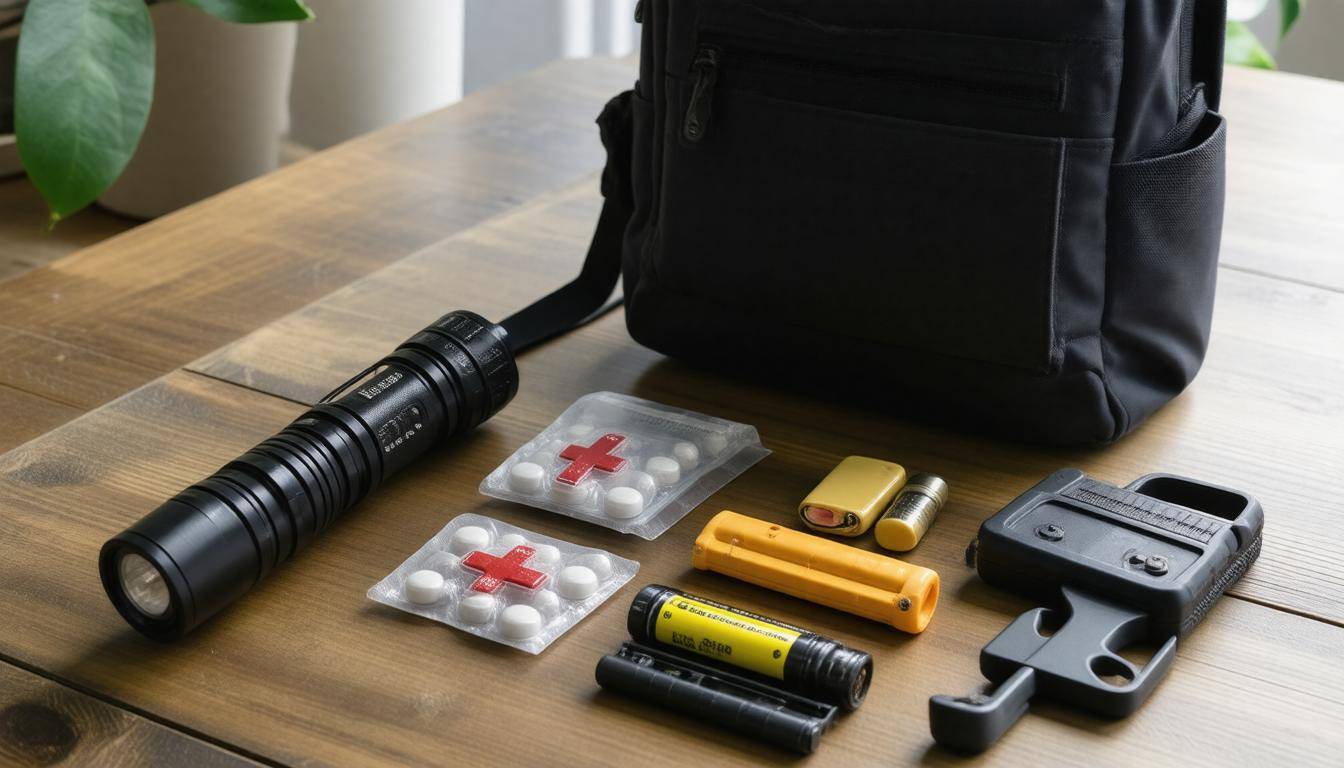
Essential tools for a home emergency kit include a wrench or pliers for turning off utilities, a flashlight for lighting in the absence of electricity, and a manual can opener for easy access to canned food. Additionally, a battery-powered radio is crucial for staying informed during an emergency, ensuring you have the necessary items to navigate crises effectively.
Building Your Home Emergency Kit
The first thing you should do when creating your emergency kit is to identify needs. Imagine a scenario where a disaster strikes—how many family members are there? Are there children or elderly individuals who may require special care? Don’t forget about pets; they also need food, water, and supplies. As you assess these factors, make a list of the specific needs for everyone in your household. If someone relies on prescription medications, those must be a priority in your kit. Planning this way shows foresight; it means when the time comes, you won’t be scrambling for what you forgot.
Once you’ve identified everyone’s needs, it’s time to move on to the next crucial step: categorizing your supplies.
Step II – Categorize Supplies
Organizing your supplies into clearly defined categories will streamline your approach and ensure nothing essential goes unnoticed during an emergency. Grouping items not only makes it easier to check inventory but also helps locate what you need quickly when panic sets in. Consider the following categories:
Food and Water: This includes non-perishable food items like canned goods, energy bars, and at least one gallon of water per person per day.
Medical Supplies and First Aid: Stock up on crucial medical items, such as a basic first aid kit with band-aids, antiseptics, and personal medications.
Tools and Equipment: Don’t forget practical tools that may come in handy. Think about a multi-tool for various tasks, flashlights for power outages, or duct tape for quick fixes.
Personal Items and Hygiene: Personal hygiene items are vital; ensure you have sanitary supplies to help maintain cleanliness.
With everything categorized, packing them comes next; you’ll want to ensure that these essentials are stored properly.
Step III – Packing and Storage
Choose sturdy containers that can keep out moisture and contaminants. Waterproof bins are an excellent choice—they’ll protect everything inside from potential damage. Label each container clearly so all family members can find what they need without wasting precious time rummaging through various boxes. Color-code each category; blue stickers for food supplies and red for medical necessities add an extra layer of organization.
A useful tip is to create smaller “grab-and-go” kits tailored for quick access during shorter emergencies or power outages. These smaller kits can contain only the essentials needed for a 24-hour period, allowing you to leave swiftly if necessary. Stash these kits near exits or in your car for convenience.
By assessing your household’s unique needs and categorizing supplies effectively, you’re enhancing preparedness for unexpected emergencies. Let’s now shift our focus to essential components that every emergency kit should include.
Essential Tools for Every Kit
A well-prepared emergency kit isn’t just about possessing food and water; it’s also about having the right tools on hand to confront a myriad of unexpected situations. Essential tools form the backbone of your emergency preparedness, empowering you to tackle challenges efficiently, whether it’s a natural disaster or an unforeseen household mishap. Think of these tools as your lifeline—each designed to address specific needs when every second counts.
Key Tools to Include
-
Multi-tool with Knife: This handy device combines several essential functions into one compact tool, invaluable in various scenarios.
-
Flashlight: Opt for one equipped with LED bulbs for impressive longevity and energy efficiency. Power outages can occur after a storm or disaster, making it crucial to illuminate your surroundings.
-
Extra Batteries: Ensure you have batteries compatible with all your devices. Lithium batteries last significantly longer and perform better in extreme temperatures compared to alkaline batteries.
-
Whistle: While simple, a whistle can be a lifesaving tool. Its sound carries farther than shouting, aiding rescuers in locating you during emergencies.
-
Fire Starter: Reliable fire starters like waterproof matches or flint strikers are highly beneficial. Fire keeps you warm, purifies water through boiling, and signals for help.
-
Tape and Sheeting: Duct tape paired with plastic sheeting allows you to create temporary shelters or seal broken windows against the elements. Its versatility offers countless uses when improvisation is necessary.
Developing a thoughtful strategy for your emergency kit involves considering not just immediate needs but also anticipating potential emergencies. Reflecting on past disasters provides context—take Hurricane Katrina, for example. Many survivors reported that having a whistle helped rescuers pinpoint their location amid chaos and debris.
With these fundamental tools organized and ready for use, we now turn our attention to essential health-related items that will help ensure you’re fully prepared during emergencies.
Medical and First Aid Supplies
Medical emergencies can strike when you least expect them, creating a need for quick action and proper supplies. Picture this: you’re camping or simply at home, and someone accidentally cuts themselves while preparing dinner or sustains a minor injury during play. In these moments, having the right items in your first aid kit can mean the difference between managing a small issue effectively or facing a larger problem. Thus, it’s crucial to ensure your kit is comprehensive and ready to use at any time.
Basic First Aid Kit Components
First things first, let’s talk about what your first aid kit should have:
-
Bandages and Gauze: Essential for dressing wounds, these items help prevent infection as they protect the area from external germs.
-
Antiseptics: Products like alcohol wipes or hydrogen peroxide are vital for cleaning cuts and scrapes before applying bandages, ensuring that any potential germs are eliminated.
-
Pain Relievers: Stocking both tablets like ibuprofen or acetaminophen for headaches and topical creams can relieve discomfort from minor injuries, speeding up recovery.
-
Tweezers and Scissors: Tweezers are handy for removing splinters, while scissors enable you to cut tape or gauze as needed—both must-haves in any emergency scenario.
-
Gloves: You should always include latex or nitrile gloves to protect yourself and others from infections while treating wounds.
-
Thermometer: A digital thermometer simplifies the task of tracking body temperature during illness.
-
CPR Mask: This important addition ensures proper resuscitation techniques if an emergency requires them.
The American Red Cross emphasizes that first aid kits should be reassessed annually to ensure all supplies remain viable; expired medications or tools could put you at risk when you need them most.
With these health necessities squared away, we now shift our focus to the essentials for sustaining life during prolonged emergencies. Keeping supplies properly stored is key…
Food and Water Storage
Ensuring you have ample food and water can keep you and your loved ones nourished during an extended emergency situation. It’s not just about having enough supplies; it’s about the right kind of supplies that will sustain you when access to regular food sources might be compromised. Keeping well-stocked with appropriate items can give you a sense of security amidst chaos.
Step I – Water Storage
When it comes to water storage, the rule of thumb is to store at least one gallon of water per person per day for at least three days. This may seem like a lot, but remember, this water must cover both drinking and sanitation needs. It’s imperative to use food-grade water containers with tight seals to keep the water clean and safe from any contaminants. This precaution ensures that when you need it most, your water supply will remain pristine.
During the California wildfires in 2020, many residents realized the importance of having a reliable water supply as municipal systems were disrupted. Having those gallons tucked away in their homes meant the difference between hydration or panic.
Step II – Non-Perishable Food Items
Following your water preparation, stock up on non-perishable items like canned goods, freeze-dried meals, and high-energy snacks. These foods not only have a long shelf life but also provide essential nutrients that keep energy levels steady. As you’re filling your pantry, ensure you have a manual can opener as well; canned goods are a common emergency food source, and they won’t do you much good if you can’t open them!
To better illustrate this point, consider the following table that summarizes basic food storage recommendations:
| Food Item | Duration | Storage Tips |
|---|---|---|
| Canned Vegetables | Up to 2 years | Keep in a cool, dry place |
| Freeze-Dried Meals | Up to 25 years | Use airtight storage containers |
| High-Energy Snacks | Up to 1 year | Include trail mix, nuts, and bars |
In addition to these staples, think about personal preferences or dietary needs within your family. Keeping some treats or comfort foods can have significant benefits for morale during stressful times.
With your essentials of food and water securely stocked away, it’s now crucial to explore solutions for maintaining power and lighting during outages.
Backup Power and Lighting
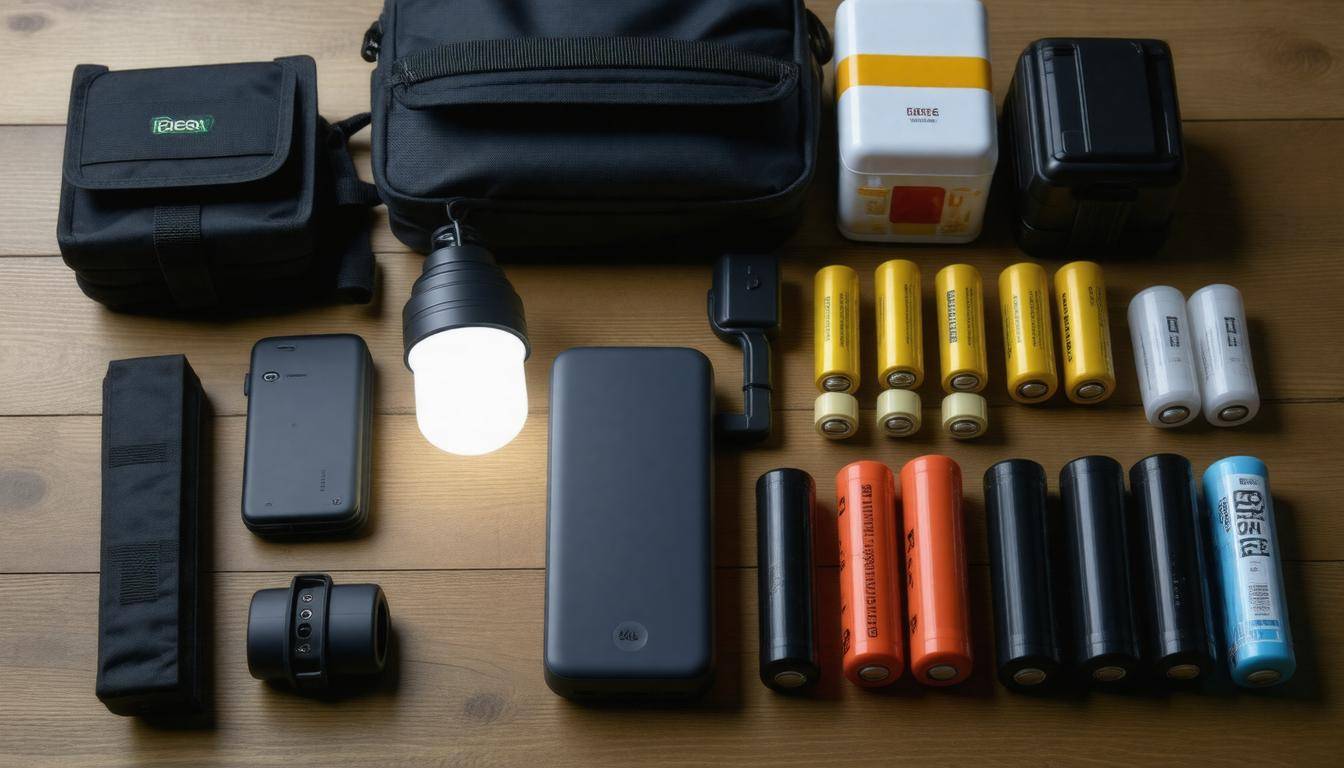
When it comes to preparing for emergencies, incorporating reliable backup power options can mean the difference between comfort and chaos. Imagine being in the midst of a storm, and suddenly the lights go out. Your heart may race as you envision the food in your fridge spoiling or missing out on important phone calls. This is where backup power sources become indispensable. Investing in a quality home standby generator is one of the best decisions you can make. For instance, Generac offers a range of residential generators that seamlessly integrate with your home’s electrical system; when the power goes out, these generators automatically kick in, keeping your life uninterrupted.
Having a portable generator or a power station adds flexibility to your emergency preparedness. These devices provide enough energy to keep essential electronics charged—think phone, laptop, and perhaps even a medical device—all powered during a blackout. For those who prefer sustainable solutions, solar chargers serve as a commendable choice too. However, it’s essential to choose one with adequate capacity that meets your specific needs. Consider your consumption patterns: how much power do your devices require? Knowing this will help you choose wisely.
“Consumer testimonials often highlight how backup generators saved perishable items during outages caused by climate disruptions.”
Beyond backup power, adequate lighting options are equally crucial for navigating through any unexpected darkness. Battery-powered lanterns can be particularly effective, providing ample illumination for larger spaces or outdoor activities if needed. You’ll appreciate how such lanterns light up a room without consuming valuable resources from your generator. Additionally, don’t underestimate the utility of headlamps—these hands-free lighting tools come in handy when performing tasks like cooking or checking on supplies in dim conditions.
Keep in mind that having adequate light sources isn’t just about convenience; it’s about enhancing safety during emergencies. Imagine stepping through your home with only the glow of candlelight while navigating obstacles—you can see how that could be dangerous! A well-prepared emergency kit should include multiple types of lighting devices, including extra batteries if needed.
With these backup power solutions and lighting tools at your disposal, you’re equipping yourself for unexpected situations that may arise. Transitioning from ensuring energy and light access, let’s turn our focus to the essential protective equipment necessary for maintaining safety during emergencies.
Protective Gear Essentials
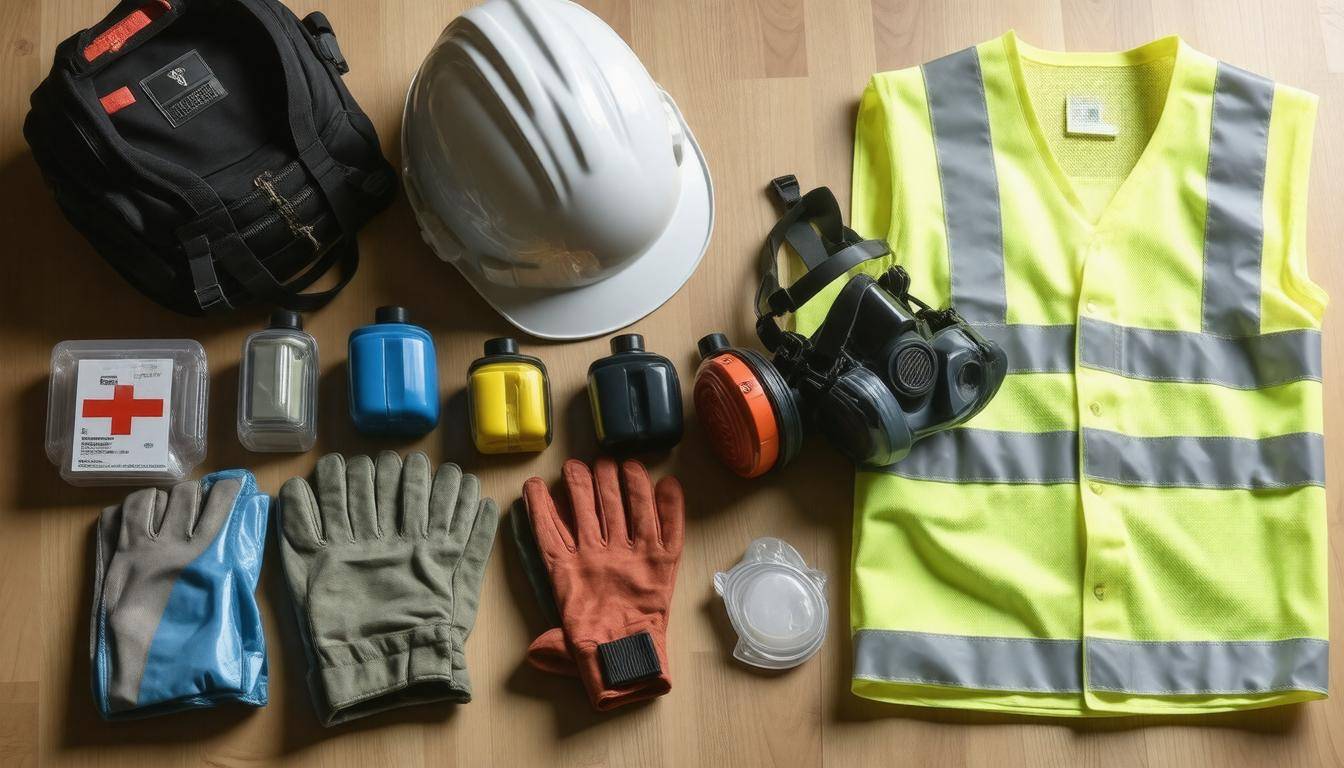
In the face of an emergency, protective gear can serve as your first line of defense against unforeseen dangers like dust, debris, or even contaminated air. Having the right equipment ready to go isn’t just a good idea; it’s essential. The importance of each item goes beyond mere convenience; it’s about safeguarding yourself and your loved ones from potential harm during critical situations.
Understanding Your Gear
Let’s explore some of these essential items, starting with N95 masks. When air quality diminishes due to fires, flooding, or various hazards, these masks significantly reduce inhalation of harmful particles. They’re designed to filter out at least 95% of airborne particles, blocking harmful agents that could put your respiratory health at risk. Given how vital clean air is, stocking up on these masks should be a high priority in your home emergency kit.
Following closely are durable gloves—an often-overlooked necessity. Their purpose extends far beyond wearing them during chores. In emergencies, strong work gloves allow you to handle broken glass, sharp metal pieces, and jagged debris without risking cuts or infection. Choose gloves made with puncture-resistant materials to enhance protection further.
Keeping Your Eyes Safe
Safety goggles are another crucial element protecting your vision during chaotic scenarios. Flying debris or splashes from unknown sources can quickly jeopardize your eyes, so having a reliable pair ensures that you can navigate through stress-laden situations without risking eye injury.
Moreover, sturdy footwear is equally important. Waterproof boots help keep your feet dry and support proper mobility when navigating rough terrain or flowing waters. With features such as slip-resistance and reinforced toes, solid boots provide both comfort and additional security when every step counts.
It’s worth noting that homes equipped with essential protective gear fare much better during emergencies. For instance, families that had N95 masks readily available were able to manage daily outings amidst pandemic restrictions.
Staying safe encapsulates more than just protective wear; ensuring the cleanliness and sanitation of your surroundings plays a pivotal role in overall well-being during crises.
Maintaining Cleanliness and Sanitation
In any emergency situation, having sanitation supplies may determine how well you cope with the challenges you face. When a disaster strikes, people often forget that maintaining cleanliness can significantly reduce the risk of bacterial infections or illnesses. Just as you would regularly sanitize your hands before cooking, staying hygienic in an emergency requires the same level of attention. Proper sanitation protects your health and aids in keeping morale high during stressful times.
Essential sanitation supplies include items like hand sanitizer—look for one with at least 60% alcohol content—as it remains effective when soap and water are not accessible. Equally important is having a solid supply of soap, both regular and antibacterial, for effective cleansing whenever you have access to water. Make sure to store enough toilet paper; after all, basic needs should never become burdensome during difficult circumstances.
Plastic bags and ties for waste disposal should be part of your kit too. They are handy not just for trash but any biohazardous waste that arises when running low on sanitation resources. Having a stack of moist towelettes is invaluable when you’re without running water, lending immediate assistance for personal hygiene where washing isn’t possible. Safe waste disposal is crucial; it will make a significant difference in preserving health and reducing stress while waiting for help or deciding your next steps.
During Hurricane Harvey, families who prepared ahead with portable toilets and plastic bags for waste management encountered far fewer hygiene-related issues compared to those who had not taken such precautions.
With these hygiene practices established, we now transition to another critical element in emergency preparedness—the protection of vital records and personal information.
Securing Important Documents and Information
In the midst of chaos, having all your critical documents in one place can provide an invaluable sense of security. Imagine facing a disaster and realizing that vital information—like your identification and insurance details—is nowhere to be found. That’s why it’s crucial to gather and secure these documents ahead of time.
Important Documents to Include
As you prepare, aim to collect the following essential items into a waterproof, portable container that every family member knows about:
-
Identification Documents: This includes your passports, driver’s licenses, and any other forms of ID. Keep duplicates if possible.
-
Insurance Papers: Have copies of health, home, and vehicle insurance policies readily accessible. These will be crucial when filing claims.
-
Financial Records: Gather current bank statements and credit card information to maintain financial stability.
-
Medical Records: Store prescriptions and relevant health records needed during emergency medical care.
-
Emergency Contacts: Create a printed list containing phone numbers and addresses for family members, close friends, or neighbors who can assist.
Preparing these items ahead of time is like building the infrastructure for your family’s safety net; it may seem tedious but pays off exponentially in stressful moments.
Additional Strategies for Document Security
First off, consider digitizing your important documents as a backup strategy. Use encrypted cloud storage solutions where you can store scanned copies securely. This way, even if the physical copies are damaged or lost, you have access to everything online. The ease of retrieval could save precious time during an emergency.
Some folks even recommend keeping a spare physical copy in another location—like a trusted neighbor’s house or at work—just in case.
Real-Life Impact
Consider the story of Emily, a hurricane survivor who shared her experience: “Knowing I had all my important papers in one place gave me peace of mind during the chaos. It made the recovery process smoother.” Her testimony highlights just how vital this preparation can be.
By diligently securing your important documents now, you’re laying down the foundation for resilience. When unexpected situations arise, having everything ready allows you to focus on what truly matters: ensuring the safety and well-being of yourself and your loved ones.
In summary, taking the steps to prepare your important documents can mean a world of difference when faced with emergencies. Your proactive approach today benefits not only you but also everyone who relies on you during difficult times.
How often should I check and update my home emergency kit?
You should check and update your home emergency kit at least twice a year, ideally during the changing of the seasons. This ensures that perishable items are replaced, batteries are fresh, and supplies remain relevant to your needs. According to FEMA, about 60% of Americans do not feel prepared for an emergency; regular checks can boost preparedness and confidence, helping you be ready when it truly matters.
What is the best way to organize and store my home emergency kit for easy access?
The best way to organize and store your home emergency kit for easy access is to use clearly labeled, waterproof containers and dedicate a specific location that is easily reachable, such as a closet or under the stairs. According to FEMA, 60% of Americans do not have an emergency kit ready when disasters strike. By prioritizing organization with categorized supplies (like first aid, food, and tools) and maintaining an inventory checklist, you can ensure efficient retrieval during emergencies, reducing panic and saving precious time in critical situations.
How can I customize my emergency kit based on my family’s unique needs?
To customize your emergency kit for your family’s unique needs, start by assessing each member’s requirements, such as age, health conditions, dietary restrictions, and any special needs. For example, if you have infants, include baby food and diapers; if someone requires medication, ensure there’s an ample supply. According to the American Red Cross, 60% of families do not have an emergency plan in place, highlighting the importance of being prepared with a kit tailored to your specific situation. Regularly review and update the contents as your family’s needs evolve.
What are the must-have items for every home emergency kit?
A well-prepared home emergency kit should include essential items such as a flashlight, batteries, first aid supplies, non-perishable food, water (at least one gallon per person per day), a multi-tool, hygiene products, important documents, and a whistle. Statistics show that about 60% of Americans do not have an emergency kit at home, which can lead to panic in crisis situations. Having these key tools can significantly improve the safety and resilience of families during unexpected events.
Are there specific tools or supplies recommended for different types of emergencies (natural disasters, power outages, etc.)?
Yes, different types of emergencies require specific tools and supplies to effectively address the unique challenges they present. For natural disasters like earthquakes or hurricanes, essentials such as a sturdy multi-tool, flashlight, water purification tablets, and non-perishable food are vital. In power outages, having backup batteries, solar chargers, and a portable generator can be crucial for maintaining communication. According to FEMA, 60% of households do not have an emergency kit prepared, highlighting the importance of being equipped with the right tools tailored to potential threats in your area.