
When a fire sparks, every second counts, and knowing which fire extinguisher to grab can be lifesaving. You might think that extinguishers are all the same, but they’re specifically designed for different types of fires. Just like you wouldn’t use a fishnet to catch a bird, using the wrong extinguisher can lead to disaster. In this guide, we’ll break down the different types available and help you find the right one for your needs, ensuring that you’re fully equipped to handle an emergency should it arise. Let’s dive in and unlock the vital information you’ll need to keep safe!
Understanding the various types of fire extinguishers—such as Class A for ordinary combustibles, Class B for flammable liquids, Class C for electrical fires, Class D for flammable metals, and Class K for cooking oils—is essential in choosing the right extinguisher. To ensure effective fire safety, select a multipurpose extinguisher rated “A-B-C” for home use, and consider factors such as size, placement strategy, and specific fire risks in your environment.
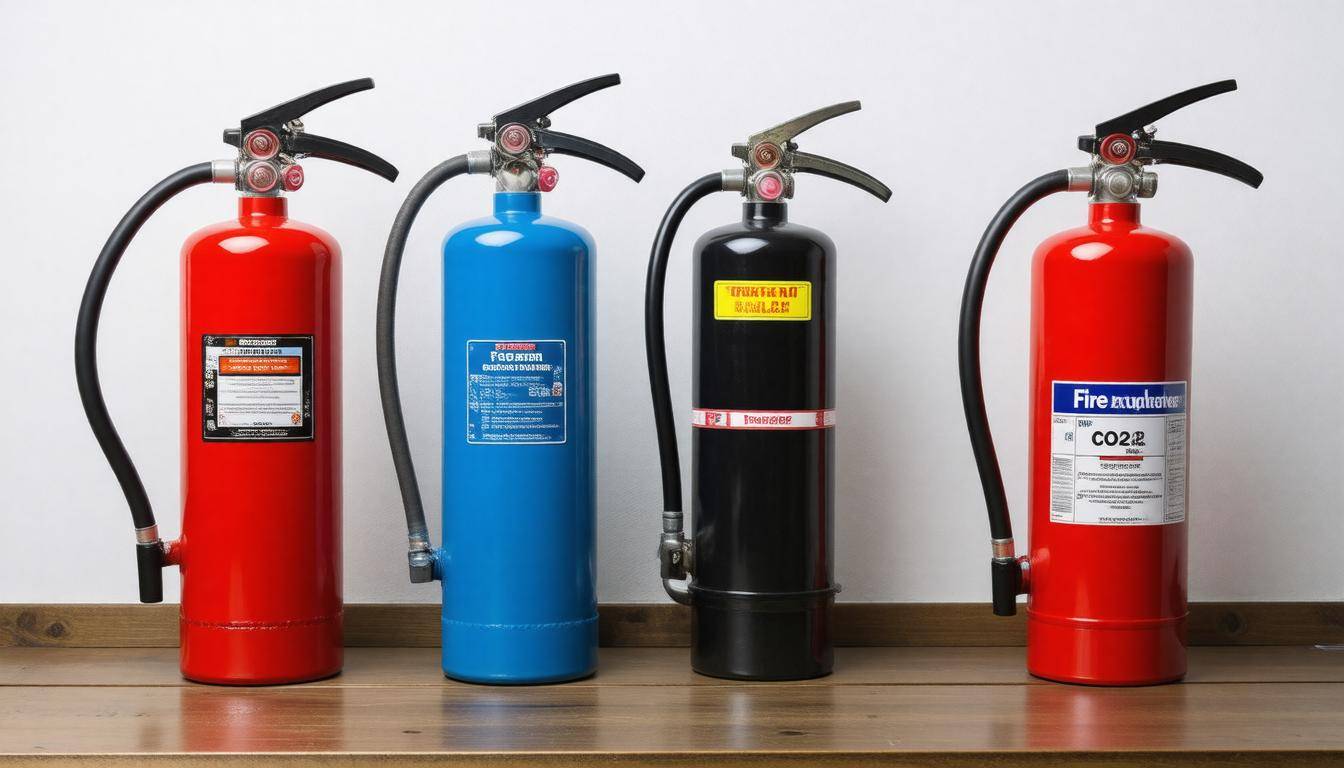
Types of Fire Extinguishers
Fire extinguishers are not a one-size-fits-all solution; rather, they are tailored to combat specific kinds of fires. Knowing which extinguisher to use during a fire can mean the difference between a small mishap and a full-blown disaster.
Water-Based Extinguishers
Water-based extinguishers are perfect for tackling Class A fires, which involve ordinary materials such as wood, paper, and cloth. These extinguishers function by cooling the burning material, effectively lowering its temperature below the ignition point and putting out the flame. However, it’s crucial to avoid using water extinguishers on electrical fires or flammable liquid fires, as they can worsen these situations. Imagine trying to put out an oil fire with water; instead of helping, you’d only spread the flames!
Foam Extinguishers
On the other hand, foam extinguishers are versatile tools that address both Class A and Class B fires, which include flammable liquids like gasoline or oil. They work by creating a protective barrier between the fuel and flames, effectively smothering the fire and preventing re-ignition. Think of it like a thin layer of cream placed over a hot surface—it stops contact with oxygen. When choosing foam extinguishers, look for those with a UL rating, ensuring they meet safety standards for effectiveness.
Dry Chemical Extinguishers
Widely regarded as the all-around heroes of fire safety, dry chemical extinguishers tackle Class A, B, and C fires. These versatile devices discharge a powder that interrupts the fire’s chemical process, starving it of fuel. Their multipurpose nature makes them a go-to choice for homes and businesses alike. It’s like carrying a safety net wherever you go—a little bit of assurance that you’re prepared for whatever comes up in your daily life.
CO2 Extinguishers
Carbon dioxide (CO2) extinguishers provide effective solutions primarily for electrical fires but can also handle Class B fires involving flammable liquids. These extinguishers work by displacing oxygen in the air surrounding the fire while also cooling it down significantly. The beauty of CO2 extinguishers is that they leave no residue behind, making them suitable for sensitive areas like server rooms or kitchens where equipment may be at risk from cleanup chemicals.
Understanding each extinguisher type and its designated purpose can help you respond appropriately in emergencies. Equipped with this knowledge, let’s explore how different extinguishers are categorized based on their chemical composition and application.
Classifying Extinguishers by Substance
Fire extinguishers can be classified based on their extinguishing agents, which directly influence their effectiveness on different fire classes. For instance, water extinguishers are often the go-to option for tackling ordinary combustibles found in homes like wood, paper, and cloth, categorized as Class A fires. Water works primarily by cooling the burning material, lowering its temperature below the ignition point. However, it’s vital to remember that using water on flammable liquids or electrical fires could create additional hazards.
Now, if you’re looking for something a bit more versatile to handle various situations, foam extinguishers might be your best bet.
Foam extinguishers combine water with foam concentrate to combat both Class A and B fires. Their effectiveness stems from the protective layer of foam they create over flammable liquid fires, such as grease and gasoline. This layer not only cools the flames but also acts as a barrier to prevent re-ignition. While these extinguishers are quite effective in diverse environments—like kitchens and workshops—they do require careful handling, particularly when storing because they may have a limited shelf-life depending on the formulation.
But if you’re looking for a multipurpose solution that can cover even more fire types, you’ll want to consider dry powder extinguishers.
Dry powder extinguishers contain monoammonium phosphate—a potent agent capable of suppressing Class A, B, and C fires. Their versatility makes them an excellent choice for environments where multiple fire risks exist, such as workshops or garages. However, it’s essential to note that while they are effective at putting out fires, the fine powder residue can damage sensitive equipment and surfaces. Therefore, a good practice after using a powder extinguisher is thorough cleanup and inspection of affected areas.
Lastly, let’s discuss another highly effective type: carbon dioxide (CO2) extinguishers.
CO2 extinguishers work differently than their counterparts; they contain compressed carbon dioxide gas that suffocates flames by displacing oxygen around the fire. They are particularly suited for electrical fires since CO2 won’t leave damaging residues behind and decreases risk of short circuits. However, caution should be exercised when using CO2 extinguishers in confined spaces due to potential suffocation risks from oxygen displacement.
As we move forward in our exploration of fire protection solutions, understanding the nuances between these options will highlight which types best fit specific needs and scenarios.
Foam, Powder, and CO2 Options
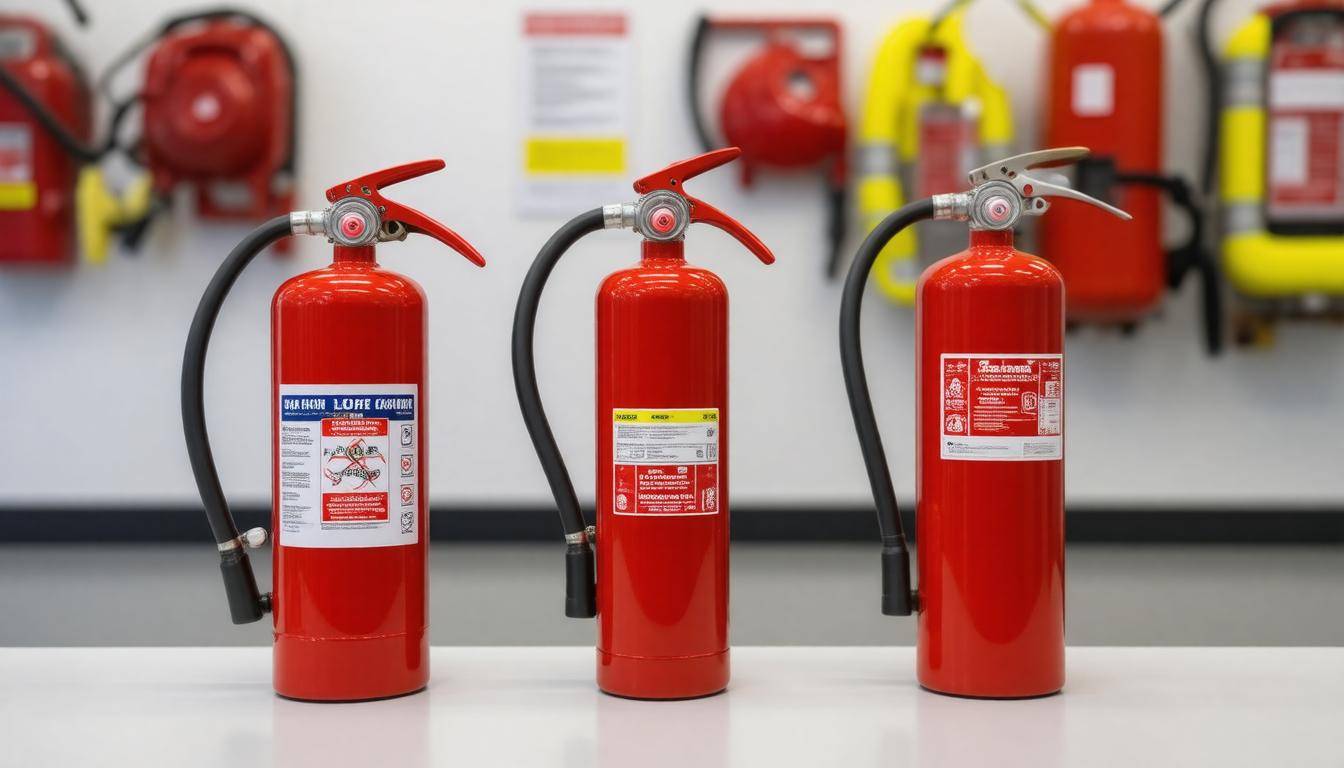
When it comes to fire safety, selecting the right type of extinguisher for specific situations is vital. Each type offers unique advantages based on the materials involved in a fire. Understanding these distinctions can significantly enhance your preparedness.
Foam Extinguishers
Foam extinguishers excel in settings where flammable liquids are common—think garages or workshops. The foam works by creating a blanket over the burning material, effectively cutting off the oxygen supply that fuels the fire. This method is particularly effective against Class B fires involving liquids such as gasoline or paint thinner.
However, it’s essential to note that foam extinguishers aren’t universally applicable; they may not be effective against electrical fires or combustible metals, which is why understanding your environment is crucial.
In environments with mixed hazards, it’s a good idea to have more than one type of extinguisher on hand.
Dry Powder Extinguishers
Next up are dry powder extinguishers. These versatile devices can tackle Class A (solids), Class B (liquids), and Class C (gaseous) fires. They work by disrupting the chemical reaction that allows the fire to burn. While their versatility makes them a popular choice in various settings, there is a downside: they leave behind a corrosive residue that can damage equipment and surroundings if not cleaned promptly after use. This makes them best suited for places where cleanliness isn’t of utmost importance, such as construction sites or factories.
Now that we’ve discussed foam and powder options, let’s explore how CO2 extinguishers fit into the picture.
CO2 Extinguishers
CO2 extinguishers are particularly well-suited for Class B and electrical fires because they expel carbon dioxide gas, effectively displacing oxygen without leaving any residue behind. This makes them especially useful in sensitive environments like data centers or labs where equipment can be easily damaged by cleaning substances.
For instance, a tech company reported significant savings in equipment repairs and replacements after switching entirely to CO2 extinguishers.
Due to their non-residual qualities, CO2 extinguishers are excellent choices when dealing with electrical fires; however, users must be cautious since they also do not cool down hot surfaces as effectively as other types.
Understanding the various extinguisher types prepares you to ensure safety and protection for everyone involved. As we consider safety measures further, it’s important to evaluate your specific environment and potential risks associated with fire hazards.
Assessing Your Environment
Choosing an appropriate fire extinguisher hinges on understanding your surroundings and the unique fire risks present. Start by evaluating potential hazards—think of materials that could catch fire. For instance, if you’re working in a kitchen filled with oils and grease, a Class K extinguisher designed for cooking-related fires will be crucial. Similarly, office spaces filled with paper or fabric need a Class A extinguisher readily available. Awareness is key; knowing what materials are nearby can make all the difference in an emergency.
However, identifying potential fire hazards is just the beginning; the size of your space matters significantly too.
Step I – Evaluate Fire Risks
After pinpointing what could ignite, you must measure the area you’re working with. Larger spaces may require multiple extinguishers to ensure they can be reached quickly from any point within. It’s not merely about having one extinguisher tucked away; effective coverage is your goal. For example, in a large warehouse, having a few easily accessible extinguishers spread throughout can mean the difference between controlling a small fire and facing a disaster.
The National Fire Protection Association (NFPA) guidelines emphasize proper placement based on common occupancy levels and potential fire hazards.
Once your fire risks have been assessed and you’ve taken measurements, consider accessibility in terms of positioning those extinguishers for maximum readiness.
Step II – Measure the Area
Ease of access plays a vital role in emergency preparedness. Positioning extinguishers where they are visible and easy to reach can drastically change how quickly someone can react when a fire breaks out. Avoid placing them behind doors or high up on shelves where visibility may be obscured. Ideally, locate extinguishers near exits or other safe escape routes that allow for quick navigation from potential danger. Having several extinguishers located near key areas—like kitchens and workshops—ensures that help is always close at hand when needed most.
With risk factors evaluated and accessibility ensured, there’s one more aspect to consider: making sure everyone knows where these life-saving tools are located.
Step III – Ensure Ease of Access
Training and education are crucial steps in this prevention strategy. It’s important for everyone who engages with these environments to know how to operate a fire extinguisher properly and why they need access promptly during an emergency situation. Consider conducting regular drills or training sessions that familiarize individuals with both location and functioning procedures, incorporating the well-known acronym PASS—Pull, Aim, Squeeze, Sweep—as part of the learning experience on tackling small fires effectively.
Understanding how to select the right extinguishers involves more than just assessing hazards; it requires an examination of how different extinguishers interact with specific materials. This knowledge will guide you toward making informed choices that enhance safety in your environment.
Matching Extinguishers to Materials
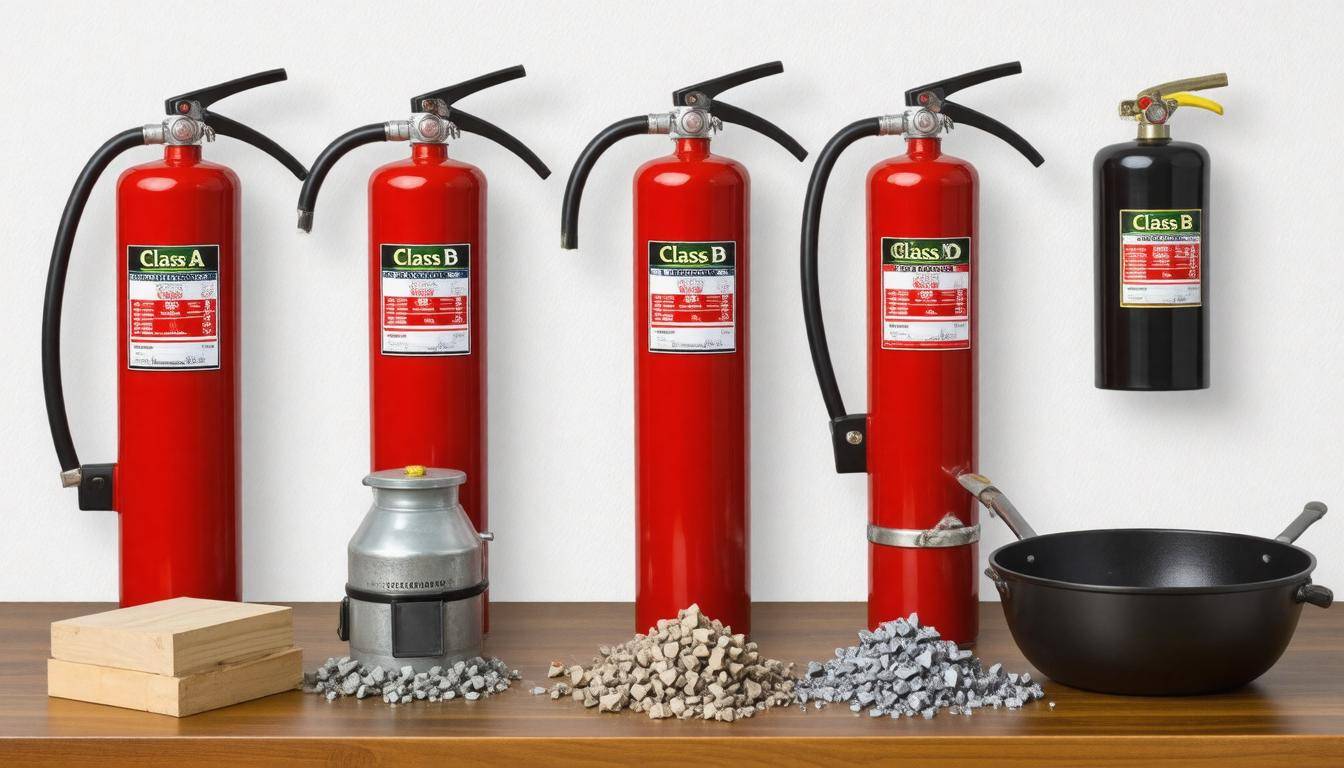
Different materials ignite differently and burn at varying intensities, which is why selecting the appropriate type of fire extinguisher is vital. Using the wrong extinguisher can not only be ineffective but could worsen the situation. For example, pouring water on an electrical fire can lead to disastrous results! It’s invaluable to understand each class of fire extinguisher and what materials they are designed to combat.
Wood, Paper, and Fabric (Class A)
Class A extinguishers are your best bet for common household items like wood, paper, and fabric. These materials burn easily and produce flames that can escalate quickly. Therefore, water or foam extinguishers work effectively because they cool the flames down and eliminate oxygen. The process is simple: when you spray water on the fire, you reduce its temperature significantly. However, never use water on grease fires!
With that settled, let’s turn our attention to situations involving flammable liquids.
Flammable Liquids (Class B)
When it comes to flammable liquids such as gasoline, oils, or solvents, Class B extinguishers come into play. These fires often pose difficulty because flammable liquids spread rapidly. That’s where foam or dry powder extinguishers shine—they create a barrier that prevents re-ignition after the flames are extinguished.
This barrier works by smothering the fuel’s surface and sealing off potential fresh flames from escaping oxygen. Always remember to aim low at the base of the fire, ensuring coverage of the fuel source directly.
Now we must discuss electrical equipment.
Electrical Equipment (Class C)
For fires involving electrical equipment—think of malfunctioning laptops or faulty wiring—Class C extinguishers are essential. It’s critical here to opt for CO2 or dry powder extinguishers because they do not conduct electricity; this property reduces the risk of electric shock while tackling the flames.
When using these extinguishers, always focus on limiting damage to equipment and maintaining your safety.
Fire extinguisher classifications ensure there’s a right tool in every situation based on the materials involved.
By becoming familiar with these classifications and their appropriate uses, you’re investing in safety not just for yourself but for everyone around you. Whether it’s protecting your home from potential blazes or knowing what to reach for during an emergency, understanding your extinguisher types becomes second nature with practice and knowledge.
As we explore the next section, we’ll dive into important instructions that facilitate safe handling and operation of these essential safety tools.
Safe Usage Instructions
Knowing how to use a fire extinguisher effectively can truly mean the difference between a small flare-up and a full-blown disaster. Most importantly, safety should always be your priority.
Before engaging with any fire, first take stock of your surroundings. Ensure you have an evacuation route that is clear, and make sure the fire is small enough to be manageable. If the flames are soaring or spreading rapidly, do not hesitate to evacuate immediately and call emergency services.
PASS Technique
The PASS acronym serves as a straightforward guide to operate a fire extinguisher efficiently:
- Pull the pin to break the tamper seal,
- Aim low at the base of the fire,
- Squeeze the handle slowly to release the extinguishing agent,
- Sweep the nozzle from side to side, covering the entire area of the flames.
By remembering this acronym, you can act decisively and correctly in a stressful situation.
John, a safety officer, who routinely trains his staff on these methods recalled how implementing training around the PASS technique helped them tackle a small fire incident without panic, showcasing its effectiveness when executed properly.
But before you jump into action, there’s something crucial to keep in mind: your safety always takes precedence over extinguishing the flames.
Ensure Safety First
Always prioritize self-preservation; if you feel unsure or see that the fire has escalated beyond your control, evacuate immediately! Quick thinking is essential here—calling for professional help ensures safety for everyone involved.
Once outside, never assume that all is well just because you used an extinguisher. Firefighters will need to assess any potential residual risks even after you’ve put out what appeared manageable. Remembering these steps not only ensures your safety but also cultivates confidence in handling emergencies effectively.
Training and preparedness transform passive household members into proactive responders. Regular educational sessions about using fire extinguishers not only instill knowledge but also enhance community awareness regarding firefighting essentials—an investment every home ought to make for collective safety.
By internalizing these protocols and investing time in training yourself and others on effective uses of extinguishers, you create an environment where safety reigns supreme amidst potential chaotic situations.
With proper usage guidelines set in place, it’s equally important to turn our attention towards keeping those life-saving tools in optimal condition for when they’re needed most.
Regular Maintenance Tips
First and foremost, monthly inspections are essential for maintaining your fire extinguishers. To begin, you should check the pressure gauge; it should ideally sit in the green zone. A needle creeping into the red indicates that the extinguisher requires servicing. This simple visual check can save precious seconds in an emergency, ensuring your fire extinguisher is ready when it matters most.
But monthly checks are only part of the story; there’s also the importance of annual servicing. This involves having a certified technician inspect and service the extinguisher at least once a year. During this assessment, they’ll look for any signs of damage or wear that could compromise functionality. They can also recharge extinguishers that have been partially used, so you’re not left unprepared after even a small discharge.
Keeping on top of these annual checks provides peace of mind, knowing that professionals who understand every aspect of fire safety are handling your equipment.
Now let’s talk about record keeping. It might sound tedious, but maintaining detailed logs for each fire extinguisher is an excellent practice. Documenting inspection dates along with the technician’s name ensures you have all information readily available for compliance purposes. It’s especially important if you have multiple extinguishers spread throughout your home or business; flipping through pages of records can quickly become confusing without a systematic approach.
Furthermore, it would be beneficial to set reminders for yourself when it’s time for these monthly inspections and yearly services. Use calendar apps or physical planners—whatever fits best into your lifestyle—to ensure you are always aware of when maintenance is due.
Lastly, never underestimate the significance of keeping extinguishers clear from obstructions and easily accessible. An extinguisher might be flawless in terms of function, but if it’s buried under boxes or behind heavy furniture, it won’t do much good in an emergency. Ideally, mount extinguishers at a height between 3.5 to 5 feet above ground level; this keeps them within easy reach while preventing them from being accidentally knocked over or damaged.
As we transition to explore further steps in ensuring safety preparedness, understanding how to choose the appropriate firefighting tool becomes crucial in maximizing protection.
Deciding on the Best Extinguisher
When it comes to choosing a fire extinguisher, factors like cost and user-friendliness often play a crucial role. Selecting the right type for your specific needs not only affects how effectively you’ll handle a fire should one occur, but also influences how quickly and easily you can access it when time is of the essence.
Cost and Availability
Fire extinguishers come at various price points, typically ranging from $30 to several hundred dollars, depending on their type and capacity. It’s wise to compare prices across different suppliers like local hardware stores, online retailers, and specialty fire safety distributors. This helps identify the best deals and may also uncover bulk purchase options that save you money in the long run. Additionally, consider the frequency of need in your environment, as investing a bit more up front in a quality device ensures safety over its lifetime.
Once you’ve established a budget, the next step is to ensure ease of use for everyone who might need to operate the extinguisher, especially during stressful moments.
User-Friendliness
Opting for an extinguisher that requires minimal training and offers intuitive operation can be beneficial. For instance, while CO2 extinguishers are lightweight and simple to maneuver, dry powder extinguishers cover multiple fire types, making them highly versatile. Prioritize models with clear usage instructions; devices labeled with the acronym PASS (Pull, Aim, Squeeze, Sweep) serve as fantastic reminders for users under pressure. Moreover, products with bright colors or visual aids designed to catch attention are factors no one should overlook when deciding what fits best in their home.
After considering cost and user-friendliness, let’s examine practical applications to finalize your decision.
Conclusion by Example
To illustrate this thought process: if you’re looking for an extinguisher for a home kitchen where cooking oils can ignite easily, a small but versatile dry powder extinguisher might be your best bet. Such devices effectively tackle Class A fires involving ordinary combustibles like paper or wood, Class B fires from flammable liquids, and even electrical failures categorized under Class C. Their adaptability makes them an essential tool where various fire risks converge in one area. By aligning your choice with specific needs in your living space and ensuring ease of operation, you enhance safety and peace of mind within your home.
Investing time in understanding fire extinguishers is vital for ensuring safety in any environment. Your well-informed choices can make all the difference when it comes to protecting life and property.
What are the different classes of fire extinguishers and what types of fires are they designed to combat?
Fire extinguishers are classified into five primary categories: Class A for ordinary combustibles (wood, paper), Class B for flammable liquids (gasoline, grease), Class C for electrical fires, Class D for combustible metals (magnesium, titanium), and Class K specifically for kitchen fires involving cooking oils and fats. Each class is designed to combat specific types of fires effectively; for instance, using a water-based extinguisher on a Class B fire can be hazardous as it may spread the flames. According to the National Fire Protection Association, approximately 35% of all reported fires involve structure fires that could have been effectively managed by the appropriate type of fire extinguisher.
Are there any specific regulations or standards regarding fire extinguisher selection in commercial buildings?
Yes, there are specific regulations and standards regarding fire extinguisher selection in commercial buildings, primarily governed by the National Fire Protection Association (NFPA) and local building codes. According to NFPA 10, which outlines the selection and placement of portable fire extinguishers, factors such as the type of occupancy, potential fire hazards, and the size of the building must be considered. For instance, statistics show that approximately 81% of fire-related deaths occur in non-home structures, highlighting the importance of proper extinguisher selection to effectively combat fires in these environments.
Can portable fire extinguishers be used for all classes of fires, or are there limitations?
Portable fire extinguishers are not suitable for all classes of fires, as each type is designed for specific fire classifications. For example, Class A extinguishers work for ordinary combustibles like wood and paper, while Class B is for flammable liquids, and Class C for electrically charged fires. Using the wrong type can be ineffective or dangerous; for instance, using water on an oil fire (Class B) can exacerbate the situation. It’s crucial to ensure that you have the right extinguisher as per the fire hazard present, with statistics indicating that using the correct type can increase fire control success rates by up to 50%.
How often should I have my fire extinguishers inspected or replaced based on their type?
Fire extinguishers should be inspected monthly and serviced annually, regardless of type, to ensure they are in good working condition. Depending on the manufacturer’s guidelines, some models may require replacement every 5 to 15 years. It’s crucial to check the pressure gauge, look for any physical damage, and ensure that the pin is intact. According to the National Fire Protection Association (NFPA), nearly 80% of fires can be controlled with a fire extinguisher if used properly and promptly; therefore, regular inspections significantly enhance safety preparedness.
How do I determine which type of fire extinguisher is suitable for my home or workplace?
To determine the suitable type of fire extinguisher for your home or workplace, first identify the potential fire hazards present; for instance, Class A extinguishers are ideal for ordinary combustibles like wood and paper, while Class B is essential for flammable liquids. Consider the size of the area and the frequency of various activities that may lead to fires—statistics show that up to 70% of fires in office spaces are due to cooking incidents (which typically require Class K extinguishers). Always ensure you have at least one multi-purpose extinguisher for general use, such as an ABC extinguisher, which can tackle multiple fire types safely.