
When it comes to protecting lives and property from fire hazards, having the right fire protection equipment is not just important—it’s essential. Imagine waking up in the middle of the night to the smell of smoke or feeling the heat of flames; having the right tools at hand can mean the difference between a manageable situation and a catastrophic event. We often think of fire safety as something that only concerns businesses or larger buildings, but home safety is equally crucial. Each year, thousands of families face emergencies that could have been avoided with proper planning and equipment. This guide will walk you through the essential items you need for effective fire safety, ensuring you’re well-equipped to handle potential threats before they escalate. Let’s take a closer look at what you’ll need to create a robust safety plan for your space.
Essential fire protection equipment includes fire alarms and smoke detectors for early detection, fire extinguishers suited for various types of fires, sprinkler systems to suppress flames, and emergency lighting to guide evacuations. Additionally, incorporating fire blankets, hose reels, and personal protective equipment (PPE) is crucial for comprehensive safety measures in any environment.
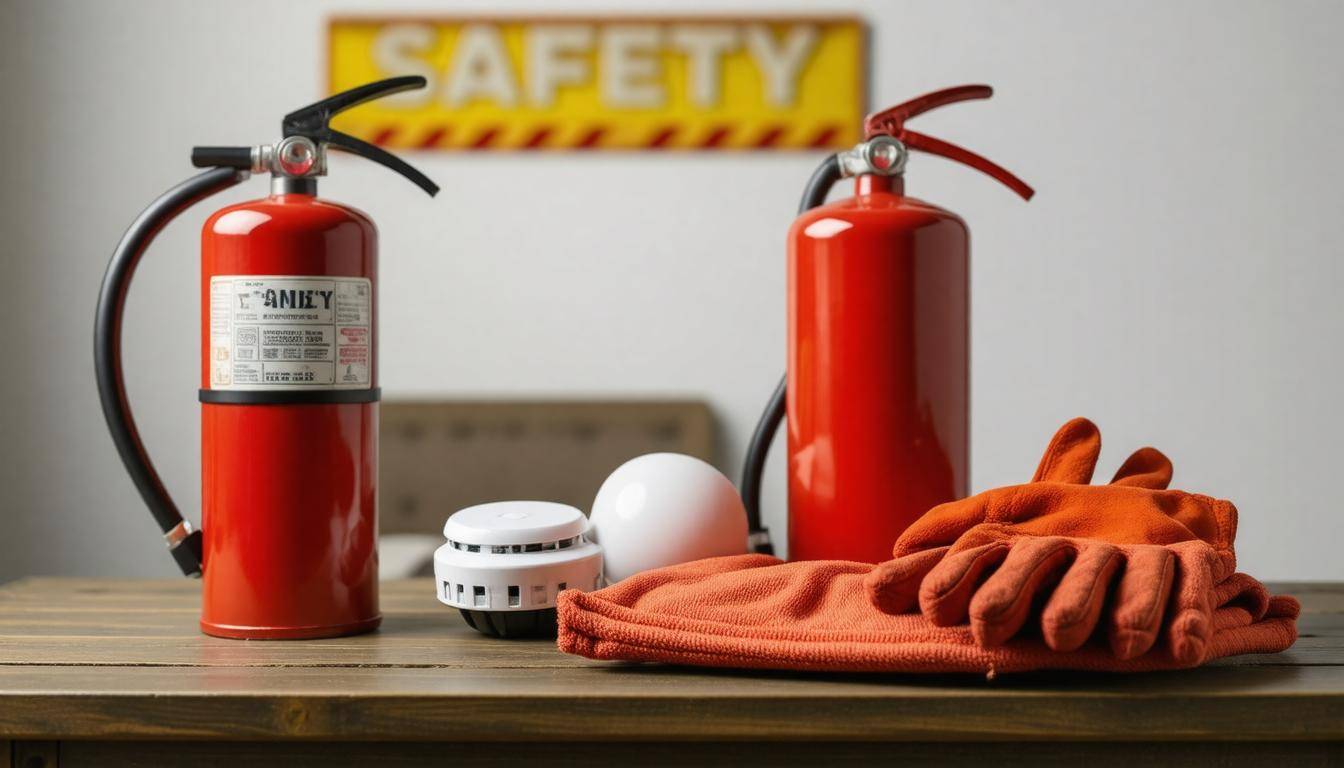
Essential Fire Protection Equipment List
First on our list is Fire Alarms and Smoke Detectors. These devices serve as the frontline defense against potential fires, alerting occupants at the first sign of smoke or flame. A combination of technologies—like photoelectric detectors, which excel at catching slow-smoldering fires, and ionization detectors for rapid detection of fast-flaming ones—ensures comprehensive coverage. The real benefit comes when these alarms are interconnected. Picture this: you’re in the basement while a fire starts in the kitchen; interconnected alarms provide an immediate alert wherever you might be in the house, potentially saving lives.
Following closely are Fire Extinguishers, essential tools that everyone should have readily available. Fire extinguishers come categorized into five classes:
| Class | Type | Description |
|---|---|---|
| A | Ordinary combustibles | Wood and paper |
| B | Flammable liquids | Gasoline, oil |
| C | Electrical fires | Live electrical equipment |
| D | Combustible metals | Magnesium, titanium |
| K | Cooking oils | Kitchen environments |
Each type serves a distinct purpose, so it’s critical to choose according to potential hazards in your environment. Placing them in easily accessible locations increases your chances of effectively managing a fire before it spirals out of control.
Another indispensable item is Sprinkler Systems. These systems significantly reduce damage during a fire and provide that critical chance to control or suppress flames quickly. Some systems rely on pressurized water throughout a wet pipe system, while dry pipe systems ensure safety in environments where the risk of freezing exists. Consider the type of sprinkler configuration that works best for your space—it could make all the difference.
Now let’s talk about Fire Suppression Systems. These specialized setups, such as CO2 systems or FM-200 systems, cater specifically to unique environments—like server rooms or industrial kitchens—where traditional sprinklers might not be suitable due to equipment sensitivity or water damage concerns. These systems use chemical agents to displace oxygen or remove heat from fires rapidly, acting fast to avoid extensive damage.
As emergencies unfold, having appropriate Emergency Lighting can guide occupants safely to exits during power outages. Battery-powered exit signs illuminate paths and prevent panic during evacuations, ensuring everyone knows the quickest way out in a crisis. Clear pathways created by emergency lighting can often mean the difference between chaos and organized evacuation.
Additionally, there’s the necessity of Fire Blankets. Made from fire-resistant materials, fire blankets are particularly effective at smothering small fires or protecting individuals during rescue operations. Their portability makes them incredibly valuable in home kitchens and can be lifesaving with prompt application.
In high-risk areas, consider installing Fire Hose Reels and Cabinets. These straightforward yet effective tools provide an immediate water source for firefighting efforts before professionals arrive on the scene. Regularly inspecting these for functionality keeps everyone prepared should a situation arise.
Lastly, don’t overlook Personal Protective Equipment (PPE). This includes protective clothing, gloves, helmets, boots, goggles—everything needed to safeguard responders during emergencies. Proper PPE helps minimize injury while handling hazardous situations.
Investing in and maintaining this essential fire protection equipment promotes safety and ensures compliance with regulations designed to keep both lives and property safe from fire hazards.
With a solid understanding of these crucial items, we can now shift focus to key devices that play a vital role in early detection and alertness within any building’s fire safety strategy.
Fire Alarms and Smoke Detectors
Alarms serve as your home’s vigilant guardians, sounding the alarm when danger approaches. Just knowing that they are there working quietly in the background provides a comforting sense of security. However, these devices are more than just beeping contraptions; they are intricately designed systems that function according to different fire dynamics.
Types of Detectors
Fire alarms and smoke detectors primarily fall into three main categories:
-
Photoelectric Detectors
These types work by utilizing light sensors to identify smoke particles. They excel in detecting smoldering fires, which produce dense smoke before a full-blown fire ignites. If you’re worried about leaving something unattended that could catch fire slowly, these detectors are invaluable. -
Ionization Detectors
On the other hand, ionization detectors operate using a small amount of radioactive material to detect fast-flaming fires. They react swiftly to the rapid combustion that these fires produce, making them essential in high-risk areas like kitchens, where burning food could ignite flames rapidly. -
Dual Sensor Detectors
Combining the strengths of both photoelectric and ionization technologies, dual sensor detectors provide comprehensive coverage against various fire scenarios. If you’re aiming for maximum protection throughout your home, these might be your best bet.
Regularly maintain your smoke detectors to ensure they work correctly. This includes testing them monthly and replacing batteries at least once a year; it’s essential for keeping your family safe.
Additionally, interconnected alarms dramatically improve response times during emergencies. In recent studies, homes equipped with interconnected alarms reported up to a 50% increased response rate compared to standalone devices. This highlights how important it is not only to have alarms but also to set them up in a way that communicates with one another.
Having alarms in place is a foundational step, yet their efficiency multiplies when combined with proper maintenance and complementary fire safety equipment. Turning our attention now to those critical tools that can suppress flames and help protect lives further enhances our understanding of safety and compliance measures.
Fire Extinguishers and Their Uses
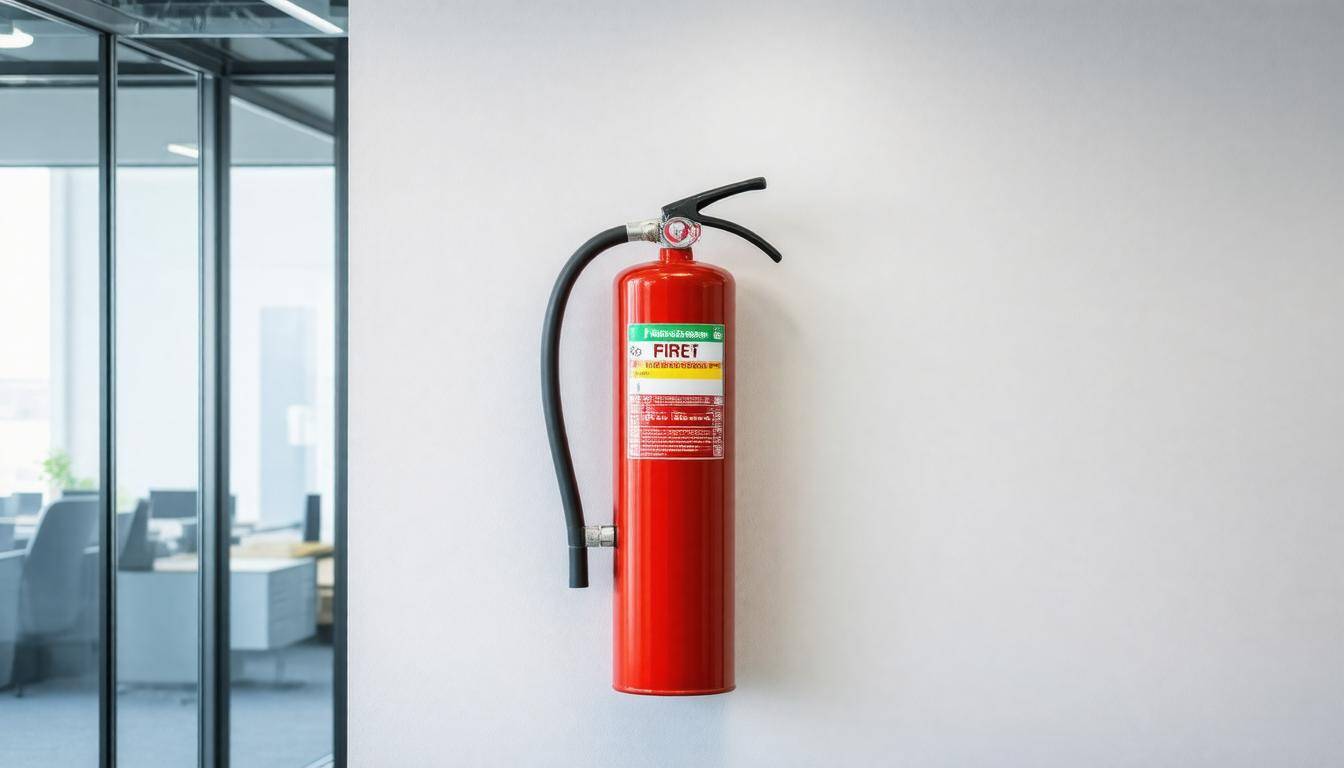
Fire extinguishers are essential tools that everyone should feel comfortable using, and they can significantly mitigate danger in an emergency situation. As you may already know, fire extinguishers fall into various classes based on the type of fire they are designed to combat—this categorization helps ensure you have the right extinguisher for the right situation.
Fire Extinguisher Classes
| Class | Description | Examples |
|---|---|---|
| A | Ordinary combustibles | Wood, paper, cloth |
| B | Flammable liquids | Oil, gasoline, paints |
| C | Electrical fires | Appliances, wiring |
| D | Combustible metals | Magnesium, titanium |
| K | Cooking oils and fats | Deep fryers, grease fires |
The table above provides a clear overview of each class of fire extinguisher and what it’s meant to fight. It’s critical to remember that using the wrong type of extinguisher can not only be ineffective but potentially dangerous. For example, using water on electrical or grease fires can exacerbate the situation instead of mitigating it. This is why educating yourself about these distinctions isn’t just good practice; it’s necessary for safety.
Regular firefighting training or fire extinguisher drills at home or work can help familiarize yourself with the equipment you’ll need in a real emergency. Just imagine being face-to-face with flames and fumbling to remember which type of extinguisher to grab—it can lead to panic and poor decisions when seconds matter. Stories abound from safety experts about how preparedness saved lives because people knew exactly what they were doing before facing flames.
Beyond simply having fire extinguishers available in your building, ensuring they are easily accessible is paramount to effective use. It’s not enough to slap one against a wall and hope for the best; improper placement can hinder quick action when every moment counts.
Ideally, you should position fire extinguishers in readily visible locations throughout your home or workplace. Placing them near potential fire hazards—like kitchens or utility rooms—but away from exit routes allows you quick access while still maintaining an escape plan. Take stock of your surroundings frequently; conduct inspections to make sure they’re charged and operable at all times.
According to research by the National Fire Protection Association (NFPA), homes that have working fire extinguishers are significantly more likely to prevent larger disasters. In fact, when utilized correctly, fire extinguishers can control a small fire before it escalates into something much more destructive.
Understanding the proper use and placement of your fire protection equipment establishes a vital foundation for safety compliance. Next, we’ll explore a crucial component of this safety framework: an effective method for automatically controlling fires before they spread.
Sprinkler Systems Overview
Sprinkler systems are critical components of modern fire safety; they act automatically to suppress flames before they can spread, offering a layer of security that can save lives and property.
Types of Sprinkler Systems
There are several types of sprinkler systems, each designed to address specific fire hazards:
-
Wet Pipe Systems: These are the most common type of sprinkler system. They contain water inside the pipes at all times, which means they can release it immediately when activated by heat. This responsiveness makes them incredibly effective for fast-moving fires and ideal for areas where pipes won’t freeze.
-
Dry Pipe Systems: These systems contain pressurized air or nitrogen in the pipes instead of water. Water is only released once the air pressure drops—typically caused by a fire triggering a sprinkler head. Dry pipe systems are particularly useful in environments subject to freezing temperatures, as they prevent unwanted water flow and potential damage during cold weather.
-
Pre-Action Systems: Combining features from both wet and dry systems, pre-action systems require a two-step process before initiating water flow. First, a heat detector senses the fire and signals the system, allowing water into the pipes. It then activates the sprinklers if they detect increased temperature. This added layer of detection helps reduce false activations, making them beneficial for places containing sensitive equipment or valuable items.
-
Deluge Systems: Similar to pre-action systems, deluge systems have open sprinkler heads that release large amounts of water through every head simultaneously upon activation. They are particularly effective in high-hazard areas such as aircraft hangars or chemical storage facilities, where immediate massive water flow is essential to controlling a rapidly escalating fire.
These systems play a vital role in reducing fire-related casualties and damages. According to the NFPA (National Fire Protection Association), buildings equipped with sprinkler systems can achieve an astonishing 87% reduction in the fire death rate within industrial properties compared to those without protection.
As we move from industrial applications to considerations for home safety, it’s imperative to recognize how various spaces within a home must be equipped to combat potential fire hazards effectively.
Residential Safety Essentials
Homes require an array of fire protection equipment to safeguard lives and property effectively. Smoke alarms are particularly vital; having one in each bedroom and on every level ensures early detection, which can be the difference between life and death. The National Fire Protection Association (NFPA) reports that almost 97% of U.S. homes have at least one smoke detector installed. This commonality underscores its importance, yet it’s imperative to remember that these devices need regular maintenance, including testing each month and replacing batteries at least once a year.
While smoke detectors are essential, the presence of fire extinguishers is equally crucial.
Experts recommend keeping at least one fire extinguisher per floor, suited for the types of fires likely to occur in specific areas. For example, Class A extinguishers handle ordinary combustibles like wood and paper, while Class B extinguishers are meant for flammable liquids such as oil or gasoline. Placing extinguishers in accessible locations—near kitchens or garages where fires could ignite—ensures they are available when needed most. The NFPA suggests a minimum capacity of 2.5 pounds for residential use, providing a powerful yet manageable option for homeowners.
As we contemplate safety from above, fire escape ladders should not be overlooked.
In multi-story homes, these ladders serve as a lifesaving link to safety during emergencies. Having options readily available allows occupants to evacuate quickly when traditional escape routes become obstructed by flames or smoke. One homeowner recounted how their escape ladder became a “lifesaver” when a cooking fire blocked their stairs—demonstrating that preparation can indeed prevent tragedy.
Furthermore, attention to carbon monoxide detectors is paramount.
Although not directly related to fire, many residential fires stem from gas leakages that cause carbon monoxide build-up—a silent killer. Surprisingly, only about 50% of U.S. homes have carbon monoxide detectors installed. This statistic is alarming when considering that the NFPA recommends that every home should include one of these critical devices. These detectors routinely warn residents before harmful levels build up in the air.
Another essential item worth mentioning is fireproof safes.
Fireproof safes offer peace of mind by ensuring your valuables and critical documents survive potential fires unharmed. Imagine the disaster of losing important records due to fire damage; using a quality safe minimizes that risk significantly. Investing in a reliable fireproof safe will ensure that precious items like family heirlooms or financial documents remain protected even under extreme temperatures.
One homeowner shared their experience eloquently: “Our fire escape ladder was a lifesaver when the kitchen fire blocked the stairs. We wouldn’t have gotten out safely without it.” This statement highlights how preparedness within one’s home not only protects possessions but safeguards lives.
Having examined essential fire safety measures for residential spaces, it’s important to explore how businesses implement their own strategies for preventing fire hazards.
Commercial Fire Prevention Measures
In commercial environments, adhering to stringent fire protection requirements isn’t merely a matter of compliance; it’s a vital step toward ensuring the safety of employees and customers alike. For instance, creating comprehensive evacuation plans must be one of the first steps you take. These plans should feature clearly marked routes and regular drills to ensure everyone on site knows exactly how to respond in case of an emergency. It’s one thing to have these plans documented, but they need to be familiar to all so that no one hesitates when lives are at stake.
Speaking of critical components, let’s not overlook fire doors. These specialized doors are designed to automatically close in case of a fire, minimizing the spread of the blaze and providing an essential barrier between flames and escape routes. The mere presence of these doors doesn’t suffice; they must be routinely inspected for functionality to ensure they will perform as intended when needed.
Additionally, sprinkler systems are often mandatory in new building constructions, serving as a proactive measure in fire prevention. Just imagine: with each floor covered by these systems, you significantly decrease the risk of flames reaching critical areas. However, consistent maintenance and weekly testing are crucial—after all, a system that fails to activate could spell disaster.
Alongside equipment and infrastructure are fire wardens, trained personnel responsible for ensuring safety during emergencies. These individuals can make or break the effectiveness of your emergency response plan. It’s vital that they undergo regular training to stay updated on best practices and protocols.
According to OSHA, a well-implemented fire safety plan can reduce workplace injuries by up to 50%. That statistic should resonate deeply—it showcases just how effective preparedness can be when properly executed.
Remember that having fire protection equipment in place is only part of the equation; maintaining it is just as crucial. Regular inspections, ongoing training for staff members, and reviewing emergency procedures can bolster organizational resilience against fire hazards while enhancing overall workplace safety.
Commercial spaces need proactive measures that go beyond mere compliance with codes; they require an atmosphere where safety is prioritized every day. By emphasizing preparation and maintenance, businesses can build not just compliant facilities but also secure environments where risks are minimized for all occupants.
Shifting our focus now helps us understand how regular upkeep and preparedness play pivotal roles in fostering a safe working environment. Let’s explore what ongoing efforts can further ensure readiness against potential fire threats.
Maintenance and Preparedness Tips
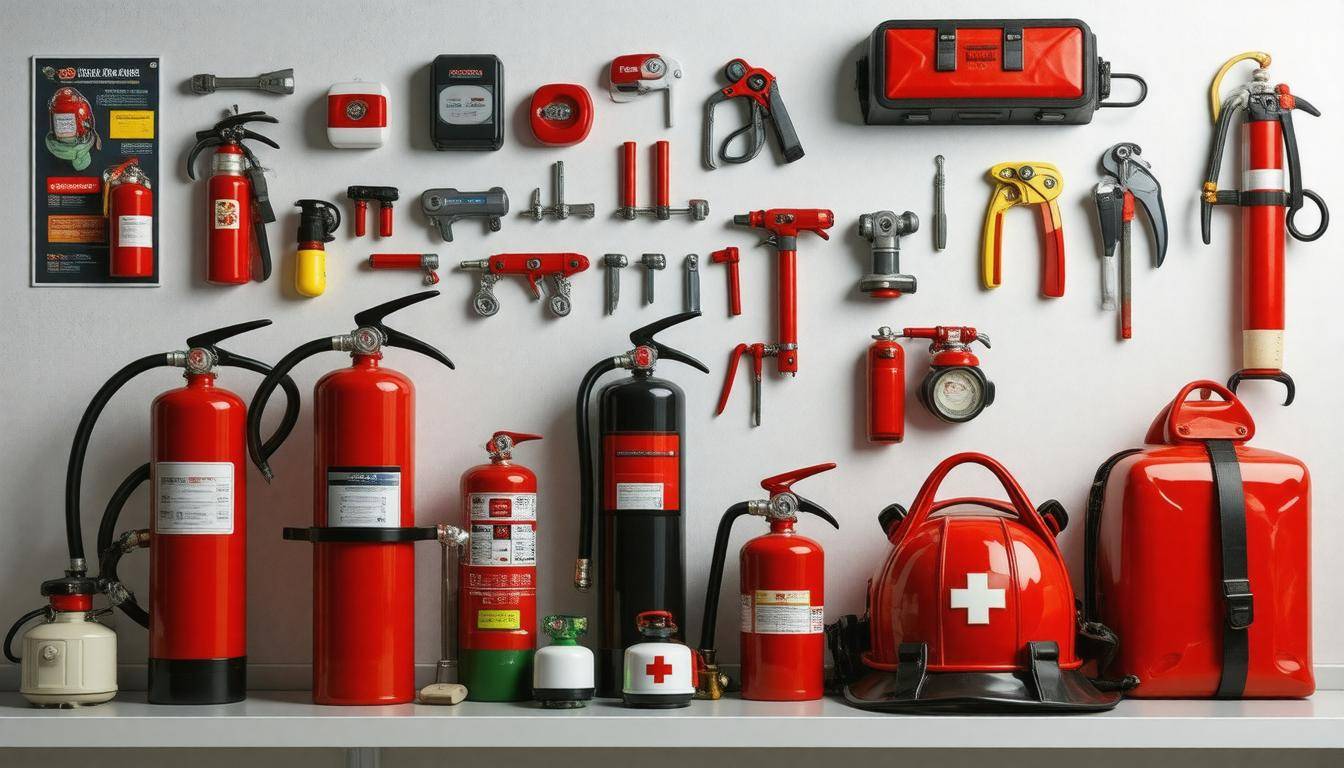
Regular maintenance is paramount not only for ensuring that fire protection equipment functions properly but also for safeguarding lives. Adhering to a systematic approach can make a significant difference in preventing potential disasters. When it comes to protecting your space from flames, even small monthly checks can have big impacts.
One essential practice is conducting monthly checks on alarms and detectors. This involves not just pressing the test button but also examining their overall condition, making sure they are clean, unobstructed, and installed correctly. Regular checks keep you attuned to any issues before they escalate. Always remember: Fire alarms without working batteries are as good as no alarms at all. Investing a little time each month adds a layer of protection against dire emergencies.
Annual inspections by professionals are another pivotal step. A thorough inspection of all systems including suppression components can reveal hidden faults that regular users may overlook. Professional technicians have specialized training and tools to ensure everything meets industry standards—and that’s something you don’t want to take chances with. Often, compliance with local codes and regulations hinges on these annual evaluations.
Furthermore, conducting fire drills biannually keeps both employees and family members prepared for possible emergencies. Familiarizing everyone with exit routes and proper usage of emergency equipment increases the likelihood of a successful evacuation if disaster strikes. A calm environment during emergencies can stem from prior practice, as people know exactly what to do.
Following manufacturer recommendations regarding equipment servicing adds another layer of assurance. Whether it’s fire extinguishers or alarm systems, every piece of equipment has detailed guidelines for maintenance frequency and best practices. Neglecting these can lead to critical failures when you need them most; statistics show that nearly 30% of fire extinguishers fail during an emergency due to insufficient upkeep.
Documentation of maintenance efforts cannot be overlooked either. Keeping meticulous logs records all checks, inspections, and drills provides peace of mind and accountability. In cases where compliance data is required—either by law or for organizational policy—having these records at your fingertips makes life so much easier. Think of it as maintaining your car: you wouldn’t wait until it breaks down to check the oil or change the tires!
As one fire safety expert insightfully remarked, “Most fire equipment failures are due to neglected maintenance. A simple monthly check can save lives.”
This emphasis on vigilance paves the way for a culture of preparedness within a facility or home, helping everyone recognize their role in maintaining safety protocols—because effective fire protection isn’t just about having the right tools; it’s about knowing how to use them effectively when it counts the most.
When investing in new items, understanding proper maintenance prepares you for compliance and helps foster a secure environment free from fire-related concerns. Let’s explore how to make informed choices in acquiring safety gear tailored to your needs.
Buying Guide for Safety Equipment
Buying fire protection equipment involves careful consideration that goes beyond just browsing aisles or selecting items online. It’s crucial to examine features and specifications to ensure you are making decisions that best protect you, your family, or your business.
One of the key factors to keep in mind is certification. Always look for products that are certified by recognized safety organizations such as the National Fire Protection Association (NFPA) or Underwriters Laboratories (UL). This is more than just a badge; it represents a commitment to standards that have been rigorously tested.
Key Factors When Buying
Moving on, consider compatibility. It’s not enough for fire extinguishers or suppression systems to be top-of-the-line; they need to work seamlessly with your existing setups. For instance, if you have automatic sprinkler systems, make sure your new equipment integrates well with them. This small detail can make a significant difference in an emergency situation.
Next is durability. Nobody wants to invest in safety equipment only to find out it doesn’t stand the test of time. Look for products backed by solid warranties and reviews that speak to their long-lasting quality. A durable piece of equipment will often mean the difference between functionality and failure when you need it most.
Another critical component is user reviews. Read through consumer feedback as these experiences provide valuable insights into reliability that can’t always be found in product descriptions. You want to know how these products hold up under real-world conditions rather than just controlled tests. Many mistakes and regrets could be avoided by paying attention to what others have encountered.
An important observation is that many buyers overlook certifications, yet these are crucial as they ensure compliance with safety standards. Spending a few extra moments checking these details can save lives down the road.
Making informed purchasing decisions can greatly influence overall safety not only for yourself but also for those around you. Opt for reputable stores with knowledgeable staff who can guide you toward high-quality products. Consulting a fire safety expert can also be beneficial; they often provide tailored advice based on specific needs and circumstances.
By taking these steps, the fire protection equipment you choose becomes an integral part of your comprehensive safety plan.
Fire alarms: Systems that warn people by sounding an alarm when smoke or fire is detected.
Fire alarms play a critical role in fire protection, serving as the first line of defense by alerting occupants to potential dangers, thereby allowing for timely evacuation. Studies have shown that having working smoke alarms reduces the risk of death in a reported fire by 50%, emphasizing their essential role in safety compliance and life preservation. Regular maintenance and testing ensure these systems are reliable, making them an indispensable item in any fire safety plan.
Smoke detectors: Devices that sense smoke and alert occupants to potential fires.
Smoke detectors are critical safety devices that detect smoke through various technologies, such as ionization or photoelectric sensors. They play a vital role in alerting occupants to potential fires, giving them precious minutes to escape. According to the National Fire Protection Association (NFPA), homes with working smoke alarms reduce the risk of dying in a fire by 50%. Their importance cannot be overstated, as they are often the first line of defense in preventing fire-related tragedies.
Fire blankets: Blankets used to smother flames on a person or small fires.
Fire blankets are crucial safety tools designed to extinguish small fires and protect individuals by smothering flames effectively. Made from fire-retardant materials, they can be used to wrap around a person whose clothing has caught fire, potentially reducing the risk of severe burns. According to the National Fire Protection Association (NFPA), having fire blankets readily available can significantly decrease injury severity in household fires, as quick response is essential in preventing fire spread. Statistics indicate that rapid deployment of fire suppression methods like blankets can enhance survival rates in emergency situations.
Sprinkler systems: Automatic systems that can douse fires with water when activated.
Sprinkler systems are crucial fire protection equipment that automatically releases water to extinguish fires when activated, significantly enhancing safety in buildings. According to the National Fire Protection Association (NFPA), fire sprinklers can reduce the risk of dying in a reported fire by 81%, and they have been shown to reduce property damage by up to 70%. Their quick response time minimizes fire spread, making them an essential compliance requirement for many facilities.
How often should smoke detectors and other fire protection equipment be tested or replaced?
Smoke detectors should be tested monthly and replaced every 10 years, while fire extinguishers should be inspected monthly and replaced if they have not been used within 10 years or show signs of damage. According to the National Fire Protection Association (NFPA), working smoke alarms reduce the risk of death in a reported fire by 50%. Regular testing and timely replacement are crucial for ensuring these safety devices function effectively when needed.
How can businesses ensure they have the proper fire protection equipment based on their specific needs?
Businesses can ensure they have the proper fire protection equipment by conducting a thorough risk assessment to identify potential fire hazards specific to their operations and environment. Consulting with fire safety experts and complying with local regulations can help in selecting the appropriate equipment, such as extinguishers, alarms, and sprinklers. According to National Fire Protection Association (NFPA) statistics, proper planning and equipment can reduce property damage by up to 50%, emphasizing the importance of tailored solutions for effective fire safety and compliance.
What training is required for personnel who will operate fire protection equipment effectively?
Personnel operating fire protection equipment must undergo comprehensive training that includes understanding the types of equipment, proper usage techniques, and emergency protocols. This often involves hands-on practice, safety drills, and regular refresher courses to maintain skills proficiency. According to the National Fire Protection Association (NFPA), effective training can reduce the risk of injury by up to 80%, highlighting the crucial role of education in ensuring compliance and safety in fire protection practices.
Fire extinguishers: Portable devices for putting out small fires.
Fire extinguishers are crucial portable devices specifically designed to tackle small fires before they escalate into larger, uncontrollable blazes. Statistics show that having a fire extinguisher on hand can reduce property damage and increase the likelihood of successfully extinguishing a fire in its early stages; for instance, according to the National Fire Protection Association (NFPA), 80% of all fire emergencies can be managed with the proper use of a fire extinguisher. Regular maintenance and training in their use significantly enhance safety and compliance within any setting.
Are there specific regulations that govern the installation of fire protection equipment in commercial buildings?
Yes, there are specific regulations governing the installation of fire protection equipment in commercial buildings, primarily dictated by the National Fire Protection Association (NFPA) standards and local building codes. Compliance with these regulations is crucial, as studies show that proper installation and maintenance of fire protection systems can reduce the risk of fire damage by up to 50%. For instance, NFPA 101 outlines requirements for life safety in buildings, emphasizing the need for adequate fire alarm systems, sprinkler installations, and emergency exits to ensure occupant safety.
Fire hoses and hydrants: Equipment used for dousing larger fires.
Fire hoses and hydrants are crucial components in combating larger fires, as they facilitate the rapid delivery of water to extinguish flames effectively. According to the National Fire Protection Association (NFPA), approximately 45% of all firefighter injuries occur during fire suppression activities, emphasizing the importance of efficient equipment for safety. High-pressure hoses can deliver over 1,000 gallons per minute, allowing firefighters to tackle large blazes swiftly and reduce potential damage and injury. The strategic placement of hydrants ensures that they are accessible in emergencies, underscoring their role in fire protection compliance and community safety.
What criteria should be considered when choosing the right fire extinguishers for different environments?
When choosing the right fire extinguishers for different environments, consider the type of fires likely to occur (Class A, B, C, D, or K), the size and layout of the space, accessibility for users, and compliance with local regulations. For instance, portable extinguishers should be placed within 75 feet of potential fire hazards in commercial settings, as having well-placed extinguishers can reduce property damage by up to 80%. Additionally, ensure the extinguisher is appropriately rated for the specific environment—such as water-based extinguishers for ordinary combustibles and foam or CO2 extinguishers for flammable liquids.