
In an age where important documents can mean the difference between chaos and calm in emergencies, safeguarding your valuables is more crucial than ever. Whether it’s your birth certificate, cherished family photos, or contracts for that big deal, the last thing you want is to risk losing them in a fire or flood. A reliable fireproof document container is not just a luxury—it’s an essential investment for peace of mind. In this guide, we’ll break down everything you need to know about choosing the best fireproof container, from key features to top picks that fit various needs. Let’s dive in and ensure your treasured documents are well-protected!
When selecting a fireproof document container, consider key features such as the temperature rating, material strength (like fiberglass for durability), waterproof capability, size for document compatibility, and security features like locks or secure closures. Additionally, ensure that the product meets recognized safety standards and certifications to guarantee its effectiveness in protecting your important documents.
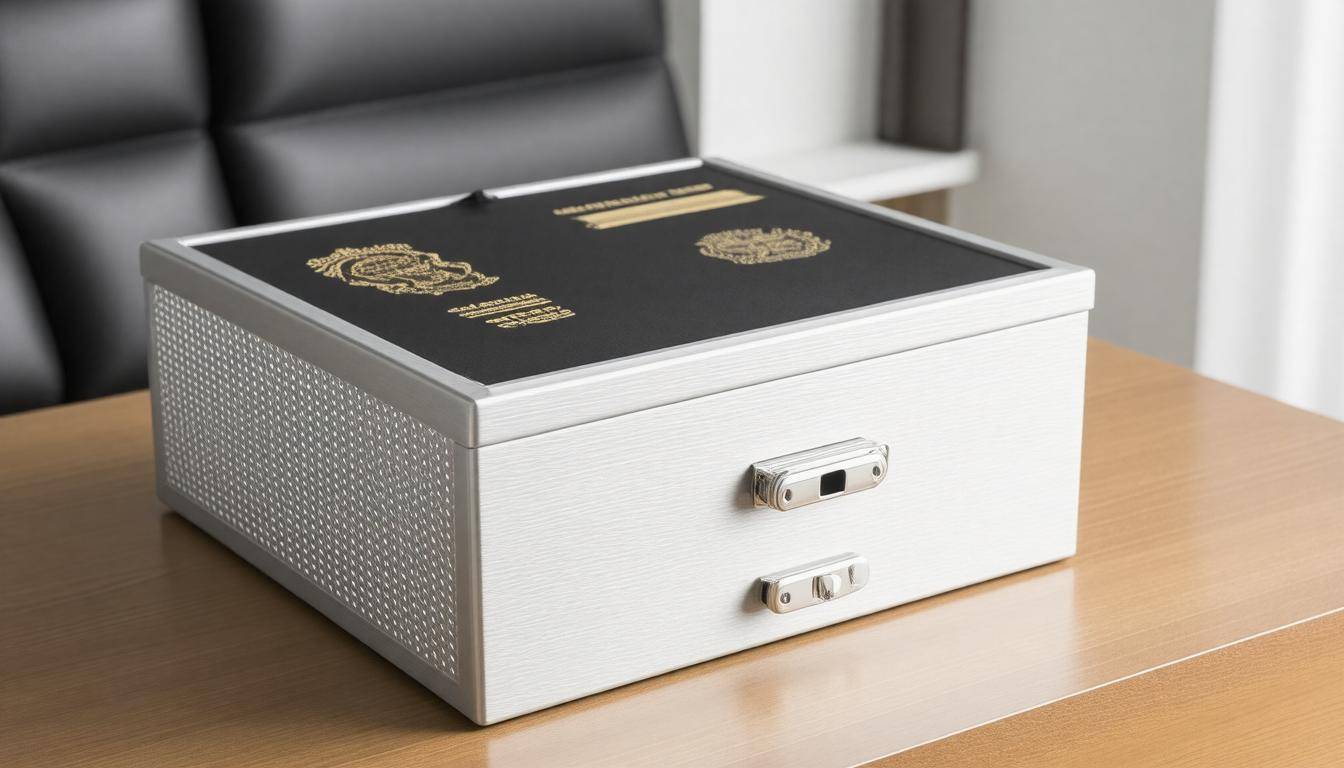
Our Top Picks for Fireproof Document Containers
When it comes to selecting a fireproof document container, a few products consistently rise above the rest due to their impressive features and durability. Each one has been carefully chosen for its specific strengths, catering to different user needs and preferences.
1. SentrySafe HD4100 Fireproof Safe
The SentrySafe HD4100 is a solid choice if you’re looking for exceptional fire resistance. It can withstand exposure to flames up to 1550°F for an impressive thirty minutes, which is critical during a potentially catastrophic event like a house fire.
But that’s not all—this safe also offers waterproof protection, keeping your documents dry for up to 72 hours even when submerged under twelve inches of water. Imagine how relieved you would feel knowing your vital family records and cherished photos are protected from both fire and water damage!
2. Honeywell 1104 Fireproof Briefcase
If portability is at the top of your must-have list, look no further than the Honeywell 1104 fireproof briefcase. Compact yet robust in construction, this briefcase ensures that your essential documents are secure no matter where you go.
Withstanding temperatures of up to 1700°F for an hour, it combines strength with mobility. The lock-and-key feature provides an additional level of security—consider it like having a trusty bodyguard for your important papers while you’re out and about.
3. Steelwater AMSWFB-450 Safe
For those needing heavy-duty protection, especially small business owners, the Steelwater AMSWFB-450 safe stands out prominently. This model boasts an impressive fire resistance rating of up to two hours at a shocking 1850°F!
Not only does it offer exceptional security for vital records, but it also features a biometric locking system. The convenience and advanced technology ensure that only you—or those you authorize—can access your important materials quickly.
As great as these options are, it’s equally vital to understand what key attributes contribute to their effectiveness in safeguarding your most important items.
Key Features of Fireproof Containers
A successful fireproof document container isn’t just a box; it’s a lifeline for everything you cherish. When evaluating your options, there are several key features to consider that directly affect both protection and usability.
Size and Capacity
The first consideration should always be the size and capacity. Before committing to a particular container, take a moment to evaluate the internal dimensions to ensure it has enough space for your important documents. Nobody wants their vital paperwork cramped together, which can lead to bending or tearing over time.
For example, if you anticipate adding more documents in the future—perhaps tax returns or personal records—it might be wise to opt for a slightly larger model. This forward-thinking approach protects your current papers and gives you peace of mind knowing you’re prepared for whatever life throws your way.
UL Ratings
Another critical feature is the Underwriters Laboratories (UL) rating. Think of this number as a badge of honor representing quality and reliability. A UL rating signifies that the product has undergone rigorous testing to meet safety standards, especially under high temperatures.
Specifically, ratings such as “UL 72 Class 350” indicate that the container can safeguard paper documents at extreme heat levels, typically up to 1550°F for periods exceeding 30 minutes. In real-world terms, that means even in a devastating fire scenario—when every second counts—your most important papers stand a fighting chance.
With an understanding of size and UL ratings in place, let’s turn our attention to additional features that can further enhance security and usability for safeguarding your vital documents.
Fire and Heat Resistance Explained
Fire resistance describes how well a container can withstand high temperatures without actually catching fire, while heat resistance is all about maintaining a lower internal temperature to keep your precious documents safe. Imagine this: if the exterior of your fireproof safe is engulfed in flames, you want to ensure that the inside remains cool enough to protect important paperwork from combustion.
For example, a fireproof container rated under “UL 72 Class 350” can keep its internal temperature below 350°F, even if the outside reaches extraordinary heat levels. This means that documents stored inside have a decent chance of surviving the fire unscathed. Many residential fires can burn at temperatures over 1,200°F, highlighting the need for reliable fire protection.
To further complicate matters, consider how long these containers can protect your valuables during an actual fire event.
Ratings Matter
Fireproof containers often come with various ratings based on their ability to endure high temperatures for specific durations—commonly 30 minutes, 1 hour, or even up to 2 hours. A one-hour rating is the most frequently seen standard for household use because it typically covers average fire exposure durations. In contrast, commercial environments may require products designed for more extreme conditions.
Many consumers find comfort in understanding these ratings. Here’s a quick breakdown:
| Rating | Max Internal Temperature | Duration |
|---|---|---|
| UL 72 Class 350 | 350°F (177°C) | Up to 1 hour |
| UL 72 Class 1250 | 1250°F (677°C) | Up to 30 minutes |
| UL 72 Class 2000 | 2000°F (1093°C) | Up to 15 minutes |
Additionally, materials play a significant role in fire and heat resistance. Most fireproof containers are crafted from a mix of steel and fiberglass. Steel tends to provide superior durability against physical damage, while fiberglass insulation helps achieve higher thermal resistance due to its composition and density.
However, simply having fire resistance isn’t enough; water damage is another critical concern during any fire scenario.
Water Damage Considerations
In firefighting efforts, water is commonly used to extinguish flames; this means that even if your container withstands fire, it could still get soaked. Some models also feature waterproof capabilities which are invaluable during such situations. Typically rated for water exposure for set intervals—often around 24 hours—these safes can significantly mitigate any potential damage caused by the firefighting process.
The National Fire Protection Association recommends storing vital documents in containers built to endure temperatures reaching at least 1,200°F for a minimum of 30 minutes to ensure sufficient safety measures are met.
Understanding these factors will help ensure you choose a fireproof document container that will not only prevent premature combustion but also effectively shelter your documentation from both heat and water harm. Proper evaluation of these features enables you to make an informed buying decision that guarantees reliability when protecting what matters most.
With the fire and water protective qualities examined, it becomes essential to explore additional aspects related to safeguarding your valuables against unforeseen threats.
Waterproofing and Security
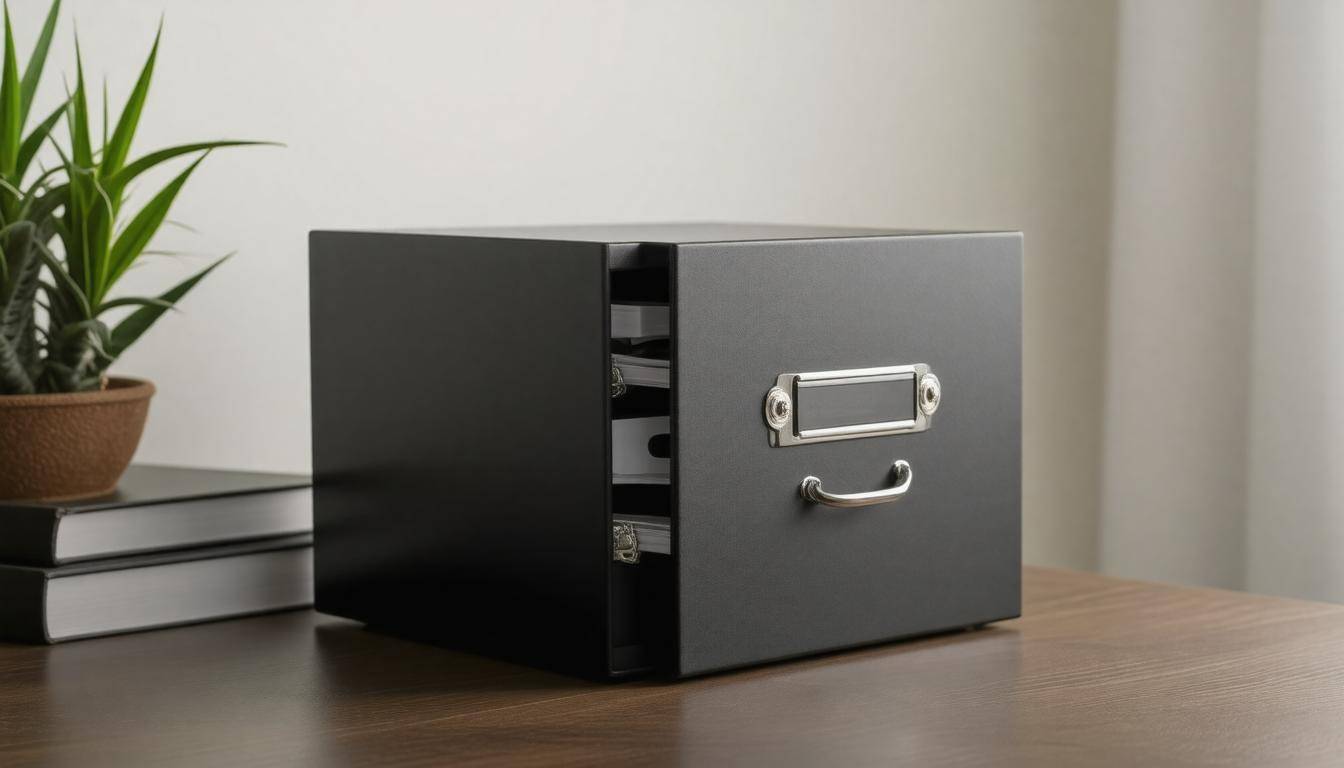
A well-rounded fireproof document container should not only resist fire but also offer protection against water damage and theft. Prioritizing waterproofing is essential because water damage often accompanies fire situations. During a fire, firefighters may use water to extinguish flames, and unprotected documents could sustain significant damage. Hence, the importance of flood or sprinkler-proof containers cannot be underestimated.
Waterproof Seals
The best containers possess robust waterproof seals that keep water out even during prolonged submersion, making them ideal for many households. For example, models like the Honeywell 1104 feature innovative sealing mechanisms that allow them to float on water while preventing moisture from seeping in. This clever design is engineered to withstand conditions that would otherwise compromise your essential documents.
Consider these points when assessing the waterproof capabilities of a fireproof storage option:
- Look for UL (Underwriters Laboratories) certifications that indicate proven resistance to water exposure.
- Ensure the material used can endure high levels of moisture without breaking down.
- Pay attention to user reviews discussing real-world performance in wet conditions.
Security Features
Equally important are the security features you’ll find in these containers. You should look for models equipped with locks—after all, what good is a fireproof safe if someone can easily access it? Options vary widely from biometric systems that scan fingerprints to digital keypads and traditional key locks. Each type offers different levels of security and convenience.
According to a survey by Consumer Reports, 65% of users prefer key locks for their reliability, which speaks volumes about consumer trust in classic lock designs. However, digital locks provide an appealing alternative for those who value quick access without fumbling with keys.
Knowing the details about these features enables you to make better-informed choices when selecting a fireproof document container tailored to your home or business needs. With a solid understanding of both waterproofing and security measures, you’re now equipped to explore the most suitable options available on the market today.
Best Options for Home Use
For homeowners looking for effective yet space-efficient solutions, compact models stand out as a wise choice. These small safe units not only keep your essential documents secure but also fit seamlessly into tight spaces around the house. A perfect example is the SentrySafe HD4100, which provides a fantastic balance between ease of use and protection without overwhelming your living area.
What makes this particular model appealing is its ability to snugly hold important documents while maintaining a compact footprint. It’s designed with practicality in mind, ensuring that you can slip it under a bed or on a shelf without compromising your home’s aesthetics. Additionally, many smaller safes come equipped with bolting hardware, allowing you to secure them firmly to the floor or a wall—a critical feature when it comes to protecting against theft.
“Compact doesn’t mean compromised; these safes provide robust protection in a space-friendly design.”
Imagine this: you’re in an emergency situation and need access to important paperwork fast—these small units can save the day. They are like the Swiss Army knives of document safes: both versatile and incredibly useful. Being lightweight and user-friendly allows for easy transportation during urgent situations.
However, let’s not overlook other excellent options available in the market that cater to a variety of needs and budgets. Options like the Union Safe Company Waterproof And Fire Rated Document Safe are budget-friendly while offering decent protection against both fire and water damage, making it an attractive choice for those cautious about overspending. It boasts a fire rating of 30 minutes at temperatures reaching 1,550°F, providing considerable safety for essential documents without stretching your budget too much.
Beyond just affordability, consumers today increasingly seek products that combine effective security features with convenience. This aligns perfectly with the growing demand for specialized products like those from the Honeywell series, designed explicitly for document preservation. Proper education on these products will help guide thoughtful investment decisions, thereby increasing your long-term safety and peace of mind.
With such diverse offerings that take into account various financial considerations and needs, being well-informed about available choices can significantly enhance your decision-making process as you prepare to protect your valuable items effectively.
Top Choices for Business Needs
When it comes to businesses requiring fireproof containers, a higher level of security and storage capacity is essential. Think about it: within an office environment, stacks of legal documents, employee records, and sensitive client information can quickly accumulate. Ensuring that these crucial materials are secure takes precedence over merely choosing a smaller, standard safe; thus, we need to think bigger and smarter in our approach.
High-Capacity Containers
Enter the Steelwater AMSWFB-450—a remarkable option designed with extensive storage capabilities and dual-layer fire protection. This model stands out due to its impressive capacity; it comfortably accommodates a multitude of documents without compromising safety. Imagine having peace of mind knowing that your important papers are shielded from temperatures soaring up to 2,000°F. Its biometric security feature adds another layer of protection, ensuring that only authorized personnel gain access. This high-tech approach not only enhances security but also streamlines accessibility during critical situations.
However, while selecting a standout model like the Steelwater AMSWFB-450 is important, considering how you can further optimize document storage is equally essential.
Modular Storage Solutions
For many businesses, especially those that need flexibility in their document management strategy, modular storage systems offer an innovative solution. Rather than relying on one large container alone, utilizing multiple smaller fireproof containers together allows for organized and efficient retrievals of documents. Picture this scenario: instead of rummaging through a massive safe trying to find a specific document, you have several smaller labeled containers neatly categorized by department or project. Not only does this keep operations running smoothly, but it also decreases the risk of misplacing vital paperwork.
In a world where our professional landscapes continuously evolve, decision-makers must consider the layout and flow of their workspace when implementing modular setups. This fosters an environment where access to crucial documents is swift yet secure.
As we continue to explore effective strategies for securing important paperwork, understanding your unique needs will guide you in making the best choices moving forward.
Making an Informed Purchase
Buying a fireproof document container isn’t something you should do on a whim; you want to ensure your valuable documents are protected adequately. Therefore, taking time to research is essential. Start by reading reviews and testimonials from actual users. These stories provide insight into how well a specific model performs in real-life situations.
For instance, many customers rave about the Honeywell 1104, highlighting its durability and reliability during house fires. Their experiences can inform you whether or not this is the right choice for you.
With user opinions considered, the next step is verifying credible certifications.
Verify Certifications
Always confirm if the container you’re eyeing is UL-rated or ETL-verified as these certifications indicate that the product has undergone rigorous testing to meet safety standards. A container without these certifications may not provide the advertised level of protection. This aspect becomes particularly critical given that homeowners often worry about fire safety: knowing that a product meets these standards can empower you to make a more confident decision.
As you explore features, keep an eye out for fire resistance ratings as well. Ideally, you’re looking for containers that offer protection for at least one hour at temperatures reaching 1700°F (927°C). Many brands boast these impressive capabilities, but don’t just take their word; verify them through independent testing results whenever possible.
Alongside considering fire ratings and certifications, material composition plays a key role in ensuring that your fireproof container will stand up against damage.
Material Composition
Common materials include steel and fiberglass; each has distinct advantages. Steel offers incredible durability which makes it resistant to impact damage, while fiberglass is lighter, enhancing portability when moving it around your home or office.
You have to weigh the options based on your specific needs—if you’re storing it in one spot, perhaps heavier steel is worth the investment; but if you’re on the go a lot, lightweight might be more advantageous.
Furthermore, consider your specific storage requirements. Fireproof document containers range in size from compact ones perfect for important papers to larger models designed for bulk storage of multiple items. Your choice should reflect not only the number of documents you wish to protect but also their compatibility with the container’s dimensions.
As we continue to explore essential features, water resistance emerges as another aspect worthy of consideration.
Water Resistance
Select containers with a water resistance rating of at least IPX4 or higher to defend against accidental spills or firefighting efforts. Water damage can be just as devastating as fire damage, ruining documents that could become irreplaceable over time.
Lastly, pay attention to the locking mechanism of the fireproof container. Opt for products with secure closures such as combination locks or key locks to prevent unauthorized access. This added security feature is particularly beneficial if you’re storing sensitive documents or cash inside.
With all these factors considered, you’ll be prepared to make informed comparisons before finalizing your purchase decision. Now let’s address common queries that arise in this context.
Frequently Asked Questions
What Size Should You Choose?
When it comes to size, it’s vital to determine your specific needs before making a purchase. For personal use at home, smaller units often suffice; they can hold vital documents like passports and financial records without taking up unnecessary space.
However, if you’re handling business paperwork or storing items for multiple family members, a larger unit might be more appropriate. Think about the volume of documents you need to protect, as well as whether you’ll also need to store other valuables such as USB drives or electronic media within the same container.
Imagine a small, compact safe sitting snugly beneath your desk, holding your critical papers. In contrast, envision a larger safe that can be tucked away in a corner of your office, housing not just your documents, but also those old family heirlooms. Choosing the right size depends on what you value most and how extensive your storage needs are.
How Do UL Ratings Impact Performance?
Understanding Underwriters Laboratories (UL) ratings is essential when selecting a fireproof container. These ratings provide a standardized measure of fire resistance based on thorough testing under extreme conditions. Generally speaking, containers with higher UL ratings—such as UL 72 Class 350—indicate superior protection. This means they can withstand higher temperatures for longer durations before the internal temperature starts to rise and potentially damage their contents.
Essential Tip: Always check the UL rating listed on the box before purchasing. If you want peace of mind knowing your documents are protected against intense heat, opting for options that have been rigorously tested and certified will enhance overall safety. High ratings are not just labels; they represent serious reliability in safeguarding your prized possessions.
Addressing these queries helps demystify the decision-making process, allowing you to navigate the market with greater knowledge and confidence. By considering size and recognizing the importance of UL ratings, you’re not just making informed choices—you’re investing wisely in the protection of valuable assets.
In summary, staying informed about both size options and UL ratings can significantly impact the effectiveness of your fireproof document container. This knowledge ensures that you choose a product that meets your specific needs while providing reliable protection for your important belongings.
What materials are commonly used in fireproof document containers, and how do they contribute to their effectiveness?
Common materials used in fireproof document containers include steel, fiberglass, and specialized insulating materials. Steel provides structural integrity and is resistant to high temperatures, while fiberglass and insulation materials trap heat and prevent it from reaching the contents inside. The effectiveness of these containers is underscored by their ability to withstand temperatures of up to 1,700°F (927°C) for a specified duration, often between 30 minutes to up to 2 hours, thus significantly reducing the risk of fire damage to important documents.
What additional features should I consider when selecting a fireproof document container, such as water resistance or portability?
When selecting a fireproof document container, it’s important to consider features like water resistance, portability, and locking mechanisms. Water resistance is crucial as fire can lead to water damage from firefighting efforts; statistics indicate that up to 20% of items can be damaged this way during a fire. Portability ensures you can quickly grab your essential documents in an emergency, while a good locking mechanism adds an extra layer of security against theft. Additionally, look for containers with both UL (Underwriters Laboratories) fire ratings and waterproof ratings for comprehensive protection.
How can I determine the right size of a fireproof document container for my needs?
To determine the right size of a fireproof document container for your needs, start by assessing the volume and types of documents you need to protect. Consider common storage sizes, such as letter or legal paper formats, and calculate a rough estimate of how many documents you’ll need to store—an average household typically requires around 1-2 cubic feet for essential paperwork. Additionally, it’s wise to factor in future needs; getting a slightly larger container can accommodate growth in important documents over time. Remember, choosing a container with built-in organization features can help keep your documents accessible while ensuring they’re protected.
Are there specific certifications or ratings I should look for when purchasing a fireproof document container?
Yes, when purchasing a fireproof document container, look for certifications such as UL (Underwriters Laboratories) ratings, specifically UL 72 Class 350 for fire resistance. This ensures the container can withstand high temperatures for an extended period, typically up to 1-2 hours. According to studies, a significant percentage of house fires reach temperatures exceeding 1,500°F within minutes, so choosing a container that meets these standards is crucial for ensuring your important documents are adequately protected.
How do I test or ensure that my fireproof document container performs as advertised?
To ensure that your fireproof document container performs as advertised, look for independent testing certifications from organizations such as Underwriters Laboratories (UL) or Intertek, which verify the product’s fire resistance and endurance. Check for specific ratings indicating the duration it can withstand high temperatures—commonly expressed in hours at certain degrees (e.g., 1 hour at 1700°F). Additionally, perform a controlled test by placing a thermometer inside when you feel safe to do so in a simulated environment to monitor temperature changes. Remember, even top-rated containers can fail under extreme conditions, so using multiple layers of protection is advisable.