
Flooding can happen when you least expect it, especially in Gatineau, Quebec, where the picturesque rivers have a knack for causing trouble during heavy rains and spring thaws. As a homeowner, it’s important to take steps that could safeguard your family and property from the unpredictable nature of floods. With some planning and preparation, you can reduce your risk and feel more secure in your home. In this guide, we’ll explore essential strategies for flood preparation—from assessing your risk to creating an emergency plan—helping you transform potential anxiety into confidence as storm clouds gather.
Your flooding preparation guide for Gatineau, Quebec should include essential steps such as developing an emergency plan, creating a supply kit with non-perishable food and water, ensuring your property is properly drained and leveled, and staying informed about weather alerts. Additionally, it’s crucial to know local evacuation routes and the location of nearby shelters in case of severe flooding incidents.
Assessing Gatineau’s Flood Risk
Gatineau is nestled against beautiful waterways, but that geography comes with a fair share of responsibility. The combination of snowmelt and rainfall during the spring months can create a perfect storm for flooding. To stay one step ahead, it’s essential to assess your property’s risk thoroughly. Start by consulting local floodplain maps published by the Canadian Government. These resources highlight areas with historical flood incidents, pinpointing where you may be most vulnerable.
According to data from the Canadian Government’s Flood Map, regions near the Gatineau River are marked as high-risk zones, evidenced by the significant flooding events recorded in 2017 and 2019.
When reviewing these maps, it’s not just about understanding the current layout; it’s equally important to consider how historical weather patterns might influence future risks. Look at past flood records and remember that climate change is gradually altering weather dynamics, making once-safe areas more susceptible over time. The increasing frequency of extreme weather conditions raises red flags—being proactive now could save you from costly repairs later.
To get an accurate picture of risk, don’t only focus on distance from water bodies; also evaluate your property’s elevation compared to surrounding terrain. Generally speaking, higher ground offers added protection against floods, while lower-lying areas may experience catastrophic effects even from minor rainfalls.
Furthermore, consider your neighborhood’s infrastructure—a well-maintained drainage system can make a big difference during heavy rainfall. If your home has an inadequate drainage setup or neighboring streets tend to flood frequently, your property’s risk level may be heightened significantly. Awareness of local infrastructure can inform necessary mitigation steps.
With this comprehensive insight into flood risks, you’re now positioned to enhance your home’s defenses against potential threats posed by flooding. Next, we turn our attention to specific improvements that can help fortify your structure against such dangers.
Home Structural Upgrades
Upgrading your home isn’t just a good practice; it can save you time, money, and headaches in the long run, particularly in flood-prone areas like Gatineau. Prioritizing structural changes helps fortify your property against imminent water damage. Small modifications can make a big difference when the rain pours down unexpectedly.
Elevate Critical Utilities
One of the best strategies is to elevate critical utilities such as your furnace, water heater, and electrical panels. Placing them above ground level is essential, ensuring they exceed the base flood elevation (BFE). By doing this, you create a physical barrier between these vital systems and potential floodwaters. Imagine waking up to a stormy morning knowing that your essential systems are safe from rising waters—that’s peace of mind. Not only do these measures protect your equipment, but they also ensure that when you return home after a flood event, you won’t face the daunting task of replacing everything.
Install Flood Vents
Another proactive measure involves installing flood vents around your property. These devices are designed to allow water to flow freely through the building rather than accumulating inside. It may seem counterintuitive to welcome water into spaces where you’d prefer it to stay out; yet these vents provide an effective outlet for rising waters. This reduces pressure on your walls and lowers the risk of structural compromise during severe weather events. As an added bonus, many building codes incentivize homes with flood vents by offering lower insurance premiums—it’s an investment that pays off in multiple ways.
Use Water-Resistant Materials
Lastly, using water-resistant materials can vastly improve your home’s ability to withstand flooding events. Consider ceramic tiles or vinyl for flooring; they offer both sturdiness and resistance against moisture intrusion. In basements and lower living areas, treated wood or metal materials should be prioritized. These choices minimize water damage when floods occur and ensure that recovery is a smoother process. If you’re planning to remodel or build new areas of your home, integrating these materials could save you heartache when facing unforeseen deluges.
While securing the structure of your home is critical, it’s equally essential to think about how to protect what matters most within those walls.
Safeguarding Personal Belongings
When it comes to floods, the fear of losing cherished items can be daunting. That’s why taking proactive steps is essential. Imagine standing in a room, looking at boxes of family photos, heirlooms, and other irreplaceable treasures—now think about the ease with which floodwaters could sweep them away. By implementing a few simple yet effective strategies, you can significantly reduce the risk of loss.
To start, elevate valuables as much as possible. Items like important documents, photographs, and any family heirlooms should be stored on higher levels within your home. If your home has a second storey or even a well-sealed attic, place these important items there whenever heavy rain is forecasted.
Next is using waterproof containers to safeguard smaller valuables. Plastic bins with airtight seals can provide significant protection against water damage and should be placed on elevated surfaces rather than directly on the ground. The peace of mind that comes from knowing your keepsakes are secure is invaluable.
Tip: Always label your containers clearly so you can find what you need in an emergency without digging through everything.
It’s also crucial to consider your documents during flood preparation.
Digitizing important documents is an incredibly smart move. In our digital age, scanning your certificates, IDs, and critical records allows you to store them securely in cloud storage systems. This backup means that whether it’s your birth certificate or your child’s school records, you have copies that are safe and accessible from anywhere, reducing anxiety around paper loss during flooding.
Imagine having access to all your vital information at your fingertips, no matter where you go! Simply download important files onto a USB drive or use services like Google Drive or Dropbox for remote accessibility.
But safeguarding items isn’t just about securing small treasures; it also involves preparation for larger pieces around the home.
Lastly, take time to anchor heavy furniture like bookcases and cabinets to walls. During flooding, these items can easily tip over and cause additional damage not only to themselves but also to surrounding items. By ensuring they’re secure, you’re minimizing potential harm during unpredictable conditions. Heavy items should always be positioned away from areas where water might collect.
As unpredictable as flooding can be, it’s certainly a comfort to know you’ve taken steps to protect not just your belongings but the memories and heritage they represent too. Following these measures prepares you for potential disasters and paves the way for more comprehensive planning that addresses emergency protocols.
Developing an Emergency Plan
A well-thought-out emergency plan is your family’s lifeline during natural disasters. It fosters a sense of security and assurance that everyone knows what actions to take in the event of a flood. This preparation often starts with a crucial element: a communication strategy. A good plan will include clear contact points, ensuring every member of the household is aware of these key details and can quickly update each other as conditions change. Regularly scheduled family meetings to discuss this plan are beneficial; they keep everybody informed and confident about their roles.
Create a Communication Strategy
When you create your communication strategy, consider designating a primary point of contact outside your home, such as a close friend or relative. In the chaos of an emergency, being able to communicate with someone outside your immediate surroundings can provide much-needed information and stability. Review these details often—keeping them fresh in everyone’s memory means they won’t be forgotten when they’re most needed.
Alongside effective communication, gathering emergency supplies plays an important role in your preparations.
Disaster Supply Kit
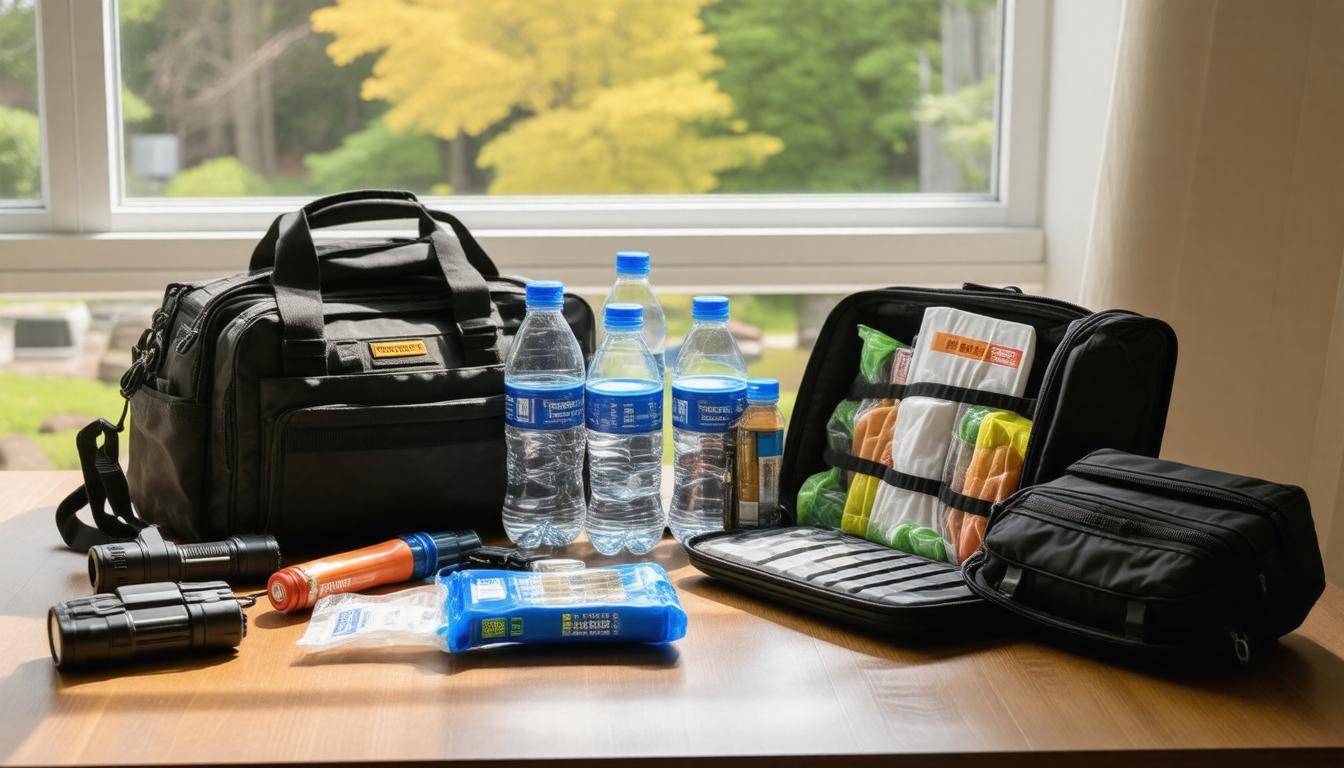
Assemble a disaster supply kit that caters to your unique needs. Start with the basics like drinking water—recommend at least one gallon per person per day—to cover hydration needs for at least three days. Adding non-perishable food items such as canned goods, granola bars, and dried fruits ensures you have sustenance during emergencies when access to regular meals might be impossible. Include essential medical supplies; band-aids, antiseptic wipes, and any prescription medications should be clearly labeled and easily accessible.
Additionally, if you have pets, prepare a separate kit for them too. Include pet food, water, leashes, and vaccination records because pet safety is just as important as your own. Keeping this kit in a designated area makes retrieval easy when panic sets in.
To further streamline the process during an emergency, it’s vital to maintain an updated emergency contact list.
Emergency Contact List
Creating an up-to-date list of emergency contacts is crucial for ensuring everyone’s safety. This list should encompass local authorities such as fire departments and police stations, as well as utility companies that could be affected during flooding situations. Share this list with all members so everyone knows whom to reach out to when things go awry. Such preparedness enhances communication and resourcefulness in uncertain times.
According to FEMA, families equipped with emergency plans witness a stunning 70% improvement in response efficiency during disasters. By taking these proactive measures now, you facilitate not only safety but also enable quicker recovery after disaster strikes.
With your emergency plan established through effective communication and necessary supplies, we now turn our attention to understanding routes for safe escape during emergencies.
Evacuation Routes and Safety Tips
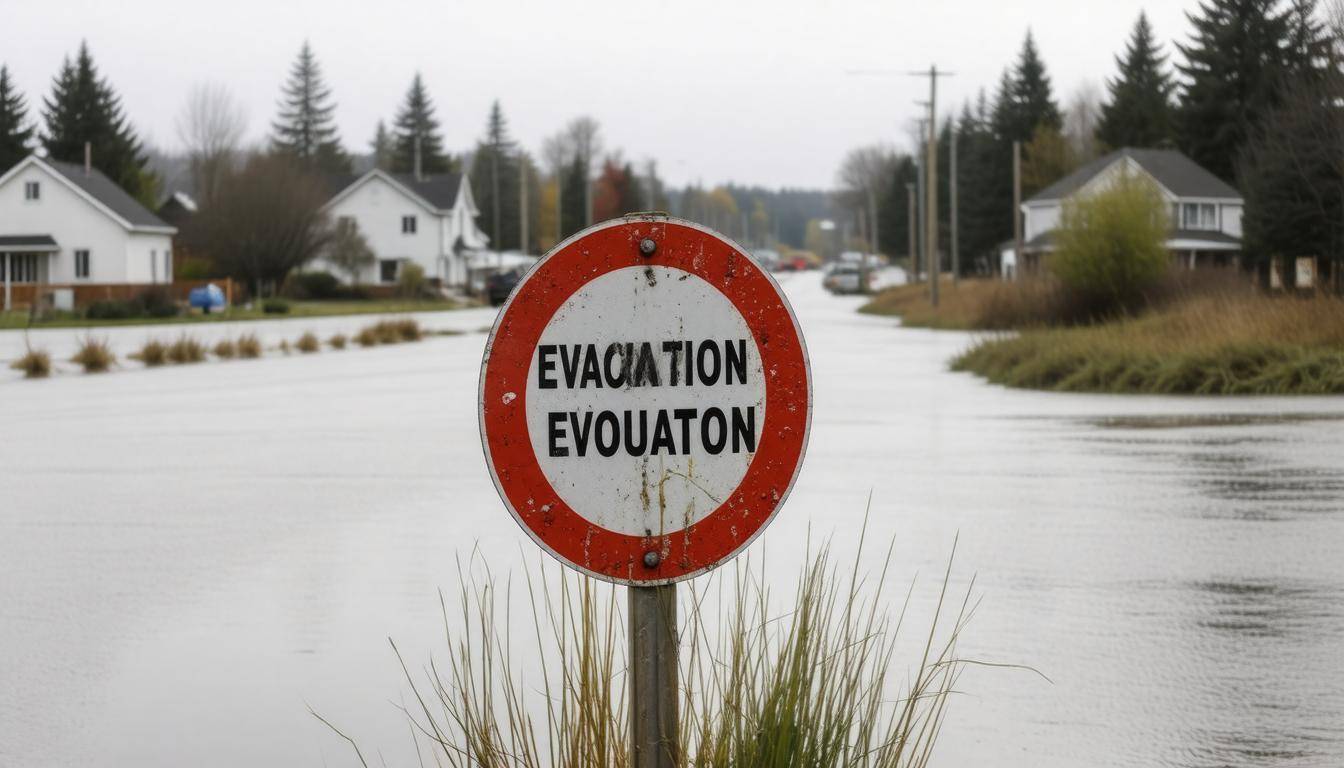
One of the most crucial aspects of being prepared for flooding in Gatineau is understanding the evacuation routes available to you. Not all streets are created equal when water levels rise. By mapping out multiple escape paths in advance, you’re ensuring swift action can be taken if need be. This isn’t just a good idea; it’s a necessary step to protect your family and home.
Pre-Identify Routes
Start by identifying at least two or three routes from your home to higher ground. Consider alternatives in case one road becomes impassable due to flooding or debris. It’s important that everyone in your household is familiar with these routes, so sit down together to review the maps. Highlight shortcuts that come in handy when traffic is heavy with other evacuees.
Additionally, it may help to keep a printed copy of these routes on hand; technology might fail you in emergencies, so having a physical map could save you frustration.
Stay Informed
Being attuned to local alerts and updates can greatly influence your ability to act. Download reliable weather apps on your phone or bookmark local news websites that provide real-time updates on road conditions based on current flooding assessments. Some communities also have text alert systems for emergencies—sign up for these as they can offer timely advice or warnings straight to your phone.
As the old saying goes, “Forewarned is forearmed.” The more information you have, the better equipped you will be to make informed decisions regarding safety for yourself and your loved ones.
Practice Drills
It’s one thing to have an evacuation plan; it’s another entirely to practice it. Conducting regular evacuation drills ensures that everyone knows what to do when crunch time arrives. Assign roles and discuss goals: who gets the pets, who’s responsible for keys, and where exactly should family members meet? This not only fosters teamwork but also eases anxiety during actual emergencies.
Regular discussions about your emergency plan are invaluable—they instill confidence, ensuring everyone understands that while flooding can create chaos, being prepared allows you to respond calmly and effectively.
Understanding evacuation routes is a powerful aspect of preparation, paving the way towards leveraging available support systems designed to assist homeowners during crises.
Utilizing Government Support Resources
Government resources play an invaluable role when preparing for and recovering from floods, offering financial aid and vital information. Understanding how to leverage these resources can make a significant difference in safeguarding your home and family. Financial aid programs are specifically designed to support homeowners facing flood damage, making recovery less daunting.
Financial Aid Programs
Accessing funds through programs like Canada’s Disaster Financial Assistance Arrangements (DFAA) enables you to cover necessary repairs without incurring crippling debt. To qualify for DFAA assistance, it’s essential to document damages thoroughly, including photographs and receipts. Being meticulous with this paperwork not only streamlines the claim process but also ensures that you receive the maximum benefit.
Remember, these funds aren’t just limited to physical repairs; they can also assist with temporary accommodations if you find yourself displaced due to flooding.
Flood Warnings
Staying informed about potential flood threats is critical. This is where signing up for the Public Alert System comes into play. By enrolling, you receive timely notifications about imminent floods, which may include evacuation instructions or emergency messages that could impact your safety. During such precarious times, having immediate access to reliable information allows you to react promptly.
Additionally, don’t forget to monitor local weather reports or apps that track severe weather conditions in real time.
The effectiveness of these government resources stems from their ability to work together seamlessly. While financial aid helps in recovery post-disaster, timely flood warnings allow for crucial preventative measures before the water arrives. Engaging with both elements strengthens your preparedness and contributes to overall community resilience in the face of natural calamities.
Moving on from these foundational supports, understanding the available services in your area can further enhance your flood preparation strategy.
Local Emergency Services
Gatineau’s local emergency services are crucial allies in times of crisis, especially during flooding events. Familiarizing yourself with these services not only helps you know whom to contact but also assures you that trained professionals are ready to assist when disaster strikes. When flood warnings are issued, each service plays a distinct yet interlinked role to protect the community.
First, let’s consider the Fire Department. Not only are they responsible for extinguishing fires, but they’re also trained in water rescues and emergency response measures related to flooding. Imagine your neighbor’s house beginning to fill with water—these brave individuals will be the ones risking their safety to save lives and property. They are often equipped with specialized vehicles and equipment that allow them to navigate flooded areas effectively.
It might be helpful to have the local fire department’s number saved in your phone; they often provide guidance on how to safely evacuate or remain secure in your home.
Moving on to the Police Department, they serve as the essential guardians of public order during chaotic situations like flooding. Their responsibilities include managing evacuations, which is vital if water levels rise significantly or unexpectedly. You may also see officers directing traffic or helping residents access emergency shelters if necessary.
Of course, it’s always advantageous to obey their instructions; nobody wants to be that person who finds themselves in a sticky situation when everyone else is following the rules!
Lastly, there is the Municipal Emergency Services, which often operates behind the scenes but plays a pivotal coordinating role during disasters. They work closely with both the fire and police departments as well as other agencies to ensure a comprehensive approach to disaster response. These experts analyze flood conditions, allocate resources efficiently, and maintain communication lines open between all involved parties.
Understanding the capabilities of these local emergency services equips you for effective coordination should disaster strike, enhancing your overall safety during unpredictable situations. This awareness naturally leads us into strategies for maintaining open lines of communication for better preparedness.
Effective Communication Strategies
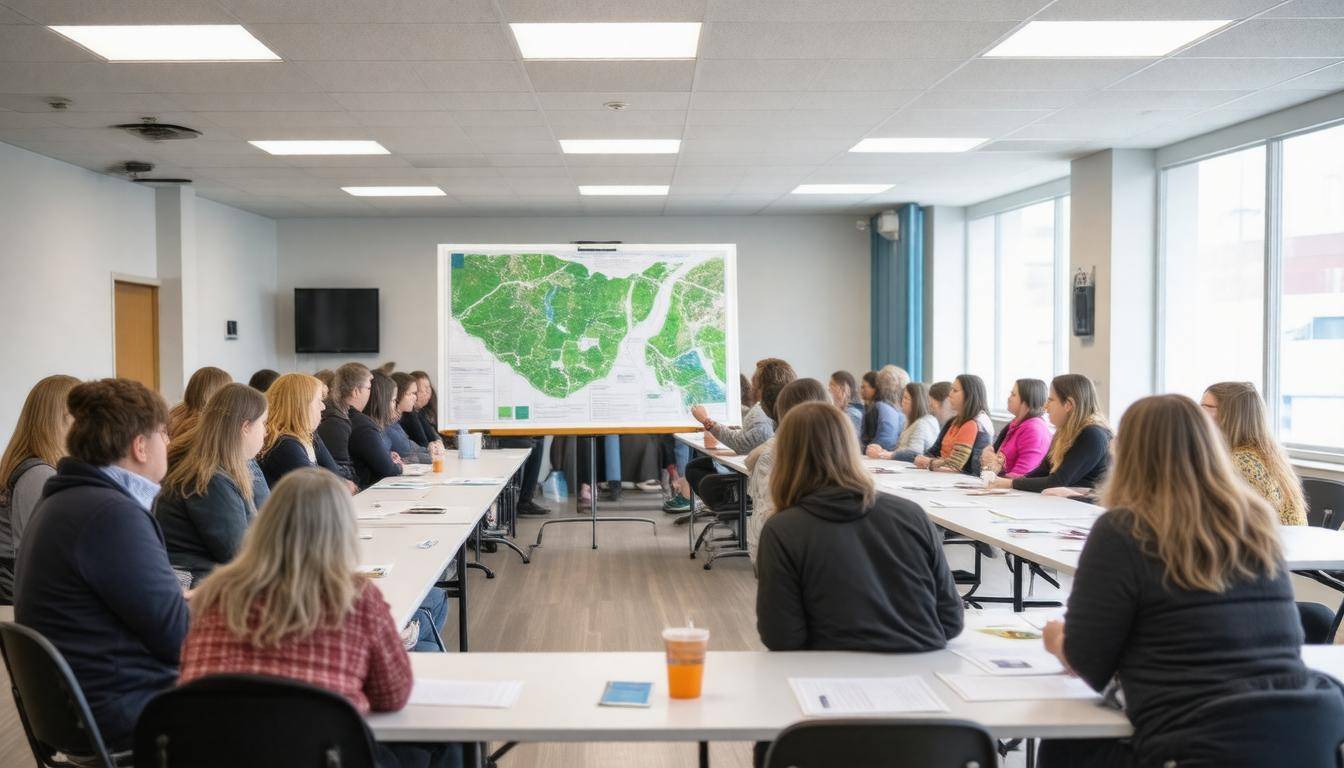
Reliable communication during emergencies cannot be overemphasized; it ensures that everyone stays informed and safe when facing a crisis like flooding. Start by discussing your family’s preferred communication channels. This could involve phone calls, text messages, or even designated meeting spots if outgoing messages become unreliable. Knowing how to reach each other in different scenarios will make all the difference in maintaining peace of mind.
Investing in battery-powered radios is another crucial step. These radios provide updates from local authorities and emergency services when power and internet connectivity fail—common occurrences during flooding situations. Keeping one easily accessible means you can tune in to important announcements without relying solely on your devices.
Additionally, creating group chats within messaging apps facilitates real-time communication among family members and friends. Make sure everyone’s contact information is current and shared with trusted neighbors who may also need assistance. Being able to quickly send or receive messages helps maintain strong connections during stressful times; simple check-ins can offer reassurance to those you care about.
Remember, proactive communication strategies lay the groundwork for quick responses, ensuring safety and a sense of togetherness even during uncertain times.
In preparing for potential flooding, effective communication can significantly enhance your family’s readiness and resilience. Stay connected and informed to navigate through any challenges that come your way.
How can residents stay informed about imminent flooding threats in their area?
Residents can stay informed about imminent flooding threats by subscribing to local weather alerts, following the City of Gatineau’s official communications through social media and their website, and utilizing the Alert Ready system for emergency notifications. Statistics show that areas with active alert systems see a significant decrease in flood-related casualties and property damage, underscoring the importance of timely information. Additionally, engaging with community groups can provide locals with updates and preparedness tips tailored to their specific neighborhoods.
Are there any local resources or organizations offering assistance for flood preparation in Gatineau?
Yes, Gatineau homeowners can rely on local resources such as the City of Gatineau’s emergency preparedness webpage, which offers guidelines and contact information for flood preparedness. Additionally, organizations like the Red Cross provide assistance and resources for disaster response in the region. According to recent statistics, areas affected by flooding have seen a 30% increase in community engagement in flood-preparation workshops over the past five years, highlighting the importance of local support networks in minimizing flood impact.
How can community members collaborate to enhance overall flood preparedness strategies?
Community members can enhance overall flood preparedness strategies by forming local support networks, participating in training workshops, and organizing regular emergency drills. Collaboration can lead to pooling resources, sharing valuable information about flood risks, and establishing a rapid response system. According to a study by the National Flood Insurance Program, communities with active engagement saw a 30% reduction in flood-related damages due to improved preparedness efforts. By leveraging local expertise and fostering communication among residents, they can collectively create an effective action plan that not only safeguards properties but also strengthens community bonds during emergencies.
What role does city planning play in mitigating flood risks in Gatineau?
City planning plays a crucial role in mitigating flood risks in Gatineau by implementing effective land-use policies, enhancing drainage systems, and preserving natural waterways. By restricting development in high-risk flood zones and incorporating green infrastructure such as parks and wetlands, the city can reduce surface runoff and promote water absorption. According to studies, properly planned urban areas can reduce flood damages by up to 50%, making strategic city planning essential for protecting homes and communities from flooding events.
What specific steps should homeowners take to secure their properties against potential flooding?
Homeowners in Gatineau should take several proactive steps to secure their properties against potential flooding, including elevating electrical appliances and utilities above expected flood levels, installing sump pumps with backup power, and using flood barriers or sandbags around entry points. Additionally, maintaining gutters and downspouts ensures proper drainage away from the foundation. According to the Insurance Bureau of Canada, homes located in flood-prone regions could face property damage costs averaging upwards of $30,000 per incident, highlighting the importance of these preventive measures.