
When it comes to watering your garden, have you ever considered the water that goes down the drain every day? Greywater—the relatively clean wastewater from sinks, showers, and laundry—can be a game changer for your plants. With the rising cost of water and increasing concerns about sustainability, reusing greywater is not just smart; it’s essential. By using greywater wisely, you can keep your garden flourishing even during dry spells without wasting valuable resources. In this guide, we’ll explore how to set up a simple greywater irrigation system that’s easy to manage, safe for your plants, and friendly for the environment. Let’s jump into the world of sustainable gardening!
In an emergency situation, you can utilize greywater from sources like sinks and showers to irrigate your garden by directing it through a simple filtration system or catch basin to remove larger debris. Ensure that the greywater is applied below the soil surface to minimize health risks and focus on using light greywater, as it contains fewer contaminants compared to dark greywater from kitchen sources.
Guidelines for Greywater Use
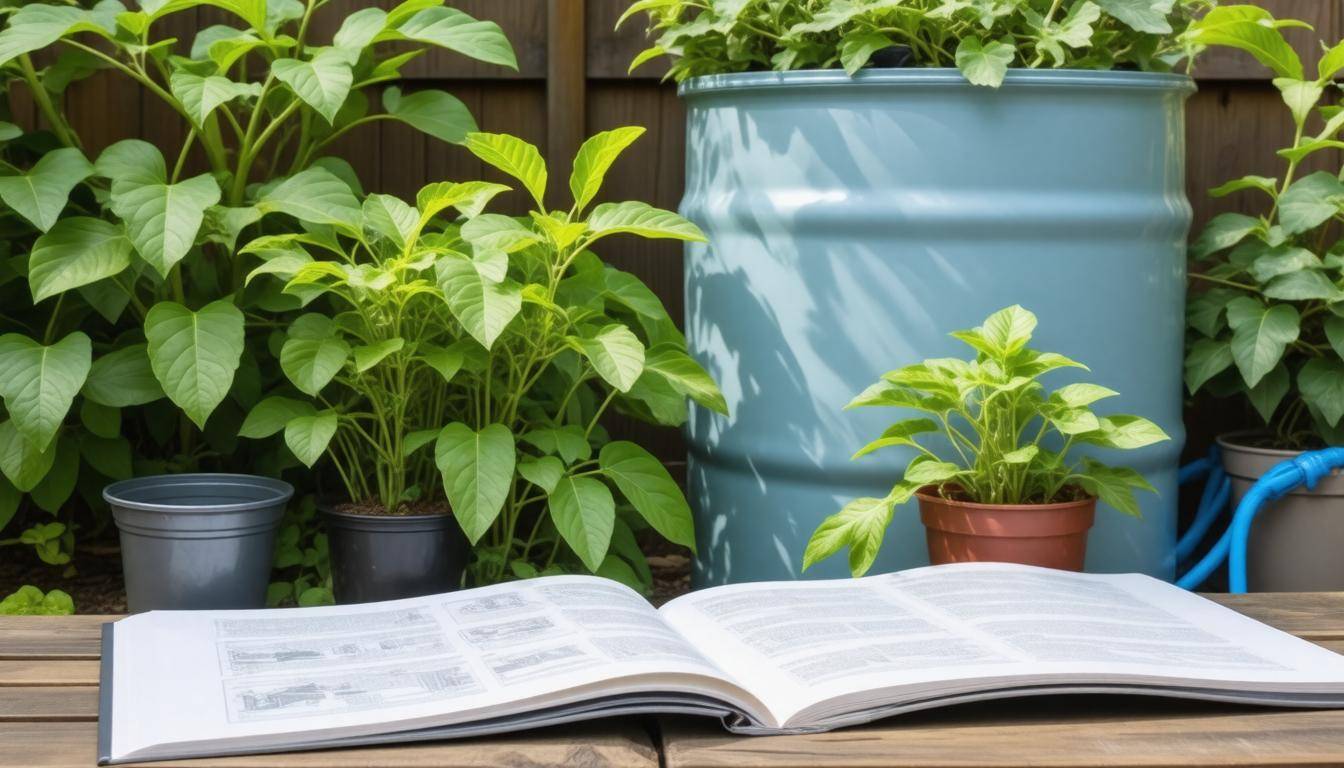
The primary guideline for greywater application is to use it as soon as possible. In fact, it’s essential to apply greywater immediately or within 24 hours to prevent unwanted bacterial growth. Think of your garden like a delicate balance—introducing greywater that’s too aged can upset that balance and introduce harmful contaminants. Picture the way your favorite recipe balances flavors; if an ingredient sits too long, it could ruin the whole dish.
Regarding application methods, greywater must be spread below the ground’s surface. By this, I mean using systems designed specifically for this purpose, such as drip irrigation or shallow trenches. This is important because, when applied properly, greywater nourishes plants without risking soil contamination. An image of roots reaching down to sip fresh moisture from below can help you visualize its effectiveness. There’s great satisfaction in knowing your garden flourishes thanks to a resource you would have otherwise wasted!
While some may debate the safety of using greywater on edible plants, it’s generally agreed that non-edible plants or fruit trees are safe candidates for greywater irrigation. This is crucial information for anyone worried about what they might eventually consume from their gardens.
| Greywater Source | Suitable Use | Not Recommended For |
|---|---|---|
| Shower/Bath | Non-edible plants, shrubs | Edible leaf vegetables |
| Laundry (biodegradable soap) | Lawns, trees | Root vegetables |
| Kitchen Sink | None, requires treatment | Any garden use |
Looking at this table closely can help clarify suitable uses across different greywater sources. If your laundry habits lean towards biodegradable soaps, then think about how much water you might save by irrigating lawns and trees with it! Conversely, kitchen sink wastewater presents challenges due to higher levels of fats and food particles—it simply isn’t worth the risk for any garden use without proper treatment.
To ensure both effective irrigation and plant health, prioritize light greywater from showers and bathroom sinks over murkier options from kitchens. And don’t forget about filtration—utilizing mesh filters can help remove larger particles that could cause clogs in your system and keep your watering efforts running smoothly.
Remember, just because you can divert that water doesn’t mean it comes without responsibility—it’s important to remain aware of what goes down the drain before it reaches your gardening goals.
As we navigate the intricacies of sustainable practices in gardening, understanding the implications surrounding safety and local regulations becomes vital in harnessing this resource effectively.
Legal and Health Considerations
When integrating greywater into your gardening practices, you must first consider the laws governing its use in your locality. Each state and even various municipalities within a state may have their own rules regarding greywater. To avoid potential fines or legal repercussions, it’s imperative to check with local health jurisdictions. This means going beyond just confirming if greywater is permitted; you’ll want to be aware of any specific requirements, such as how to treat or store this type of water safely before use.
For instance, states such as Colorado have recently enacted legislation that promotes the use of greywater systems while empowering local governments to regulate them as well. Understanding these nuances can save you future headaches.
Beyond legality, there are significant health precautions when using greywater for irrigation. A key aspect of maintaining safety is avoiding potential exposure to harmful contaminants.
Common Health Precautions
The following guidelines should always be respected to ensure that your interactions with greywater remain safe:
-
Avoid direct contact with greywater. This is critical because it may carry pathogens that aren’t visible but can cause illness.
-
Do not use greywater from toilets or any source that contains harsh chemicals, as this can lead to toxic contamination of your garden soil.
-
Never store greywater for more than 24 hours. If left too long, it begins to develop bacteria and can emit foul odors—a sign that it’s no longer safe for use.
It’s essential to approach this practice thoughtfully. Greywater can serve as a valuable resource, especially in dry climates where every drop counts, but only when used correctly. For example, in drought-prone states like California, greywater systems must be designed specifically to mitigate runoff and minimize public exposure. Meanwhile, in more lenient states, homeowners might encounter fewer restrictions—though caution should never be disregarded.
By aligning your practices with both local regulations and necessary health precautions, you set the stage for implementing effective methods that promote sustainability while safeguarding health and safety.
Setting Up a Temporary Greywater System
Setting up a temporary greywater system is not daunting when you break it down into manageable steps.
Starting with Step I, you’ll want to identify your collection points. Look for sources such as bathroom sinks, shower drains, and laundry outlets—all excellent candidates for greywater production. This water is rich in nutrients and can be used for irrigation, making it an invaluable resource during times of water scarcity.
In Step II, installing diverters is essential for redirecting the water from these sources to your garden areas. Many hardware stores have diverter kits readily available, complete with all necessary components for easy installation. The process typically requires only basic tools—sometimes just a wrench or screwdriver—so you won’t need to be a plumbing expert. The diverter connects to your existing plumbing, allowing you to control when water is diverted for reuse versus being sent through conventional drainage.
“Creating a reliable system not only supports sustainability but also helps nurture your garden, even in dry conditions.”
Moving on to Step III, creating a distribution system is the next logical step. This can involve using hoses or PVC pipes to channel greywater from your house directly into the garden beds. It’s important to ensure that this system has a slight slope—this gravity flow aids in the movement of water without needing pumps or complex machinery. You want the water running smoothly to each plant rather than pooling in one area.
After setting up this basic framework, think about how your plants will benefit from this nutrient-rich greywater. Light greywater, like that from sinks and showers, typically contains fewer contaminants than darker sources, making it suitable for direct use in irrigation. However, it’s wise to avoid applying this water onto edible plants unless treated first due to potential residue from soaps and detergents.
The goal of this temporary setup is twofold: conserve precious water resources while simultaneously providing your garden with what it needs to thrive. Having your greywater management system in operation will not only save on utility bills but also empower you as a steward of natural resources.
Now that you have an operational framework in place, let’s transition to examining various methods for effectively collecting greywater.
Greywater Collection Methods
Efficient collection methods are crucial for maximizing greywater use. By creatively utilizing everyday spaces within our homes, we can harness the water that would otherwise go to waste. For instance, placing buckets or basins strategically in showers or under sinks allows you to collect greywater with minimal effort. This direct approach gives us quick access to water for immediate use, whether it’s for watering plants or flushing toilets.
Imagine taking a shower and easily turning that excess water into something beneficial for your garden instead of letting it drain away. With just a little planning, you can tap into this valuable resource.
If you’re seeking a more automated solution, then installing collection tanks might be the way to go. These tanks can be connected with plumbing diverters that send greywater directly from your source—think sink or shower drains—into a storage system meant specifically for irrigation or other non-potable uses. Having such a setup not only saves time but also maximizes the amount of greywater captured without requiring constant monitoring or manual collection.
Active Collection Systems
For those who want to step up their greywater game, integrating pumps and filtration units can greatly enhance efficiency. However, keep in mind that while these systems provide significant advantages—like ensuring a continuous flow of water to your irrigation system—they also introduce added complexity and cost to your setup. It’s important to weigh these factors carefully before making decisions about your greywater system.
Many simple greywater systems operate effectively using gravity-fed methods, which rely on the natural pull of gravity to move water from one point to another. This basic approach is not only cost-effective but also simplifies maintenance since fewer mechanical components are involved. On the other hand, more sophisticated setups utilize electric pumps to manage the movement of greywater from collection points to designated irrigation areas. These systems often allow for greater control over how and when collected water is distributed.
The selection of an appropriate collection method hinges on your unique needs and budget considerations, setting the stage for more sustainable practices as we transition to exploring further options for gathering wastewater indoors.
Collecting From Indoor Sources
Indoor sources present a goldmine of greywater, with sinks, bathtubs, and washing machines collectively offering a substantial supply.
For instance, when waiting for the shower to warm up, rather than letting that water go down the drain, simply place a bucket in the tub to catch it. This not only conserves water but also repurposes it for irrigation in your garden. It’s a small action that contributes to a larger goal of sustainability.
While you’re collecting this water, be discerning about its source.
Avoid using greywater from kitchen sinks, particularly if it contains food waste or harsh chemicals. Those residues can harm your plants over time. However, water collected from rinsing vegetables or handwashing is much safer; these sources typically contain fewer contaminants and are quite suitable for irrigation. It’s about being mindful of what goes down the drain and understanding how it affects your garden later on.
Now that we have established effective methods for collection, let’s explore practical tips to optimize your indoor collection strategy.
Quick Tips for Indoor Collection
Start by implementing these strategies:
-
Bucket Savvy: Placing a durable, clean bucket in the shower is a straightforward way to gather that precious warm-up water without effort.
-
Washing Machine Innovations: Instead of letting all that discharge water flow away unutilized, consider redirecting your washing machine’s discharge via a hose – just make sure it doesn’t overflow or disrupt any plumbing.
-
Sink Success: Utilize sink basins by collecting rinse water that would otherwise go unused; transfer this water to your garden with ease.
Through incorporating these simple adjustments into your daily routine, you can enhance your water conservation efforts significantly. Each drop saved is a step towards sustainability—embracing greywater recycling helps to design a much greener lifestyle while still nourishing your plants effectively.
With these efficient collection techniques and recommendations in mind, it’s time to focus on maximizing the benefits of using recycled water for your garden’s growth and vitality.
Using Greywater for Garden Irrigation
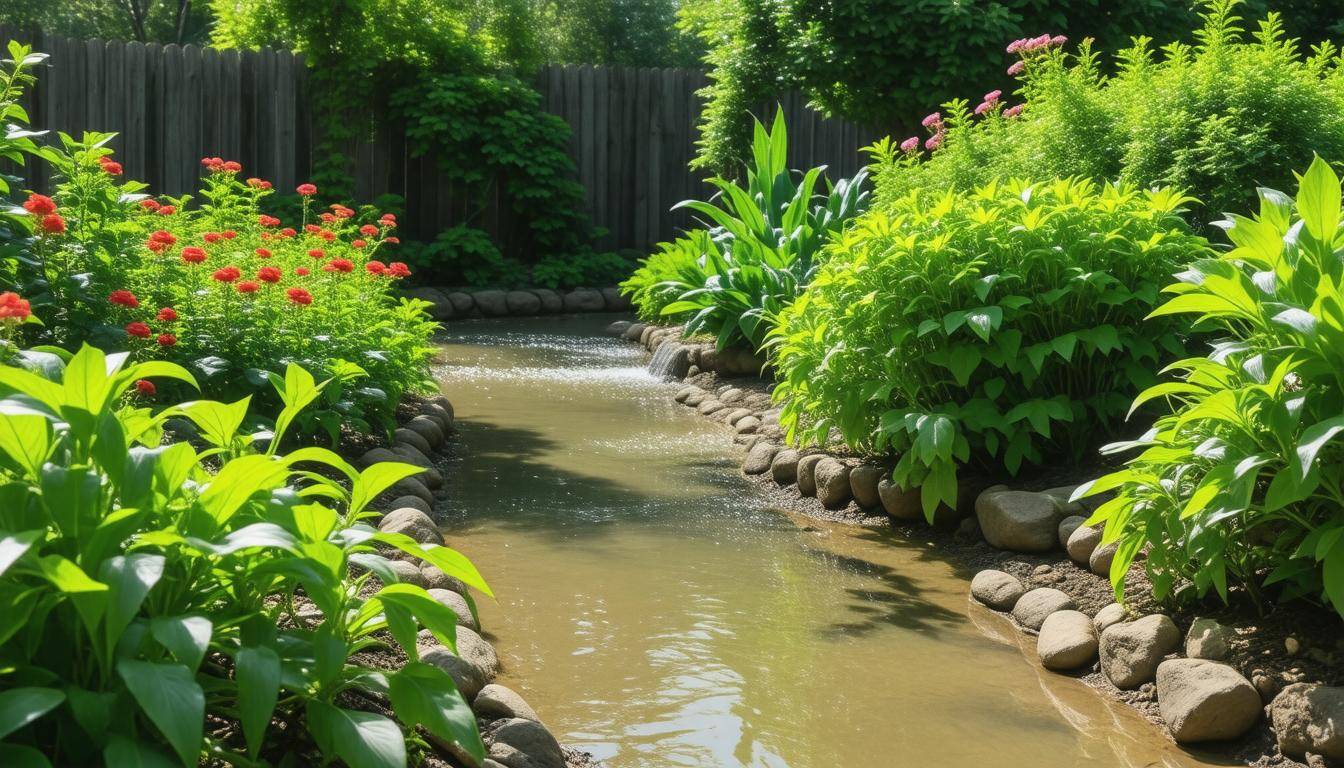
Greywater offers a sustainable way to nourish your plants, but it does come with guidelines. The key is ensuring that you’re applying the water correctly and safely to truly reap its benefits. For the best results, consider using drip irrigation systems or creating small trenches at the base of plants. Doing so allows the water to seep underground, which not only reduces evaporation but also directs moisture straight to the roots—where it’s most needed. This method is essential as direct exposure can raise health risks—especially if greywater contains soaps or chemicals.
Always aim to maintain an eye on what goes down your drains. Reducing harmful substances entering the greywater system means even healthier plants.
Now let’s explore selecting the right types of plants for irrigation with greywater. You may wonder, what are the ideal candidates for this practice? It’s generally recommended to use non-edible plants, such as ornamental flowers, shrubs, and trees since they are less susceptible to potential contaminants that may linger in greywater.
For instance, resilient plants like lavender, rosemary, and aloe enjoy being nurtured by greywater. These species have strong root systems and thrive in dry conditions, making them perfect companions for this type of irrigation. Additionally, they tend not only to survive but flourish when receiving regular doses of nutrient-rich greywater.
Ideal Plants for Greywater Irrigation
There are plenty of plants aside from those mentioned that do well with greywater. Below is a list of some fantastic options:
- Ornamental Grass: Adds beauty while being robust and low-maintenance.
- Perennials: Many species are drought-resistant and can benefit from this recycled water source.
- Berry Bushes: While care must be taken here to avoid direct contact with fruit, these can flourish with proper filtration.
- Fruit Trees: Trees such as fig or lemon can obtain nourishment while safely directing water away from the edible parts.
Utilize a subsurface irrigation system tailored specifically for these types of plants to optimize effectiveness. Layering mulch over where you apply greywater can also help retain moisture while preventing odors and minimizing surface runoff.
By being mindful of our planting choices and irrigation methods, we can make efficient use of greywater in a way that supports plant growth and conservation efforts. Moving forward, let’s discuss strategies that enhance resilience against dry conditions in our landscapes.
Drought-Resistant Landscaping
Designing a drought-resistant garden can significantly enhance the effectiveness of using greywater while conserving valuable water resources. By opting for native and drought-tolerant plants, you’re selecting species that thrive in your region and helping the environment. These plants usually require less water and can adapt to varying moisture levels, making them ideal candidates for receiving greywater irrigation without risk.
When choosing plants, consider those well-suited for your local climate. Native plants are often more resilient because they have adapted over time to survive with limited water. Additionally, they support local wildlife and contribute to biodiversity. Select plants that need less upkeep and are better equipped to withstand dry spells; choosing wisely is key.
Popular Drought-Tolerant Plants
- Succulents like agave and sedum store water in their leaves, making them perfect for low-water conditions.
- Herbs such as thyme and sage not only offer culinary benefits but also thrive with minimal watering.
- Shrubs including oleander and manzanita are excellent choices for providing structure and visual interest while being drought-tolerant.
But it isn’t just about selecting the right plants; the overall design of your landscape can also play a significant role in conserving water.
For instance, if you live in an arid area like Arizona, implementing features such as gravel mulch or strategically placed rocks can be incredibly beneficial. Gravel helps retain moisture by blocking evaporation from the soil surface while allowing rainwater to percolate through the layers below, creating a more stable moisture level beneath the surface. Layering smaller rocks in specific areas enhances aesthetics while acting as barriers to minimize wind effects on soil moisture loss.
In addition to these features, consider grouping plants with similar water needs together—a technique known as hydrozoning. This approach allows you to irrigate specific sections based on their requirements efficiently. With greywater systems available, this becomes even easier, enabling optimal use of resources without excess waste.
As you lay the groundwork for a sustainable garden that beautifully integrates greywater usage and drought-resistant plants, understanding the necessary precautions will be crucial for maintaining both health and efficiency in your watering practices.
Safety and Maintenance Tips
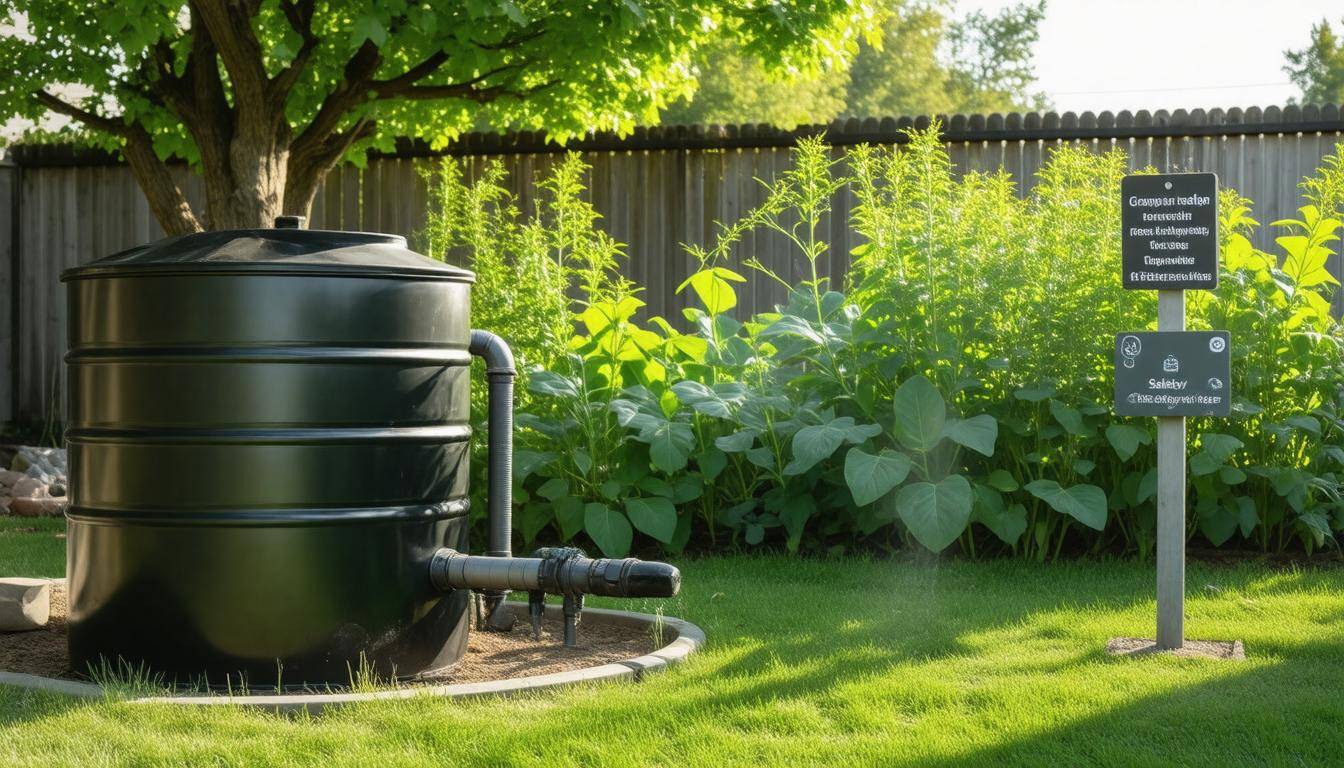
Safety and maintenance are critical for sustainable greywater use. To ensure everything runs smoothly, it’s essential to regularly inspect and clean the diverters, filters, and irrigation systems. A quick visual check every few weeks can help you stay ahead of potential problems. Look out for signs of clogs or debris buildup that could affect water flow. Cleaning these components not only ensures steady watering but also prevents contamination that could harm your plants or soil. Think of it as giving your garden’s irrigation system a little TLC.
One aspect to consider closely is salinity. Over time, using greywater can lead to salt accumulation in the soil. Regularly testing for salinity allows you to determine if adjustments are needed—perhaps by alternating with fresh water or incorporating organic materials to balance things out. Salts may be undetectable to the eye, but their effects on plant health can be significant, potentially leading to stunted growth or even death.
Safety Checklist
-
Use biodegradable soaps and detergents: This choice reduces harmful chemicals in your greywater, ultimately benefiting your plants and ecosystems.
-
Avoid greywater on leaves or edible parts of plants: While your garden thrives with greywater, it’s crucial to keep runoff away from food-bearing areas to minimize health risks.
-
Monitor plant health and soil condition regularly: Good gardening involves understanding what your plants need. Regular checks enable you to spot issues before they escalate.
Many users have reported success with their greywater irrigation systems by following these safety tips. For instance, Sarah from California transformed her backyard into a lush oasis amidst severe droughts, thanks to her attention to maintenance and smart irrigation choices.
By adopting these safety practices and maintenance routines, you ensure not only the longevity of your greywater system but also the overall health of your garden.
In this journey towards sustainable watering, implementing these guidelines will enhance both your gardening experience and environmental impact.