
Disasters can strike at any moment, and when they do, the elderly often find themselves in vulnerable situations. Imagine your loved one struggling to understand evacuation procedures or feeling anxious during a storm while grappling with mobility issues. It’s a reality many families face, but it doesn’t have to be that way. Being proactive about disaster preparedness can make a world of difference. By equipping our elderly relatives with the right knowledge and resources, we can empower them to handle emergencies calmly and confidently. This article offers practical tips and strategies to help elderly individuals cope during disasters, ensuring they feel supported and secure in challenging times.
The “Helping Elderly Cope With Disasters: Complete Guide” outlines essential strategies such as creating personalized emergency plans, understanding the unique reactions of older adults during crises, and providing empathetic support tailored to their specific needs. It emphasizes the importance of preparing ahead of time and ensuring that elderly individuals have access to necessary resources and community support during emergencies.
Preparing Elderly for the Unexpected
For seniors like Martha, proactive measures can make all the difference when a disaster strikes. To begin preparing elderly individuals, educating them about potential emergencies is crucial. This means not just talking about the usual suspects like hurricanes or floods but also any local hazards, like wildfires or tornadoes, that might catch them off guard.
Using clear and simple language along with visual aids can help cement this information in a way that’s easy to understand and remember.
Once they grasp what types of disasters could occur, engaging them in routine drills becomes vital. These aren’t just practice sessions; they serve as practical rehearsals that can instill confidence.
Each drill should be tailored to their capabilities and specific needs. For instance, if mobility is an issue, drills should factor in how quickly they can safely evacuate or reach a designated safe spot within the home, reinforcing the message that they have a plan and can manage their safety.
Communication plays an equally important role in disaster preparedness. Crafting a clear and concise communication plan ensures they have immediate access to emergency contact lists as well as instructions on using communication devices.
Providing them with easy-to-read emergency numbers, clear scenarios for when to use them, and even practicing calls helps reduce the confusion often felt during high-stress situations. It’s about fostering an environment where they feel that they can seek help confidently.
“Engagement in local community initiatives significantly boosts preparedness among elderly populations.”
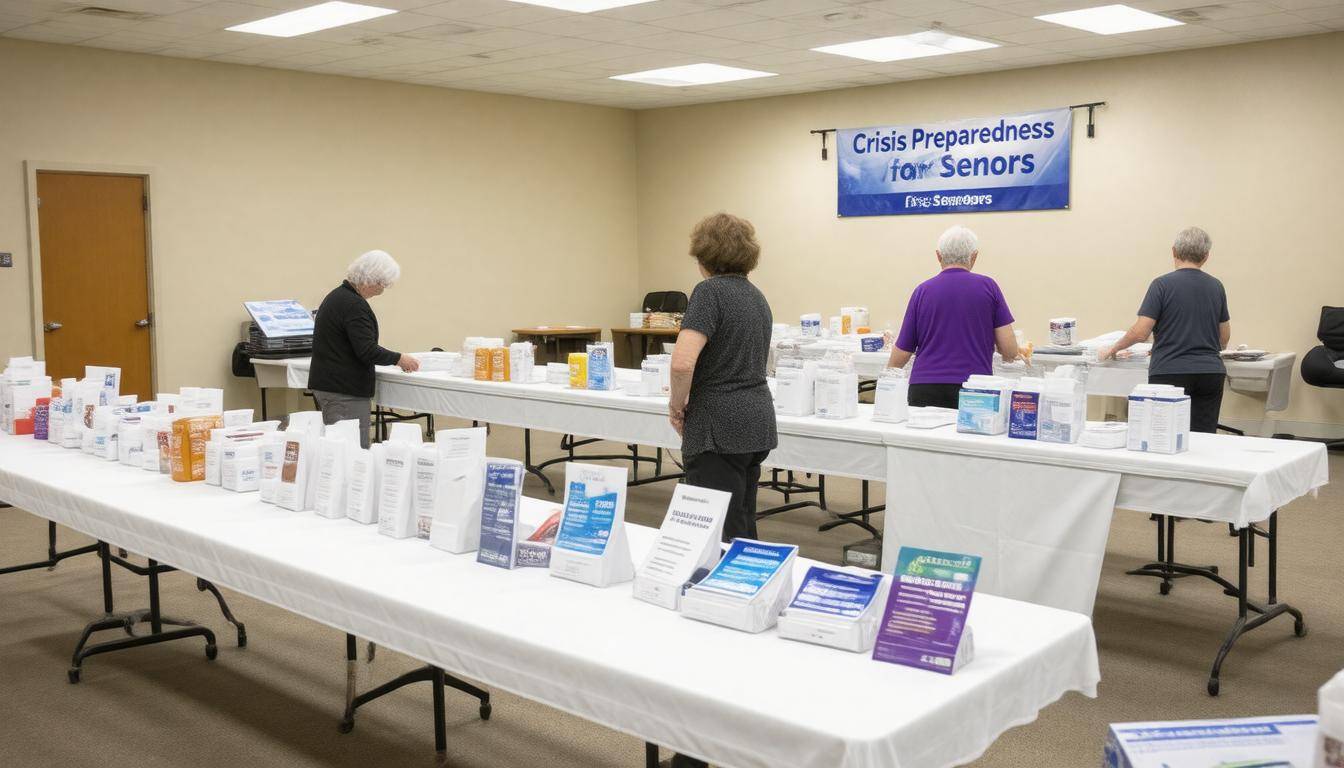
A great example of such initiatives can be found in various communities across America. Many places offer workshops specifically designed for seniors—a chance for local outreach teams to educate upon emergency responses that account for elderly concerns. These workshops cover everything from basic first aid concepts to practical tips for sheltering in place during severe weather events and implementing health precautions for chronic conditions.
The outcome of these proactive engagements is profound; seniors who participate often express feeling more empowered and informed. Education bridges the knowledge gap, giving them a sense of control over their circumstances while reducing the anxiety associated with unknown threats.
Additionally, it’s important to make sure that each elderly individual has personalized emergency plans that fit their unique situations. For instance, someone like Martha may need special considerations due to mobility issues or chronic health conditions.
These plans should include accessible evacuation routes, nearby shelters suited to her needs, and necessary medical supplies like backup medications or refrigeration solutions for time-sensitive prescriptions.
Through these comprehensive approaches—education, practice, supportive communication—seniors can navigate potential crises more effectively. Next, we’ll explore how to build comprehensive plans tailored specifically for their needs.
Developing Comprehensive Disaster Plans
A well-crafted disaster plan for seniors is more than just a list of instructions; it’s an ongoing commitment to their safety. It recognizes the unique challenges that elderly individuals may face, such as mobility issues and medical needs, and provides tailored solutions to navigate emergencies effectively. Many seniors might struggle with accessing emergency resources due to transportation limitations, so incorporating strategies to overcome these barriers is crucial.
In-Home Safety and Evacuation Plans
Establishing an in-home safety plan should involve knowing where to shut off utilities like gas and electricity; this can prevent potential disasters (like fires or explosions) caused by disrupted services during emergencies.
But planning doesn’t stop there! You need to create clear evacuation paths throughout the home. Imagine a senior needing to navigate through a darkened living room after an earthquake. By mapping out safe routes—free from obstacles—you’re enabling them to move confidently and swiftly if needed.
For instance, consider using bright tape or markers to highlight these routes ahead of time while encouraging regular practice of these plans so seniors feel comfortable using them during emergencies.
Medical and Financial Preparedness
The National Institute on Aging offers critical advice: seniors should keep an updated list of their medications, dosages, and any medical conditions readily available. Given that a significant 77% of people aged 65 and older take at least one prescription medication, it’s important that this information is incorporated into their disaster plan.
Take Jane, for example—a 70-year-old diabetic who successfully navigated the challenges of a recent hurricane evacuation thanks to her diligent preparation. She keeps all her essential medical information in a waterproof document holder in her emergency supply kit. This practice ensured she received appropriate care even when her regular routine was thrown into chaos.
Similarly, it’s wise for seniors to have accessible financial resources ready in case of evacuation or urgent situations. Think about providing them with a small amount of cash or preloaded debit cards stored securely in their emergency kits. This enables immediate access to necessities without relying solely on credit or banking services, which may be disrupted during disasters.
Next, we will explore the vital components that should be included in emergency supply kits tailored specifically for seniors.
Assembling Essential Emergency Kits
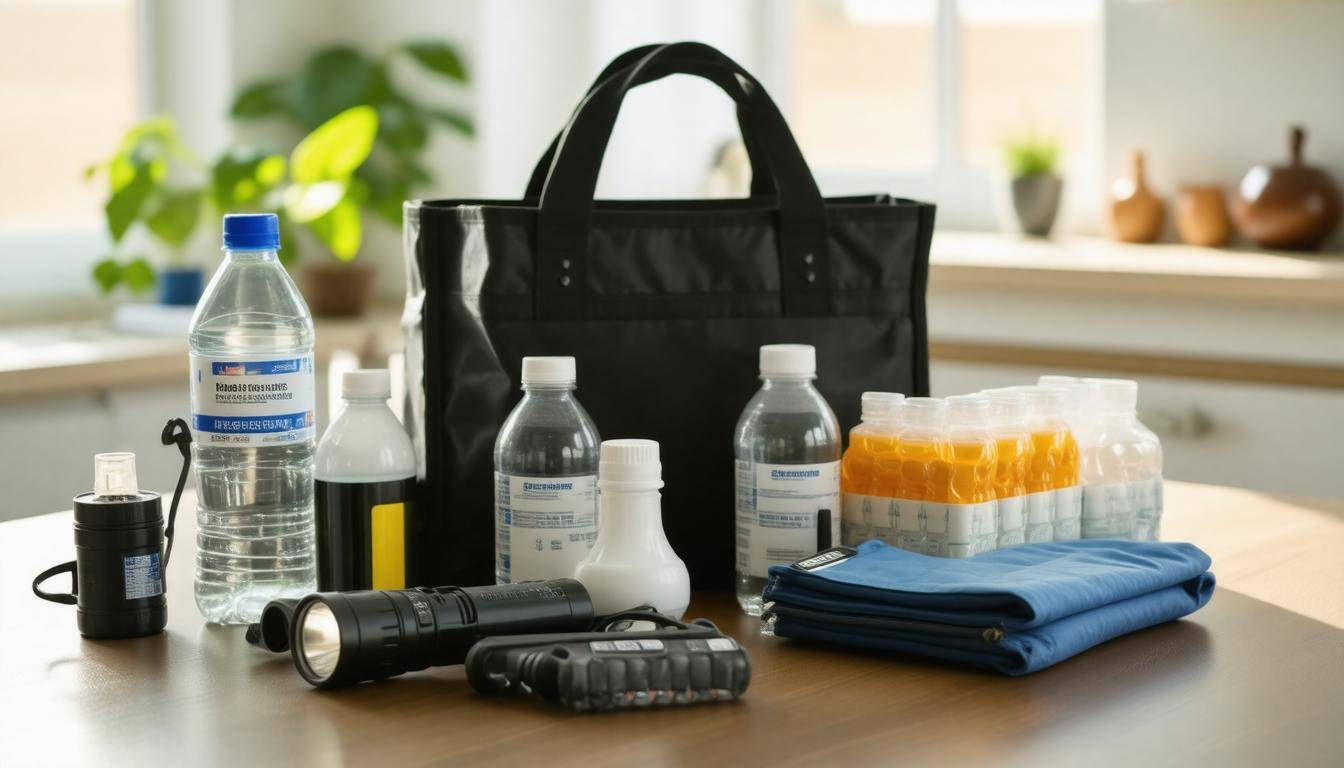
Creating an emergency kit tailored to the elderly is more than just a precaution; it’s about ensuring their safety and comfort during unforeseen events. Instead of relying on one-size-fits-all solutions, take time to craft a personalized kit that meets the unique needs of the individual. This isn’t merely about throwing some items into a bag—it’s about curating essentials that could be life-changing in a crisis.
Contents of the Kit
| Essential Items | Description |
|---|---|
| Medications | 7-day supply of all current medications |
| Medical equipment | Extra batteries for hearing aids, etc. |
| Food and Water | Non-perishable food and bottled water |
| Important Documents | Copies of ID, insurance, medical records |
| Personal Care Items | Items like dentures, glasses, toiletries |
The first thing to consider when assembling your kit is medications. It’s important to include at least a week’s worth of every medication the individual takes regularly. Additionally, consult with healthcare providers to ensure that included medications remain up-to-date and relevant.
Besides medications, special medical equipment is also critical for seniors who might rely on devices such as hearing aids or oxygen tanks. An extra set of batteries for hearing aids or small physical therapy items provide convenience and ensure accessibility during emergencies.
No kit would be complete without provisions like food and water. Opt for shelf-stable options that require little preparation, as some seniors may have dietary restrictions or reduced cooking capabilities during emergencies. This means including items such as energy bars, canned fruits, or ready-to-eat meals that can easily be consumed without cooking.
Equally vital are important documents—these serve as the backbone of identity verification and access to necessary services during a crisis. Making copies of IDs, insurance policies, and essential medical records in a waterproof pouch holds immense value. If something unexpected occurs, having these documents readily available eliminates unnecessary stress.
To enhance comfort during potentially chaotic situations, don’t forget personal care items. Essential toiletries and familiar objects like denture cases or glasses play significant roles in maintaining dignity and normalcy even in turbulent times. A comforting touch from home can make all the difference.
Remember: Each kit should be stored in an easy-to-carry container that can be quickly accessed at a moment’s notice—preferably something brightly colored so it stands out amid other supplies.
By understanding the specific needs of elderly individuals and assembling thoughtfully curated emergency kits, we can empower them to cope more effectively during disasters—proving they are not alone in their preparedness journey.
As we explore further, the emotional aspect of preparedness deserves our attention as well, particularly how we can support those facing such crises emotionally and psychologically.
Supporting Emotional Well-being

Emotional well-being is often forgotten in discussions about disaster preparedness. However, it plays an equally vital role for older adults who may feel especially vulnerable during crises. Providing emotional support not only alleviates immediate anxiety but can significantly enhance the overall coping mechanisms of elderly individuals in distressing situations. A friendly voice or a gentle hand can go a long way in reminding them they are not alone in facing these challenges.
Psychological Preparedness
One of the most effective ways to foster emotional resilience is by encouraging activities that promote relaxation and distraction from stressors. Simple things such as light exercise, reading a comforting book, or listening to familiar music can serve as effective coping strategies. For instance, taking a walk in nature helps many people clear their minds while providing physical benefits like improved circulation. Moreover, these activities create moments of peace amidst chaos; they allow the elderly to take a break from negative thoughts or anxiety related to disasters.
Additionally, establishing a routine that includes these relaxing activities can contribute to creating a sense of normalcy and control—a feeling that’s particularly valuable when everything seems uncertain. This structured approach assists older adults in navigating their emotions effectively and fosters a more resilient mindset when it comes to unexpected events.
Establishing Support Systems
Just ask George, an elderly gentleman who lived through a catastrophic tornado. In the aftermath, he found that joining a local support group helped him immensely. In this group, he shared his experiences and listened to others recount theirs; this practice fostered mutual understanding and camaraderie. George’s regular interaction with peers created a safe space where he could express his fears, share coping strategies, and feel truly understood.
What George experienced isn’t unique; forming strong social connections—whether through community groups, family involvement, or friendships—can greatly enhance the emotional well-being of older adults during tough times. Desiring companionship is a natural human instinct, particularly among seniors who may experience isolation due to mobility issues or loss of loved ones. Ensuring they have access to social support can provide comfort and reassurance.
Encouraging Open Conversations
Encouraging open conversations about feelings helps create transparency, allowing older adults to articulate their fears and concerns openly. Family members and friends should engage them in discussions about potential emergencies while giving them space to express their thoughts. This openness builds trust, empowering them to reach out for help when needed. It’s okay for them to feel anxious; what matters is ensuring they know someone is there for them.
Lastly, consistently checking in with elderly individuals after a disaster reinforces their sense of worth and dignity. The act of reaching out serves as a reminder that they are valued members of the community who deserve support during difficult times. Little acts of kindness—like sending thoughtful messages or inviting them out for coffee—can have a profound impact on emotional well-being.
By building strong connections and fostering open communication, we can significantly improve the resilience of older adults during challenging times. This focus on emotional health naturally leads us into examining how physical safety measures are essential for comprehensive disaster readiness.
Ensuring Physical Safety
To ensure the physical safety of older adults, we need to take proactive measures that address their specific challenges. Mobility limitations and chronic health conditions can create significant risks during disasters, so preparation is essential. For instance, securing heavy furniture and appliances is paramount. In high winds or seismic events, unsecured items can become hazardous projectiles or topple over, leading to injuries. By anchoring these items to walls or floors, you help create a more stable environment.
Consider this: A well-secured bookshelf may save an elderly person’s life during a quake. It’s often the seemingly minor adjustments that make the biggest difference.
Of course, safety doesn’t solely rely on preventing hazards; it also involves facilitating safe movement in emergency situations.
Clear, obstacle-free paths within the home are crucial for ensuring elders can navigate safely. Elderly individuals may struggle with mobility due to arthritis or other conditions, making trips and falls a common concern. To mitigate this risk, take the time to remove clutter from walkways and ensure that floors are even and dry. If there are any loose rugs or electrical cords lying around, either secure them out of the way or remove them entirely.
Additionally, consider installing grab bars in strategic locations like hallways or near stairs to provide extra support when moving about, especially during chaos. For those who live in multi-story homes, assess the feasibility of using only ground-level rooms during a disaster while ensuring all necessary supplies are within arm’s reach.
According to FEMA, older adults are indeed more prone to injuries during disasters. The statistics reveal a startling reality that could be addressed through simple preventive measures. Data shows that about 70% of older adults have at least one chronic health condition, which can complicate evacuation efforts significantly. Therefore, creating a disaster plan becomes not just recommended but critical for reducing risks and enhancing their sense of preparedness.
Remember too that communication plays a central role in maintaining physical safety during emergencies.
It’s not just about what’s tangible; alarms and alert systems must also be assessed for effectiveness. Many elderly individuals have difficulty hearing traditional alerts or warnings. Therefore, investing in visual or tactile alert systems—such as vibrating alarms or strobe lights—can provide crucial notifications during emergencies when conventional alerts may fail.
By combining structural changes with effective communication tools, we can offer genuine preventative measures that ensure older adults remain safe during unforeseen disasters. This strategic approach highlights the importance of community coordination and personal connections when preparing for emergencies.
As we reflect on these essential safety measures, it’s vital to consider how collaboration among family members and local organizations can strengthen these efforts even further.
Community and Family Involvement
A solid support network is vital for helping elderly individuals cope during emergencies. Families and communities together can create a shield that offers not only emotional assistance but also practical help when it’s most needed. Think of your family and neighbors as a fortress around your loved ones, amplifying their preparedness efforts while providing comfort and reinforcement during uncertain times.
Family Plans
To ensure that everyone stays connected amidst the chaos of a disaster, families should develop a communication plan. This might involve designating a central meeting place where family members can regroup if separated. The key here is clarity—everyone should know how to reach out to one another via different methods, whether that’s through phone calls, text messages, or even social media channels. For example, having a group chat can facilitate real-time updates that keep everyone informed and reduce anxiety.
Furthermore, incorporating regular discussions about these plans will reinforce their importance and enable each family member—including the elderly—to feel comfortable with the steps they need to take in case of an emergency.
Equally important is the connection with local community support programs that play a crucial role in disaster preparedness.
Community Support Programs
Programs like Community Emergency Response Teams (CERT) are invaluable resources for training neighbors to assist one another, particularly vulnerable populations like the elderly. These programs equip volunteers with first aid skills, fire safety knowledge, and disaster response techniques, ensuring they are ready to provide aid effectively when crises strike. Engaging communities not only fosters connections but enhances resilience against potential disasters.
Additionally, local neighborhood watch groups may take proactive measures to check on seniors during emergencies. This might include routine welfare checks or simply reaching out to see if they need supplies during a storm or medical appointment. These small acts of kindness create a network of care within neighborhoods and influence how well the elderly manage stressors during difficult times.
As we explore deeper into how to bolster support systems for vulnerable populations, understanding what comes next after a disaster strikes is essential.
Post-Disaster Assistance
After the chaos of a disaster subsides, it’s not just the physical cleanup that needs attention; emotional and practical support is equally critical. For the elderly, this transition can feel overwhelming. They may be recovering from trauma while also facing challenges like mobility issues, health concerns, and feelings of isolation as they navigate a world reshaped by disaster. It becomes vital to have a structured plan in place to ensure that they are not only cared for but also empowered during this recovery period.
Mental Health Services
One of the most impactful ways to aid seniors post-disaster is through mental health services. Imagine being an elderly individual who has experienced something traumatic, perhaps losing not just possessions but also connections to loved ones or neighbors. Local mental health resources can provide counseling and support tailored specifically for older adults.
Many states now offer hotlines and mobile crisis units focused on geriatric psychological support. Reaching out to these resources can lead to a quick connection with trained professionals who understand the unique stresses that come with aging. It’s essential that caregivers encourage seniors to utilize these services, as many may feel uncomfortable seeking help themselves.
Housing and Utilities
Another key area of focus is ensuring safe living conditions for the elderly following a disaster. This means assessing their homes for structural damages—things like cracked walls or compromised foundations can pose serious risks. Additionally, it’s important to prioritize the restoration of utilities. A house without power or running water turns surviving into merely existing.
According to a report from AARP, elderly individuals are at higher risk for post-disaster homelessness. The loss of a home isn’t just about losing shelter; it’s about losing familiarity and comfort. Therefore, responding rapidly to housing needs becomes critical—ensuring that proper inspections are conducted and repairs are expedited helps restore a sense of security.
Focusing on mental health services alongside housing and utility restorations forms an essential part of taking care of our elderly loved ones after disasters. Combining these efforts with community involvement leads us naturally into other key aspects of support systems that can further safeguard well-being.
Utilizing Insurance and Other Resources
Navigating the world of insurance can feel overwhelming, especially for seniors who may not be as familiar with the details of their policies. However, knowing what your insurance covers is essential not just for peace of mind but for actual recovery. Many financial burdens incurred during or after a disaster can be alleviated through effective use of insurance benefits. Keeping homeowners’ and health insurance policies updated, particularly with any clauses that pertain to disasters, is a crucial first step toward ensuring greater security.
Insurance Plans
It’s wise for seniors to review their homeowners’ and health insurance policies regularly to ensure they include comprehensive disaster-related coverage. For instance, some insurance providers offer special packages or riders that cover natural disasters like floods, fires, or earthquakes. Having these protections in place can make a significant difference when it comes time to file claims. It’s beneficial to consult with an insurance agent before a calamity occurs; this proactive measure can alleviate stress and ensure that you know exactly what coverage is available to you.
Before disaster strikes, organizing a meeting with an insurance agent can clarify what resources are at your disposal and help identify gaps in coverage that need addressing.
Government and Non-Profit Aid
In addition to personal insurance, several government programs provide essential support during recovery efforts. For instance, the Federal Emergency Management Agency (FEMA) has various financial aid programs tailored specifically for disaster recovery, offering amenities such as temporary housing assistance and home repairs. Numerous non-profit organizations exist solely for the purpose of providing additional resources to those affected by natural disasters—seniors included.
Take Bill, for example—a resilient 75-year-old veteran who faced devastating circumstances when floods damaged his home. Thanks to both his timely insurance claim and local support from a veteran’s organization, he received vital assistance that enabled him to rebuild his life quicker than he thought possible. Stories like Bill’s serve as powerful reminders of how helpful community connections and thorough preparation can be during such challenging times.
Using a combination of individual insurance plans and external support systems not only helps elderly individuals bounce back after disasters but also reassures them that they are not alone during these trying circumstances.
In summary, understanding available resources and building connections can significantly enhance the ability of seniors to manage disaster scenarios effectively. Preparedness enables them to respond with confidence when challenges arise.
What specific challenges do elderly people face during disasters?
Elderly individuals often face unique challenges during disasters, including physical limitations, cognitive decline, and social isolation. For instance, according to the Centers for Disease Control and Prevention (CDC), older adults are more likely to suffer severe injuries due to mobility issues or chronic health conditions that hinder their ability to evacuate quickly. Additionally, they may lack access to timely information or resources because of technological barriers, which can further exacerbate their vulnerability in crisis situations. Engaging in disaster preparedness planning can significantly mitigate these risks.
What resources are available to assist the elderly in disaster preparedness and response?
Numerous resources are available to assist the elderly in disaster preparedness and response, including organizations like the American Red Cross, which offers tailored training programs and materials specifically for seniors. Local agencies also provide community workshops that encompass emergency preparedness planning, while online platforms such as FEMA’s website host essential guides and checklists. Statistics show that seniors are at a higher risk during disasters, with over 25% of older adults lacking a personal emergency plan, emphasizing the need for these targeted resources to ensure their safety and well-being in crises.
How can caregivers best prepare elderly individuals for emergency situations?
Caregivers can best prepare elderly individuals for emergency situations by creating personalized emergency plans that include clear communication, accessible supplies, and regular practice of drills. According to the National Council on Aging, about 60% of older adults live with at least one chronic health condition, making it imperative to tailor preparedness strategies to their specific needs. Additionally, ensuring that seniors have easy access to essential items like medications, a charged phone, and emergency contacts can significantly reduce anxiety and improve response times during crises. Regular education on local hazards and systematic reviews of the emergency plan can also empower elders to adapt quickly when faced with unforeseen circumstances.
What community programs exist to support seniors in disaster recovery efforts?
Community programs that support seniors in disaster recovery efforts include local emergency management agencies, senior centers, and volunteer organizations like the Red Cross, which often provide resources such as preparedness workshops, emergency communication systems, and physical assistance during disasters. For instance, a survey by the National Council on Aging found that nearly 70% of seniors feel unprepared for emergencies, highlighting the need for tailored programs specifically designed to address their unique challenges. Connecting seniors with these community resources can significantly enhance their resilience and ensure they receive timely support in times of crisis.
How can technology be leveraged to aid elderly individuals during a disaster?
Technology can significantly aid elderly individuals during a disaster by enhancing communication, monitoring health, and providing real-time information. For instance, personal emergency response systems (PERS) enable seniors to alert caregivers or emergency services at the push of a button, with studies showing that 87% of users reported feeling safer with such devices. Additionally, smartphone apps designed for emergency alerts can deliver crucial updates on weather changes or evacuation routes specifically tailored for seniors, ensuring they remain informed and prepared. Integrating these technologies not only fosters independence but also enhances safety and response time in critical situations.