
When you think of the Danube River, beautiful sights and calming waters might come to mind. But when storm clouds roll in and floodwaters rise, everything changes. If you’re planning a visit or living near this iconic river, knowing how to protect yourself and your loved ones during a flood is crucial. Natural disasters like these can be surprising and frightening, often leaving people feeling unprepared. That’s why we’ve put together this complete safety guide to help you navigate through the chaos of potential flooding. With some simple tips and steps, you can stay safe and feel more in control, no matter what Mother Nature has in store. Let’s dive into the essentials of flood preparedness and safety!
During flooding of the Danube River in Hungary, it is crucial to stay informed about local weather conditions and follow official guidance from authorities. Visitors should avoid approaching floodwaters due to potential dangerous currents, adhere to any evacuation orders, and remain updated through reliable sources for real-time information regarding public transport and safety services.
Preparing for Danube Flooding
The key to effective flood preparation lies not just in understanding the risk or securing insurance but also in taking proactive steps to ensure your safety and mitigate damage to your property. Start by creating an emergency kit that includes essential items such as water, non-perishable food, a flashlight with extra batteries, first aid supplies, and any medications you may need. Having this kit ready before an emergency strikes can mean the difference between comfort and chaos when a flood occurs.
Additionally, it’s wise to develop a family emergency plan. Discuss with every member the best meeting spots should you become separated, and establish reliable communication methods to stay connected. Knowing where you’ll regroup can ease anxieties during an evacuation situation. This simple act of planning fosters not only safety but peace of mind as well.
Once your family has a plan, think about the physical aspects of your home.
Make certain that all utilities and appliances are elevated at least a foot above expected flood levels; this precaution minimizes potential water damage. Similarly, consider installing check valves on your plumbing lines. These devices prevent floodwater from backing up into your drains, protecting your home even further from potential water ingress.
Next, familiarize yourself with local evacuation routes and emergency shelters. Knowing two or more ways out will ensure you have options if roadblocks arise due to flooding. This isn’t just about quick exits; sometimes, traffic can back up when everyone is trying to leave at once. Identifying multiple routes ahead of time helps alleviate panic during an emergency.
Finally, staying informed is paramount.
Consistently monitor updates regarding weather conditions and river levels; relying on reputable sources like the Hungarian National Water Authority will keep you apprised of real-time situations. Signing up for local weather alerts ensures you receive timely information that might impact your travel plans or activities in the city. You’ll be able to adjust your itinerary as necessary by checking platforms like AccuWeather or even local news outlets.
Your preparedness will not only help you survive a flood but also empower you in the face of nature’s unpredictability. Now that we’ve covered essential safety preparations, it’s time to consider what specific supplies you’ll need for emergencies.
Essential Emergency Kits
A well-prepared emergency kit isn’t just about being ready; it’s an assurance that you can withstand the unexpected. Picture this: the waters are rising and you’ve got to rely on your instincts and what you have on hand. An emergency kit filled with the right items can mean the difference between feeling vulnerable and being self-sufficient through difficult times.
Your emergency kit should cater to basic human needs—water, food, and safety—while also addressing specific personal requirements.
One crucial component of your emergency supplies is water. Aim to stock at least one gallon per person per day for a minimum of three days. This ensures you stay hydrated, especially if access to clean water becomes compromised. When selecting containers for your water, opt for sturdy, BPA-free bottles that won’t break under pressure. During emergencies, it’s not just hydration; it’s about maintaining health.
The next vital item you’ll need is non-perishable food. Select products that are high in energy and easy to prepare without a kitchen, such as canned beans, protein bars, or dehydrated meals. Keep in mind that you should have food enough for at least three days per person. Mini snack packs or single-serving pouches can come in handy, offering easy access without requiring you to open larger containers.
Another indispensable aspect is a comprehensive first-aid kit. This should include adhesive bandages in various sizes, antiseptic wipes, gloves, pain relievers, and any necessary prescription medications. In emergencies, having these supplies organized and easily accessible can help address minor injuries before they escalate into more severe issues.
As people often spend hours or even days in dark conditions due to power outages during floods, packing flashlights with extra batteries becomes essential. It’s wise to also consider headlamps or lanterns since they provide hands-free illumination which can be particularly useful when navigating dark spaces or conducting repairs.
In addition to these items, securing important documents is non-negotiable. Use a waterproof bag to pack essentials like IDs, insurance policies, bank documents, and any other critical paperwork. When disaster strikes, having this information readily available can facilitate recovery efforts.
When considering your tools, include basic tools like a multi-tool, duct tape, and a Swiss Army knife. These items are remarkably versatile and can assist with various tasks from making quick repairs to preparing meals.
Personal hygiene products are another necessary inclusion in your kit. Stock various items including toilet paper, sanitizing wipes, female hygiene supplies, and travel-size soap products to maintain cleanliness even when circumstances become challenging. Remember that stress on top of discomfort can affect morale during tough times.
Don’t overlook the importance of clothing in your emergency kit. Pack waterproof clothing, sturdy shoes and perhaps even thermal layers; being comfortable can make the challenge ahead seem much more manageable.
Finally, hold onto some cash because ATMs might not function during emergencies or may run out of money quickly. Having small denominations can ease transactions when needed most.
With your emergency kit ready, understanding how to exit safely when it’s time to leave your home is paramount in flood situations.
Creating an Evacuation Plan
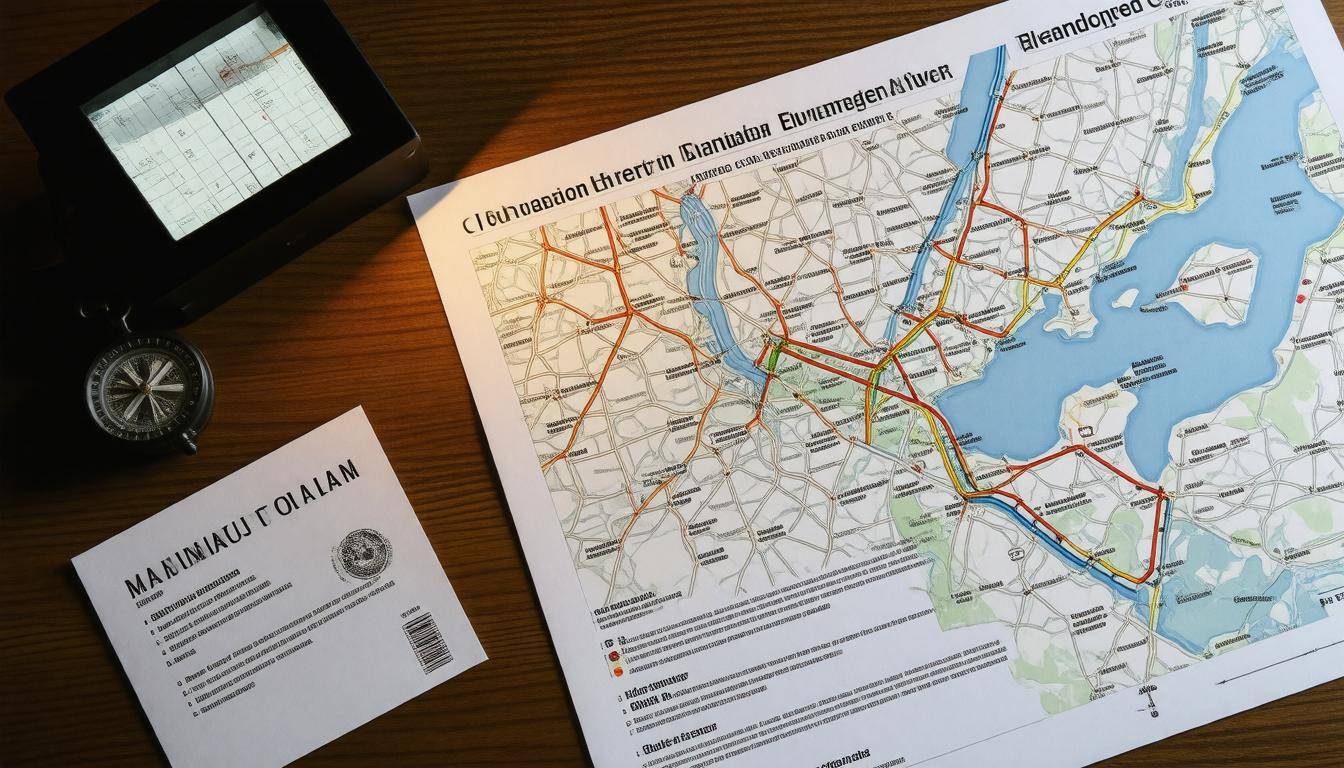
The first crucial step in your evacuation plan is identifying safe locations. Think about multiple routes you could take. Perhaps one leads to a friend’s house on higher ground, while another goes directly to an official shelter designated for emergencies.
It’s wise to practice these routes regularly with your family so everyone can navigate the path without hesitation or confusion when the time comes. This way, even children will know where to go and can act quickly if an emergency arises. To make it more engaging, organize a family drill, treating it like an adventure instead of a chore—it might even turn into an annual family activity!
As you plan your escape paths, pay attention to local maps and traffic reports before an event hits. Avoid areas prone to flooding, and familiarize yourself with alternate routes in case some roads are blocked later on.
Once you’ve established your safe locations, it’s equally important to have a solid communication plan in place.
Make sure every family member knows how to reach each other in case you become separated during the chaos. Choose a common contact point outside of your immediate area who can serve as your lifeline.
In times of stress, having one person designated as a point of contact can simplify communication considerably. Equip every family member with emergency contacts saved in their phones and keep printed copies handy in your emergency kits. This small step adds efficiency and peace of mind, knowing that there’s a straightforward channel for all vital communications.
As you consider everyone’s safety, don’t forget about your pets.
An often overlooked aspect of any evacuation plan is the inclusion of our furry friends. Pet evacuation necessitates preparation akin to what is done for humans.
Get together a pet emergency kit that includes food, water, medications, leashes, and any comfort items they may need during uncertain times, such as toys or blankets. Research ahead which shelters or hotels accept pets; this ensures that you have options when you need them the most.
Remember, your pets rely on you for their safety just as much as your family does. Planning for them not only helps lower your anxiety but also keeps everyone together.
After preparing your evacuation plan thoroughly and practicing it regularly, it’s crucial to understand the necessary steps to ensure everyone’s safety during a flood situation.
Safety Measures During Floods
When floodwaters start to rise, there’s no time to waste in implementing immediate safety measures. Staying indoors is often the best first line of defense. If local authorities have not issued an evacuation order, seek refuge on higher floors within your home.
Moving away from windows and doors will minimize your exposure to both rising water and potential debris that can be blown about by strong winds or turbulent conditions. It’s easy to underestimate how quickly waters can reach precarious levels. By keeping yourself and your family safe inside, you are taking proactive steps to avoid unnecessary danger.
Avoiding Floodwater
Another critical guideline is the simple yet vital advice: never walk, swim, or drive through floodwaters. The hazards posed by even seemingly shallow water should not be taken lightly. Contaminated floodwaters can carry bacteria and parasites that pose serious health risks.
Moreover, currents can be deceptively powerful; just six inches of moving water can knock someone off their feet. Picture this: one moment you’re wading cautiously through what seems like a manageable stream and the next, the pull of the current has you swept off into deeper waters. This scenario underscores why it’s crucial to keep a safe distance from any flood-impacted areas.
Electrical Safety
Equally important is electrical safety during flooding. Before floodwaters arrive, take a few minutes to turn off utilities at their main switches if you sense that flooding is imminent. Unplugging appliances may seem tedious but it is incredibly prudent when considering the risk of electrical shock should water infiltrate your space.
Electrical equipment can become hazardous if wet; even contact with a power cord or outlet can have dire consequences. Therefore, being proactive about disconnecting electrical sources before they get compromised could save lives.
As we consider further protective actions, staying updated on real-time weather conditions becomes essential during such events. Access to accurate information not only helps you anticipate dangers but also prepares you to respond effectively as situations unfold.
Monitoring Weather Alerts
Keeping abreast of weather conditions can feel overwhelming at times, particularly during significant storms like Storm Boris. However, it isn’t just about reading the latest headline or social media update; it’s about finding reliable, timely information that can help you make critical decisions for your safety and well-being. Think of it as your lifeline—it empowers you to act decisively when every minute could count.
A solid strategy for receiving updates includes tapping into multiple channels for real-time alerts. Start by downloading dependable mobile apps and subscribing to services such as the Hungarian Meteorological Service for official SMS or email notifications. Apps like AccuWeather also provide hour-by-hour updates, ensuring that you’re never left in the dark about changing conditions.
| Source | Type | Frequency |
|---|---|---|
| Hungarian Meteorological Service | SMS/Email Alerts | Instant notifications |
| AccuWeather | Mobile App | Hourly updates |
| Local News Stations | TV/Radio Broadcast | Routine bulletins |
| Hydroinfo.hu | Website | Live charts and data |
You might wonder why it’s essential to engage with several types of information sources. It’s simple: redundancy. Using various channels amplifies your ability to stay informed, cutting through any potential noise or misinformation that may occur within any single platform. Moreover, each source has its strengths; while some provide rapid notifications, others give you comprehensive forecasts, easing anxieties about what’s next.
“If you’re only checking one source, you’re putting yourself at risk,” someone once said during a storm preparedness meeting I attended, and it’s as true now as ever.
In addition to traditional media outlets, engaging with local councils on social media can offer unique insights. Local authorities often post timely updates specific to your community—information that broader outlets might overlook. Subscribing to such accounts or even setting up alerts can ensure you’re receiving hyper-localized information directly from trusted sources.
It’s equally critical to assess the urgency of these alerts. Some announcements may be preliminary warnings advising you to prepare, while others could signal an immediate need for evacuation or refuge due to imminent danger. Understanding the language used in these communications will help set proper expectations and allow you to react appropriately.
While remaining vigilant through these alerts keeps you informed and ready for action, taking proactive steps to safeguard your belongings becomes an essential part of ensuring your peace of mind during unpredictable events.
Protecting Your Property

Safeguarding your home is similar to putting on a raincoat before stepping out into a storm; it helps you stay dry and protects what matters most. One of the first adjustments you might consider is making structural changes that ensure critical systems are elevated above potential flood levels. This means moving electrical appliances, such as boilers and HVAC units, to higher ground. Elevating these essentials not only limits water damage but also keeps vital functions operational during a flood. Think about it: if your heating system remains functional when everything else falters, you’ll be much better equipped to weather any crisis.
In addition to elevating appliances, installing barriers can be another layer of defense between your home and rising waters. Using sandbags, flood barriers, or even water-resistant boards around entrances provides a temporary shield and establishes psychological safety during those high-stress moments. These barriers don’t have to be permanent; instead, think of them as short-term solutions that create a buffer against disaster without needing extensive renovations.
It’s interesting how something as simple as bags of sand can effectively alter the fate of a home’s integrity against flooding.
Another important consideration is sealing openings where water could seep through. Inspecting your windows, doors, and vents is crucial—these entry points are often overlooked but can become conduits for water during a flood. Utilize caulking or temporary sealing methods like plastic sheeting to block off these vulnerabilities. Doing so can drastically reduce the risk of water infiltrating your home once the floods begin to rise. The act of sealing these openings serves dual purposes: it protects against water damage while giving you peace of mind that you’ve done your part in safeguarding your property.
Despite individual preparation efforts, assistance from officials plays a critical role during flood events and can greatly enhance overall safety and recovery strategies.
Assistance from Authorities
When floods strike unexpectedly, knowing that support is just a call away can provide you with a great sense of relief. In Hungary, several dedicated organizations and government bodies are poised to help when disaster strikes, each playing an essential role in ensuring community members remain safe and receive the resources they need.
First up is your Local Government. Often at the forefront during crises, local authorities typically set up emergency shelters to accommodate those who must evacuate their homes. These shelters serve as safe havens, providing not just a roof over your head but also vital relief supplies like food and water. If you’re in an affected area, keep your eyes peeled for announcements from city officials about where these facilities will be established.
Public Safety Agencies take things a step further by managing evacuations. They coordinate with law enforcement to ensure that everyone gets out quickly and safely. Many times, these agencies also oversee emergency medical care for anyone who needs attention during such stressful situations. For example, if someone sustains an injury while evacuating or suffers from panic-induced conditions, trained professionals are there to assist promptly.
Don’t overlook the valuable work done by the Hungarian Red Cross in these scenarios. This organization activates specialized emergency response teams focused on assisting affected communities with immediate needs such as food distribution and first aid. Beyond physical assistance, they also provide psychological support—something often forgotten in the chaos of natural disasters. Having someone to talk to or leading community workshops can make all the difference in reducing anxiety levels post-disaster.
Additionally, larger-scale emergencies sometimes require international help. That’s where International Relief Organizations come into play. Within Europe, the EU Civil Protection Mechanism frequently steps in to bolster local efforts during significant flooding events. Imagine having extra pairs of hands assisting with clean-up efforts or providing critical equipment—these organizations ensure that communities are bolstered when local resources are stretched thin.
Knowing who to turn to for help is just part of the equation; it’s essential to stay informed so you can act quickly when assistance becomes available. Following this line of thought, understanding how to recover after a flood is equally critical for affected communities.
Post-Flood Recovery Steps
The immediate aftermath of a flood can stir a whirlwind of emotions: fear, uncertainty, and perhaps even a touch of disbelief. But taking systematic actions can streamline your path to recovery and help you regain control over your environment. Remember, each step carries its own significance in the journey back to normalcy.
Step 1 – Safety First
Before you even think about entering your home, it’s vital to heed safety warnings from local authorities. Once you’ve received the go-ahead, your first action should be to assess potential structural damage. Look for signs like cracks in walls or ceilings, sagging roofs, or unstable foundations. If anything seems questionable, don’t hesitate to call in an expert to evaluate the situation—you cannot prioritize safety enough at this stage.
Addressing any glaring safety concerns must come first; however, you need to pivot your focus towards cleanup as soon as possible.
Step 2 – Cleanup and Sanitation
Wearing rubber gloves and boots is essential when wading into the muck left behind by flooding. The moisture can harbor harmful bacteria that could pose health risks. As you begin to remove items soaked by floodwaters—such as furniture, carpets, and clothing—be deliberate with your disposal methods; many items may need to be thrown away as they can’t be salvaged.
It’s equally important to make sanitation a priority during this phase. Mix bleach with water in a ratio of 1:10 (one part bleach to ten parts water) for an effective cleaning solution. This will help prevent mold growth that thrives on wet surfaces. Scrub down walls, floors, and any surfaces that came into contact with floodwater.
With the clearing out of debris underway and sanitation measures in hand, it’s crucial not to overlook the documentation aspect of your recovery.
Step 3 – Documenting Damages
Take time to systematically document everything: photographs, videos, and detailed notes of all damages incurred by the flood. This evidence plays a critical role when filing insurance claims. Make sure to include receipts for any damaged high-value items you had before the flooding. Contact your insurance provider immediately to get the claims process started—time really is of the essence here.
With documentation completed and your insurance claim initiated, it’s time to explore available resources for support during this challenging period.
Step 4 – Assistance Programs
Don’t hesitate to seek help! Numerous relief programs are often available through governmental bodies or NGOs focused on disaster recovery. These programs typically offer financial aid for rebuilding efforts as well as temporary housing options and food supplies. However, it’s important to act quickly; resources may dwindle rapidly after natural disasters. Check local forums or dedicated websites for information specific to your area.
Implementing these steps is not just about speeding up recovery—it’s about ensuring long-term wellbeing in your living environment after such a traumatic event as flooding in areas near the Danube River or beyond. Taking proactive steps allows for a more effective recovery process while safeguarding both physical and emotional health during these trying times.
In conclusion, staying vigilant and organized during post-flood recovery will greatly improve your chances of restoring normalcy in the aftermath. Embrace these steps as essential pillars of support in navigating this challenging experience.