
Winter can be a magical time filled with snowflakes and cozy nights, but it can also bring unexpected challenges that catch many off guard. Just when you think you’ve settled in for a quiet evening, a winter storm can turn your plans upside down—leaving you stranded or without power. That’s why having the right inexpensive emergency items on hand is not just smart; it’s essential. Drawing from my own experiences facing the elements, I know firsthand how a few affordable tools can make all the difference between a minor inconvenience and a major crisis. This guide will help you gather those must-have items, ensuring that you’re not just braving the cold but conquering it confidently. Let’s dive into the essentials that keep you warm and prepared without stretching your budget!
Essential inexpensive winter emergency items include jumper cables for battery assistance, a snow brush and scraper combo tool for vehicle preparation, and a basic first aid kit for injury management. Additionally, consider adding gloves, hats, and a tarp to serve multiple purposes during emergencies, ensuring you stay prepared without breaking the bank.
Top Inexpensive Winter Emergency Items
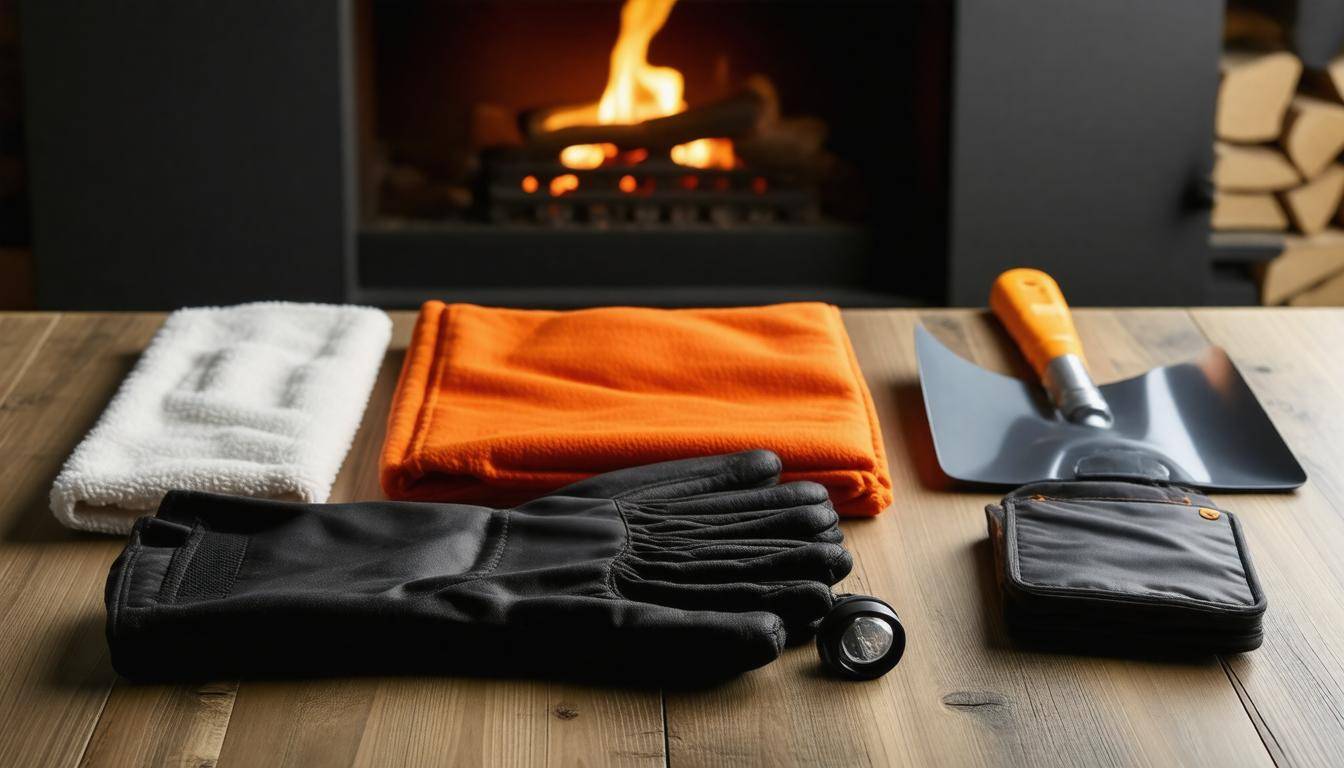
When preparing for winter emergencies, starting with inexpensive yet effective items is key. The right tools can keep you safe and provide peace of mind when the weather outside turns treacherous. For example, take the thermal blanket—at just $5 to $10, this lightweight cloth can be a lifesaver. It retains up to 90% of your body heat. Whether you’re stranded in your car or need extra warmth while waiting for help, this blanket can make a world of difference.
Continuing on from that base, let’s consider how vital light sources are in emergencies.
Enter the LED flashlight, typically priced between $3 and $7. Light might seem like a basic need, yet during a blackout or snowstorm, having a reliable source drastically improves your situation. LED flashlights are energy-efficient and durable; they illuminate dark paths without consuming too many batteries. It’s wise to invest in at least one or two—and remember to stock up on extra batteries to ensure they’re usable when you need them most.
While visibility is critical, your ability to signal for help cannot be underestimated.
This brings us to the next item on our list—the emergency whistle. Priced between $2 and $5, it may seem minor in comparison but carries a weighty benefit: it allows you to call for help without exhausting yourself. During an emergency, shouting can quickly drain your energy and put unnecessary strain on your voice, especially if you’re stuck in the cold for long periods. A whistle minimizes the effort while maximizing your chances of being heard.
Of course, staying nourished is essential too during distressing situations.
That’s why including non-perishable snacks—like granola bars, nuts, and dried fruits—is crucial when assembling your kit. Ranging from $10 to $15 for a selection that will last, these snacks are energy-dense with impressive shelf lives. Not only will they keep your energy up during a crisis, but they’re also easy to stow away and require no special preparation.
Lastly, let’s not overlook practical necessities that could come in handy.
Disposable gloves, often available for around $5 to $8 per pack, might not be the first thing that comes to mind when you think of emergency gear, but they’re invaluable in various scenarios. Whether you need to handle contaminated surfaces or assist someone else safely while keeping hygiene in mind, these gloves offer protection from unknown substances you may encounter during an emergency.
With these inexpensive essentials gathered together, you’ll be well-equipped for any unexpected challenges winter may bring. Now let’s take a closer look at some indispensable gear designed specifically to keep you warm and secure throughout the colder months.
Essential Cold Weather Gear
Having the right cold weather gear is not just about staying cozy; it’s about safety and comfort, especially when temperatures drop. When I first ventured out into winter sports or activities, I quickly learned that layering up properly could make the difference between enjoying a brisk day outside and wishing I had stayed indoors. Essentials, such as wool socks and insulated gloves, play vital roles in maintaining your body heat.
Take wool socks, for example; they might seem simple, but their ability to keep your feet warm even when wet makes them a winter staple. Combine that with a sturdy pair of gloves to protect your hands from the biting chill without sacrificing dexterity—this is essential whether you’re skiing or simply scraping ice off your windshield.
But it’s not just about basic items like socks and gloves; thinking strategically about how to layer your clothing can significantly enhance your warmth throughout the day.
Layering is crucial in managing heat retention. A good system typically involves a base layer, which should be snug against your skin to wick moisture away; a mid-layer, which provides insulation; and an outer layer to shield you from wind and precipitation. Investing in quality base layers made from materials like Merino wool allows you to regulate your body temperature effectively.
In my experience, having sets of these layers—often affordably priced at around $20—has kept me both comfortable and prepared during unexpected cold snaps.
When shopping for winter gear, remember: it’s better to have layers that you can add or remove rather than one heavy coat.
And let’s not overlook accessories! Items like beanie hats are surprisingly effective at reducing heat loss. I used to underestimate how much warmth escapes from one’s head until a friend suggested I wear a beanie while out on our winter hikes—it made all the difference! Typically ranging from $5 to $10, these hats are easy to find and can instantly elevate your cold-weather comfort level.
With these fundamental elements of warmth covered, the next logical step is to explore how you can enhance safety in other areas during winter trips.
Budget-Friendly Car Safety Tools
Having a winter emergency kit for your vehicle doesn’t have to strain your wallet, yet it can make all the difference when faced with adverse conditions. First, let’s talk about jumper cables. On a bitterly cold morning, a dead battery can be a frustrating reality that leaves you stranded. Priced between $10 and $20, these are essential for jump-starting your car when temperatures drop or if you’ve unintentionally left your lights on. A reliable pair of jumper cables should have sturdy clamps and at least 8-gauge wire, which ensures they’re tough enough to handle the job.
Following closely in importance is a tire inflator. Snow-covered roads can take a toll on tire pressure, leading to issues with traction and handling. Investing $15 to $25 in a compact tire inflator can enable you to keep your tires properly inflated, which is crucial for safe driving in winter weather. Look for models that are portable and easy to use—they often come with an air hose and adapters for different types of tires.
The next item on our list is an ice scraper. Priced reasonably between $5 and $10, ice scrapers are a necessity when you wake up to find your windshield encased in frost or ice. While there are many varieties available, consider one with a comfortable grip and a sturdy blade; this will allow for quick and efficient ice removal without scratching your glass.
In addition to an ice scraper, having some cat litter on hand (priced similarly at $5 to $10) is surprisingly useful. Spreading cat litter under your tires can provide instant traction if you find yourself stuck on icy roads. It’s lightweight, inexpensive, and takes up little space in your trunk—making it a practical addition to your kit.
These essentials may seem straightforward, but they serve critical functions during winter emergencies. As you start assembling your car’s emergency kit, consider other tools that not only enhance safety but also prepare you for possible unexpected delays during those chilly winter nights ahead.
Affordable Home Emergency Supplies
Preparing your home for winter should not break the bank, yet it can have a profound impact on your well-being in unexpected circumstances. When cold weather strikes and power outages become a reality, affordable emergency supplies can be a lifeline. With just a few simple items, you can ensure that you and your loved ones remain safe, warm, and nourished.
One of the most basic yet essential items to consider is candles and matches. Priced between $5 and $15, they’re invaluable during power outages, creating a warm glow that alleviates any feelings of uncertainty in the dark. Make sure to choose unscented candles; the tranquility they provide can get lost in overwhelming fragrances, allowing you to focus on what truly matters—your family’s safety.
Alongside candles, stocking up on canned food and a manual can opener, generally totaling around $10 to $20, can keep you fed if snow or ice confines you indoors. Consider a variety of non-perishable foods such as soups, vegetables, and fruits; these are lightweight and provide essential nutrients. Remember, having a reliable can opener is crucial—there’s nothing worse than being surrounded by canned goods without the means to open them!
Another vital need during those chilly nights is hydration.
Investing in bottled water ($5–$10) ensures you stay hydrated. It might seem simple, but access to clean drinking water is paramount during emergencies. Store larger quantities if possible, perhaps in those 5-gallon bottles often used for dispensers—they conserve space and are easy to move around.
You should also consider obtaining a first aid kit ($10–$20). Instead of attempting to assemble one from scratch—which can be both time-consuming and costly—look for prepackaged kits available through various retailers. These kits contain vital medical supplies like bandages, antiseptics, and more, helping you handle minor injuries that may arise when every moment counts.
Now that we’ve covered some fundamental items, let’s talk about creativity. If you’re handy, you’ll be happy to learn that certain emergency supplies can be crafted at home as an economical alternative.
For instance, consider making your own heating pads using rice in a cotton sock or cloth bag that can be easily heated in the microwave—these not only provide comforting warmth but also double as a solution for sore muscles after shoveling snow! This way, you save while preparing effectively for cold winters ahead.
With these inexpensive items on hand and some creative homemade solutions at your disposal, you’ll find yourself well-equipped. Transitioning from gathering supplies to practical preparations will now enhance your readiness even further.
DIY Tips for Winter Preparedness
When it comes to crafting your own winter emergency supplies, the focus should be on practicality and effectiveness rather than sheer convenience. Each item you make can serve multiple purposes, providing not just warmth but also peace of mind when the temperatures drop.
For instance, creating homemade hand warmers is an easy project that leverages common household items. Simply take small fabric pouches and fill them with rice; this acts as an effective thermal mass that retains heat. Once they’re packed, seal them up and microwave them for a few seconds before use—instant warmth at your fingertips!
A clever tip: If you’re planning to hit the slopes or go snowshoeing, these little warmers can easily slip into your gloves or pockets.
Next comes protection against the dreaded frozen pipes during those frigid nights. A unique solution involves using pool noodles cut lengthwise. These inexpensive tools are not just for summer fun—they can be repurposed as insulation around exposed pipes in your home. By fitting these foam tubes onto the pipes susceptible to freezing, you significantly reduce the risk of them bursting due to icy conditions.
Emergency candles are another great DIY project that not only illuminate your space during power outages but also provide warmth. You can easily melt down leftover candle stubs or old candles you’ve collected over the years. By pouring the melted wax into small mason jars along with a wick, you create portable candles that last quite a while. This simple act not only recycles what would otherwise be waste but ensures you have light when the days grow dark.
Moving forward, let’s explore strategies that combine resourcefulness with efficient planning, offering ways to stay safe without breaking the bank.
Maximizing Survival on a Budget
As winter approaches, many people worry about how to adequately prepare without breaking the bank. The good news is that with some creativity and resourceful thinking, it’s absolutely possible to create a comprehensive emergency kit without spending a fortune.
A basic emergency kit can be assembled for under $100, as outlined by FEMA. This gives you a solid foundation to build upon. What’s more critical than spending money is knowing how to use what you already have efficiently. Bartering can be an invaluable skill during tough times; sharing resources or knowledge within your community may prove far more beneficial than any single item you could buy.
To make your preparation even more effective on a budget, consider a multipurpose tool. A Swiss Army Knife or similar multi-tool is versatile—it can assist in repairs, open cans, and even help prepare food. Priced between $15-$30, it’s an investment worth considering.
Additional Budget-Friendly Tips
One great strategy is to utilize common household items in your emergency kit. For instance, spare blankets or old clothing can provide warmth when layered effectively. Buttons from old shirts can be used as makeshift fasteners in emergencies. Utilize those forgotten items in your home—they might become vital resources when the unexpected strikes.
Remember that true preparedness doesn’t always lie in possession of the latest gear; often, it’s about making the most of what you have and improving your knowledge base through practice and education.
By maintaining this practical mindset, you are better equipped not only to survive harsh winter conditions but also to support others around you while staying within your budget constraints.
With this foundational understanding of how to maximize survival on a budget, let’s focus on specific strategies for keeping your family safe during the colder months.
Winter Safety Tips for Families
As the cold months roll in, ensuring your family’s readiness and safety takes center stage. The chilly weather can bring anything from snowy commutes to unexpected power outages, making it essential to prepare everyone for potential emergencies. A simple strategy to begin with is to create a family emergency plan that every member understands.
Not only should you identify clear evacuation routes from your home, but you should also set designated meeting points where everyone can gather if separated during an emergency.
Once you establish that foundation, the next step involves creating a list of emergency contacts that each family member can easily access. This list should include the numbers of trusted relatives, neighbors, and local emergency services. Consider keeping this information both on paper and digitally on personal devices. By having easy access to these contacts, you can eliminate confusion when time is of the essence.
Additionally, regular practice is key. Schedule drills focusing on various scenarios: what to do in case of a fire, severe weather alerts, or even power outages. These rehearsals foster familiarity and confidence in your family members, helping them stay calm under pressure.
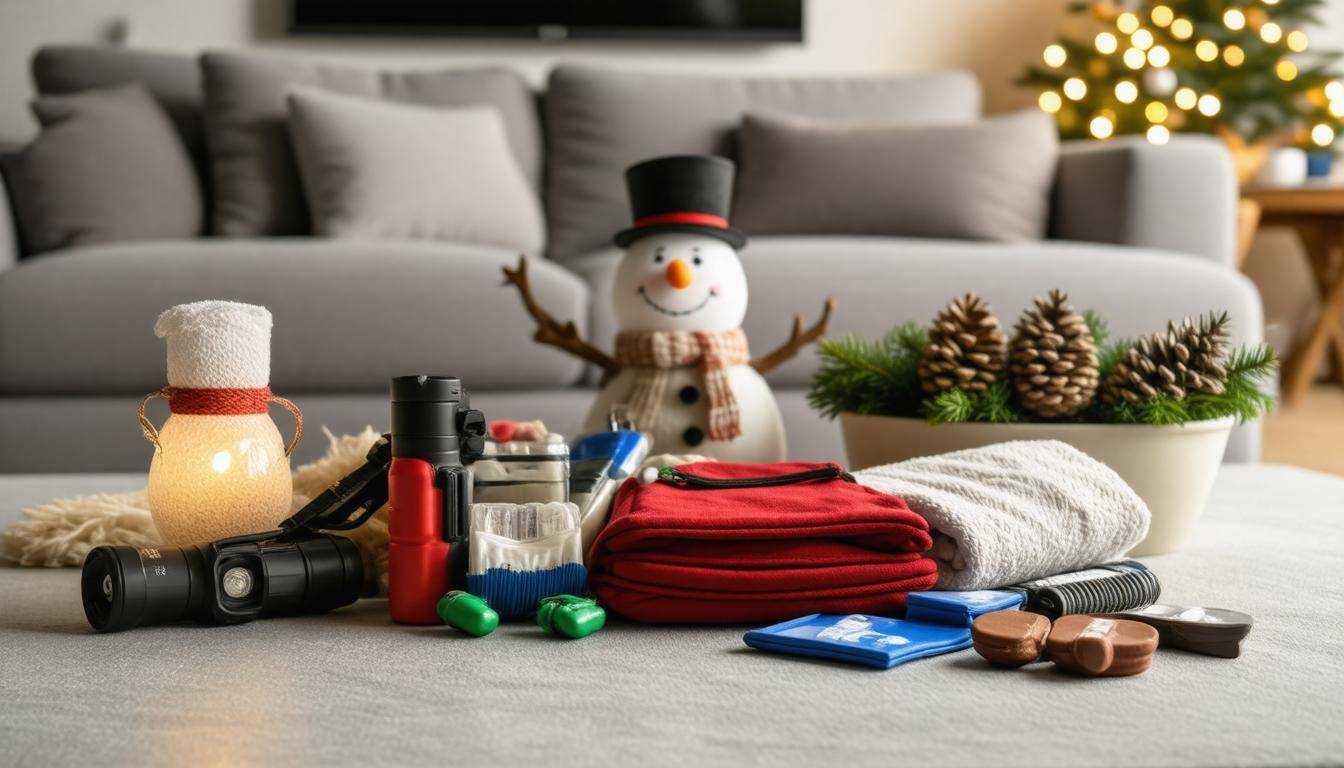
Preparation goes beyond just planning; it’s about stocking up on essential winter supplies as well. It’s wise to think about items such as non-perishable food, extra blankets, and flashlights equipped with fresh batteries. Keeping extra warm clothing in the trunk of your vehicle is also a smart move—especially hats and gloves—to ensure no one faces the biting cold unprepared.
Perhaps you’ve found yourself wrestling with your kids over whether they really need those extra mittens in their bags; remind them how ridiculous frozen fingers feel! After all, that pair of mittens may mean the difference between comfort—and a series of unfortunate snowball-targeting mishaps.
Let’s not overlook the importance of staying informed during winter weather events. Invest time in understanding your local weather resources or apps that send alerts directly to your phones. Monitoring conditions empowers you to react quickly when storms approach and keeps fatigue at bay from prolonged alerts.
These preparations pave the way for exploring creative strategies that keep costs down while maximizing safety during winter conditions.
Innovative Low-Cost Solutions
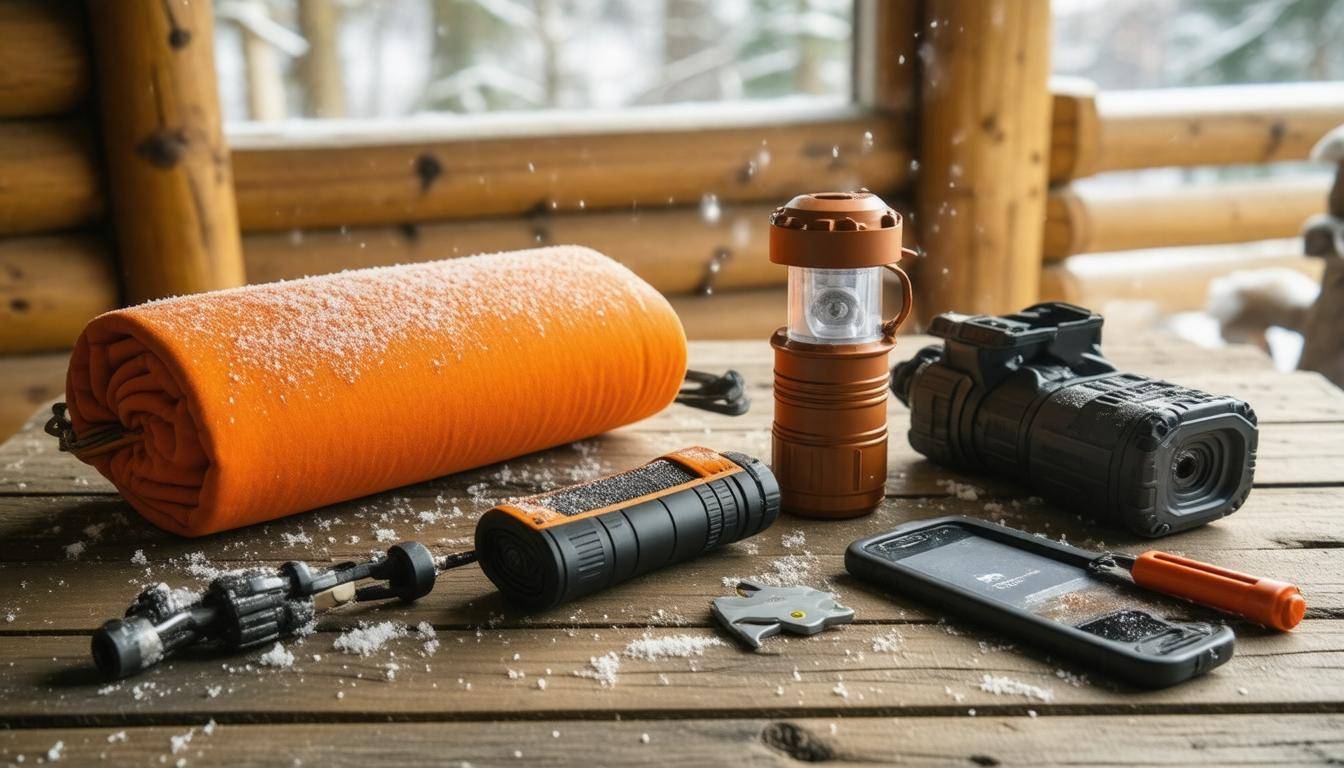
Creativity not only fuels the imagination; it breeds practical solutions for common problems, especially when we think about winter emergencies. For instance, Mylar emergency blankets, which typically cost between $2 and $5 each, are a tremendous asset. They work by reflecting heat back toward your body, ensuring that you stay warm even in extreme cold. These lightweight blankets take up minimal space in your emergency kit and can make the difference between comfort and frostbite.
Another valuable item is a portable solar charger priced at around $10 to $20. With the unpredictable nature of winter weather, losing power isn’t uncommon. This charger allows you to keep your smartphones and emergency devices fully powered without relying on traditional grid electricity, making it easier to contact loved ones or call for help if needed.
Who says staying safe has to be expensive? It can sometimes feel like a winter wonderland of savings when you know where to look. One such discovery is reflective tape, which usually ranges from $5 to $8. This seemingly simple product has incredible utility—it enhances visibility in low-light conditions, making it particularly useful when stuck outdoors or during travel. A strip on your clothing or gear can significantly increase your chances of being spotted.
While all these items seem straightforward, their collective impact in an emergency situation is profound.
Unique Ideas
The true beauty of these solutions lies in their versatility and ease of use. Mylar blankets are perfect for everyone—from hikers braving the icy trails to those caught unexpectedly by a snowstorm while driving. They occupy almost no space in a backpack or glove compartment but offer warmth that rivals traditional blankets without the bulk.
Have you ever thought about how reflective tape could improve not just your safety but also eventual rescue? Think about it: a small strip on your coat or bag could alert first responders quickly during a nighttime emergency. No one wants to be lost in the dark without proper visibility.
To put it plainly: investing a little time and money in these innovative items now can save you from costly consequences later. Winter preparedness doesn’t need to drain your wallet—pragmatic choices can lead to significant benefits when it’s needed most.
In creating this narrative of innovative low-cost solutions, we’re reminded that sometimes the simplest ideas pack the most punch! As winter approaches, don’t overlook the value of these affordable items—they’re essential tools for keeping you safe and sound throughout the colder months.
Being prepared for winter emergencies doesn’t require a hefty budget; it merely demands creativity and smart shopping. Equip yourself with these essential items for peace of mind.