
Flooding can feel overwhelming, especially when it strikes suddenly and leaves destruction in its wake. In KwaZulu-Natal, residents face this reality more often than they should. With heavy rainfalls that can transform streets into rivers, it’s crucial to be prepared before disaster hits. This guide aims to provide practical tips and resources that empower you to protect your family and home from flooding risks. By understanding what to do before, during, and after a flood event, you can take steps toward safety and recovery, ensuring that you and your loved ones navigate these challenges with confidence.
The KwaZulu-Natal Flooding Emergency Guide provides essential information on preparedness, safety protocols during floods, and recovery steps following a flooding event. It includes tips on creating an emergency plan, securing your property, monitoring weather updates, and understanding health precautions post-flood.
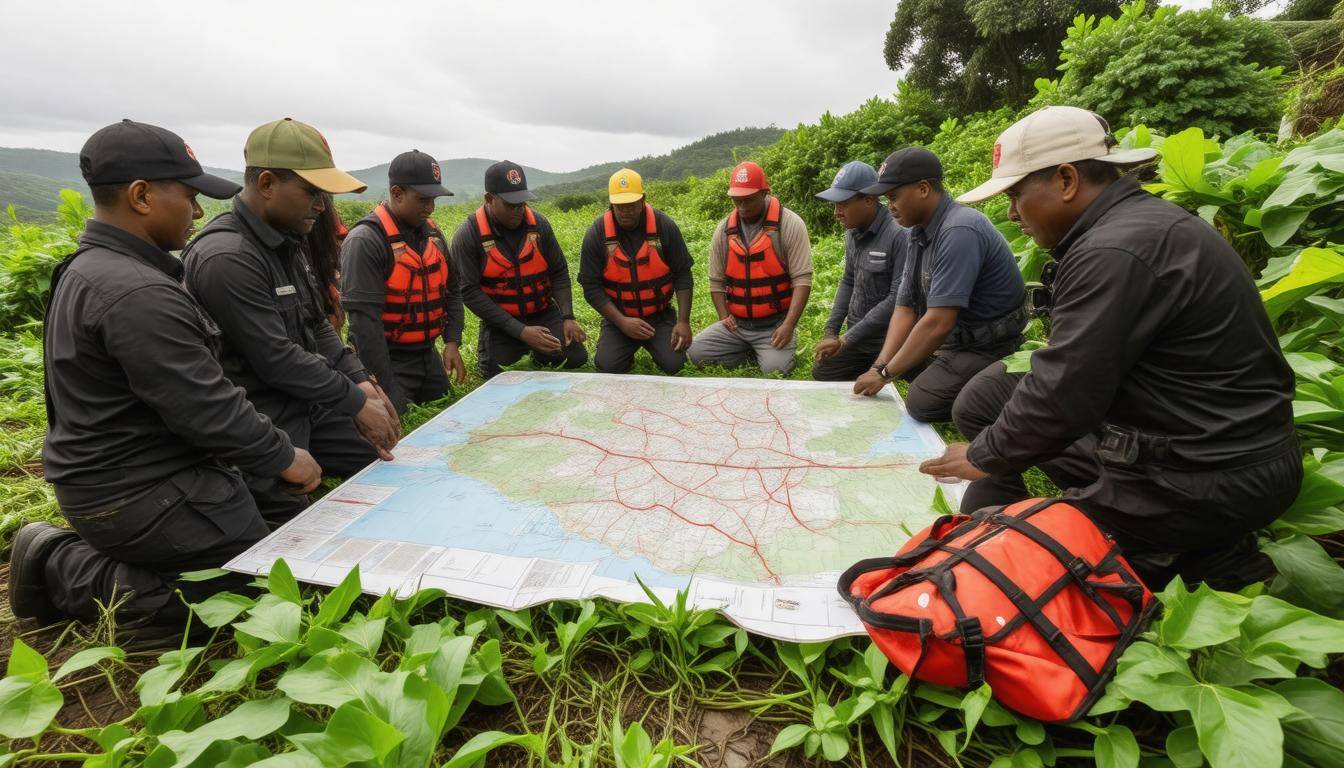
KwaZulu-Natal Flooding Risks
KwaZulu-Natal’s susceptibility to flooding isn’t simply a matter of meteorological happenstance—it’s rooted in the region’s geography and climate. The province experiences heavy seasonal rainfall, which often surpasses 200 mm within 24 hours, creating conditions ripe for disaster. With rivers and streams swelling under such pressure, overflow is inevitable.
In fact, the April 2022 floods in Durban serve as a stark reminder when the city was inundated with over 500 mm of rain in just a few days, leading to devastating consequences for communities.
It’s crucial to realize that while heavy rainfall is a primary catalyst, flood vulnerabilities are amplified by various factors such as land use and infrastructure. For instance, urban development can hinder natural water absorption into the ground and exacerbate runoff into rivers. Similarly, poor infrastructure like aging bridges or poorly maintained drainage systems can fail to cope during heavy rains, further contributing to the flooding risk.
Imagine this: you’re navigating your way through your neighborhood after significant rain—suddenly, you encounter streets transformed into rivers, all due to insufficient planning and overlooked maintenance.
The region has seen substantial flooding events historically, with significant occurrences happening roughly every 5-10 years. However, recent data indicates that these incidents are becoming more frequent due to changing climate conditions—a sobering reality that underscores the need for residents to take proactive measures against impending floods.
Approximately 2.5 million people reside in flood-prone areas of KwaZulu-Natal, meaning countless families are at watch for these potentially catastrophic events. Beyond personal safety, the economic toll is staggering, with flooding causing an estimated R2.5 billion (around $150 million) in losses each year over the past decade.
Recognizing these patterns is crucial as we transition from understanding these risks to taking tangible steps toward preparation—ensuring not only individual safety but actively promoting community resilience against future disasters.
Pre-Flood Preparedness Tips
Creating a well-stocked emergency kit can truly make all the difference when facing a flood. Start by including one gallon of water per person per day for at least three days. This ensures that your family has enough hydration when it counts. In addition to water, pack non-perishable food items like canned goods, protein bars, or dried fruits that require minimal preparation. This way, you’ll be ready to sustain yourself without access to cooking facilities.
Assembling your emergency kit is just one piece of the puzzle; having a solid family emergency plan is crucial too.
Develop a detailed emergency plan that includes clear communication strategies and meeting points for your family. Make sure each member knows what to do in case you’re separated and practice these measures regularly. Understand your evacuation routes ahead of time, as this knowledge will be vital when swift action is required.
Additionally, consider safeguarding your important documents such as identification, insurance policies, and medical records in waterproof containers. By keeping these safe and easily accessible, you minimize stress during an already chaotic time. Imagine needing to file an insurance claim after a flood only to find your policy ruined!
In preparing for potential flooding issues in your plumbing systems, there are preventative measures you can take.
Installing check valves can significantly reduce the risk of sewer backups during heavy rains and flooding episodes. These valves allow wastewater to flow out but prevent water from flowing back into your home, providing another layer of safety when the skies turn dark.
Regular assessments around your property can identify vulnerabilities as well. Make it a habit to elevate essential appliances and utilities at least one foot above potential flood levels if you live in high-risk zones. Also, understanding local weather forecasts through reliable channels helps keep you informed about impending threats.
Taking proactive steps toward both preparation and knowledge empowers you against unforeseen flooding situations, ensuring that you and your loved ones remain safe and ready to respond efficiently when disaster strikes.
With these considerations in mind, it’s equally important to focus on the specific items you’ll need to have on hand during emergencies.
Emergency Kit Essentials
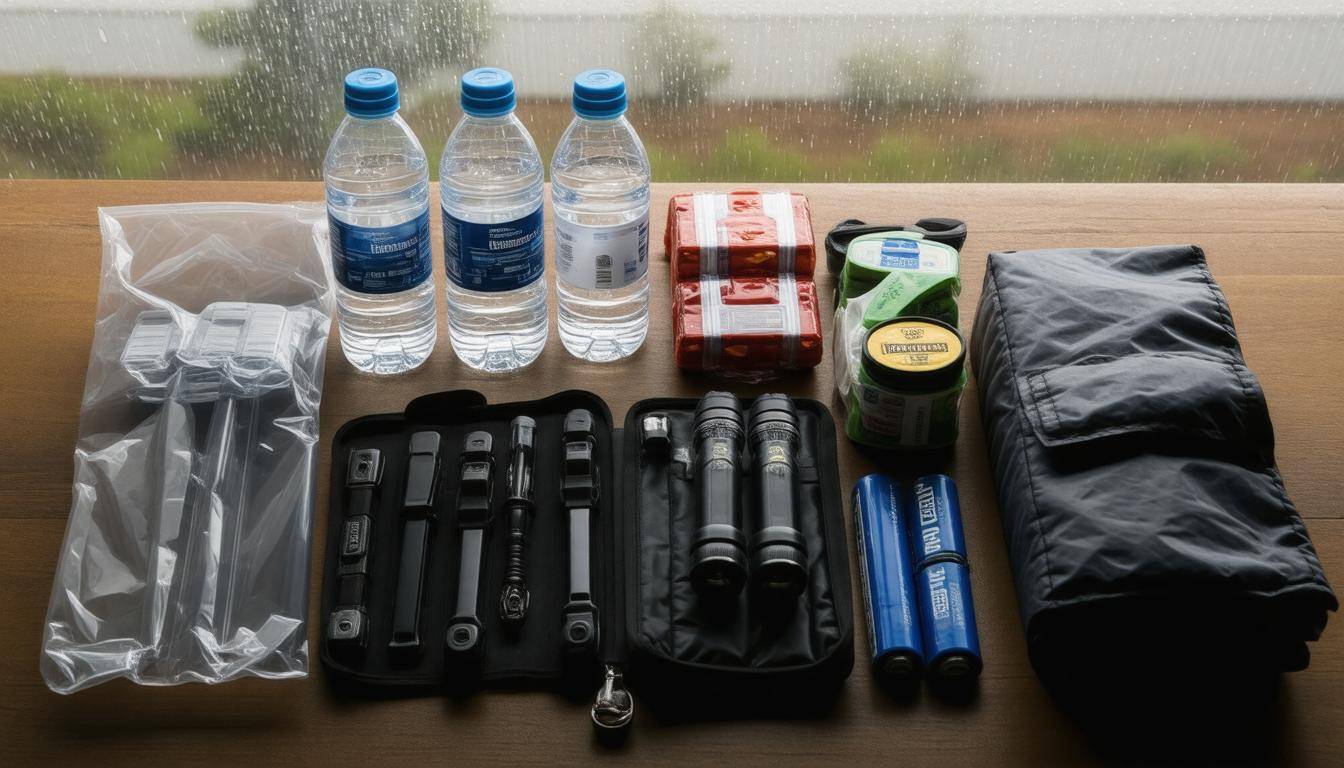
Assembling a comprehensive emergency kit is not just a smart precaution; it’s essential for survival during and after a flood. Imagine finding yourself in a sudden downpour that quickly escalates into a flood — having easy access to critical supplies can mean the difference between managing the situation effectively or facing dire challenges. Therefore, you’ll want to pack items strategically, ensuring that essentials are front and center.
Items to Include
First and foremost, water is your lifeline. Aim for at least one gallon per person per day for three days. Include non-perishable food such as canned goods and energy bars—these should be easy to consume with minimal preparation, as no one wants to be cooking in the midst of chaos!
Bringing along a battery-powered or hand-crank radio is crucial for staying informed during emergencies; this device allows you to receive updates even if power is out. For visibility, include a flashlight and extra batteries as darkness can fall unexpectedly when situations deteriorate.
Then comes the first aid kit — never overlook this! A well-stocked kit containing bandages, antiseptics, and pain relievers can help manage injuries until professional medical assistance arrives. Furthermore, it’s beneficial to tuck in local maps so you can navigate safely if usual routes become unusable due to flooding.
A small whistle can serve a significant purpose; it allows you to signal for help without expending too much energy, proving particularly useful if you find yourself trapped or isolated.
Some argue against carrying luxury items like portable solar chargers, suggesting they’re unnecessary weight. However, those who have experienced power outages may tell you these devices keep communication lines open, allowing you to stay connected with family or check for urgent updates online.
Items for Comfort
Don’t forget about comfort as well. Amidst preparing for survival, it’s easy to overlook the importance of keeping spirits high. Pack blankets and sleeping bags; they can offer warmth and a sense of security in daunting circumstances. Personal hygiene items like toothbrushes, soap, and sanitary wipes play a crucial role not just in health but also in mental well-being during stressful times.
An essential reminder: According to Red Cross statistics, around 80% of people often forget to include critical medications. If you or someone in your household takes prescription drugs regularly, make sure to stash them away in your emergency kit!
Equipped with these essentials ensures you’re prepared. It’s now crucial to understand the necessary actions in case swift action becomes paramount.
Effective Evacuation Procedures
Knowing how to evacuate efficiently can save lives. When the threat of flooding looms, every second counts. It starts with being vigilant and prepared, ensuring you can leave your home swiftly while keeping your family’s safety in mind.
Step-by-Step Evacuation
The first step is to receive the warning. Listening carefully for alerts from local authorities is crucial. Flood warnings can often change rapidly based on conditions. Therefore, it’s important to stay tuned into local news sources and weather channels or utilize apps that send push notifications regarding emergencies in real time.
Once you’re aware of the situation, open lines of communication become vital.
Make sure to communicate clearly with family members about your evacuation plan. Don’t assume everyone knows what to do or where to go—discuss your meeting point if anyone gets separated during the chaos. It’s helpful to practice this plan ahead of time so that everyone understands their role and any potential routes to safety. This reinforces preparedness and reduces panic in an emergency.
With clear communication established, it’s time to put your hands on what matters most.
As you prepare to leave, remember to grab your kit along with essential supplies such as medications, important documents, and cherished personal items that may not be replaceable. It’s best to have these items in an easily accessible location at home, especially during flood seasons. Having your emergency kit ready—complete with water, non-perishable food, and first aid supplies—makes this step smoother and faster.
The next step involves following the safest route available.
Always adhere to your planned routes, avoiding areas at high risk for flooding. It’s wise to have mapped out alternative paths in advance using resources like FEMA flood maps or local government advisories. Staying informed about the most updated information regarding road conditions will guide you through reliable escape routes.
Finally, whether using personal transportation or another means is essential for safety.
If you’re driving, employ caution and use vehicles wisely. Even a few inches of standing water on a roadway can be deceptive; just six inches can cause a vehicle to stall, while twelve inches is enough to float many cars away. Keeping this in mind will help you make informed decisions as you navigate through potentially dangerous conditions.
After executing these steps effectively, seek adequate shelter once evacuated. This next stage is critical for ensuring safety and security.
Safe Shelter Locations
Reliable information about where to find safe shelter is crucial during emergencies. Local authorities often provide updated information regarding designated shelters through various channels, ensuring that you can access safe havens when needed. Knowing where to go can make all the difference when time is of the essence.
Identifying Shelters
One of the best ways to stay informed about shelter options is to listen to local radio stations. They broadcast real-time updates about emergency shelters, how to get there, and their current status. Similarly, utilize phone emergency apps or check government websites dedicated to disaster management. They typically list available shelters and provide additional information on resources at these locations.
During the 2022 floods, several stadiums and community centers in Durban and Pietermaritzburg were transformed into emergency shelters supporting those evacuated from their homes. These locations offered not just physical refuge but also essential support services like food and medical care.
Staying Connected
Ensuring that your communication devices remain operational is another key aspect of seeking shelter effectively. Always carry a fully charged power bank with you so that your smartphone stays powered up. This enables you to receive crucial updates from authorities and communicate with family about your situation.
Additionally, consider setting up a group text with loved ones to ensure everyone knows your whereabouts and intentions. If someone falls out of contact, use this group for accountability—this adds a layer of safety by keeping everyone informed.
After securing shelter, it’s important to understand the necessary steps to take once conditions permit a return home.
Post-Flood Recovery Steps
Returning home after a flood is more than just stepping back through your front door; it’s a carefully considered process that requires patience and attention to safety. Before entering your home, always wait for local authorities to give the all-clear. Floodwaters can cause significant structural damage, and unseen hazards like weakened beams or electrical issues could pose a risk. A professional assessment may be necessary to ensure everything is sound before you start the cleanup process.
Safety First
Once you’ve confirmed it’s safe to enter your home, prioritize safety by wearing protective gear such as gloves, masks, and boots. Floodwaters can contain contaminants, so this precaution helps safeguard your health. Pay close attention to potential slip hazards on wet floors and look out for any exposed wires or sharp objects. If you encounter significant structural damage, leave the area immediately and contact professionals who are equipped to handle such scenarios.
Cleaning and Documenting Damage
Now comes the cleaning phase. Start by addressing any visible signs of water or mud in your home. Use a mixture of bleach and water for disinfecting surfaces to prevent mold growth—an issue that can arise within just 24–48 hours after flooding. Wearing protective clothing remains crucial during this stage to avoid exposure to harmful substances.
Remember to take detailed photos and videos of all damaged items in your home. This not only assists with insurance claims but also helps document the extent of the damage for future reference. According to the Insurance Information Institute, thorough documentation can streamline your claims process, potentially speeding it up by up to 50%.
While you’re busy cleaning up, keep an eye on your water sources too, as contamination is common after floods. Consider using certified testing kits to ensure your water supply is safe for consumption. Until it is confirmed safe, boil all water before drinking.
Community Involvement
As you work through personal recovery efforts, remember that community involvement plays a huge role in rebuilding resilience. Engage with neighbors to share resources, aid each other in cleanup efforts, or simply provide emotional support during these challenging times. Many communities organize volunteer groups to assist with clean-up initiatives; participation can foster camaraderie and a sense of collective purpose.
As recovery progresses, don’t hesitate to consult local resources available for assistance and support as you rebuild not only your home but also the fabric of your community after such a devastating event. Now we turn our focus towards understanding how different sectors collaborate in response efforts during such crises.
Community and Government Response

The collaboration between communities and government agencies is crucial when addressing the aftermath of devastating floods. Together, they create a web of support that not only assists those affected but also enhances resilience to future disasters. These joint efforts foster a sense of unity among residents, encouraging them to engage actively in rebuilding their lives and neighborhoods.
Government Initiatives
Governments typically take the lead in emergency situations, implementing prompt and practical responses to help flood survivors regain stability. For instance, during the 2022 floods in South Africa, substantial funds were distributed for immediate rescue actions. Government initiatives include:
| Initiative Type | Description | Example |
|---|---|---|
| Emergency Shelters | Temporary housing for displaced residents | Utilizing community centers, gymnasiums, and public halls |
| Financial Assistance | Direct funds to affected families and businesses | Government grants, low-interest loans, or aid packages |
| Cleanup and Repair | Resources for debris removal and infrastructure | Mobilizing local governments for cleanup with heavy machinery |
Each initiative contributes significantly to re-establishing normalcy within affected areas. Emergency shelters provide safe refuge where families can regroup. Financial assistance alleviates immediate concerns while supporting economic recovery by helping businesses recover. Cleanup efforts restore physical spaces vital for community gathering and functionality.
Community Involvement
Local communities are often the heart of recovery efforts, coming together in the face of adversity. They organize volunteer groups to assist with cleanup operations and set up donation drives for essential supplies. This grassroots activity fosters a spirit of cooperation that resonates through towns like an echoing chorus of hope.
Community members share inspiring stories of how neighbors rallied together during distressing times—offering meals, comfort, and companionship to one another amidst uncertainty.
The emotional support provided by family, friends, and even strangers is invaluable. It creates a network of care that extends beyond mere logistical support; it builds lasting connections that strengthen community ties long after the crisis has passed.
Understanding these immediate actions provides insight into how communities can build resilience, ultimately leading to more comprehensive strategies aimed at enhancing preparedness for future challenges.
Long-Term Flood Mitigation Strategies
Sustainable approaches are crucial to reducing future flood impact. The first essential strategy is investing in infrastructure improvements, which means upgrading drainage systems, levees, and flood barriers. Improved infrastructure can significantly mitigate flood risks by allowing for better management of stormwater during heavy rainfall. For instance, cities like Durban are already planning substantial upgrades to their stormwater systems to effectively handle large volumes of water. Investing early in these improvements not only protects property but also reduces long-term costs associated with damage repair.
Furthermore, it’s vital to consider environmental elements in the fight against flooding.
Environmental Considerations
Restoring natural landscapes such as wetlands and mangroves should be seen as prime solutions in this context. Wetlands act as natural flood barriers; they absorb excess rainwater and gradually release it back into the environment. A study by the Environmental Protection Agency found that wetlands can reduce flood heights by up to 60%, making them a powerful ally in flood prevention efforts. Restoring these ecosystems contributes positively to biodiversity and may enhance local climate resilience, providing habitats for wildlife while stabilizing soil and improving water quality.
As we think about both infrastructure and environmental factors, another crucial piece falls into place: community education.
Community Education
Ensuring ongoing community education about flood risks is imperative. When residents are informed about potential hazards, they can take proactive steps to prepare for floods. Educational campaigns should focus on practical preparedness measures, like creating emergency kits and establishing family communication plans should an event occur. Engaging community organizations to facilitate workshops fosters greater awareness and preparedness among community members. The more informed the community is, the better they can respond to situations as they arise and lessen impacts during flooding events.
Ultimately, implementing these strategies serves a broader purpose than just immediate safety; they cultivate long-term resilience throughout KwaZulu-Natal.
By integrating infrastructure improvements, environmental considerations, and robust community education programs, we pave the way for a safer environment that can withstand the challenges posed by climate change and related flooding phenomena.
Investing in these long-term strategies will ultimately benefit both our communities and the natural landscapes we rely on.
What are the signs that indicate a flood warning in KwaZulu-Natal?
Signs that indicate a flood warning in KwaZulu-Natal include heavy rainfall exceeding 20mm in a short period, rapidly rising water levels in rivers and streams, and official alerts from the South African Weather Service. Additionally, increased soil saturation can lead to flash floods, and local authorities may issue warnings based on observed weather patterns. It’s crucial for residents to stay informed through weather updates and heed any evacuation notices to ensure safety during such emergencies.
What safety precautions should individuals take while navigating flooded areas?
When navigating flooded areas, individuals should always prioritize their safety by adhering to several key precautions: avoid walking or driving through floodwaters as they can be deceptively deep and fast-moving; wear a life jacket if boating is necessary; stay informed about local weather updates and evacuation orders; and never underestimate the power of moving water, which can sweep away even the strongest individuals. According to the National Weather Service, nearly half of all flood-related drownings occur when someone attempts to cross a flooded roadway, highlighting the importance of these safety measures.
Are there specific evacuation plans outlined for different areas within KwaZulu-Natal during a flooding emergency?
Yes, KwaZulu-Natal has detailed evacuation plans tailored for various regions to enhance safety during flooding emergencies. These plans are outlined based on the historical data of flood-prone areas, ensuring that residents are informed about designated evacuation routes and shelters. For instance, during the severe floods in April 2022, over 4,000 people were evacuated from high-risk zones, highlighting the importance of having predefined strategies in place to protect lives and property. Residents are encouraged to stay updated through local authorities and emergency services to ensure they follow the most current guidelines.
What resources are available for financial assistance after flood damage in KwaZulu-Natal?
In KwaZulu-Natal, individuals affected by flooding can access various financial assistance resources including the Disaster Relief Fund offered by the South African government, local municipality support programs, and non-profit organizations like the Red Cross. These resources provide critical aid such as grants or low-interest loans for home repairs and recovery. It’s important to stay informed through official government announcements, as statistics indicate that previous flood events have qualified many households for immediate financial relief, significantly easing their burden during recovery efforts.
How can residents prepare their homes for potential flooding in this region?
Residents in KwaZulu-Natal can prepare their homes for potential flooding by elevating electrical systems and appliances, installing sump pumps, and ensuring proper drainage around the property to direct water away from foundations. It’s crucial to have a flood emergency kit ready, including essential items like food, water, and first aid supplies. According to the South African Weather Service, areas in KwaZulu-Natal are at risk of floods, with significant events occurring every few years—preparation is key to minimizing damage and ensuring safety during such emergencies.