
In times of unexpected emergencies, having the right food stock can make all the difference. You may not think about milk alternatives until you’re staring down the barrel of a storm or another crisis. But seriously, who wants to run out of nutritious options when the power goes out or fresh groceries are nowhere to be found? That’s why preparing a pantry full of long-shelf-life milk alternatives can save you from a kitchen disaster and keep your family nourished. From creamy almond milk to rich coconut varieties, these alternatives not only offer great flavors but also come with impressive shelf lives. Let’s take a closer look at why stocking these items is essential for your emergency preparedness plan.
Effective long-shelf-life milk alternatives for emergencies include shelf-stable options such as powdered soy milk, oat milk that can be stored outside the fridge for extended periods, and canned coconut milk, which lasts 1-2 years. It’s also advisable to maintain a rotating stock of unsweetened almond or soy milk and consider repackaging dried ingredients like oats and almonds for homemade milk production when necessary.
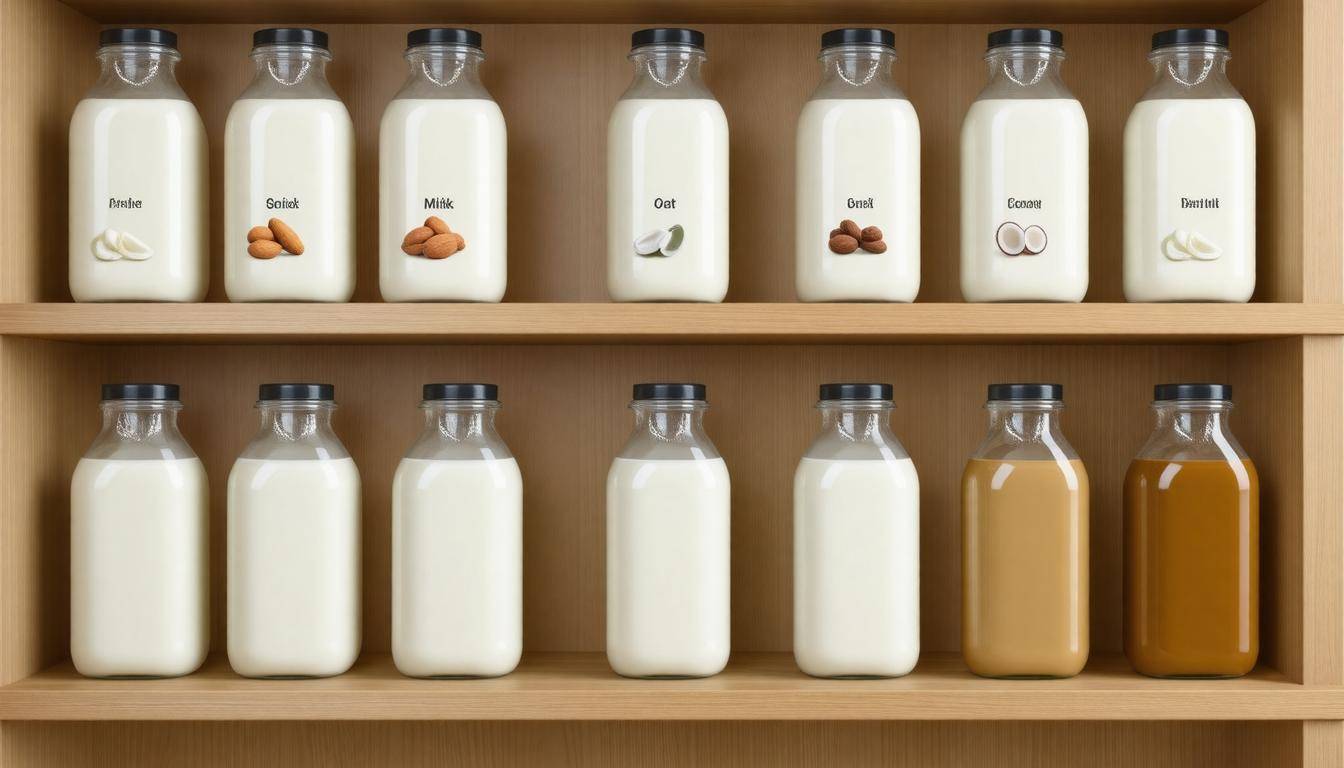
Best Milk Alternatives for Emergency Preparedness
Nut milks, such as almond and cashew milk, are excellent choices for emergency situations, offering both versatility and a relatively long shelf life of about six to twelve months when opened and stored properly. Almond milk, for example, has gained popularity as it is not only a great dairy alternative but also contains healthy fats and vitamins. When packed in aseptic cartons, leading brands can serve as efficient long-term storage solutions during emergencies.
I remember once stocking my pantry with various nut milks before a big storm—a wise choice given how unpredictable weather can be. The convenience of grabbing a carton of almond milk for my morning cereal or using it in recipes made it more appealing. Plus, the unfussed preparation means you don’t have to worry if there’s a sudden power outage: it’s ready to use right off the shelf.
Research found that consuming plant-based milk alternatives is on the rise, driven by increasing health consciousness among consumers. This trend means there are now many fortified options available to choose from, including those rich in calcium and vitamin D.
Beyond nut milks, soy milk steps into the spotlight when discussing nutritious alternatives.
Soy milk stands out due to its protein content, closely resembling that of cow’s milk, and offers substantial nutritional benefits—with a shelf life that can extend up to a year when kept unopened. Brands like Silk provide fortified soy milk alternatives that give you an additional boost of vitamins and minerals. This means they aren’t just fillers in your emergency supplies; they contribute significant nutritional value when fresh produce might be hard to come by.
Always check labels when selecting these alternatives; many brands have adapted their recipes to enhance flavor without compromising nutrition.
We can’t overlook other creative substitutes like coconut and hemp milk which also deserve recognition in your emergency preparations.
Coconut milk offers not only a unique flavor profile but also durability. It can last for several months unopened while providing healthy fats that are beneficial in stress situations where maintaining energy levels is essential. Meanwhile, hemp milk is another option that packs omega-3 fatty acids and provides a shelf life similar to oat milk—making it a smart inclusion in any emergency kit.
Stocking up on these long-shelf-life milk alternatives gives you more than just drinks for your meals; they serve as safety nets during uncertain times while ensuring you’re still getting essential nutrients. Depending on your dietary preferences and nutritional needs, varying your selection will give you flexibility—all while preparing for whatever challenges might come your way.
As we consider nourishing options further, let’s explore specific varieties known for their exceptional longevity and versatility.
Canned and Shelf-Stable Nut Milks
Nut milks are not just alternatives to dairy; they are also champions when it comes to extending shelf life without sacrificing nutritional benefits. For instance, brands like Silk and Almond Breeze produce almond milk that can last up to a year unopened, making them perfect additions to your pantry for emergencies. Imagine not having to worry about spoilage while knowing you have something nutritious on hand to whip up a quick meal or smoothie.
“Shelf-stable milk alternatives provide peace of mind, allowing you to prepare for sudden events without compromising on health.”
Beyond the classic almond options, canned coconut milk is a standout contender in this category. Its rich and creamy texture opens up a world of culinary possibilities, from thick coconut curries to luscious smoothies. Not only does it have an extended shelf life, but it’s also packed with healthy fats and calories, making it an excellent source of energy during emergencies. Picture yourself combining it with some frozen fruit on a cold morning or using it as a base for soups—comfort food at its finest.
Here’s an interesting tidbit: when stored properly in a cool, dark place, canned coconut milk can last anywhere from 18 months to two years. This makes it not just a cooking staple but an essential part of any well-prepared pantry. As someone who has relied on this versatility, I can attest to its ability to elevate even simple dishes, transforming your emergency meals into gourmet creations.
Now, while it’s easy to mention these products’ convenience, remember that checking expiration dates is crucial. Just because the packaging suggests a long shelf-life doesn’t mean it will retain quality under varied conditions prior to purchase. Exposure to heat or light could shorten their lifespan significantly. Always aim to maintain an organized pantry where you can easily see what you have and keep track of the older items.
Additionally, understanding the nutritional variance is essential when selecting these alternatives. For example, while soy milk boasts protein levels comparable to cow’s milk—which is an appealing trait for many—almond milk is lower in calories but also offers less protein. Oat milk has gained traction as a lactose-free option favored for its higher carbohydrate and fiber content. It helps fill the dietary gaps that might arise during situations when variety would otherwise be limited.
With these considerations at the forefront, you’ll be better prepared for any scenario that demands strategic meal planning and resource management.
Powdered and Dehydrated Options
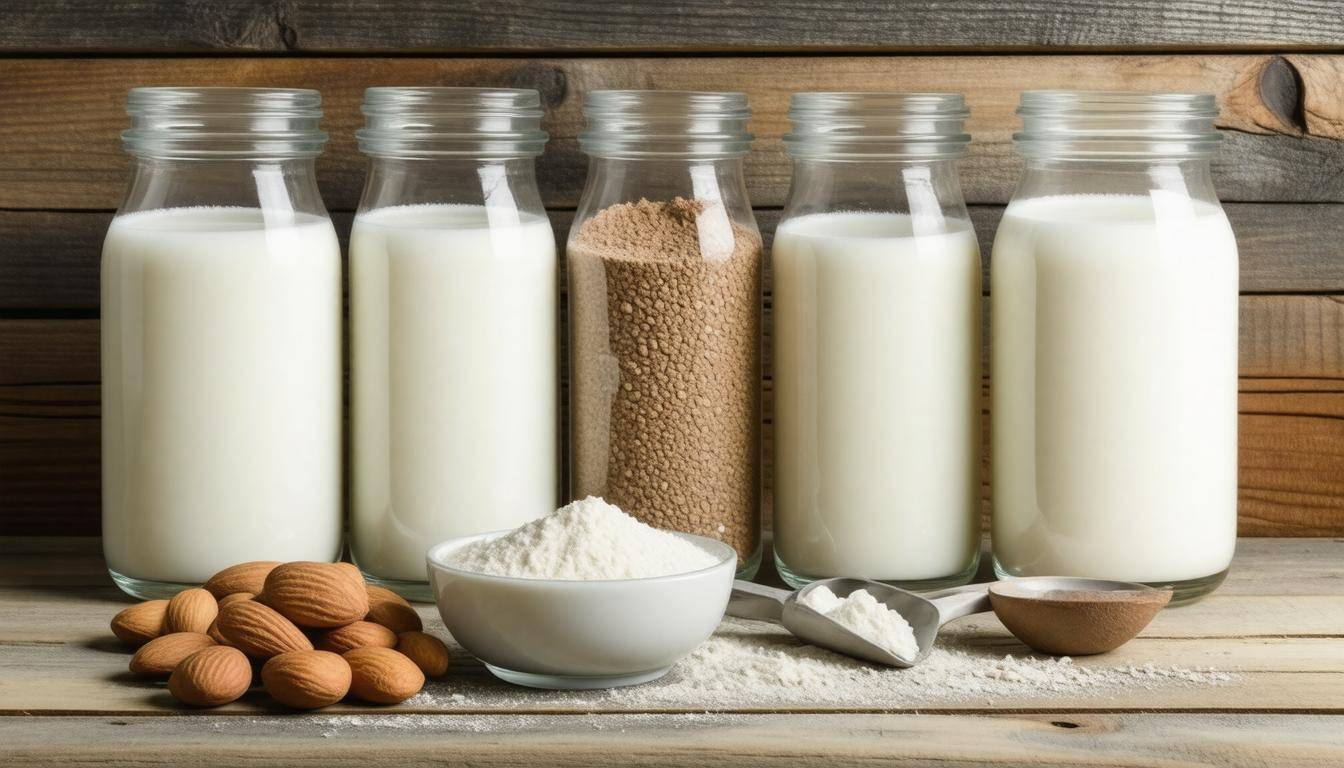
Powdered milk alternatives are not only a lifeline during emergencies but also an efficient way to incorporate nutritious options into your pantry. Their extended shelf life can span years when stored correctly, making them excellent candidates for unpredictable moments.
With options like powdered soy milk and powdered rice milk, you can easily reconstitute these products with water, allowing for versatile use in smoothies, baking, or even just as a warming drink.
Take Better Than Milk’s powdered soy milk, for instance. This product embodies convenience; it can be stored long-term and mixed precisely when needed, enabling you to maintain dietary balance without sacrificing space in your kitchen or pantry. The ease of mixing allows you to control the amount you produce at any given time—essentially reducing waste while ensuring you’re never left dry if a situation arises where fresh dairy isn’t available.
According to a 2025 USDA study, dried milk products typically boast an impressive average shelf life of five years when kept in ideal conditions—cool, dark spaces sealed from moisture.
Nutritional Value
While some may wonder about nutrition after opting for shelf-stable options, let’s unpack that. Generally, powdered soy milk resembles cow’s milk regarding protein content; thus making it an optimal choice for those pursuing plant-based diets seeking rich protein sources. In contrast, powdered rice milk offers the advantage of being hypoallergenic and great for those sensitive to nuts and soy products.
However, this doesn’t mean all powdered alternatives are created equal. For instance, while powdered rice milk is excellent for lactose intolerance sufferers, it might fall short on protein compared to its soy counterpart. Therefore, evaluating each option based on personal dietary needs is crucial before deciding which ones will best serve your pantry during times of uncertainty.
Understanding the nutritional aspects helps lay the groundwork for exploring how these options fit into your overall diet and their contributions to wellness during emergencies.
Nutritional Value in Long-Shelf-Life Products
When it comes to selecting the right milk alternatives for emergencies, understanding their nutritional profiles is crucial. Not all products are created equal; some may seem appealing at first glance but fall short when it comes to delivering essential nutrients. For instance, while almond and coconut milk might offer delightful flavors and long shelf lives, they often contain less protein and calcium compared to other options like soy milk.
It’s important to consider your dietary needs and preferences. Do you require high protein levels for energy? Are calcium and vitamin D a priority? These questions will guide your selection process.
Let’s take a closer look at that comparison table for a clearer picture. With Shelf-Stable Almond Milk, you might be getting only 1g of protein per cup and a modest 30% of your daily calcium requirement. In contrast, Powdered Soy Milk delivers a substantial 7g of protein, making it a robust choice for sustaining energy levels during emergencies. But keep in mind, with coconut milk boasting 445 calories per cup, its high-fat content does mean it’s not the best option if you’re watching calorie intake.
| Product | Protein (per cup) | Calcium (% DV) | Calories (per cup) |
|---|---|---|---|
| Shelf-Stable Almond Milk | 1g | 30% | 30 |
| Powdered Soy Milk | 7g | 20% | 130 |
| Canned Coconut Milk | 5g | 4% | 445 |
Beyond just macros—the carbs, proteins, and fats—consider also how these products fit into your overall health goals. Long-shelf-life milk alternatives can vary significantly in terms of added sugars, flavorings, and preservatives. Always check labels! You don’t want to stock up on something that looks good nutritionally but is loaded with sweeteners or artificial ingredients.
Moreover, another factor worth examining is the bioavailability of nutrients. This refers to how well your body can absorb the nutrients from different food sources. Some types of fortified milk alternatives may use calcium sources that are less easily absorbed by our bodies compared to those found in dairy. If you’re relying heavily on these products during emergencies, it might serve you well to choose those that maximize nutrient absorption.
With this knowledge about nutritional value, let’s explore practical methods for effectively organizing and storing these essentials to ensure you have what you need when faced with emergency situations.
Stocking Strategies for Emergency Situations
When it comes to preparing for emergencies, having long-shelf-life milk alternatives on hand is a great step in ensuring your family has nutritious options when times get tough. A fundamental strategy to maximize the effectiveness of your supplies is adopting a rotational stocking system. This means organizing your items so that you use the oldest products first, which helps to maintain freshness and prevents waste.
Imagine opening your pantry during an emergency only to find outdated supplies! To prevent this, I recommend labeling your containers with dates and keeping a checklist to track what you have and what needs to be used soon.
Beyond just rotational stocking, another critical aspect is diversifying your milk alternatives.
Stocking a variety of milk alternatives isn’t just smart; it’s essential. Families often have different taste preferences and nutritional needs, so having an assortment allows everyone to find something they enjoy. Consider including almond milk, soy milk, oat milk, and coconut milk in your emergency kit. Each type offers unique benefits—while almond milk is low in calories, soy milk provides protein comparable to cow’s milk.
The mix of flavors can help avoid monotony and ensure that no one feels deprived during an emergency situation.
Think of it like having a toolbox—you wouldn’t want to have just one tool if you know various tasks require different implements. Similarly, a selection of milk alternatives can cater to everyone’s dietary requirements while still being convenient during trying times.
Therefore, when choosing products, considering taste and versatility is also crucial.
The ultimate goal in preparing for emergencies is ensuring that families not only survive but thrive during challenging times. Long-shelf-life milk alternatives can easily integrate into daily meals or snacks; they can be added to cereals, smoothies, or enjoyed on their own. Thus, selecting products that contribute positively to meal variety can enhance morale when relief supplies seem limited. If you choose the right flavors and types that suit your family’s preferences, you’ll create a sense of normalcy and comfort in uncertain situations.
Moreover, don’t overlook storage considerations! Make sure these products are stored in a cool and dry place to prolong their shelf life. A well-arranged corner in your pantry dedicated to these items not only keeps everything organized but makes it very clear what you have at your disposal!
By strategically stocking and choosing appropriate long-shelf-life milk alternatives, you’re establishing a reliable safety net that ensures your family has access to nutritious food when they might need it most.
As we progress through this topic, let’s shift our focus to how these options stack up in terms of flavor and nutrition, exploring what truly sets them apart.
Taste, Nutrition, and Versatility Compared
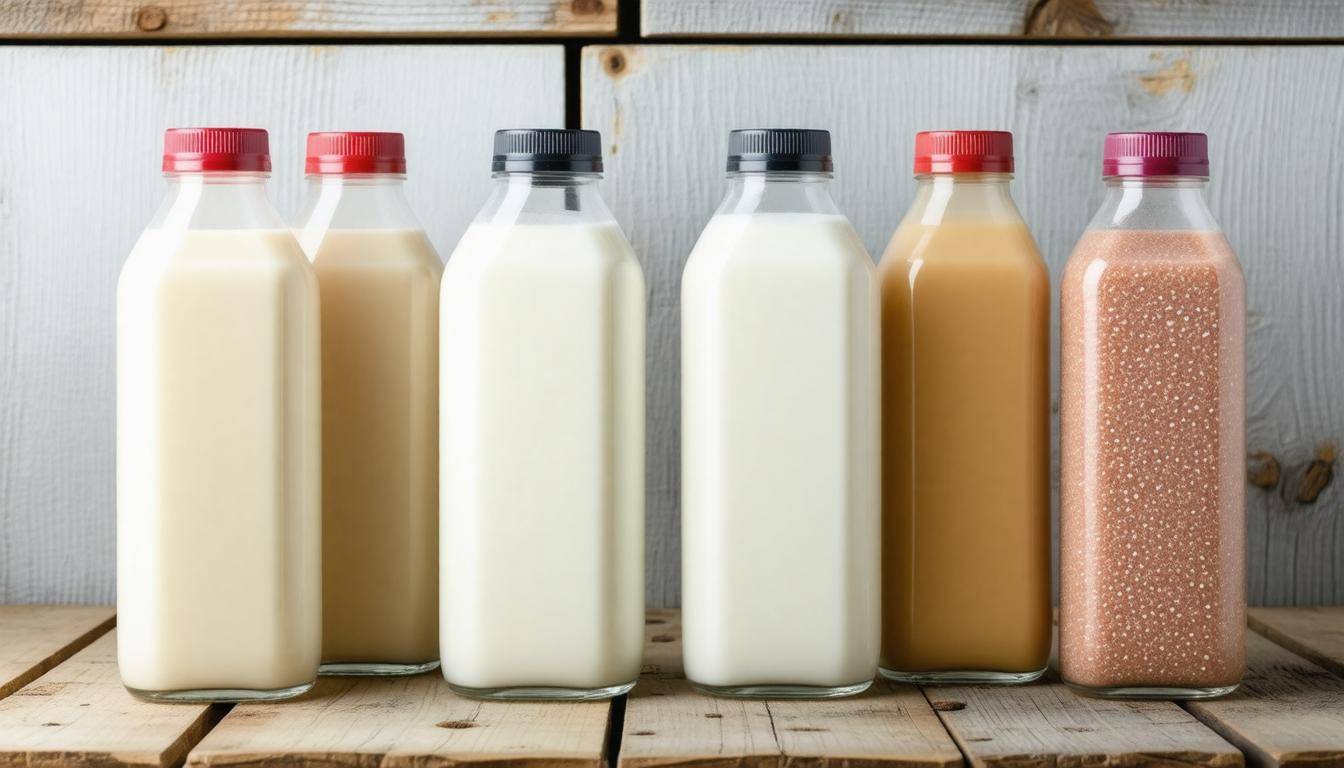
Not all milk alternatives taste the same, and their versatility in cooking varies significantly. Take oat milk, for instance; its mild, creamy flavor makes it an excellent companion in various recipes, from lattes to pancake batters. You can pour it over cereal or use it to create rich sauces without overpowering other flavors. This flexibility is one reason why oat milk has surged in popularity among those transitioning away from dairy.
In contrast, canned coconut milk brings a luxurious, tropical twist to dishes. Its rich, sweet flavor can elevate a simple curry or smoothie bowl but might clash with more traditional Western baking recipes like cookies or muffins. If you’re considering how to use these alternatives in your cooking, it’s essential to choose one that complements the dish’s inherent flavors rather than competes with them.
Now, powdered soy milk often finds itself in the crosshairs of debate. Some argue it lacks the delightful flavor of fresh or canned versions; however, its robust nutritional profile is hard to ignore. Packed with protein and calcium—sometimes exceeding that of cow’s milk—powdered soy aids those aiming to boost their nutrient intake while navigating dairy-free options.
It’s worth noting that in terms of health benefits, almond and pea milks shine by providing elevated calcium levels that surpass those of cow’s milk. Moreover, they come with significantly fewer calories and fat content, making them appealing choices for those conscious of their dietary intake.
For individuals willing to explore further, crafting your own beverages can bring tailored flavors and nutritional elements fitting personal preferences and dietary needs. Imagine creating your own almond or hazelnut milk! By adjusting sweetness or adding spices like vanilla or cinnamon, you could design a beverage that perfectly matches your culinary aspirations.
Homemade Milk Alternatives
Making milk alternatives at home not only saves money, but it also allows you to tailor the ingredients to your taste preferences and dietary needs. One popular option is almond milk, but let’s explore the steps for creating this delicious and nutritious alternative.
Step-by-Step Homemade Almond Milk
To kick things off, soaking one cup of almonds in water overnight is essential. This softens them and enhances their blending capacity, resulting in a creamier texture. After soaking, you’ll want to drain and rinse the almonds thoroughly; this step removes any leftover enzyme inhibitors that could affect digestion.
Next comes the fun part—blending the soaked almonds with four cups of fresh water. The key here is to blend on high until the mixture reaches a smooth consistency. This process typically takes about 30 seconds if you’re using a high-powered blender. Not only do you create a drinkable milk alternative, but you are also unleashing all those rich nutrients packed in almonds.
Once blended, don’t forget to strain the mixture through a nut milk bag or fine mesh sieve into a jug. This helps separate the almond pulp from the liquid milk. If you’re like me, you might consider what to do with that leftover pulp—don’t throw it away! It can be used in smoothies, baked goods, or even as an addition to oatmeal for an extra protein boost.
Finally, you’ll want to store your fresh almond milk in the refrigerator, where it will keep for up to five days. For anyone experimenting with flavors or sweetness, consider adding a pinch of Ceylon cinnamon or a dash of vanilla extract before blending—it really enhances the overall flavor profile.
While homemade options are fantastic for daily use, understanding how to store them properly for emergencies can elevate your prepared pantry strategy significantly.
Proper Storage Methods for Longevity
It may sound straightforward, but proper storage techniques can significantly extend the shelf life of your milk alternatives, making them reliable options in times of crisis. One of the simplest methods is to store your items in a cool, dry place, preferably away from direct sunlight. This prevents heat and light from degrading the quality of the products.
Just imagine it: a pantry filled with your emergency essentials, all ready for when life throws its curveballs.
It’s also wise to consider how each type of milk alternative is packaged post-opening. For powdered products, using airtight containers is crucial. Once opened, these powders can easily absorb moisture from the air, which can cause clumping or spoilage. A well-sealed container not only protects the contents from humidity but also ensures that they retain their nutritional value over time.
Additional tips for effective storage include:
-
Rotate your stock regularly: Use the oldest items first and keep new stock at the back. This simple practice guarantees freshness.
-
Store canned products in a cool pantry: This helps prevent issues like bulging or rusting, which can lead to spoilage or contamination.
-
Label containers with opening dates, especially if they aren’t originally packaged with a timeline; it makes it easier to keep track and prioritizes usage accordingly.
By adhering to these practical guidelines, you’re not just ensuring that you’re prepared—you’re also preserving valuable nutrients and flavors to enhance meal flexibility when needed.
Ultimately, with basic yet effective practices in place, you can confidently rest easy knowing your emergency supplies are both nutritious and ready when you need them most.
In conclusion, being knowledgeable about long-shelf-life milk alternatives and proper storage methods will equip you for any unexpected situations while maintaining convenience and nutrition.
Can I use long-shelf-life milk alternatives as a substitute in recipes that typically call for cow’s milk?
Yes, you can use long-shelf-life milk alternatives as substitutes in recipes that typically call for cow’s milk. These alternatives, such as almond, soy, or oat milk, often have similar properties and can provide comparable flavor and texture in most recipes. For example, studies show that almond milk is used in 70% of baking recipes calling for dairy milk and yields excellent results. However, keep in mind that some alternatives may impact the taste or consistency, particularly in savory dishes or baked goods where the fat content differs from whole cow’s milk.
What nutritional benefits do long-shelf-life milk alternatives offer compared to regular milk?
Long-shelf-life milk alternatives, such as almond, soy, and oat milk, often boast lower calories and fat content compared to regular cow’s milk, making them appealing for those seeking lighter options. For instance, unsweetened almond milk contains only about 30-40 calories per cup, compared to around 150 in whole milk. Many of these alternatives are also fortified with vitamins D and B12, enhancing their nutritional profile while providing options for lactose-intolerant individuals or those following plant-based diets. Furthermore, studies show that fortified plant milks can provide similar calcium levels as cow’s milk—essential for bone health.
How should I store long-shelf-life milk alternatives for optimal shelf life?
To store long-shelf-life milk alternatives optimally, keep them in a cool, dry place away from direct sunlight and avoid extreme temperature fluctuations. Most shelf-stable milk alternatives can last up to 12 months unopened, but once opened, they should be refrigerated and consumed within 7-10 days for the best flavor and safety. It’s important to regularly check expiration dates and use older items first to maintain your stock effectively.
What types of long-shelf-life milk alternatives are available in the market?
In the market, you can find several types of long-shelf-life milk alternatives, including shelf-stable almond milk, soy milk, oat milk, and coconut milk, which often come in Tetra Pak cartons that can last up to a year when unopened. For instance, almond milk generally has a shelf life of 6-12 months, while soy and oat milk can also stay fresh for around 6-12 months due to their processing methods. These alternatives are not only nutritious but also versatile for various recipes and diets.
How do the flavors and uses of long-shelf-life milk alternatives compare with traditional dairy milk?
Long-shelf-life milk alternatives, such as almond, soy, and oat milk, often offer unique flavors and nutritional profiles that differ from traditional dairy milk. For instance, while almond milk is nutty and lower in calories per serving (often around 30-50 calories compared to 150 in whole cow’s milk), soy milk has a creamier texture similar to dairy and boasts comparable protein content—approximately 7 grams per cup. These alternatives can be used in various culinary applications, from smoothies to baking, although they may alter taste and texture slightly. In an emergency scenario, the ease of storage and extended shelf life (up to several months) make these alternatives particularly appealing for preparedness planning.