
In a world where our documents often hold the keys to our personal and financial lives, protecting them shouldn’t feel like an overwhelming task. You might be wondering, “How do I keep my important files safe without breaking the bank?” Thankfully, there are simple and affordable methods for securing both digital and physical documents that anyone can implement. From basic organization tips to low-cost encryption tools, this article highlights easy strategies that help you safeguard your sensitive information without a hefty price tag. Whether you’re a student managing school projects or a small business owner handling client data, these practical approaches will set you on the right path to document security. Let’s dive in!
Some proven low-cost document protection methods include using free software like Calibre to manage and convert documents while incorporating plugins such as DeDRM Tool for removing digital rights management. Additionally, regularly updating your systems and ensuring proper configuration can significantly enhance your document security without incurring high costs.

Essential Low-Cost Security for Documents
One of the simplest yet often overlooked methods for ensuring the safety of your documents is keeping them physically organized and secure. It may sound basic, but creating a dedicated filing system—either physical or digital—can significantly reduce the risk of accidental loss or unauthorized access.
For example, using labeled folders on your computer or in a cabinet helps you know exactly where important documents are located, decreasing both frustration and exposure. Combine this strategy with password protection to keep your digital files under lock and key.
Furthermore, utilizing encryption software is highly advisable. The average cost ranges from $30 to $100 per year, while free options like VeraCrypt are also available if you’re on a tight budget. Encryption allows you to convert sensitive information into unreadable code until it’s decrypted by someone with the right key. Much like how a locked diary protects its secrets from prying eyes, encryption ensures that only authorized individuals can access confidential data.
A proactive approach is essential. “Many data breaches occur not because the necessary precautions weren’t taken as a result of neglect,” says cybersecurity expert Linda Green. “It’s often about misplaced trust.”
Another handy tip is to regularly shred any physical documents you no longer need. This step is critical for protecting sensitive information, particularly in an era where identity theft is prevalent. Utilizing shredding services that charge around $0.10 to $0.25 per pound can be a cost-effective solution for clearing out your workspace safely. Many communities hold shredding events where you can dispose of your documents securely.
Secure Cloud Storage Options
In addition to physical protections, consider employing cloud storage solutions that offer enhanced security features:
- Google Drive: Offers 15 GB of free storage and employs robust security protocols.
- Dropbox: Provides personal and business plans with features like file recovery.
- OneDrive: Integrates seamlessly with Microsoft Office programs and provides strong compliance with security standards.
When selecting a cloud service, always review their security policies and ensure they support two-factor authentication (2FA) for added protection. Remember John’s testimonial? His experience underscores that even if passwords slip through cracks, 2FA acts as a critical barrier.
As we explore these various strategies for safeguarding sensitive information, it’s important to assess the specific requirements that align with your needs in the realm of document protection.
Evaluating Document Protection Needs
To truly grasp how to secure your documents, you first need to ask yourself a simple yet crucial question: How sensitive are your documents? By categorizing your files based on their confidentiality level, you’ll identify the right strategies and tools necessary for keeping them safe from unauthorized access.
High-Sensitivity Documents
High-sensitivity documents include items like legal contracts, personal identification numbers, and financial statements. These types of documents hold significant weight, as their exposure could lead to serious consequences—identity theft or contractual disputes, for instance. For this reason, they require the highest level of protection. Implementing strong encryption measures is essential here. Encryption ensures that even if someone gains access to these files, they cannot understand their contents without the proper keys or passwords. Additionally, other methods such as multiple backups and two-factor authentication (2FA) can fortify security even further.
Medium-Sensitivity Documents
Next come medium-sensitivity documents, which might include business reports and client information. While they’re important and certainly warrant protection, a breach of these files typically doesn’t have the same dire implications as those involving high-sensitivity documents. Thus, basic security measures such as password protection and regular backups should suffice, allowing you to safeguard these documents while effectively managing your resources.
Low-Sensitivity Documents
Finally, we reach low-sensitivity documents. These consist of general business communications and non-sensitive project files that do not pose significant risk if exposed. For these types of documents, simpler security methods such as password-protected folders or storing them in a secure cloud storage service often meet the needs without overburdening your workflow.
| Sensitivity Level | Example Documents | Recommended Protection Methods |
|---|---|---|
| High | Legal contracts, Financial statements | Encryption, Multiple Backups, 2FA |
| Medium | Business reports, Client information | Password Protection, Regular Backups |
| Low | General communication | Basic Passwords, Cloud Storage |
Once you’ve identified and categorized your document protection needs accordingly, let’s shift our focus to discover practical encryption options that offer robust safeguards for all categories of sensitive information.
Accessible Encryption Tools
When it comes to securing your digital documents, utilizing accessible encryption tools is a must. Encryption transforms your files into new formats that are unreadable without the proper key, ensuring that sensitive data remains protected from prying eyes. Thankfully, there are various tools available that simplify this process for everyday users.
Simple Encryption Software
Consider using programs like VeraCrypt or BitLocker, both of which offer user-friendly interfaces. VeraCrypt stands out for its comprehensive functionality: it’s free and delivers robust protection for users on both Windows and Mac operating systems. Even if you’re not tech-savvy, VeraCrypt guides you through the encryption process without overwhelming you with complex terminology. You’ll find options to encrypt entire disks or just specific files, giving you flexibility in how you manage security.
VeraCrypt’s ease of use ensures that even those new to technology can follow along. It requires minimal setup steps—simply select what you want to encrypt, choose a strong password, and let the software do the rest. This means you can also easily collaborate with colleagues while maintaining document security.
Built-in Encryption
Many operating systems come equipped with built-in encryption features that are often overlooked. For instance, Windows 10 Pro users have access to BitLocker. A tale comes to mind of Ruth, a freelance graphic designer who utilizes BitLocker religiously.
“It gave me peace of mind knowing my client files are safe if my laptop gets stolen,” she says, emphasizing how easily BitLocker integrates into her day-to-day operations. Essentially, all she had to do was enable the feature and set her desired password; BitLocker handled the rest.
By enabling these built-in features, you eliminate any costs associated with third-party software while still employing effective security measures for files stored on your device.
As the dynamics of document security continue to shift, understanding how to protect physical records becomes equally important—shaping a holistic approach towards safeguarding all types of crucial information.
Securing Physical Documents
Physical documents can indeed be just as vulnerable to theft or loss as their digital counterparts. It’s fascinating to think how often we overlook tangible items that contain our most sensitive data—tax returns, medical records, and personal identification. The good news is that there are intelligent, low-cost solutions available to keep these critical papers safe.
Lockable Storage
Investing in a lockable filing cabinet or a fireproof safe can make a world of difference. For as little as $50, you might find a small fireproof safe that protects against physical theft and can withstand extreme temperatures in the unfortunate event of a fire. Imagine the peace of mind you’ll have knowing that your vital documents won’t turn to ash in seconds.
While you’re at it, consider where you place these storage units; it’s best to keep them in less-trafficked areas of your home or office for even better security.
Additionally, reinforcing the idea of out-of-sight means out-of-mind holds weight here. A lockable filing cabinet that blends into your environment can deter opportunistic thieves while keeping your documents organized. Consider models with multiple drawers so you can categorize items properly, making retrieval smooth and quick while maintaining an aura of security.
Document Shredding
Now, let’s talk about document shredding. Shredding old or unneeded documents that contain sensitive information is more than just a minor precaution—it’s essential for protecting your identity. Many office supply stores like Staples offer shredding services at reasonable rates; for instance, they may charge around $1 per pound of paper for shredding services.
Imagine compiling years’ worth of unnecessary paperwork into a sizable box and bringing it to the store—transforming those once-risky documents into tiny scraps that will never pose a risk again.
By shredding old documents, not only do you reduce clutter, but you also significantly lower the chances of becoming a victim of identity theft.
To further enhance security, consider investing in a cross-cut shredder for home use. These machines can reduce a single sheet of paper into over 2,000 pieces! You’ll sleep soundly knowing that even if someone were to try and piece together what you’ve discarded, they’d be met with an insurmountable challenge.
While ensuring physical documents are secure is pivotal, exploring methods to protect digital information is equally important. This balanced approach ensures comprehensive protection across all forms of documentation.
Best Practices for Digital Safety
The landscape of digital security is increasingly intricate, requiring a set of best practices that can help safeguard our most critical information. One foundational measure is ensuring your software and security tools are always updated. Regular updates include important patches for any discovered vulnerabilities. Keeping software up to date is much like maintaining the locks on your doors; you wouldn’t want a lock you couldn’t rely on because the hardware was old or compromised.
Make a habit out of checking for updates frequently, rather than waiting for automated notifications. Rogue software can silently operate in the background while you’re surfing the web—keeping everything updated regularly ensures these potential threats don’t slip past your defenses unnoticed.
Another significant area to consider for enhancing digital safety involves being cautious about where and how you connect to the internet.
Public Wi-Fi networks may seem inviting, especially when you’re out and about, but they can offer a playground for malicious actors looking to access sensitive data. I always advise against accessing critical documents over these networks if possible. Picture yourself sitting in a cafe with your laptop—it’s not just your coffee getting stirred, but also the packets of data floating around on that unsecured network. If you must use public Wi-Fi, employing a Virtual Private Network (VPN) adds an extra layer of encryption to your internet connection, making it harder for prying eyes to intercept your communications.
Encrypting your internet connection acts like a cloak that shrouds your activities from potential eavesdroppers. It turns your data into uninterpretable code which only receives access upon reaching its destination—think of it as sending a locked box that only the recipient can open.
While securing connections is vital, let’s discuss another key practice that breaks through many barriers: email security.
In our increasingly connected world, emails are often the preferred method of communication, especially when sharing sensitive information. Utilizing email encryption enhances security by ensuring only intended recipients can read your messages. For example, services like ProtonMail offer end-to-end encryption that safeguards emails from being intercepted or viewed by anyone other than you and your recipient. By using such platforms, you’re constructing a fortified castle around your conversations; even if someone manages to breach the gates, they’ll still find an empty fortress without access.
These measures can be quite effective—consider this: studies show that most data breaches could have been avoided with proper email encryption and secure messaging systems in place. With rising cyber threats, adopting these protective strategies isn’t just wise; it’s essential.
Employing multiple tools together systematically enhances document security further and ensures your sensitive information remains protected across various fronts. As we examine enhanced strategies, the focus shifts to integrating these methods for comprehensive protection.
Combining Methods for Robust Security
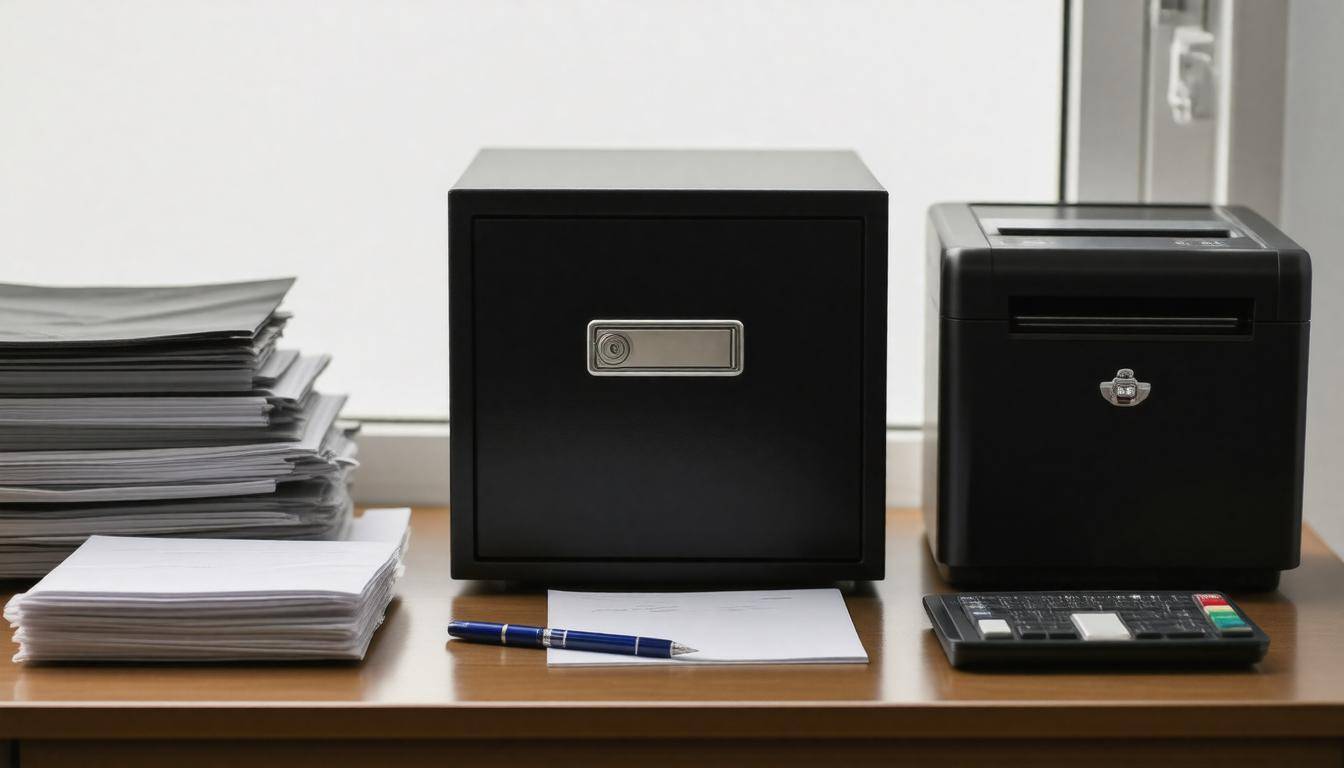
Relying solely on one security method is like trying to hold back the tide with a single sandbag—it might work temporarily but won’t stand the test of time. By integrating multiple strategies, you create a multi-layered defense that greatly enhances the protection of your sensitive documents. Think of it as building a fortress: one wall is good, but several walls make it even harder for intruders to gain access.
Layered Security Approach
A layered security approach not only shields against unauthorized access but also ensures that if one line of defense fails, others remain intact. For instance, combining encryption with two-factor authentication (2FA) and regular backups provides comprehensive coverage for digital documents. While encryption transforms data into unreadable code without the proper keys, 2FA adds an extra hurdle by requiring users to verify their identity through a secondary device or method. This duo serves to authenticate users while safeguarding the data itself.
Don’t forget about physical documents; utilizing a lockable filing cabinet coupled with effective document shredding practices eliminates the risks associated with physical theft and unauthorized viewing.
Scenario-Based Implementation
Imagine you’re running a small business that frequently handles sensitive client information. To fortify your defenses, here’s how you could apply these methods in a real-world context:
First, encrypt all sensitive client files using robust software—this secures them even if someone were to gain unauthorized access. Next, incorporate two-factor authentication for this sensitive information, ensuring that only verified personnel can access critical documents. Physical contracts should then be stored securely in a lockable cabinet while implementing document shredding protocols for any outdated files that are no longer needed.
Additionally, don’t overlook regular backups—use both an external drive and a cloud service to store copies of digital files so that you’re safeguarded against loss due to accidents or breaches.
Establishing these multifaceted security practices need not break the bank; there are numerous affordable tools and resources available that can help streamline this process effectively. This sets the stage for exploring practical solutions designed to enhance your document management strategy while ensuring security remains a top priority.
Affordable Security Tools and Software
Many affordable security tools provide comprehensive protection without causing financial strain. In today’s digital world, safeguarding your sensitive documents is more crucial than ever. Fortunately, there are cost-effective solutions available that don’t sacrifice quality for price.
Free and Open Source Software (FOSS)
Among the best options are free and open-source software (FOSS) solutions such as VeraCrypt for encryption, Bitwarden for password management, and ClamAV for antivirus protection.
VeraCrypt allows you to create encrypted virtual disks, essentially secure containers for your sensitive files. This means that even if someone accesses those files, they wouldn’t be able to read them without the correct decryption key. Bitwarden acts as a digital vault for your passwords, enabling easy generation of strong passwords to protect against breaches. Meanwhile, ClamAV provides basic antivirus protection by scanning files and emails for malware—essential in today’s cyber threat landscape.
These FOSS options not only save costs but also offer robust features that can compete with many premium products on the market.
Budget-Friendly Paid Tools
For added functionalities or enhanced customer support, consider budget-friendly paid tools like BitDefender’s antivirus service at only $30 per year or LastPass for $36 annually as a password manager. Although these tools come with a small cost, they often provide better user interfaces, reliable customer service, and additional features that enhance overall security posture.
For instance, BitDefender is known for its effective malware detection techniques and real-time protection against various online threats.
What makes these paid tools particularly appealing is their ability to integrate seamlessly into your daily routine while providing peace of mind—serving as your vigilant digital guardian.
With these cost-effective options at your disposal, securing your documents becomes manageable for everyone, regardless of budget constraints. By incorporating these tools into your document protection strategy, you reinforce the safety of your sensitive information while fostering a proactive approach against evolving cybersecurity threats.
In an increasingly interconnected world where security threats are pervasive, investing in reliable yet affordable document protection solutions is not just wise; it’s essential. As technology continues to evolve, so should our strategies for safeguarding our most vital information.
What common mistakes should I avoid when implementing document protection strategies?
When implementing document protection strategies, avoid common mistakes like neglecting to conduct a thorough risk assessment, which can lead to inadequate security measures. Failing to train staff on document protection protocols is another critical error; according to studies, up to 90% of data breaches occur due to human error. Additionally, do not rely solely on one form of protection—using multiple security layers such as encryption and access controls significantly enhances overall safety.
Are there free tools available for encrypting sensitive information?
Yes, there are several free tools available for encrypting sensitive information, such as VeraCrypt and AxCrypt, which offer robust encryption features without cost. According to a 2022 survey, over 50% of small businesses report using free or open-source solutions for document security due to budget constraints. These tools provide valuable encryption capabilities that can protect data from unauthorized access while being user-friendly and accessible to anyone seeking secure document management.
How can I secure digital documents without spending a lot of money?
You can secure digital documents without spending much by utilizing free tools such as password protection offered by most common productivity software (like Microsoft Office and Google Docs) and employing encryption services available online. According to recent studies, implementing simple security measures can reduce the risk of data breaches by up to 80%. Additionally, using regular backups and cloud storage solutions with built-in security options can protect your documents further without incurring costs, making these methods both effective and economical.
How do physical security measures compare to digital document protection methods?
Physical security measures, such as locked filing cabinets and controlled access to offices, provide a tangible layer of protection that can deter unauthorized access to sensitive documents. However, digital document protection methods, including encryption and password protection, offer a more scalable and efficient solution for managing large volumes of data. According to a 2022 study, organizations employing a combination of both physical and digital security strategies reported a 40% reduction in document-related breaches compared to those relying on one method alone. Thus, an integrated approach is crucial for effective document security.
What are the most effective low-cost methods for protecting important documents?
Some of the most effective low-cost methods for protecting important documents include using password-protected files, utilizing strong encryption for digital documents, and implementing physical security measures like lockable cabinets or fireproof safes for paper documents. According to a study by the Ponemon Institute, 60% of data breaches could have been prevented with proper security measures, emphasizing that even simple, cost-effective strategies can significantly reduce the risk of unauthorized access. Additionally, regularly updating passwords and training employees on document security best practices can further enhance protection without incurring substantial costs.