
In an era where power outages can strike at any moment—be it from storms, natural disasters, or grid failures—having a reliable backup plan is no longer a luxury but a necessity. You might think that preparing for such events requires a hefty budget, but the truth is, there are plenty of affordable options out there. Whether you are keen on portable power stations or looking for solar solutions, this guide will walk you through various low-cost emergency power sources that won’t leave your wallet empty. With a little research and planning, you can learn how to keep your essential devices powered up and stay connected when it matters most. Let’s dive in and explore the many ways to safeguard your home against unexpected outages!
The Complete Guide on Low-Cost Emergency Power Sources outlines various budget-friendly options for backup power, including portable power stations, solar solutions, and practical devices for emergencies. It also offers advice on assessing your specific power needs, making informed purchasing decisions, and preparing effectively for unexpected outages without overspending.
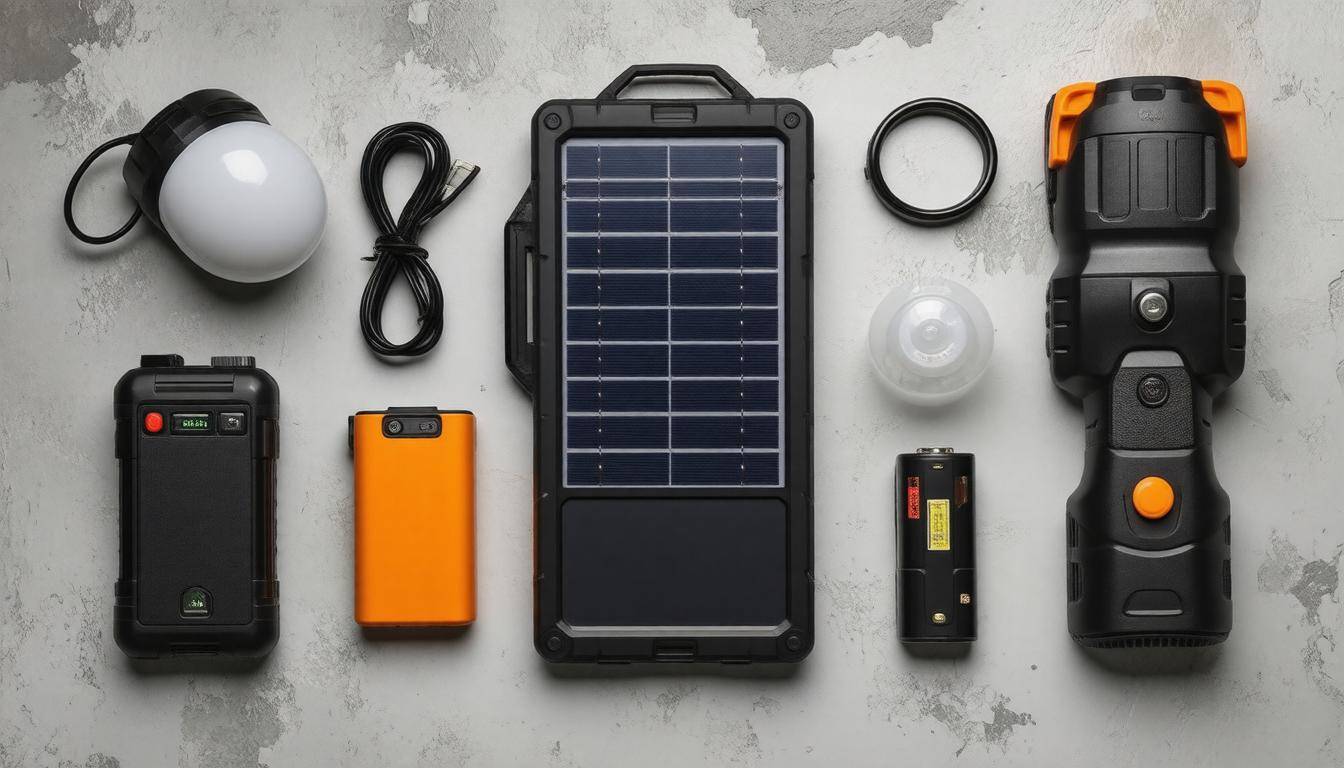
Affordable Emergency Power Options
Portable power stations are among the most compelling choices for emergency power. Take, for example, the Jackery Explorer 300. Priced at around $250, it’s perfect for powering essentials like small lights or fans, and it can even charge your devices when the grid goes down. The unit is compact and easy to transport, making it ideal for both home use and outdoor adventures. However, keep in mind that these units require pre-charging from an electrical outlet; you wouldn’t want to find yourself with an uncharged unit during a blackout. An alternate model to consider is the Golabs R300, which has gained praise in camping settings for its reliability and ease of use.
Another effective method for maintaining power during emergencies without breaking the bank is by using battery-powered inverters.
These devices convert direct current (DC) power stored in batteries to alternating current (AC), which is what most household appliances need. They’re particularly beneficial because they allow you to tap into your car battery or other DC sources when needed. What’s great about basic models is that they can be purchased for as little as $50, making them a budget-friendly option that doesn’t skimp on functionality. Just imagine being able to run a small fridge or fan during a power outage—an inverter might just be your ticket to cooling off when temperatures soar.
As we think about smaller-scale solutions, rechargeable battery packs offer yet another layer of convenience.
You can often find these packs available for as low as $20 for a twin pack. Their primary purpose is to charge devices like phones and tablets quickly, which can be invaluable during outages when communication becomes critical. Many people often overlook how essential it is to keep their mobile devices charged so they can receive updates or stay connected with loved ones—especially during emergencies.
In safeguarding against information blackouts during emergencies, hand-crank radios also deserve attention.
Consider models like the Midland ER310. For approximately $60, this device serves two vital functions: providing a reliable power source while also delivering crucial updates through AM/FM/NOAA channels. It’s especially advantageous during weather-related emergencies when staying informed on alerts could be a matter of safety. Phone notifications may fail as networks go down, but having a hand-crank radio can ensure you’re not left in the dark—figuratively and literally.
With all these practical solutions at our disposal, harnessing renewable energy opens up exciting avenues for sustainable backup options that are increasingly vital in today’s world.
Solar Power Solutions
Solar power is truly a beacon of hope, especially in emergencies when conventional power sources might fail.
For anyone just starting with solar technology, a 15W solar panel priced around $40 is an excellent entry point. This model is not just affordable; it’s wonderfully practical for charging small devices such as smartphones or LED lights, keeping essential communication and basic illumination intact during a blackout. Picture those late-night moments when your phone battery dwindles—having this simple panel within reach can feel like a lifesaver.
If you find yourself needing more robust energy solutions, consider investing in something like the $220 Lifepo4 Solar Generator. While the upfront cost may seem higher, this generator allows you to power multiple devices and even small appliances such as mini-fridges or fans—an essential comfort during extended outages. One could think of it as equipping your home with a tiny power plant. Plus, over time, you save significantly on fuel costs since solar energy is free once the system is installed.
Benefits of Solar Power
The benefits of utilizing solar power systems extend beyond immediate practicality. Being renewable, solar energy does not deplete resources like fossil fuels do; it keeps generating power as long as the sun is shining. This quality makes solar power exceptionally well-suited for prolonged outages, giving you peace of mind that you aren’t reliant on dwindling supplies.
Furthermore, modern portable solar panels are designed with user-friendliness in mind. They are lightweight and foldable for easy storage, making them perfectly convenient for anyone looking to prepare their home for emergencies.
Think about it: if a storm hits unexpectedly, having a solar panel stashed away can mean the difference between suffering in silence or remaining connected to essential services. Their durability also merits attention; many panels are built to withstand adverse weather conditions, ensuring they perform reliably when you need them most.
As we transition toward alternative solutions for maintaining power during outages, it’s crucial to explore options that don’t rely on sunlight at all.
Battery-Powered Devices
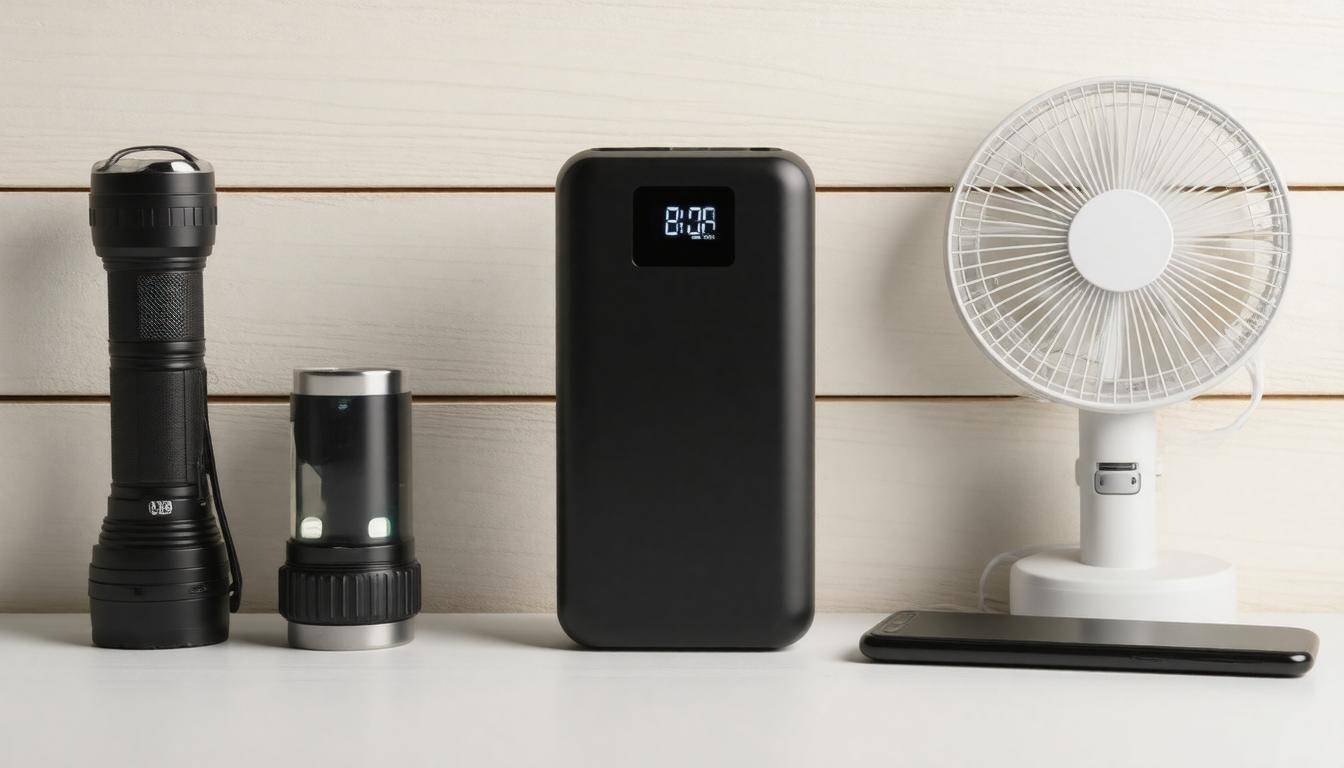
Battery-powered devices serve as a lifeline during unexpected power outages or emergencies, bringing both convenience and practicality when you need them most. Whether you’re facing a sudden storm or have lost power due to unforeseen circumstances, these devices can provide essential support. The beauty of battery-powered solutions lies in their ability to operate without dependence on external power sources, allowing you to stay prepared no matter the situation.
Key Devices
-
Flashlights: Undoubtedly one of the most crucial tools during a blackout, a reliable flashlight illuminates your surroundings and helps prevent accidents in the dark. Consider options with LED bulbs for longer battery life and brighter illumination.
-
Portable Fans: In hot weather, especially during summer outages, a portable fan provides much-needed relief from heat. Look for lightweight models with multiple speed settings, allowing you to tailor the airflow according to your comfort level.
-
Radios: A portable radio is essential for tuning into emergency broadcasts, keeping you updated on weather alerts or local announcements when the power is out. Many newer models come equipped with weather bands and even USB charging ports for added convenience.
-
Battery Packs: For those relying on mobile devices for communication or information, having a quality battery pack is invaluable. Choose one that offers fast charging capabilities and enough capacity to recharge your phone multiple times—staying connected during power outages is crucial.
Investing in these battery-powered devices is a decision that can be made under $100 each, making them budget-friendly solutions to meet basic emergency needs. While they may appear small in scale, their impact during emergencies cannot be overstated; they empower you to navigate crises with confidence and stay informed.
As critical as these devices are for immediate needs, it’s essential to think toward longer-term energy solutions that reduce reliance on traditional power systems. Next, we’ll explore how harnessing natural elements can contribute to creating a sustainable backup plan for energy independence.
Wind Power Alternatives

Harnessing wind energy as a backup power source is not just about large-scale turbines; small-scale solutions are gaining traction for households. Small wind turbines have emerged as popular alternatives for homeowners seeking independence from traditional power grids. These compact systems can effectively generate electricity, enabling you to power essential devices quietly and efficiently.
Small Wind Turbines
Installing a small wind turbine usually starts around $400, and depending on local wind conditions, this investment could offer significant returns over time. The beauty of small wind turbines lies in their ability to produce power whenever there is consistent wind flow. In locations with a suitable breeze, you might find that these turbines accumulate energy more efficiently than expected. This renewable energy source helps reduce reliance on other power sources and contributes positively to the environment.
One aspect that many overlook is that small wind turbines can directly cut costs on electricity bills by generating power for light household usage like lighting or charging electronics. While an initial setup cost may seem daunting, it may pay for itself quickly if you regularly depend upon it for daily tasks during outages.
Consider this: A well-maintained small wind turbine can last anywhere from 20 to 30 years, providing stable, renewable electricity.
Adjusting your expectations regarding the performance of these systems is crucial. The most efficient results occur in areas with consistent winds averaging around 10–12 mph. Therefore, it’s important to assess the wind potential of your location before investing in a turbine. There are several tools available online which can help determine typical wind patterns based on your geographical area.
DIY Wind Generators
For those who prefer a hands-on approach and enjoy designing their own solutions, DIY wind generators can be an incredibly rewarding option.
Building your own wind generator can indeed be a gratifying project that combines creativity with utility. Many enthusiasts have learned how to construct generators using easily sourced materials—from repurposed bicycle parts to wooden frames—all designed to capture and convert wind energy into usable electricity. While the initial learning curve might be steep for someone new to electrical work, numerous resources online provide step-by-step guides that demystify the process.
Having said that, ensure any DIY project is approached with safety in mind. Understanding basic electrical principles is vital to avoid injuries or damage caused by improperly installed components. Upon completion, you’ll not only have created a functional energy solution but also gained skills that could assist you in any future home improvement endeavors.
The combination of small turbines and DIY generators provides individuals with unique options for tapping into renewable wind power effectively and affordably. Whether you choose a pre-manufactured solution or decide to embark on the journey of building your own generator, harnessed wind energy presents promising benefits that extend beyond mere savings—contributing to a sustainable lifestyle.
As we explore options that bring innovation into our homes, we’ll shift focus towards creative methods of crafting your own power generators from scratch—an adventure where imagination meets practicality.
Homemade Generators
Building a generator at home is not just about saving money; it’s an opportunity to learn how power systems work. A DIY generator can be created using everyday items that many people have lying around their homes. For instance, you can utilize repurposed car alternators, which are excellent for converting mechanical energy into electrical energy. With a few simple components and creativity, you could craft a source of power that may one day be a lifesaver during an outage.
The process typically involves using a car alternator attached to a sturdy frame—often fashioned from an old bicycle. By pedaling the bike, you convert your physical effort into electricity. While it sounds straightforward, several intricacies exist; thus, it’s important to follow detailed tutorials guiding you through the mechanics of the build. Online resources abound, showcasing step-by-step instructions to ensure even beginners navigate the assembly successfully.
Notably, the cost of building this kind of generator can remain under $100 if you’ve saved useful parts from your garage or shed. Imagine crafting something incredibly useful while hardly denting your wallet! The ability to create your own generator could empower not only yourself but provide for others in times of emergency.
While DIY projects can yield unique and personalized solutions for backup power, it’s also good to consider alternate options that are ready-made for convenience.
Personally, I find that taking on projects like these enhances my understanding of technology and provides satisfaction knowing that I created something functional from what could have been waste.
It’s this combination of practicality and resourcefulness that resonates deeply with many who venture into homemade generators. As we shift our focus, let’s explore other efficient backup solutions that require less hands-on effort yet offer reliable power sources when needed most.
Portable Solar Panels
Portable solar panels are not only versatile, but they also offer a unique solution for both immediate and extended backup power situations. One of the most appealing features of these panels is their mobility; unlike traditional fixed solar installations, you have the ability to reposition them easily to optimize sun exposure throughout the day. This flexibility means that if clouds drift across one part of your yard or camping area, you can quickly move your panel to catch those golden rays elsewhere.
Affordability is another significant aspect of portable solar technology. With many models priced between $150 and $200 for a 100W capacity, these panels provide an attractive entry point into energy independence without requiring a hefty financial commitment.
But what can you do with this power? You can charge larger battery banks that serve as storage for later use or even power small appliances like lights, fans, or a mini refrigerator when electricity is critical.
Imagine you’re out camping—where evenings can be pitch black and cold. Having a portable solar panel means you can keep your lantern glowing, your devices charged, and your food fresh without relying on noisy generators or harmful fuel emissions.
Another critical advantage is the eco-friendliness associated with sustainable energy sources. Using portable solar panels staves off dependency on fossil fuels and helps in reducing your carbon footprint, which is increasingly essential in today’s climate crisis. Moreover, integrating smaller or multiple panels allows for more modularity; while one panel might charge battery packs during the day, having two or three can substantially increase your backup capacity for extended outages.
As we consider the practicality of portable solar solutions, it’s vital to also acknowledge additional technologies that can further enhance their effectiveness.
Integration with Battery Systems
Pairing portable solar panels with home-based battery systems opens up exciting possibilities. For instance, the EP Cube battery mentioned earlier offers varying capacities (6.6 kWh to 13.3 kWh) that make them perfect companions for storing excess energy generated during sunny days. By capturing that energy and utilizing it later—say during an evening blackout—you aren’t just generating power; you’re creating a self-sufficient ecosystem within your own home.
It’s also worth noting that in Japan, the trend of incorporating such systems has been driven by emergency preparedness due to natural disasters. Households have started looking beyond just backup lighting; they want to ensure they can operate essential appliances and remain comfortable when adverse conditions strike.
However, while these systems are excellent for providing power during emergencies, it’s essential to recognize that effective planning plays a key role in maximizing their potential benefits. For example, knowing how much energy specific devices consume helps tailor what size system works best for your circumstances.
The ever-evolving landscape of renewable energy gives enthusiastic homeowners opportunities previously unimagined. As we continue exploring these advancements, let’s examine how personal initiatives can shape our approach to harnessing solar energy effectively.
DIY Solar Setups
DIY solar setups enable you to customize your energy solution according to your specific needs, transforming everyday products into essential components of an emergency power source. It may sound daunting at first, but with the right guidance, anyone can set up a functional solar array. The beauty lies in flexibility; you choose what suits your situation best. So how do you get started?
Steps to Create Your Setup
First and foremost, determining your power needs is crucial. Before diving into purchasing components, calculate the total wattage required for all devices you want to power during an outage. This can include essentials like lights, a refrigerator, or even a computer. By pinpointing the wattage needed—let’s say you require 600 watts to operate a small fridge and a few lights—you can ensure that your system is tailored just for you.
A good way to approach calculating these needs is by listing each device’s wattage on a piece of paper. Most manufacturers provide this information on tags or in user manuals. Once you’ve compiled your list, simply add them up!
Next comes purchasing the components you’ll need for your DIY setup. You will typically require several essential items: solar panels to capture sunlight, charge controllers to manage the flow of electricity from the panels to the batteries, deep-cycle batteries for storing energy, and finally, an inverter to convert stored DC (direct current) power back into usable AC (alternating current) electricity suitable for most home appliances. You don’t have to break the bank; options exist for virtually any budget.
For instance, many users start with one 100-watt solar panel costing around $150-$200 and build their system from there as they identify their needs. Likewise, charge controllers are relatively inexpensive at around $20-$50 but play an integral role in protecting your batteries from overcharging.
| Component | Approx. Cost | Key Features |
|---|---|---|
| Solar Panels | $150-$200 | 100W, portable, durable |
| Charge Controller | $20-$50 | Regulates energy flow to batteries |
| Deep Cycle Batteries | $100-$200 | Provides stored energy for use when needed |
| Power Inverter | $50-$100 | Converts stored power to usable AC electricity |
After gathering all your components, it’s time to move onto the assembly of your system. This part might sound intimidating at first glance but fear not! Following detailed online guides or utilizing kits that specify wiring and installation will keep things clear and organized. Securely connecting everything together while following safety protocols ensures efficiency and reduces the likelihood of errors. Think of it as putting together a puzzle; once all pieces fit together correctly, it transforms into a useful masterpiece.
Armed with knowledge about building your solar setup, you can explore tailored options that fit specific requirements or situations.
Recommendations for Specific Needs
Different households have varying needs during power outages, and recognizing these differences is essential for effective emergency preparedness. For urban dwellers, where space can be a premium, portable power stations or battery packs present an ideal solution. These compact devices efficiently provide backup power without taking up too much room. They often come with multiple outlets and USB ports, making it easy to charge devices like smartphones, laptops, or even run small appliances while staying within the confines of city living. They are particularly useful for those who live in apartments where larger setups are impractical.
On the other hand, people residing in rural areas face different circumstances regarding power outages.
In less densely populated regions, investing in larger and more sustainable options like solar power systems or small wind turbines makes perfect sense. Given the typically open spaces available in rural settings, homeowners can harness renewable energy to create a reliable backup system. These systems not only serve as solutions for outages but can also yield savings on utility bills over time. With advancements in technology, many solar panels are now more efficient and affordable than ever—making them a smart investment for those looking to fortify their emergency power plans.
Now let’s consider the needs of individuals who are always on the go.
For frequent travelers or outdoor enthusiasts, carrying bulky equipment isn’t practical—a situation that calls for compact, lightweight solar panels and high-capacity power banks. These portable solutions ensure that you remain powered up no matter your location, whether you’re camping deep in the woods or simply away from home. Many newer models come equipped with foldable designs that allow ease of transport without compromising functionality. Moreover, they often have quick charging capabilities and are compatible with various devices, ensuring that you stay connected when it matters most.
By considering these specific needs…
…and evaluating the various affordable options available in the market, householders can effectively prepare for emergencies without breaking the bank. Each recommendation addresses unique circumstances surrounding one’s living situation while providing a pathway toward greater energy independence and resilience against unpredictable weather patterns or infrastructural failures. Understanding these tailored solutions empowers individuals to confidently choose backup power sources that align with their lifestyle choices and environmental considerations.
In summary, knowing which emergency power source suits your needs is vital for preparedness. This knowledge allows for informed decisions that ensure safety and comfort during unexpected outages.
Are there any maintenance tips to prolong the lifespan of cost-effective emergency power sources?
To prolong the lifespan of cost-effective emergency power sources, such as generators and batteries, regular maintenance is crucial. This includes checking and changing oil every 50-100 hours of operation, keeping air filters clean, and ensuring fuel is fresh to prevent degradation. Additionally, performing monthly tests can reveal potential issues before they become critical; studies have shown that routine maintenance can extend equipment life by up to 30%. By practicing these simple steps, users can ensure their backup solutions remain reliable when needed most.
What types of low-cost emergency power sources are available for home use?
Low-cost emergency power sources for home use include solar panels, portable generators, and battery-powered backup systems. Solar panels have become increasingly affordable, with costs declining by over 80% since 2010, making them a viable option for many households. Portable generators offer immediate power during outages, usually ranging from $300 to $1,000, while battery-powered systems like UPS can provide short-term support for critical devices. These options ensure that homes can maintain essential functions during emergencies without breaking the bank.
What are the pros and cons of different low-cost options like portable generators versus battery backups?
Portable generators typically offer a higher power output and can run for longer periods on fuel, making them suitable for heavy-duty needs; however, they can be noisy and emit carbon monoxide, requiring proper ventilation. On the other hand, battery backups are quieter, environmentally friendly, and provide clean energy, but often have limited capacity and shorter run times. For instance, while a portable generator can deliver up to 7,500 watts continuously, typical battery systems might only support essential appliances at around 1,500 to 3,000 watts for a few hours depending on the model and usage. Ultimately, the choice depends on individual needs regarding power demand versus noise and safety preferences.
How do low-cost emergency power sources compare with traditional grid energy reliability?
Low-cost emergency power sources, such as solar panels and portable generators, offer a more flexible and often cost-effective alternative to traditional grid energy; however, their reliability can vary significantly. While grid energy provides consistent power, low-cost options may depend on environmental conditions and fuel availability. For instance, a study indicates that during outages, households using backup systems experienced power restoration times 30% faster compared to those solely reliant on the grid. Nevertheless, investment in these emergency solutions can yield significant savings over time by reducing dependence on utility companies and providing a safeguard during outages.
How can I assess my power needs to choose the right emergency power source?
To assess your power needs for choosing the right emergency power source, start by creating a list of essential devices you need to run during an outage, such as refrigerators, medical equipment, or lights. Calculate their wattage requirements—most appliances will indicate this on a label. Summing these wattages gives you a rough estimate of the capacity you’ll need. For instance, if your essential devices require 1,500 watts in total, you’ll want a generator or backup battery capable of supporting that load with some buffer for additional devices. According to the U.S. Department of Energy, households typically lose power about 3 to 5 times per year, making preparation vital for ensuring safety and comfort during outages.