
As winter approaches, residents of Invercargill must brace themselves for the intense storms that can sweep across the South Island. The unpredictable nature of these storms can create a labyrinth of challenges, from losing power to being snowed in at home. Preparing effectively is not just about dodging inconveniences; it’s crucial for your safety and comfort. Drawing on personal experiences and insights, this guide will help you assemble a robust winter storm kit, ensure your home is warm and secure, and equip you with the essential tools and supplies needed to weather any storm mother nature throws your way. Let’s get started on keeping you and your loved ones safe during this chilly season!
A Winter Storm Kit for Invercargill should include essential items such as bottled water, non-perishable food, a flashlight with extra batteries, a first aid kit, blankets, and a battery-operated radio. Additionally, consider including warm clothing and footwear, necessary medications, and emergency contact information to ensure safety during severe winter weather.
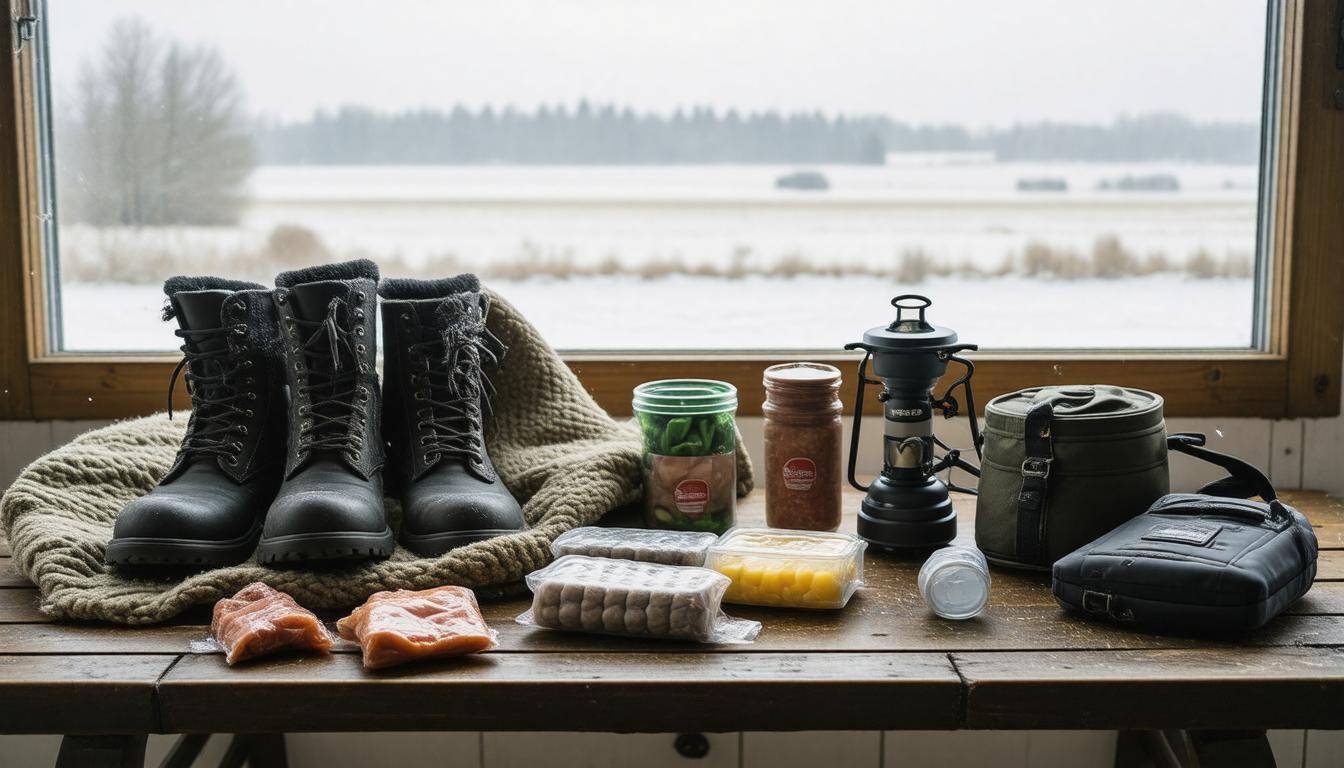
Essential Weather Preparedness for Invercargill
The key to surviving the intense storms of Invercargill lies in being proactive about home protection. Winter storms can bring powerful winds and heavy snow that might threaten structural integrity, so a little preparation goes a long way.
To start, inspecting your roof and gutters can’t be overstated. Debris and damage can lead to leaks or even worse, water damage when snow begins to melt. Make it a habit to remove any leaves or branches lodged in your gutters. While you’re up there, take a close look for any missing or loose shingles; even a small gap can become a major problem under the pressure of stormy conditions.
Once you’ve attended to your roof and gutters, shifting focus to windows and doors is the next logical step.
Sealing your windows and doors should be high on your priority list. Cold drafts sneaking in can cause your heating system to work overtime, leading to higher energy bills and an uncomfortable living space. Consider using weather stripping or even caulking around the edges of windows and doors — this is often an easy DIY project that requires minimal tools but offers significant returns in comfort.
And don’t forget about your garage! If it’s attached, make sure that door seals are also properly maintained, as heat loss through this entry point can be substantial.
Now that we’ve focused on preventing cold air leaks, it’s essential to ensure that your heating systems are fully operational.
Checking your heating systems is non-negotiable before the storm hits. Whether you rely on a central heating system or prefer the coziness of a fireplace, it’s vital to have these sources serviced ahead of winter.
For heaters, consider scheduling a preventative maintenance check with a professional; they’ll clean components and check for any issues that could leave you shivering in the cold. If you’re using a fireplace, give it a thorough cleaning, making sure flues are unobstructed for proper ventilation — after all, nobody wants to deal with smoke filling their living space during the height of a snowstorm!
Regular checks of both heating sources and insulation not only keep you warm but also extend the lifespan of these vital systems.
Taking these preliminary steps significantly strengthens your home against harsh weather conditions. As you continue preparing for winter’s challenges, it’s vital to assemble the necessary supplies that will bolster your safety and comfort.
Building Your Basic Winter Storm Kit
A well-stocked winter storm kit can indeed be a life-saver. Picture a scenario where heavy snow blankets Invercargill, cutting off power and isolating your home. In such emergencies, having essential supplies on hand allows you to navigate challenges with confidence. The foundation of this preparation begins with understanding the key components that make your winter storm kit effective and functional.
Key Components
First and foremost, every storm kit should contain a First Aid Kit. Imagine slipping while trying to access supplies outside; having bandages, antiseptics, and over-the-counter medications readily available ensures you can take care of minor injuries without undue delay. Stock your kit with not only the basics but also personal medications you’ll need during an extended stay at home, because even in the comfort of your home, an errant scrape can create more fuss than you’d like.
Next comes one of the most critical pieces of equipment: flashlights and batteries. Power outages can strike when you least expect them, especially during storms. A reliable flashlight will guide you through those dark moments, while extra batteries ensure that your light source remains operational for as long as needed. Think about adding headlamps too—they can keep your hands free for various tasks around the house.
To stay informed when modern communication methods fail, pack a battery-powered radio into your kit. When the power goes out, mobile networks may crash, leaving you in the dark about incoming weather reports or emergency updates. A radio lets you monitor essential information to help you plan accordingly.
While gathering these basics, do not overlook the importance of a multi-tool. This handy gadget can assist in many scenarios—from quick fixes around the house to preparing food if you’re unable to use your stove for an extended period. Imagine needing to open canned goods but having no can opener nearby—this is where a multi-tool saves the day.
Step-by-Step Organization
Now that we’ve covered what your kit should contain, let’s discuss how to neatly organize it for maximum efficiency. Start by choosing a sturdy container; opt for a waterproof plastic bin that will keep the contents dry during wet conditions. It’s essential that this bin should be strong enough to withstand shifting during turbulent weather.
After securing a solid container, proceed with these organizational steps:
- Label Sections for Easy Access: Dividing items into categories like “first aid,” “tools,” and “essentials” will make locating specific supplies easier.
- Include a Checklist: Having a checklist taped inside the lid of your box ensures you don’t miss anything when restocking or prepping for storms.
- Keep It Accessible: Store your kit in a spot that’s easy to reach—ideally near an exit or in a location you consistently pass by so it serves as a constant reminder.
With your winter storm kit assembled and organized, you’ll find peace of mind as you brace yourself for whatever challenges arise during those icy months in Invercargill. Now, we’ll explore the essential tools you’ll need to manage these stormy situations effectively.
Vital Tools for Storm Survival
Tools play a crucial role in ensuring your safety and comfort when a winter storm hits. The right equipment transforms an otherwise daunting situation into something manageable. For instance, consider the basic tools that every storm survival kit should contain and how they contribute to your overall readiness.
Must-Have Tools
| Tool | Use Case |
|---|---|
| Shovel | Clearing snow and ice |
| Hand Crank Flashlight | No need for batteries |
| Portable Generator | Backup electricity source |
| Thermal Blanket | Retaining body heat |
Each tool on this list serves a specific purpose. A shovel is essential for not only clearing pathways and driveways but also for removing heavy snow build-up around your home, which could become dangerously heavy. It can even double as a tool for digging out your vehicle if you find it buried under several feet of snow.
Meanwhile, having a hand crank flashlight ensures you’re never left in darkness without worrying about dead batteries. A well-maintained flashlight can guide your way or help you signal for assistance during power outages.
Portable generators are fantastic for bridging the gap when the power goes out; however, they must always be used outside to avoid carbon monoxide poisoning. Electricity is crucial for keeping food cold, charging devices, or just providing light in your home during a storm.
Let’s not forget the importance of a thermal blanket. These lightweight yet efficient sheets trap body heat exceptionally well, providing warmth when temperatures plummet. In emergencies, they can mean the difference between comfort and hypothermia.
Additional Tips
For those living in areas prone to significant snowfall, investing in a snow blower could save you considerable effort and time. The convenience of simply switching on a machine rather than laboring with a shovel can’t be overstated.
Additionally, while portable generators provide much-needed backup power, it’s vital to follow manufacturer guidelines regarding ventilation and load capacity carefully. Ensure you’re familiar with safe operational practices to safely enjoy the benefits they bring without risking unwanted consequences.
Preparation is key when winter storms loom on the horizon. Equipping yourself and your home with these must-have tools will not only provide peace of mind but also ensure you’re ready to face whatever Mother Nature throws your way.
Building on this sense of preparedness, it’s equally important to consider how you’ll manage essential supplies such as food and water during challenging weather events.
Food and Water Storage Tips

Stocking up on essential supplies like food and water is crucial when preparing for a winter storm. It’s not just about getting through the day but ensuring you have enough sustenance for at least 72 hours. Just imagine being snowed in, with nothing but limited supplies—it’s not a pleasant thought. The Centers for Disease Control and Prevention (CDC) recommends aiming for one gallon of water per person each day, which emphasizes the importance of strategic storage.
Storage Recommendations
Begin by choosing non-perishable items that you can rely on during emergencies. Canned goods, dried fruits, nuts, rice, pasta—these are fantastic sources of nutrition and will last longer. But don’t just fill your pantry to the brim; think about variety too, as a mix keeps morale up if you need to stay indoors for an extended period.
Water storage is another key aspect that shouldn’t be neglected. Use food-grade water containers to prevent contaminants from seeping into your supplies. To be extra cautious, I always suggest purifying tap water before storing it; adding a few drops of unscented household bleach per gallon can eliminate any potential pathogens, just in case.
I’ve found that proper location matters too—store your packed items in a cool, dark place away from direct sunlight. This helps extend their shelf life significantly. A resident of Invercargill echoed this sentiment when they shared how well-preserved their food items remained due to careful temperature control.
Personal Anecdote
During last winter’s storm, my friend faced two long days without being able to venture outside. They recounted with relief that their canned soup and bottled water were lifesavers in those chilly circumstances when takeout or grocery delivery was simply not an option. This experience epitomizes why thoughtful planning and storage can transform an emergency into a manageable situation.
As you gather these necessities, consider how warm clothing and adequate shelter can enhance your comfort and safety amid the harsh winter conditions outside your door.
Staying Warm: Clothing and Shelter

Keeping warm can indeed be a challenge during a severe winter storm, especially in Invercargill where the weather can hit hard. One of the most effective strategies to combat the cold is to invest in the right clothing. When temperatures plunge, your first line of defense is your attire. I’ve found that layering my clothing significantly helps trap body heat. Rather than relying on a bulky coat that can restrict movement, I prefer multiple layers made of materials like wool or fleece to insulate better without adding too much weight.
Clothing Essentials
-
Layered Outfits: Start with a moisture-wicking base layer to keep sweat away from your body, add a thermal insulating layer, and top it off with a windproof and waterproof outer layer to shield against chilling breezes.
-
Thermal Socks and Gloves: Your extremities are often the first to feel the cold; therefore, investing in quality thermal socks and insulated gloves can help keep your fingers and toes warm. A common mistake is not wearing socks thick enough; don’t hesitate to double up on thinner pairs if needed!
-
Waterproof Outerwear: Insulating layers mean nothing if they become soaked. Choose jackets and pants that repel water to ensure you’re shielded from the elements, allowing you to stay dry while waiting out the storm.
Once you’re dressed appropriately, focusing on shelter becomes essential for maintaining warmth indoors.
Shelter Tips
The inside of your home can be a safe haven during harsh winter storms if you prepare it correctly. Using additional heat sources is often crucial when it gets frigid outside. Consider setting up space heaters in well-trafficked areas while maintaining safety precautions—never leave them unattended!
I also recommend investing in thermal blankets; these are compact for storage yet incredibly effective at trapping heat when snuggled under them.
If there’s a power outage—an all-too-common occurrence during severe storms—a well-insulated sleeping bag becomes invaluable. Nestling inside it not only helps retain heat but creates a more comfortable sleeping situation when indoor temperatures drop. Remember to keep an emergency kit handy that includes candles or battery-operated lights for additional warmth and light as darkness settles in outside.
With your clothing and shelter organized, it’s vital to consider how best to ensure that your vehicle is prepared for whatever winter brings its way.
Preparing Your Vehicle for Winter
Your vehicle can truly be a lifeline during the biting cold of winter, but it must be ready to take on the challenges it brings. Every step in the preparation process directly contributes to your safety and comfort.
For instance, one of the most critical aspects of winter readiness is assessing your tires. Checking tire tread depth is essential; at least 3mm of tread is recommended for decent traction on slippery roads. If your tires have seen better days or they’re not rated for winter conditions, consider investing in a good set of winter tires. These provide enhanced grip not just for snow, but also on ice.
Preparing Your Vehicle Step-by-Step
Another key element to focus on when preparing for winter is ensuring that your windshield wiper blades are up to the task. Regular wipers may become ineffective as they struggle with heavy snowfall or ice buildup. So I can’t stress enough how important it is to replace them with winter-grade blades or those specifically designed to handle harsh weather conditions. This ensures maximum visibility, which is crucial when you’re trying to navigate treacherous roadways.
In addition, routinely topping up essential fluids cannot be overlooked. Antifreeze plays a vital role in preventing your engine from freezing, while keeping your windshield washer fluid filled will help you deal with salt and grime from the roads effectively. Regularly checking your oil level is just as important since thickened oil in cold weather can impede engine performance. It’s really about having peace of mind knowing that everything under the hood is functioning smoothly through temperatures that can drop drastically.
It’s estimated that accidents increase by 20% in winter due to poor vehicle maintenance—so staying proactive regarding your vehicle’s readiness can make all the difference for your safety!
Additionally, keep emergency supplies handy within your vehicle: blankets, a flashlight, non-perishable snacks, and perhaps even a shovel (just in case you find yourself stuck). This way, you won’t be caught off guard if an unexpected snowstorm suddenly hits while you’re out.
Taking these steps toward preparing your vehicle proactively minimizes unexpected complications later on. Embracing this mentality fosters safer experiences not only for yourself but for everyone on the road around you as well.
As we continue our journey towards safety in unpredictable weather, let’s explore how best to maintain the supplies you will rely on in times of need.
Maintaining Your Emergency Supplies
Keeping your emergency supplies up-to-date ensures they remain useful when needed. It’s amazing how often we forget to check what’s lurking in the back of our storage rooms until we really need something, and even more surprising to learn that our once-reliable gear has gone stale. Maintaining a well-stocked emergency kit doesn’t just mean adding new items; it’s about ensuring everything you have can actually serve its purpose in a crisis.
Maintenance Routine
A regular maintenance routine is vital. Many emergency supplies have an expiration date, and ignoring this can leave you stranded when you need help the most. To avoid this predicament, start by conducting monthly checks on your supplies to inspect their integrity and functionality. This simple act helps you catch any damaged items before they fail during an emergency.
For instance, first aid supplies like bandages and antiseptic wipes have a limited shelf life, not to mention batteries for flashlights or radios. So don’t wait for winter storms to strike to find out that your flashlight batteries are dead or that the adhesive on your bandages has dried up! During your monthly check, take a moment to replace expired items. This can save you from unnecessary hassle when you’re low on time and high on stress.
Additionally, it’s important to make sure that any equipment in your kit is still functioning as intended. This includes running generators or fire-starting kits, as well as checking flashlights and lanterns periodically. If you’ve got a generator, give it a little love with some routine maintenance. Start it up every few months and check the oil levels; you’d be surprised how often these machines need a little TLC.
By staying on top of these small tasks regularly, you help guarantee that your emergency kit works flawlessly at crucial moments.
With appliances checked and expired items replaced, we can now consider recommendations from seasoned professionals about improving your preparedness for the harsh winter conditions ahead.
Expert Advice for Invercargill Residents
When winter storms strike in Invercargill, having guidance from local experts can make all the difference. Their firsthand experience with the region’s specific weather patterns equips them to provide essential advice for keeping you and your loved ones safe.
Key Tips from Local Experts
One crucial piece of advice comes from John, a seasoned emergency management expert who knows the ins and outs of preparing for winter outages. He emphasizes the importance of having a backup heat source.
“Always have a backup heat source,” he advises. “Wood stoves are reliable when power is out.”
This is particularly relevant in Southland, where heavy snowfall or strong winds can lead to prolonged outages. Ensuring you have enough firewood on hand not only provides warmth but can create a comforting atmosphere during stressful times. Make sure your wood is dry; wet wood will produce more smoke and less heat.
In addition to heating solutions, local experts suggest creating a neighborhood watch system. This involves rallying together with your neighbors to share resources and information during severe weather events. Whether checking in on elderly neighbors or pooling supplies like food or generators, community connection greatly enhances safety and preparedness.
Bartering for skills such as snow removal or cooking hot meals can foster that essential sense of community during isolation.
Those little social bonds and preparations often turn into invaluable lifelines when facing adversity.
Beyond these essentials, consider your home’s insulation and draft-proofing measures. Investing in good insulation not only keeps you warm but saves on heating costs as well. Simple projects like adding weather strips to doors or insulating windows can significantly improve comfort levels during cold months.
Remember, being prepared isn’t just about gathering supplies; it’s also about fostering connections in your community and ensuring your home is ready for whatever winter throws your way. The strength that emerges from shared resilience in times of crisis is invaluable—one of our greatest resources.
In summary, prioritizing both personal safety supplies and community support systems will go a long way in ensuring a safe winter for everyone in Invercargill.